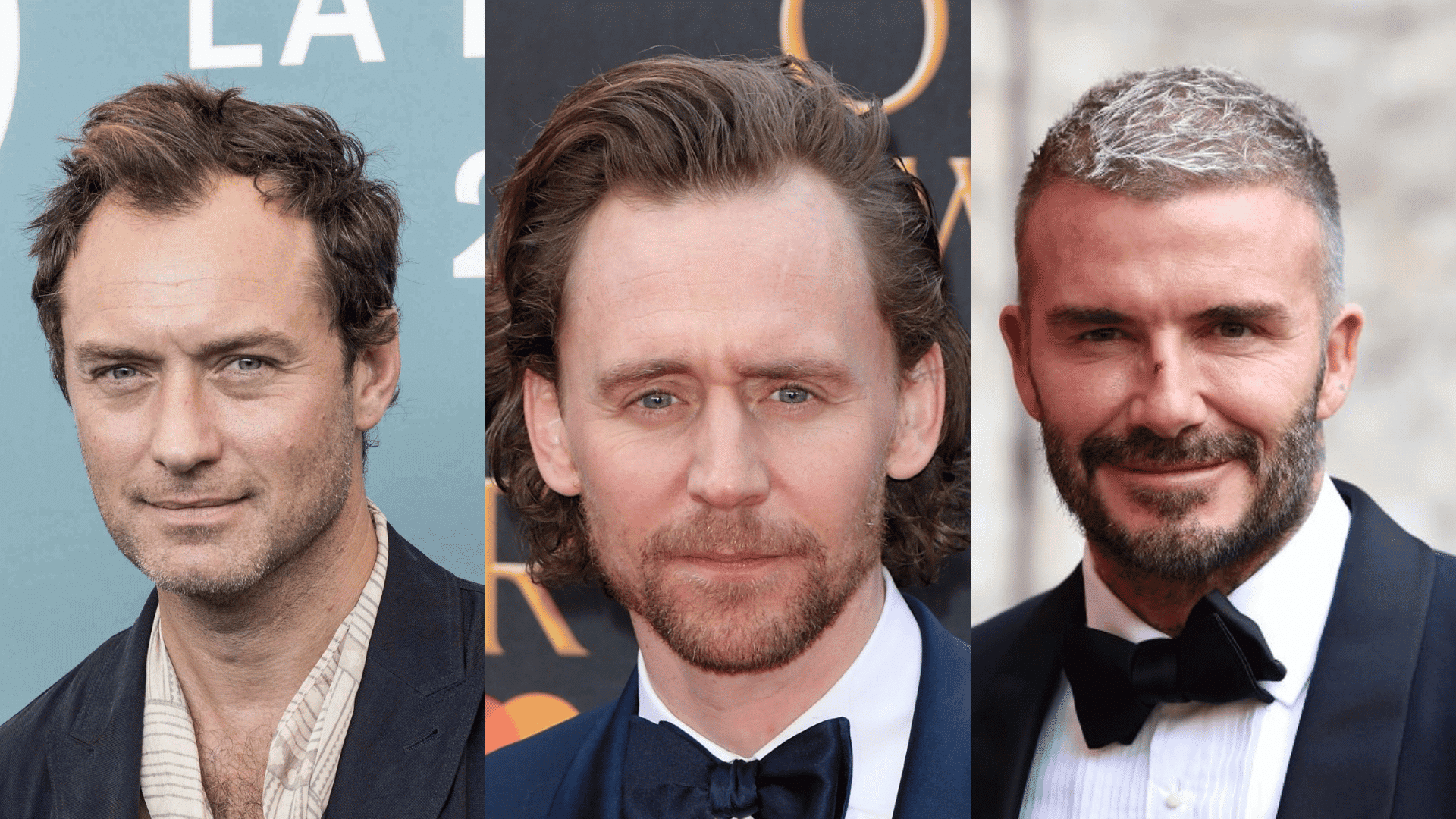
Your hair can look the same for years, and then suddenly, your usual haircut just doesn’t seem to work anymore.
Maybe you notice more of your temples in photos, your crown looks thinner under bright lights, or your hair simply doesn’t have the volume it used to.
I’ve always felt that trying to hide these changes with more hair can sometimes have the opposite effect. A smarter cut often looks much better.
For me, the goal isn’t to hide thinning spots but to make the overall haircut look balanced. The right hairstyles for men with thinning hair use smart length and texture to create a sharper, fuller-looking style.
Quick Hairstyle Comparison
Use this quick comparison to match each haircut with your thinning area and preferred overall look before deciding which style suits you best.
|
Hairstyle |
Best For |
Overall Look |
|---|---|---|
|
Textured Crop |
Receding hairline or thinning top |
Modern and textured |
|
Buzz Cut |
Overall thinning or advanced hair loss |
Clean and minimal |
|
Crew Cut |
Mild thinning on top |
Classic and neat |
|
French Crop |
Receding hairline |
Sharp and contemporary |
|
Taper Fade |
Thinning temples |
Polished and versatile |
|
Ivy League |
Mild thinning with good top density |
Professional and refined |
|
Textured Quiff |
Mild thinning near the front |
Stylish with added height |
|
Disconnected Crop |
Fine hair with thinning on top |
Bold and fashion-forward |
|
Short Curly Crop |
Thinning curly or wavy hair |
Natural and relaxed |
|
Bald Fade |
Thinning temples or advanced thinning |
Sharp and structured |
Best Hairstyles for Men With Thinning Hair
Shorter sides, strategic texture, and the right amount of length on top can help thinning hair look more balanced.
1. Textured Crop
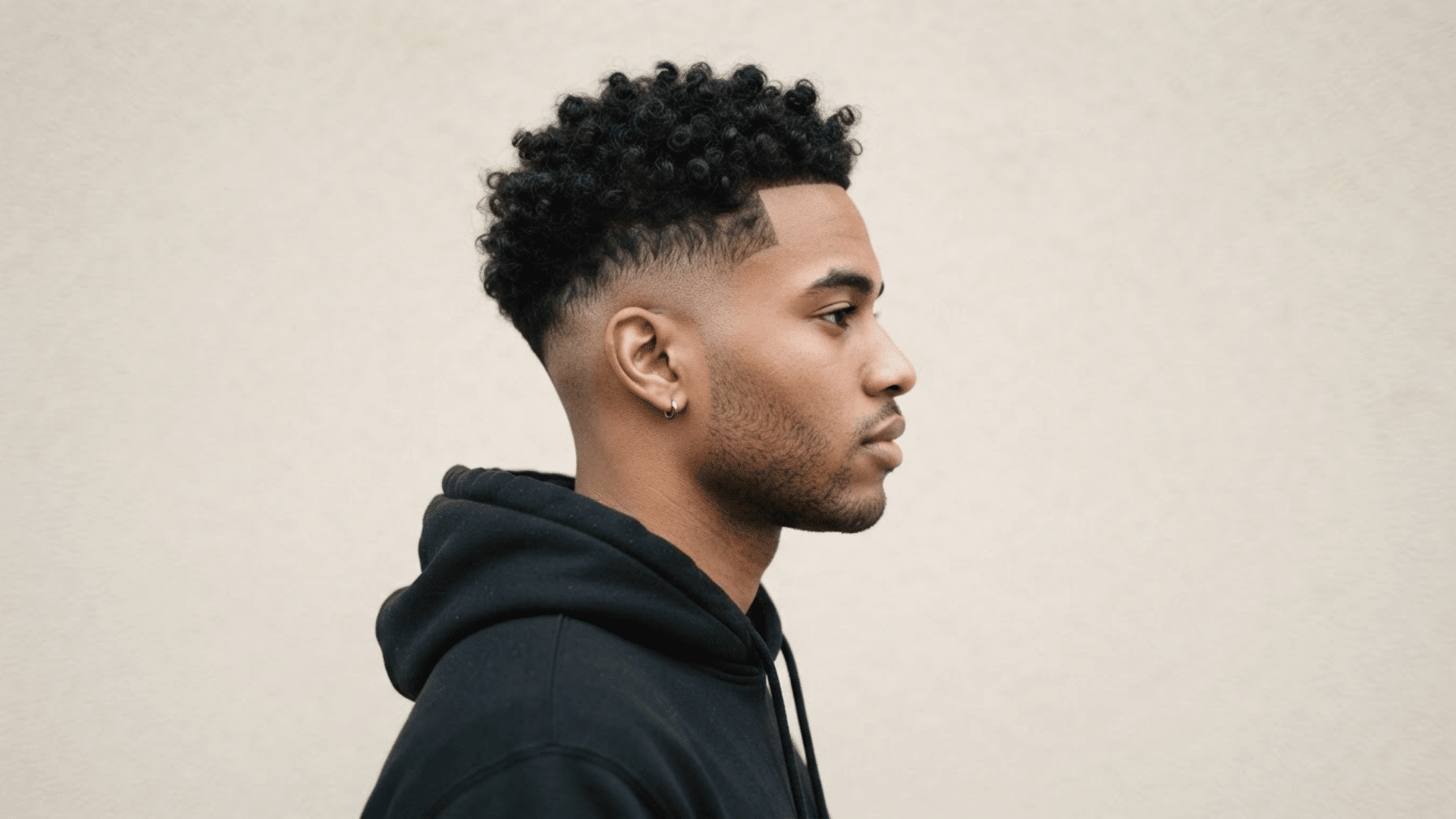
A textured crop keeps the sides neat and adds short, choppy layers across the top. The uneven texture creates movement, helping fine hair appear fuller instead of lying flat against the scalp.
Styling the top slightly forward can also naturally soften visible thinning around the hairline, temples, or front area.
2. Buzz Cut
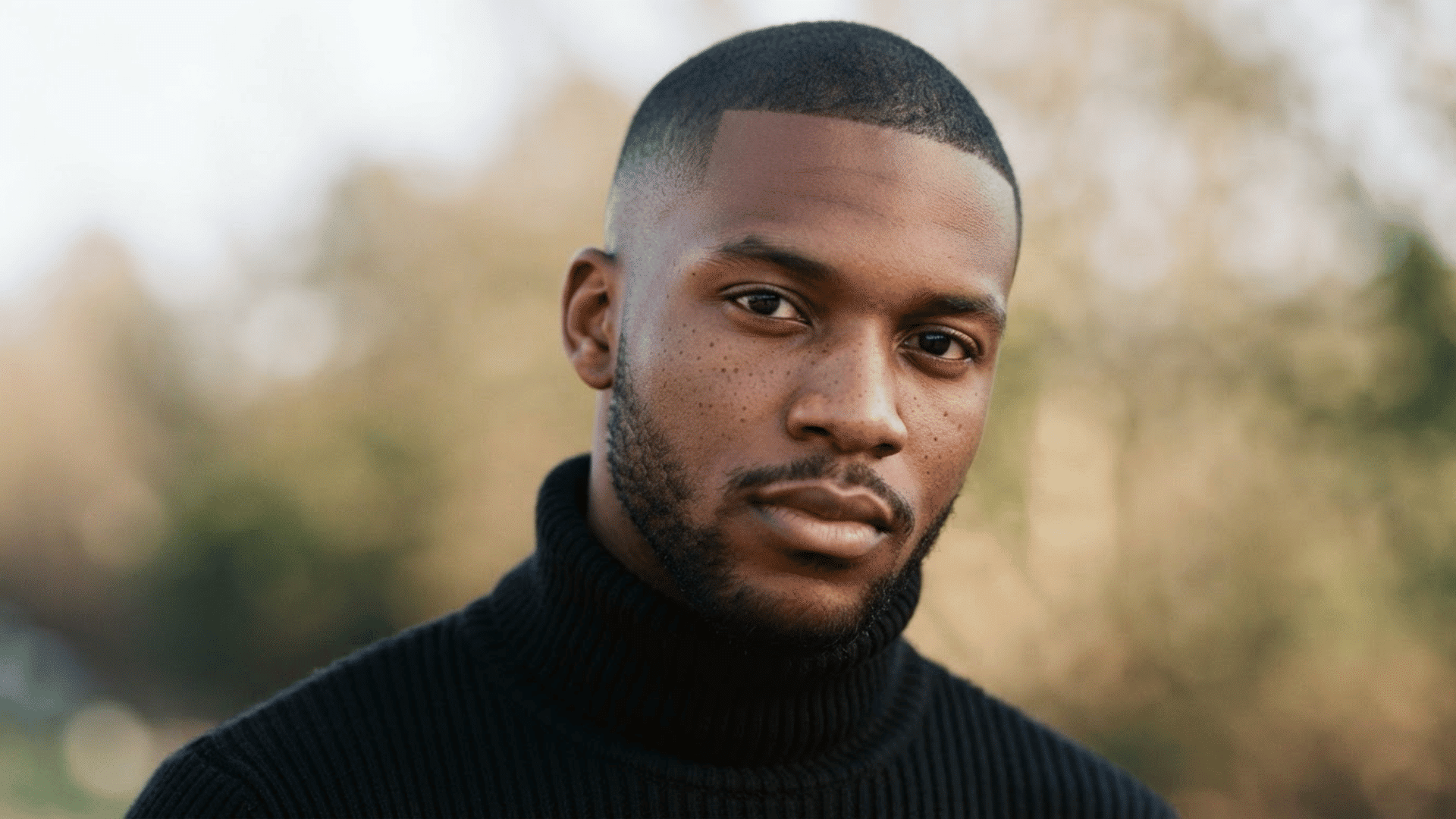
A buzz cut keeps the hair uniformly short, reducing the contrast between thicker and thinner areas.
Its close length can make visible thinning look less obvious while creating a clean, sharp appearance.
It is also one of the easiest haircuts for balding men to maintain, requiring very little daily styling.
3. Crew Cut

A crew cut keeps the sides short while leaving slightly more length across the top. You can style the front upward or forward to create texture and subtle volume.
Since the hair stays relatively short, fine strands are less likely to separate into sections that reveal the scalp underneath.
4. Short Caesar Cut
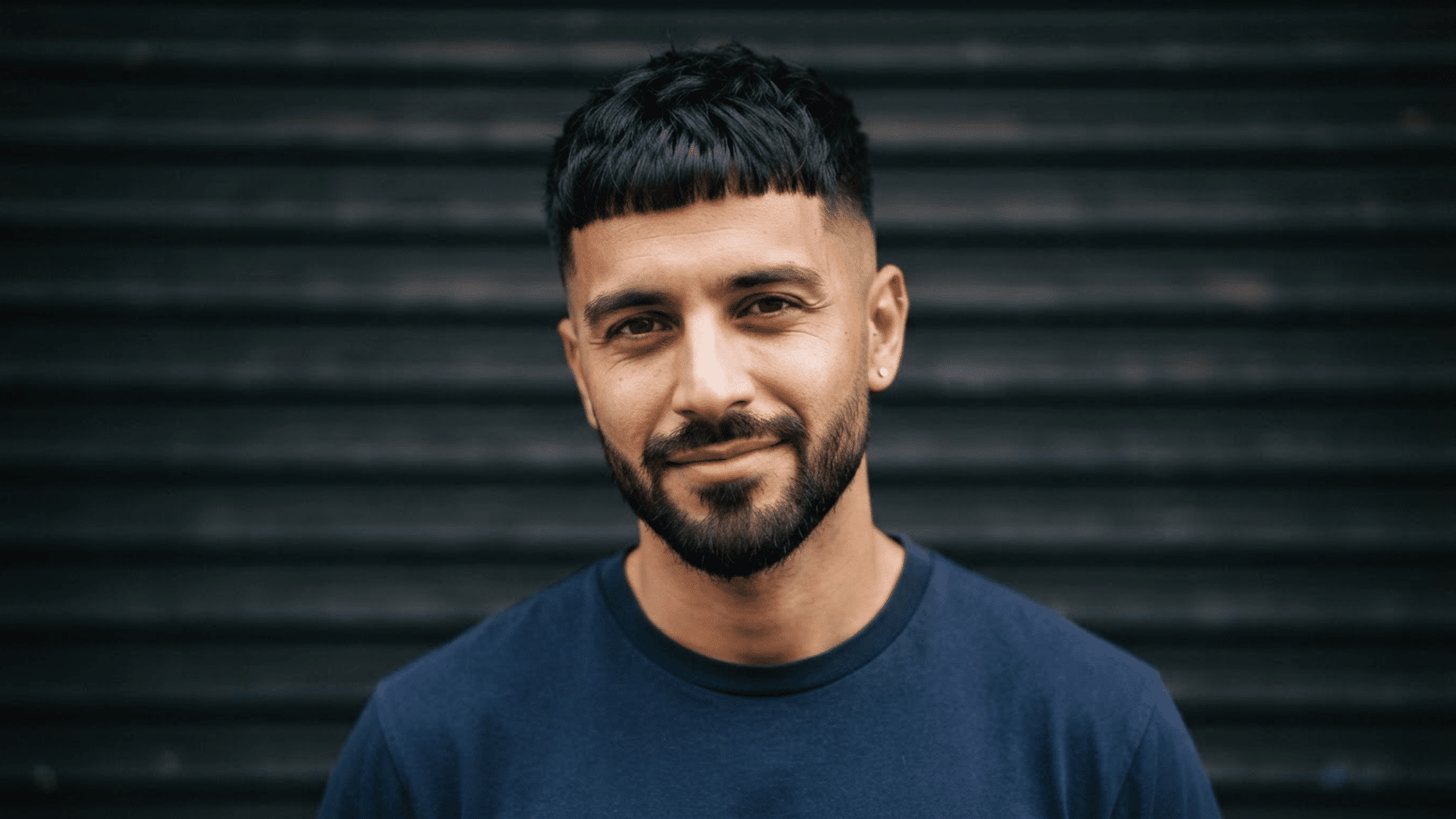
A short Caesar cut features closely cropped hair with a small fringe styled forward across the forehead.
This direction can soften the appearance of a receding or uneven hairline without looking overly styled.
Keeping the fringe slightly textured rather than perfectly straight also creates a more natural, relaxed finish overall.
5. French Crop
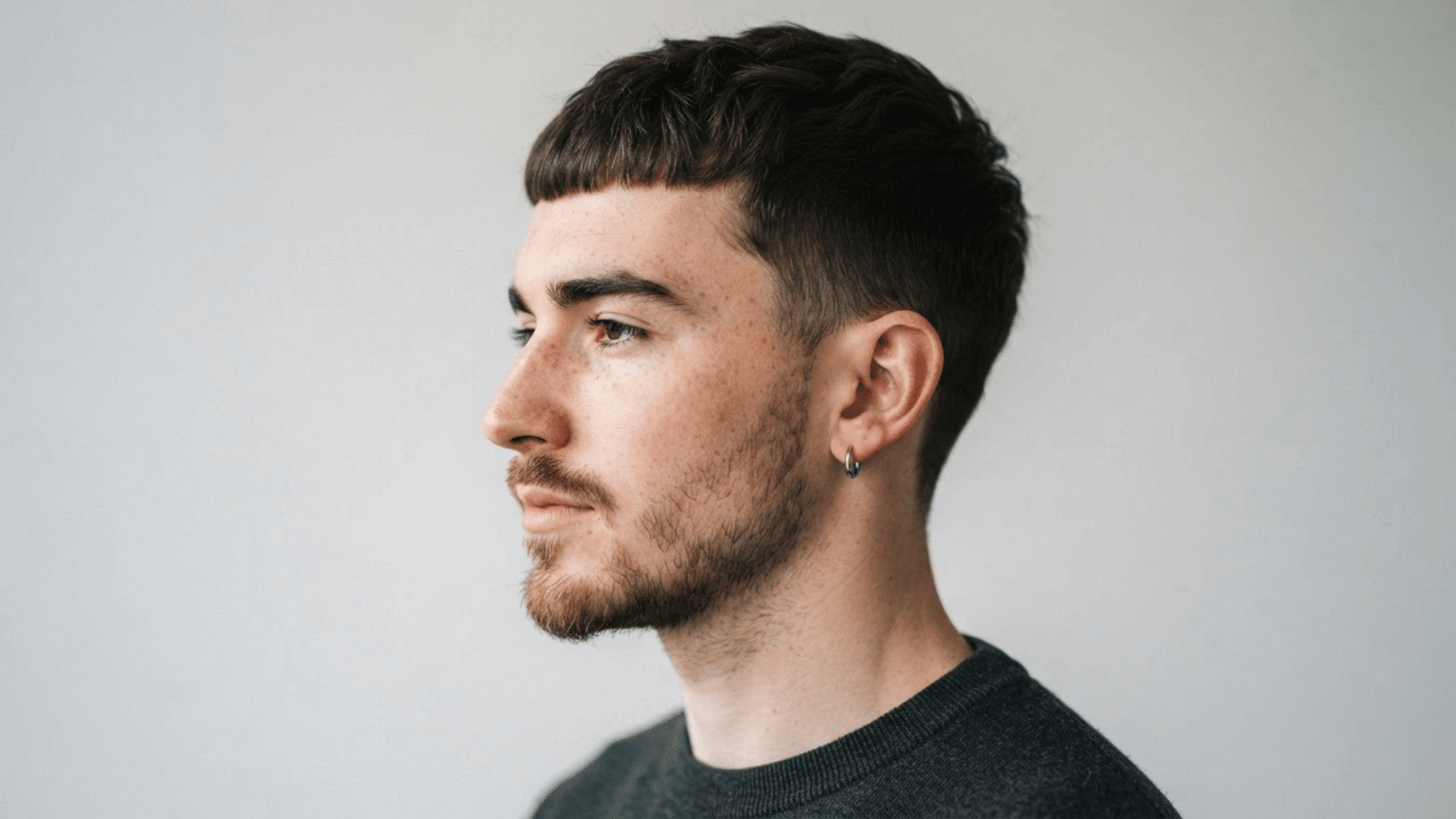
A French crop combines short sides with a textured top and a fringe styled forward. The fringe can soften the appearance of a receding hairline, while texture adds movement and dimension.
Short layers also help fine hair look fuller by preventing strands from sitting flat or separating across the scalp.
6. Taper Fade
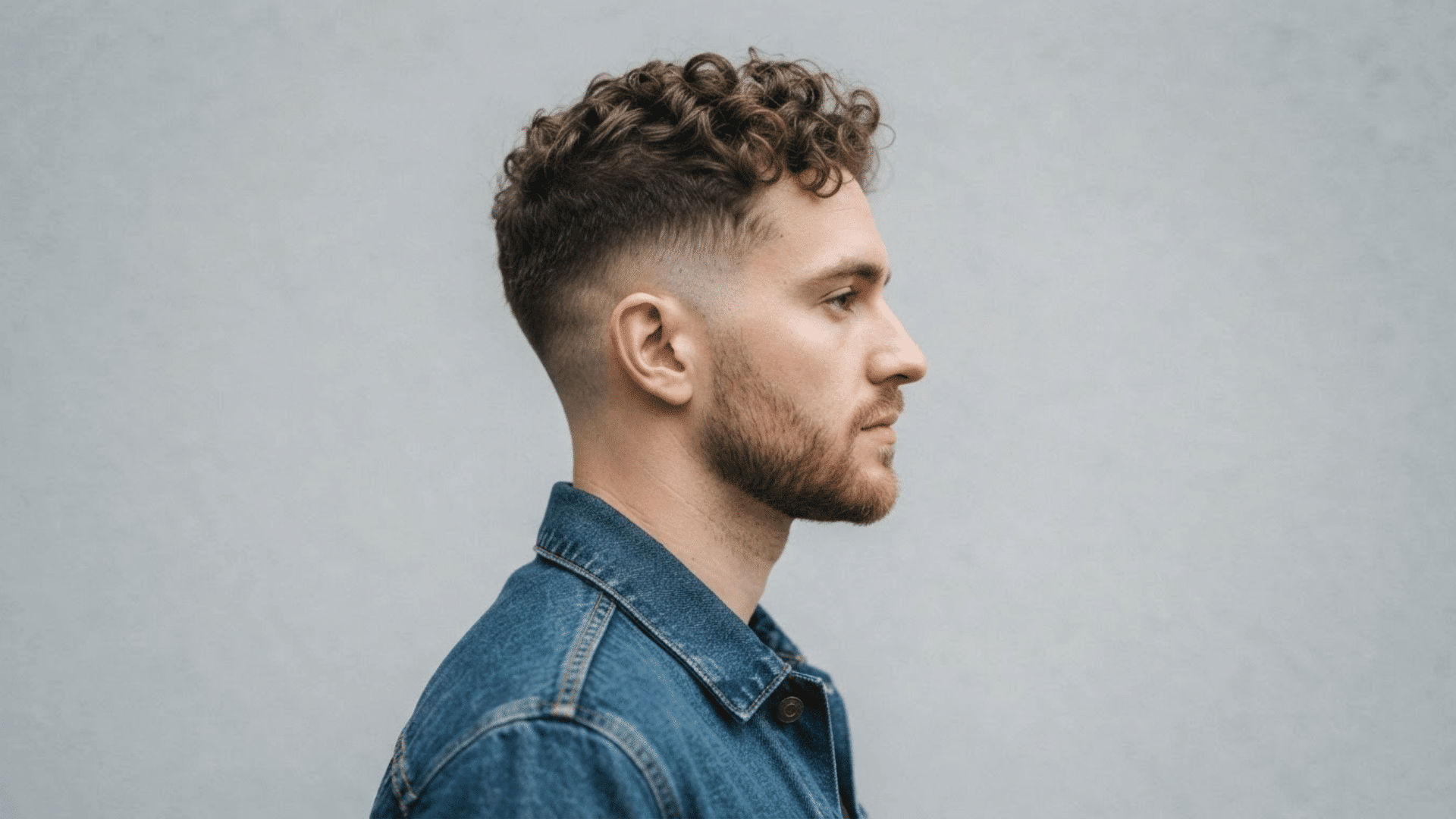
A taper fade gradually shortens the hair around the sides and back while leaving more length on top.
The neat sides create a balanced shape and draw more attention to the top. Pair the fade with a textured crop, crew cut, or short quiff based on your remaining density.
7. High and Tight
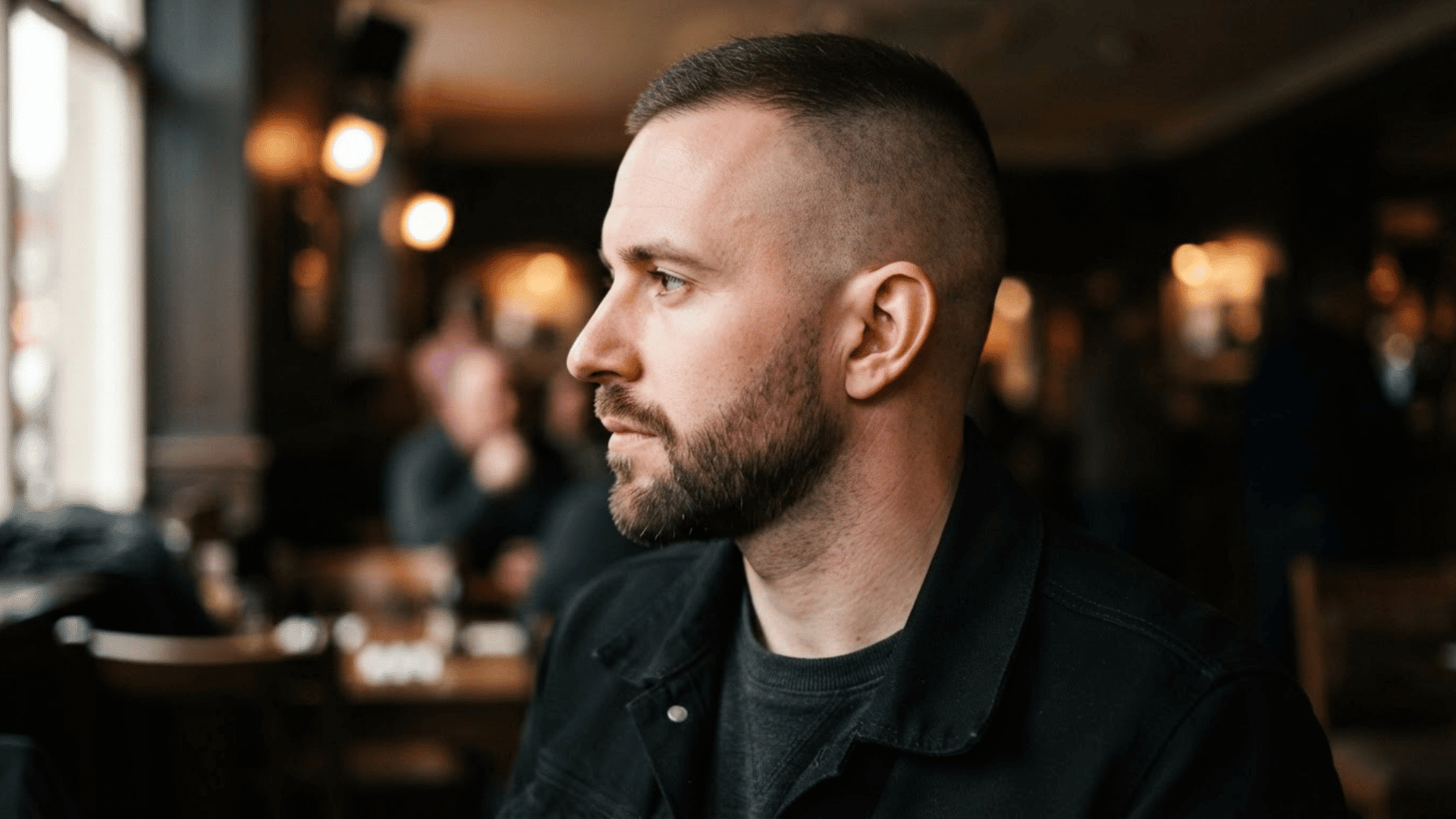
The high and tight keeps the sides extremely short while leaving a small amount of length across the top.
This close-cut shape reduces the contrast between thicker and thinner sections, making uneven density less noticeable. It is also a practical choice for men who prefer minimal styling and easy upkeep.
8. Ivy League
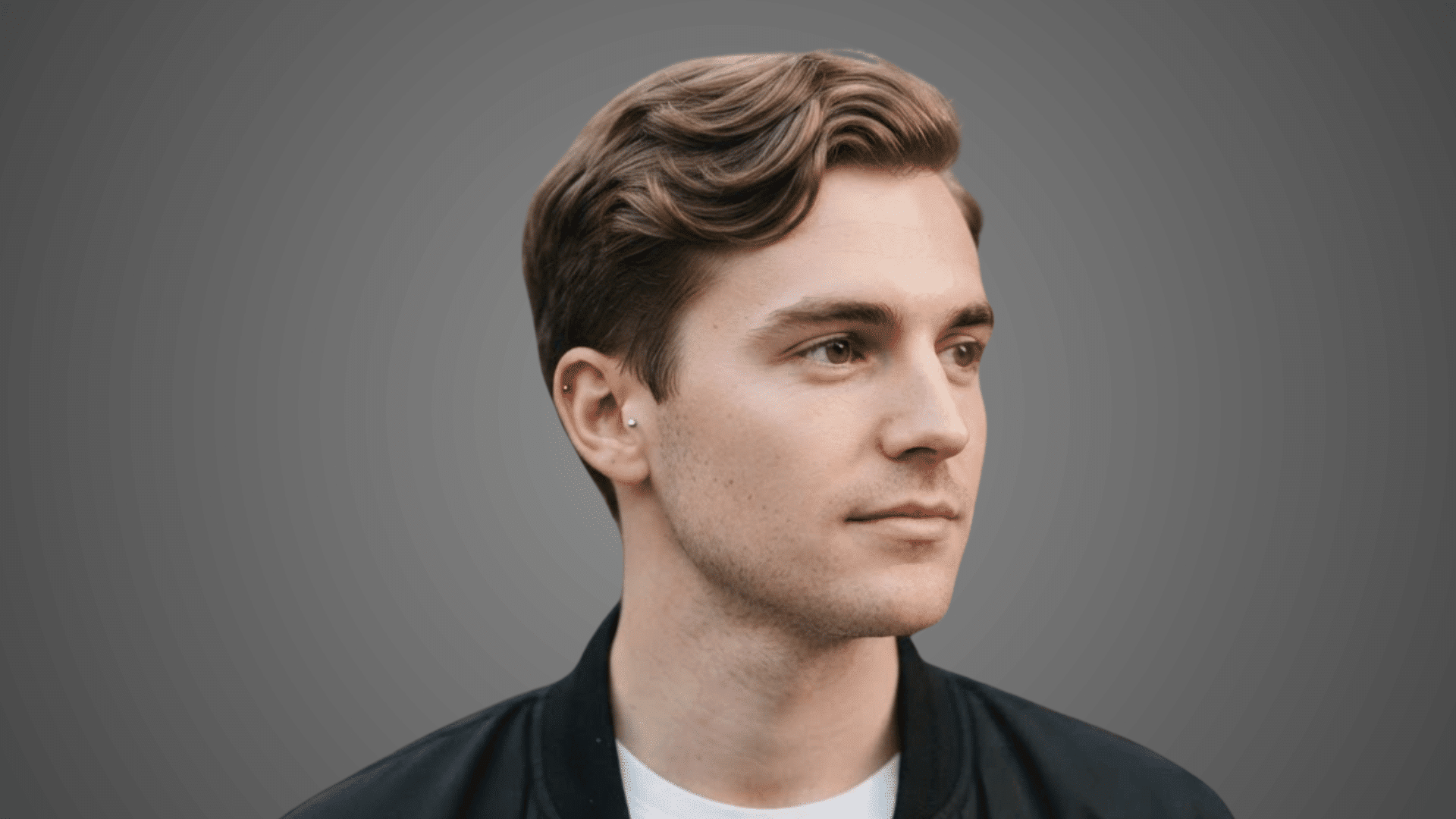
The Ivy League is a slightly longer, more polished variation of the classic crew cut. Extra length on top allows for a subtle side sweep without creating a deep, scalp-revealing part.
It suits men who want a neat, professional appearance while still having some flexibility to change their everyday styling.
9. Short Side Part
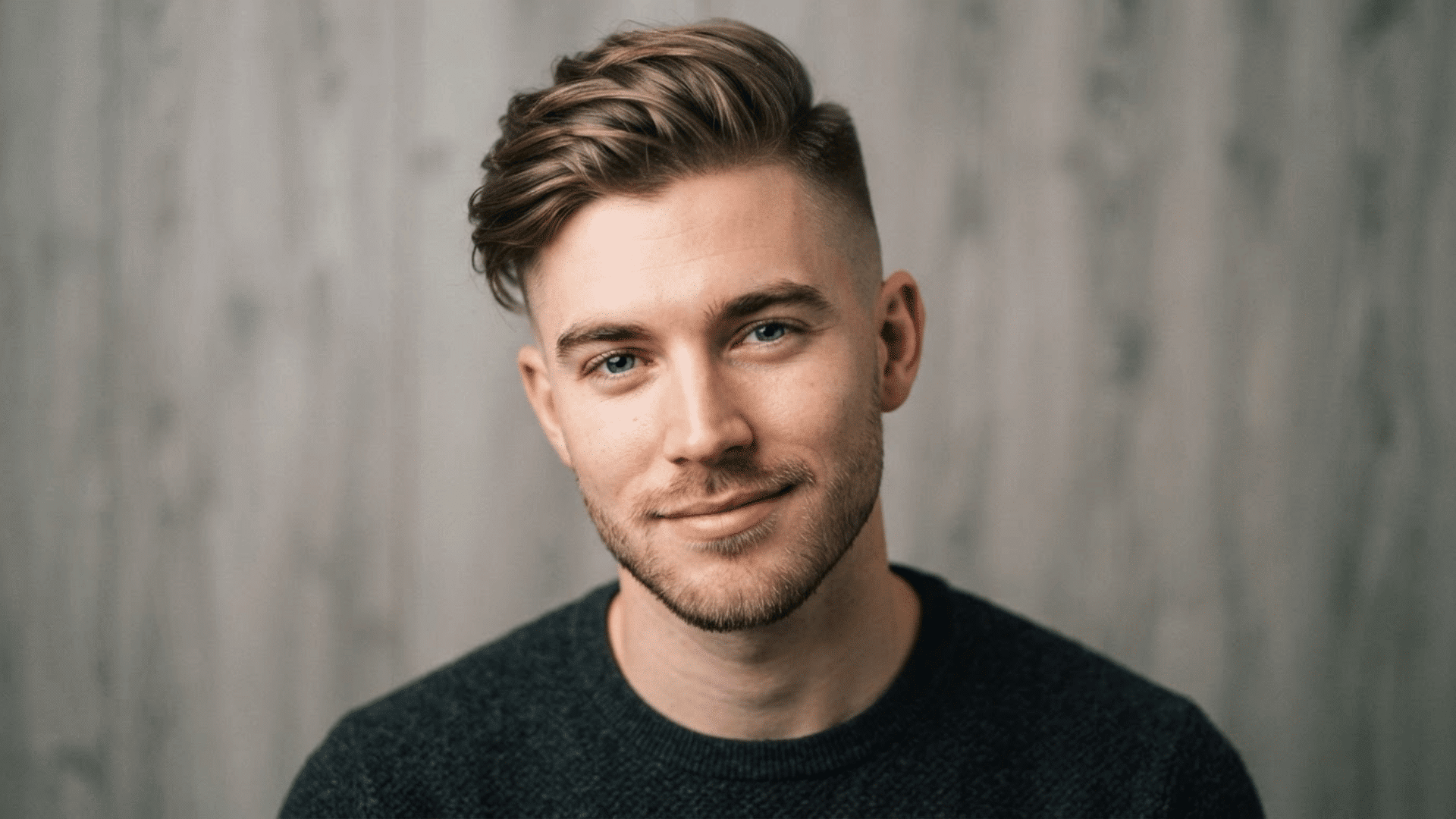
A short side part directs the hair naturally across the top while maintaining a neat, polished shape.
Keeping the part soft rather than sharply defined helps avoid exposing a wide line of scalp. Adding slight volume at the roots can also prevent fine hair from sitting flat against the head.
10. Textured Quiff
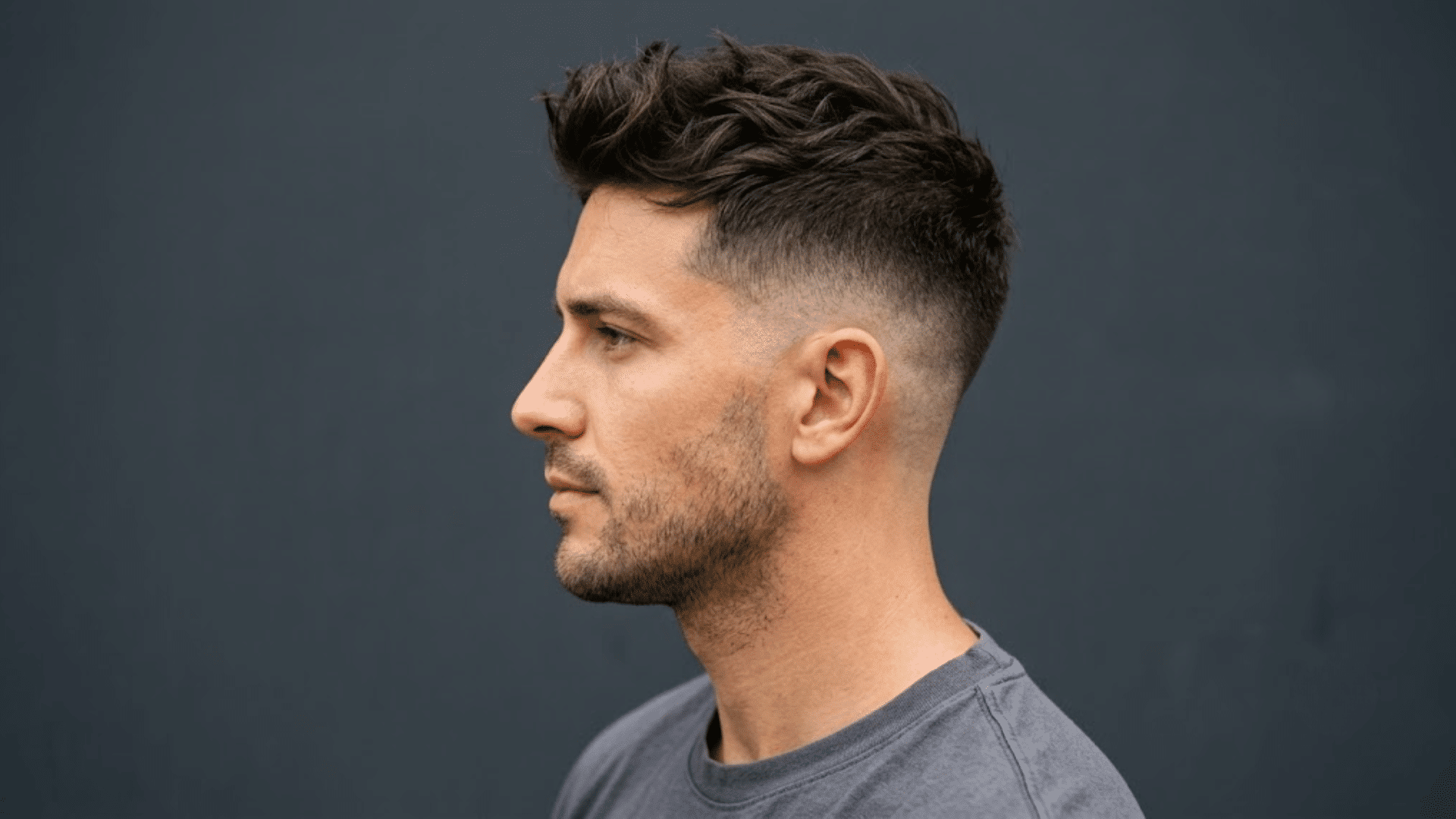
A textured quiff styles the front upward and slightly backward, creating height where fine hair might otherwise sit flat.
Keep the quiff shorter and looser than a traditional version to avoid exposing sparse areas. A slightly imperfect, textured finish adds movement while helping the top appear fuller and more balanced.
11. Brushed-Up Hair
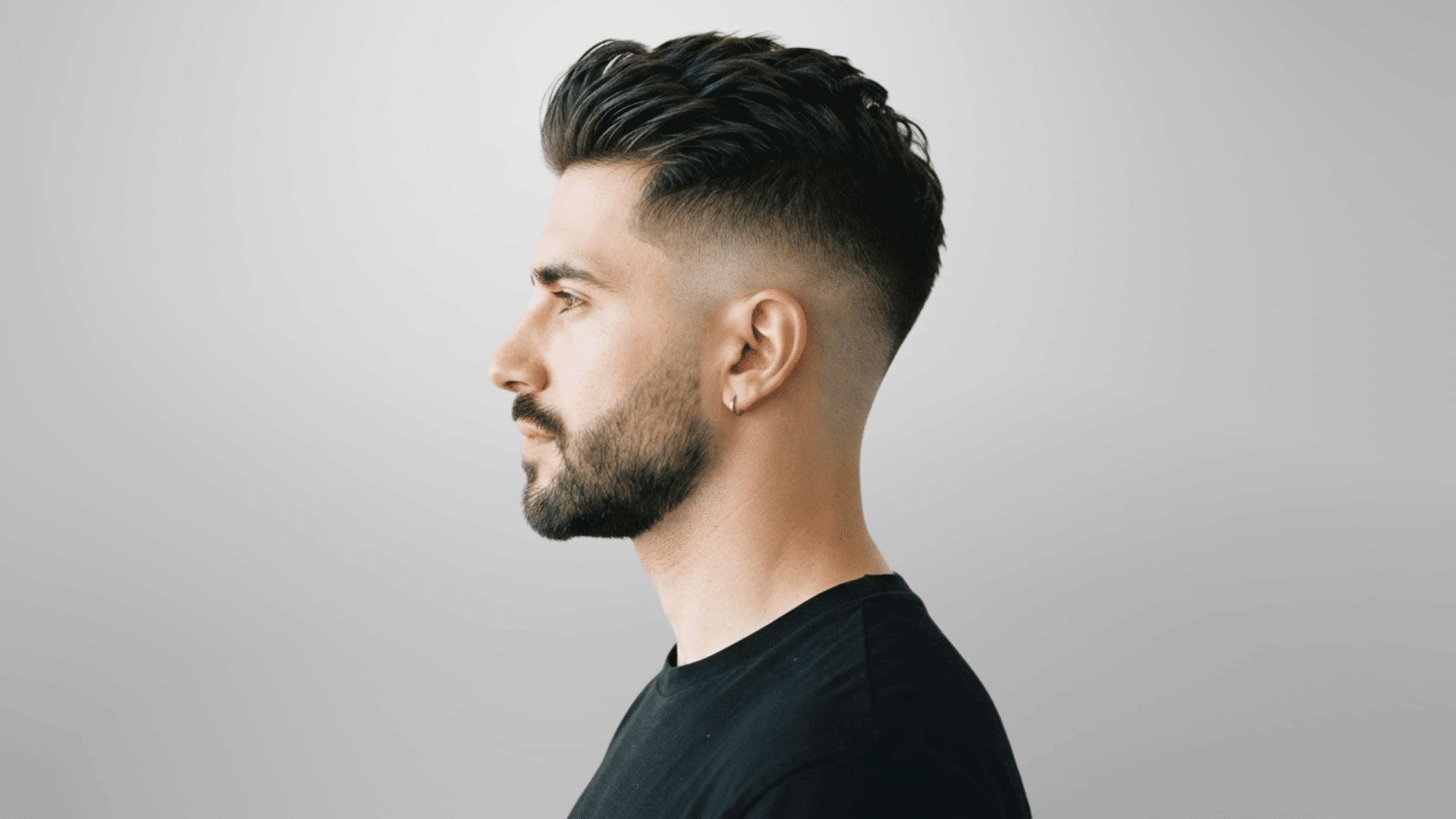
Brushed-up hair directs the front upward, making it useful for men who still have reasonable density near the hairline.
The vertical styling creates height and keeps strands from lying flat against the scalp. Pairing the lifted top with shorter sides can give the overall haircut a cleaner, more balanced shape.
12. Short Spiky Hair
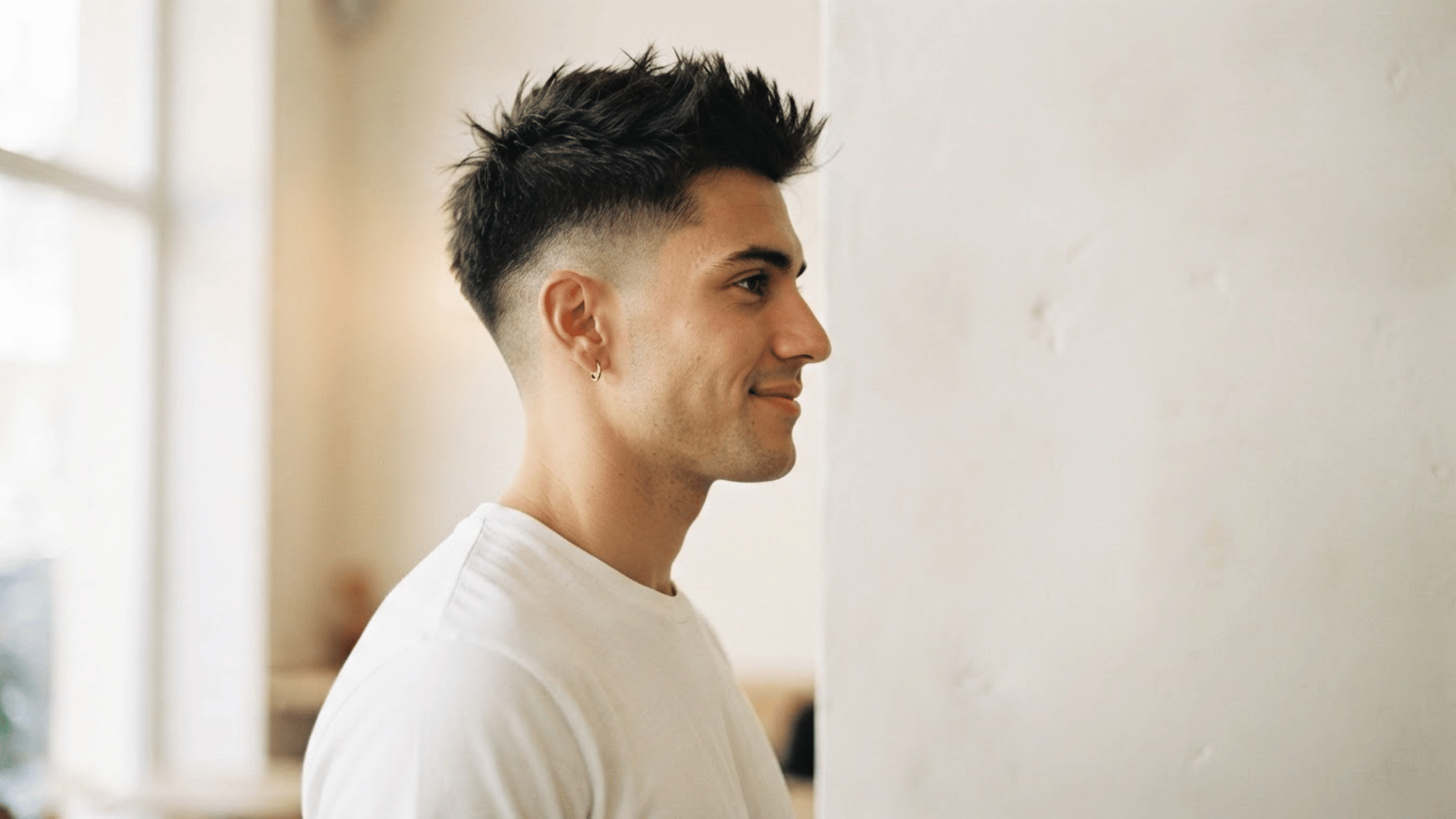
Short spiky hair adds dimension by directing small sections upward rather than allowing fine strands to lie flat. Keep the spikes short, soft, and irregular for a natural finish.
Large or stiff spikes may separate strands too much, while smaller textured sections can make the top appear fuller and lively.
13. Swept-Over Hair
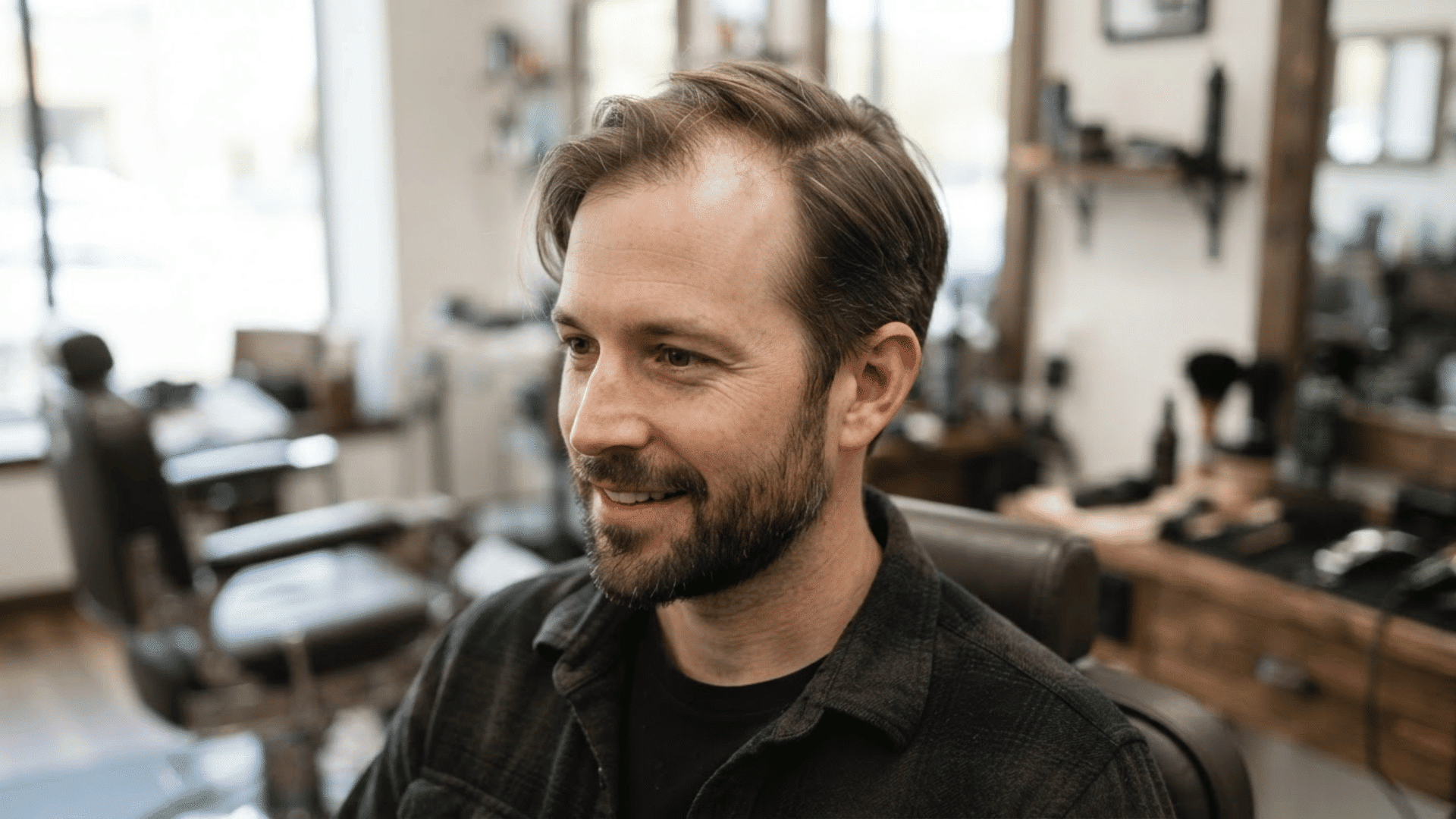
Swept-over hair directs the top loosely toward one side, creating movement without forming a heavy comb-over.
Rather than stretching long strands across a sparse area, the style works with your existing coverage. It works best for mild thinning, when enough hair remains across the top for a natural sweep.
14. Disconnected Crop

A disconnected crop keeps the sides very short while leaving noticeably more length and texture on top, with little blending between the two.
This contrast gives the haircut a sharper shape and can help fine hair look more defined. Keep the top short and naturally tousled to avoid exposing thinning areas.
15. Messy Textured Top
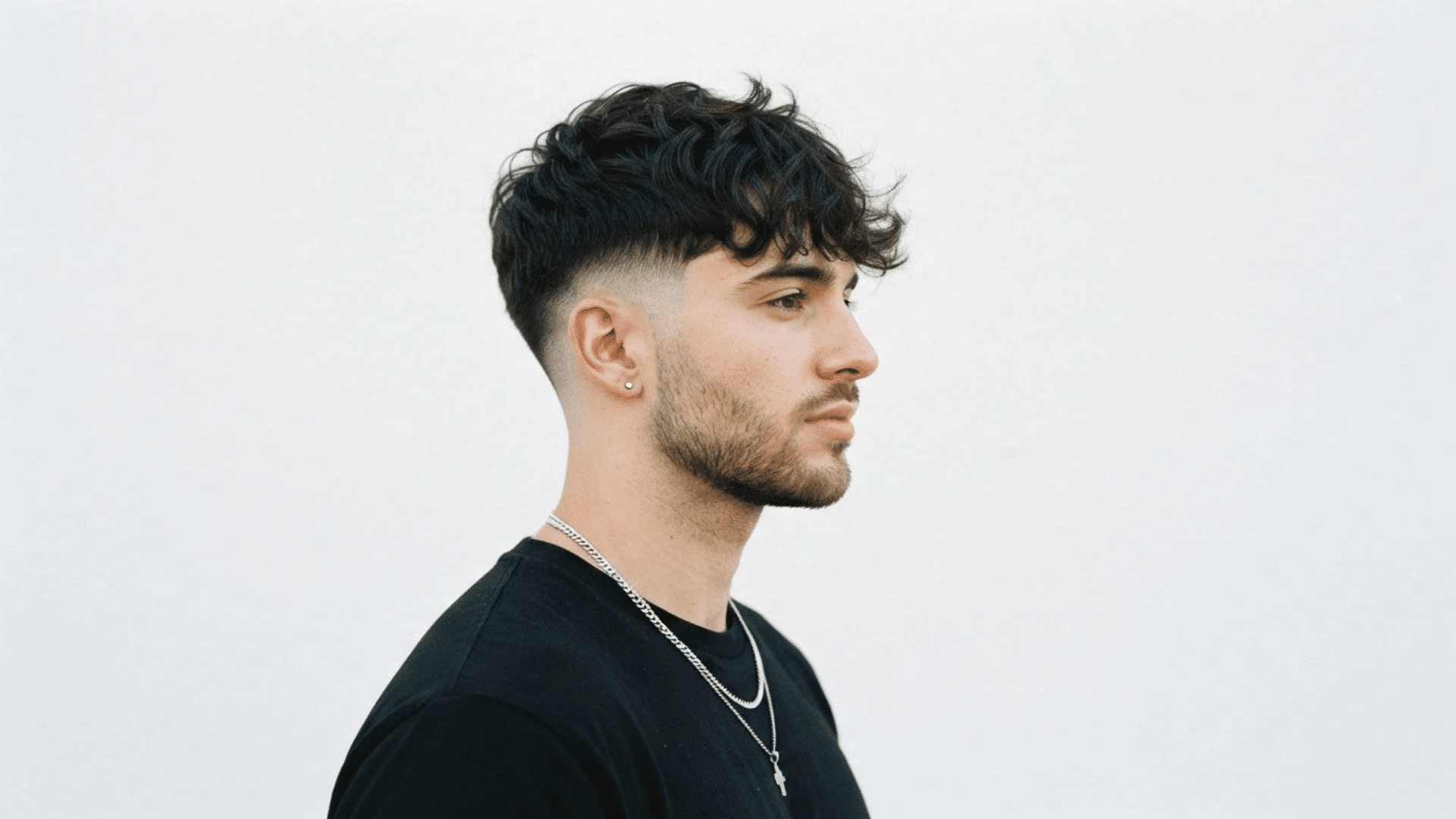
A messy textured top uses uneven direction and movement to keep fine hair from forming flat, separated sections.
The tousled finish can make the top appear fuller while keeping the haircut relaxed. Pair it with tidy, shorter sides so the texture looks intentional rather than messy or difficult to manage.
16. Skin Fade With Textured Top
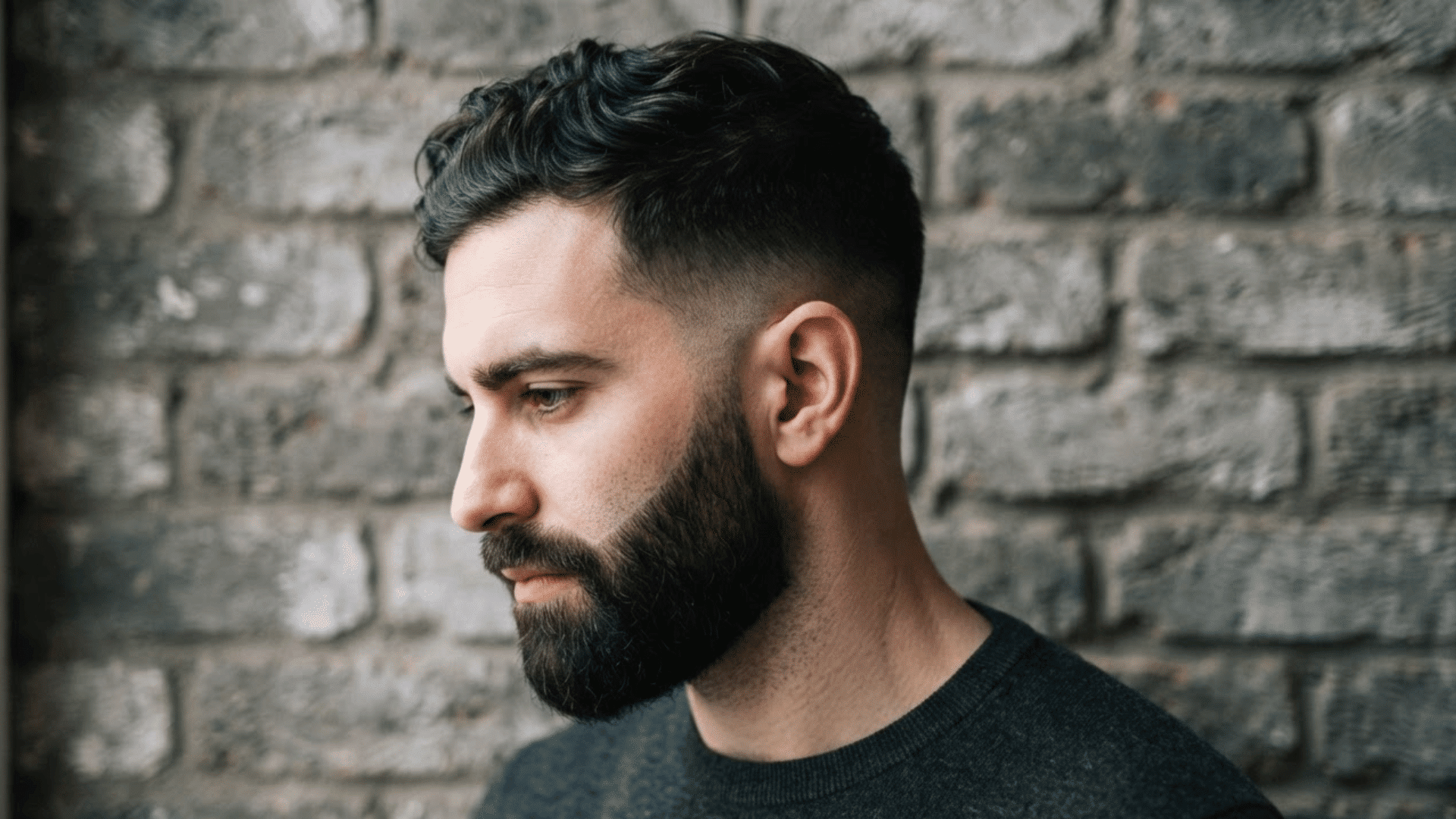
A skin fade takes the sides extremely short while preserving textured length across the top. The sharp transition creates a defined haircut shape and directs attention upward.
It can work especially well when thinning is more noticeable around the temples, provided there is enough density on top to maintain texture.
17. Short Pompadour
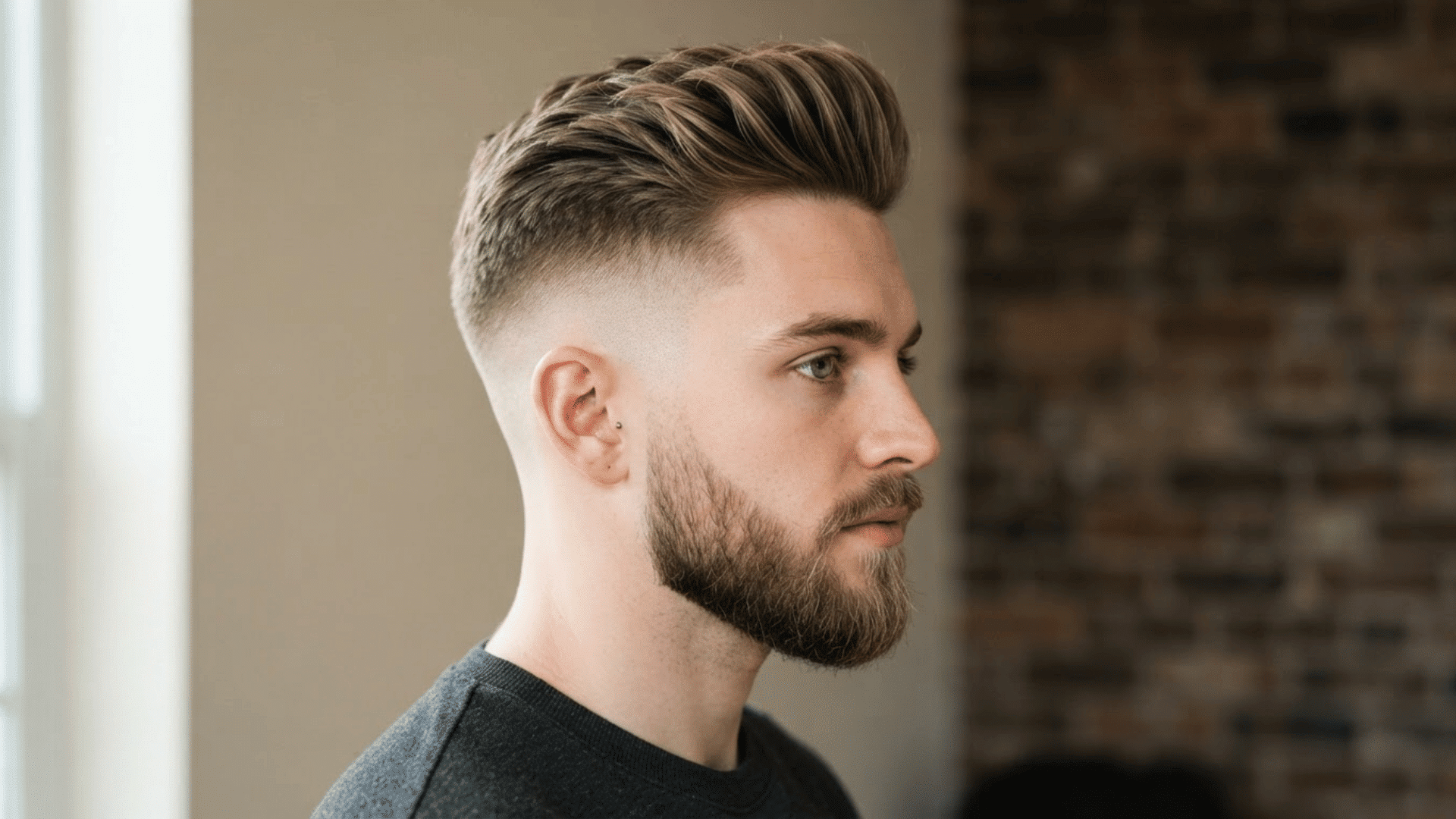
A short pompadour adds height at the front without requiring the length or density of a traditional pompadour.
Keep the shape loose and textured instead of heavily sculpted. Lifting the roots can add presence to the top, making this style suitable for men experiencing mild thinning through the upper area.
18. Short Brush Back
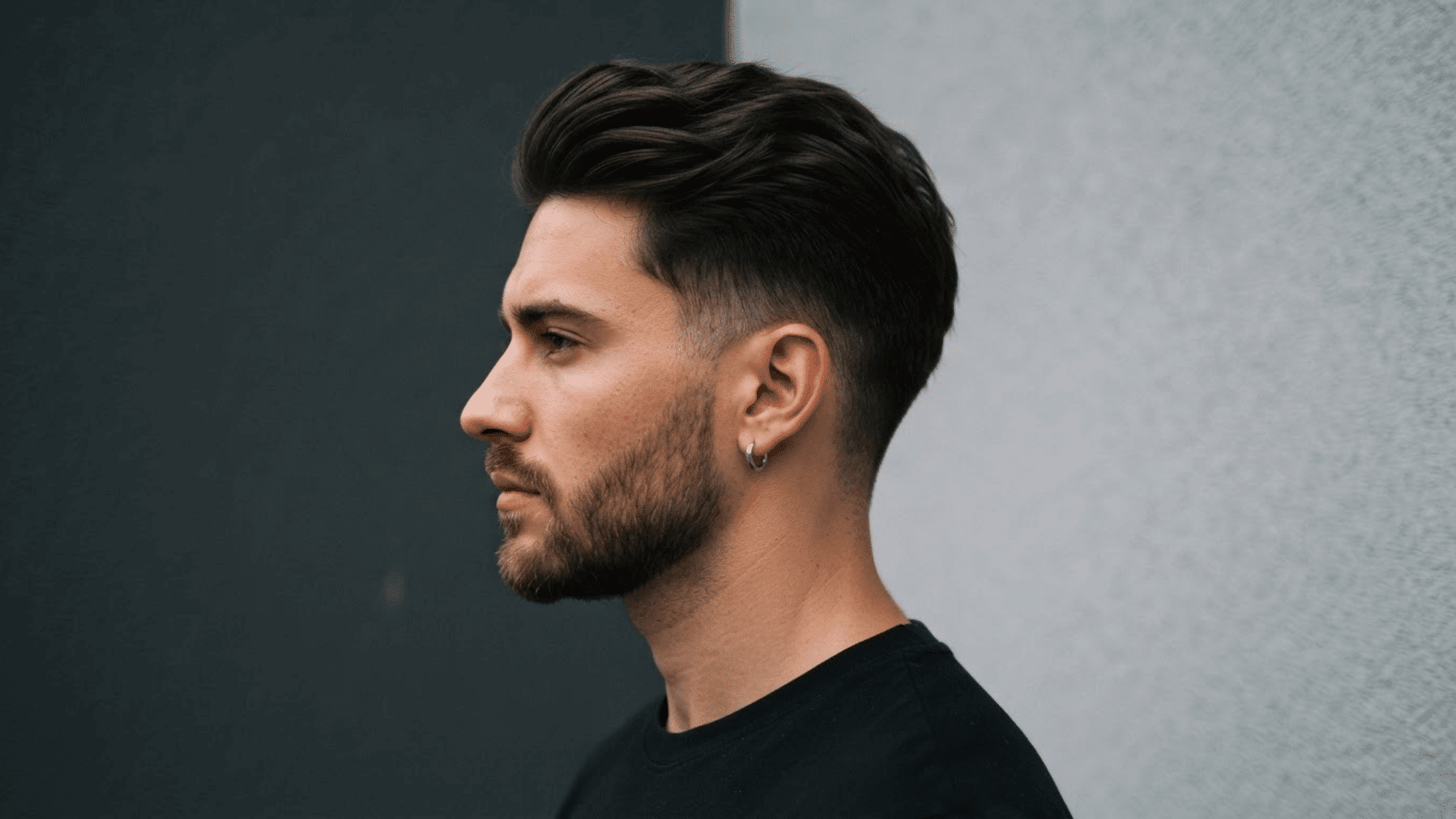
A brush back leaves enough length on top to direct hair backward while keeping the sides neat.
Unlike a sleek slick back, the hair does not need to sit completely flat. Maintaining some natural lift and texture at the roots makes this style more flattering for men with mild thinning.
19. Short Curly Crop
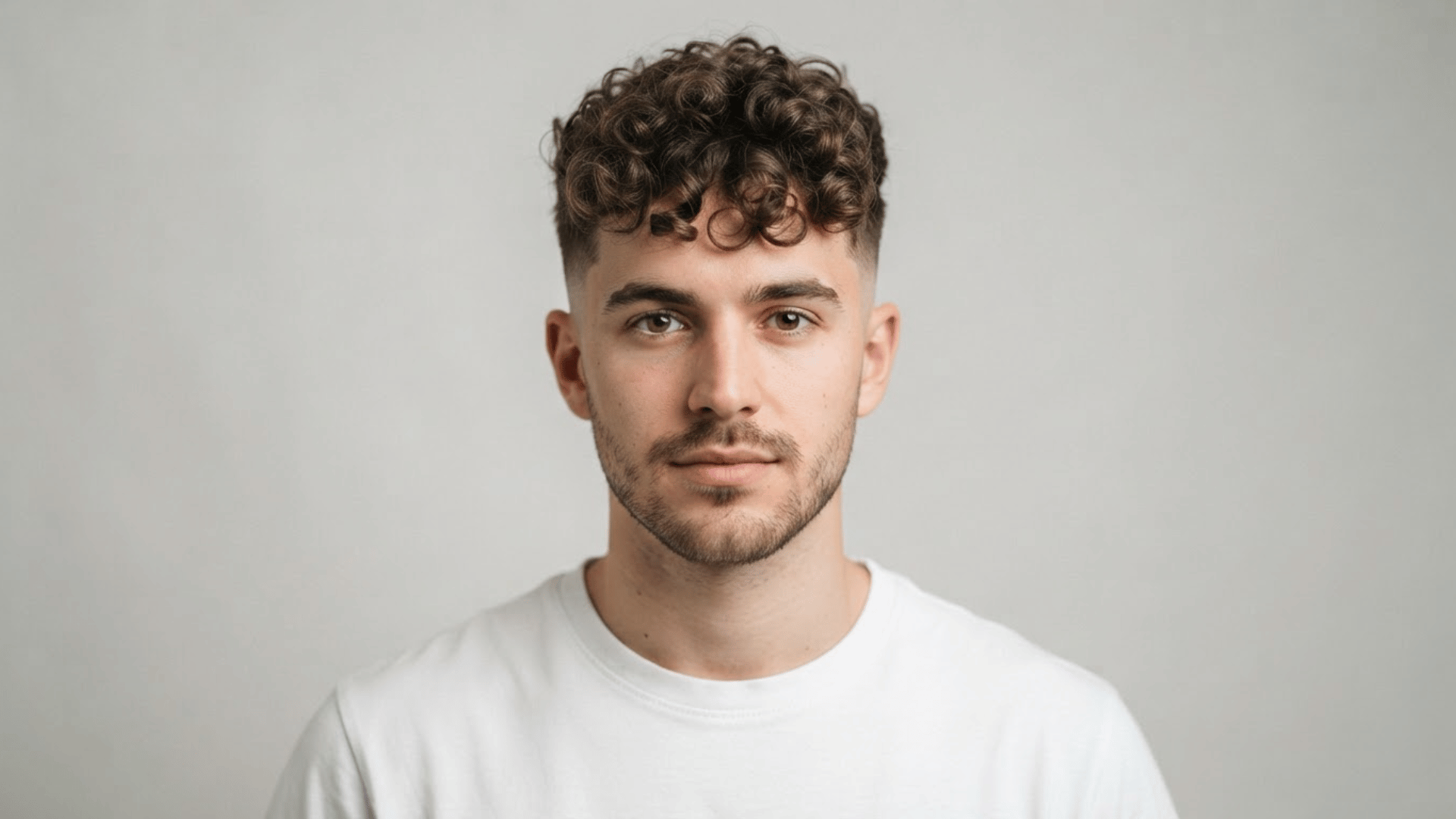
A short curly crop works well for men with naturally curly or wavy hair that has started thinning. Keeping the sides short while leaving soft curls on top creates texture and movement.
The natural curl pattern can also reduce the appearance of separation between fine strands while maintaining a relaxed shape.
20. Bald Fade
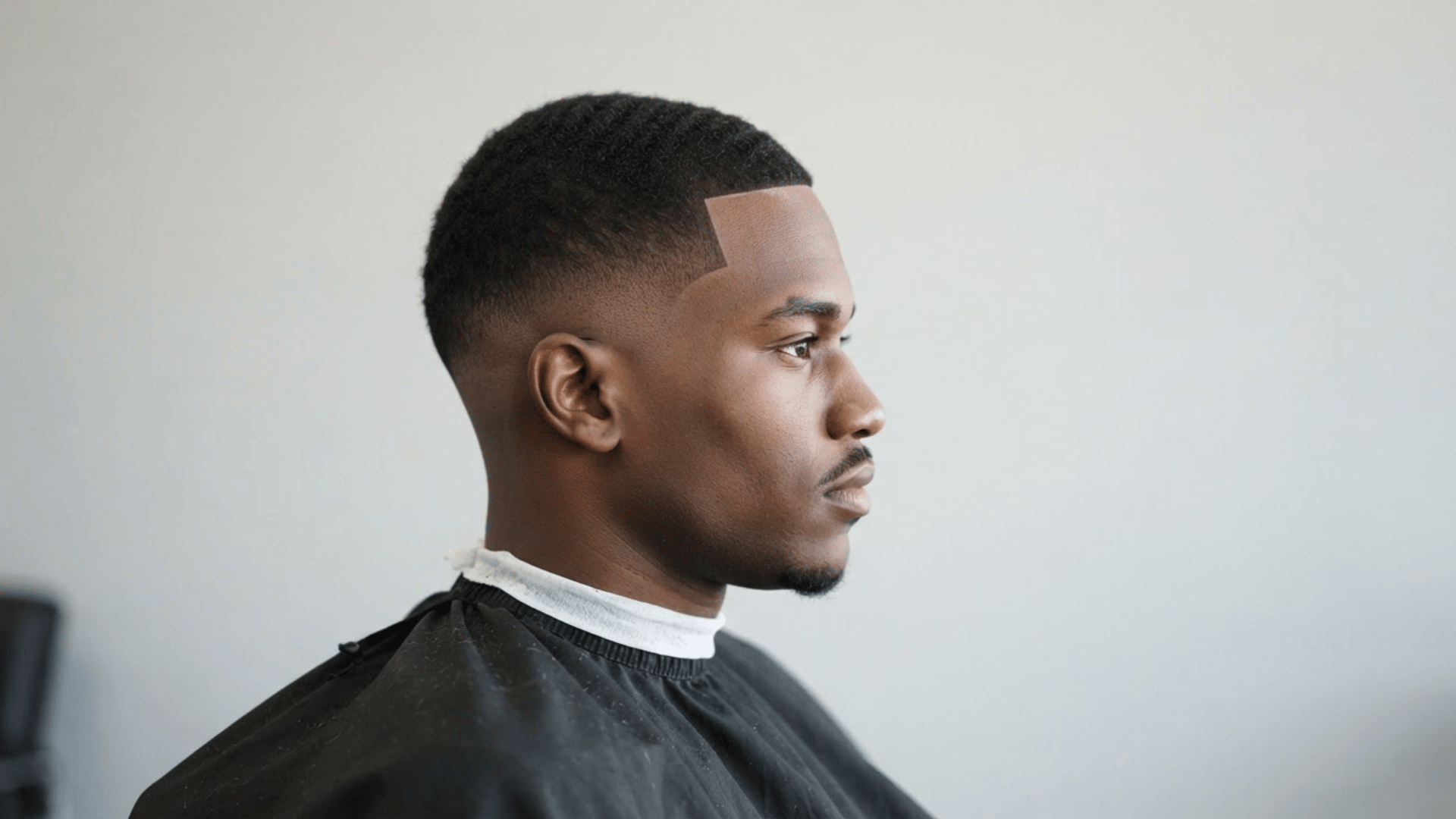
A bald fade gradually blends the sides down to the skin while keeping more hair higher on the head.
The smooth transition creates a clean, structured appearance that can complement thinning around the temples.
Keep the remaining top cropped or textured, depending on your hair density and preferred styling routine.
21. Short Tousled Fringe
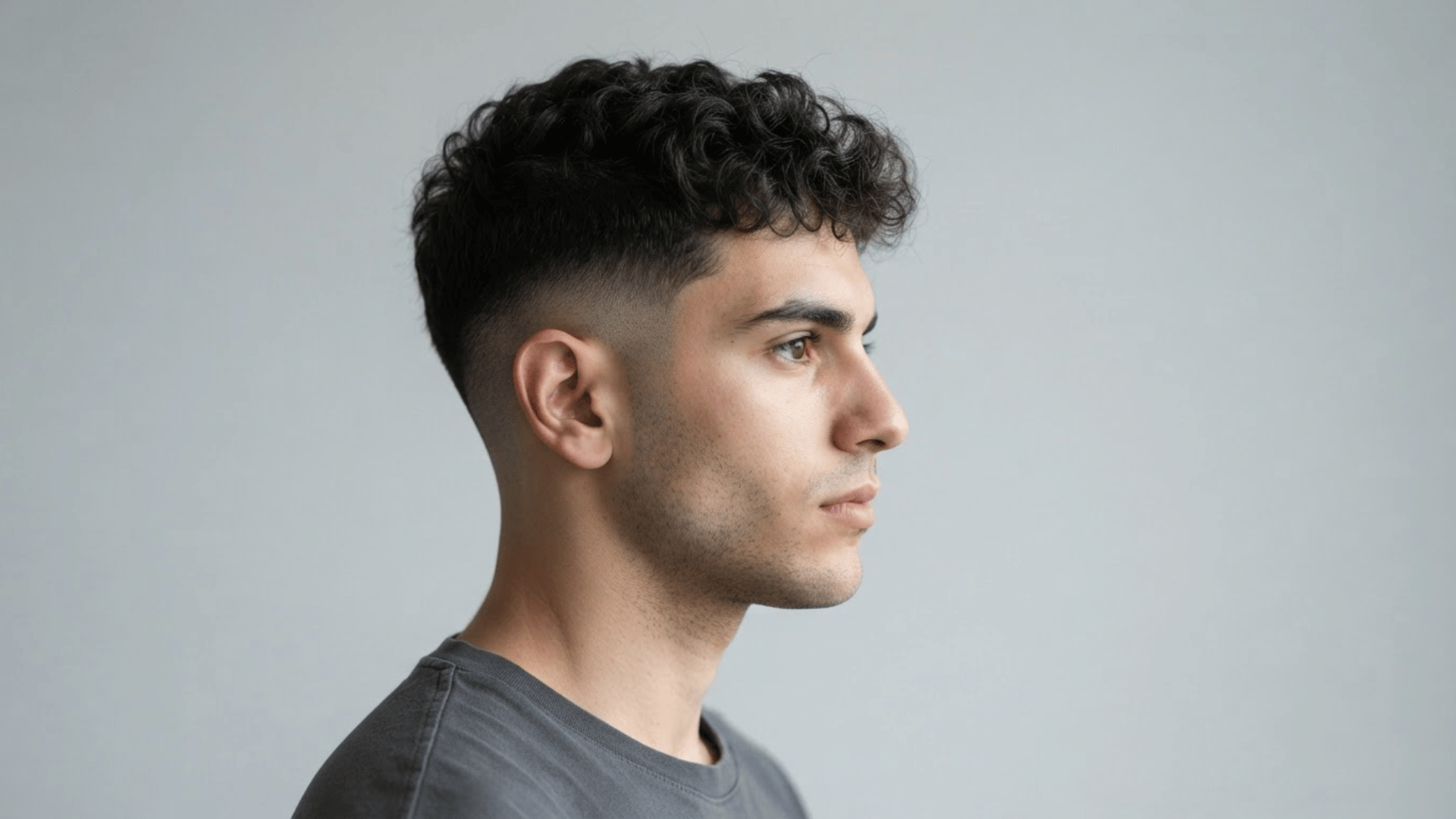
A short tousled fringe adds light coverage around a receding or uneven hairline without creating a heavy, obvious fringe. Keep the front textured, and let individual strands fall in slightly different directions.
This irregular placement softens the outline of the hairline while adding movement and dimension across the front.
How to Make Thin Hair Look Fuller?
A good haircut and smart styling can make thinning areas less noticeable. According to the National Center for Biotechnology Information (NCBI), hair camouflage products can also help reduce visible scalp contrast.
- Keep the Sides Short: Shorter sides reduce the contrast between dense and thinning areas.
- Create Texture on Top: Crops, soft spikes, and tousled styles add movement and prevent hair from lying flat.
- Add Root Lift: Style hair slightly upward to create height and a fuller appearance.
- Keep Parts Soft: Avoid sharp, wide parts that can expose more scalp.
- Limit Extra Length: Longer fine hair may separate and make thinning areas more noticeable.
- Avoid Overstyling: Too much product can weigh down fine hair and reduce volume.
Choose a Haircut Based on Your Thinning Area
Two men can have thinning hair and need completely different haircuts. The location of the thinning matters just as much as the amount of hair you have left.
|
Thinning Area |
Haircuts to Consider |
|---|---|
|
Receding Hairline |
Caesar cut, French crop, textured crop, tousled fringe |
|
Thinning on Top |
Crew cut, textured crop, short spikes, textured quiff |
|
Thinning Crown |
Buzz cut, high and tight, short textured crop |
|
Thinning Temples |
Ivy League, taper fade, French crop |
|
Overall Thin Hair |
Buzz cut, crew cut, short textured styles |
|
Advanced Hair Loss |
Very short buzz cut, bald fade, shaved head |
Maintenance Tips for Thinning Hair
A few simple habits can help keep thinning hair looking neat, healthy, and easier to style. Focus on gentle care, and avoid anything that unnecessarily weighs down or pulls on the hair.
- Wash Gently: Use a mild shampoo and avoid aggressive scrubbing that can tangle or pull fine strands.
- Condition Lightly: Apply a lightweight conditioner mainly through the lengths rather than loading the roots with product.
- Limit Excessive Heat: Keep blow-dryers and other heated tools at moderate temperatures to reduce unnecessary damage.
- Avoid Tight Hairstyles: Tight ponytails, buns, and braids can place repeated tension on the hair and scalp.
- Get Regular Trims: Regular trims keep fine hair looking neat and help shorter cuts hold their shape.
- Use Products Sparingly: Start with a small amount of styling product so your hair keeps its natural movement and volume. If you want something lighter than a store-bought gel, this natural flaxseed gel recipe gives light hold without the heavy, flattened look.
Conclusion
Finding the right hairstyles for men with thinning hair is really about choosing a cut that feels comfortable and fits your personal style.
I’d suggest saving two or three looks you like and showing them to your barber, who can adjust the length and shape to suit your hair.
Small styling changes can also make a noticeable difference in how polished your haircut feels each day. Most importantly, choose a look you genuinely enjoy wearing.
Which haircut would you try first? Comment below and share your favorite style.
Frequently Asked Questions
Is Short or Long Hair Better for Thinning Hair?
Short hair often makes thinning less noticeable because it reduces the contrast between thicker and sparse areas. Some medium-length styles can also work when enough density remains to create texture and volume.
Should Men With Thinning Hair Use Hair Fibers?
Hair fibers can temporarily make sparse areas look denser by attaching to existing strands. They work best when there is still enough hair for the fibers to grip.
How Often Should Thinning Hair Be Trimmed?
Most short styles look their best with trims every three to six weeks. Regular shaping helps maintain clean lines and prevents fine hair from looking uneven.