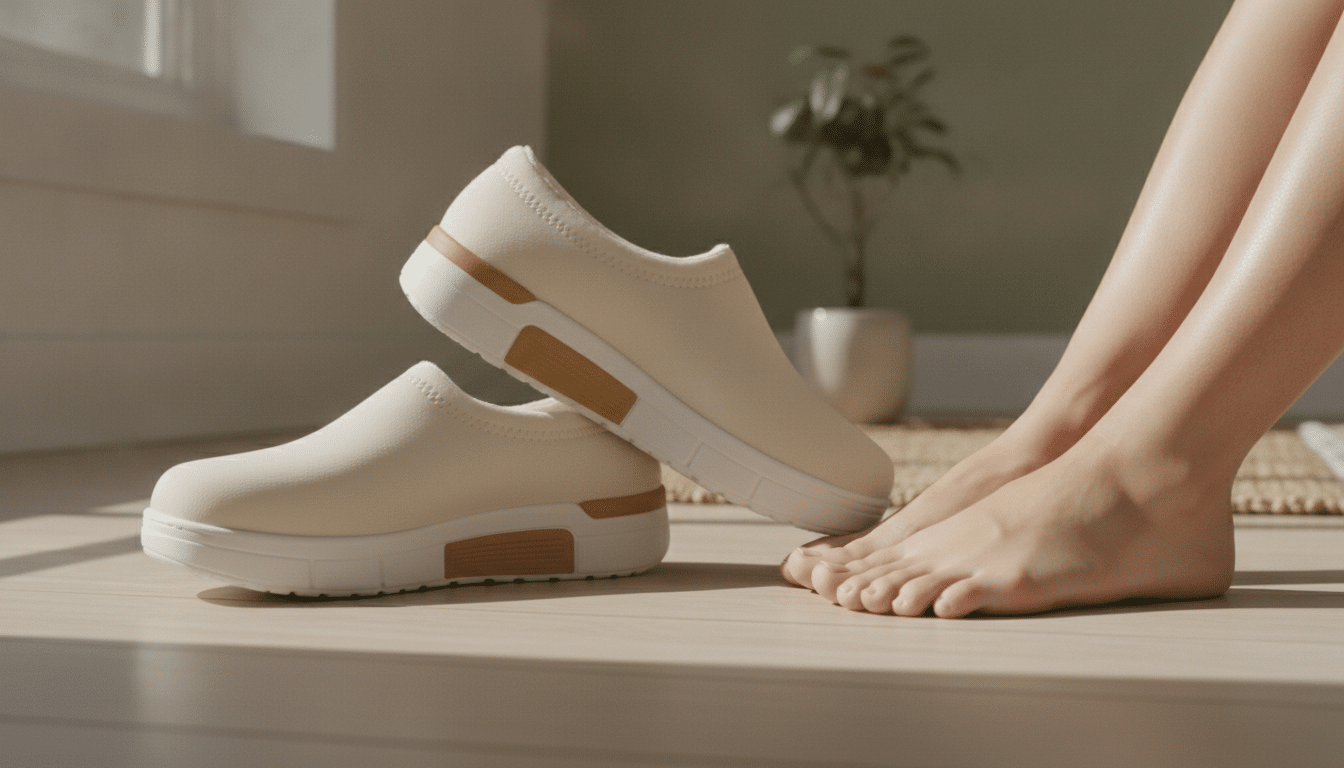
Dealing with sensitive feet often means navigating a frustrating mix of soreness, rubbing, pressure, swelling, burning, tingling, or general discomfort at the end of a long day. Whether your symptoms stem from prolonged standing or a wardrobe of improper footwear, the transition from normal work fatigue to constant irritation requires a change in strategy.
Finding comfortable shoes involves much more than simply picking out the softest pair on the shelf. In reality, a shoe’s construction, support, and interior environment play a much larger role in your daily comfort. This guide will walk you through exactly which fit and construction features matter most when selecting everyday footwear for sensitive feet, helping you prioritize your physical well-being without giving up your personal style.
Start With the Right Fit
Proper fit is the foundation of comfortable footwear. A shoe must accommodate the dynamic changes your foot undergoes with every step, naturally expanding in both length and width.
First, you need the correct shoe length. A proper fit generally leaves about 1 cm of space between your longest toe and the end of the shoe. Second, ensure you have the correct width across the ball of the foot and adequate space in wide toe box shoes to prevent lateral squeezing.
It is critical to clarify the difference between width and interior depth. A shoe can have an extra-wide footprint but still feel restrictive if the upper sits too low over your instep. Extra depth provides vertical space, ensuring the top of your foot is not compressed.
Many make the mistake of sizing up in length to solve a width problem. This compromises foot mechanics, allowing the foot to slide forward and the heel to slip. Instead, a true wide width keeps the heel secure without squeezing the foot.
Look for Soft Materials and Smooth Interiors
The materials touching your foot directly impact your comfort and microclimate. When evaluating comfortable shoes for sensitive feet, look for flexible uppers and highly breathable materials. Non-breathable materials trap heat and moisture, which softens the skin and can increase friction, irritation, and the risk of blisters.
Equally important is the interior construction. Prioritize soft inner linings, minimal internal stitching, and padded collars and tongues. Seamless shoes or those with low-seam construction are ideal because they remove the raised edges that sit over bony prominences, which is where rubbing and pressure tend to concentrate. You want to avoid any rough edges, abrasive textures, or structurally failed seams that may create localized rubbing or pressure throughout the day.
How to apply this: Before wearing any new pair for a long period, implement a manual interior check. Simply run your hand completely around the inside of the shoe. This practical tip allows you to easily check for raised seams, heavy stitching, or rough areas that could cause a day-long injury before you even put the shoe on.
Choose Cushioning That Still Feels Stable
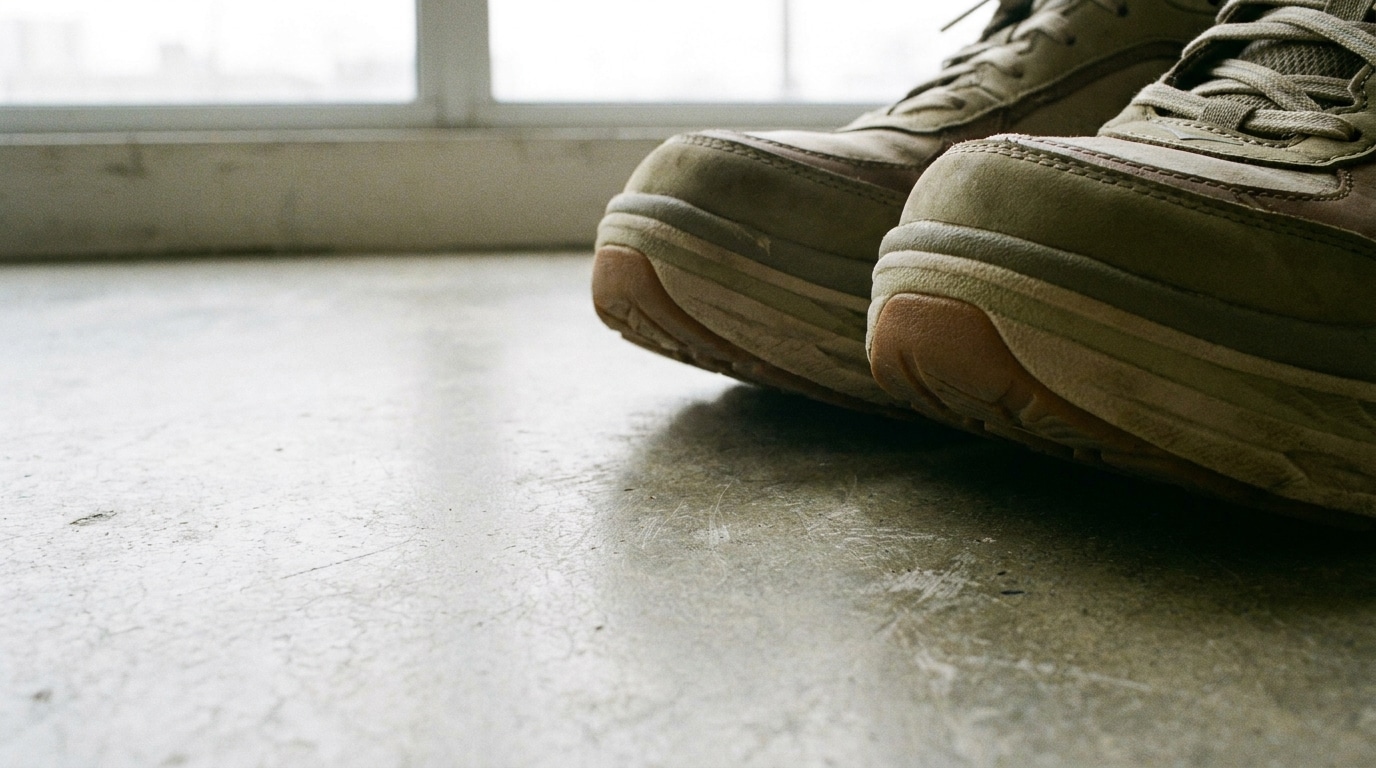
While cushioning helps absorb impact and reduce pressure, maximum softness is not always the same as maximum comfort. Very soft or highly cushioned footwear can feel less stable for some people, particularly those who already have balance concerns.
Instead, look for a deliberate balance between cushioning and support. Quality cushioned shoes should offer shock absorption to protect high-impact areas like the ball of the foot, while still providing even pressure distribution. Supportive shoes achieve this by combining cushioned midsoles with a highly stable sole construction, such as a firm midfoot shank and a wide rearfoot base.
This structured design ensures secure heel positioning and torsional resistance. To maintain stability while soothing sensitive feet, prioritize a firm, protective sole that prevents the repetitive stretching of your foot’s soft tissues during daily activities and long periods of standing.
Match the Shoe to Why Your Feet Are Sensitive
Different causes of sensitivity require specific footwear features to maintain comfort throughout the day.
Swelling
Whether from pregnancy, summer heat, or prolonged standing, swelling requires shoes that can accommodate fluid retention. Look for adjustable closures, extra interior depth, and flexible uppers. Avoid shoes that tightly compress the foot, as natural volume changes mean a shoe that fits perfectly in the morning might become painfully restrictive by the afternoon.
Bunions or Pressure Around the Toes
A bunion is a structural shift that requires more than just standard width. You need wide or rounded toe boxes and flexible materials specifically over the big toe joint to allow the forefoot to splay naturally. Avoid narrow or pointed footwear, and choose designs that reduce rigid pressure around prominent areas of the foot during push-offs.
Numbness, Tingling or Neuropathy
People experiencing numbness, tingling, or reduced sensation must pay especially close attention to friction, pressure points, internal seams, and overall shoe construction, as reduced sensation can make rubbing, pressure, or injuries harder to notice. Comfort can be a dangerous metric when pain signals are absent.
To help reduce the risk of unnoticed pressure or injury, purpose-designed shoes for neuropathy may include features such as extra depth, wider fitting options, smooth interiors, soft impact-absorbing cushioning, removable insoles for custom inserts, adjustable closures, and firm, stable soles. These elements work together as a protective system rather than just a comfort accessory.
Pick a Closure That Keeps the Foot Secure
A proper closure ensures the shoe stays securely positioned without aggressively squeezing the foot. A lack of security in the midfoot and rearfoot allows the foot to slide forward, causing toe jamming and blisters.
To lock the foot down, choose from traditional laces, hook-and-loop straps, or other adjustable closures. These mechanisms are vital for accommodating mild changes in swelling throughout the day and reducing unnecessary heel movement.
Adjustable footwear is particularly useful for people whose comfort needs change from morning to evening, or those inserting orthotics. Because custom inserts raise the foot’s position, you must be able to fine-tune your laces or straps to achieve heel security without creating new pressure points across the top of the foot.
Know Which Shoe Shapes and Features to Avoid
Certain footwear characteristics will actively worsen sensitivity, pressure, and structural foot issues. To protect your feet, avoid the following features:
- Narrow toe boxes: These restrict natural movement and compress the toes.
- Sharply pointed shoes: They mechanically force the forefoot into an unnatural shape.
- Stiff uppers: Rigid materials irritate joints during push-offs.
- Rough internal seams: Abrasive textures cause shear tearing and blisters.
- Very thin soles: They fail to provide adequate shock absorption.
- Poorly cushioned footwear: This leaves high-impact areas unprotected.
- Unstable soles: Elevated heels or overly plush midsoles impair balance.
- Shoes that pinch immediately: Minor discomfort magnifies rapidly during wear.
- Excessive heel slipping: This is usually caused by improperly sizing up for width.
Persistent rubbing, pinching, or pressure should never be treated as a normal part of wearing new shoes. If they hurt in the store, leave them on the shelf.
Test the Shoes Before Committing
Because sizing varies significantly across brands, trying orthotic-friendly shoes before committing is helpful whenever possible. Consider testing them later in the day, when your feet tend to be larger:
- Walk normally for several minutes: Do not just sit; your foot spreads under weight.
- Check toe movement: Ensure your toes can move comfortably without the upper creasing abnormally.
- Assess the heel: Make sure the heel stays reasonably secure without popping out.
- Check for top pressure: Laces should close comfortably without straining across the top of the foot.
- Turn gently: Assess your lateral stability.
- Note immediate discomfort: Pay attention to any immediate rubbing or pinching.
- Inspect your skin: Remove the shoes and check your feet for redness or pressure marks.
- Test with inserts: If you use them, test the shoes with your orthotics. Removable insoles are highly useful for people who need custom inserts, but ensure the orthotic doesn’t consume so much vertical room that your heel loses security.
Comfort and Style Don’t Have to Be Opposites
Choosing footwear for sensitive feet does not mean abandoning your personal style. By decoupling the shoe’s exterior silhouette from its internal volume, you can maintain elegance while preventing fatigue.
Whether you prefer sleek sneakers, sophisticated loafers, casual shoes, or sturdy boots, modern crossover construction often conceals wide internal toe boxes behind refined exteriors. Many everyday sneakers, loafers, casual shoes, and boots are now available with wider toe boxes, extra depth, soft uppers, and supportive construction.
The key to building a comfortable everyday wardrobe is to establish your foot’s requirements first, prioritizing fit, interior room, supportive cushioning, smooth materials, and stability. Once those functional baselines are met, you can safely choose your preferred style within those requirements, ensuring you look as good as you feel.