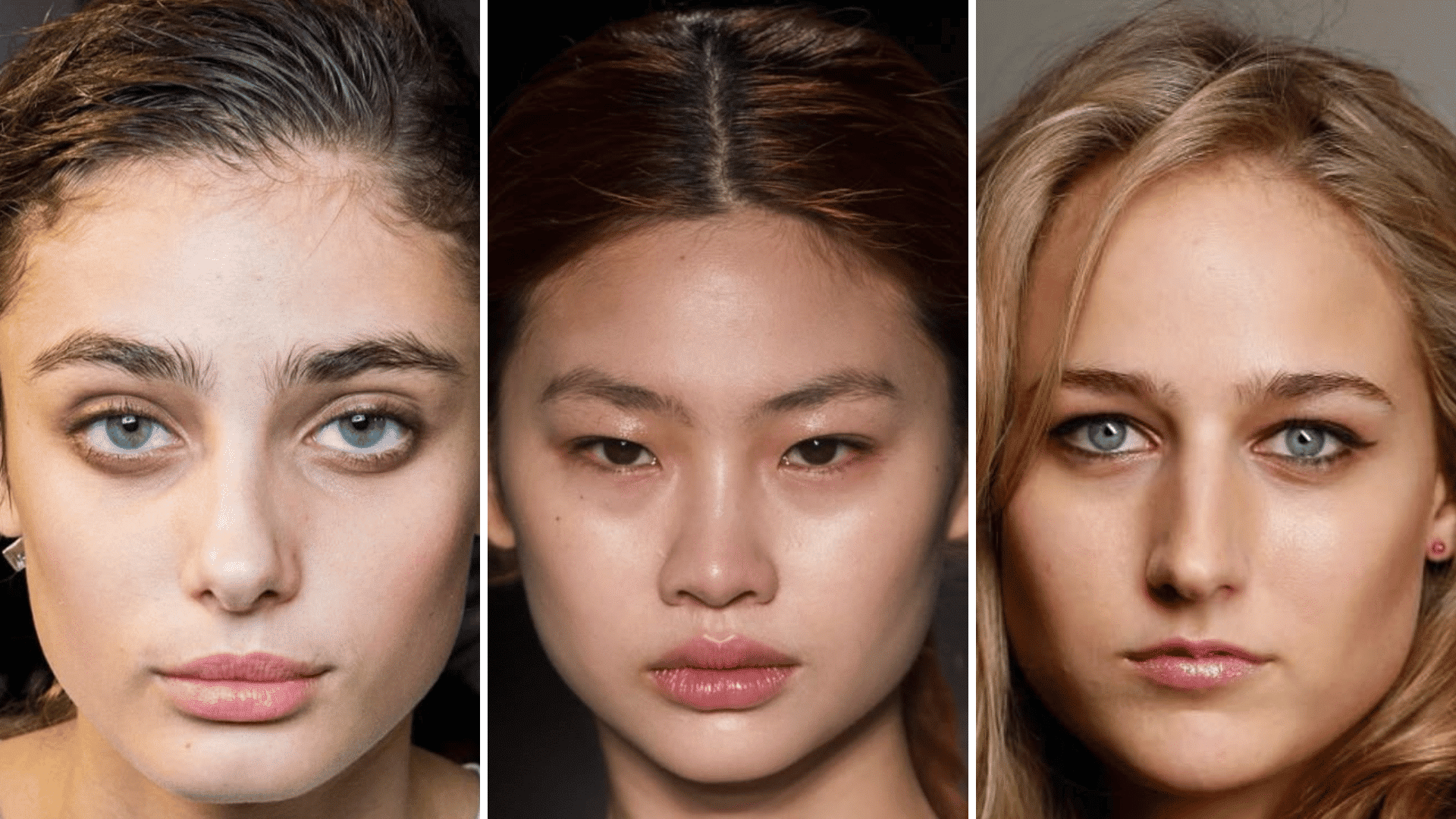
Your eyelids can make a surprising difference in how your eyes look and how makeup sits on them.
A technique that works beautifully for one person may look completely different on someone else simply because their lid structure is not the same.
The different types of eyelids vary based on factors such as crease placement, visible lid space, and natural folds. You may have monolids, double eyelids, hooded lids, or another variation.
Knowing where your eyelids fit can help you choose eyeliner, eyeshadow, and other makeup techniques that complement your natural features and make everyday application a little easier.
Why Eyelids Matter?
Eyelids play an important role in protecting the eyes and supporting overall eye health.
They help keep the eyes moist by spreading tears across the surface, remove dust and small particles through blinking, and shield the eyes from external elements.
Beyond their protective function, eyelids also influence facial expressions and the way eye shapes appear.
The presence, absence, or position of an eyelid crease can affect how makeup techniques work and how certain styles look.
Eyelid Anatomy And Crease Structure
Understanding the basic structure of the eyelid can help explain why different crease patterns and lid shapes appear unique.
- Upper Eyelid Components: The upper eyelid includes skin, muscles, fat, and connective tissues that support eye movement and protection.
- Eyelid Folds and Placement: Natural folds form where skin attaches to underlying tissues, creating different visible crease patterns.
- Crease Formation Effects: The position and depth of a crease determine how much upper eyelid space is visible.
- Visible Lid Space: More exposed lid space can change eye appearance and influence makeup placement techniques.
- Fat distribution: Extra fat along the brow bone or lid can soften or fully hide a crease, which is part of why the same person’s eyelids can look different in their 20s versus their 40s
Three Major Types Of Eyelids
Most eyelids fall into one of six recognizable patterns, though plenty of people land somewhere between two of them. This is what sets each type of eyelid apart.
1. Monolids
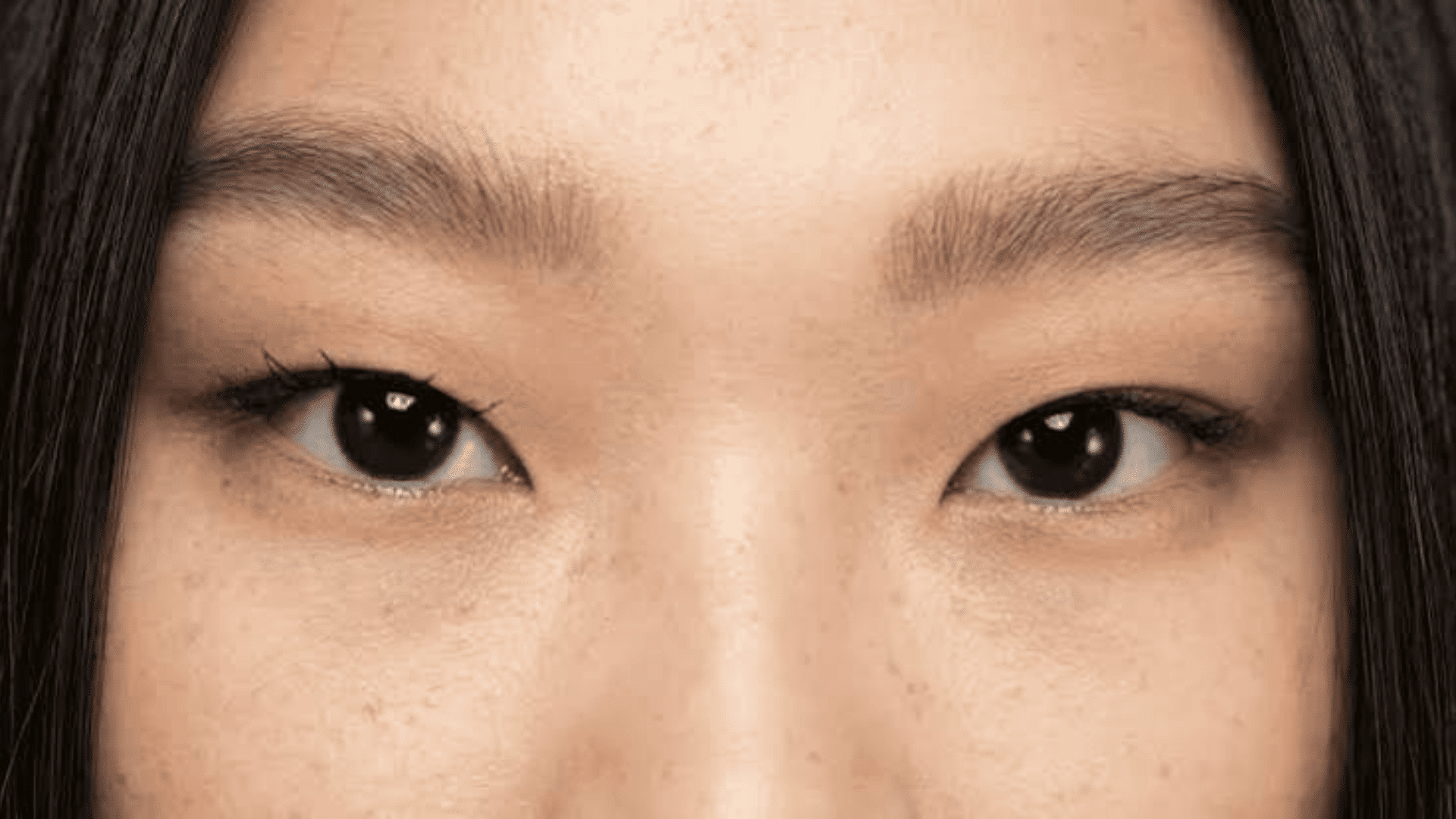
Monolids are eyelids that do not have a visible crease separating the upper eyelid from the brow area.
This creates a smooth eyelid surface and is a natural feature commonly seen among many people of Asian descent.
Research by the National Library of Medicine suggests that Lower eyelid fat and differences in how the eyelid muscle attaches may contribute to a single or lower eyelid crease.
Monolids come in different shapes and sizes, and makeup techniques can be adjusted to enhance their unique structure.
2. Double Eyelids
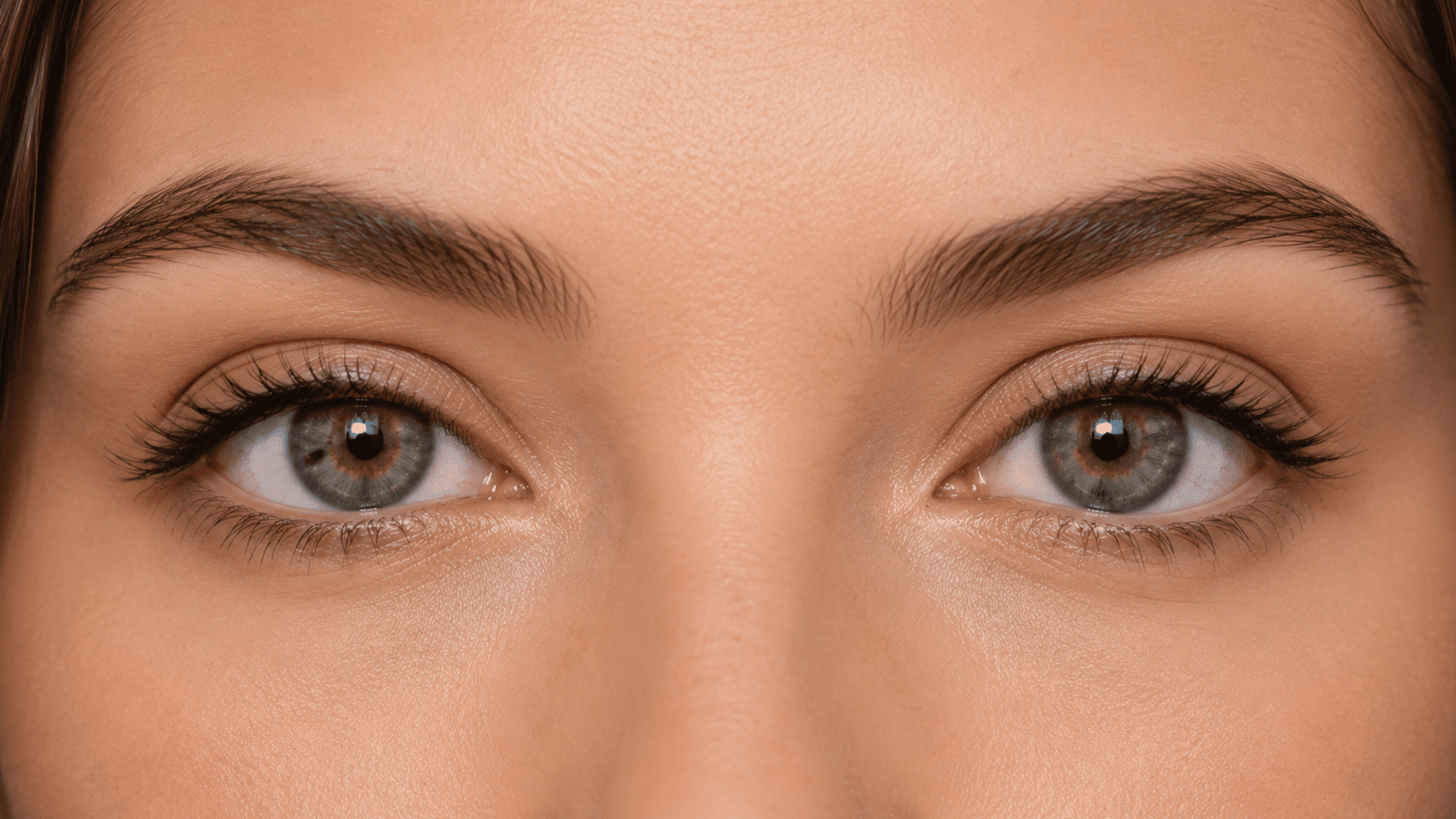
Double eyelids have a visible crease or fold above the lash line, creating a distinct upper eyelid shape.
The crease may vary in height, depth, and direction, resulting in different appearances such as tapered or parallel folds.
This eyelid type is found across many populations and can naturally create more visible lid space for makeup application.
3. Hooded Eyelids
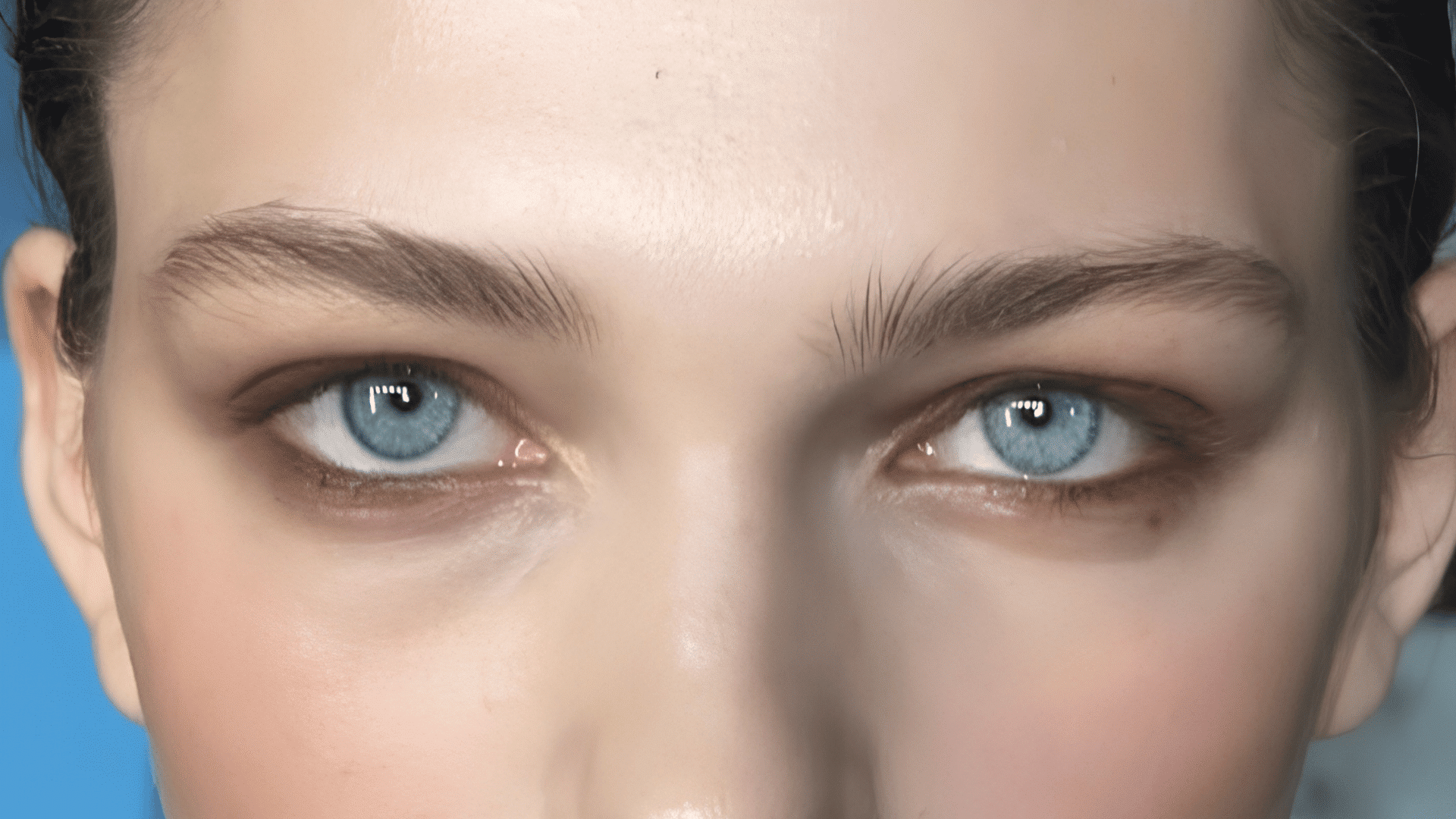
Hooded eyelids occur when extra skin from the brow area extends over the eyelid crease, partially or fully covering the lid space.
Some people naturally have hooded eyes, while others may notice this change as they age due to shifts in skin elasticity.
Because the fold can hide part of the eyelid, hooded eyes may require adjusted makeup techniques to keep eyeliner or eyeshadow visible.
4. Tapered Eyelids
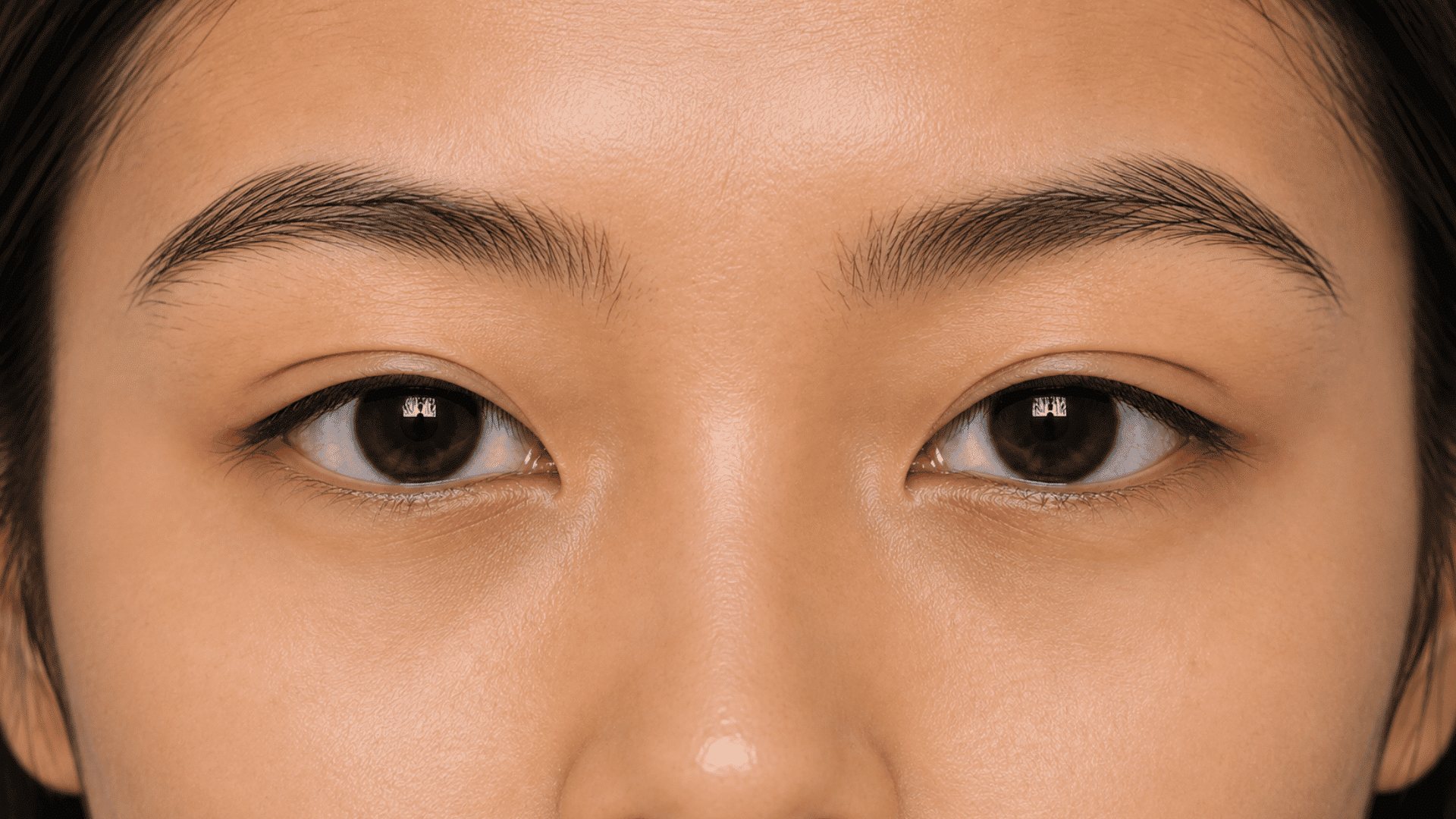
Tapered eyelids have a crease that gradually becomes narrower as it moves toward the inner corner of the eye. This shape creates a soft and natural appearance around the eyes.
The crease is usually more visible toward the outer area, which can add gentle definition.
Tapered eyelids may also make the eyes appear balanced, smooth, and slightly more elongated overall.
5. Parallel Eyelids
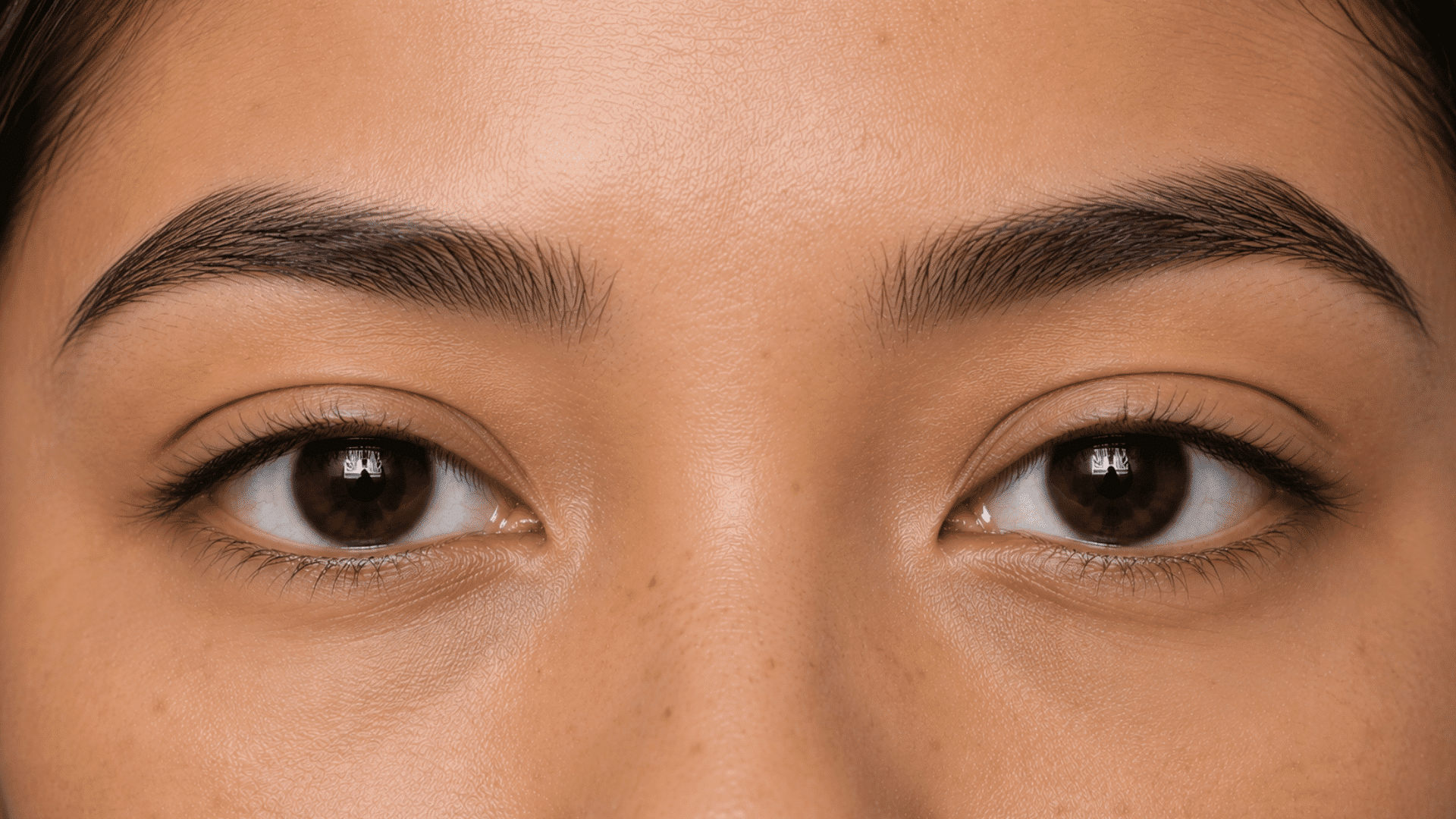
Parallel eyelids have a crease that runs at a fairly even distance above the lash line from the inner to the outer corner.
This creates a more defined upper eyelid area and can make the eyes look open and structured.
Because the crease stays visible across most of the lid, parallel eyelids may also make the eyes look wider and more noticeable.
6. Lateral Flare Eyelids
Lateral flare eyelids have a crease that widens as it moves toward the outer corner, the opposite pattern from tapered lids.
This shape is common in Western eyelid anatomy but shows up in Asian eyes too, depending on individual structure.
The outward flare tends to draw the eye toward the outer corner, which is part of why a soft cat-eye or winged liner often looks especially natural on this shape.
What Causes Different Eyelid Types?
Different eyelid types develop naturally due to variations in genetics, facial structure, and the way skin and muscles are arranged around the eyes. These factors influence crease formation, eyelid shape, and visible lid space.
- Genetic Factors: Eyelid shape and crease patterns are often inherited through genes from family and ancestral backgrounds.
- Facial Structure: The position of the brow bone, eye socket, and surrounding features can influence eyelid appearance.
- Skin and Muscle Arrangement: Differences in skin thickness, fat distribution, and eyelid muscles affect crease visibility and structure.
- Age-Related Changes: Aging can alter skin elasticity and muscle support, sometimes creating new folds or changing eyelid appearance.
A study hosted on the National Library of Medicine’s PubMed Central examined exactly this kind of muscle attachment difference across single and double eyelid creases in different populations
What Eyelid Type Do You Have?
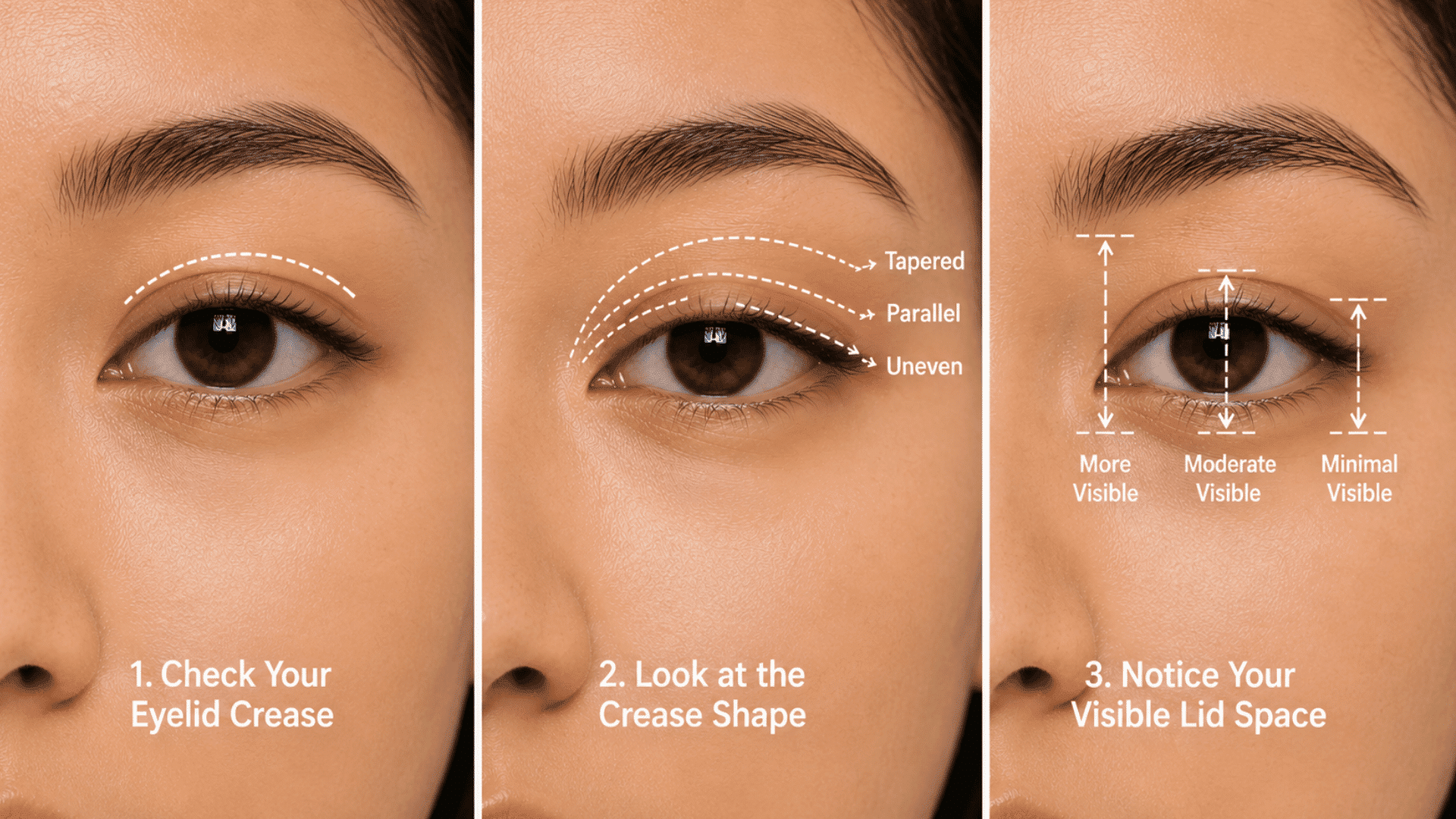
Step 1: Check Your Eyelid Crease
Look straight into a mirror with your face relaxed. Notice if you have a visible crease above the lash line, no crease at all, or a crease partly hidden by skin.
Step 2: Look at the Crease Shape
If you have a visible crease, check how it runs across your eyelid. It may stay parallel to the lash line, taper toward the inner corner, or appear uneven across the lid.
Step 3: Notice Your Visible Lid Space
Keep your eyes naturally open and see how much eyelid remains visible. A fold covering most of the crease may indicate hooded lids, while a clearly visible crease generally indicates double eyelids.
How Different Types of Eyelids Affect Facial Appearance
Different eyelid types can subtly change how the eyes and overall face appear.
Monolids often create a smooth, clean eye area with less visible crease space.
Double eyelids usually show a defined fold, which can make the eyes appear more open and structured.
Hooded eyelids have extra skin that partly covers the crease, sometimes giving the eyes a softer or deeper-set look.
Eyelid shape can also influence how noticeable the brow bone, lashes, and eye makeup appear. These differences are natural and help make every face look unique.
Follow facial toning tips regularly to help create a firmer, more balanced, and sculpted facial appearance.
Conclusion
Eyelids come in many natural variations, and each type has its own unique structure and appearance.
From monolids and double eyelids to hooded eyes and the tapered, parallel, and lateral flare shapes covered above, these features are all normal parts of human diversity.
Understanding the different types of eyelids can help you recognize your own eye structure and choose makeup that works with your natural shape instead of against it.
I still catch myself reaching for old habits, but knowing my own crease pattern has saved me plenty of smudged liner over the years.
Every eyelid shape has its own beauty and character. So which type do you have, and did anything here surprise you? Share your eyelid type in the comments and explore more content about eye shapes and beauty tips.
Frequently Asked Questions
Can Eyelid Types Change Over Time?
Yes, Eyelid Appearance Can Change with Aging, Skin Elasticity, Facial Changes, and Natural Development over Time.
Why Do Some People Have No Eyelid Crease?
Some people have no eyelid crease due to genetics, skin structure, and differences in upper eyelid anatomy.
Do Eyelid Types Affect Vision?
Most eyelid variations do not affect vision, but certain conditions involving excessive skin or drooping may interfere with sight.
Can You Have Different Eyelid Types on Each Eye?
Yes, some people naturally have asymmetrical eyelids where one eye has a slightly different crease or fold than the other.
Which Eyelid Type is Most Common?
Double eyelids and monolids are both common worldwide, with frequency varying by population and genetic background.