I’ve always loved the little things that make everyday life feel more meaningful, and growing something at home is one of them.
If you’re asking how broccoli grows, it starts with healthy soil, plenty of sunlight, proper spacing, and steady care.
Knowing how often to water broccoli and understanding its growth timeline makes it easier to keep plants healthy and plan for a timely harvest.
From planting seeds or seedlings to watching the heads develop, each stage brings something new to look for.
With the right soil, watering routine, spacing, sunlight, and timing, growing fresh broccoli at home can be a simple, rewarding part of everyday life.
Tools and Supplies Needed to Grow Broccoli
- Broccoli seeds or healthy seedlings
- Container or garden bed
- Potting soil
- Coco peat
- Vermicompost or aged compost
- Gardening trowel
- Watering can
- Organic nitrogen-rich fertilizer
- Gardening gloves
- Pruning shears
- Mulch
How Does Broccoli Grow?
Broccoli grows through several stages, from seed germination and seedling development to head formation and harvest. Each stage needs the right moisture, sunlight, spacing, and care.
1. Choose a Suitable Container
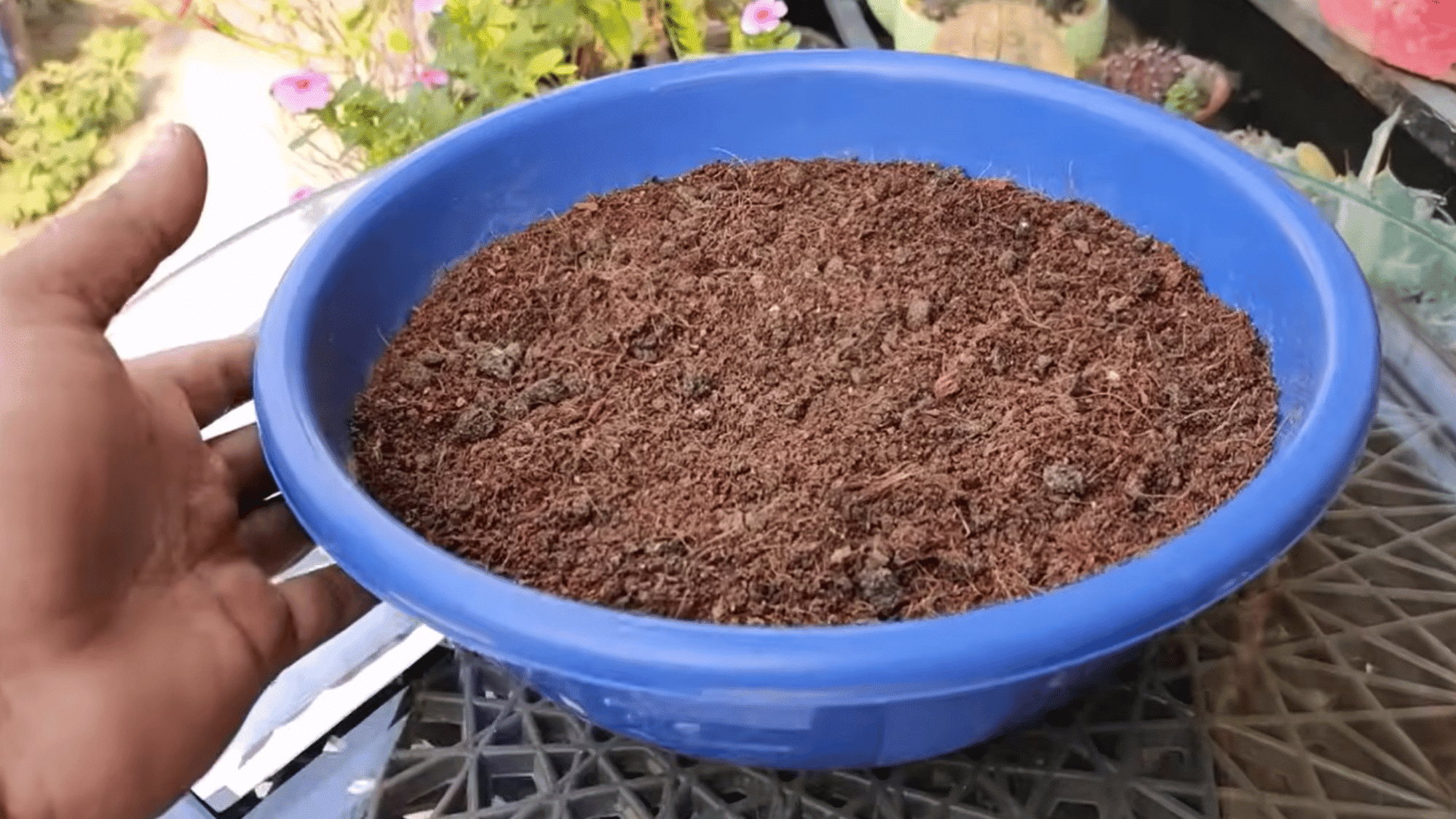
Start broccoli in a container at least 4–6 inches deep with drainage holes. As seedlings develop, move them into a larger pot. A 22-inch container can hold about four plants, while a 6–10-inch pot works well for one plant.
2. Prepare the Soil and Sow Seeds
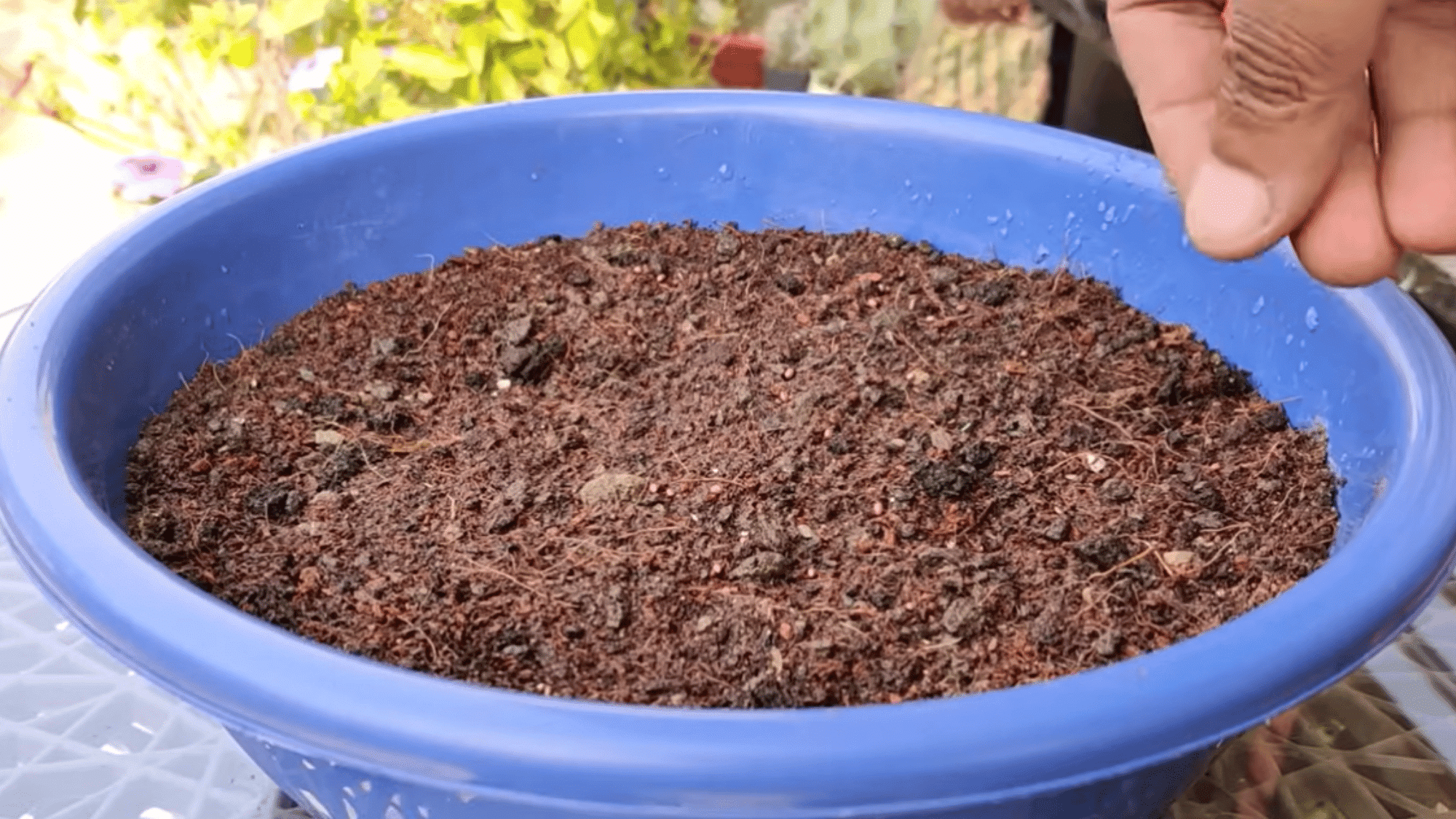
Use seedling potting soil or mix 40% garden soil, 30% coco peat, and 30% vermicompost. Moisten the soil, sprinkle the seeds evenly, cover them lightly, and plant about ¼–½ inch deep.
Broccoli prefers a slightly acidic soil pH between 6.0 and 7.0, so a quick pH test strip before planting can save you a season of stunted growth.
3. Provide Sunlight and Consistent Moisture
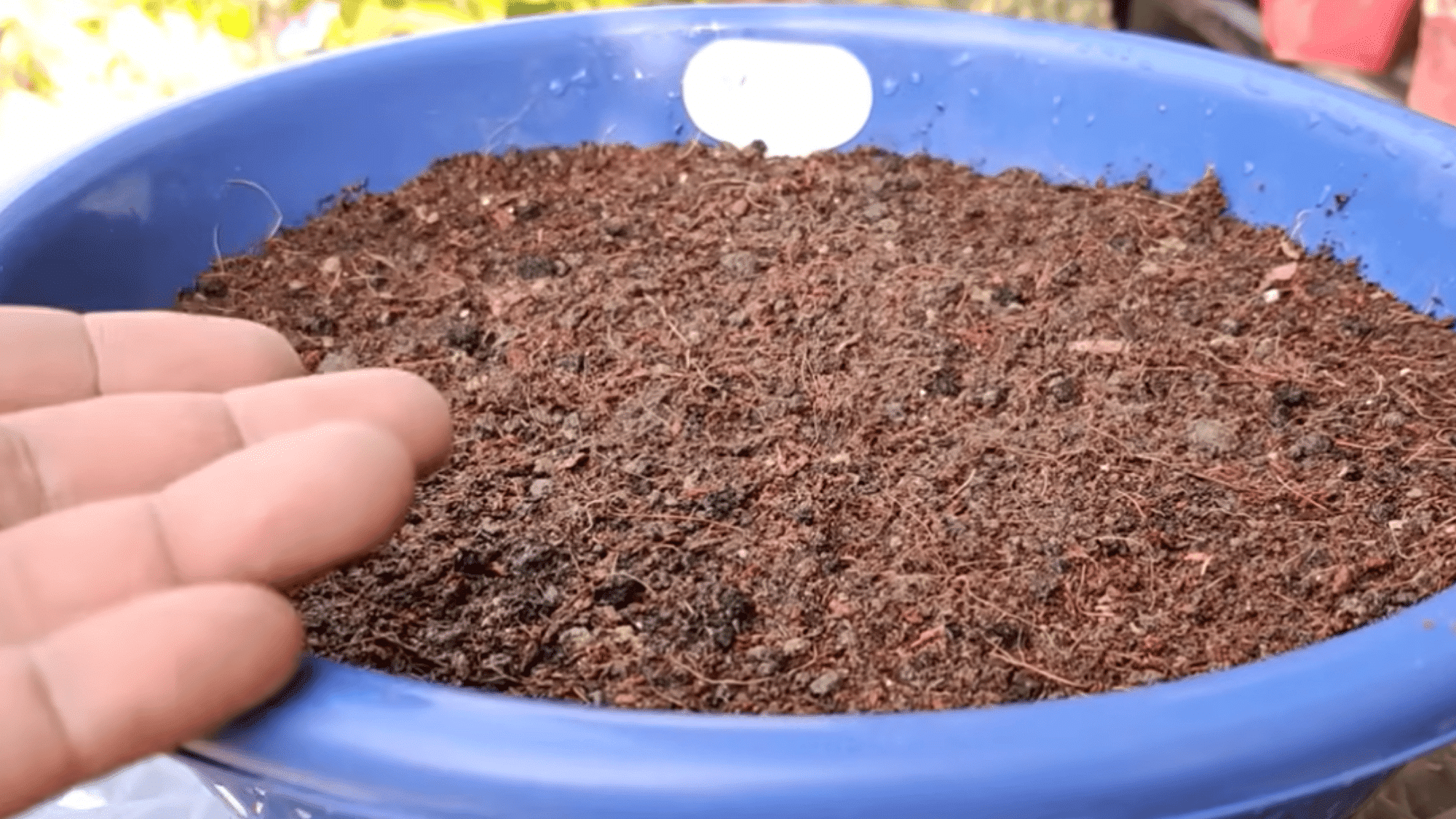
Place the container in full sun for around six to seven hours daily. Keep the soil evenly moist, especially during the first 12–15 days, checking beneath the surface before watering.
4. Transplant and Space the Seedlings
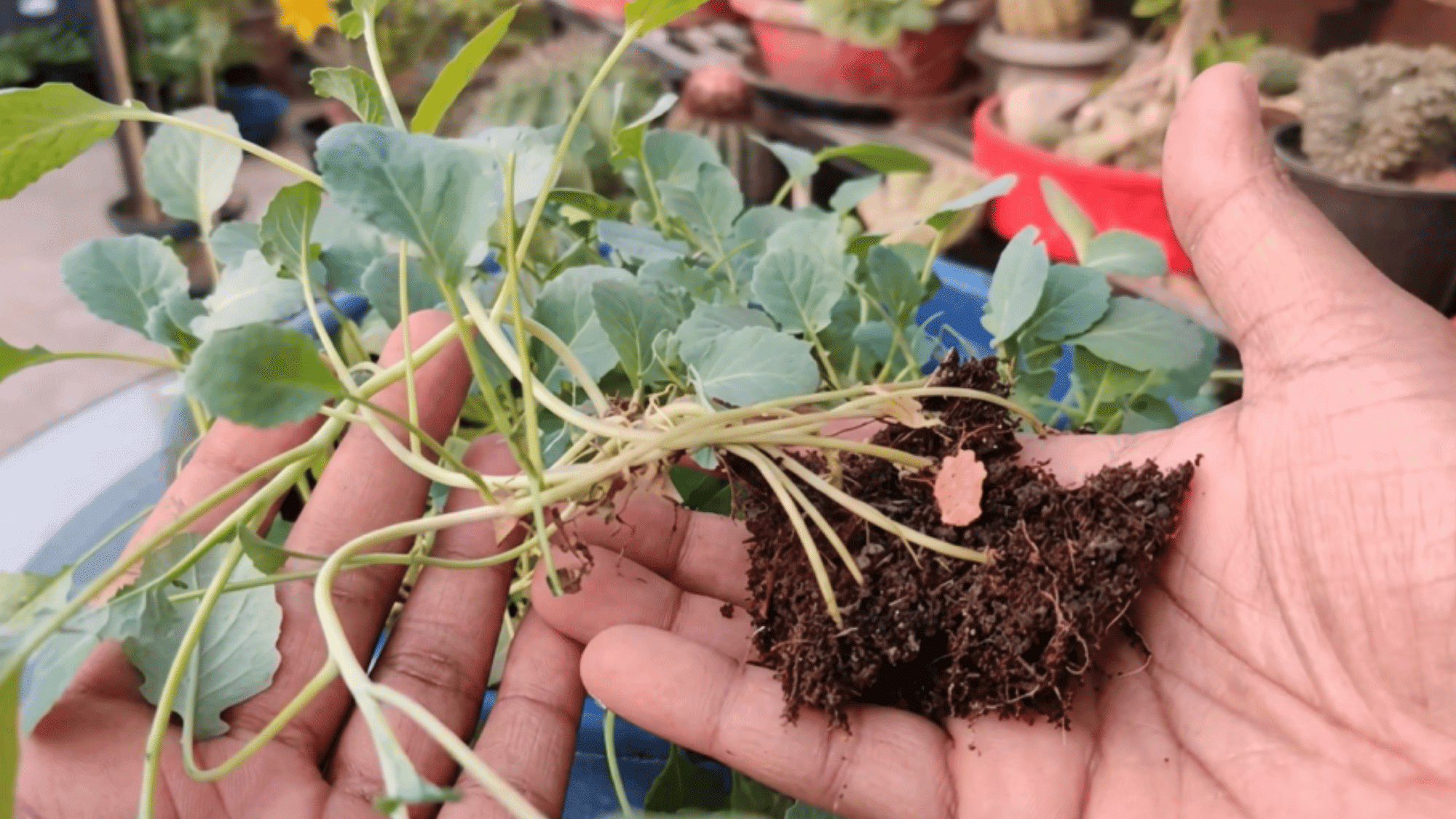
Transplant seedlings when they reach 5–7 inches tall, usually after 28–35 days. Leave 8–10 inches between container plants and about 1–2 feet between plants grown in the ground.
5. Water and Care for Growing Plants
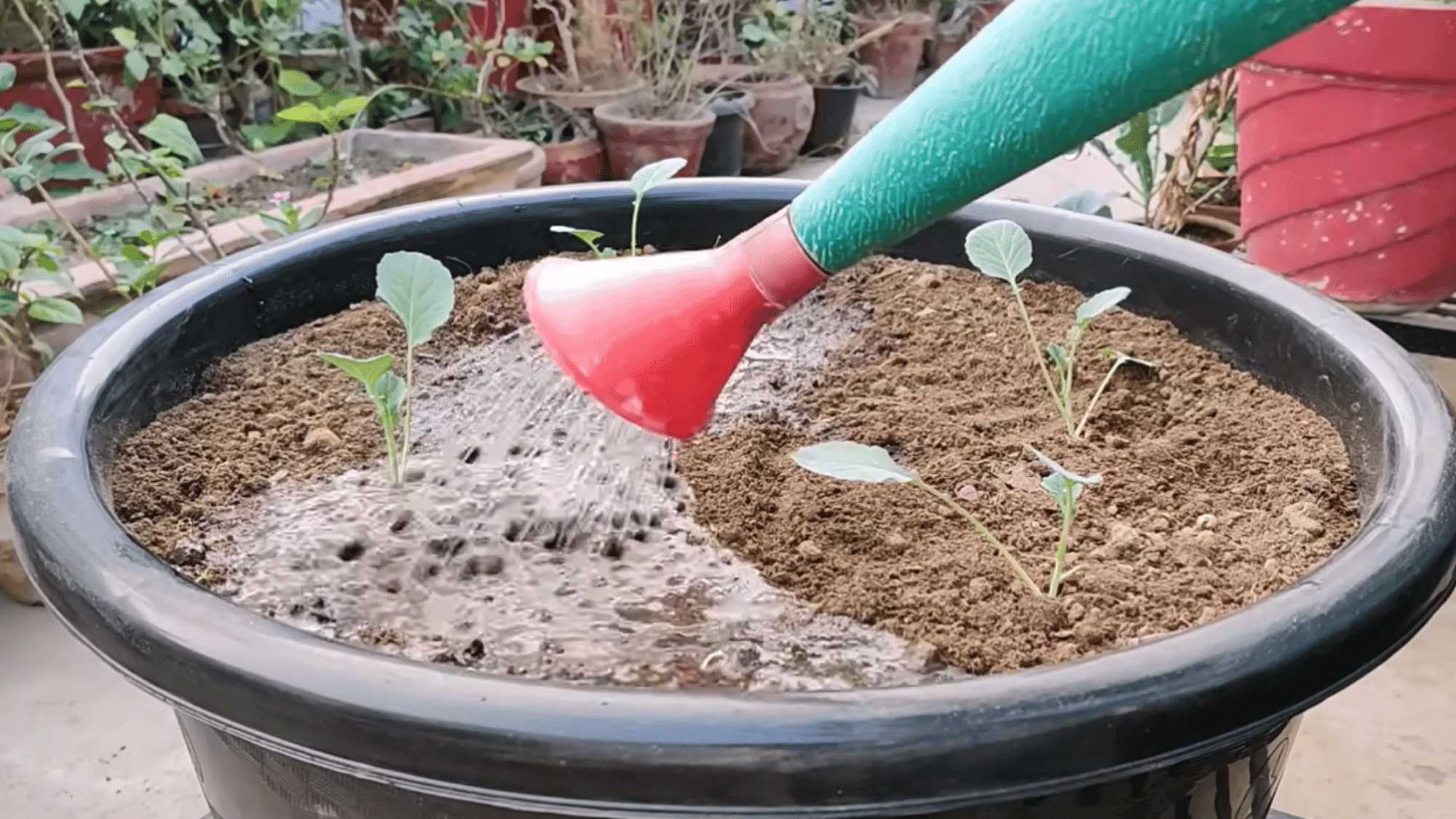
Keep the soil consistently moist as the plants mature, remove weeds regularly, and monitor the leaves and stems for signs of stress or pest activity.
Consistent care helps broccoli stay healthy as it develops toward head formation.
6. Fertilize Broccoli Regularly
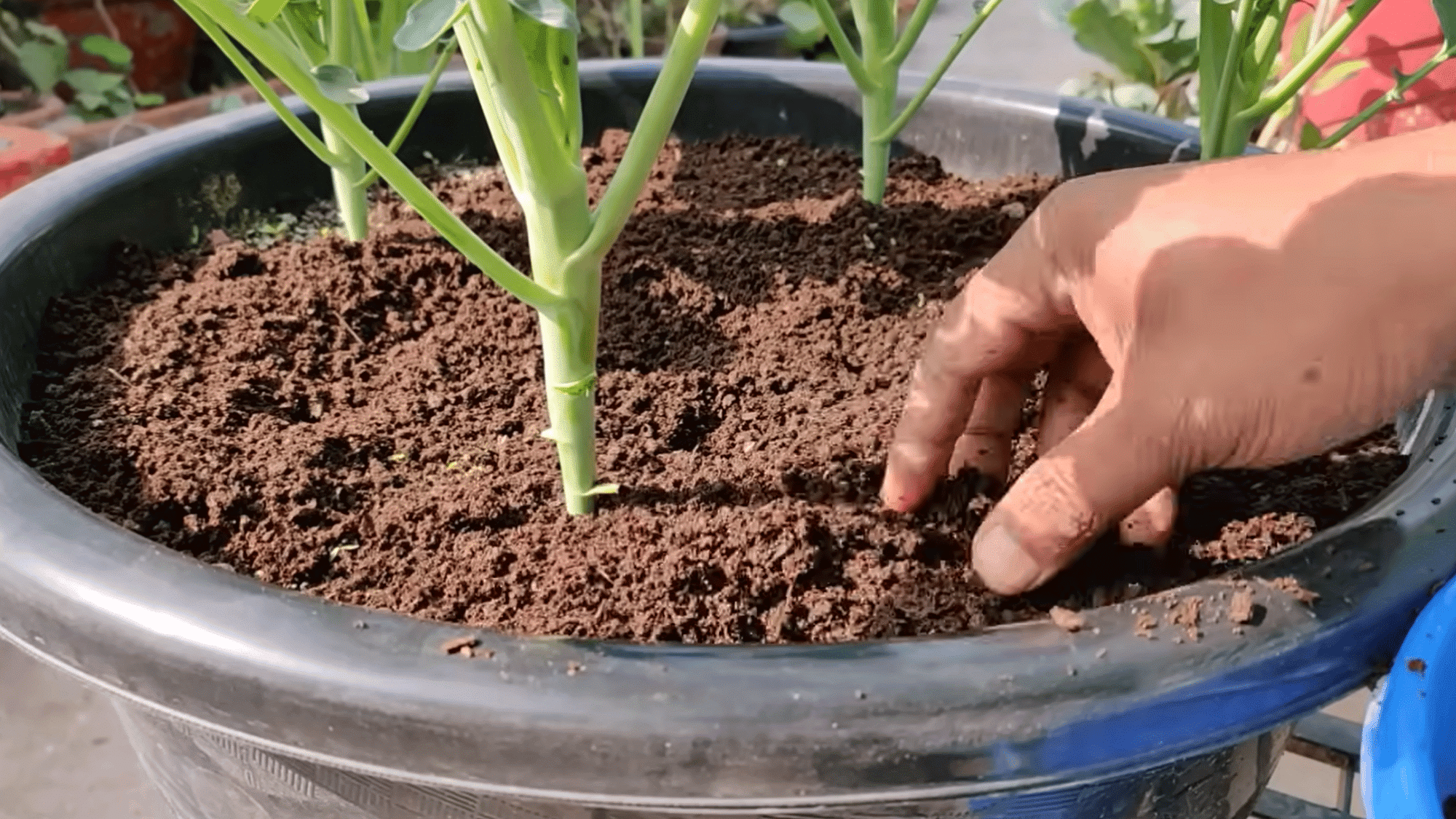
Feed broccoli approximately every 18–20 days with an organic nitrogen-rich fertilizer such as cattle manure, leaf mold, or fish emulsion. Mix it into the soil, then water to support healthy growth.
7. Support Head Formation
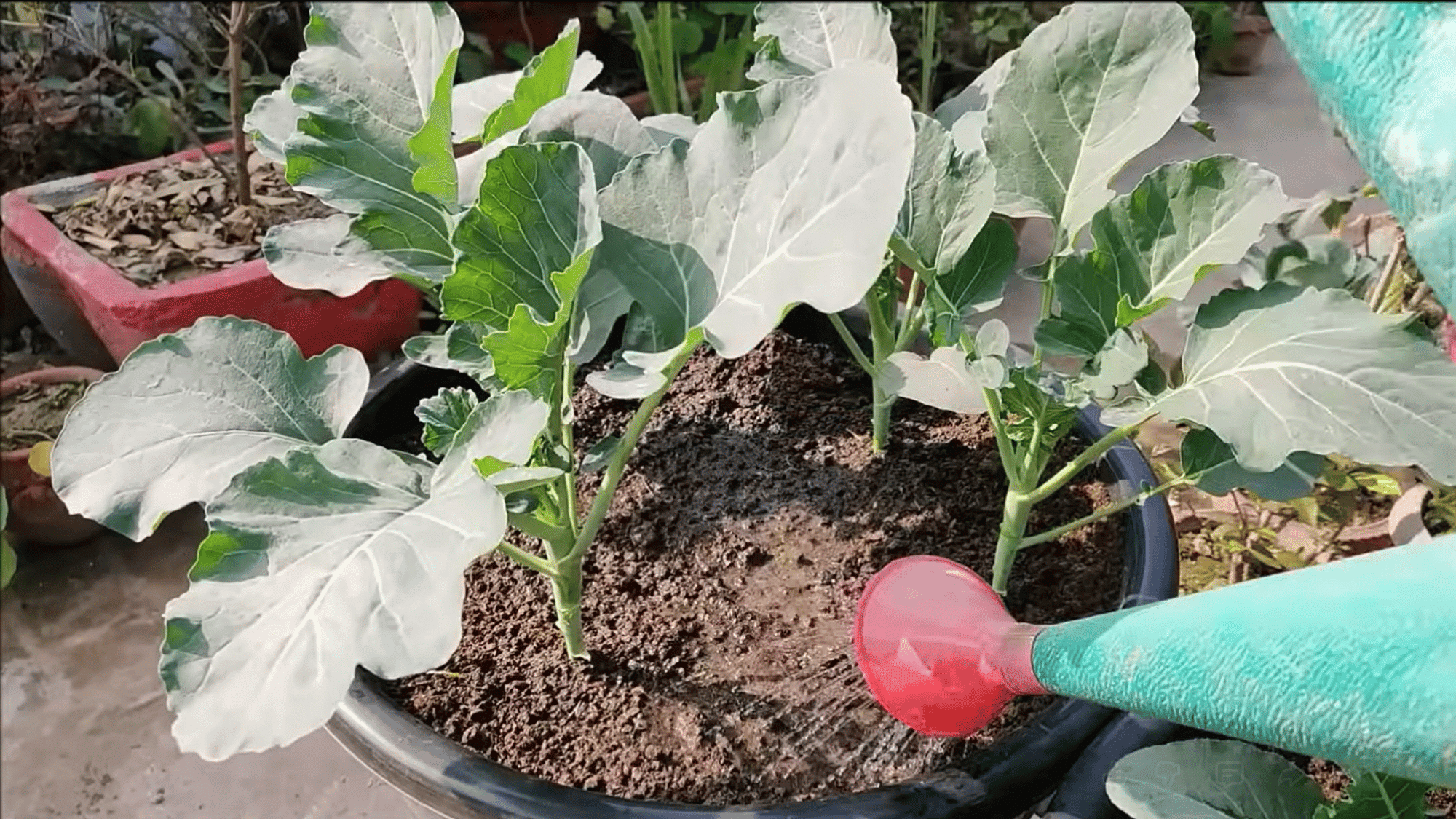
As the plant matures, more energy shifts toward developing the main broccoli head. Keep the soil consistently moist and continue feeding as needed to support head development and overall plant health.
8. Protect and Check the Developing Head
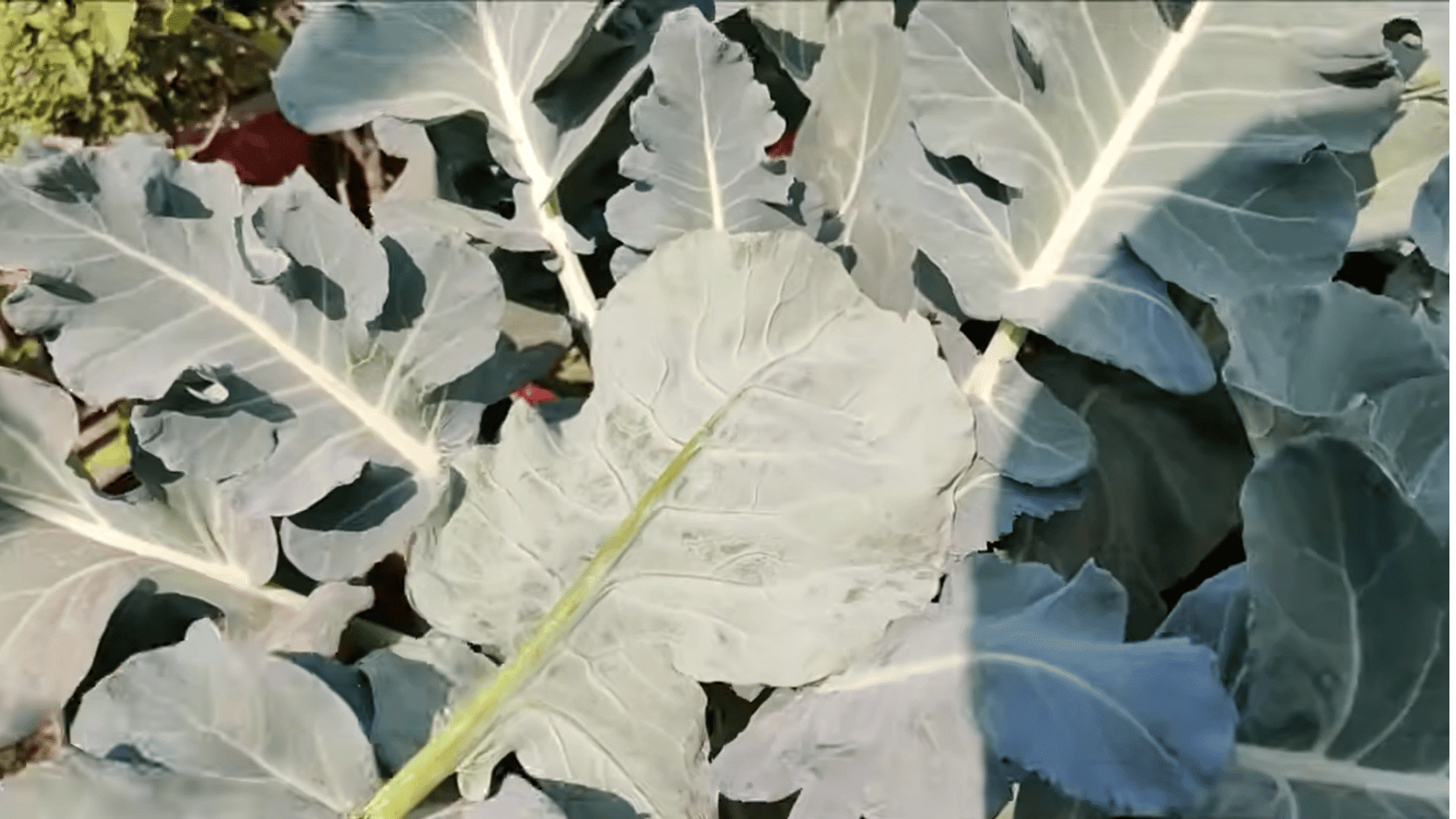
Use the plant’s leaves to cover developing heads and help protect them from excess moisture, pests, and disease. Check regularly for firm, compact heads with tightly closed buds as harvest approaches.
9. Harvest the Main Head and Side Shoots
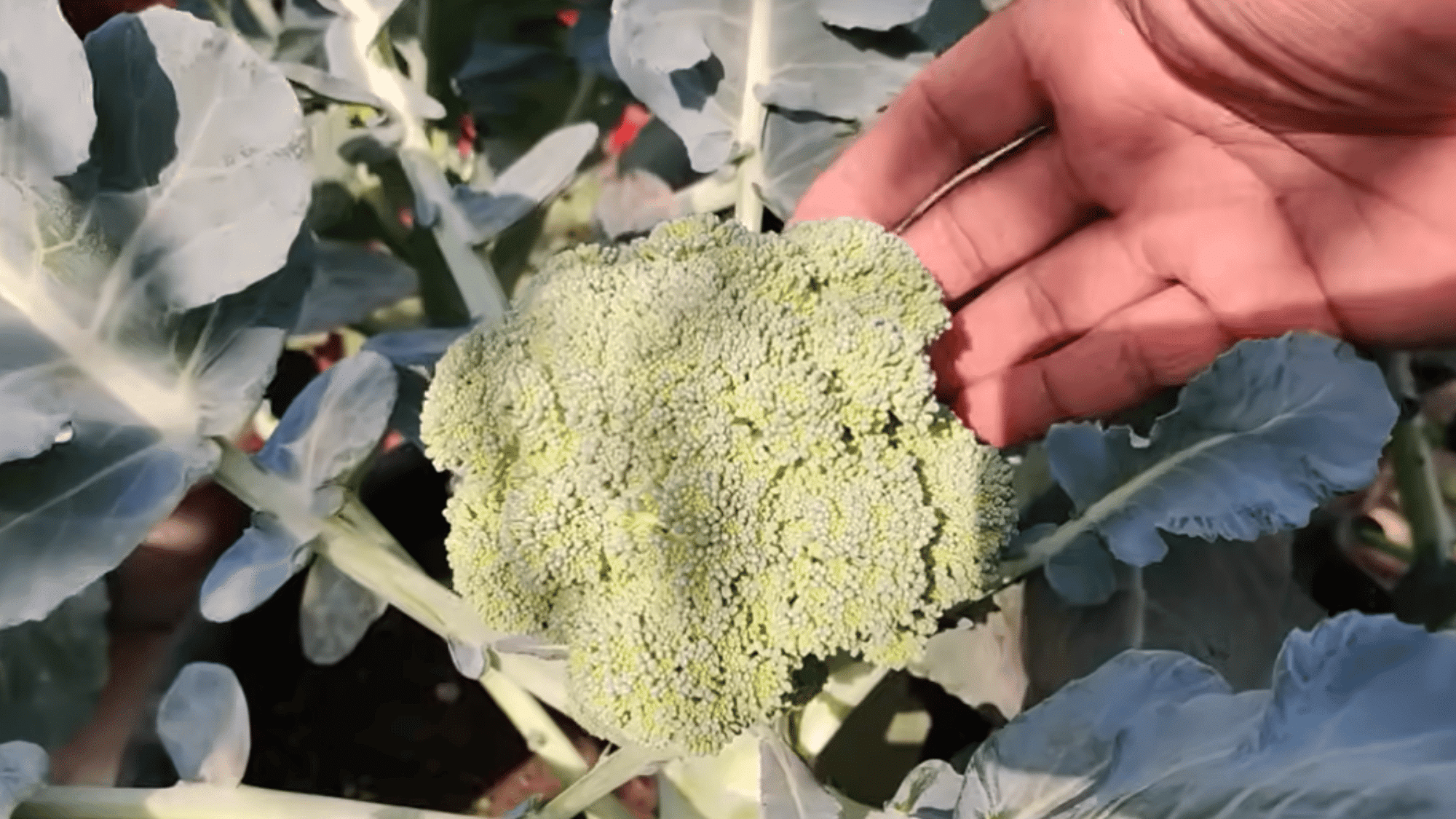
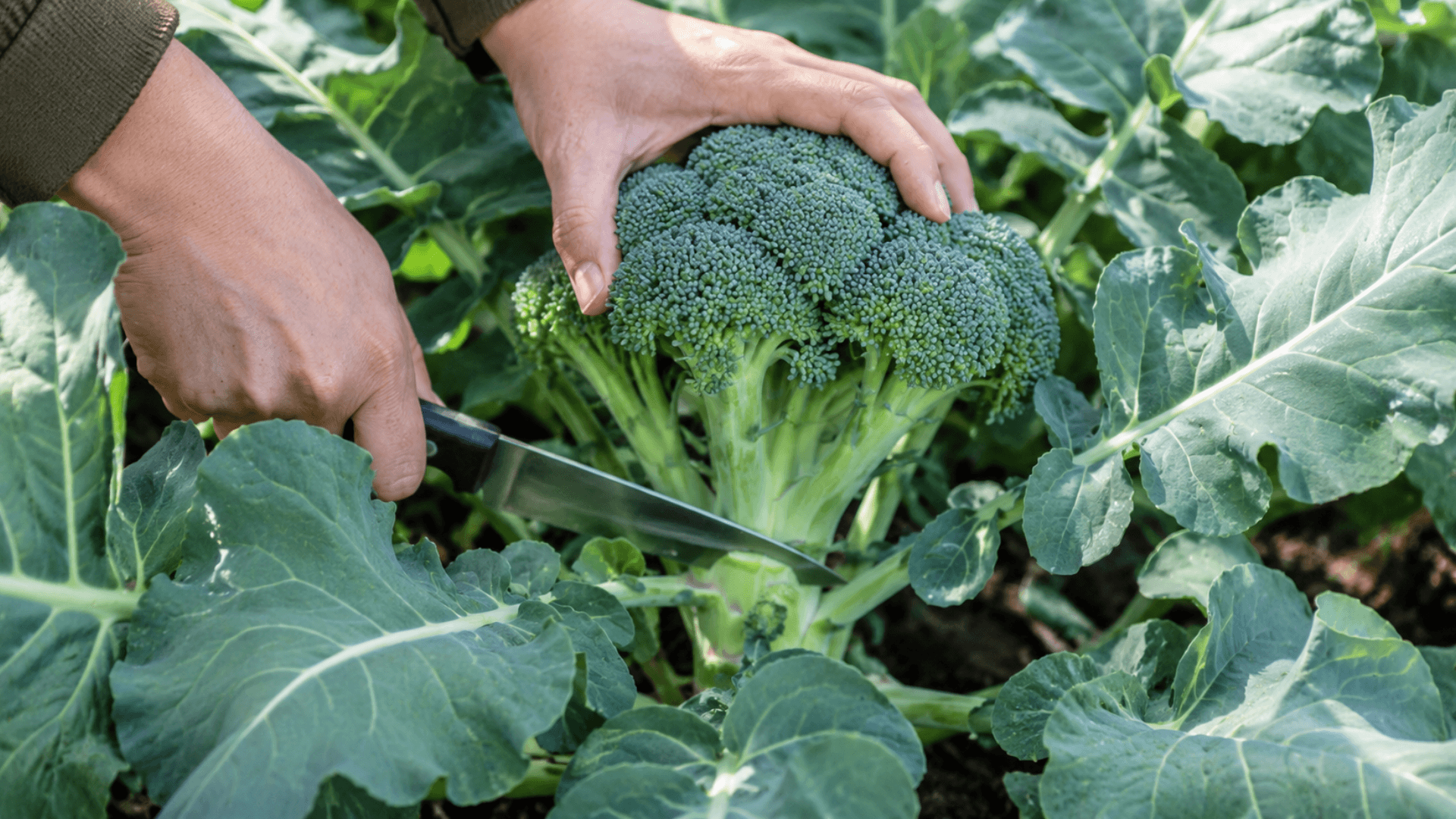
Harvest the main head in the morning while the buds are firm and tightly closed, leaving about five to six inches of stem.
Continue watering and feeding afterward so side shoots can develop for additional harvests.
This tutorial is based on a helpful video by Urban Gardening. You can check out the original video on their YouTube channel here or watch it below.
How to Get Bigger Broccoli Heads
Healthy broccoli heads depend on steady growth, suitable conditions, and timely care. Small adjustments during development can help plants produce firmer, fuller heads.
- Choose a broccoli variety that grows well in your local climate and planting season.
- Keep plants cool, especially as the heads begin to develop.
- Feed broccoli regularly to support steady growth and larger head formation.
- Keep the soil evenly moist without allowing roots to become waterlogged.
- Leave enough space between plants to improve airflow and reduce crowding.
- Harvest broccoli when the head is firm, and the flower buds are still tightly closed.
Getting spacing right matters just as much in a full backyard bed, where a simple beginner vegetable garden layout can help you fit broccoli in alongside other crops without crowding.
Broccoli Growth Timeline
Broccoli progresses from seed to harvest in several stages, with timing influenced by the variety, temperature, and growing conditions.
| Stage | Timeline |
|---|---|
| Germination | 5–10 days |
| Seedling growth | Up to 28–35 days |
| Transplanting | Around 4–5 weeks |
| Plant growth | Following weeks |
| Head formation | Later growth stage |
| Harvest | 70–100 days after transplanting, when buds are firm and tightly closed |
What is the Best Time to Grow Broccoli?
Broccoli grows best during cooler parts of the growing season because high temperatures can interfere with head development and encourage premature flowering.
September and October are recommended for starting broccoli seeds in containers. However, the ideal planting time can vary depending on your local climate, seasonal temperatures, and variety.
Starting at the right time gives seedlings enough time to establish and develop before warmer weather arrives.
Planning around your region’s cooler months can make it easier to support healthy growth and harvest firm heads.
Common Broccoli Growing Problems
Broccoli can face a few common issues during growth, but identifying the cause early can help protect plant health and improve the final harvest.
- Small heads: Extreme temperatures, poor nutrition, or unsuitable growing conditions can limit head size.
- No central head: Plant stress during development can prevent a prominent main head from forming properly.
- Premature flowering: Sudden heat can trigger early flowering before the head reaches a desirable size.
- Yellowing leaves: Nutrient deficiencies, overwatering, or natural aging.
- Pest damage: Caterpillars, aphids, and other insects can chew leaves or damage developing heads.
- Hollow stems: Rapid growth or nutritional imbalance can sometimes cause hollow areas inside broccoli stems.
Conclusion
There’s something special about harvesting broccoli you’ve grown with your own hands. What starts as a small seedling gradually becomes a fresh, homegrown vegetable you can bring straight to your table.
Along the way, you learn to notice the little things, from changing leaves to the first signs of a firm green head forming. You don’t need a huge garden or years of experience to enjoy the process.
A suitable container, good soil, sunlight, water, and patience can take you far.
If you’ve tried growing broccoli at home, share your experience and favorite tips in the comments below!
Frequently Asked Questions
Can Broccoli Grow in Pots Indoors?
Broccoli can grow in containers indoors if it receives enough direct sunlight, has good airflow, and stays in a cool environment.
What Temperature is Best for Growing Broccoli?
Broccoli grows best in cool conditions, generally around 60–70°F, while prolonged heat can interfere with head development and encourage premature flowering
Can You Grow Broccoli from Broccoli Stems?
Regrowing broccoli from a harvested stem may produce new shoots, but it typically won’t produce another full-sized head like a newly planted broccoli plant.
How Deep Do Broccoli Roots Grow?
Broccoli develops a relatively shallow root system, so containers should provide enough depth and width for roots to spread without becoming crowded.
Can Broccoli Survive Frost?
Mature broccoli plants can tolerate light frost, and cool temperatures may improve the flavor, but severe or prolonged freezing can damage plants.