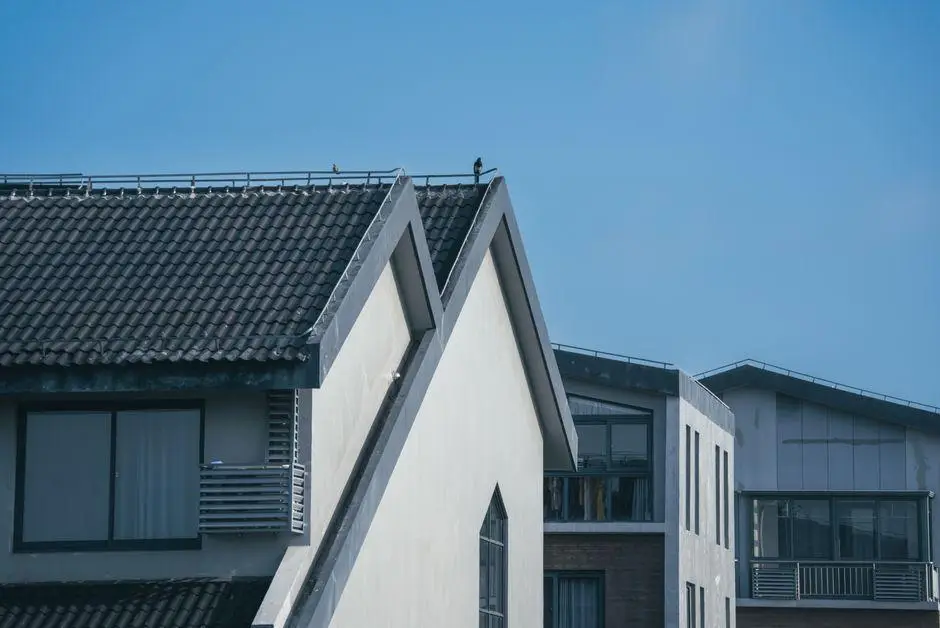
Your roof does more than keep rain out. It shapes your home’s appearance, affects energy use, and can influence how much maintenance you face over the years. In Madison, WI, those decisions carry real weight: the median value of owner-occupied homes was $372,900 in 2020–2024, so the roof is protecting a substantial investment. Local climate data also shows why durability matters. Madison averages 51.8 inches of snow and 37.13 inches of precipitation annually, based on 1991–2020 climate normals. With snow, ice, moisture, wind, and summer storms all putting roofing materials to the test, choosing a system suited to local conditions can help reduce maintenance headaches and protect your home for the long term.
Start With Climate Before You Start With Color
It’s easy to get pulled in by shingle colors and trendy exterior photos. The smarter move is to think about performance first. Madison homes deal with freeze-thaw cycles, heavy snow, hail, and sudden weather shifts that can punish the wrong material.
Asphalt shingles stay popular because they’re affordable and practical. Metal roofing can be a strong option if you want durability and better snow shedding. Wood looks great, but it needs more upkeep and can be less forgiving in wet conditions.
When you compare materials, think beyond the upfront quote. Ask how each roof handles insulation, ventilation, moss growth, wind lift, and ice dams. Roofing decisions aren’t just cosmetic. They’re a long-term weather strategy with curb appeal attached.
Work With Contractors Who Know Local Roofing Conditions
Roofing isn’t a category where local experience is optional. Madison weather creates specific challenges, and contractors who understand regional building conditions can spot issues that a generic bid may miss.
When you’re evaluating roofers in Madison WI, look for teams that can explain how they handle ventilation, flashing, underlayment, ice protection, and storm repair. You’re not just buying shingles. You’re hiring judgment.
Ask detailed questions. How do they inspect decking? What warranty options do they offer? How do they address roof transitions, valleys, and chimney areas? A strong contractor should answer clearly without drowning you in jargon or brushing off concerns.
Good roofing work often looks quiet from the street. The real quality shows up during the next hard winter.
Match the Roofing Style to Your Home’s Architecture
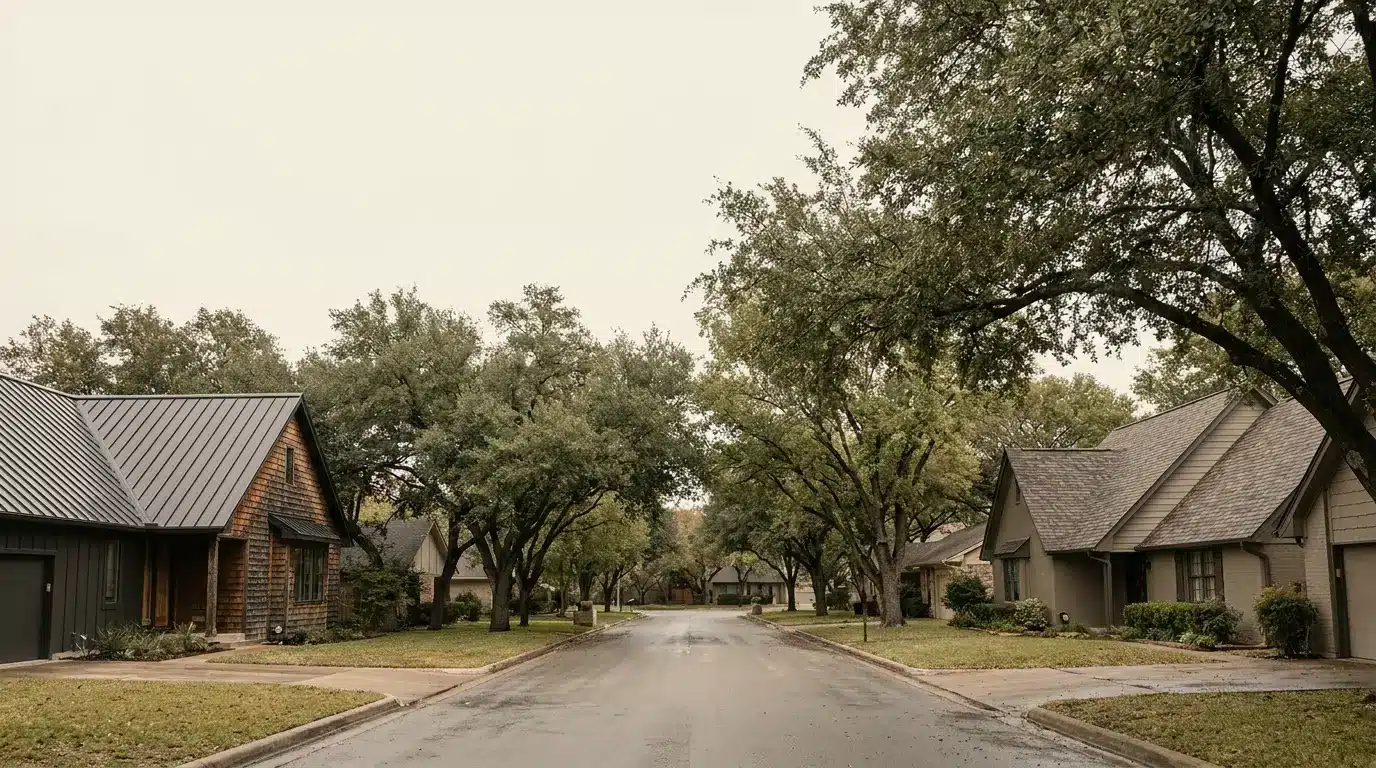
A roof should look like it belongs on your house, not like it wandered over from a different neighborhood. Colonial, Craftsman, ranch, and modern homes all tend to look better with different roof profiles, textures, and color choices.
A sleek black metal roof can look sharp on a modern home, but it may feel out of place on a traditional cottage. Dimensional asphalt shingles often work well because they fit a wide range of architectural styles without making the house look forced.
Look at roof pitch too. A steep roof can make bold materials look dramatic in a good way. A low-slope section may need a completely different system than the main roof. Good design happens when style and structure stop fighting each other.
Think About Maintenance Before You Fall in Love With a Material
Some roofs are low-maintenance. Others act like they need emotional support every season. You want to know which one you’re signing up for before installation day.
Asphalt shingles usually need periodic inspection, especially after storms. Metal roofs often need less routine maintenance, but flashing and fasteners still matter. Cedar shakes may require more frequent care to prevent moisture issues, mold, or insect damage.
Tree coverage matters too. If your home sits under large mature trees, leaves and branches can wear down certain roofing materials faster. Gutters can clog, moisture can linger, and debris can build up in valleys.
A beautiful roof loses some charm when it turns into a weekend maintenance project every other month.
Pay Attention to Energy Efficiency and Ventilation
Your roof affects indoor comfort more than many homeowners expect. Material choice, color, insulation, and attic ventilation all work together. If one part fails, your heating and cooling bills may start sending rude messages.
Lighter-colored roofing can reflect more heat in summer. Proper attic ventilation helps release trapped heat and moisture, which protects both your roof deck and your HVAC system. In cold climates like Madison, balanced ventilation also helps reduce the risk of ice dams.
If you’re replacing a roof, ask whether your current ventilation setup actually works or just technically exists. Ridge vents, soffit vents, and underlayment choices can all influence long-term performance.
A roof isn’t just a top layer. It’s part of a larger building system, and small details can have expensive consequences.
Consider Resale Value Without Letting It Control Everything
You should enjoy the roof you choose, but it helps to think about future buyers too. Roofing materials can influence resale value, especially if they improve curb appeal, durability, and energy efficiency.
Neutral colors tend to appeal to more people. Extremely bold roofing choices can work on some homes, though they may narrow buyer interest later. High-quality installation usually matters more than chasing a flashy material that doesn’t fit the neighborhood.
If you plan to sell within a few years, ask what buyers in your area expect. In many cases, a clean, durable, professionally installed asphalt roof is more practicalthan an expensive specialty option with mixed appeal.
The goal isn’t to make your home look generic. It’s to avoid spending a premium on a roof that future buyers view as a problem instead of an upgrade.
Don’t Ignore Budget, But Don’t Shop by Price Alone
A low bid can look attractive right up until leaks, poor flashing, or bad ventilation show up. Roofing prices vary for valid reasons: material quality, labor skill, warranty coverage, tear-off complexity, and structural repairs all affect the total.
Ask for detailed estimates instead of one-line numbers. You want to see what’s included for underlayment, drip edge, flashing, ventilation, cleanup, and disposal. If one quote is much lower than the rest, there’s usually a catch hiding somewhere in the details.
It also helps to ask about lifespan. A roof that costs more upfront but lasts significantly longer may offer better value over time. Cheap roofing can become expensive roofing with very little warning.
Good budgeting means comparing real scope, not just comparing who typed the smallest number.
Make the Final Choice With the Whole House in Mind
The best roof choice usually comes from balance. You want a material and style that fits your home’s architecture, handles local weather, supports energy performance, matches your maintenance tolerance, and stays within budget.
Take photos of your exterior and compare sample colors in natural light. Look at nearby homes with similar siding and roof pitch. Ask contractors for product samples and real project examples, not just polished brochure shots.
Most of all, slow down enough to make a decision you can live with for years. A roof is one of the biggest visual and structural features of your home. Choosing well can improve comfort, reduce repairs, and make the entire property feel more finished.
That’s a pretty solid return for something most people only notice when it leaks.