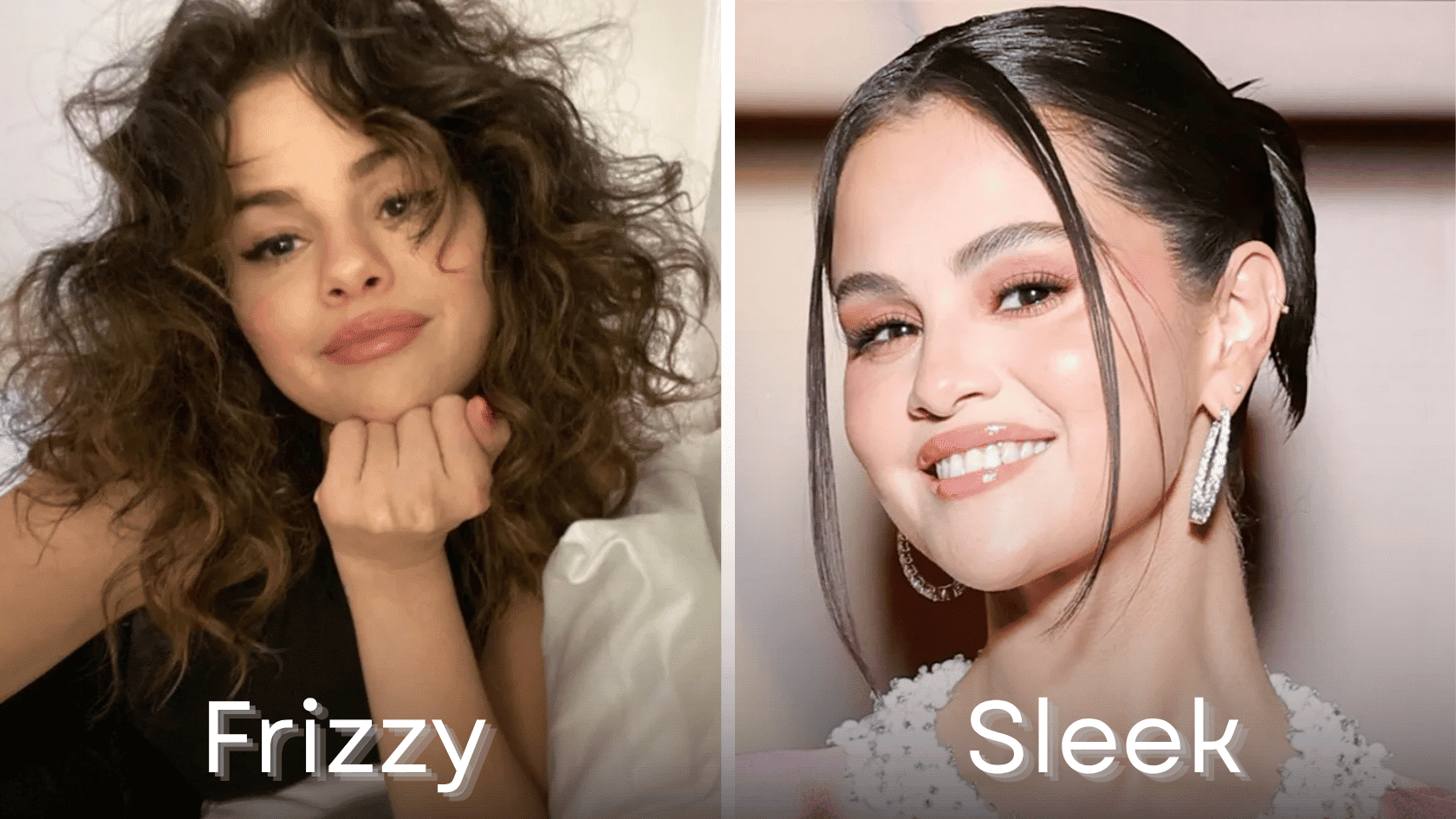
Frizz has a way of showing up just when you want your hair to look its best. One day my hair feels smooth and manageable, and the next, humidity or a small change in my routine leaves it looking puffy and uneven.
Different hair types can react to frizz in their own way, which is why the same routine does not always work for everyone. I have learned that managing frizz is often about paying attention to everyday habits.
From washing and conditioning to drying and styling, small choices can shape how your hair looks and feels.
Why Does Hair Become Frizzy?
Frizzy hair often happens when strands lose moisture or become damaged. The outer layer of hair cannot stay smooth, causing strands to look rough, puffy, and uneven.
Weather changes can also affect frizz because dry hair absorbs moisture from humid air and swells easily. Heat styling, frequent washing, and harsh products may remove oils, leaving hair dry.
Straight hair may show flyaways, while wavy and curly hair often needs more moisture to keep its shape. Frizz can also increase when hair rubs against regular towels, rough brushes, or pillow fabrics.
Gentle handling, proper hydration, and suitable products help reduce these common causes over time.
Tips to Fix Frizzy Hair for Every Hair Type
Frizzy hair often results from moisture loss, damage, or friction. The right routine depends on your hair type, texture, and styling habits.
1. Use Moisturizing Shampoo
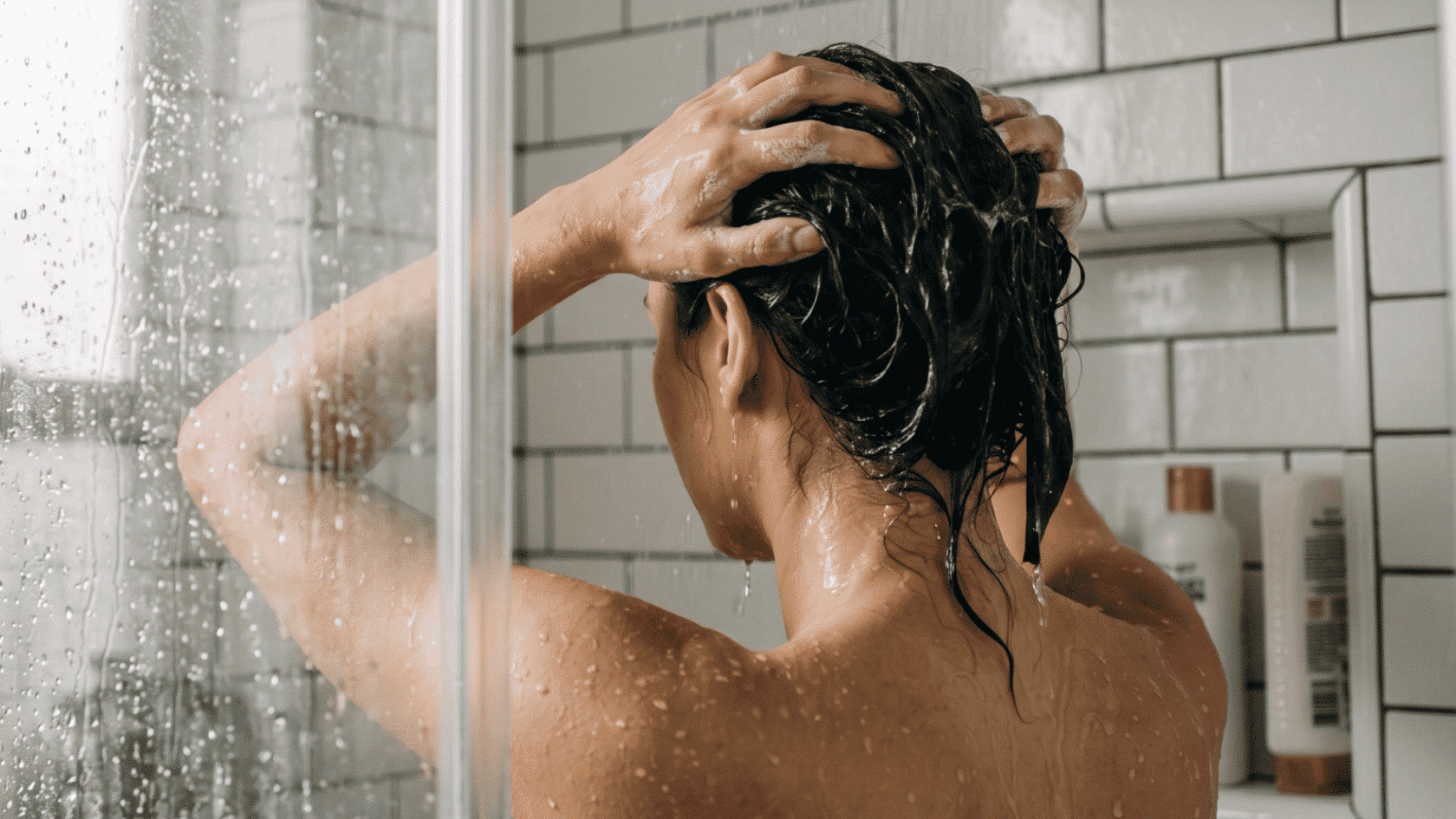
The right shampoo can help manage frizz by maintaining moisture without leaving hair heavy. Strong cleansers may remove buildup but can make some hair types feel dry.
Thick or dry hair may need richer formulas to remove residue while keeping strands soft. Pureology Hydrate Shampoo suits dry hair, while OUAI Fine Hair Shampoo works well for finer strands.
2. Condition Your Hair the Right Way
Conditioner helps smooth the hair surface and reduce frizz by adding moisture where strands need it most.
Apply it mainly from the middle lengths to the ends to avoid weighing down the roots.
Fine, straight hair usually needs lightweight conditioners, while curly, thick hair often benefits from richer formulas that improve softness and manageability.
You can use the Amika Mirrorball conditioner for overall shine, and it works with all hair types. Pureology Hydrate conditioner is best for dry hair.
3. Add a Weekly Hair Mask for Extra Moisture
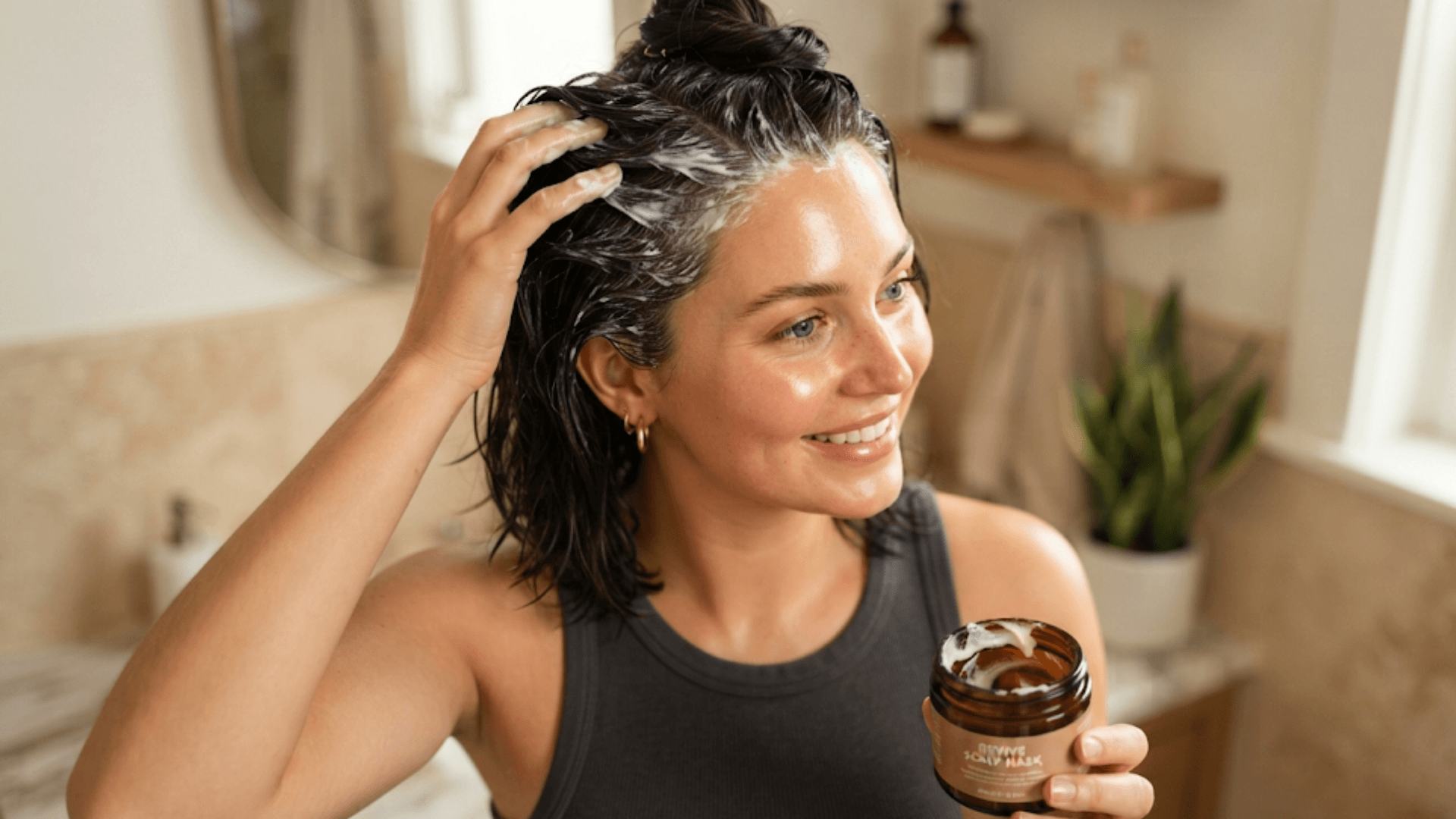
A weekly hair mask can provide deeper moisture when regular conditioner is not enough. It can help improve the feel of dry, rough, heat-styled, or color-treated hair.
Curly and thick hair often benefits from richer masks that improve softness and manageability, while damaged hair may need formulas focused on conditioning support.
Briogeo Deep Conditioning Mask and Amika Soulfood Nourishing Hair Mask are popular options for dry or damaged hair.
4. Apply Leave-In Conditioner on Damp Hair
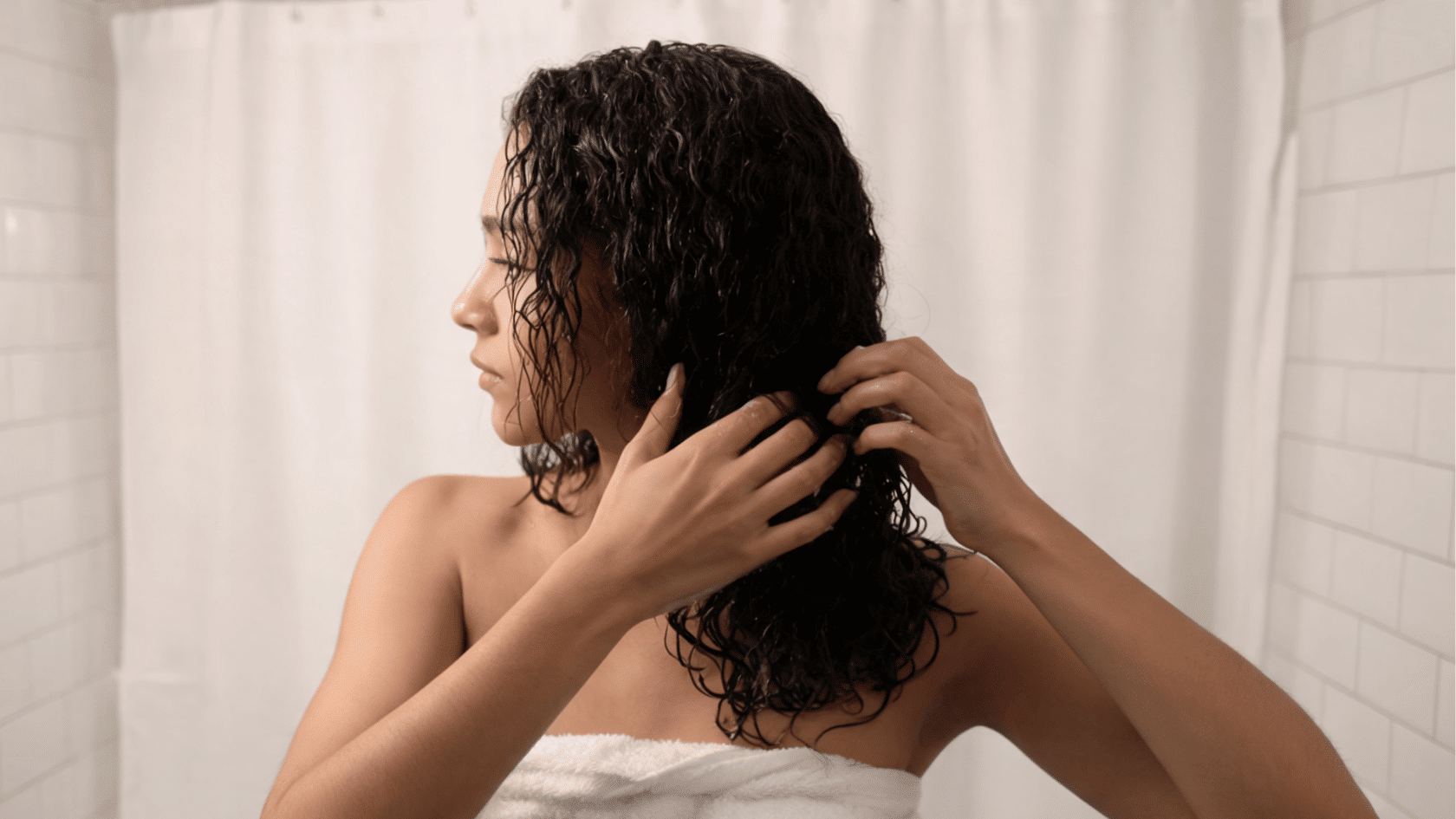
Leave-in conditioner works best on damp hair because it spreads more evenly and helps add moisture before styling.
Apply it mainly from the middle lengths to the ends to avoid weighing down the roots.
Fine hair usually needs lightweight sprays, while thick and curly hair may benefit from cream-based formulas.
The best leave-in conditioner for frizzy hair is Garnier Sleek and Shine Intense Smooth, and you can choose from a huge range of OUAI Leave-In Conditioners.
5. Use Anti-Frizz Serum or Hair Oil Correctly
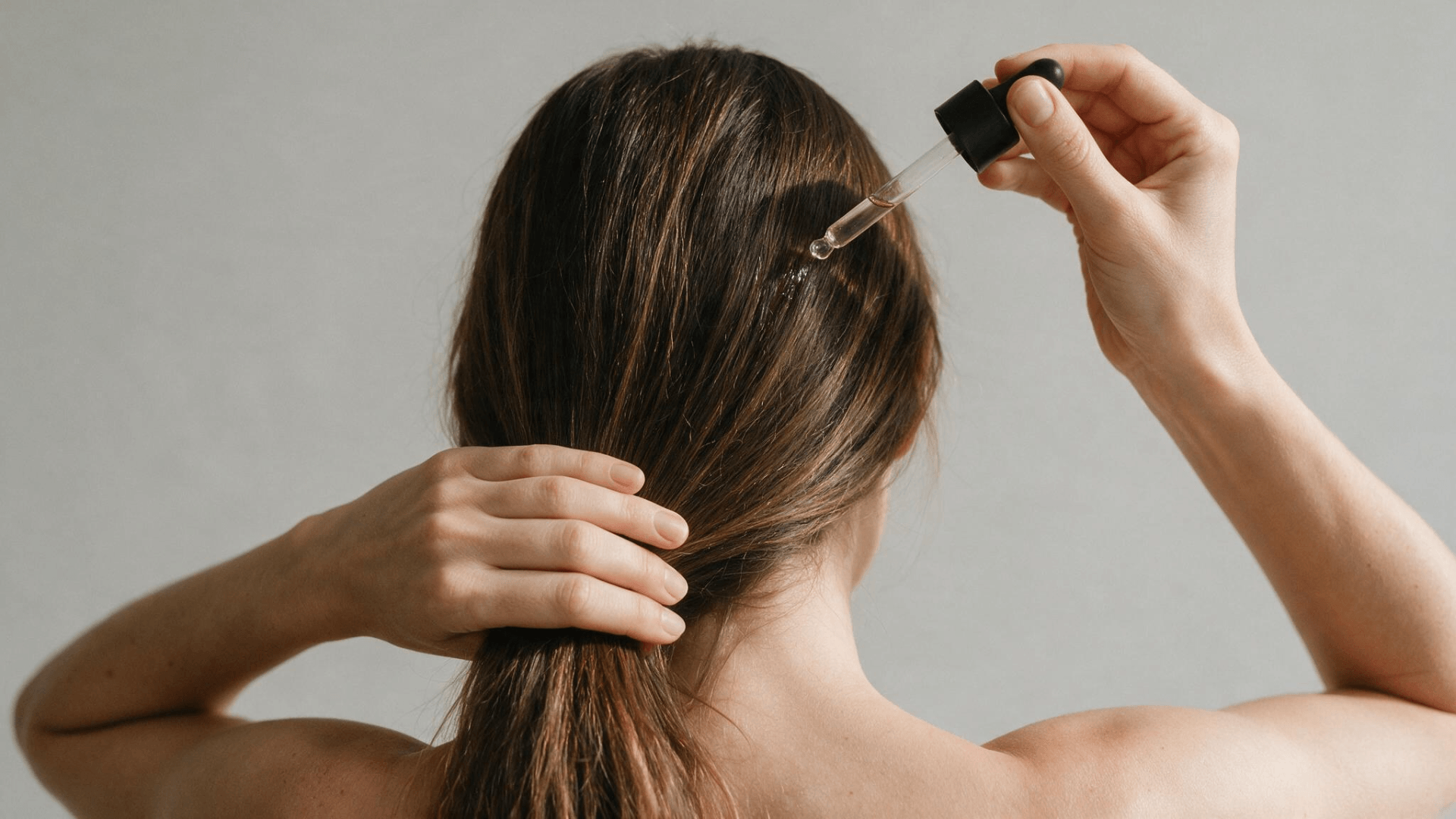
Anti-frizz serums and oils can help smooth flyaways, but using too much can make hair feel heavy. Apply a small amount mainly to the ends and areas where frizz is most visible.
Fine hair works better with lightweight serums, while thick or curly hair may need richer oils for extra moisture. Moroccanoil Treatment Light suits finer hair, while Moroccanoil Treatment Original works better for thicker or drier strands.
6. Add Microfiber to The Routine
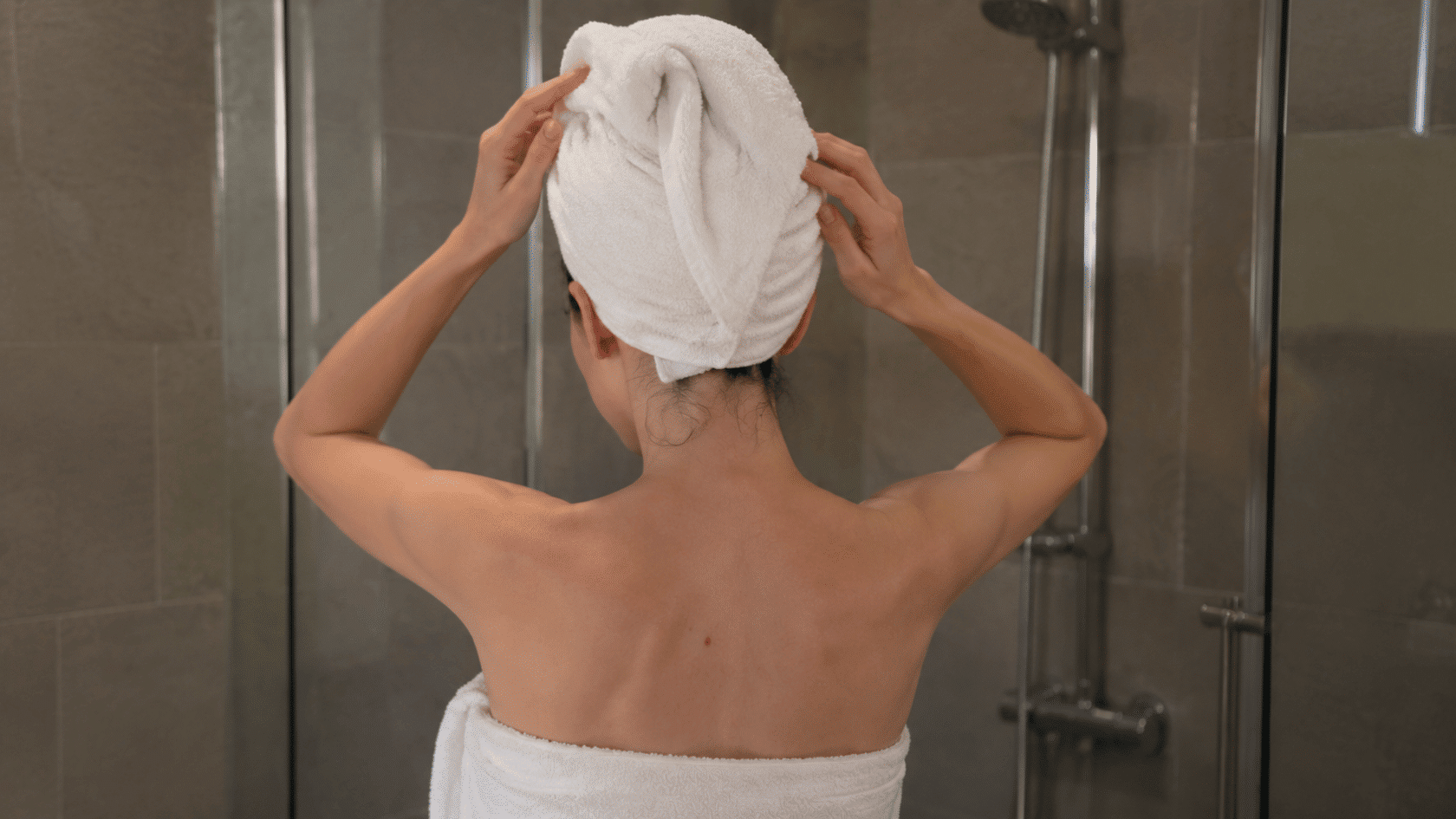
I noticed that switching from rough towel drying to gentler drying made my hair look smoother after washing. I also found that frizz was linked to how hair was dried, brushed, and handled, not just products.
A microfiber towel or cotton T-shirt is gentler than a regular bath towel because it helps remove water with less friction.
Curly hair usually benefits from scrunching motions, while wavy hair can be gently squeezed to remove extra water.
7. Wash Hair With Lukewarm Water
Very hot water can leave some hair types feeling dry because it may remove natural oils from the scalp and strands. When hair loses too much moisture, it can become rough and harder to manage.
Lukewarm water is a better option for regular washing because it cleans the scalp while helping maintain moisture levels. A cooler final rinse may also help hair feel smoother after washing.
8. Use Heat Protectant Before Styling
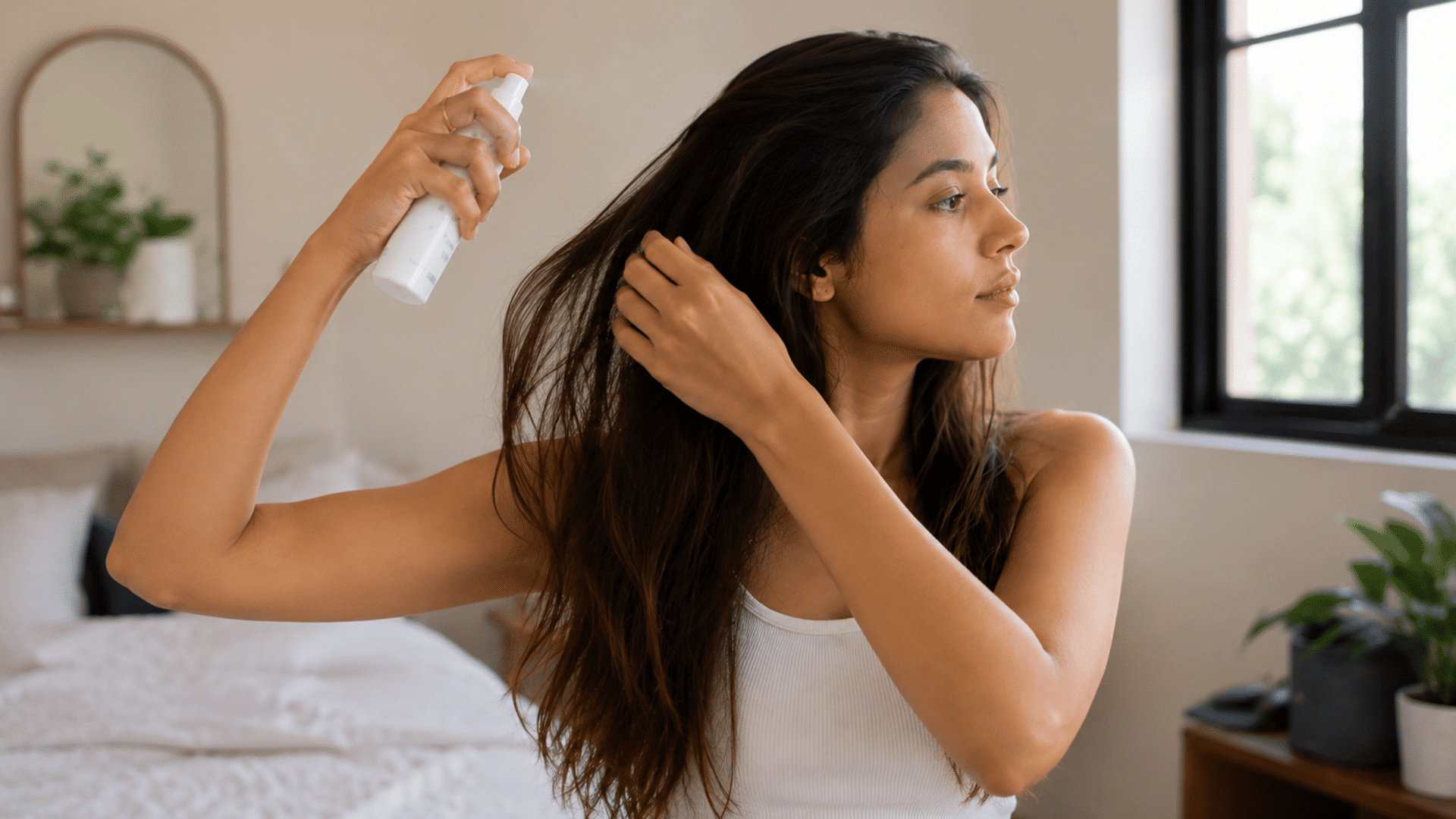
Heat-styling tools can make hair look polished, but frequent use without protection can contribute to dryness and damage.
Blow dryers, straighteners, and curling tools expose strands to high temperatures that can affect hair strength over time.
A heat protectant creates a protective layer before styling. Fine hair usually does better with lightweight sprays, while thick or coarse hair may need cream-based formulas with stronger conditioning properties.
Commonly used options include Color Wow Dream Coat Supernatural Spray and Kérastase Nutritive Nectar Thermique, depending on if your hair needs a lightweight spray or richer protection.
9. Follow the Right Styling Method for Your Hair Type
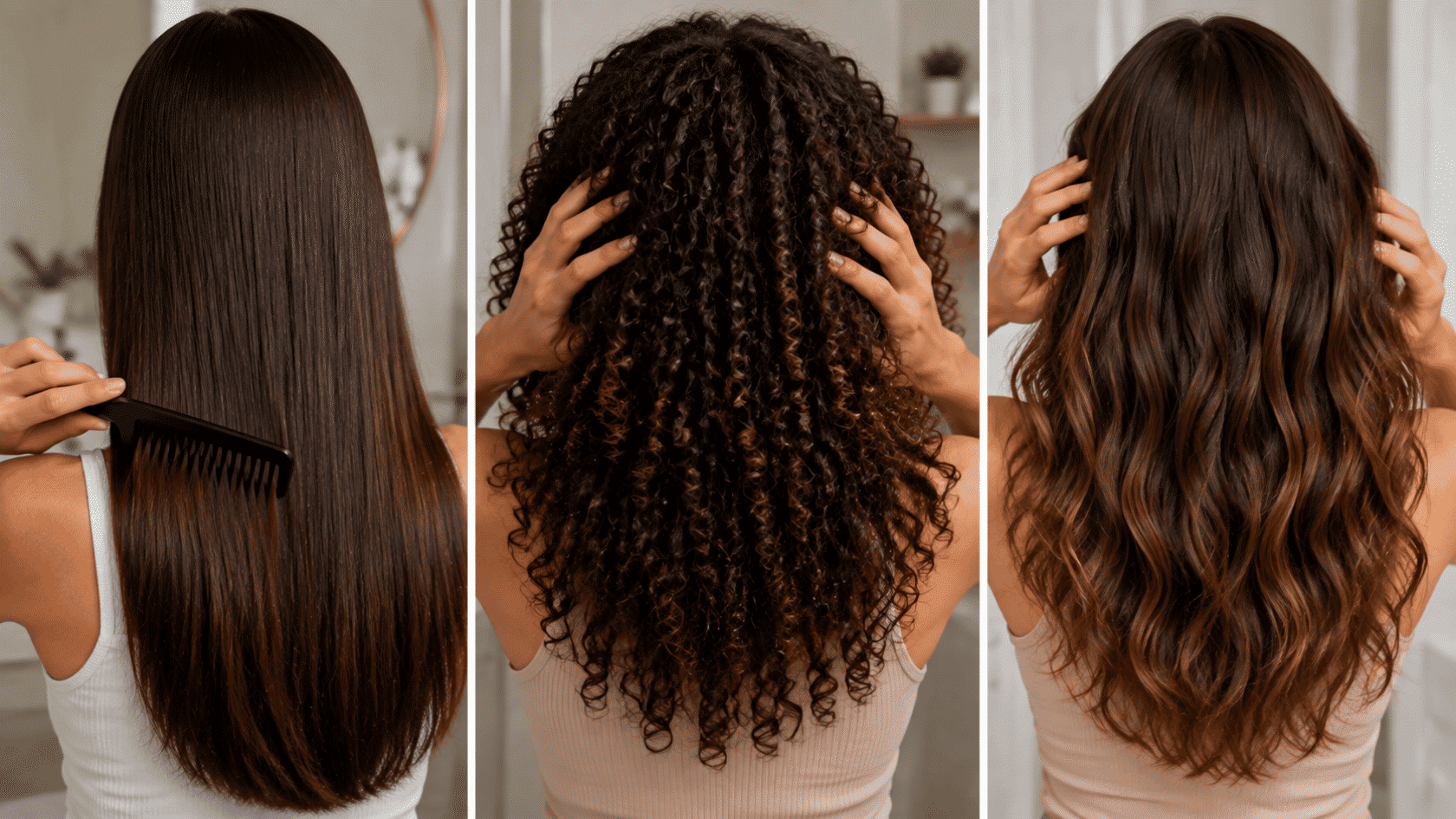
The way you style your hair should match your natural texture. Using the wrong products or techniques can make frizz harder to control.
- Straight hair: Benefits from smoothing products that add softness without making the hair too oily.
- Wavy hair: Styling products work best when applied to wet hair, as brushing dry waves can disrupt the pattern and increase frizz.
- Curly hair: Usually needs curl creams and gels that provide moisture and hold. If you’d rather skip the store-bought version, a homemade flaxseed gel gives a similar hold without the crunch some drugstore gels leave behind.
- Fine hair: Needs smaller amounts of styling products to avoid weighing the hair down.
- Thick or coarse hair: Often benefits from richer creams and oils to help maintain moisture.
10. Choose the Right Brush and Detangling Method
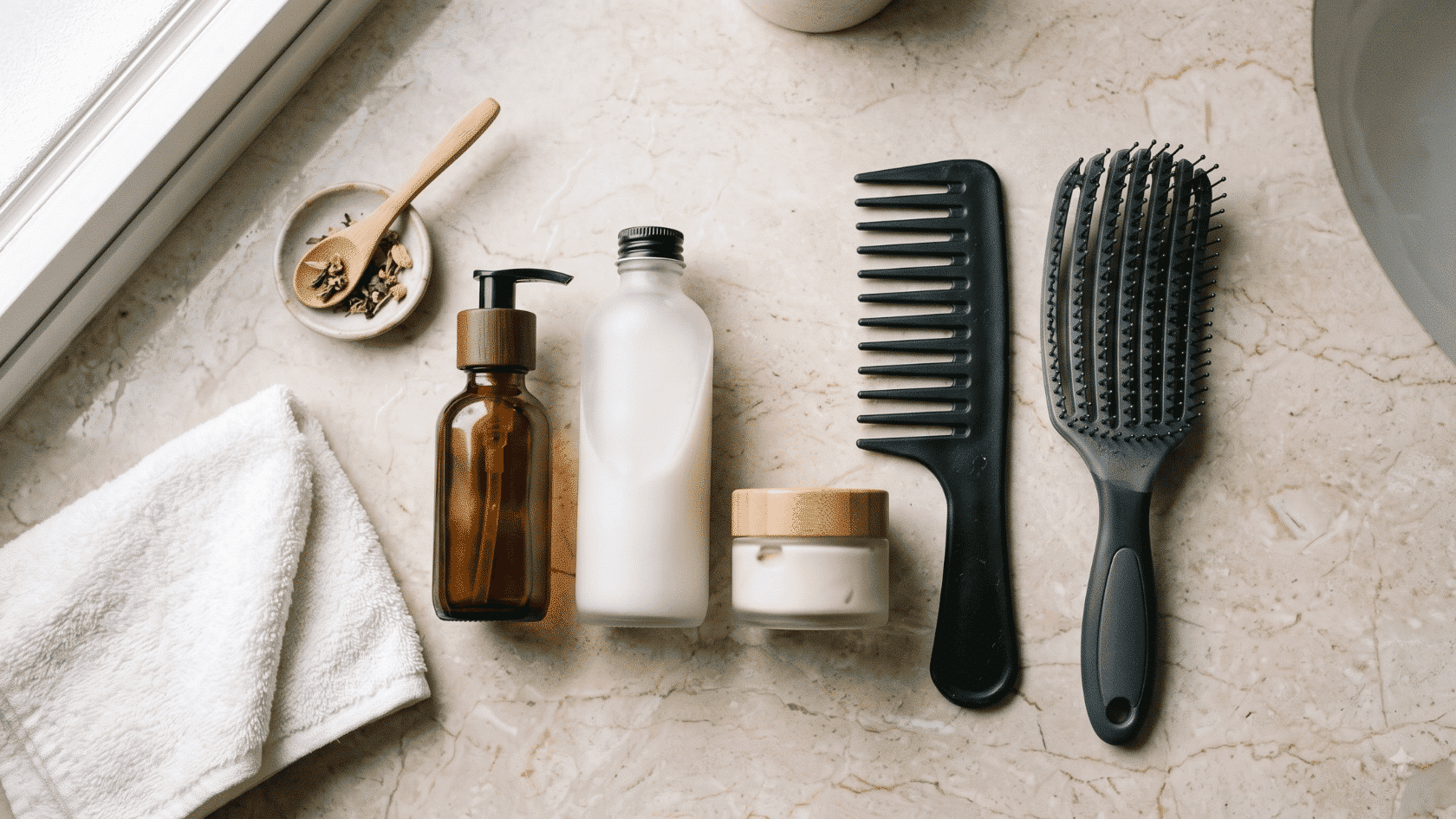
Brushing technique matters because rough detangling can cause breakage and increase frizz. Start at the ends and slowly move upward instead of pulling through knots from the roots.
Wide-tooth combs work well for curly hair because they help remove tangles without disrupting curl patterns. Flexible brushes can work well for straight and wavy hair when used gently.
Curly hair is usually easier to detangle when wet and coated with conditioner or leave-in product. Straight and fine hair often needs less brushing because frequent brushing can create unnecessary friction.
11. Protect Hair While Sleeping
Hair can experience friction while you sleep, especially against cotton pillowcases. This friction can create tangles, roughness, and more visible flyaways in the morning.
Silk or satin pillowcases can help reduce friction between hair and fabric. These materials let hair move more easily during sleep, which may reduce unnecessary pulling and roughness.
Loose hairstyles, such as a soft braid or loose bun, can also protect hair overnight. Avoid tight hairstyles that create tension, especially if your hair is already dry or prone to breakage.
12. Reduce Heat Styling Damage
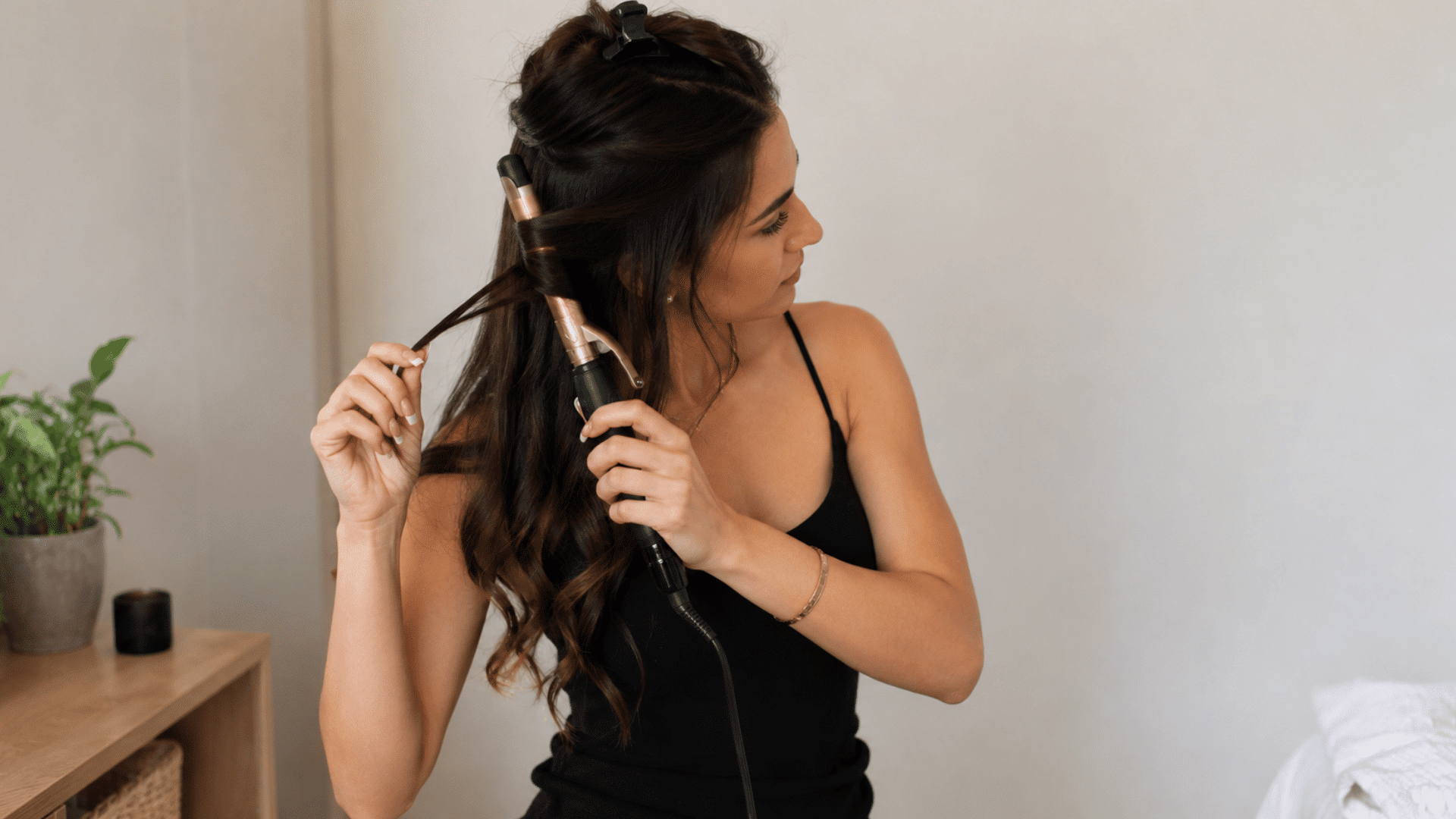
Frequent heat styling can contribute to dryness and rough texture over time. Straighteners, curling irons, and high-temperature blow-drying can affect the hair’s moisture levels when used too often.
Using lower heat settings and applying a heat protectant before styling can help reduce stress on the strands. Try choosing the lowest temperature that works for your hair instead of using maximum heat.
Air-drying when possible can also reduce daily heat exposure. Limiting heat-styling sessions can help maintain softer, smoother-looking hair.
13. Cut Off Split and Damaged Ends Regularly
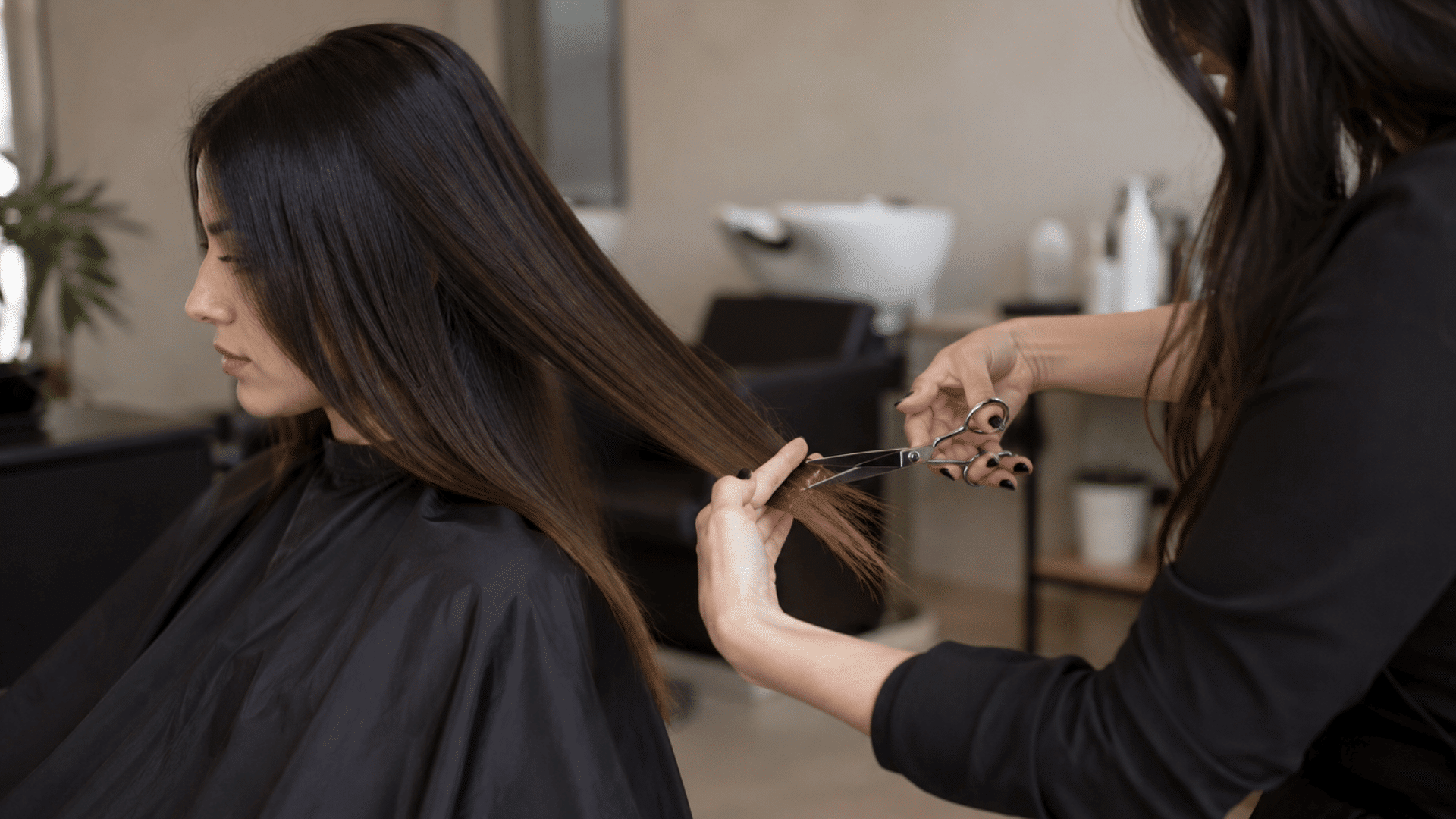
Split ends often develop from repeated heat styling, chemical treatments, rough brushing, dryness, or everyday wear.
Once a strand splits, conditioners and oils may temporarily soften the area, but they cannot rejoin the damaged fiber.
Regular trimming removes these weakened sections before the splits travel farther up the strand.
Instead of following a strict trimming schedule, check the ends for branching, thin spots, excessive tangling, or a straw-like texture.
Real Reddit User Opinions
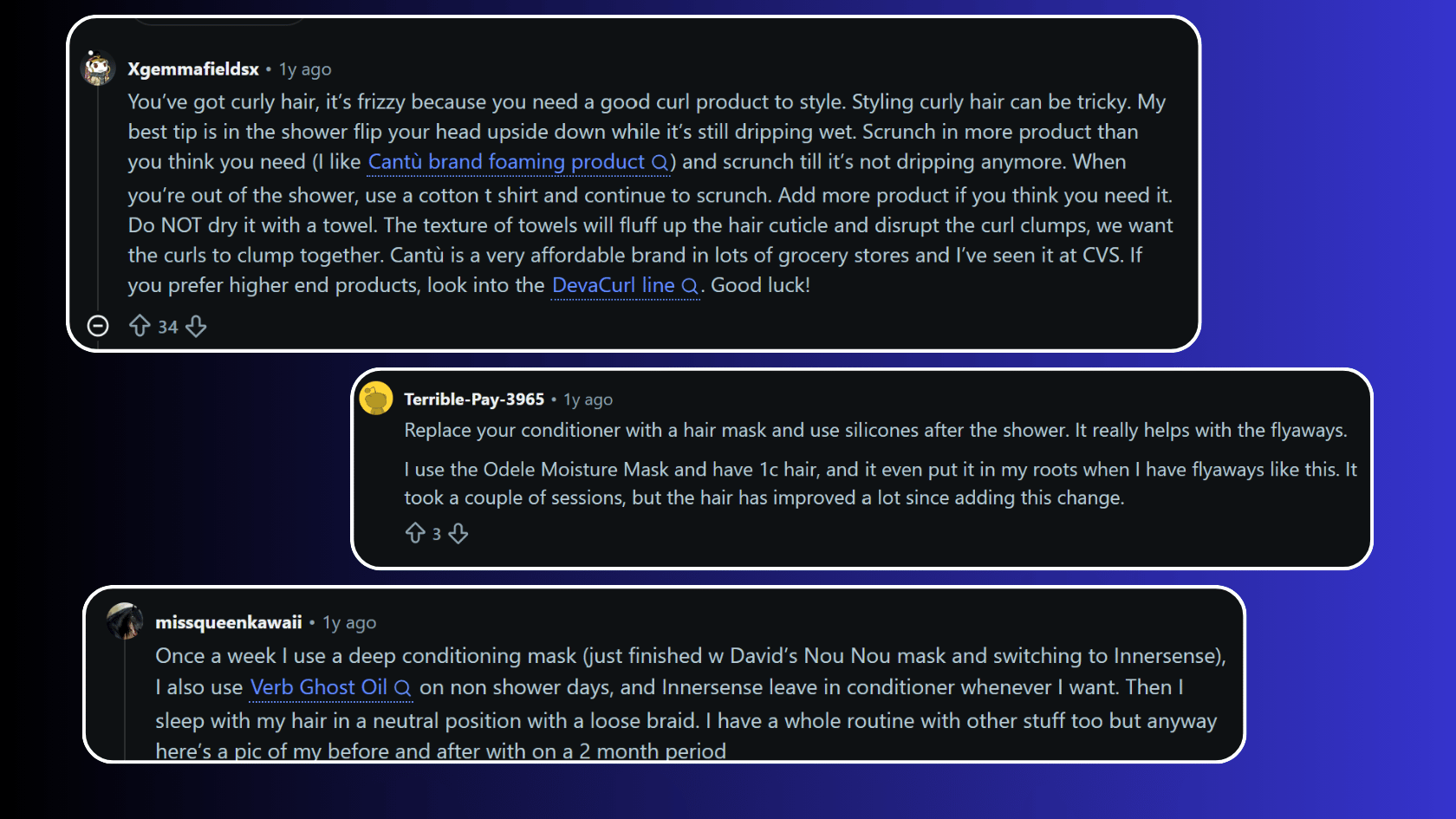
Many people found that reducing frizz requires a mix of good products and simple hair habits. Reddit users shared their experiences with moisture, reducing friction, and styling methods that match their natural hair type.
Common suggestions included using silk or satin pillowcases to reduce overnight friction, applying a small amount of oil or serum to smooth ends and flyaways, and refreshing curls or waves with water, leave-in conditioners, curl creams, or gels.
Hair masks and bond repair treatments were also mentioned as helpful additions for improving moisture and softness.
Overall, users found that consistent care, gentle handling, and choosing products based on hair needs made the biggest difference in managing frizz.
Common Frizzy Hair Mistakes That Make Frizz Worse
Small changes in your routine can make a difference. Focus on gentle handling, proper moisture, and using the right amount of product for your hair type.
- Washing hair every day can remove natural oils and leave strands feeling dry.
- Skipping conditioner can leave hair lacking softness and hydration.
- Brushing curly hair when dry can disrupt curls and create extra frizz.
- Using heat tools too often can contribute to dryness and damage.
- Applying too much oil or cream can weigh hair down and create buildup.
Final Thoughts
Frizz can be frustrating, but your hair does not need a complicated routine to look smoother and feel more manageable.
I find that the biggest difference often comes from understanding what your hair actually needs rather than trying every new product.
If you have fine, straight, wavy, curly, or thick hair, small habits like adding enough moisture, reducing heat, and handling strands gently can go a long way.
Give your routine time and adjust it based on how your hair responds. We all have different textures and challenges, so finding what works may take some experimenting.
What has helped you manage frizz? Share your experience and favorite tips in the comments below.
Frequently Asked Questions
Can Frizzy Hair Become Smooth Permanently?
Frizz cannot be removed permanently because hair changes with weather, growth patterns, and daily exposure. A consistent routine can help maintain smoother-looking hair and better manageability.
Does Frizzy Hair Mean the Hair Is Unhealthy?
Not always. Some curly, wavy, or textured hair types naturally show more frizz. Healthy hair can still have frizz because of its natural structure and pattern.
How Long Does It Take to See Changes After Changing a Hair Routine?
Results depend on your hair’s condition and the routine changes you make. Some improvements may appear quickly, while damaged strands usually need more time with regular care.