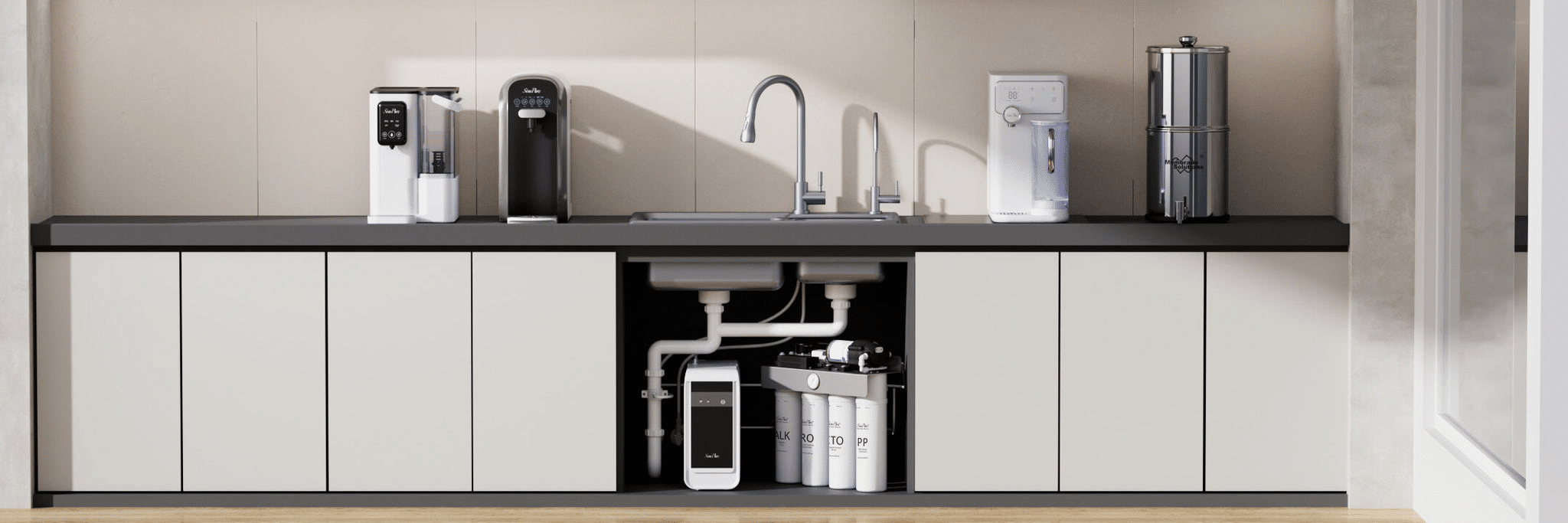
Creating a more comfortable home doesn’t necessarily mean spending thousands on renovations, buying expensive furniture, or installing the latest smart technology. Some of the most rewarding improvements are surprisingly simple, while others deserve a larger investment because they genuinely change how you use your living space.
The challenge is knowing which upgrades will improve everyday life and which ones are likely to lose their appeal after a few weeks. A beautiful showroom display doesn’t always translate into something practical for your own home. Before making changes, consider where you spend most of your time, what makes those spaces uncomfortable, and which activities you would like to enjoy more often.
From better everyday essentials to dedicated wellness features, these ideas will help you spend thoughtfully, avoid unnecessary purchases, and create a home that feels comfortable for years to come.
Invest in Everyday Comfort Before Decorative Extras
One of the easiest ways to improve life at home is to focus on the things you use every day. Comfortable clothing, quality bedding, and supportive seating can influence your experience far more frequently than expensive decorative accessories. Start by reviewing your usual evening routine. If you change into comfortable clothes immediately after work, investing in well-fitting loungewear and breathable basics makes practical sense.
For example, high-waisted underwear from Tommy John can provide a comfortable foundation beneath relaxed trousers, leggings, and everyday outfits. The brand’s high-rise brief collection offers a practical option for women who appreciate a secure fit and additional coverage during their daily routines.
Consider upgrading worn pillows, choosing softer bed linen, or adding a washable throw to your favourite chair. These are improvements you’ll appreciate repeatedly, making them worthwhile starting points when developing a more comfortable home.
Consider a Home Sauna for a Dedicated Relaxation Space
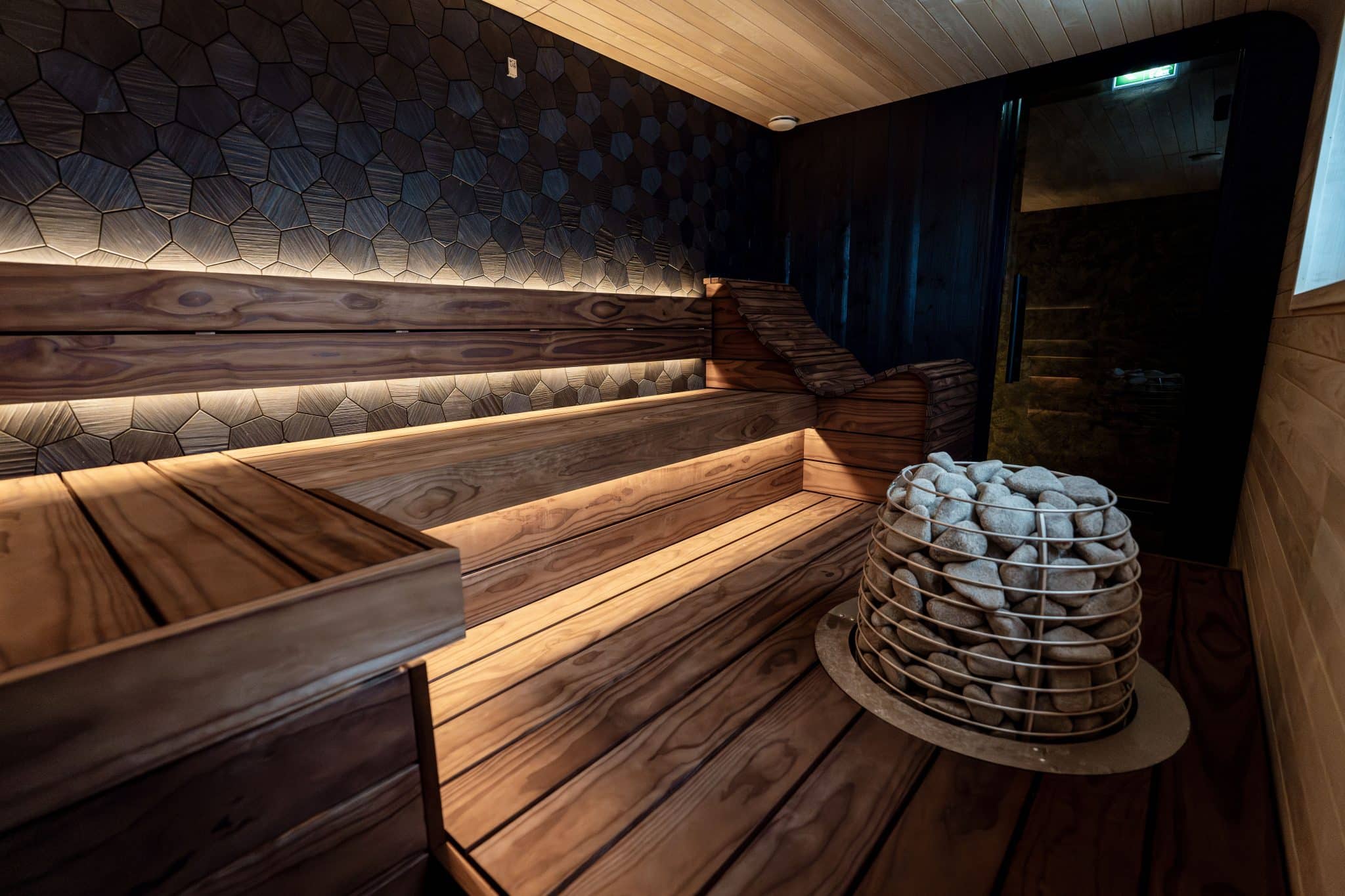
Some home upgrades are worth considering because they introduce an entirely new experience rather than simply improving something you already own. A personal wellness area is one example. Whether you have a spare bedroom, finished basement, or suitable outdoor space, creating a dedicated place to unwind can make spending time at home more enjoyable.
For homeowners exploring this possibility, https://premiumsaunas.com/ features traditional and infrared sauna options designed for different preferences and residential settings. A thoughtfully selected home sauna can become the centrepiece of a private relaxation area, offering convenient access to a familiar wellness ritual.
Begin by measuring the available space and comparing models according to their dimensions, capacity, and installation requirements. Think about how frequently you’ll use the area and whether you prefer a private experience or something shared with a partner.
Comfortable seating, organised towel storage, and gentle lighting can complete the surrounding space. For homeowners who enjoy sauna sessions regularly, a dedicated installation can become a distinctive and personally rewarding addition to their property.
Upgrade Lighting Before Replacing Perfectly Good Furniture
Lighting has an enormous influence on how a room looks and feels, yet it is often overlooked during home improvement projects. A living room with only one bright ceiling fixture may feel uninviting during the evening, even when the furniture and decorations are attractive.
Instead of replacing the sofa or coffee table, introduce several light sources at different heights. Position a floor lamp beside your favourite reading chair, add a small table lamp to a darker corner, and consider dimmable bulbs for overhead fixtures.
Warm lighting generally creates a welcoming atmosphere in bedrooms and living rooms, while focused task lighting is useful in kitchens and home offices. Smart bulbs can also provide convenient brightness adjustments without requiring major electrical changes.
Skip elaborate statement fixtures if your existing lighting works well. Thoughtful placement often produces a bigger improvement than an expensive chandelier.
Spend on Better Sleep, Not Unnecessary Bedroom Gadgets
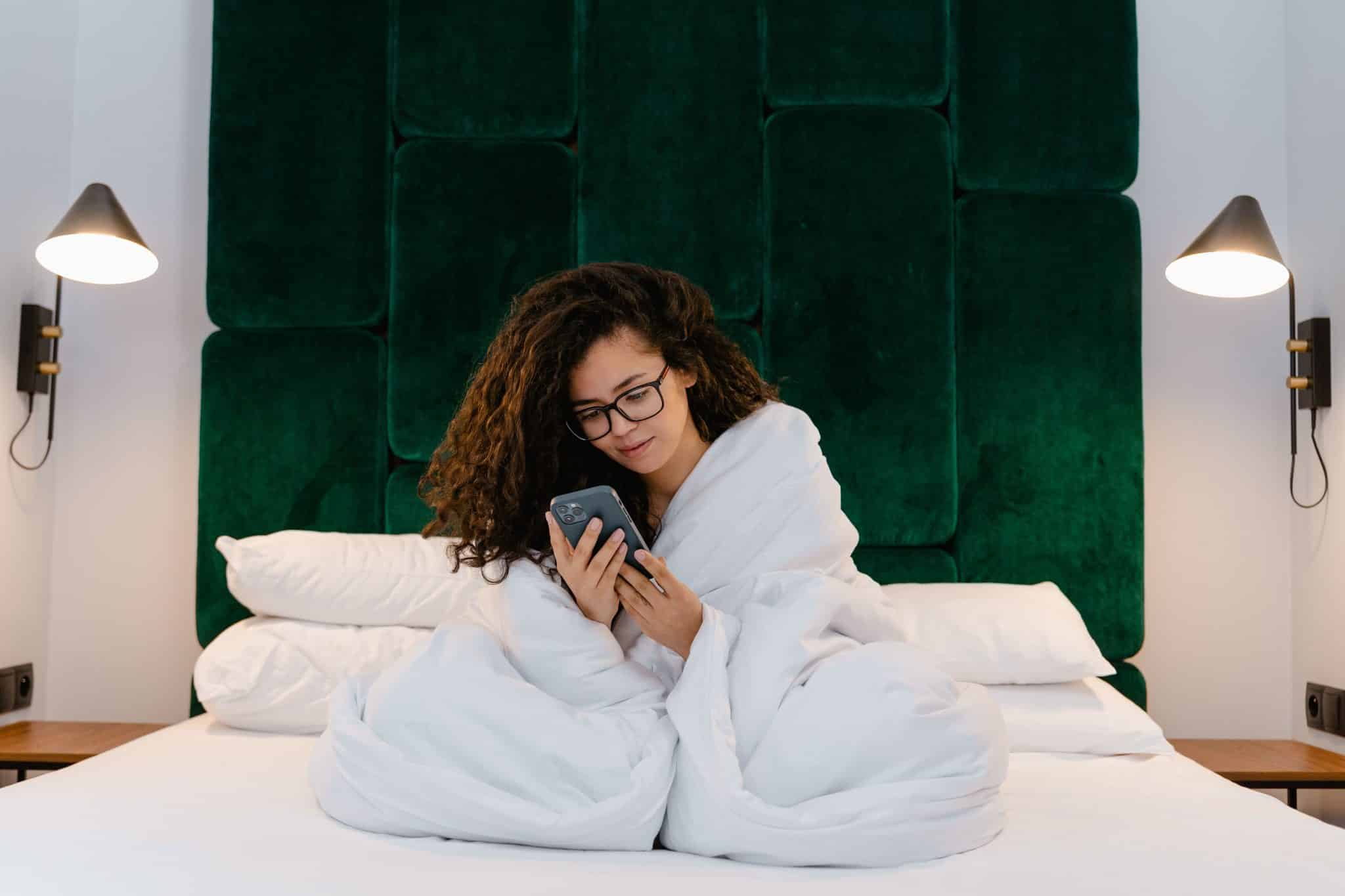
The bedroom is one of the most important places to prioritise comfort because you spend so much time there. Start with your mattress and pillows. If your mattress no longer provides suitable support or regularly leaves you uncomfortable, replacing it may be a more meaningful investment than redecorating the entire room.
Blackout curtains can be useful where early sunlight or street lighting interrupts sleep. Breathable bedding also helps create a more comfortable sleeping environment. Temperature deserves attention. A suitable fan, adjustable thermostat, or lighter seasonal duvet can make a noticeable difference.
However, bedrooms don’t need an assortment of expensive gadgets to feel relaxing. Decorative projectors, complicated sleep accessories, and multiple electronic devices may add little value if they don’t address a specific need. Focus first on darkness, comfortable temperatures, supportive bedding, and a layout that makes the room feel peaceful.
Choose Practical Kitchen Improvements Over Trendy Appliances
Kitchen upgrades can quickly become expensive, particularly when social media encourages homeowners to purchase the latest specialist appliances. Before investing, consider which cooking tasks you perform most frequently. If you prepare meals daily, sharper kitchen knives, better chopping boards, and well-organised storage can improve your experience immediately.
Pull-out organisers and adjustable shelving make deep cupboards easier to use. Under-cabinet lighting can also improve visibility when preparing ingredients. Compact appliances are worthwhile when they genuinely match your cooking habits. An air fryer may be convenient for someone preparing quick meals, while a quality blender could be valuable for a household that frequently makes soups or smoothies.
Skip appliances that duplicate equipment you already use successfully. A practical kitchen should make cooking easier, not require additional cupboards to store rarely used purchases.
Invest in Features That Match How You Actually Live
One of the biggest home improvement mistakes is designing rooms around an imagined lifestyle rather than your existing routines. An elaborate dining area may look impressive, but it offers limited everyday value if you rarely entertain. Likewise, an expensive home office setup may be unnecessary if you only work remotely occasionally.
Instead, identify the activities that genuinely matter to you. Frequent readers might appreciate a comfortable chair, adjustable lamp, and nearby bookshelf. People who enjoy hosting friends could benefit from flexible seating and a practical dining arrangement.
If you spend considerable time outdoors, weather-resistant patio furniture and suitable shade may deserve priority over indoor decorative upgrades. Before purchasing anything substantial, ask yourself how often you’ll use it, where it will fit, and what problem it will solve.
The most successful home comfort upgrades aren’t necessarily the most expensive or fashionable. They’re the ones that support your daily habits and make familiar activities more enjoyable. By investing in useful essentials, comfortable environments, and features that reflect your interests, you can create a welcoming home without spending money on improvements you’ll barely notice.