




Selling a house through the traditional estate agency route is familiar for good reason. Professional marketing, portal listings and buyer viewings can help many homeowners achieve a strong market price. Yet the conventional process is not ideal for every property, seller or situation.
Some homes are simply better suited to direct property buyers: companies or private purchasers who make an offer without relying on a long chain of viewings, open days and negotiations. This approach is not automatically the right choice, but it can be particularly useful when certainty, speed or flexibility matter as much as the final sale price.
Understanding which properties fit this route—and why—can help homeowners make a more informed decision.
What Is a Direct Property Sale?
A direct property sale involves selling to a buyer without using the standard estate agency model. The buyer may purchase the home themselves, work with a small investment team or connect the seller with a suitable purchaser.
The process is usually more straightforward. After an initial conversation, the buyer assesses the property, considers its condition and location, and makes an offer. If both parties agree, the transaction proceeds through solicitors in the usual way.
This does not mean legal checks disappear. A responsible direct buyer should still expect title checks, searches, identification procedures and a survey where appropriate. The difference is that the sale is often less dependent on marketing a property to a wide pool of potential buyers.
For homeowners, that can remove several common sources of uncertainty. There may be fewer viewings, less risk of a buyer changing their mind after weeks of negotiation and, in some cases, more flexibility around the completion date.
Properties That May Benefit From a Direct Buyer
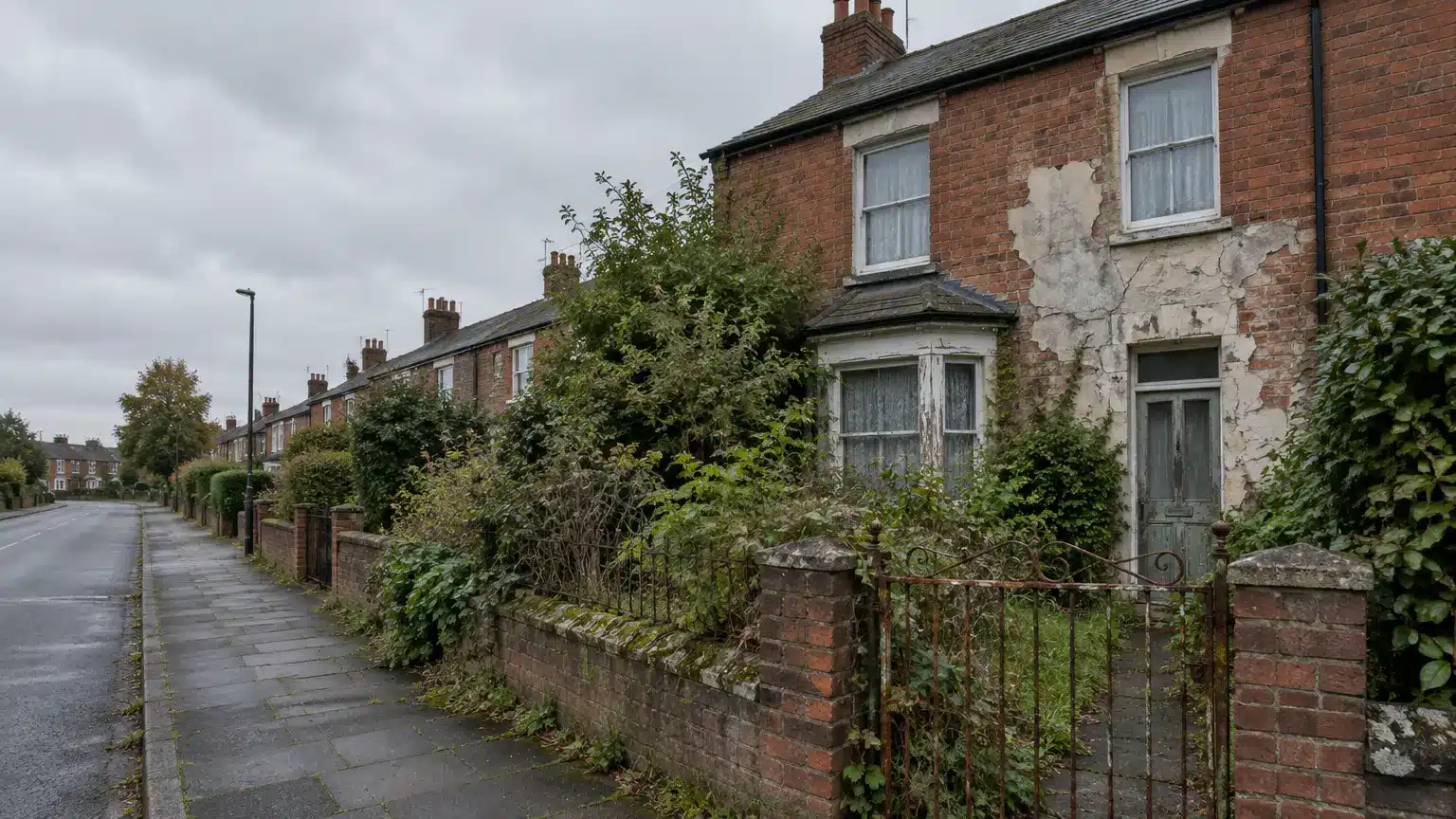
Homes Requiring Significant Repairs
A house in need of modernisation can be difficult to market through traditional channels. Cosmetic issues are rarely a serious obstacle, but structural movement, outdated wiring, subsidence concerns, roof damage or extensive damp can make buyers cautious.
Many mortgage lenders are also reluctant to lend on properties requiring substantial work, particularly where the building is not considered habitable. This reduces the number of potential purchasers and may lead to repeated negotiations once survey results are returned.
Direct buyers who regularly assess renovation projects may be more comfortable evaluating a property in its current condition. Rather than expecting the seller to redecorate, clear the garden or complete major repairs before marketing, they can price the necessary work into their offer.
That does not guarantee a higher price. Repair costs and risk will still influence the valuation. However, it may allow the seller to avoid spending money on improvements that would not be fully recovered.
Properties With Unusual Features
Some houses are difficult to value because they do not resemble the typical local property. This might include a former commercial building converted into residential use, a home with unusual access arrangements, a property with a very large plot or one divided into multiple units.
Standard valuation methods often rely on comparable sales. When there are few genuinely similar homes nearby, buyers may struggle to decide what the property is worth. Mortgage lenders can also take a conservative view if the building’s layout or legal status is unusual.
A direct buyer may be willing to investigate the details more closely. They might consider development potential, rental demand, planning history or the value of the land, rather than comparing the property only with conventional houses.
Even so, sellers should make sure all relevant permissions, certificates and title information are available. Unusual properties tend to create more questions, not fewer.
Houses Affected by Difficult Circumstances
A direct sale can also be suitable when the homeowner needs a practical solution to a complicated personal situation. Examples include probate, separation, relocation, financial pressure or an inherited property that several family members do not want to manage.
In these cases, the fastest possible sale is not always the central objective. Sellers may need a buyer who can work around specific constraints, such as allowing time to remove belongings, coordinating with executors or completing on a date that fits another move.
Homeowners exploring this option can discover flexible property sale solutions while comparing whether a direct route genuinely matches their circumstances.
It is important to involve the right professionals, particularly for probate or jointly owned property. A solicitor can clarify who has authority to sell and identify any issues that could delay completion.
When Speed and Certainty Matter

A traditional sale can progress quickly, but it can also take months. The timing depends on the local market, the property’s condition, the buyer’s mortgage application and the number of linked transactions in the chain.
For sellers facing a firm deadline, a chain-free direct buyer may offer greater predictability. This could be relevant when moving for work, dealing with an empty inherited property or trying to prevent further mortgage, insurance and maintenance costs.
However, “quick” should not be confused with “instant”. Property transactions still require proper conveyancing. Any buyer who pressures a homeowner to bypass legal advice or sign documents without understanding them should be treated cautiously.
The best question is not simply, “How fast can this complete?” It is, “What is the realistic timeline, and what could cause it to change?” A credible buyer should answer clearly.
How to Assess a Direct Property Buyer
The direct sale market includes reputable businesses as well as less experienced operators, so due diligence matters. Before accepting an offer, sellers should establish:
- Who is actually buying the property and whether they have funds available
- Whether the offer is subject to a later reduction or additional conditions
- What fees, administration costs or deductions will apply
- Whether the buyer intends to purchase directly or assign the contract
- How the proposed timescale will be managed
- Whether the seller can obtain independent legal advice
It is also sensible to compare the offer with realistic alternatives. An estate agent’s valuation, recent local sales and advice from a solicitor can provide useful context. A direct offer may be lower than an optimistic estate agency valuation, but the comparison should account for marketing costs, future price negotiations, repair work, mortgage payments and the risk of a sale falling through.
Choosing the Right Route
Direct property buyers are not a universal replacement for estate agents. A well-presented home in a popular area, owned by a seller with plenty of time, may achieve a better result through open-market marketing.
For other homeowners, particularly those with properties needing work or situations that do not fit a standard transaction, flexibility can be more valuable than maximum theoretical price. The right route depends on the property, the seller’s priorities and the level of certainty required.
A considered decision starts with understanding the trade-offs. Compare the likely net proceeds, the timeline, the responsibilities involved and the reputation of the buyer. When those factors are assessed honestly, a direct sale can be a practical and sensible solution for homes that might otherwise struggle in the conventional market.














