A classic steakhouse turns dinner into an event through details that diners notice before the first bite. The room, service, menu, and pacing work together to give a birthday, anniversary, business meal, or Friday reservation a clear sense of purpose. This experience comes from care, consistency, and time at the table, rather than elaborate entertainment. Several practical elements explain why this style of dining still feels distinctive to many guests.
Why the Room Matters
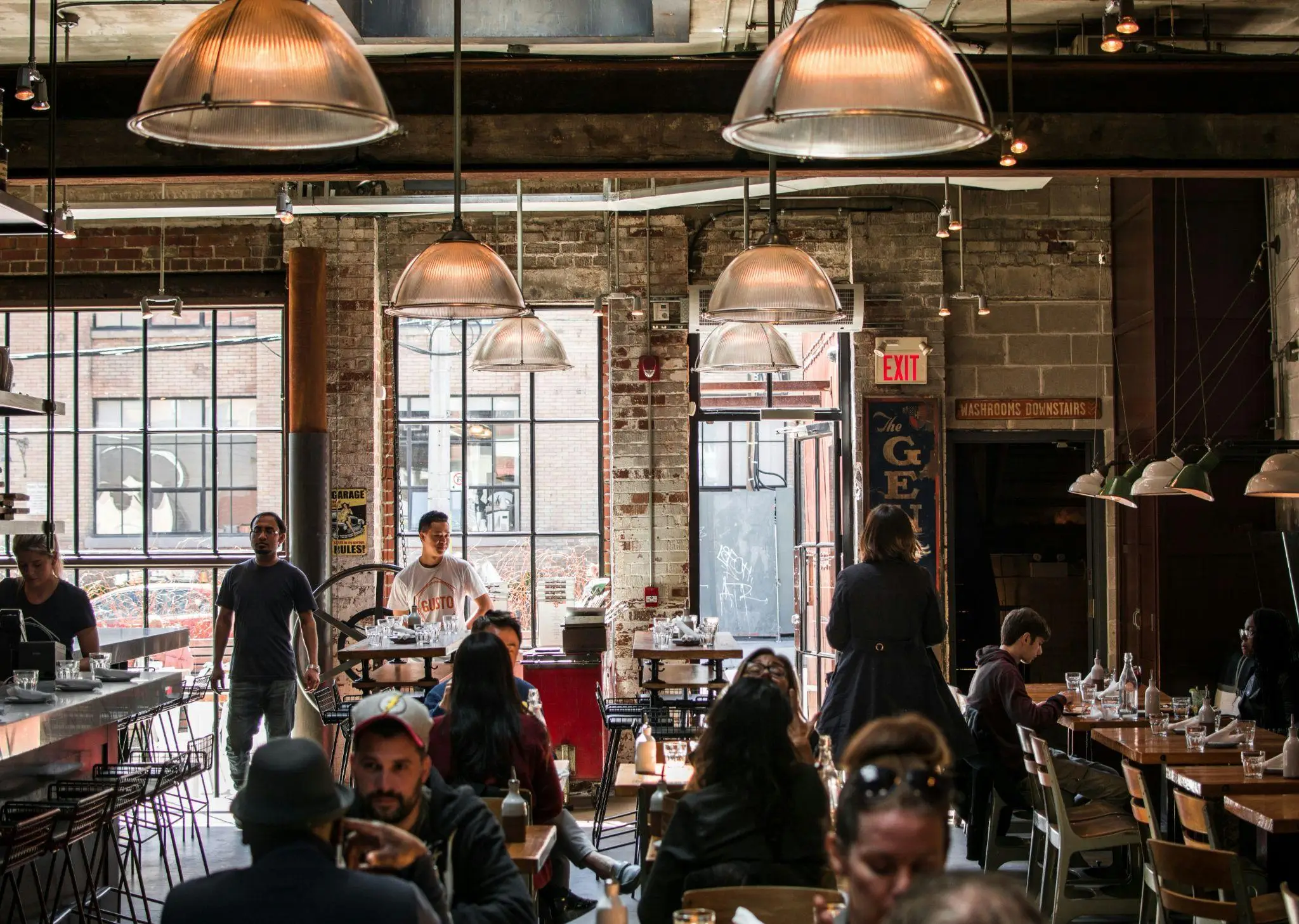
The setting establishes expectations before the meal begins, with low lighting, comfortable tables, polished surfaces, and measured sound. A reservation at a steakhouse in Pasadena gives diners a place to mark a date or welcome visitors, while the city adds a local backdrop. This sense of place supports an unhurried meal and keeps the evening separate from routine.
Service Sets the Pace
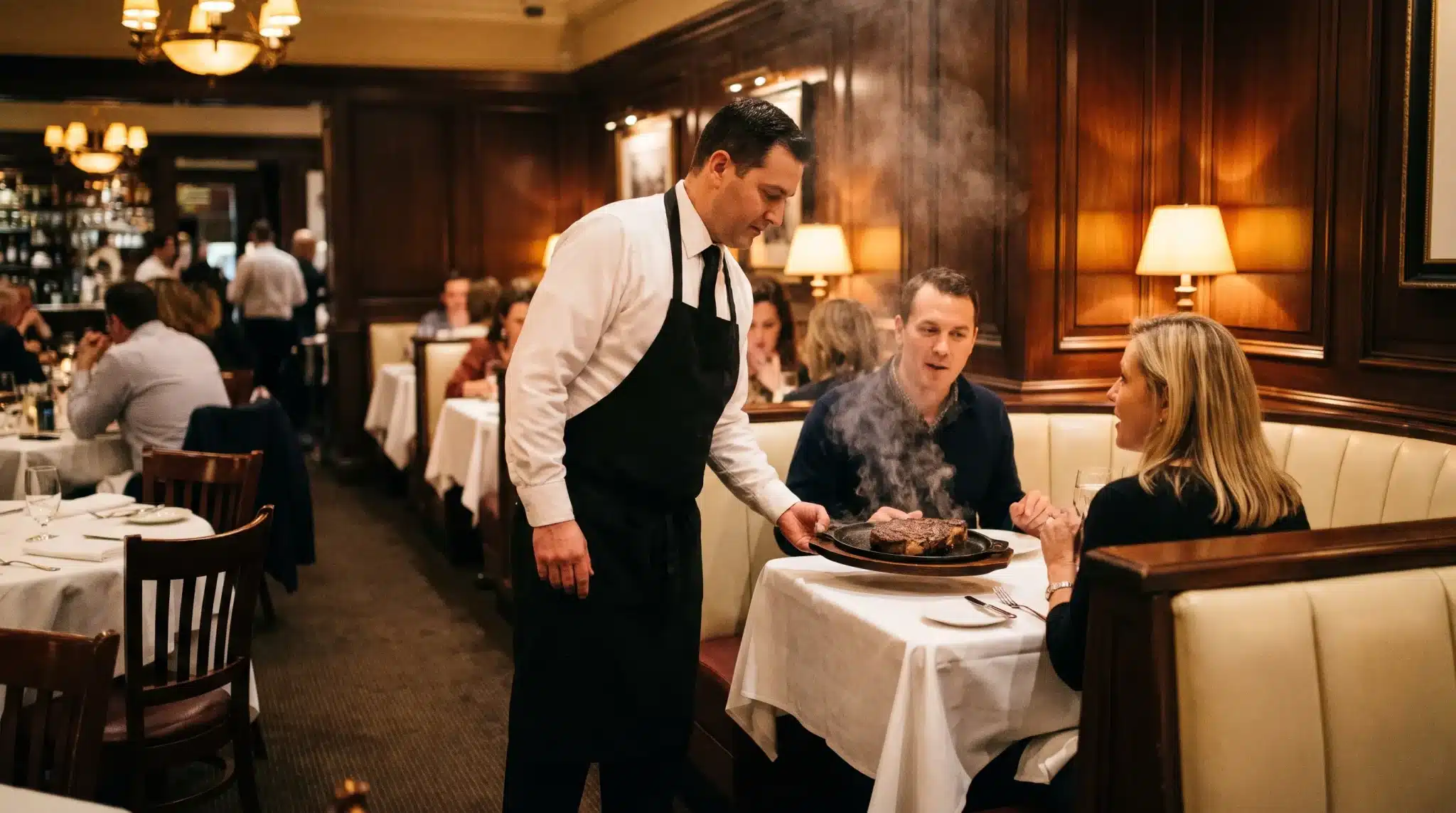
Attentive service gives the meal a clear rhythm without rushing orders. Staff members explain the menu, confirm preferences, and watch the table closely enough to anticipate practical needs. Water arrives before glasses sit empty, courses move at sensible intervals, and the check appears after conversation naturally winds down.
A Menu Built for Focus
A classic steakhouse menu gives the meal a recognizable center. The main cut gets the focus, while starters, salads, side dishes, and desserts leave room for different appetites. Diners can choose familiar preparations, share a side dish, or build a longer meal around one course.
Food and Timing Create Ceremony
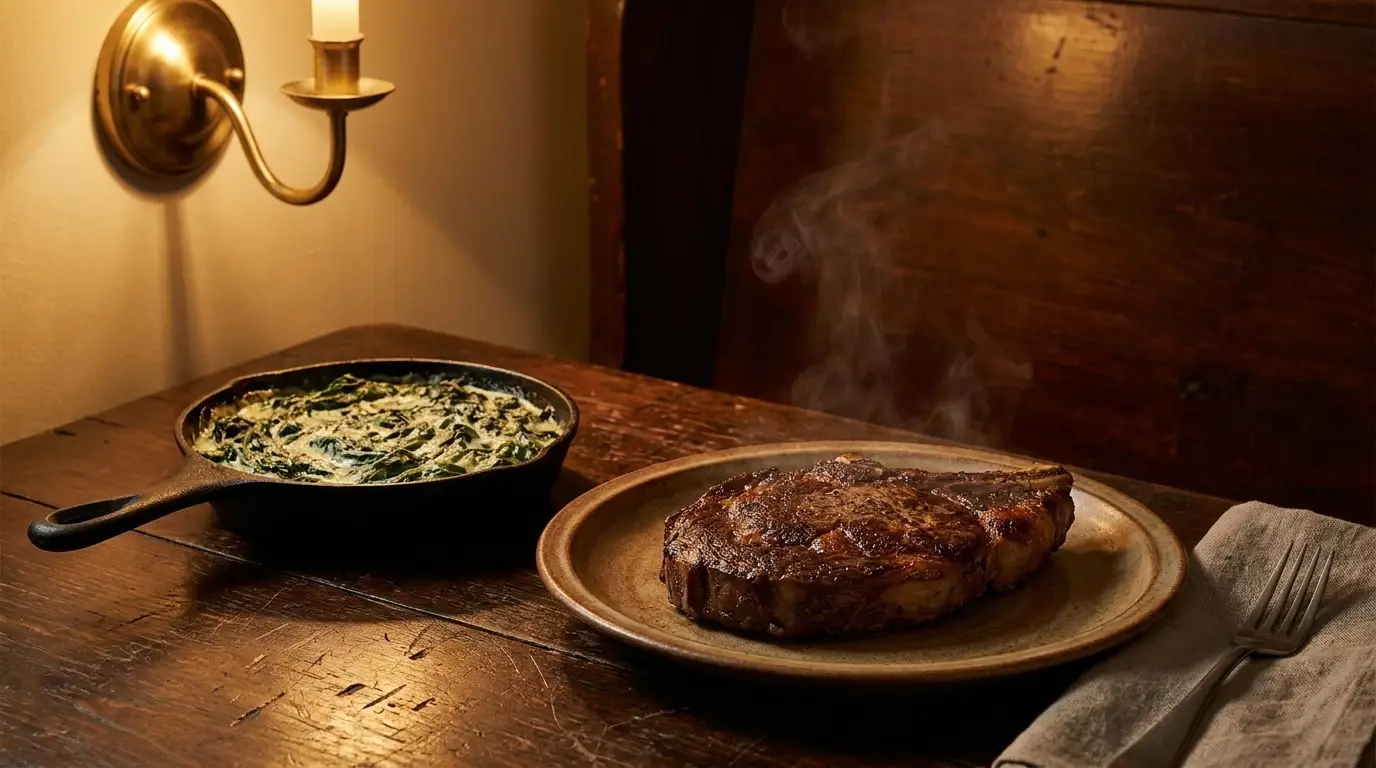
Cooking matters, but timing shapes the memory of a carefully planned meal. A properly rested steak arrives at the table with its texture intact. A well-timed side dish becomes a part of the ceremony, not an interruption. The pause between courses gives conversation space during an especially long celebration with several guests gathered together.
Conversation Belongs at the Table
A classic dining room leaves room for attention. Comfortable seating and steady service reduce the need to check a phone, hurry through a course, or manage unnecessary distractions. This physical ease helps guests listen, tell stories, and notice small details that disappear during a rushed meal.
The Occasion Starts Before Arrival
A memorable dining experience starts with thoughtful planning. Choosing a date, checking the guest list, and allowing enough time changes dinner from a casual stop into a planned appointment. A good host also considers seating preferences, dietary needs, and how many courses the group can enjoy comfortably.
Small Choices Make the Difference
Simple details carry practical weight during a special dinner. For instance, guests benefit from reviewing the menu early, especially when someone has a dietary restriction or preferred cooking temperature. The outfit also helps set the right tone, and good phone habits, like keeping phones away, can help guests stay engaged with the surrounding people.
Familiar Details Build Confidence
Consistent standards make a dining room feel trustworthy during a special meal with unfamiliar guests and new occasions. Guests recognize plain explanations and direct answers before choosing a dish or changing the order. Courses arrive in an expected order, removing guesswork so attention stays with the people sharing the table rather than avoidable decisions.
Planning Protects the Experience
A special meal benefits from practical planning before anyone sits down. Guests should allow time for travel, confirm the reservation, and tell the restaurant about allergies or other dietary requirements. A host can also decide whether the meal needs a quick pace or extra time between courses, then communicate that preference early.
Why Memories Outlast the Meal
People remember how a dinner made them feel, but specific details anchor that memory. The first toast, the sound of a steak arriving, a shared side dish, or a final dessert gives the evening a sequence. These details become reference points guests recall when they need a setting for another celebration.
A Meal With Purpose
Purpose gives dinner a natural focus. Guests know whether they are celebrating, reconnecting, welcoming someone, or simply keeping time for conversation throughout the meal, even when the plan stays simple.
Conclusion
A classic steakhouse feels like an occasion because its parts support one another: the room creates focus, service protects the pace, and the menu gives dinner a clear center. Guests do not need a major milestone to use that setting. So, choose a date, reserve enough time, and tell the restaurant about dietary needs before arrival. These small practices give an ordinary gathering the structure required to feel memorable.