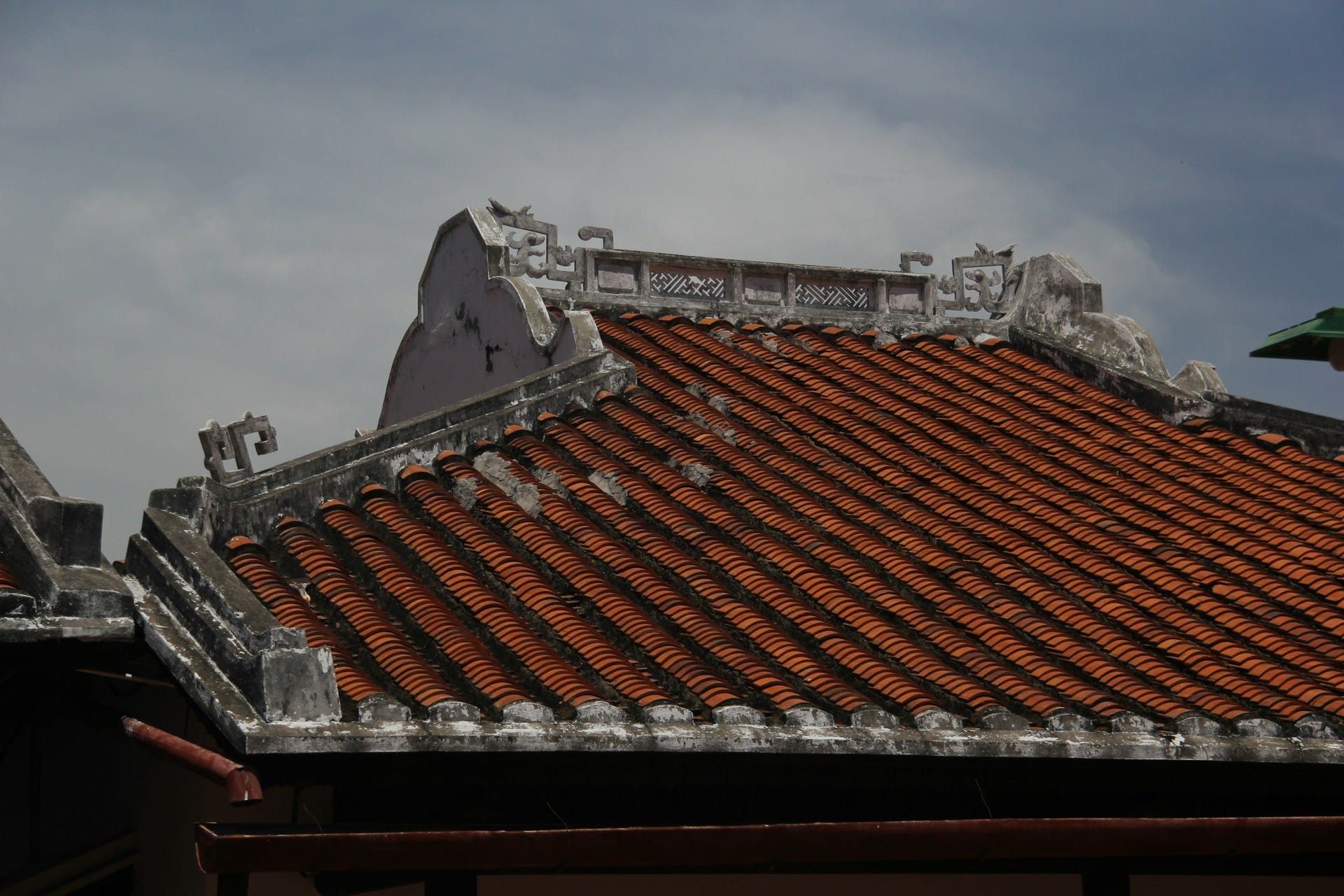
Replacing your roof is one of the best upgrades you can make to your home, and many people are turning to metal roofing because it’s tough, long-lasting, and stands up well to all kinds of weather. But installing a metal roof is more than just nailing down some panels; it’s a process that involves careful planning, quality materials, and skilled professionals. That’s why teaming up with an experienced roofing company is such a good idea. They’ll take a close look at your current roof, recommend the best materials for your needs, and use reliable components to ensure everything is secure.
Initial Consultation
Roof replacement begins with a thorough inspection by a qualified roofing contractor. This assessment evaluates your roof’s condition, identifies any issues, and determines your replacement options.
Assessment of Existing Roof Conditions
During the first visit, roofing experts inspect the roof to identify any structural problems, water damage, or areas needing repair before installing the new metal roof.
Contractors typically check:
- Roof decking condition
- Structural stability
- Ventilation systems
- Signs of leaks or moisture damage
- Flashing around chimneys, skylights, and vents
Discussion of Materials and Options
After the inspection, the roofing company will discuss the available metal roofing options. You’ll be able to choose from different panel styles, finishes, and coatings depending on your budget and preferences.
The contractor will also explain the importance of installation components such as:
- Underlayment
- Flashing systems
- Ventilation solutions
- Fasteners like metal roofing screws
Quotation Process
After the inspection and discussions are finished, the roofing company creates a detailed estimate.
This quote usually includes:
- Cost of materials
- Labor expenses
- Removal of existing roofing
- Installation timeline
A clear quote helps homeowners see what the project involves. Good contractors will explain each part of the quote and answer any questions before starting the work.
Preparation Phase
Once the project is approved, the roofing company begins preparing for installation. This phase focuses on organizing the schedule, preparing the property, and making sure all safety and regulatory requirements are in place.
Scheduling and Timeliness
Once the roofing company finalizes the estimate, they will schedule the roof replacement. Contractors will choose a start date based on weather, crew availability, and when materials will arrive. Homeowners will receive key details like the expected timeline, daily working hours, and potential weather-related delays. Most metal roof replacements take a few days to finish, depending on how big and complex the roof is.
Site Preparation and Safety Measures
Before work begins, the roofing crew prepares the job site to protect the home and create a safe working environment.
Common preparation steps may include:
- Covering landscaping and outdoor furniture
- Placing protective tarps around the home to catch debris
- Setting up ladders, scaffolding, and safety harnesses
Permits and Regulations
In many places, you need a permit to replace your roof. Good roofing companies will often help you get this permit, because it helps them confirm that their work follows local building codes and safety rules. Sometimes, you may also need inspections during or after the installation to check that everything meets the local standards.
Removal Process
Once preparations are complete, the next step is to take off the old roof. It’s important to use the right methods to make sure the structure is all set for the new metal roofing.
Proper Removal Techniques
Roofing professionals begin by carefully removing old materials like shingles, nails, flashing, and underlayment. They use specialized tools to take off these components without harming the roof deck underneath. If they find any problems during this process, they fix them before installing the new metal roof.
Debris Management and Disposal
Roof replacement projects often generate a large amount of debris, including old shingles, nails, and broken materials. This needs to be collected before the project is completed.
During the cleanup, most professionals will:
- Place dumpsters or trailers near the work area
- Remove nails and sharp debris from the property
- Use magnetic tools to collect loose nails
- Clean up materials at the end of each workday
Installation Process
After the old roof has been removed and the structure inspected, the installation of the new metal roof begins. This stage involves several steps that ensure the roof is properly sealed and secured.
Removal of Old Roofing
Although most of the removal work occurs earlier in the project, the installation stage begins by confirming that all old roofing materials have been cleared. This ensures a clean surface for the new system. The on-site team then inspects the roof once more to verify that it is smooth, dry, and structurally sound before installing new materials.
Installation of Underlayment and Insulation
The next step is to install underlayment on the roof deck. This protective layer prevents moisture from penetrating and helps the roofing system perform better. Plus, the underlayment creates a smooth surface for the metal panels and adds extra protection against pesky leaks. Once the underlayment is secured, the roofing team begins installing the metal panels, taking the time to align each one to ensure the finished roof will last for years to come.
Flashing and Ventilation Considerations
Flashing is an important part of roof installation. Roofers install this where the roof meets other structures or where water could potentially enter the roofing system.
Common places for flashing include:
- Chimneys
- Skylights
- Roof valleys
- Vent pipes
These metal pieces direct water away from sensitive areas, which lowers the risk of leaks and water damage in your home.
Final Inspection and Quality Assurance
After installation is complete, roofing companies perform a detailed inspection to ensure everything meets quality standards. They’re thorough at all times, because this inspection is the last chance to catch potential problems long before they progress into something worse.
Verifying Warranties
Metal roofing systems come with manufacturer warranties covering materials, coatings, and finishes. After the project is finished, contractors will review the warranties with you and provide all the important documents. They will explain what the warranty covers, confirm the materials used, and make sure the installation meets the manufacturer’s recommendations. Many roofing companies also offer a workmanship warranty, which guarantees the quality of their work.
Addressing Homeowners’ Feedback
Reputable roofing companies usually walk through the completed project with the homeowner before closing the job. This allows homeowners to review the finished roof, ask questions, and discuss any concerns. Contractors may point out key areas of the installation, explain any repairs that were completed during the process, and ensure the overall appearance and performance of the roof meet expectations.
Providing Maintenance Tips
Even though metal roofs require less maintenance than many other materials, proper care can extend their lifespan. Roofing professionals often provide simple maintenance recommendations to help you preserve the lifespan of your new metal roof.
They’ll often recommend:
- Keeping gutters clean
- Removing debris from roof valleys
- Inspecting the roof after major storms
- Scheduling periodic professional inspections
Conclusion
Replacing a metal roof is a significant home improvement project, but understanding the process can make it much more manageable. From the initial consultation to the final inspection, professional roofing companies follow a structured approach to ensure that the new roofing system is installed correctly and built to last. Collaborating with an experienced roofing company guarantees that each stage of the replacement is handled with skill and attention to detail. With proper planning, quality materials, and routine maintenance, a metal roof can provide reliable protection, durability, and long-term value for decades.