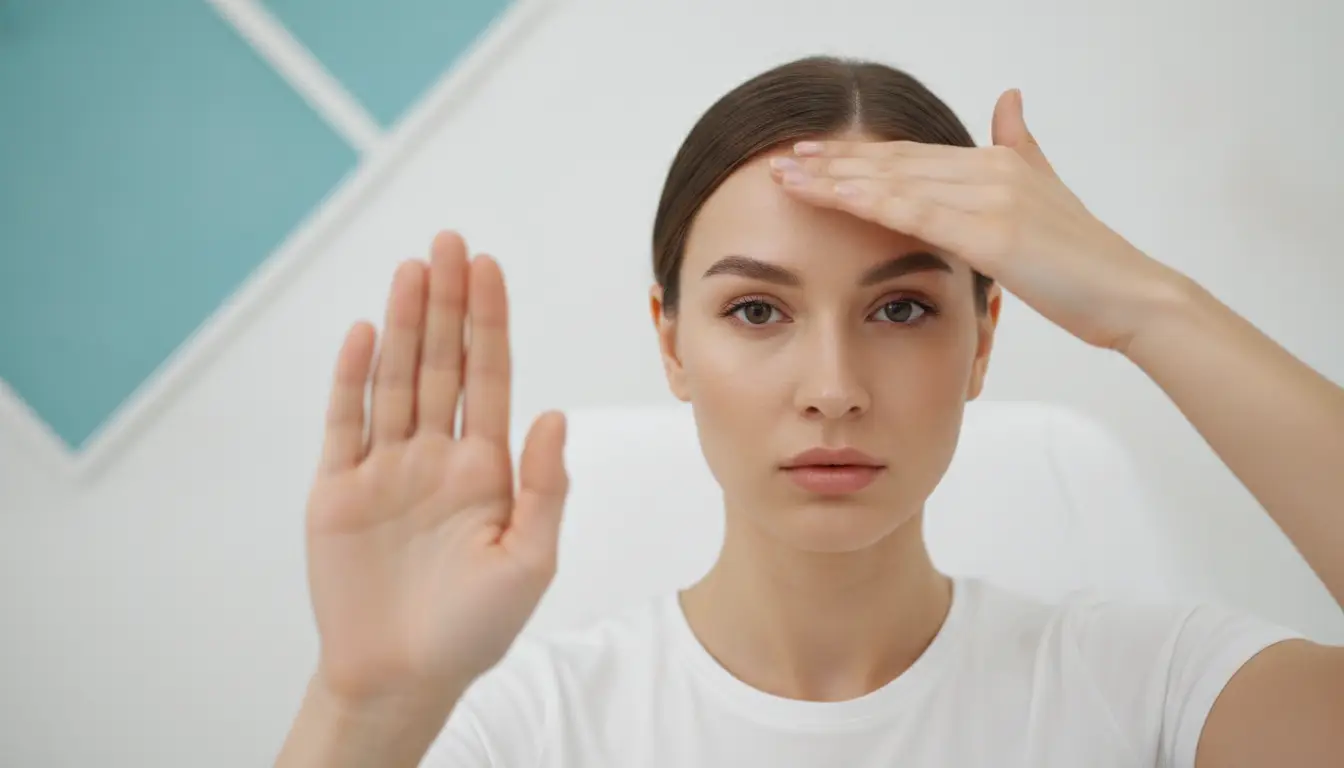
Botox treatment involves injecting tiny doses of botulinum toxin into specific facial muscles to relax them and soften dynamic wrinkles like frown lines, crow’s feet, and forehead lines. It’s a popular cosmetic treatment – quick, minimally invasive, and effective at reducing fine lines and wrinkles with minimal downtime.
But the first 24–48 hours after your injections are when the product is still integrating into the neuromuscular junction. Botox needs time to settle into targeted muscles after injection, which means your aftercare choices during this window have an outsized impact on your results.
Most people can resume normal activities immediately after Botox treatment, and normal facial expressions like smiling and frowning are usually fine. However, a handful of specific mistakes – some surprisingly small – can increase the chance of bruising, swelling, drooping eyelids, asymmetry, or shorter-lasting effects.
This guide covers exact time frames and specific activities to avoid, organized by the hours post-treatment when they matter most. Here’s the quick summary of what proper aftercare practices look like:
- Stay upright for at least 4 hours
- No rubbing or massaging the treated area for 24 hours
- No strenuous exercise, alcohol, or intense heat for 24–48 hours
- No facials, peels, or skin treatments for about 2 weeks
The First 4 Hours: Posture and Pressure Mistakes to Avoid
The first few hours after your Botox treatment are the strictest window. During this period, the product is still mobile in the soft tissues and hasn’t fully bound to the nerve terminals. That means gravity, pressure, and sudden position changes can influence where it ends up – potentially leading to Botox spreading into areas you don’t want affected.
The most important rule: avoid lying down for at least 4 hours after Botox. Stay upright for at least 4–6 hours after treatment – this means sitting, standing, or gentle walking with your head above your heart. No napping face-down, no bending repeatedly from the waist (heavy cleaning, lifting boxes, yoga inversions), and no resting your forehead on your arm or leaning your cheek on your hand.
Safe activities during this window include reading, working at a desk, watching TV while sitting upright, or taking a light walk. These let you stay active without risking product migration.
Quick Recap of First-4-Hour Don’ts:
- Do not lie flat or nap
- Do not bend over deeply or do inversions
- Do not press on injection sites with hands, headbands, or tight hats
- Do not schedule injections so close to bedtime that you’ll need to sleep within this window
Hands Off: Avoid Rubbing, Massaging, or Applying Pressure
For at least 24 hours post-treatment, you should avoid rubbing or massaging the treated area. This is one of the most critical Botox aftercare rules, and it applies whether you were treated on the forehead, frown lines, crow’s feet, or jaw.
The reason is straightforward: applying pressure can push the product into unintended muscles. Pressure can cause Botox to migrate to unintended areas, leading to uneven results, odd facial expressions, or – in the case of forehead and glabellar injections – drooping eyelids. Rubbing the treated area is one of the most commonly cited causes of this kind of migration.
Specific Things to Avoid Rubbing in The First 24 Hours:
- Vigorous face washing or using cleansing brushes over injection sites
- Facial rollers, gua sha tools, or home microcurrent devices on treated zones
- Tight goggles, swim masks, or snug sleep masks that press on the treated area
- Resting your face heavily on a pillow while side-sleeping
What About Accidental Contact?
A single light touch – for example, gently washing your face with fingertips – is unlikely to cause a problem, especially several hours after treatment. It’s firm, repeated rubbing or massaging the treated area that carries real risk. If you do accidentally apply pressure and notice something unusual, contact your clinic. Gentle touching is allowed after 24 hours post-treatment.
Exercise Restrictions: What Not to Do at the Gym After Botox
Avoid intense exercise for at least 24 hours after your Botox injections. Some providers recommend extending this to 48 hours for high-intensity training. This isn’t about being overly cautious – there are clear physiological reasons.
Vigorous workouts increase blood circulation, raise blood pressure, and generate excessive sweating, all of which can promote the product moving away from the targeted areas. A 2023 observational study also found that consistently high levels of physical activity may shorten the duration of Botox effects compared to moderate or low activity levels. In short: skipping one day of strenuous exercise can reduce bruising and help your anti-wrinkle injections last closer to the typical 3–4 month range.
Activities to Avoid in The First 24 Hours:
- HIIT classes, running, spin at high intensity
- Heavy weightlifting, CrossFit-style circuits
- Hot yoga, inversion-heavy Pilates or yoga poses
- Any workout that causes significant excessive sweating or head-below-heart positions
Activities that Are Generally Fine After the First 4 Hours:
- Gentle walking at a comfortable pace
- Light daily tasks and errands
- Easy stretching (no inversions, no overheating)
Alcohol and Blood Thinners: How to Avoid Extra Bruising
Alcohol and many common blood-thinning medications or supplements increase bruising and swelling risk at injection sites by affecting clotting and dilating blood vessels. Alcohol acts as a vasodilator, widening blood vessels and making bruising more likely at the small puncture points from your injections.
You should avoid alcohol for at least 24 hours after botox injections – ideally, also for 24 hours before your appointment. Some providers recommend you don’t drink alcohol for up to 48 hours post-treatment if you’re prone to bruising.
Blood thinners increase bruising risk after Botox injections significantly. Common culprits include:
Avoid if You Can (check with Your Provider):
- Aspirin, ibuprofen, naproxen (NSAIDs)
- High-dose fish oil and vitamin E supplements
- Ginkgo biloba, ginseng, and certain herbal blends with mild blood-thinning properties
Do Not Stop without Your Doctor’s Approval:
- Warfarin, apixaban, rivaroxaban, clopidogrel, or any other prescribed anticoagulants or blood-thinning medications
Avoid supplements like fish oil for 24 hours after Botox. Avoid blood-thinning medications like ibuprofen for 24 hours post-Botox unless they’re medically necessary.
For managing discomfort after injections, reach for acetaminophen (paracetamol) instead of NSAIDs. Cold packs wrapped in a cloth and plenty of water can also help without the risk that aspirin or ibuprofen would exacerbate bruising.
Heat, Sun, and Saunas: Why Staying Cool Protects Your Results

Heat exposure causes vasodilation – your blood vessels widen, increasing blood flow to the skin. This increased blood flow can worsen swelling, promote bruising, and risk the product migrating from targeted areas. Heat can also cause Botox to break down too quickly, potentially shortening the life of your results.
Avoid heat exposure for at least 24–48 hours after Botox. This includes saunas, steam rooms, hot tubs, tanning beds, hot yoga, and even standing over a very hot stove for long periods. Stay away from heat sources for 24–48 hours after Botox – with 48 hours being the safer choice if you tend to swell.
Direct sun exposure should be avoided for 24–48 hours post-Botox. Intense sun exposure can irritate freshly treated skin, making redness and swelling more noticeable. Prolonged sun exposure over the following weeks can also degrade skin quality and potentially affect how long your Botox results last.
Heat-Related Don’ts by Time Frame:
- First 24 hours: Avoid saunas, hot tubs, steam rooms, tanning beds. Avoid hot showers – keep water lukewarm and brief. Don’t direct hot water with force onto treated areas.
- First 48 hours: Continue to avoid intense heat. No sunbathing or prolonged outdoor exposure without shade. Avoid activities that significantly raise your body temperature.
- Ongoing: Wear high-SPF broad-spectrum sunscreen once the skin is calm. Choose shade or a wide-brimmed hat when outdoors.
Skincare and Makeup: Products and Techniques to Avoid Right After Botox
Gentle cleansing with mild, non-exfoliating products is fine after your Botox treatment. But aggressive skincare treatments can cause problems in the first 24–48 hours by irritating freshly treated skin or pushing products into injection sites before they’ve healed.
Avoid for at least 24 hours:
- Facial scrubs and abrasive exfoliators over injection sites
- Cleansing brushes or spinning devices on treated areas
- Strong retinoids, alpha hydroxy acids, and beta hydroxy acids applied directly over injection points
- Facial rollers, gua sha, or microcurrent tools on treated zones
Avoid for 48 hours:
- Medium-to-strong chemical exfoliants or peeling agents
- Any product that causes noticeable skin irritation or tingling on the treated area
Generally Safe if Applied Gently:
- You can wear makeup after about 4–12 hours (check your clinic’s guidance), but apply makeup with light patting motions – never rub or buff over injection sites
- Mineral makeup and light tinted moisturizers are ideal for the first day
- Clean your brushes and sponges before use; dirty tools can introduce bacteria into the micro-punctures at injection sites
The goal is to let the skin heal optimally without adding unnecessary friction or irritation. You can return to your regular skincare routine with stronger actives once any redness has settled – typically within 24–48 hours.
Facials, Peels, and Other Procedures: Treatments You Must Postpone
Other facial treatments that involve heat, suction, needles, or firm pressure should not be done immediately after neurotoxin injections. This includes both medical-grade procedures and standard spa services.
Do not undergo facial treatments or massages for at least 24 hours after Botox – but many of these treatments require an even longer gap. The general guideline is to avoid these skin treatments for at least 7–14 days, with two weeks post-treatment being a comfortable standard that allows the product to fully settle and any bruising to fade.
Treatments to Delay for Approximately 2 Weeks:
- Classic facials with deep facial massages
- Microdermabrasion
- Chemical peels (medium-to-deep)
- Microneedling
- Laser treatments (ablative, IPL, resurfacing)
- Radiofrequency or ultrasound tightening
May be OK after a few days (confirm with your injector):
- Light, no-pressure skincare treatments
- Eyebrow tinting (as long as no rubbing or pressure on treated areas)
Eyebrow waxing or threading close to injection points should be postponed for several days, since the pulling motion creates pressure directly over recently treated muscles.
If you’re planning to combine dermal fillers with Botox, your injector should plan the sequence and manage facial anatomy considerations carefully. Don’t add extra procedures on your own without checking – layering multiple treatments without guidance increases the risk of complications or leading to uneven results.
Sleeping After Botox: Positions and Habits to Avoid
It’s safe to sleep the night of your cosmetic treatment, but how you sleep matters – at least for the first night.
Avoid sleeping face-down or with your cheek heavily pressed into the pillow for the first 24 hours. This prolonged, unconscious pressure on injection sites can still encourage migration before the product has fully bound.
Sleeping don’ts for the first night:
- Sleeping face-down on the pillow
- Pressing the treated side of your face hard into the mattress
- Scheduling injections so late that you’ll fall asleep within the first 4 hours
Simple workarounds:
- Sleep on your back with the head slightly elevated using one or two pillows to reduce swelling
- Side sleepers can use a travel pillow or place a barrier pillow to keep from rolling onto the treated side
- If you’re a habitual stomach sleeper, try propping pillows on either side of your body as a gentle barrier
After the first night, usual sleep positions are typically fine because the Botox has begun to bind more securely to the targeted muscles at the neuromuscular junctions.
Travel, Flying, and Big Events: Timing Mistakes to Avoid
Opinions on flying after Botox are mixed. There’s no strong evidence that cabin pressure directly harms your results, but some clinicians prefer patients avoid air travel for 24–72 hours. The concern is more practical: if swelling or a rare complication develops, you want easy access to your injector.
Avoid long-haul flights within the first 24 hours when possible, especially if there’s no easy way to contact your clinic in case of an issue.
Scheduling guidelines:
- Don’t schedule Botox the same day as a wedding, photo shoot, or TV appearance. Full botox results generally take 5–7 days to start showing and about two weeks for the full effect.
- Do plan injections 2–3 weeks before major events. This allows time for any minor bruising to fade, for multiple treatments to settle if needed, and for touch-ups at a 2-week follow-up.
- Don’t try Botox for the first time immediately before important travel. You won’t yet know how your body responds – some people bruise more than others, and recovery patterns vary.
Build your treatments into your calendar. Allow time for a follow-up appointment around 2 weeks post-treatment if you’re seeing a new injector or treating a new area.
Side Effects: What Not to Ignore After Your Botox Injections
Mild redness, swelling, or bruising at injection sites is common after Botox injections. These can appear within hours and typically resolve in 3–10 days. A mild headache after treatment is also not unusual. These are cosmetic inconveniences, not medical emergencies.
Typical and mild (usually no action needed beyond patience):
- Small bruises at injection points
- Pinpoint redness or slight puffiness
- Mild soreness or tenderness at the treated area
- A light headache lasting a few hours
Urgent – do not ignore:
- Pronounced drooping eyelids that affect your vision
- Marked asymmetry that doesn’t improve after 10–14 days
- Muscle weakness spreading beyond the treated area (difficulty swallowing, slurred speech)
- Breathing difficulties
- Severe or unusual pain, rash, or fever suggesting infection
- Vision changes
Do not try to self-treat serious symptoms with extra medications or home remedies. Contact your treating clinic promptly. If breathing or swallowing is affected, seek urgent medical attention.
A follow-up at around 2 weeks is standard practice, especially for new patients or new treatment areas. This gives your injector a chance to assess how the product has settled and make adjustments to dosing or placement for future sessions.
Long-Term Habits That Can Shorten (or Prolong) Your Botox Results
The critical window for Botox aftercare is the first 24–48 hours, but your day-to-day habits also influence how long results last. For most people, Botox effects last 3–4 months, with maintenance treatments needed every 3–6 months.
Habits that May Shorten Your Results:
- Frequent tanning or prolonged sun exposure without adequate SPF – UV damage degrades skin health and may reduce the visible longevity of treatment
- Smoking, which accelerates skin aging and increases free radical damage
- Very high-frequency intense exercise that keeps facial muscles in constant motion
- Chronic high stress, which may increase facial tension and muscle activity
Habits that Support Longer-Lasting, Natural-Looking Results:
- Daily broad-spectrum sunscreen (SPF 30+) to protect skin health
- Good hydration and a diet rich in antioxidants
- Consistent maintenance schedule – plan multiple treatments based on when movement returns, not on a rigid calendar
- Tracking your own timeline so you know when effects start to wear off and can coordinate with life events
Over-treating isn’t necessary. Avoid booking top-ups sooner than about 10–12 weeks unless your practitioner specifically recommends it. Instead, schedule your next appointment once you notice movement returning, and plan ahead so you’re not squeezing in last-minute sessions before important occasions.
For clinics and licensed healthcare providers planning regular aesthetic treatments, Botox wholesale from Ogomed offers access to authentic botulinum toxin products from trusted manufacturers.
FAQ
Can I Drink Coffee or Other Caffeinated Drinks After Botox?
Caffeine is not a direct contraindication for Botox. However, strong coffee or energy drinks can slightly raise blood pressure and may theoretically increase blood circulation enough to worsen bruising in very sensitive individuals. There’s no need to avoid caffeine entirely, but limiting high doses in the first 24 hours and prioritizing water and non-dehydrating fluids is a reasonable precaution that supports healing.
What If I Accidentally Touched or Lightly Rubbed the Area?
A single light touch while washing your face or applying gentle skincare is unlikely to ruin your results, especially if it happens several hours after injections. The concern is with firm, repeated rubbing or massaging – the kind of pressure that could push the product into adjacent muscles. If you did accidentally press firmly, monitor for unusual asymmetry over the next 7–14 days and contact your injector for advice if anything looks off.
How Long After Botox Can I Get Back to My Full Skincare Routine?
Most people can reintroduce retinol, acids, and exfoliating products after 24–48 hours, once any redness or sensitivity around injection points has settled. Reintroduce strong actives gradually, and avoid direct, vigorous rubbing over treated areas during the first two nights. After that, you can return to your regular skincare routine without restriction.
Is It Safe to Take a Shower the Same Day as My Botox Treatment?
Same-day showers are usually fine as long as the water is lukewarm and you avoid long, steamy, very hot showers that significantly raise your body temperature. Avoid hot showers in the first few hours – keep your face away from strong water pressure and don’t bend over repeatedly during the first 4 hours post-treatment.
When Should I Schedule My Next Botox Appointment?
Many people repeat treatments every 3–4 months, though some maintain results closer to 5–6 months depending on their metabolism and level of facial muscle activity. Plan your next appointment once movement begins to return. If you’re working with a new injector or treating a new area, book a review around 2 weeks post-treatment to fine-tune dosing and placement before committing to a longer schedule.