Have you ever tried a fragrance that stays with you long after you leave the room? Many perfume lovers find regular scents too familiar and look for something deeper, warmer, and more memorable.
That is where oud stands out. If you have ever wondered what is oud, it is a rare fragrance ingredient known for its rich character and long-lasting aroma.
Many people love it for its woody, smoky, and slightly sweet scent. If you have ever asked what does oud smell like, think of a deep blend of earthy woods, soft musk, and warm smoky notes.
From forest to bottle, oud carries a story, one that connects its natural origins, unique aroma, and role in modern perfumes.
What Is Oud in Fragrance?
Oud is a fragrant oil extracted from agarwood, the resin-infused heartwood of Aquilaria trees found across Southeast Asia, India, and nearby regions.
Healthy trees don’t naturally produce oud. It forms only after damage from insects, weather, or fungal infection triggers the tree to release a protective resin.
Over the years, this resin transforms the wood into agarwood, which is then processed into oud oil or used as incense.
Oud is also known by other names, including:
- Oudh
- Agarwood
- Aloeswood
In perfumery, the term “oud” usually refers to the extracted oil or a fragrance composition designed to recreate its distinctive scent.
How Is Oud Made?
Making natural oud is slow and unpredictable, relying on a rare event inside the tree that no factory can force.
Here is how raw wood becomes one of perfumery’s most treasured oils, step by step:
| 1. Injury Triggers the Process |
| It starts when an Aquilaria tree gets wounded by insects, storms, or infection. To defend itself, the tree floods the damaged area with a dark, fragrant resin that slowly seeps into the surrounding wood. |
| 2. Agarwood Forms Over Years |
| The resin keeps building for years, reshaping the pale wood into dense, dark agarwood. Only with enough time do the aromatic compounds grow rich and concentrated enough to be worth harvesting. |
| 3. Wood Is Harvested and Sorted |
| Once ready, skilled workers cut away the resin-soaked sections and separate them from the plain wood. Higher resin content means better quality, so careful sorting decides how each piece will be used. |
| 4. Distillation Creates the Oil |
| Finally, the prized wood is steam distilled into pure oud oil, ground into powder, or kept as chips for incense. This final stage releases the deep, smoky aroma perfumers prize. |
What Does Oud Smell Like?
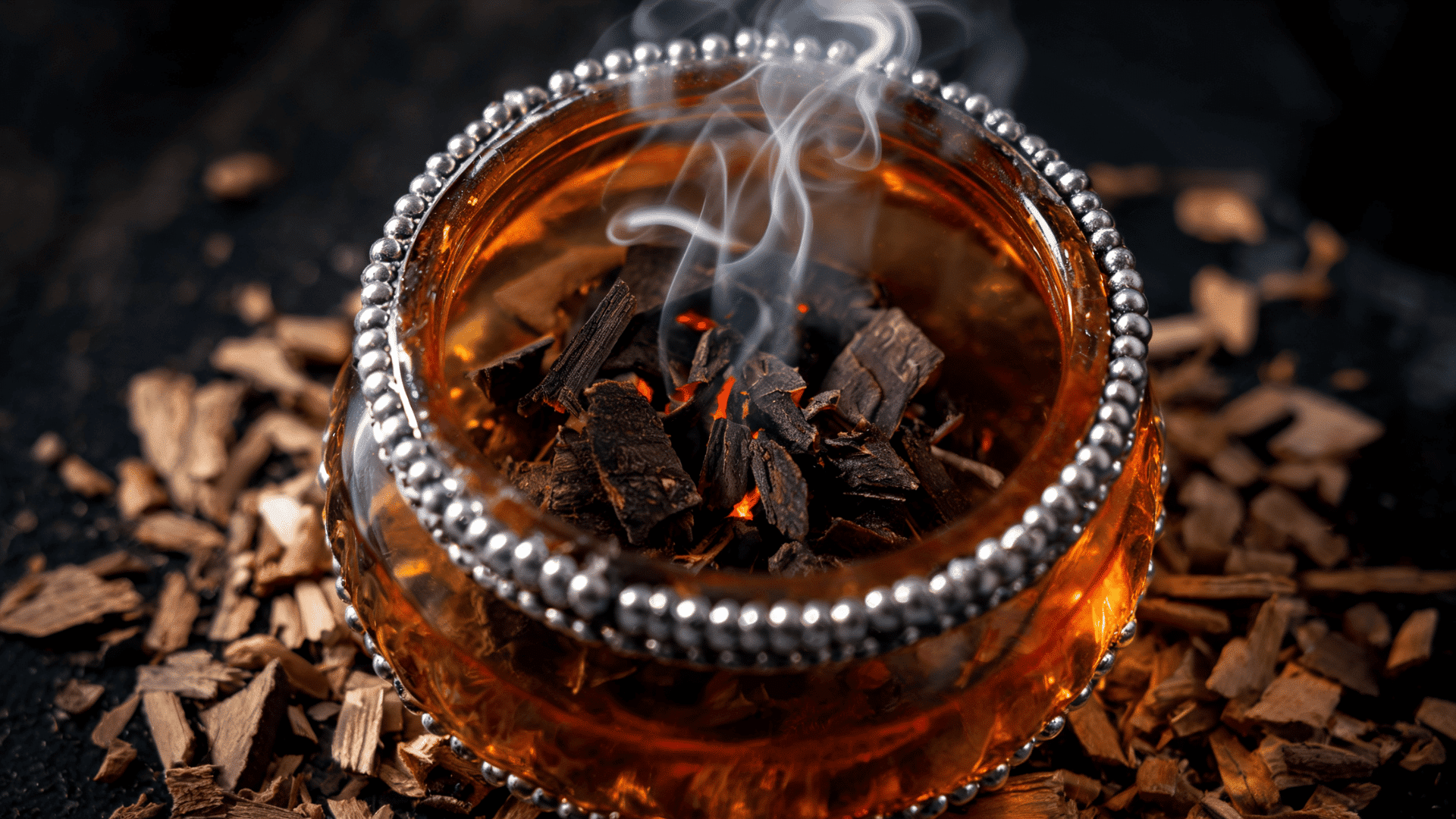
Oud smells warm, woody, and smoky, with earthy, musky, and slightly sweet undertones that linger for hours.
Many describe it as walking through a damp forest after rain, blending aged wood, soil, and soft leather.
Its exact scent depends on the tree species, region, and extraction method. Some ouds feel sweet and smooth, while others turn darker and more animalic, which is why this rich, complex note often divides fragrance lovers.
Why Is Oud Considered a Luxury Ingredient?
Oud’s luxury status comes from more than just its price tag. Its rarity, deep cultural roots, and distinctive fragrance strength combine to build its reputation as one of the world’s most prized scent materials.
- Rich cultural history: For centuries, agarwood has played a role in spiritual practices, incense ceremonies, and personal fragrance across many cultures.
- A symbol of hospitality: In many Middle Eastern traditions, oud wood chips are burned to scent homes, clothing, and special occasions, tying it closely to rituals of welcome and celebration.
- A powerful base note: Oud is commonly used in perfumery, lingering on the skin longer than lighter top notes and allowing a fragrance to unfold over time.
- Adds depth to compositions: Its rich character brings warmth, depth, longevity, and complexity to perfumes built around it.
Ultimately, oud’s blend of tradition and lasting fragrance power is what keeps it firmly rooted in luxury perfumery today.
Types of Oud
Oud varies greatly depending on the Aquilaria tree species, growing region, and extraction method. Each type develops its own aroma profile, ranging from sweet and soft to smoky, woody, and intense.
1. Indian Oud (Dehn Al Oud)
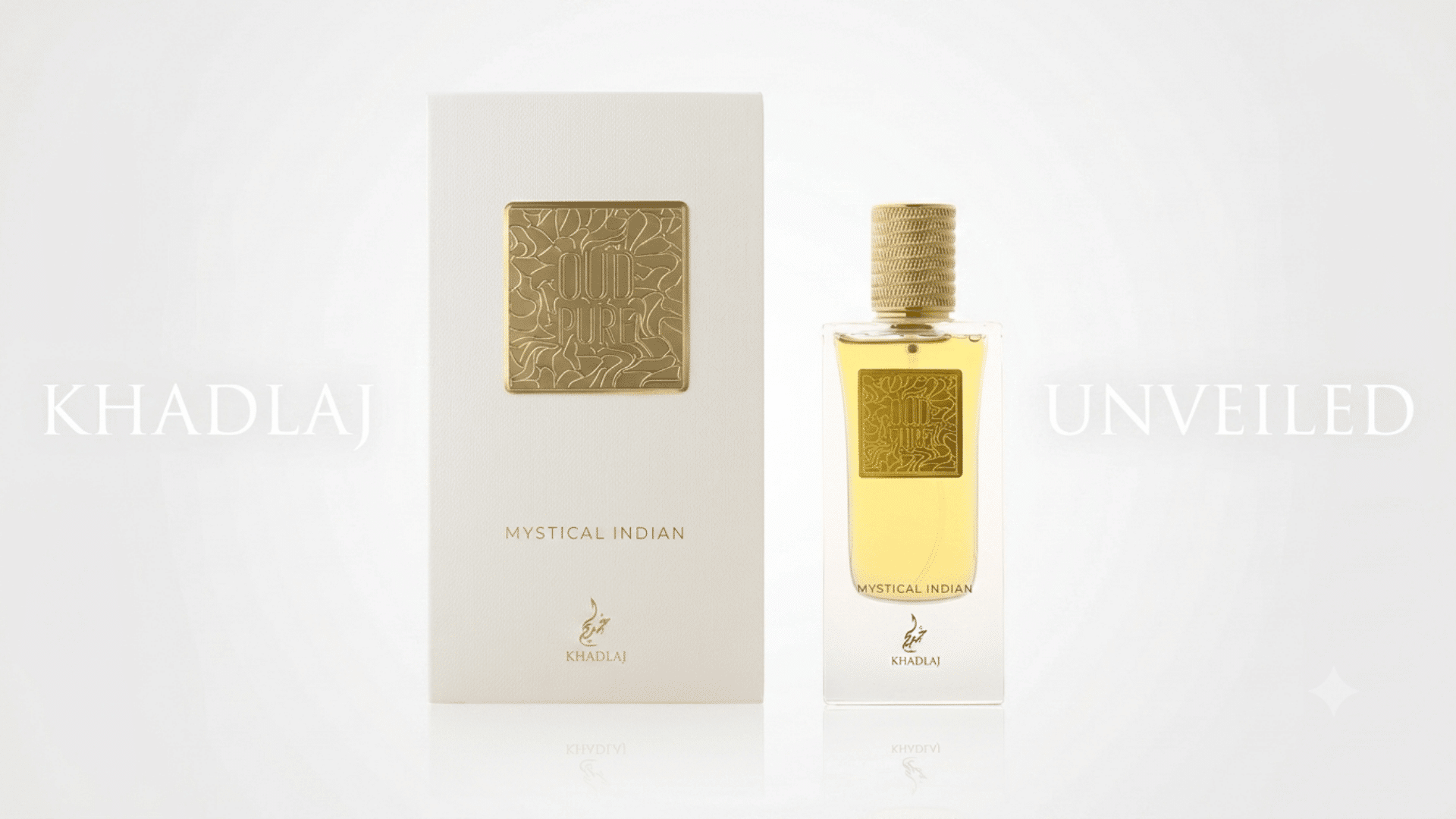
Known for its deep, rich aroma, Indian oud often carries strong woody, smoky, and animalic notes. This intensity gives it a bold, distinctive presence among oud varieties.
It is considered one of the most traditional types, deeply rooted in classic perfumery.
Its enduring reputation makes it highly valued among connoisseurs and fragrance houses alike.
2. Cambodian Oud
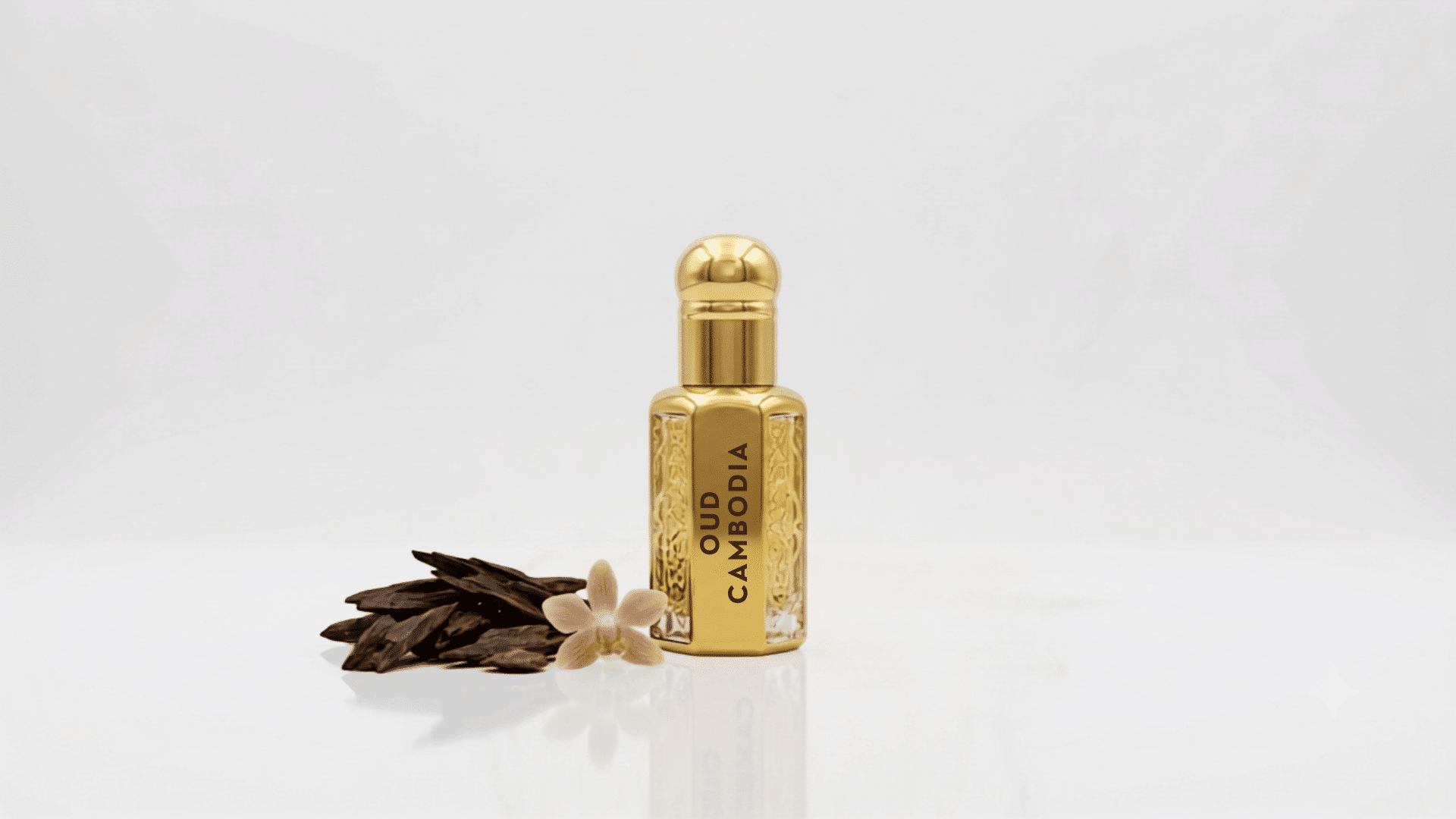
Cambodian oud is known for its sweet, warm, and slightly fruity character. This distinct profile sets it apart from many other regional variations of oud.
It often features smoother woody notes with subtle hints of spice, giving it a refined quality.
This balance of warmth and sophistication makes it a popular choice in luxury fragrances.
3. Thai Oud
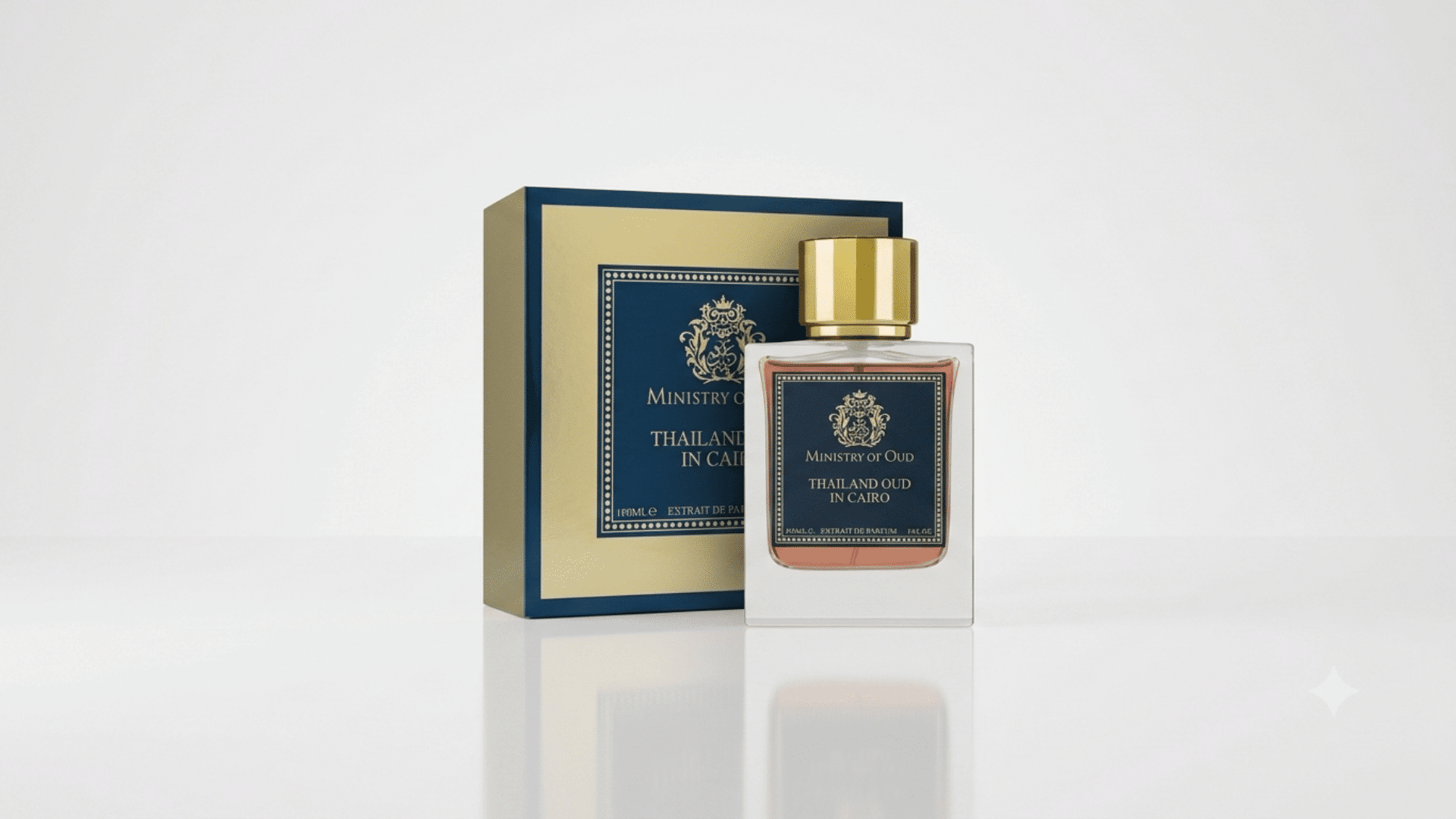
Thai oud usually offers a balanced scent profile, blending earthy, spicy, and slightly sweet qualities.
This harmony makes it stand out among regional oud varieties.
It’s often appreciated for its layered complexity and smooth dry-down. These qualities make it a favorite for those seeking depth without overwhelming intensity.
4. Malaysian Oud
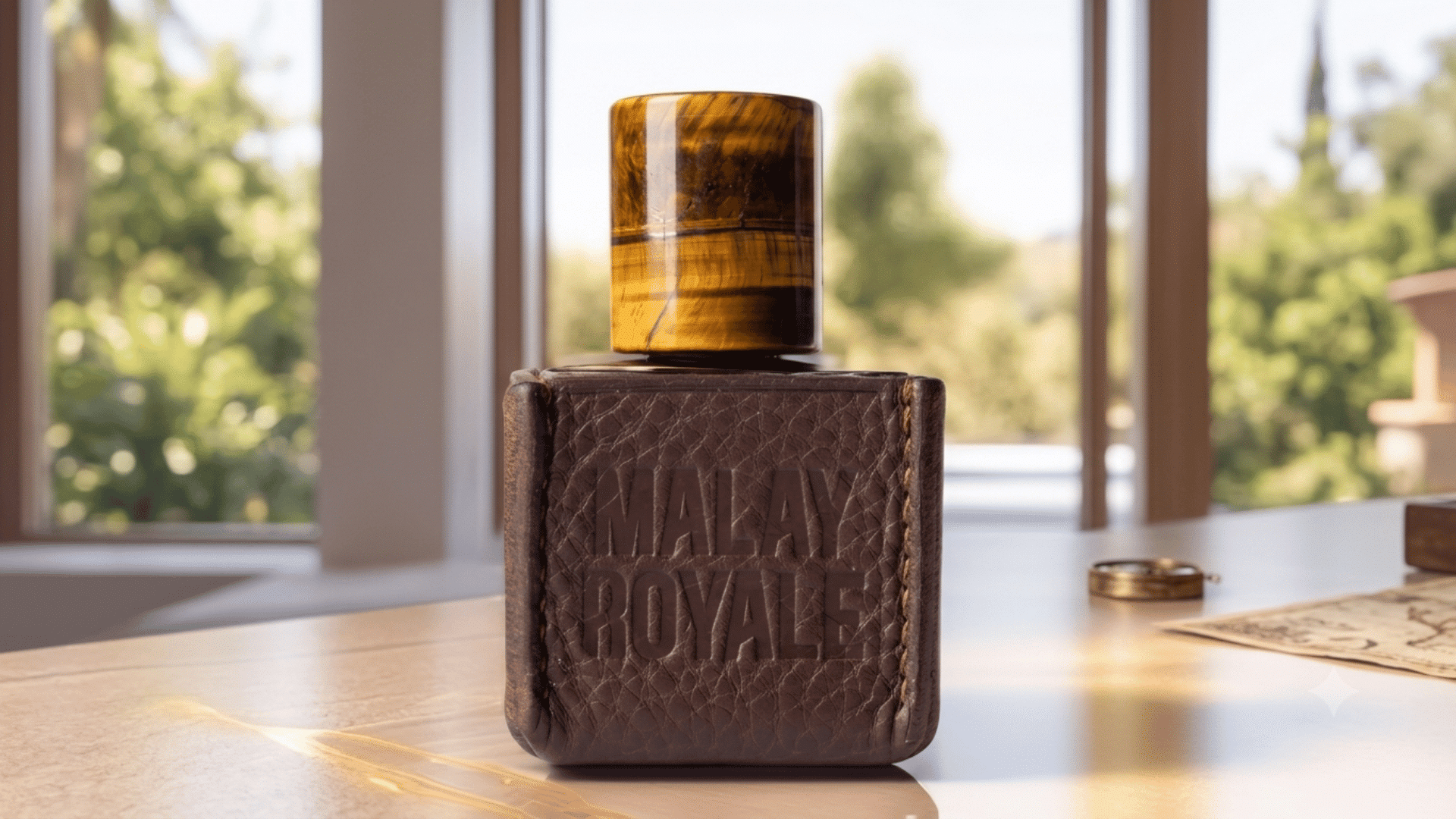
Malaysian oud tends to have a darker, resinous profile marked by smoky and leathery notes.
This gives it a bold, intense character distinct from lighter regional varieties.
It is commonly used in strong, long-lasting fragrance compositions. These qualities make it well-suited for those who prefer deep, richly layered scents.
5. Indonesian Oud
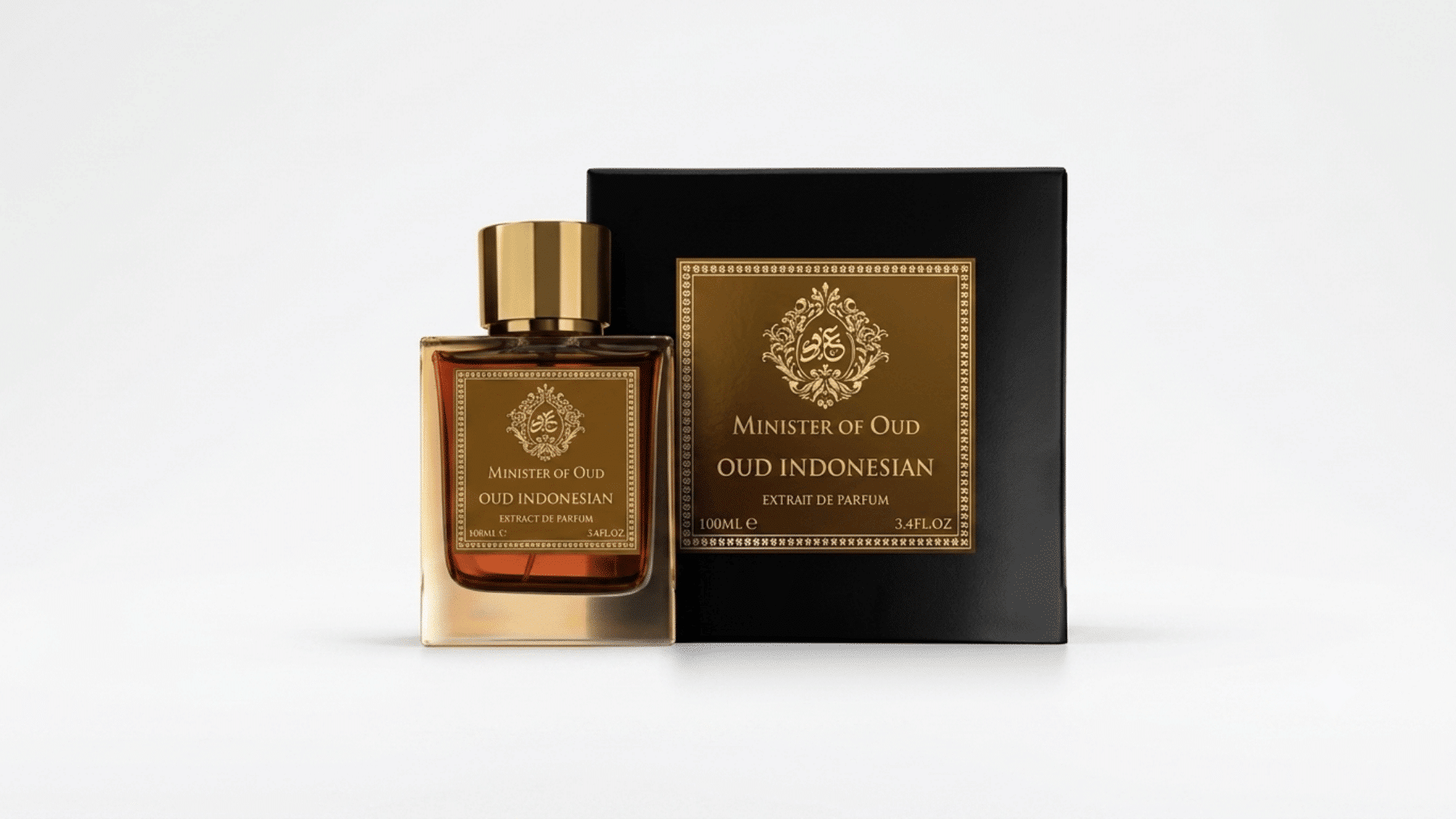
Indonesian oud is often softer and more approachable, featuring woody, earthy, and sometimes floral tones.
This gentler character makes it appealing to a wider range of fragrance preferences.
Its scent can vary depending on the island and tree species involved. This diversity gives Indonesian oud a wide range of expressions within a single regional category.
How Is Oud Used in Perfumes?
Oud is usually added as a base note that supports and strengthens other fragrance ingredients.
Perfume creators often pair it with different scent families to build balanced, well-rounded compositions.
| Oud and Rose | One of the most traditional pairings in perfumery, where rose’s softness balances oud’s darker woody character. |
| Oud and Vanilla | Vanilla adds sweetness and smoothness, making oud feel warmer and more approachable. |
| Oud and Amber | Amber enhances oud’s richness, creating a warm, resinous fragrance profile |
| Oud and Citrus Notes | Fresh ingredients like bergamot brighten oud and help heavier fragrances feel lighter |
Why Is Oud Popular in Modern Perfumes?
Oud has become increasingly popular in luxury and niche fragrances because it offers a scent experience that feels different from common floral and fresh perfume styles.
Its popularity has grown because it:
- Creates a strong fragrance identity
- Works well with many scent families
- Connects modern perfumes with traditional fragrance practices
- Offers a rich alternative to lighter everyday scents
Many luxury fragrance houses now offer oud-inspired perfumes in their collections, such as Tom Ford Oud Wood, Armani Privé Oud Royal, and Dior Oud Ispahan.
Is Oud Suitable for Everyone?
Oud is a powerful fragrance note, so it may not appeal to everyone. Its intensity means personal preference plays a big role in how it’s received.
People who enjoy warm woody scents, strong perfumes, long-lasting fragrances, and rich, smoky notes often appreciate oud-based perfumes.
These qualities make it a favorite among those drawn to bold, statement scents.
For beginners, lighter oud blends mixed with rose, vanilla, or citrus can be easier to wear than pure oud oils.
Testing a fragrance before purchasing remains the best way to understand how oud interacts with your unique skin chemistry.
Conclusion
Oud is more than just a fragrance ingredient; it carries history, craftsmanship, and a scent experience unlike that of everyday perfumes.
Understanding what is oud helps you appreciate why this rare ingredient is valued so highly.
Knowing what does oud smell like also makes it easier to choose fragrances that match your personal style.
Try an oud-based fragrance and experience its unique character for yourself.
Share your thoughts in the comments and tell us how oud smells to you.
Frequently Asked Questions
How Long Does Oud Fragrance Typically Last on Skin?
Thanks to its role as a base note, oud can linger on skin for 8-12 hours or even longer. Its heavy, resinous molecules evaporate more slowly than lighter fragrance notes.
Can Oud Be Worn in Warm Weather, or Is It Only Suited for Winter?
While oud is often associated with cooler months due to its warmth, lighter oud blends with citrus or floral notes work well in warmer weather too. Pure, heavy oud compositions tend to feel more suited to cooler seasons.
How Should Oud Perfumes Be Stored to Preserve Their Scent?
Oud fragrances should be kept away from direct sunlight, heat, and humidity to maintain their aroma. Storing them in a cool, dark place helps preserve the oil’s complex character for longer.