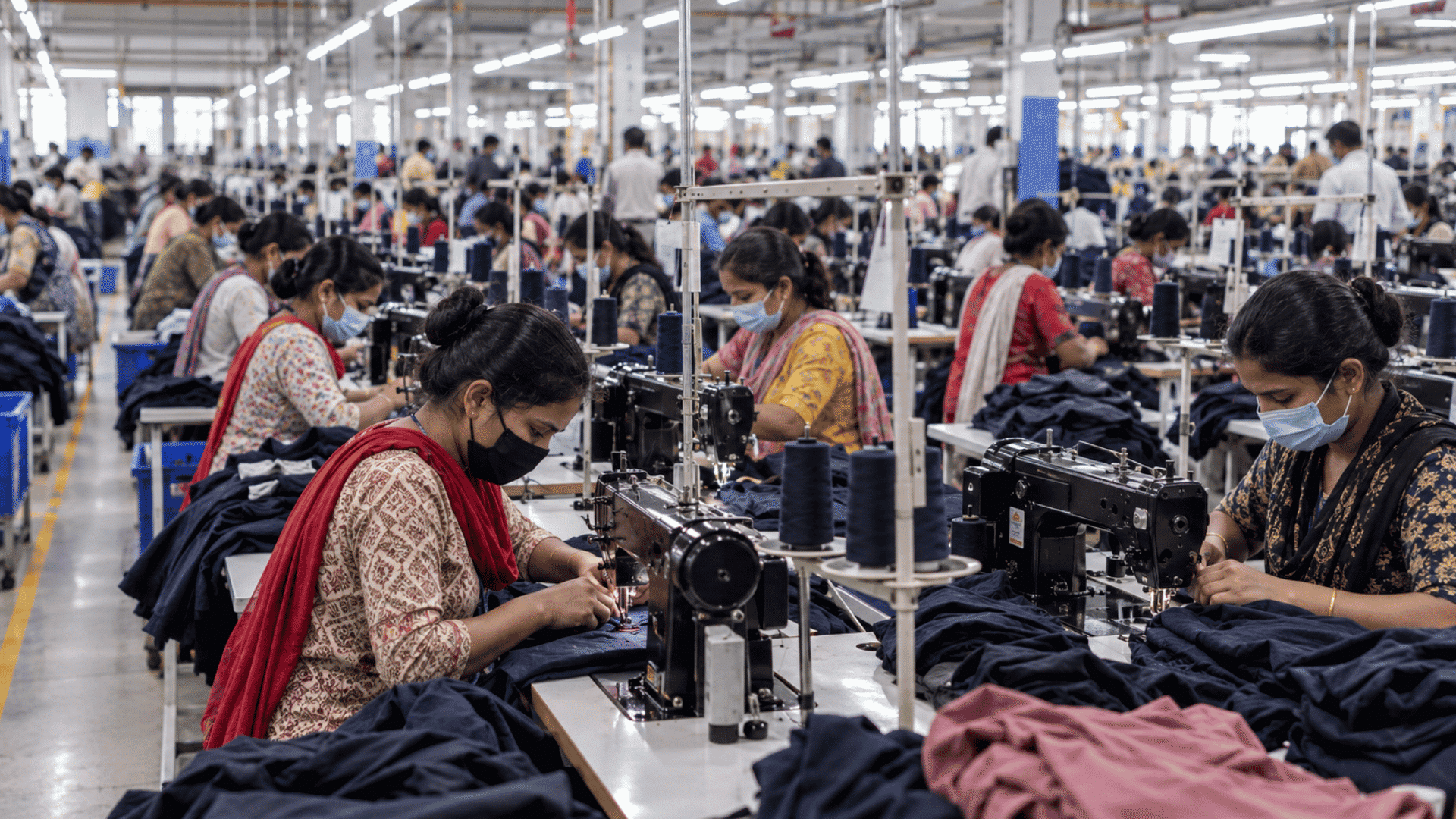
A dress can be designed today, produced within weeks, and appear on your favorite shopping app before the trend fades. That speed is at the heart of fast fashion.
But behind that convenience are bigger questions about how clothes are made, who makes them, and what happens when people no longer want them.
From rapid production and constant trend cycles to textile waste and worker concerns, fast fashion has a real cost beyond the checkout price.
Looking at these practices more closely can reveal why the clothes we buy may have a much bigger impact than we realize.
What Is Fast Fashion?
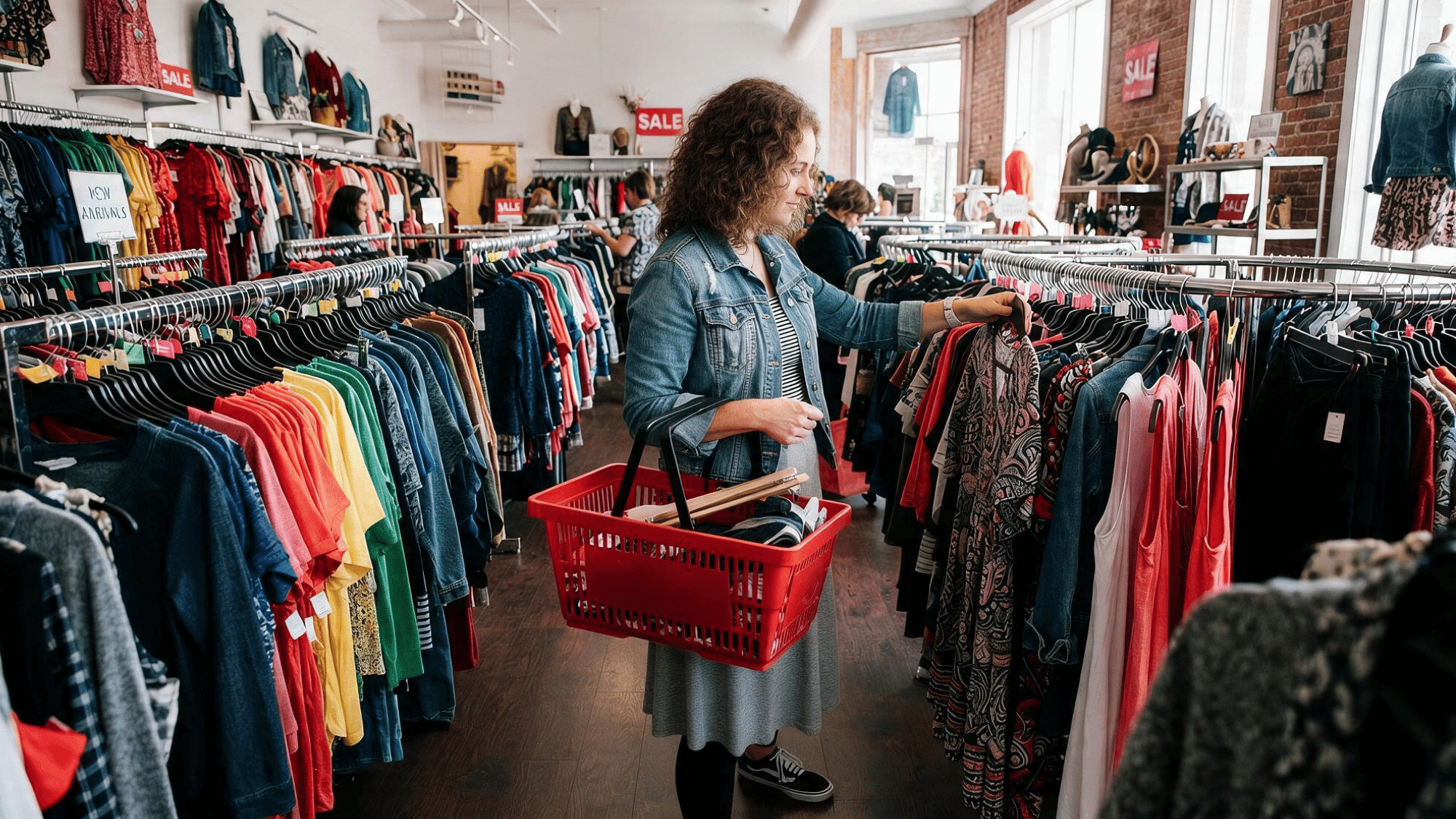
Fast fashion is a clothing business model built around responding quickly to changing consumer demand.
Brands monitor trends, shorten design and production timelines, and release new styles frequently to keep their stores and websites constantly updated.
This approach allows companies to produce clothing at scale and respond to what shoppers are buying in near real time. While affordable prices are common, price alone does not define fast fashion.
The key distinction is the speed, volume, and frequency of production, along with a business model that encourages shoppers to keep up with constantly changing trends.
What is Ultra-Fast Fashion?
Ultra-fast fashion takes the speed-driven model of fast fashion even further.
Brands such as Shein and Temu use real-time trend monitoring, data, and algorithms to identify popular styles and bring new products to online shoppers at exceptional speed.
Social media, influencers, targeted ads, and frequent product drops help maintain a constant demand for newness.
With online-first retail and short product cycles, this model encourages impulse buying and rapid consumption, making it easier for shoppers to buy new styles before previous trends fade.
Fast Fashion vs. Traditional Fashion
Fast fashion and traditional fashion differ in how they plan, produce, release, and consume collections. Traditional fashion may draw on enduring styles, such as retro fashion trends, rather than rapidly changing microtrends.
|
Factor |
Fast Fashion |
Traditional Fashion |
|---|---|---|
|
Collection cycle |
Frequent product drops |
Planned seasonal collections |
|
Design approach |
Quickly responds to emerging trends |
Develops collections further in advance |
|
Production approach |
High-volume, rapid manufacturing |
More deliberate production planning |
|
Product lifespan |
Often designed around short trend cycles |
Typically intended for longer-term wear |
|
Shopping behavior |
Encourages frequent wardrobe updates |
Encourages more considered purchases |
|
Primary focus |
Speed, volume, and trend responsiveness |
Design, craftsmanship, and collection planning |
Slow shoppers tend to favor pared-back, minimalist outfits built around a handful of versatile pieces that mix and match easily, rather than a closet full of one-season purchases.
If slow fashion appeals to you, building a small capsule wardrobe is one of the simplest ways to start.
How to Identify Fast Fashion Brands
Fast fashion brands can often be identified by the way they produce, market, and release clothing.
Brands such as Zara, H&M, Forever 21, Fashion Nova, and Shein are commonly associated with fast fashion because of their frequent trend-based releases, large product ranges, and rapid production cycles.
Other signs include :
-
Constant New Arrivals
-
Very Low Prices
-
Trend-Driven Designs
-
Huge Product Selection
-
Frequent Discounts
-
Limited Supply Chain Transparency
-
Low-Cost Materials
-
Rapid Production Cycles
How Does Fast Fashion Affect the Environment?
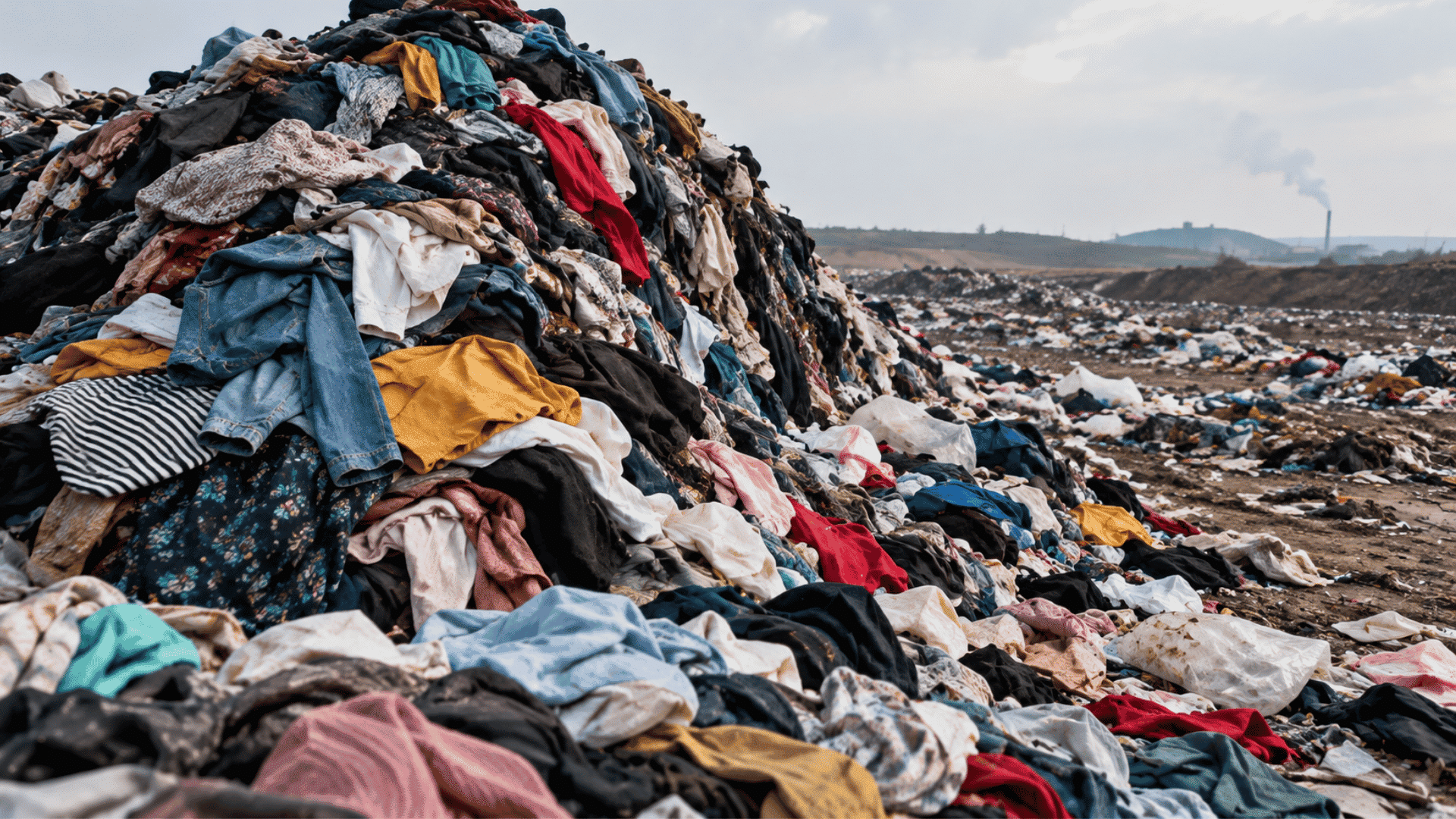
Fast fashion affects the environment through resource-intensive production, growing textile waste, and pollution. Its impact includes water and energy use, chemical pollution, synthetic fibers, and greenhouse gas emissions.
1. Textile Waste and Clothing Disposal
Short trend cycles can make clothing feel outdated quickly, encouraging people to discard garments after relatively little use. Unwanted or damaged pieces may end up in landfills or incinerators, while some are downcycled or recycled.
A 2021 study published in Waste Management found that U.S. post-consumer textile waste exceeded 34 billion pounds annually.
When large volumes of clothing are produced and discarded, the materials, energy, and resources used to make those garments are also lost.
2. Water and Energy Consumption
From producing fibers to dyeing, finishing, and processing fabrics, clothing manufacturing requires considerable water and energy.
Large-scale production and frequent releases add to this demand. Energy is also needed to operate factories and transport garments through global supply chains, increasing the overall environmental burden of keeping fast fashion cycles moving.
3. Chemical Pollution
Dyeing, bleaching, printing, and finishing fabrics can involve various chemicals. If wastewater from these processes is not properly treated, pollutants may enter nearby rivers, lakes, and other waterways.
This can affect water quality and aquatic ecosystems, making effective wastewater management an important part of reducing the environmental impact of textile production.
A paper published in Environmental Health, indexed by the National Library of Medicine, examined fast fashion’s environmental and social costs, including pollution, low wages, and poor working conditions.
4. Synthetic Fibers and Microplastics
Polyester, nylon, and acrylic are widely used in clothing because these synthetic fibers are versatile and relatively inexpensive.
During washing, some synthetic garments can release tiny plastic fibers into wastewater, which may eventually reach aquatic environments. Because these materials are plastic-based, they can also persist for long periods after clothing is discarded.
5. Greenhouse Gas Emissions
The fashion supply chain generates greenhouse gas emissions at several stages, from raw material production and manufacturing to transportation and disposal.
Global supply chains can require significant energy to move garments between factories, warehouses, stores, and consumers.
Frequent production and short clothing lifespans can add further emissions by increasing the number of manufacturing cycles needed to maintain constant product turnover.
The Social Impact of Fast Fashion
Fast fashion can affect garment workers through low wages, demanding production schedules, and unsafe working conditions. Complex global supply chains can also make it harder to identify who made a garment and under what conditions.
-
Low wages: The International Labor Organization (ILO) found that purchasing practices in garment supply chains can limit suppliers’ ability to pay higher wages and provide decent working conditions.
-
Long working hours: Tight deadlines and large orders can require workers to work extended hours under intense production pressure.
-
Unsafe workplaces: Poor factory conditions can expose workers to injuries, health risks, and inadequate safety protections.
-
Labor exploitation: Workers may face excessive workloads, unfair treatment, or poor protections when labor standards are not properly enforced.
-
Limited supply chain transparency: Complex supplier networks can make it difficult for brands and consumers to know who produced a garment and under what conditions.
Can We Break Free from Fast Fashion?
Reducing fast fashion’s impact requires changes from brands, governments, and consumers alike.
Brands can slow production, create durable and repairable clothing, improve recycling systems, and make supply chains more transparent.
As shoppers, we can buy fewer, better-quality pieces, choose secondhand clothing, repair what we own, and consider renting for occasional wear. Caring for what we own, including learning to clean leather shoes, can help extend their lifespan.
Supporting slow fashion also shifts demand toward longer-lasting products and more responsible production. Together, these actions can reduce waste, resource use, and overconsumption while giving clothing a longer, more useful life.
Conclusion
Fast fashion makes trendy clothing affordable and easy to access, but its convenience can come with environmental and social costs.
Textile waste, resource use, pollution, emissions, and concerns about garment workers show why the impact goes beyond the price tag.
I’ve become more mindful of how quickly trends influence what I buy and try to consider the quality, purpose, and lifespan of a piece before adding it to my wardrobe.
We can make a difference by buying less, choosing secondhand, repairing clothes, and supporting responsible brands. Small, thoughtful choices can make fashion more meaningful while giving the clothes we own a longer life.
Frequently Asked Questions
When Did Fast Fashion Become Popular?
Fast fashion gained momentum in the late 20th century as globalized manufacturing, faster supply chains, and changing retail practices made trend-driven clothing quicker and cheaper to produce.
Does Fast Fashion only Apply to Clothing?
Fast fashion primarily refers to clothing, but similar rapid-production models can influence accessories, footwear, and other trend-driven consumer products.
What Happens to Unsold Fast Fashion Clothes?
Unsold clothing may be discounted, returned to suppliers, stored, donated, recycled, exported, or discarded, depending on the brand and its inventory practices.
Can Fast Fashion Clothes Be Donated?
Yes, many fast fashion garments can be donated if they are clean and wearable. However, donation does not eliminate the environmental impact of producing them.
How Long Do Fast Fashion Clothes Typically Last?
There is no fixed lifespan, but fast fashion garments may be worn less frequently because of changing trends, lower durability, or declining consumer interest.