Standing in front of your closet, unsure what coat actually fits the weather? Most people own jackets that either trap too much heat or offer no rain protection at all.
A trench coat solves this problem. It handles rain, wind, and mild cold without the bulk of a heavy winter coat.
But what is a trench coat, exactly? It’s not just any long coat; it has specific features that set it apart from the rest.
Here’s what makes it different: the materials it uses and the exact weather conditions it’s built to handle.
What Is a Trench Coat?
A trench coat is a long outer coat designed for weather protection, originally developed for military use and characterized by features such as a belt, lapels, and a double-breasted front.
It first appeared during World War I, worn by British military officers. Made from cotton gabardine, the fabric kept soldiers dry without adding heavy weight or bulk.
A trench coat is not just any long coat worn in the rain. Specific details set it apart: a belted waist, double-breasted closure, and a knee-length cut built for rough conditions.
Unlike heavier winter coats, a trench coat focuses on blocking rain and wind rather than trapping heat. It suits mild, transitional weather and works well between seasons.
How Did the Trench Coat Become a Fashion Staple?
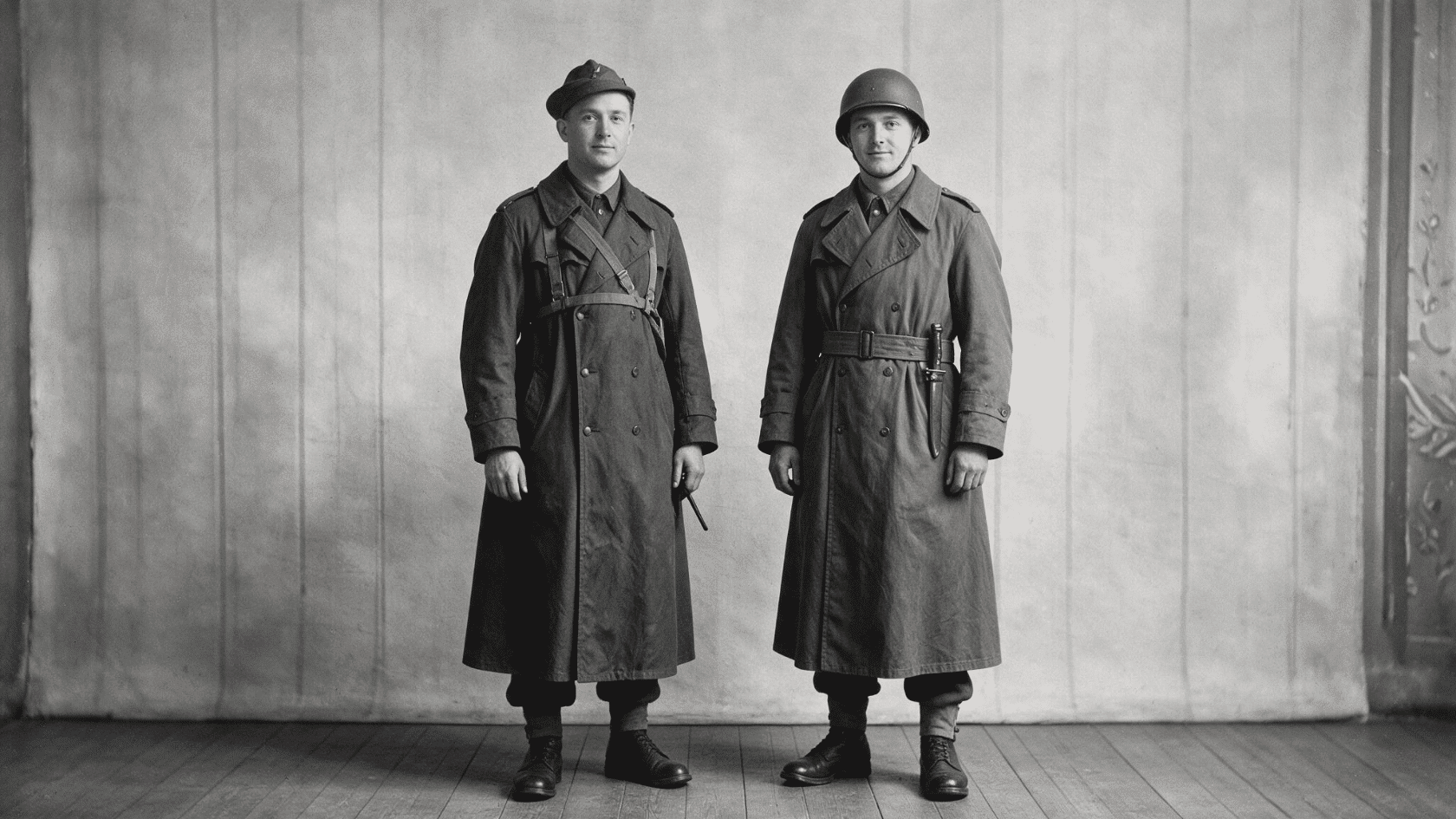
The trench coat gets its name from World War I trenches, where British officers wore it for protection against mud, rain, and cold conditions.
After the war ended, soldiers continued to wear these coats in daily life. Civilians noticed the practical design and started adopting it themselves.
- Thomas Burberry and Aquascutum both developed early trench coat designs, focusing on water resistance and durability for military officers during World War I.
- The coat’s practical construction endured because it worked well in both formal and casual settings, making it versatile for everyday civilian wear.
- Hollywood later gave the trench coat cultural weight, with actors wearing it on screen, linking the design to detective stories and classic film style.
Trench coats stayed popular because practical design met cultural recognition. The silhouette became familiar, and its function never went out of style.
This combination, not fashion trends alone, kept the trench coat relevant. It still holds a place in modern wardrobes across seasons and settings today.
Key Features of a Trench Coat
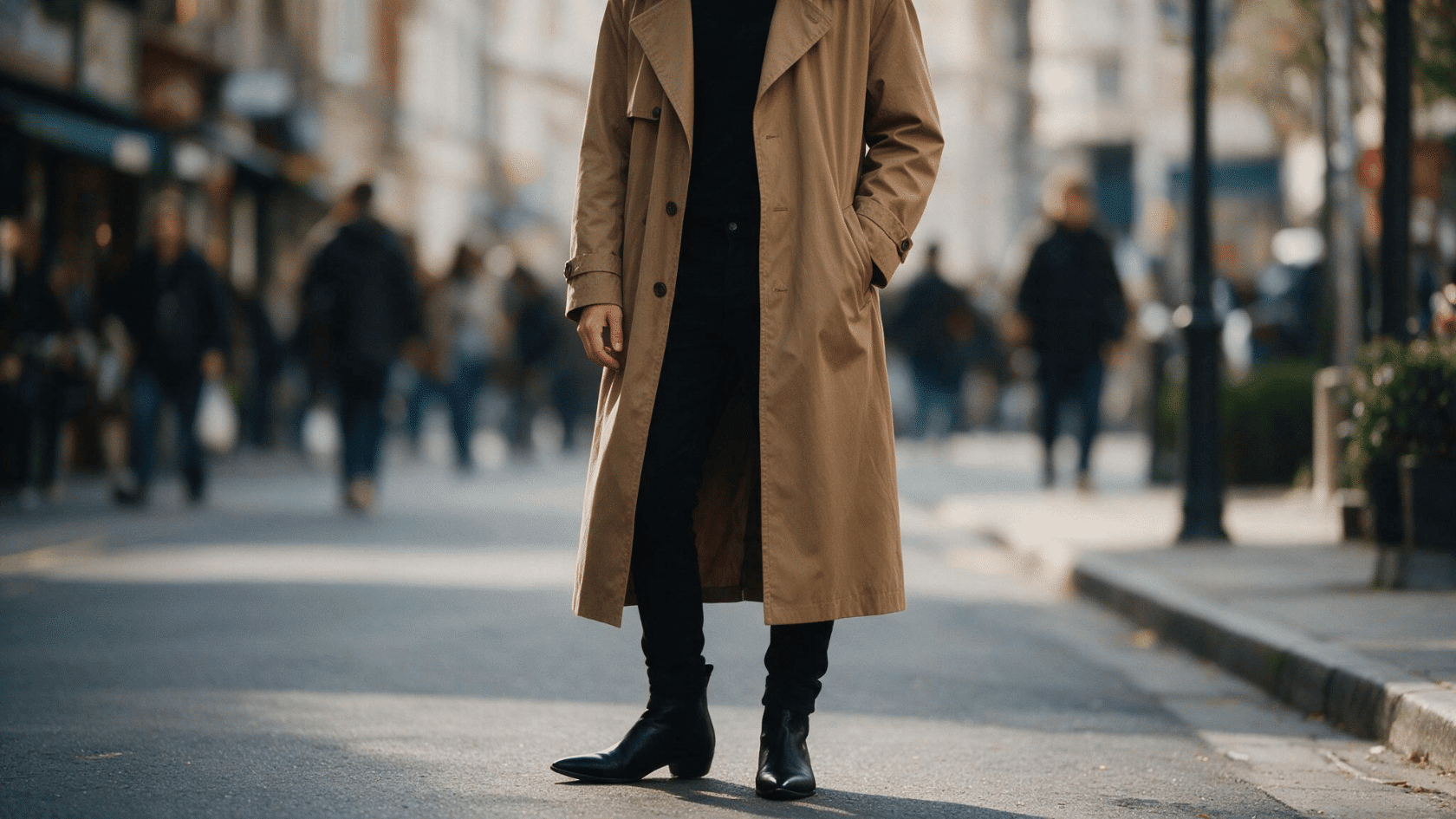
A trench coat’s signature look comes from functional details borrowed straight from the battlefield, each one solving a specific weather or movement problem.
1. Double-Breasted Front
The overlapping front panels button in two parallel rows, sealing the chest against driving wind and rain coming from either direction.
This closure also creates the coat’s structured, balanced silhouette, giving it the polished, authoritative shape that people recognize instantly today.
2. Storm Flap
A storm flap sits across the upper back and shoulder, channeling rainwater away from the body so it runs off cleanly.
Once purely protective, this raised panel now reads as a distinctive design detail that marks a genuine trench coat.
3. Belted Waist and Buckled Cuffs
An adjustable belt cinches the waist while buckled cuffs tighten around the wrists, originally sealing out cold drafts and rain.
Today these straps let wearers customize the fit and shape, nipping the waist or loosening the coat as the weather shifts.
4. Epaulets and D-Rings
Epaulets are the small fabric straps on each shoulder, once used to display military rank and secure equipment.
The D-rings at the belt originally held gear like map cases or canteens. Both now survive as decorative nods to the coat’s origins.
5. Back Vent
A vent at the lower back splits the fabric, allowing the legs to move freely while walking or riding.
This small opening keeps a long, structured coat from restricting stride, blending practical mobility with the clean lines the trench is known for.
Main Types of Trench Coats
Trench coats come in several types, including classic, modern, short, and long versions. Not every trench coat looks the same.
Design choices affect how a coat fits and functions. Length and closure style change both appearance and practicality across different trench coat types.
| Type | Key Feature |
|---|---|
| Classic Trench Coat | Military-inspired, double-breasted, belted design |
| Modern Trench Coat | Simplified details, updated, streamlined cut |
| Short Trench Coat | Hits above the knee, more casual |
| Long Trench Coat | Falls below the knee, traditional length |
| Single-Breasted Trench | Fewer buttons, sleeker closure style |
Materials That Trench Coats Are Made From
Most trench coats are water-resistant, not fully waterproof. Fabric choice determines how much protection, breathability, and comfort the coat actually provides.
Traditional and modern versions use different materials. Each option balances weather protection against comfort, so the right pick depends on climate and daily use.
- Cotton Gabardine: Traditional trench coats use cotton gabardine, a tightly woven fabric that repels light rain. It resists water well but is not fully waterproof in heavy conditions.
- Modern Cotton Blends: Many trench coats now mix cotton with synthetic fibers. This blend improves durability and flexibility while keeping some breathability that pure synthetics often lack.
- Technical Fabrics and Wool Blends: Some trench coats use technical fabrics for stronger water resistance, while wool blends suit colder months. Wool adds warmth but reduces overall breathability.
Fabric choice shapes how a trench coat performs in different weather. Waterproof-style options trade breathability for protection, while lighter fabrics offer comfort instead.
There is no single best material for every situation. The right fabric depends on climate, season, and how much protection someone actually needs.
When Should You Wear a Trench Coat?
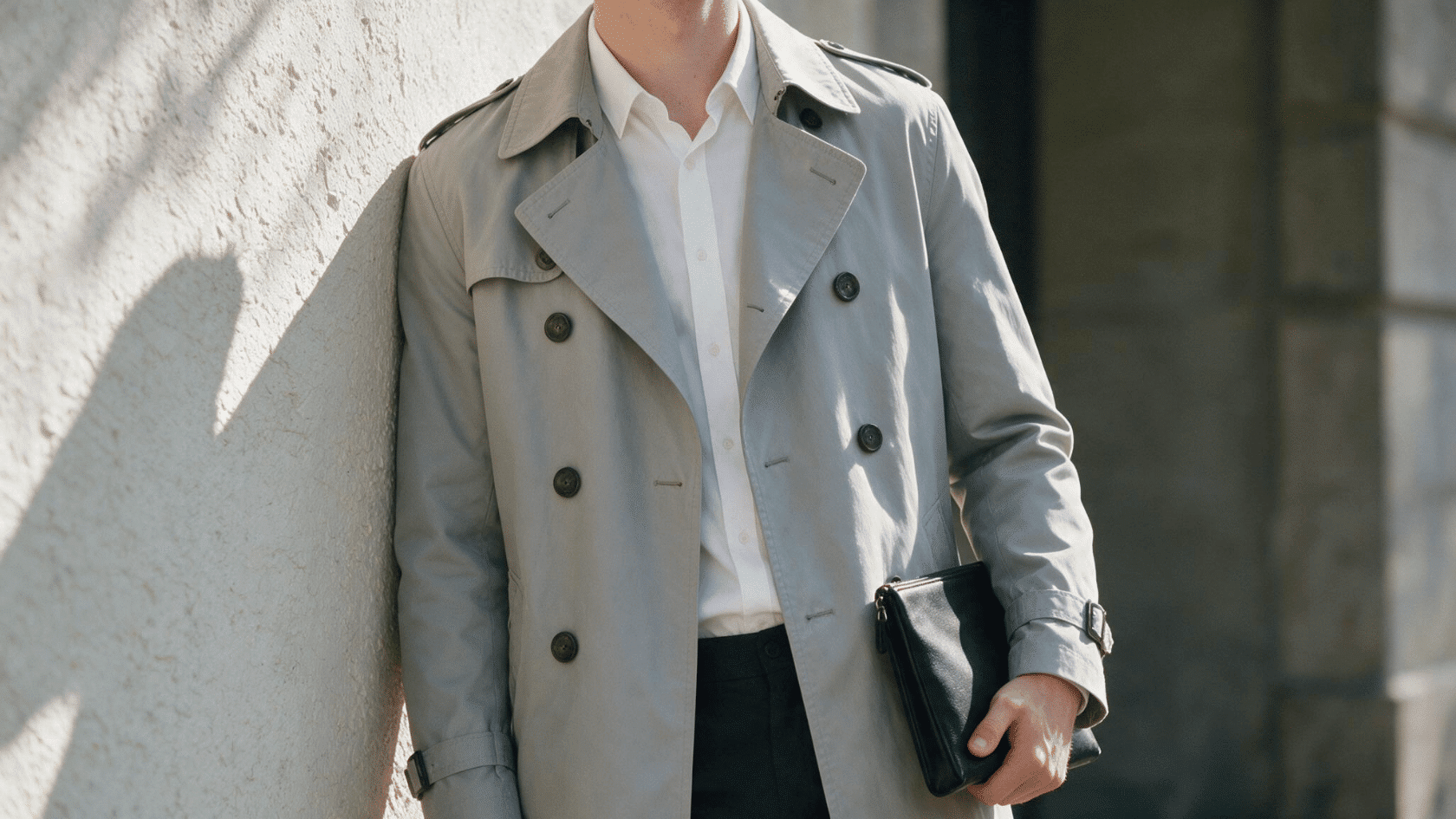
Trench coats work best in mild, wet, transitional weather. They suit spring, fall, and mild winters rather than extreme cold or heavy snow.
Layering changes how much protection a trench coat offers. Adding a sweater underneath extends its use into cooler days without needing a heavier winter coat.
A trench coat is not only formal wear. Paired with jeans and a sweater, it works well for casual outings, running errands, or weekend plans.
It also suits professional settings over suits or dresses. This range, spanning casual and formal outfits, makes it useful throughout most of the year.
What Is the Difference Between a Trench Coat and Other Coats?
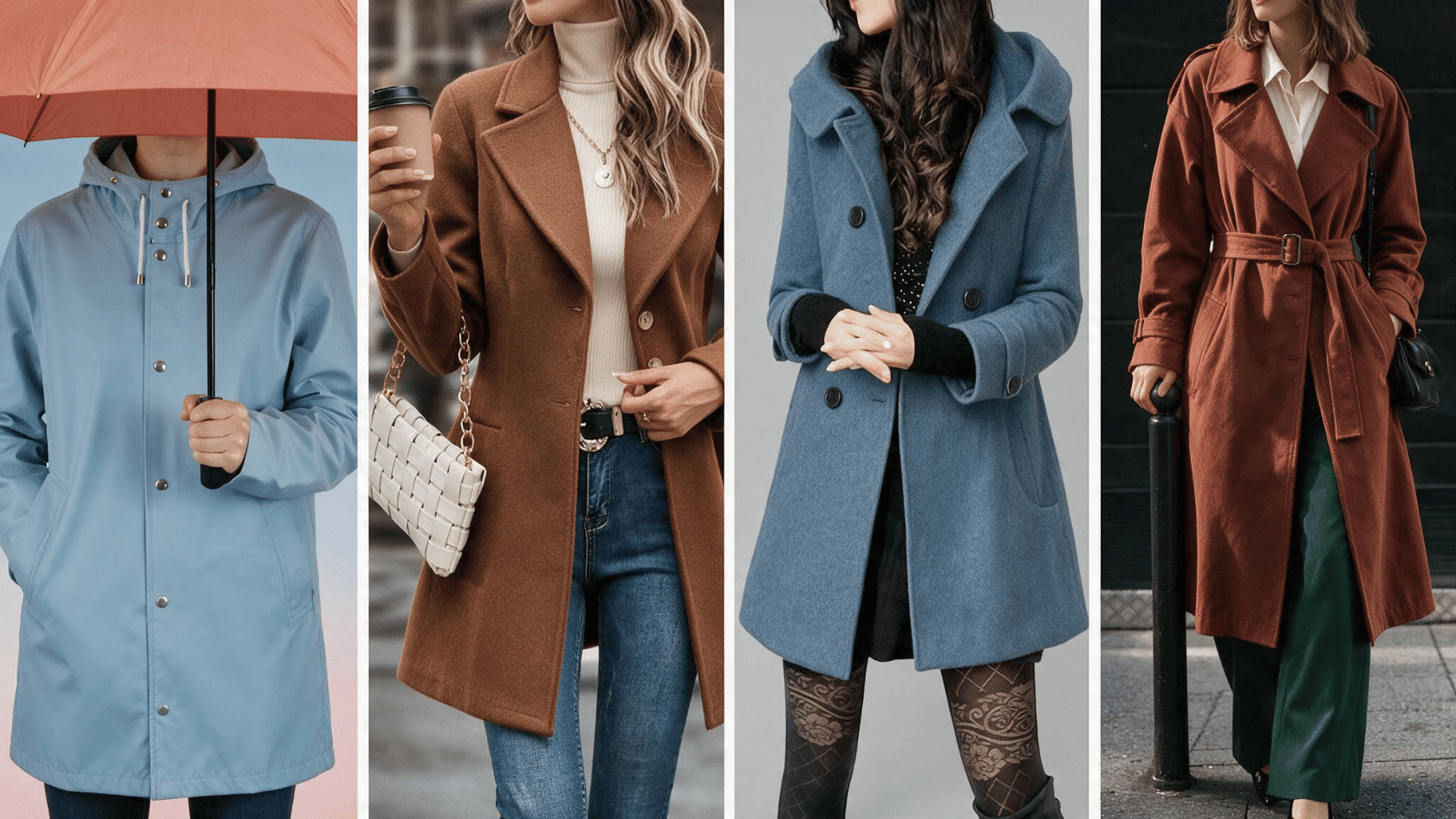
Trench coats focus on rain and wind protection, while other coats often prioritize warmth. This difference shapes fabric, length, and overall design choices.
A trench coat does not replace a winter coat. It works best in mild weather and for layering, not in deep cold or heavy snowfall.
| Attribute | Trench Coat | Peacoat | Overcoat | Raincoat |
|---|---|---|---|---|
| Main Purpose | Rain and wind protection | Warmth | Heavy insulation | Full waterproofing |
| Fabric | Cotton gabardine or blends | Thick wool | Heavy wool or blends | Technical synthetic |
| Best Season | Spring, fall, mild winter | Cold, dry weather | Deep winter | Heavy rain, any season |
| Style Level | Structured and tailored | Classic and casual | Formal and structured | Function over style |
| Warmth | Low to moderate | High | Very high | Low |
Each coat serves a different purpose based on weather and warmth needs. Choosing between them depends on climate, not just personal style preference.
A trench coat fills the gap between light jackets and heavy winter coats. It works well when rain and wind matter more than deep cold.
Final Thoughts
So what is a trench coat, really? It’s a coat built on function first, with style that followed naturally over a century.
The belt, the panels, the fabric, none of it is random. Each detail solves a real weather problem while still looking sharp.
That balance is why it still works today. One coat covers rain, wind, and mild cold across nearly every season.
If your closet is missing this piece, now’s a good time to add one. Pick a trench coat that matches your climate and daily routine, and wear it through spring, fall, and everything between.
Got a trench coat question we didn’t cover? Drop it in the comments below.
Frequently Asked Questions
What Body Type Looks Best in a Trench Coat?
Most body types suit a trench coat since the belt and structured cut adapt to different shapes. Adjusting the belt tightness changes the silhouette to fit better.
Are Trench Coats Still in Style in 2026?
Yes, trench coats remain a wardrobe staple in 2026. Their practical design and classic silhouette keep them relevant across changing fashion trends each year.
Can You Wash a Trench Coat at Home?
Most trench coats require dry cleaning to maintain the water resistance and structure. Washing at home can damage the coating and affect the fit.