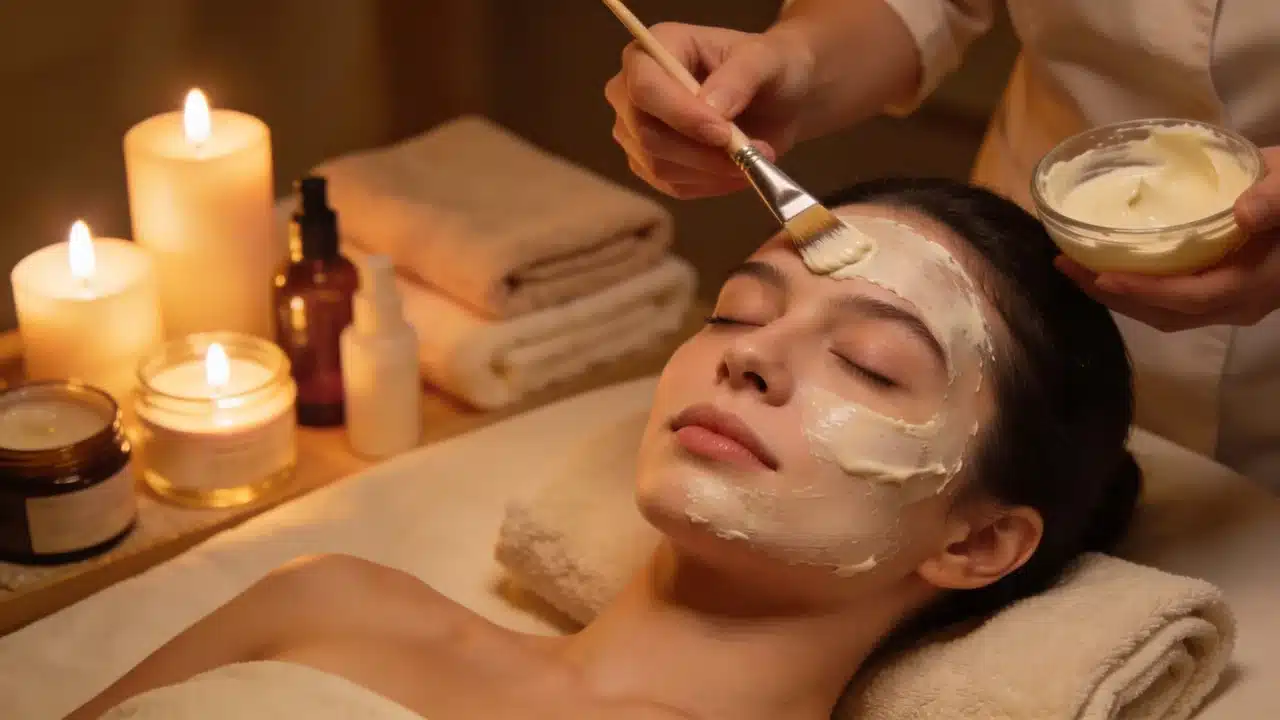
If you’ve been wondering what is a facial, you’re probably looking for a simple way to improve your skin without guessing what actually works.
I’ve seen how easy it is to follow a daily routine and still deal with dullness, breakouts, or uneven texture. That’s usually a sign your skin needs something more focused.
A facial goes deeper than basic skincare and helps reset your skin so it can function better.
You’ll learn what a facial actually does, what happens during a session, and how to choose the right type for your needs. By the end, you’ll have a clear idea of how facials can support your routine.
What is a Facial, and Why Does It Matter
A facial is a multi-step treatment that cleans, exfoliates, and hydrates your skin to improve how it looks and feels. I’ve noticed that daily skincare often misses deeper buildup, which is where a facial helps the most.
It goes beyond surface care to clear pores, balance oil, and support your skin’s natural function.
Facials are also customized based on your skin type, so they target concerns like acne, dryness, or dullness more effectively.
Think of it as the difference between wiping down a counter and actually deep-cleaning the kitchen. Your daily cleanser handles the surface, but a facial addresses what builds up underneath over weeks
What matters most is not just what a facial is, but why it works. It helps your skin stay clear, balanced, and healthier over time while giving you a moment to relax.
The Step-by-Step Process of a Facial
If you’re curious about what happens during a facial, I’ll help you understand each step so you know exactly what your skin goes through.
Step 1: Prepare the Facial Room and Client
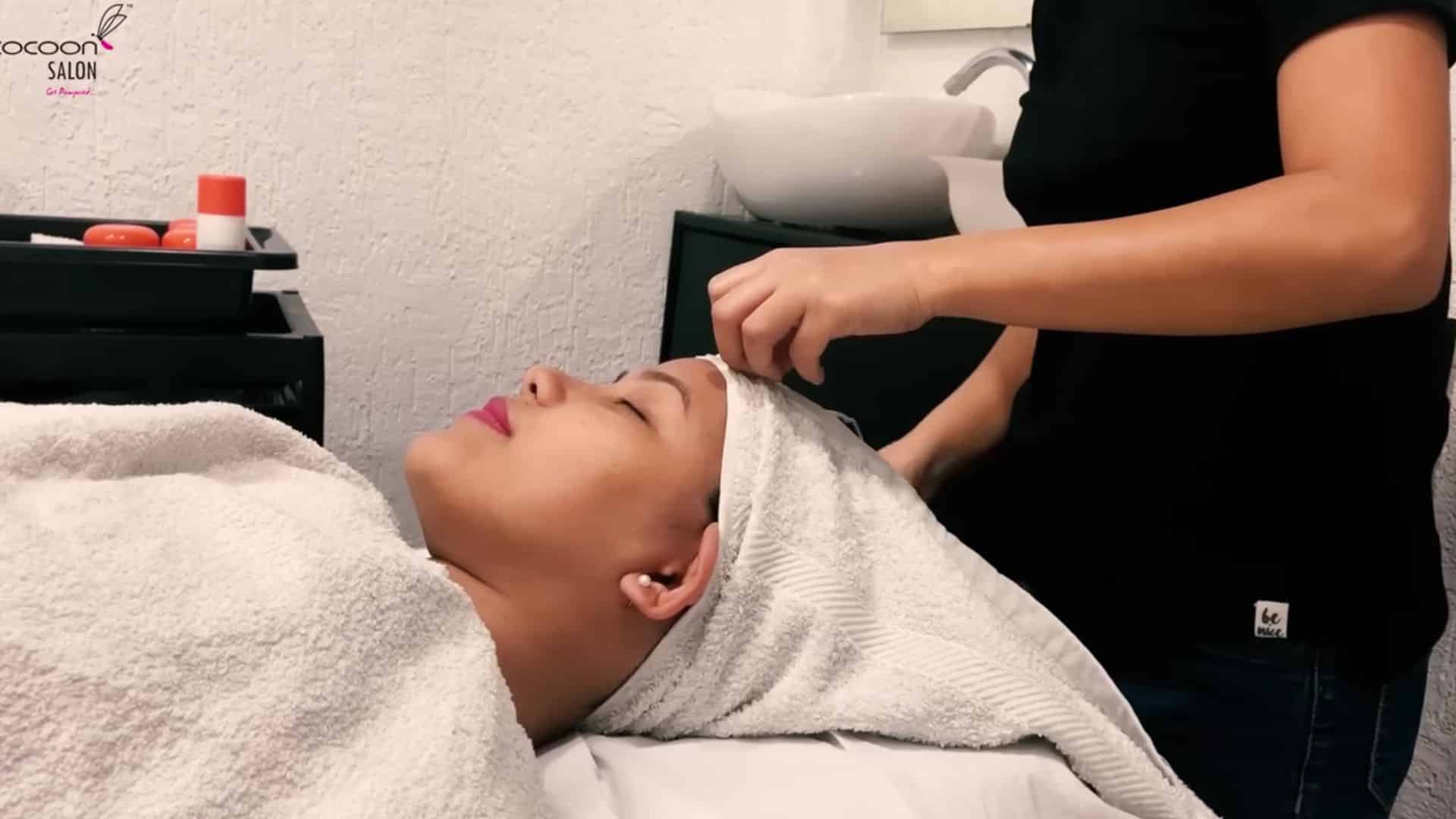
Before beginning the facial, make sure the room is clean, hygienic, and air-conditioned. It’s essential to maintain a comfortable environment for your client. Set up all the required products in advance, ensuring you have everything ready.
When the room is prepared, invite the client in, offering them a facial gown for privacy and comfort. Cover their hair with a towel or headband to keep it out of the way. Please remind the client to remove any jewellery to ensure it remains safe during the treatment.
Step 2: Cleanse and Exfoliate
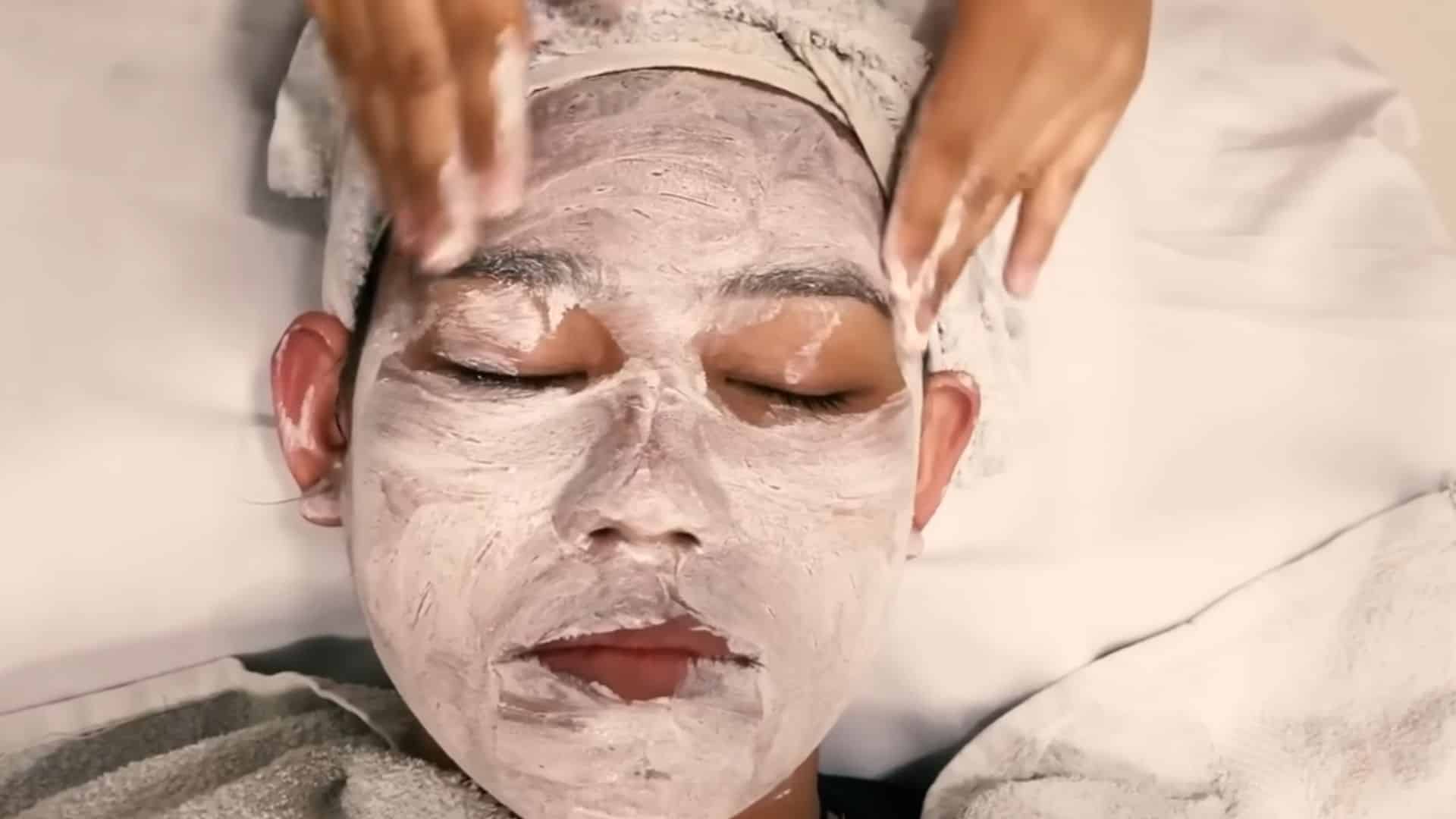
Start the facial by cleansing the client’s face with a cold, wet towel to remove any dirt and surface impurities. If the client is wearing makeup, be sure to use a makeup remover to clear it away.
Once the skin is clean, apply a face scrub to exfoliate dead skin cells. Gently massage the scrub in circular motions, focusing on areas with more buildup, like the T-zone. Exfoliation is an important step as it clears the skin’s surface, making it easier for the following treatments to work effectively.
A good esthetician will also choose the exfoliant based on your skin type at this point. Physical scrubs suit normal to oily skin, while sensitive or reactive skin typically needs an enzyme-based or chemical exfoliant that works without manual friction.
Step 3: Apply Facial Steam
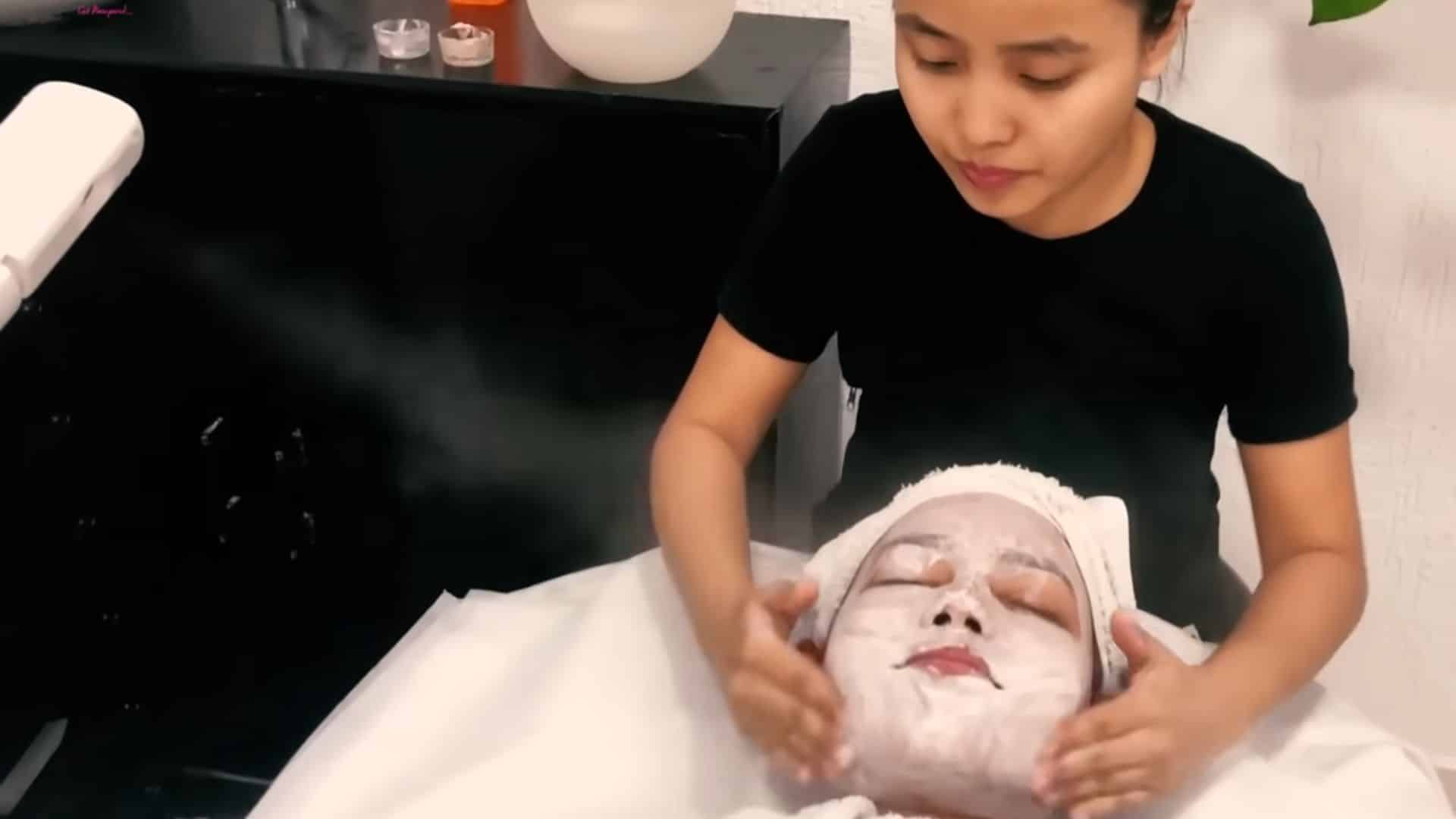
Facial steam plays a crucial role in opening up the pores and softening the skin. Prepare the steam machine and adjust the temperature to about 110°F.
Place the steam about 1 to 1.5 feet away from the client’s face, ensuring it’s not too hot. Allow the steam to work for about 2-5 minutes, depending on the client’s skin type. Steam helps hydrate the skin and prepares it for extractions. It also makes the skin more receptive to products, enhancing their effectiveness and easing the process of blackhead removal.
If you have rosacea or extremely sensitive skin, let your esthetician know before this step. Steam can sometimes trigger redness or flushing for these skin types, and many professionals will skip or shorten this step accordingly
Step 4: Extract Blackheads and Apply Toner
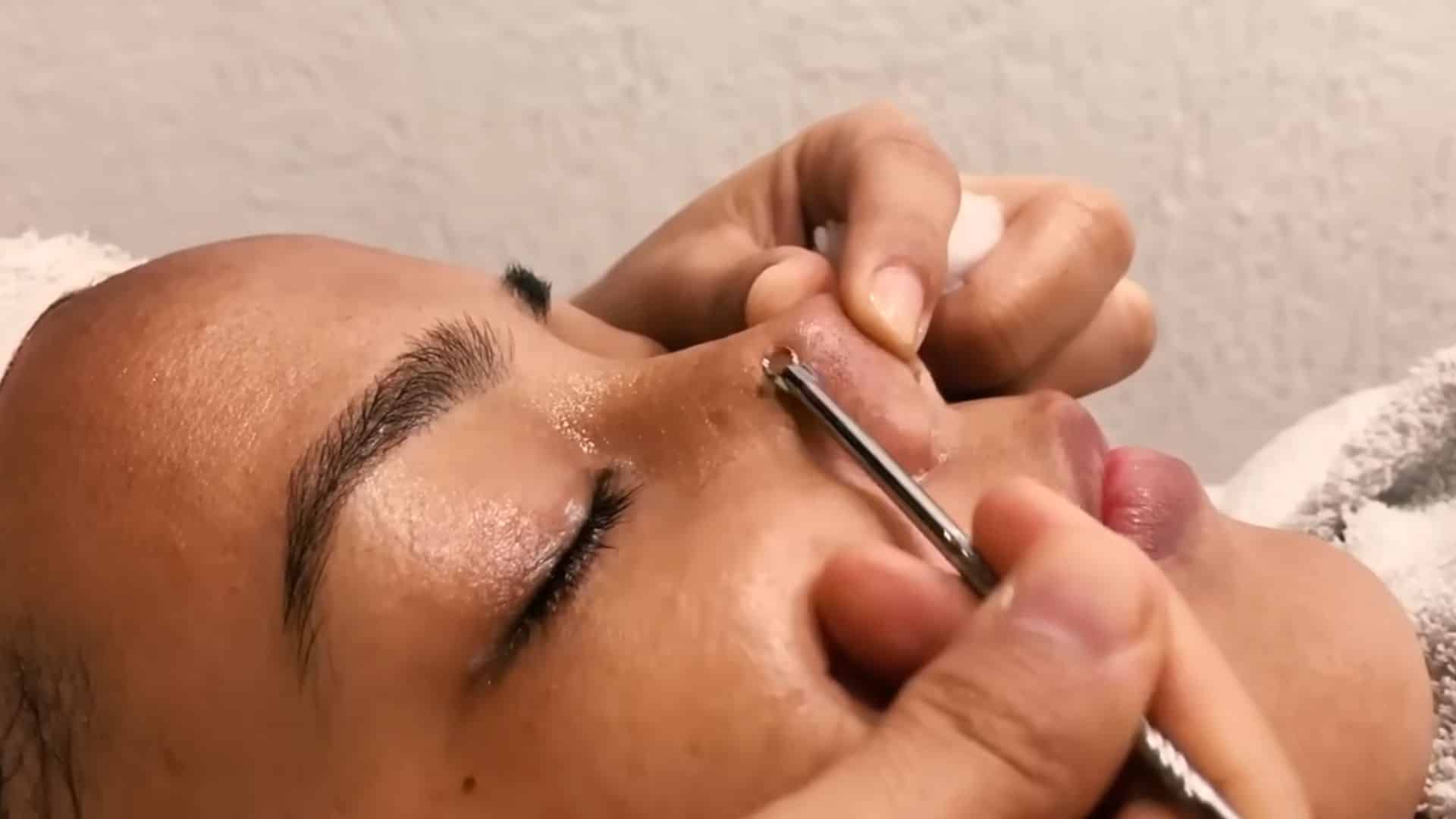
After steaming, gently remove blackheads and whiteheads using the right tools. Be careful not to apply too much pressure during this step to avoid irritating the skin. Extractions help clear the pores of impurities, reducing the risk of future breakouts.
Once the extractions are complete, apply a toner to the client’s face. Toner helps close the pores that have been opened during the facial, balancing the skin’s pH levels. It also prepares the skin for the next steps, leaving it feeling fresh and smooth.
It is completely normal to see slight redness around extracted areas after this step. This fades within a few hours and is not a cause for concern.
Step 5: Massage and Apply Massage Cream
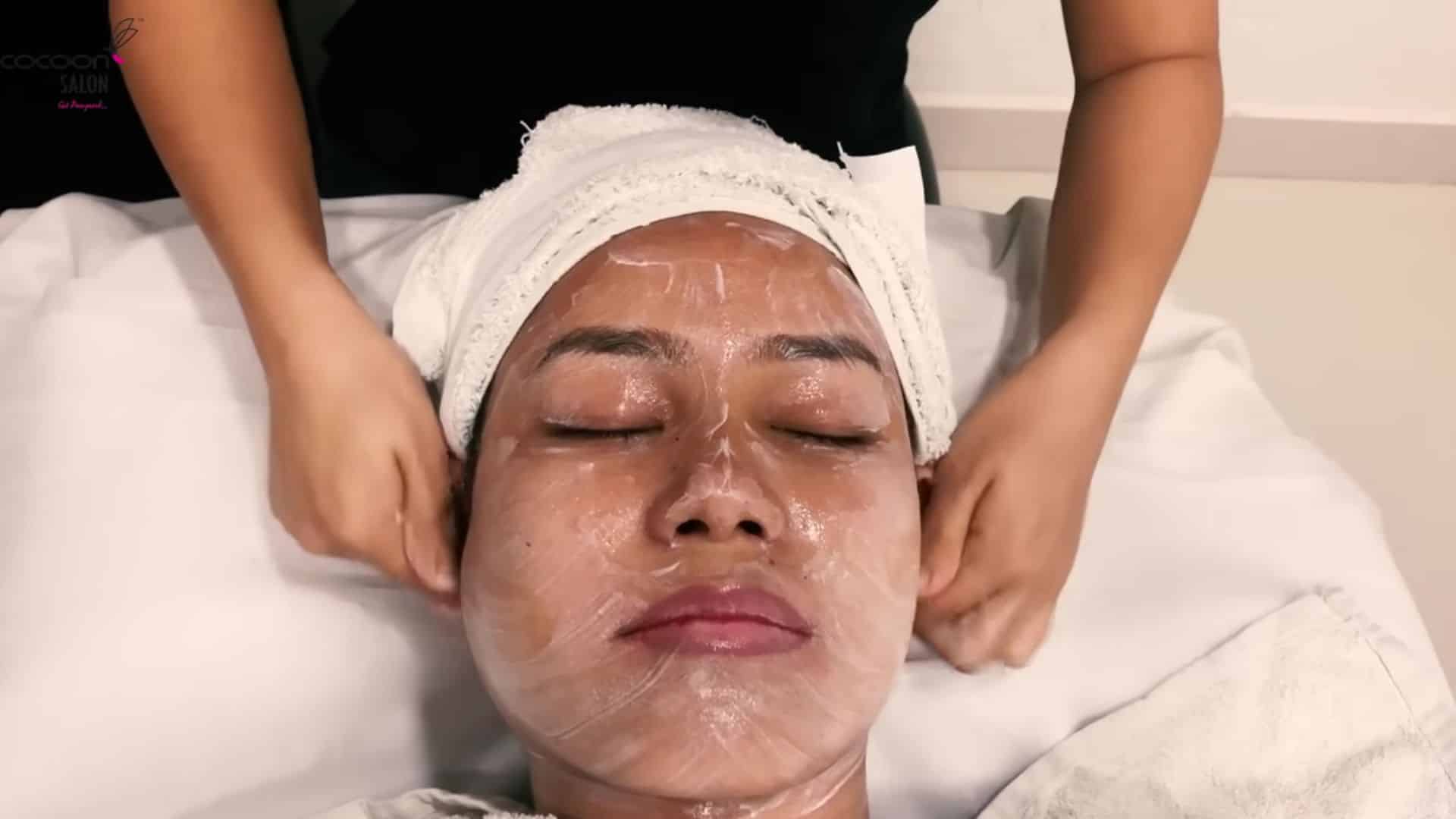
Take a massage cream and apply it to the client’s face, then perform a gentle massage to improve blood circulation and relax the facial muscles. Use soft, circular motions, and focus on pressure points to help the client relax.
This massage stimulates oxygen flow to the skin and promotes collagen production, which is essential for a healthy, glowing complexion. Regular facial massages can also help prevent wrinkles and signs of ageing.
A proper massage boosts the skin’s natural radiance, leaving the face looking refreshed and rejuvenated.
Step 6: Apply Face Pack and Final Rinse
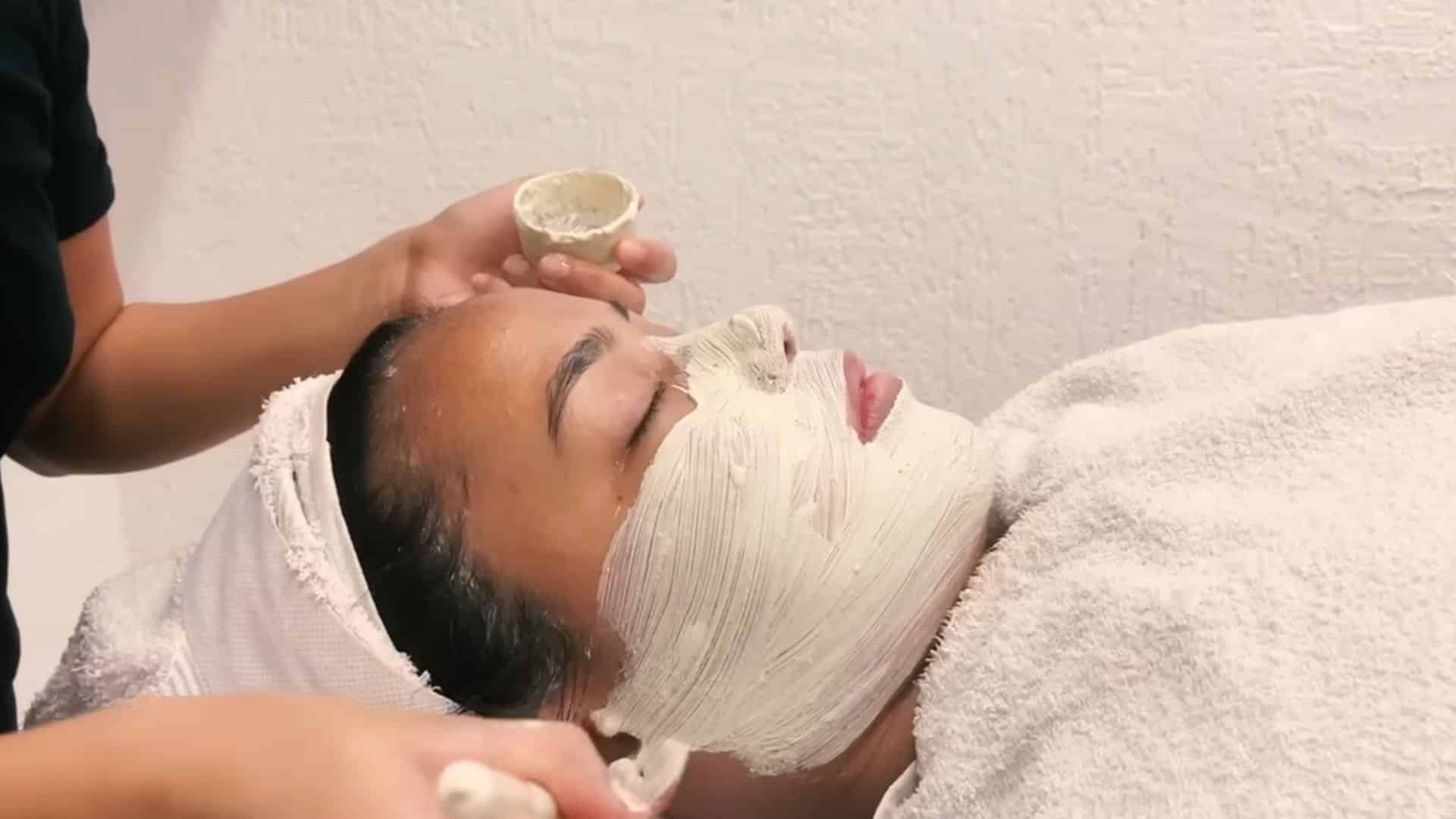
The final step of the facial is to apply a treatment mask suited to the client’s skin type. This could be a hydrating, brightening, or soothing mask, depending on their needs.
Leave the mask on for about 5 minutes to allow it to penetrate and nourish the skin deeply. After the mask has had time to work, gently remove it.
For an added boost, the client can wash their face with cold water to close the pores and refresh the skin. This ensures a clean, glowing complexion and leaves the client feeling revitalized.
After the mask is removed, most estheticians finish with a lightweight moisturizer and SPF if the session is taking place during the day. These final layers lock in the benefits of everything applied before them.
Step‑by‑step salon facial tutorial showing cleansing, exfoliation, steam, extractions, massage, and mask using fruit facial products.
Facial Types and the Best Match for Your Skin
Not every skin condition calls for a facial, and not every facial suits every person. Here’s how to figure out where you stand.
|
Skin Type |
Key Benefit |
Best Facial Type |
Avoid If |
|
Oily Skin |
Oil Balance |
Deep Cleansing, HydraFacial, Microdermabrasion |
Active skin infection present |
|
Dry Skin |
Moisture Boost |
Hydrating Facial, Oxygen Facial |
Skin is sunburned or broken |
|
Dull Texture |
Brightening |
Chemical Peel, Microdermabrasion |
Severe acne flare-up active |
|
Mild Acne |
Spot Control |
Acne Facial, HydraFacial |
Important event within one week |
|
Sensitive Skin |
Barrier Repair |
Soothing Facial, Oxygen Facial |
Rash or active irritation present |
|
Combination Skin |
T-Zone Balance |
Customized Facial, HydraFacial |
— |
|
Aging Skin |
Anti-Aging |
Anti-Ageing Facial, DiamondGlow, Microdermabrasion |
— |
When in doubt, consult your esthetician first; a short wait now protects your skin from setbacks that take weeks to recover from.
Grasping the Benefits of Facials
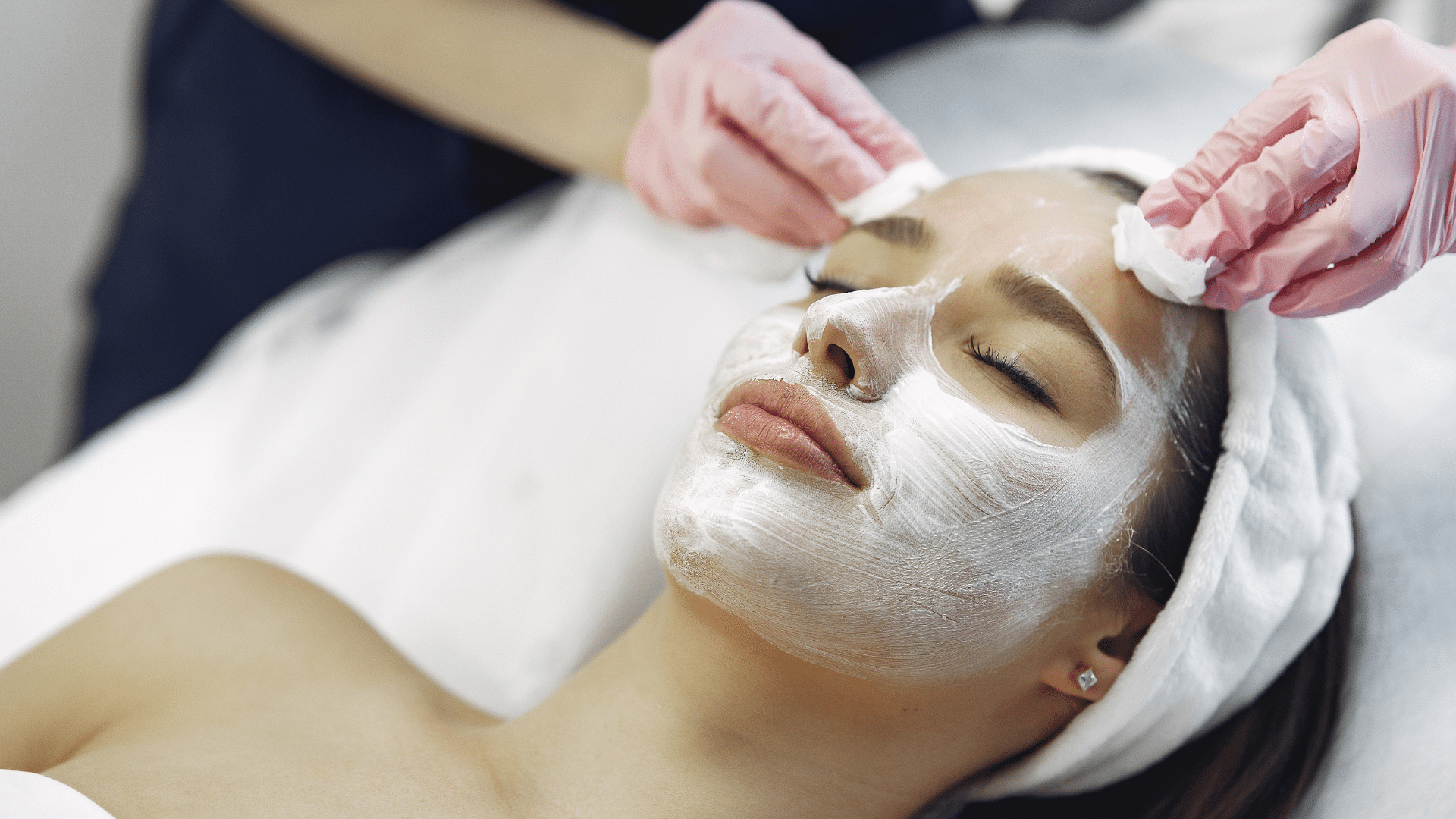
I’ve seen that facials do more than give you a quick glow; they help your skin stay healthy and improve gradually with regular care.
Here’s what consistent facials do for your skin:
- Visible Results: Clears congestion, evens skin tone, and reduces dullness.
- Oil Balance: Regulates sebum production, preventing oily or dry skin.
- Hydration: Restores moisture, keeping skin plump and healthy-looking.
- Barrier Strength: Repairs the skin’s protective barrier, reducing sensitivity.
- Texture Improvement: Exfoliates and smooths uneven patches for softer skin.
- Wrinkle Reduction: Stimulates collagen and improves circulation, softening fine lines.
- Skin Vitality: Boosts blood flow and nourishment for a naturally radiant complexion
Incorporating facials into your routine can improve your skin’s health and appearance by giving you a smoother, more radiant complexion.
At-Home vs. Professional Facials
Before you choose between at-home and professional facials, I want you to understand how each option fits into your routine and goals.
|
Factor |
At-Home Facial |
Professional Facial |
|
What it includes |
Cleansing, basic exfoliation, sheet masks |
Deep cleansing, extractions, clinical treatments |
|
Best for |
Maintaining skin between sessions |
Targeting specific skin concerns |
|
Who performs it |
Self-administered |
Trained esthetician |
|
Product grade |
Over-the-counter |
Clinical-grade, skin-specific |
|
Results |
Maintains skin condition |
Upgrades and improves skin noticeably |
Once you know these differences, you can decide what works best for your skin and when to invest in professional care.
How Often Should You Get A Facial
I’ve noticed that many people either go too often or not at all, which can affect how well their skin responds. The right timing depends on your skin type and what you’re trying to improve.
In most cases, getting a facial every 4 to 6 weeks works well because it matches your skin’s natural renewal cycle. Your skin completes a full cell turnover roughly every 28 days, and scheduling a facial within that window means the esthetician is working with freshly regenerated skin rather than buildup from multiple cycles.
If you deal with acne or specific concerns, you might need more frequent sessions at first. On the other hand, if your skin is balanced, you can space them out a bit more. The key is consistency. When you stick to a routine that suits your skin, you’ll start to see more stable and lasting results over time.
Seasonal Tip: Changing your facial type with the seasons helps your skin stay balanced. Go for hydrating facials in winter and lighter, pore-clearing treatments in summer.
What To Do After A Facial
After a facial, how you care for your skin matters just as much as the treatment itself. I’ve seen that simple aftercare steps can help your results last longer and keep your skin calm and balanced.
Do
- Apply SPF 30+ before stepping outside
- Keep your skincare routine simple for 24–48 hours
- Drink enough water to support hydration
- Use a gentle cleanser and light moisturizer
- Follow your esthetician’s aftercare advice
Don’t
- Avoid makeup for at least 24 hours
- Skip retinoids, acids, and exfoliants for 2–3 days
- Stay away from saunas, steam, and hot showers
- Avoid intense workouts for 24 hours
- Don’t touch or pick your skin
It’s normal to notice slight redness or sensitivity after a facial, especially if extractions were done. This usually settles within a few hours. If you see minor breakouts, it may be your skin clearing out impurities. If it continues, it’s best to check with your esthetician.
Final Thoughts
A facial is a simple and effective way to keep your skin clean, balanced, and healthy over time. You’ve seen how each step works, what benefits it offers, and how to choose the right facial for your skin type.
I’ve noticed that consistency makes the biggest difference, and your skin responds better when you follow a regular routine. Over time, even small changes can improve texture, clarity, and overall appearance.
Treating facials as part of your routine rather than a one-time step helps you get better results. Now it’s your turn. Try a facial, observe how your skin reacts, and adjust your routine to find what works best for you.