Living near the ocean offers incredible scenery and relaxing coastal breezes. Heavy exposure to severe salt air, strong wind gusts, and wind-driven water forces coastal houses to endure harsh weathering daily. Replacing siding on a coastal residence requires careful planning to protect the building frame for decades.
Understanding Coastal Weather Impacts
Oceanfront climate conditions present unique hazards for residential exteriors. Intense atmospheric conditions constantly pressure exterior wall assemblies day after day. Coastal storms continuously push fine salt particles against cladding panels.
Strong coastal winds push salty moisture and sand into gaps, siding joints, and window frames. Continuous airborne sand particles strip away standard exterior paint coatings quickly. Unprotected framing member joints suffer swift decay without defensive wall cladding.
Salt air accelerates metal oxidation on unsealed mechanical fasteners and metal trims. High humidity combined with solar heat creates perfect conditions for fungal growth behind cladding. Proper material selection prevents internal damage behind decorative outer walls.
Finding Qualified Local Contractors
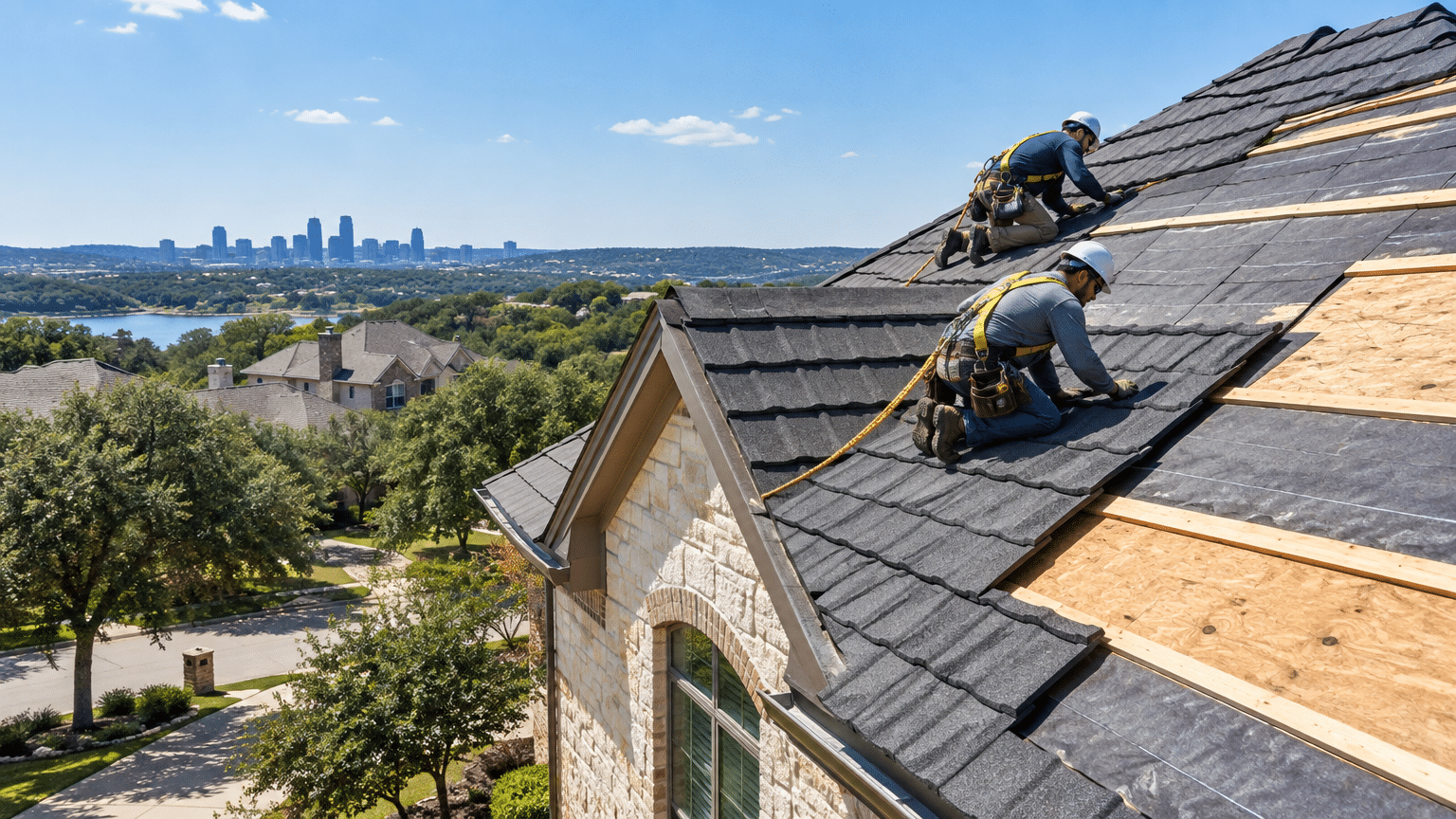
Selecting the right installation team makes a massive difference in project longevity. Deciding whether you work with a professional Long Island Siding contractor or someone local to you requires evaluating past installation projects in shoreline zones. Proper experience guarantees your home resists local coastal storms.
Local experts understand regional building codes designed for high wind resistance. Experienced crews know the exact flashing techniques needed to seal vulnerable wall openings. Knowledgeable installers prevent costly water leaks long before installation finishes.
Hiring skilled workers reduces installation errors around windows and corner boards. Professional application protects home warranties and delivers reliable weatherproofing. Quality workmanship protects structural integrity against hurricane season winds.
Evaluating Popular Siding Materials
Different cladding products withstand salt air with varying degrees of success. Traditional wood often struggles with warping, whereas metal options offer distinct defense mechanisms. Selecting durable materials reduces upkeep demands over the lifetime of the home.
One coastal real estate guide noted aluminum forms a protective oxide layer, which makes it a strong coastal pick. Homeowners often compare distinct material choices:
- Aluminum siding resists severe corrosion through natural oxide barriers
- Fiber cement offers solid protection against rot and fire
- Engineered wood delivers traditional aesthetics with modern composite strength
Selecting non-corrosive metals helps prevent surface staining around exterior walls. Correct material choices protect interior framing against coastal weathering. Modern manufacturing delivers long-lasting options designed for harsh marine air.
Composite products resist swelling under humid Atlantic ocean weather conditions. Synthetic materials eliminate frequent repainting schedules required by natural wood. Smart material choices protect property value across changing climate cycles.
Proper Water Barriers And Venting
Water management behind exterior panels dictates wall performance. Trapped humidity inside walls leads to hidden decay inside structural wall cavities. Water intrusion remains a top threat for shoreline properties.
Technical guidelines recommend priming all six sides of wood, engineered wood, and fiber cement siding products and installing all siding over a rain screen air gap to increase rot resistance. Creating space for airflow lets accumulated dampness evaporate quickly. Proper drainage pathways keep structural framing members dry.
High-performance house wraps act as secondary defenses under exterior panels. Flashing details around openings direct driving rains away from structural studs. Continuous ventilation systems prevent internal mold development.
Regular inspections help homeowners find gaps, damaged seals, or blocked drains before they become big problems. Pay extra attention to corners, windows, doors, and other spots where water can get in.
Using materials that work well together helps keep a strong barrier against moisture. When installed right, the wall can handle rain and moisture better. These steps can make siding last longer and protect the structure underneath.
Fasteners And Hardware Selection
Selecting proper hardware proves just as critical as choosing siding materials. Standard steel nails rust rapidly when exposed to salty air currents. Corroded fasteners lose holding strength and allow boards to loosen during high wind events.
Stainless steel nails and screws provide maximum resistance against coastal rust. Hot-dipped galvanized options offer secondary defense for budget-conscious projects. Mixing incompatible metals triggers galvanic corrosion that damages surrounding siding.
Secure fastening patterns prevent panel blow-offs during ocean storms. Correct nail depth prevents water from creeping behind fastener heads. Quality hardware choices extend siding lifespan substantially.
Long-Term Maintenance Planning
Coastal siding systems require systematic washing to remove surface salt accumulation. Regular clear water rinses protect underlying protective coatings from chemical breakdown. Scheduled cleaning prolongs cladding life significantly.
Routine visual checks after severe storms help catch minor seam separations early. Addressing small cracks prevents extensive water intrusion. Timely exterior repairs maintain continuous weatherproofing around the entire house.
Upgrading coastal exterior siding secures your property investment against harsh marine environments. Investing in resilient materials, correct air gaps, and skilled regional installers preserves home value and structural integrity. Strategic planning guarantees your oceanfront home stays protected and dry through every season.