There comes a point in every adult’s life when you start caring about things like flooring, and suddenly, you’re comparing oak to hickory like it’s a major life decision. And honestly? It kind of is.
Choosing the right floor isn’t just about what looks good on Pinterest; it’s about finding something that matches your lifestyle, budget, and “I definitely spill coffee” energy.
From solid hardwood to engineered wood, and bamboo to cork, each option has its own personality and perks.
In this guide, I’ll break down the different types of wood flooring, what makes them shine (literally), and how to pick the one that feels right for your home and your sanity.
Choosing the Right Wood Flooring is Crucial
I used to think flooring was just to build a simple base. As long as it looked nice, who cared, right? But living with different types, squeaky hardwood, shiny laminate, cozy cork, showed me how much floors shape your life.
It’s not just about looks; it’s about comfort, warmth, sound, and even sanity. The right floor can make a space feel welcoming and grounded, while the wrong one can drive you up the wall (literally, if it creaks every time you walk).
That’s why picking your flooring isn’t just a design choice, it’s a lifestyle decision. Think about your habits, your messes (no judgment), and your vibe. The best floor isn’t just the prettiest one; it’s the one that feels like you.
The Main Types of Wood Flooring
Let’s start with the big question: what kind of wood flooring should you actually get? Because “wood is wood,” right? Not quite. Each type comes with its own mood, maintenance level, and, yes, price tag.
1. Solid Hardwood Flooring
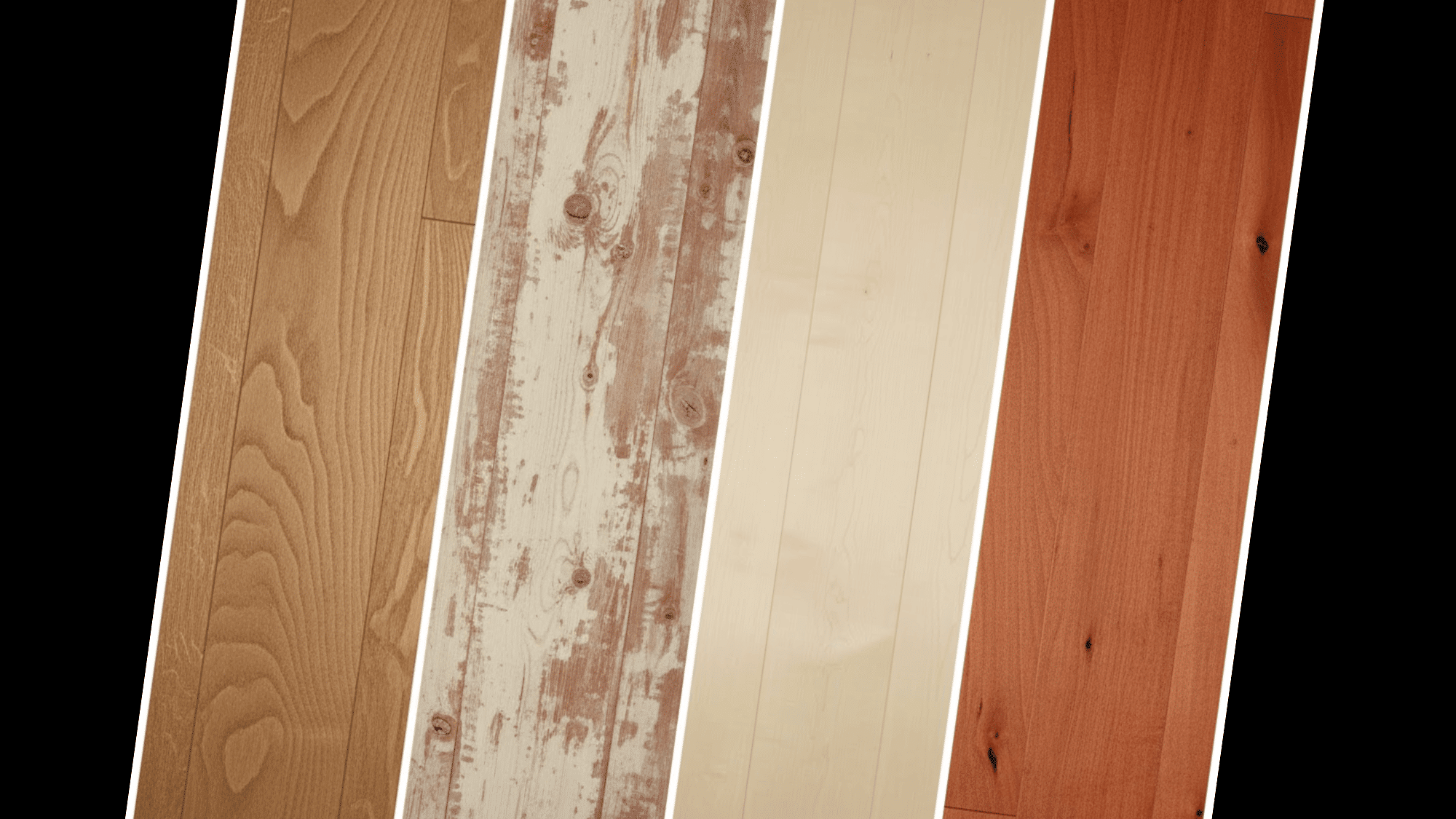
Let’s talk about the Beyoncé of flooring, solid hardwood. It’s been around forever, looks amazing everywhere, and ages gracefully (if you treat it right).
Each plank is a single piece of wood cut directly from the tree. No fillers, no gimmicks, just pure timber energy.
Why people love it:
- It can be sanded and refinished multiple times, meaning it can outlast your furniture.
- Available in tons of species, oak, hickory, maple, and cherry, each bringing a unique personality to your space.
- Gives that satisfying “clack” under your feet that engineered wood tries hard to mimic.
But here’s the catch:
- Solid hardwood is not a fan of moisture; bathrooms and basements are a no-go.
- It can expand or contract with humidity, so professional installation is worth the investment.
Think of solid hardwood like that high-maintenance friend who’s totally worth it because they look incredible in every photo.
2. Engineered Hardwood Flooring
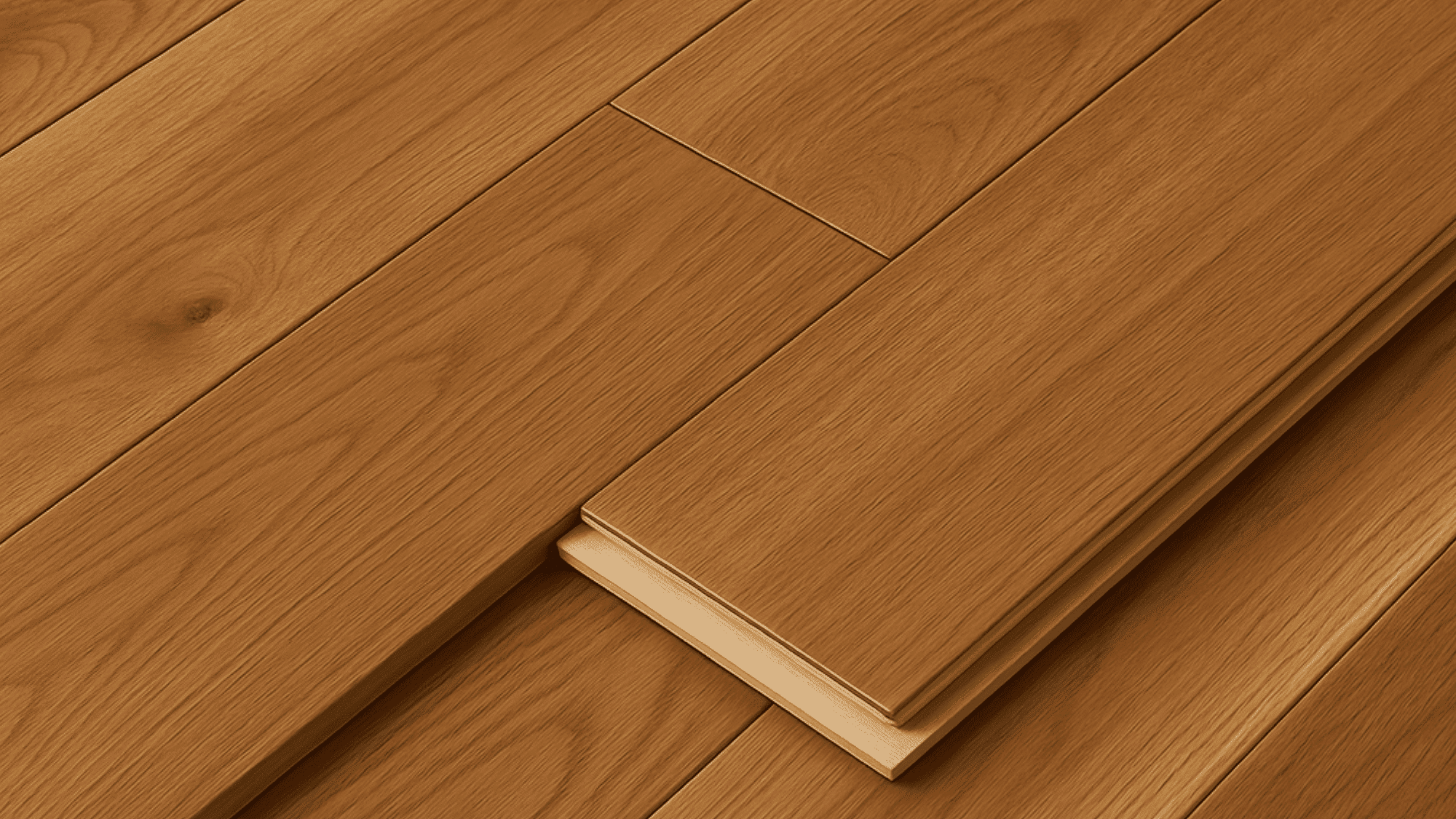
Engineered hardwood is the modern love child of solid wood and clever design. It’s made with a thin layer of real hardwood on top and a sturdy plywood or high-density fiberboard (HDF) core underneath.
What makes it great:
- It’s more stable than solid wood, with no warping or swelling tantrums when the humidity changes.
- Budget-friendly and easier to install (many types use click-lock systems).
- Perfect for basements, kitchens, or humid climates where solid hardwood would struggle.
Keep in mind:
- Can be refinished, but only a limited number of times — once that top layer’s gone, it’s gone.
- If you want true longevity, choose a model with a thicker veneer layer (3mm or more).
In short, engineered wood is the practical, low-drama partner who still scrubs up really well for special occasions.
3. Bamboo Flooring
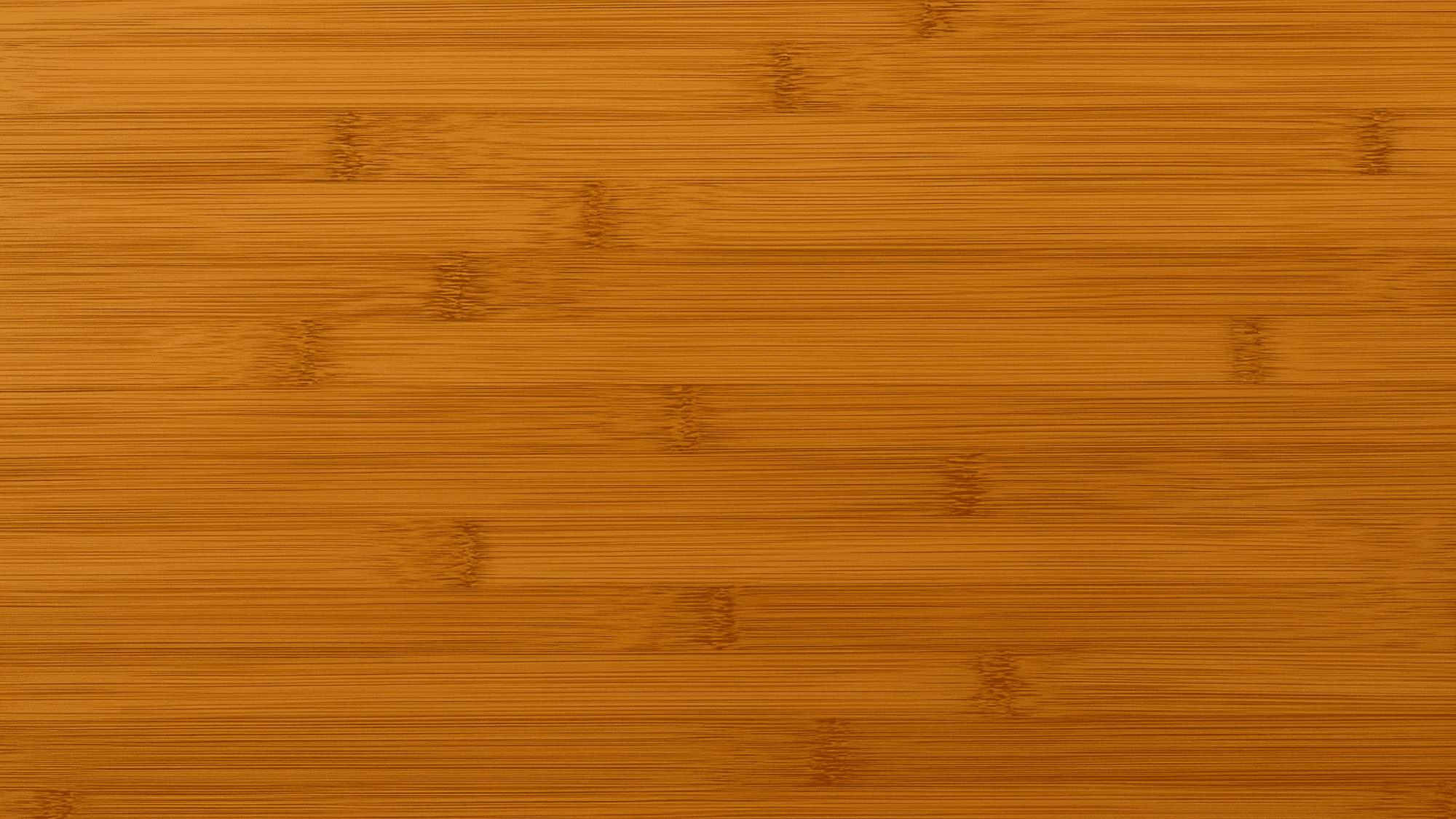
Technically, bamboo isn’t a wood; it’s a grass. But before you roll your eyes, hear me out: it’s tougher than a lot of hardwoods, eco-friendly, and sleek as hell.
You’ll find three main types:
- Vertical Bamboo: clean lines, modern look.
- Horizontal Bamboo: natural grain patterns and warmth.
- Strand-Woven Bamboo: the heavy-duty version, durable and dense enough to handle chaos (kids, pets, or both).
Pros:
- Naturally resistant to moisture and scratches.
- Sustainable choice (it grows back super fast).
- Easy to clean, your vacuum will thank you.
Cons:
- Can vary in quality; cheap versions may dent or discolor easily.
- Watch for formaldehyde in low-grade products (look for eco-certifications).
Bamboo floors are like the cool minimalist friend who’s also an environmentalist, calm, classy, and always on trend.
4. Cork Flooring
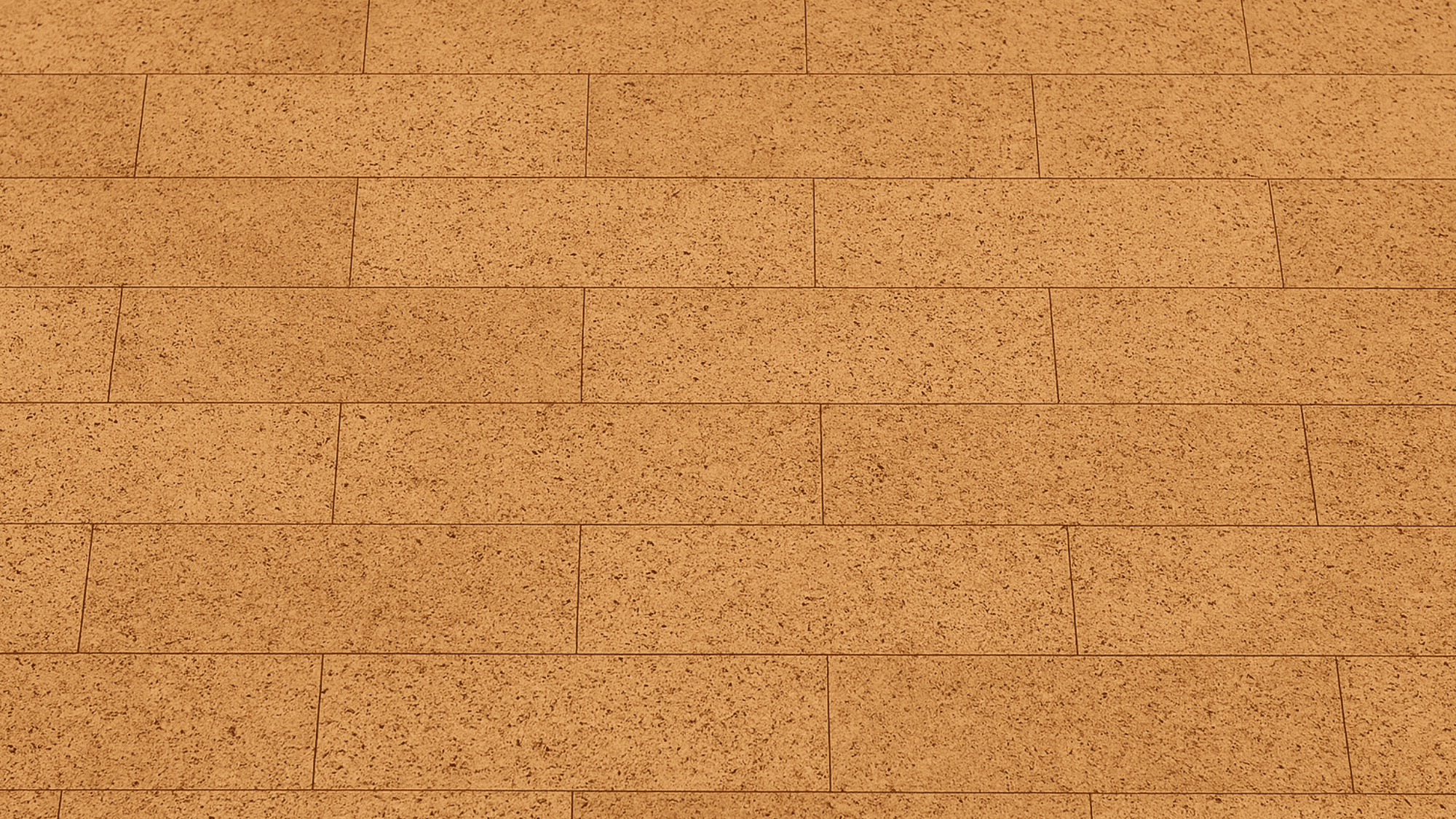
If you’ve ever wanted to walk on something that feels like a hug, cork flooring might be it. Made from the bark of cork oak trees, it’s soft, quiet, and sustainably harvested (the trees aren’t harmed, they just get a bark haircut every few years).
Why People Love Cork:
- Warm and cushioned underfoot, great for kitchens or playrooms.
- Sound-absorbing, goodbye echoey rooms.
- Naturally antimicrobial and hypoallergenic.
Issue with Cork:
- Not ideal for high-humidity areas, unless it’s properly sealed.
- Heavy furniture can dent the surface if you’re not careful.
Think of cork flooring as the introverted artist of the group — gentle, eco-conscious, and incredibly comforting once you get to know them.
The “Wood-Look” Alternatives You Shouldn’t Ignore
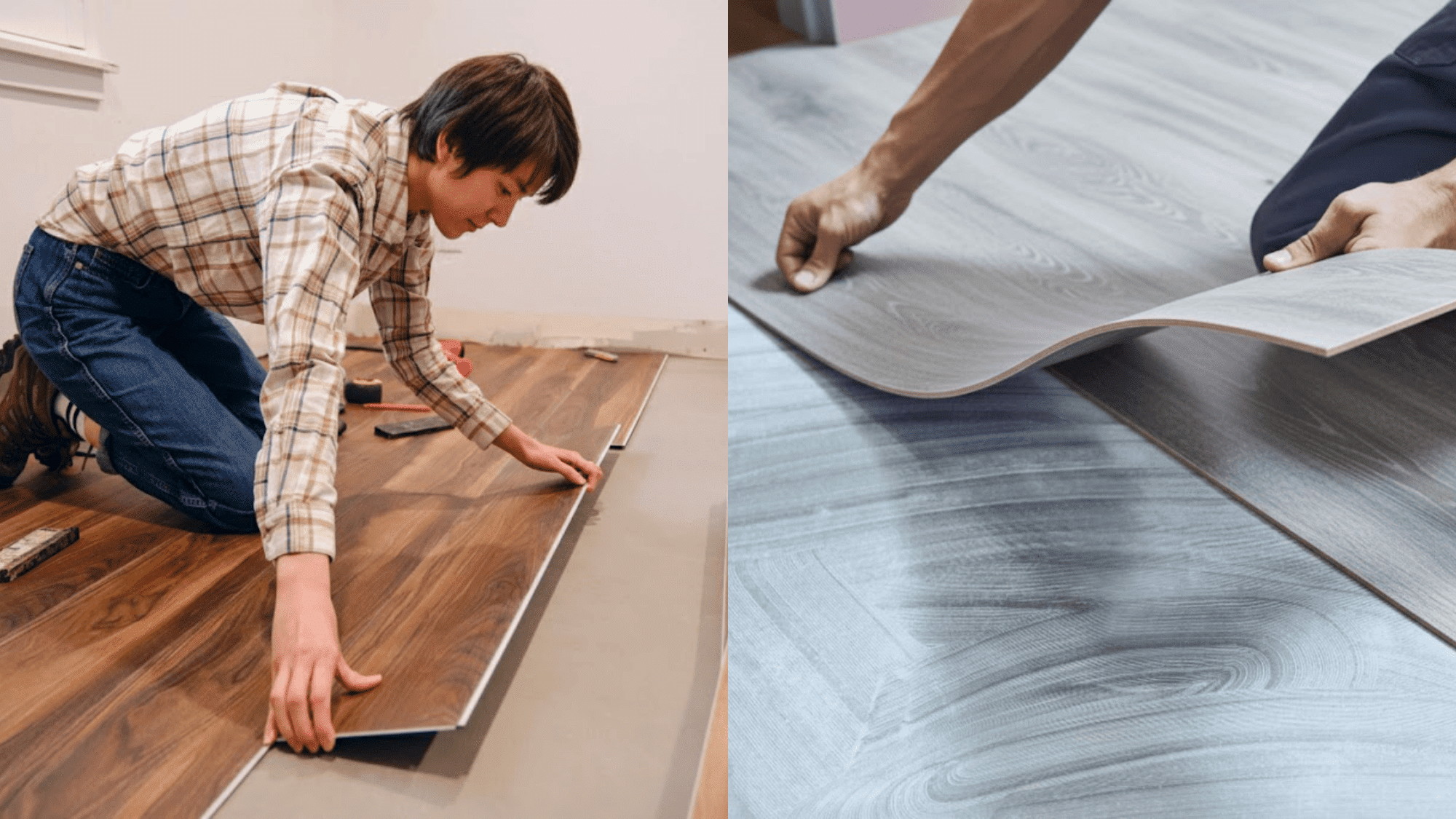
Not everything that looks like wood is wood. And before the purists roll their eyes, hear me out: sometimes, you want the look of real hardwood without the price tag, maintenance routine, or minor heart attack every time someone spills coffee.
That’s where wood-look flooring options like Laminate and Luxury Vinyl Plank (LVP) step in. They’re the clever impostors of the flooring world, affordable, durable, and nearly indistinguishable from the real thing (especially with modern printing tech).
Laminate Flooring
Laminate flooring has been around since the ‘70s, and like your favorite retro trend, it’s made a serious comeback, only way better looking now.
It is actually a layered product made of high-density fiberboard (HDF) with a photo-realistic image of wood on top, sealed with a tough, scratch-resistant wear layer.
| Why People Like It | Things to Keep in Mind |
|---|---|
| Very durable: Handles heavy foot traffic, kids, and pets without much wear. | Avoid using it in bathrooms or damp basements. |
| Affordable option: Costs much less than real hardwood (about $2–$6 per sq. ft.). | Once it’s scratched or damaged, it needs to be replaced. |
| Easy to install: Click-and-lock planks make it a good DIY project. | Feels harder underfoot than real wood, which might be uncomfortable for long standing. |
Luxury Vinyl Plank (LVP)
If laminate is the OG, LVP is the modern upgrade. It’s vinyl flooring engineered in plank form with hyper-realistic wood patterns and textures that feel genuine.
Some even have registered embossing, meaning the texture aligns perfectly with the grain pattern.
| Why Homeowners Like It | Things to Keep in Mind |
|---|---|
| It’s fully waterproof: Great for rooms where spills or moisture are common. | It’s man-made: It doesn’t have the natural look or smell of real wood. |
| Easy to clean: Just sweep and mop, no special care needed. | It can fade in sunlight: Low-quality planks may lose color over time in bright rooms. |
| Soft and warm: Feels more comfortable underfoot than tile or solid wood. | It can sound hollow: If installed without good underlayment, it may make a hollow sound when you walk on it. |
Wood Finishing and Style Options
So, you’ve picked your wood flooring type, congrats! But before you start mentally redecorating your living room, there’s another choice waiting to trip you up: how your floor is finished and styled.
Believe it or not, these details can completely change the look, feel, and even the mood of your home. Let’s take it step by step.
Prefinished vs. Unfinished
Here’s the deal: every hardwood floor comes either prefinished or unfinished, and your choice really depends on how much control (and patience) you want over the final look.
Prefinished wood floors arrive ready to go. The boards are coated at the factory with a durable, protective layer, meaning they’re basically a plug-and-play option.
You can walk on them almost as soon as they’re installed. They save a lot of time, but the downside is that your color and sheen choices are limited, and touching up damage later can be tricky since the factory finish doesn’t always match DIY fixes perfectly.
Unfinished floors, on the other hand, come raw and are sanded, stained, and sealed right in your home. This route gives you total creative control over the final look; you can customize the color, sheen, and finish to your heart’s content.
Of course, that also means more labor, drying time, and a few days of avoiding the area unless you enjoy the smell of curing varnish.
Flooring Patterns
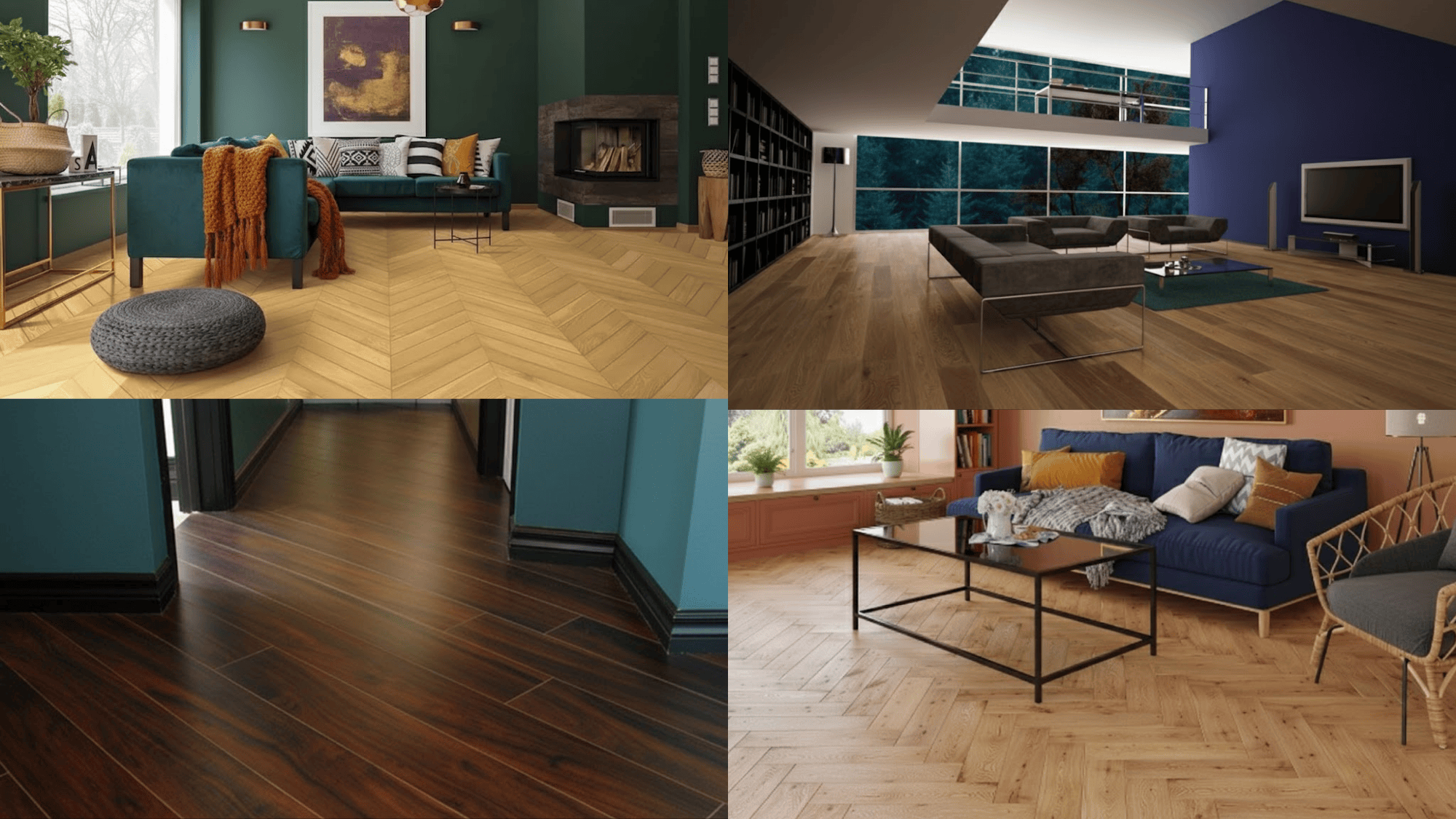
Here’s where you can let your inner designer loose. The pattern you choose changes how a room feels; some layouts make spaces look bigger, while others turn the floor into a statement piece.
- Chevron: Planks meet in a sharp “V” pattern for that sophisticated, high-end European vibe.
- Herringbone: Similar to chevron, but the planks overlap, timeless, classy, and a touch more playful.
- Random plank: Boards of varying widths and lengths create a relaxed, natural look that’s perfect for modern rustic spaces.
- Diagonal: Planks run at an angle across the room, giving the illusion of space and movement, great for smaller rooms.
The right finish and style don’t just make your floor look good; they make it yours. If you want a clean, crisp look or a simple, character-filled finish, these small decisions are what take your wood flooring from standard to stunning.
Edge Styles: The Small Detail That Makes a Big Difference
Edge styles might not sound thrilling, but they can quietly transform your space. Think of them as the eyeliner of your flooring, subtle, but they change everything once they’re on.
- Beveled edges feature a slight groove between planks, giving a defined, traditional look that adds character and depth.
- Eased edges are softer and more rounded, hiding small height differences between planks, perfect for modern homes that want a smooth, forgiving finish.
- Square edges sit flush against each other, creating a perfectly even surface that feels sleek, minimal, and contemporary.
If your goal is “modern apartment in a design magazine,” go with square edges. But if you prefer “warm farmhouse chic,” beveled or eased edges are the way to go.
Cost Breakdown of Wood Flooring Types
Let’s talk money, because, as beautiful as wood floors are, they’re not exactly a “$20 and a good attitude” kind of project.
The price can swing wildly depending on the type of wood you choose, how it’s installed, and the finish you choose.
Here’s a general idea of what you can expect to pay for different types of wood flooring, including material and installation costs:
| Flooring Type | Average Material Cost (per sq. ft.) | Average Installed Cost (per sq. ft.) | Maintenance / Longevity |
|---|---|---|---|
| Solid Hardwood | $5 – $10 | $8 – $15 | High: Can last decades with refinishing. |
| Engineered Hardwood | $3 – $8 | $5 – $10 | Moderate: Can be refinished once or twice. |
| Bamboo | $2 – $6 | $3 – $8 | Low: Affordable and durable, but watch the humidity. |
| Cork | $3 – $7 | $4 – $9 | Moderate: Soft surface, needs sealing. |
| Parquet | $6 – $12 | $7 – $15 | High: Artistic appeal, professional install needed. |
| Laminate | $1 – $4 | $2 – $6 | Low: Replace if damaged, not refinished. |
| Luxury Vinyl Plank (LVP) | $2 – $5 | $3 – $7 | Very low: Easy to maintain, waterproof. |
What Actually Affects the Price of a Wooden Floor
So, why does one floor cost as much as a weekend getaway, while another feels like a full-blown renovation? Here are the biggest factors that drive the cost:
- Wood species: Exotic woods like Brazilian cherry or walnut are naturally pricier than domestic options like oak or maple.
- Plank width and length: Wider, longer planks cost more because they use more of the tree (and look more luxurious).
- Finish type: Prefinished floors are more expensive upfront but cheaper to install. Unfinished costs less at purchase but requires sanding, staining, and sealing.
- Installation method: Glue-down and nail-down installs are labor-heavy, while floating floors (like LVP or laminate) are easier and cheaper.
- Underlayment and prep: Don’t forget the “boring” costs; moisture barriers, leveling, and subfloor prep can add up quickly.
Budgeting Tips for Flooring
Before you go into picking your dream floor, let’s talk money. Smart budgeting ensures your new flooring looks great, lasts long, and stays stress-free.
- Don’t skimp on installation. A badly installed floor is like a Chanel bag with a broken strap, painful to look at.
- Factor in maintenance costs. Solid hardwood may last 50 years, but it’ll need refinishing every decade or so.
- Ask about warranties. Many engineered and vinyl options come with 20–30-year guarantees, a good sign you’re getting quality.
- Get multiple quotes. Prices vary wildly between installers, so shop around.
Think of it this way: flooring is one of the few home upgrades that literally changes how you live in a space. Spending wisely here pays you back every time you walk through the door.
Wrapping Up
Choosing between all the types of wood flooring doesn’t have to send you spiraling into decision fatigue.
Even if you’re drawn to the classic look of oak, the earthy warmth of hickory, or the sleek practicality of engineered wood, the best floor is the one that feels like home to you.
Each type tells its own story, durable, beautiful, and ready to handle whatever life throws its way (yes, even muddy paw prints).
If you’re ready to take the next step, get a few samples under your feet, compare textures, and see what clicks, literally and stylistically. Your perfect floor might just be a plank away.