Who says you have choose the glasses they suggest for you? Now you can choose your preferred frames and lenses. Glasses are part of your daily life, not something you throw on and forget about.
I think of them the same way I think about shoes or a jacket you wear all day. If they feel wrong, everything feels off. With so many frame styles, lens options, and materials available, choosing glasses can feel confusing fast.
The good news is that once you understand the basics, the process gets much easier.
I have broken down frame styles, lens types, face shape fit, and materials so you can choose glasses that feel comfortable, look right on your face, and actually support how your days unfold.
How Glasses Impact Your Comfort, Look, and Overall Vibe
Glasses do more than help you see clearly. They shape how your face looks, how confident you feel, and how comfortable your day is. I see glasses as something you wear for hours, not minutes, so the wrong pair can feel distracting fast.
The right pair, though, fades into the background so you can focus on living your day. Choosing glasses that match your face, vision needs, and daily routine helps avoid headaches, pressure marks, and constant adjusting.
It also saves money in the long run, since you are less likely to replace them out of frustration. When glasses fit well and suit your style, they stop feeling like a requirement and start feeling natural.
Types of Glasses Based on Frame Style
Frame style shapes how your glasses look and how they feel on your face. Some styles stand out. Others quietly do their job. Both have a place.
1. Full Rim Glasses
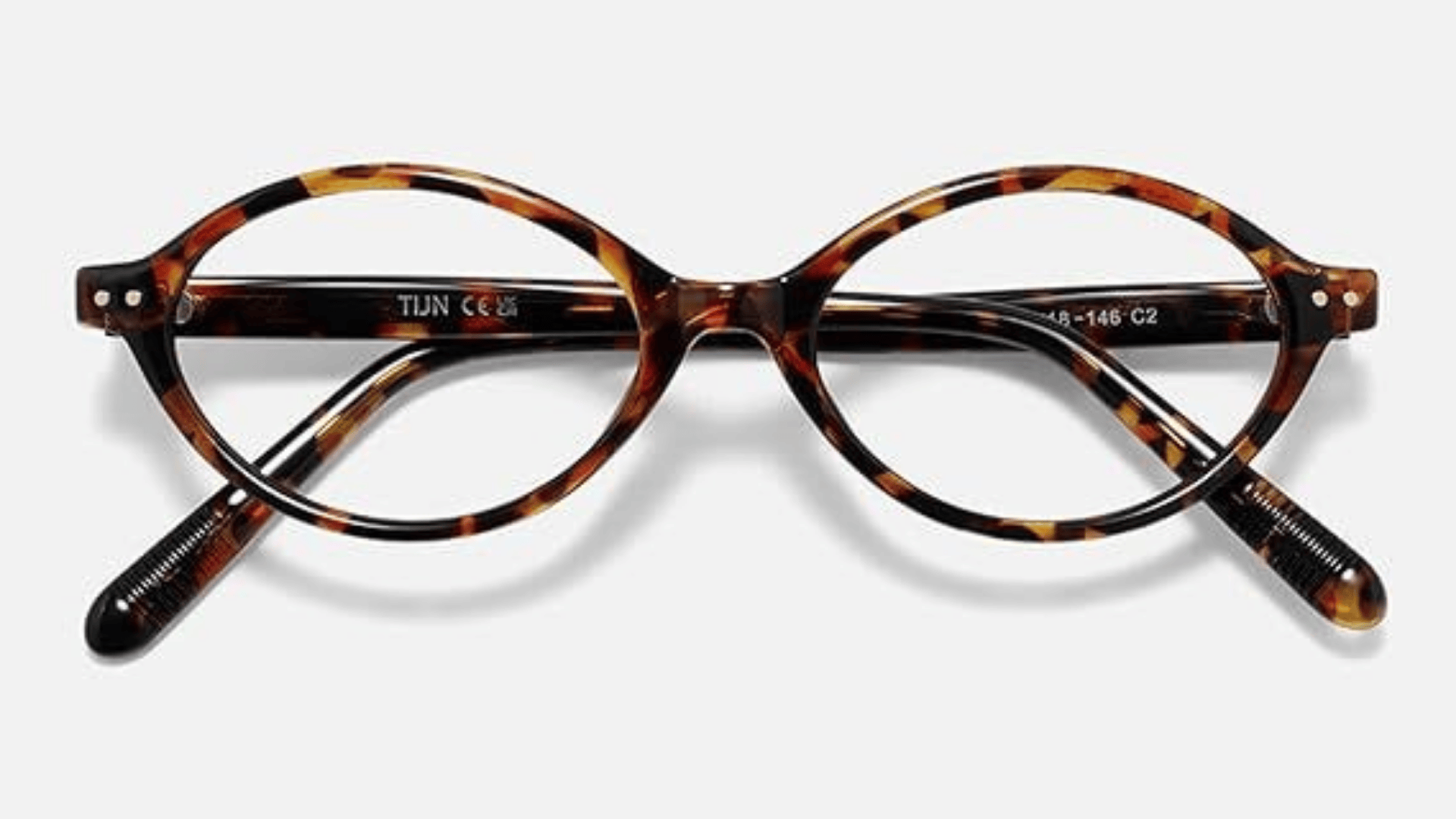
Full rim glasses have frames that completely surround the lenses. They feel solid, noticeable, and secure. These work well if you want structure on your face or need stronger lens support.
Thicker frames also hide lens edges, which helps with higher prescriptions. Common materials include plastic, acetate, and metal. Full rim frames suit daily wear and hold up well over time.
2. Half Rim Glasses
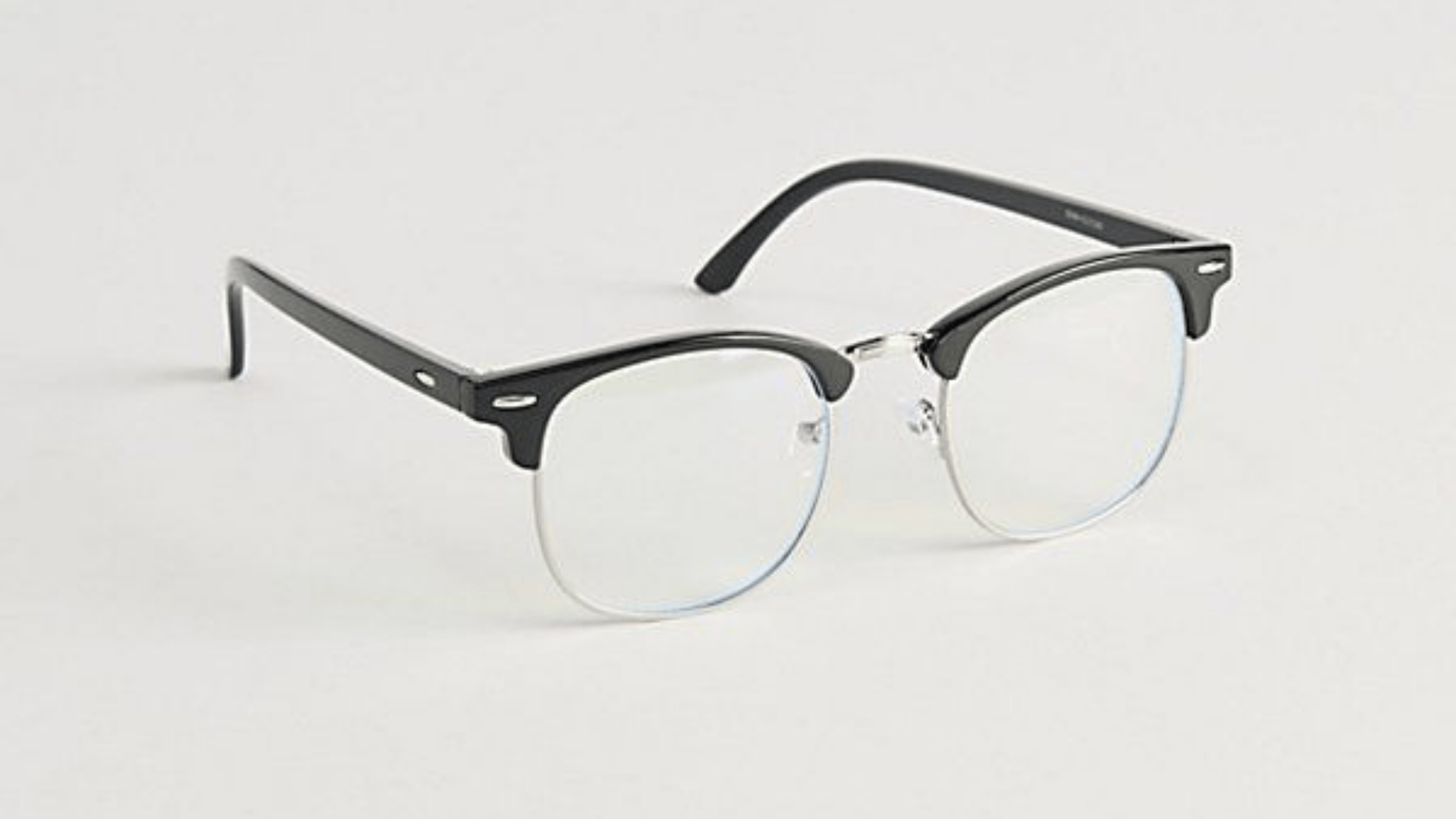
Half-rim glasses cover only part of the lens, usually the top. The bottom stays open. This style feels lighter on the face while still giving shape.
Many people choose half-rim frames for work or long-screen days because they sit comfortably and look clean. They work best for moderate prescriptions and people who want subtle structure without heavy framing.
3. Rimless Glasses
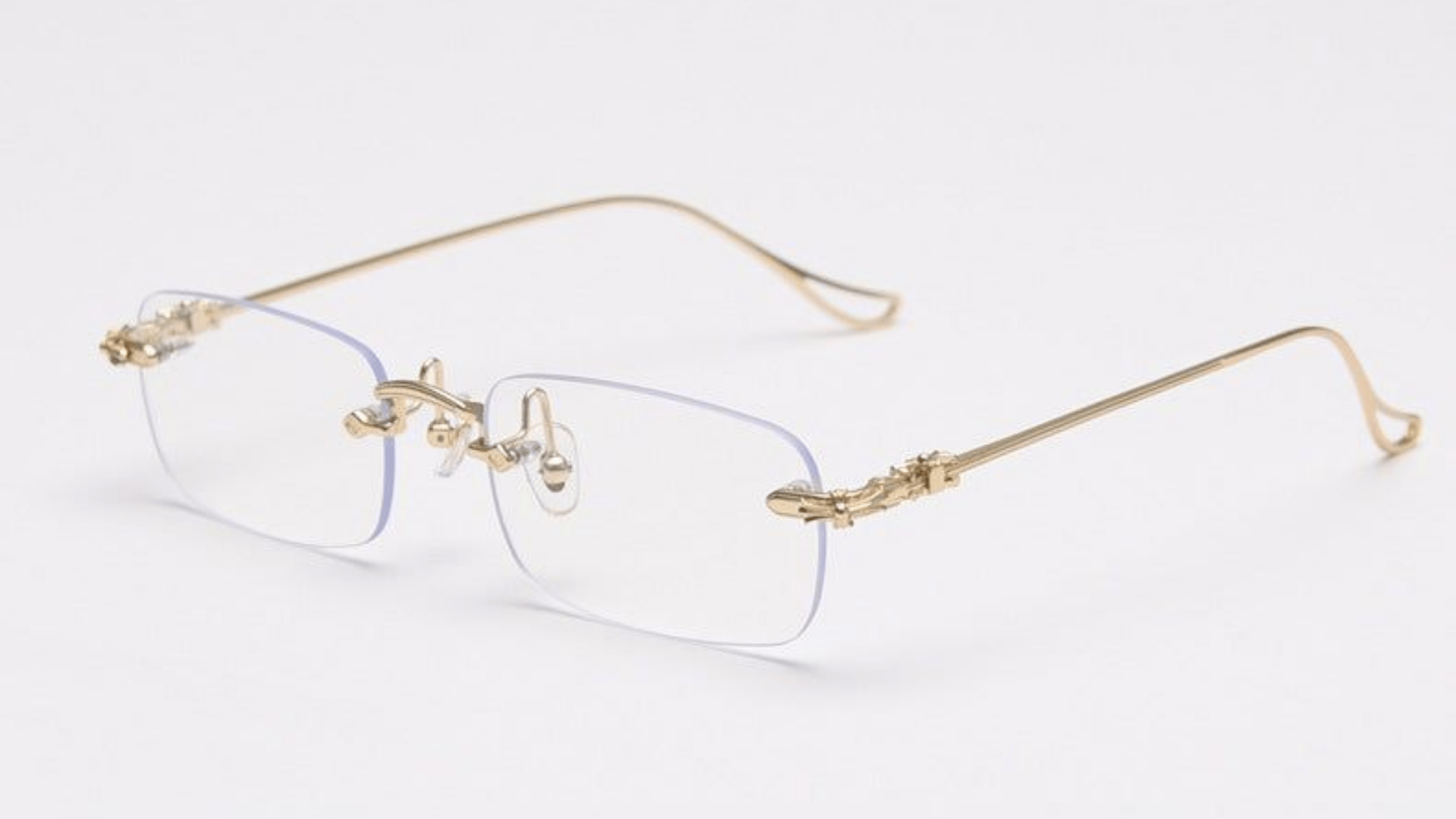
Rimless glasses skip the frame entirely and attach lenses directly to the bridge and arms. They feel almost invisible when worn.
This makes them a good choice if you want glasses that don’t draw attention. Comfort is a big plus. The downside is durability. Rimless frames need careful handling and regular tightening.
Types of Glasses Based on Shape
1. Oval Frame Glasses
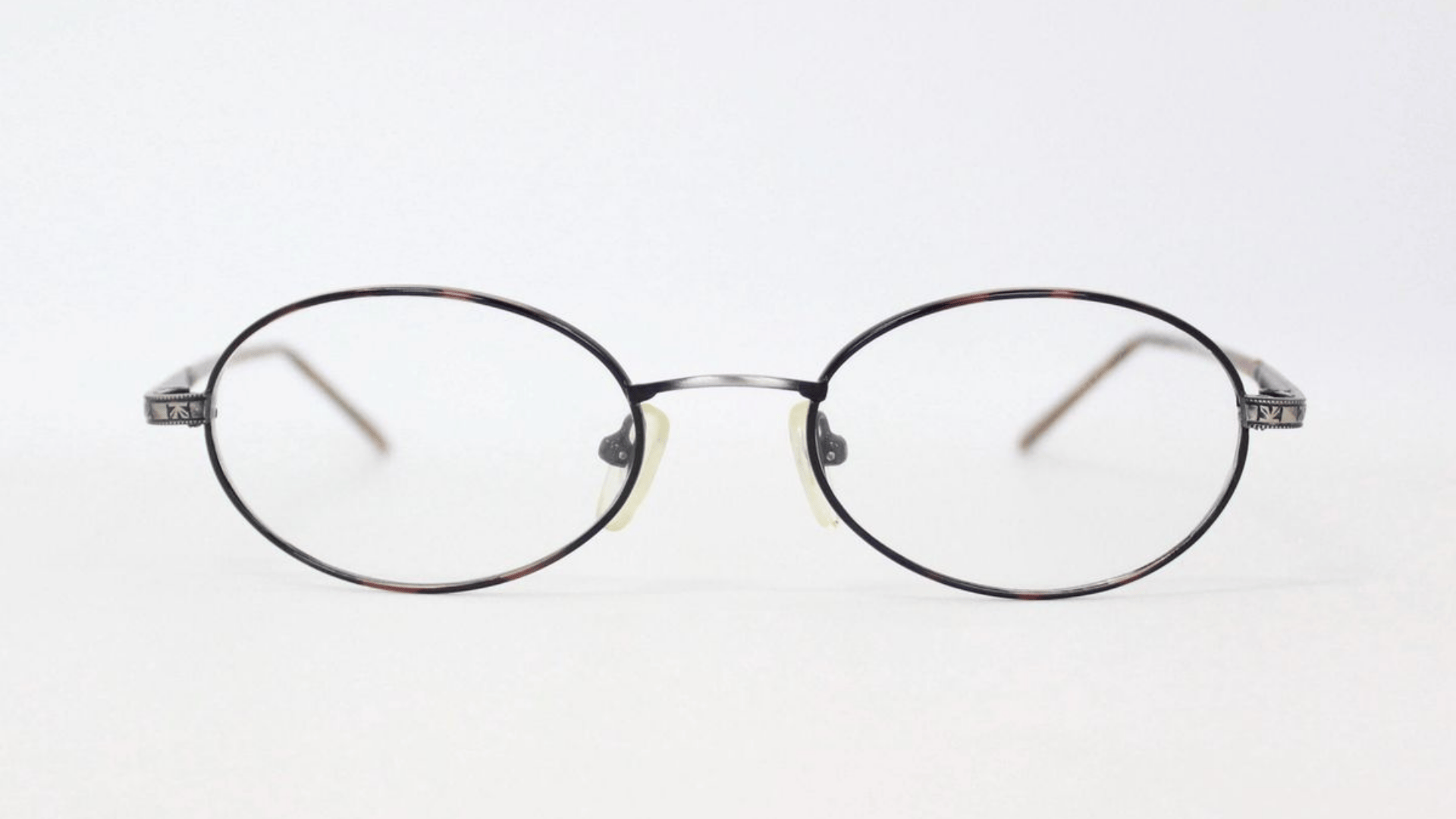
Oval frames have soft curves and balanced proportions. They work well on faces with sharper features because they smooth things out.
Oval frames also feel safe if you want a style that rarely looks harsh. These frames suit casual wear, office settings, and everyday use without much thought.
2. Round Frame Glasses
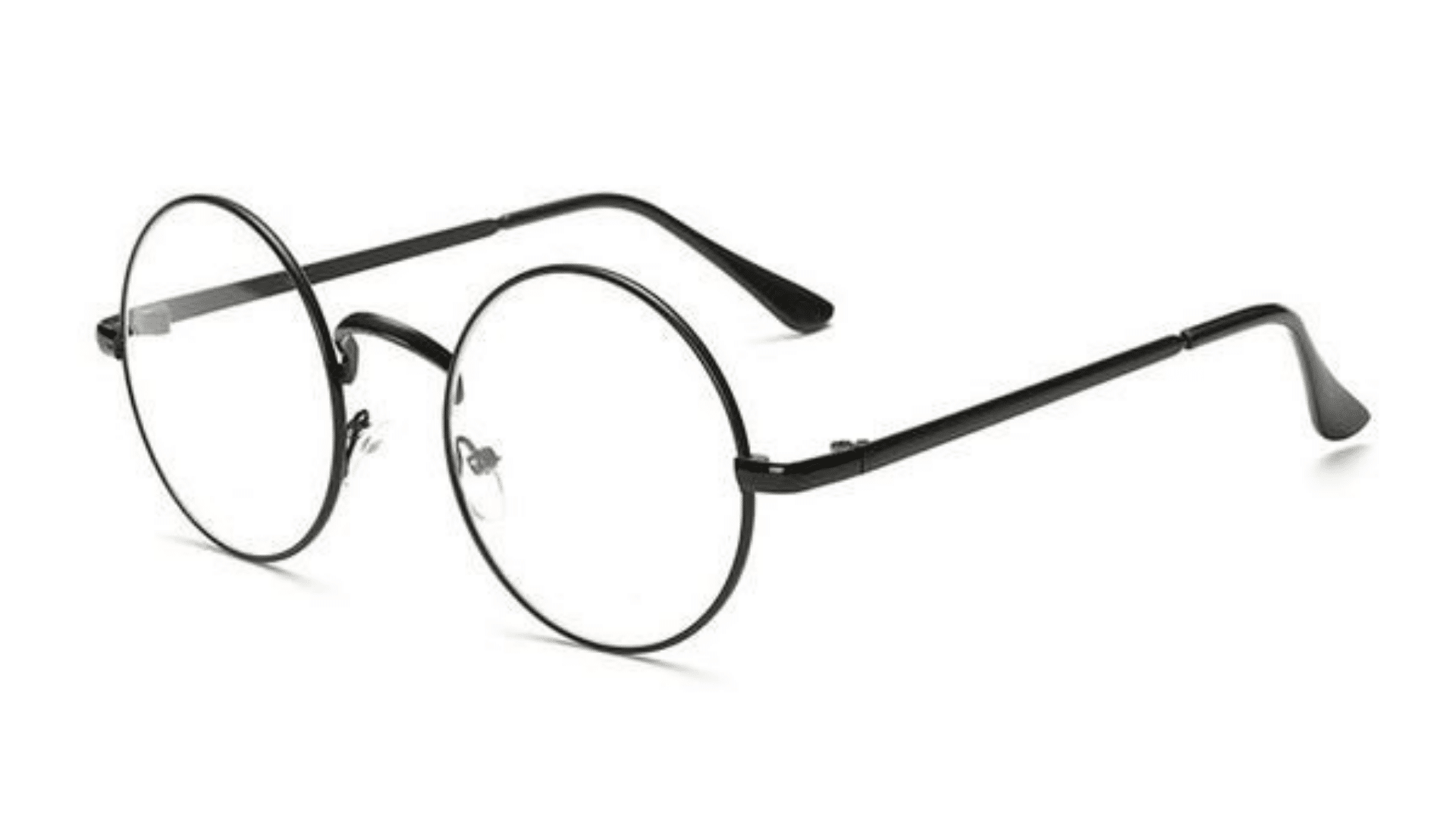
Round frames bring a softer, vintage-inspired look. They suit faces with strong angles or sharp jawlines.
Round frames add contrast and keep the face from looking too rigid. This style stands out more than others, so it works best if you like your glasses to feel expressive.
3. Square Frame Glasses
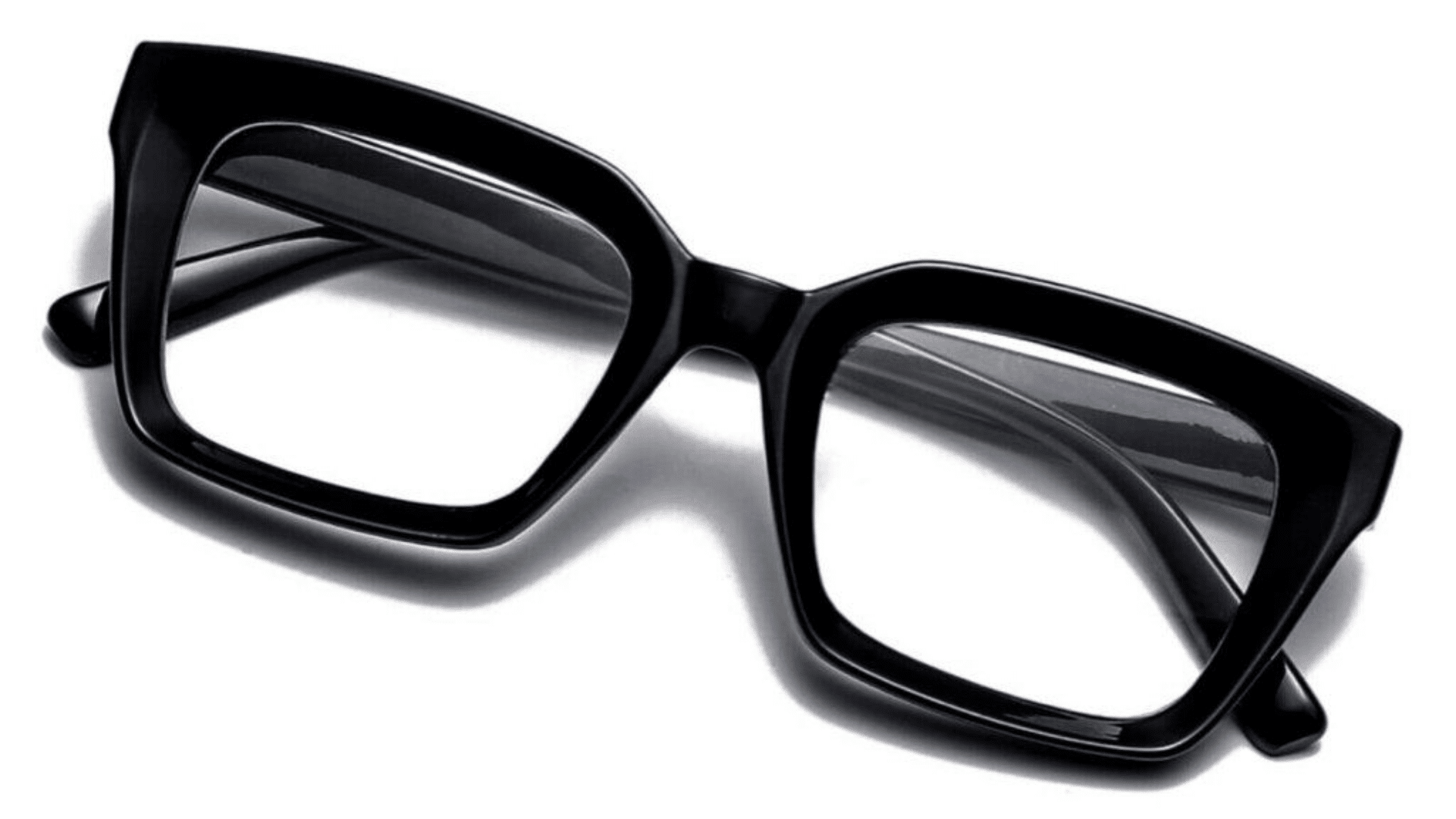
Square frames have straight lines and strong corners. They add definition to softer face shapes and bring structure where it is missing.
Square frames feel confident and grounded. They are popular for everyday wear and work well with both casual and professional outfits.
4. Rectangular Frame Glasses
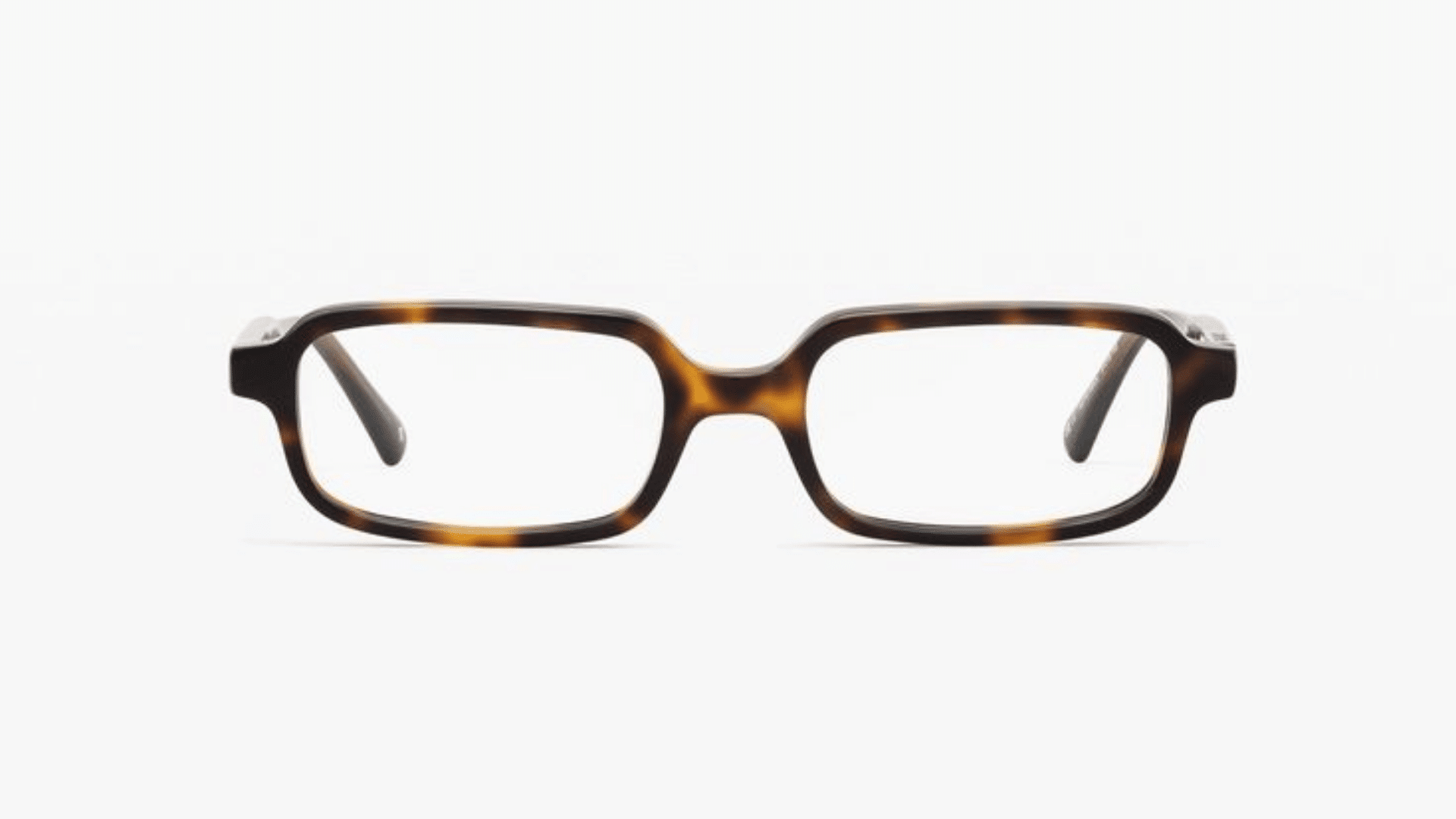
Rectangular frames look similar to square ones but feel longer and slimmer. They suit round or fuller faces because they visually stretch the face.
This style often feels understated and practical. Rectangular frames are common for work, driving, and daily use.
5. Cat Eye Glasses
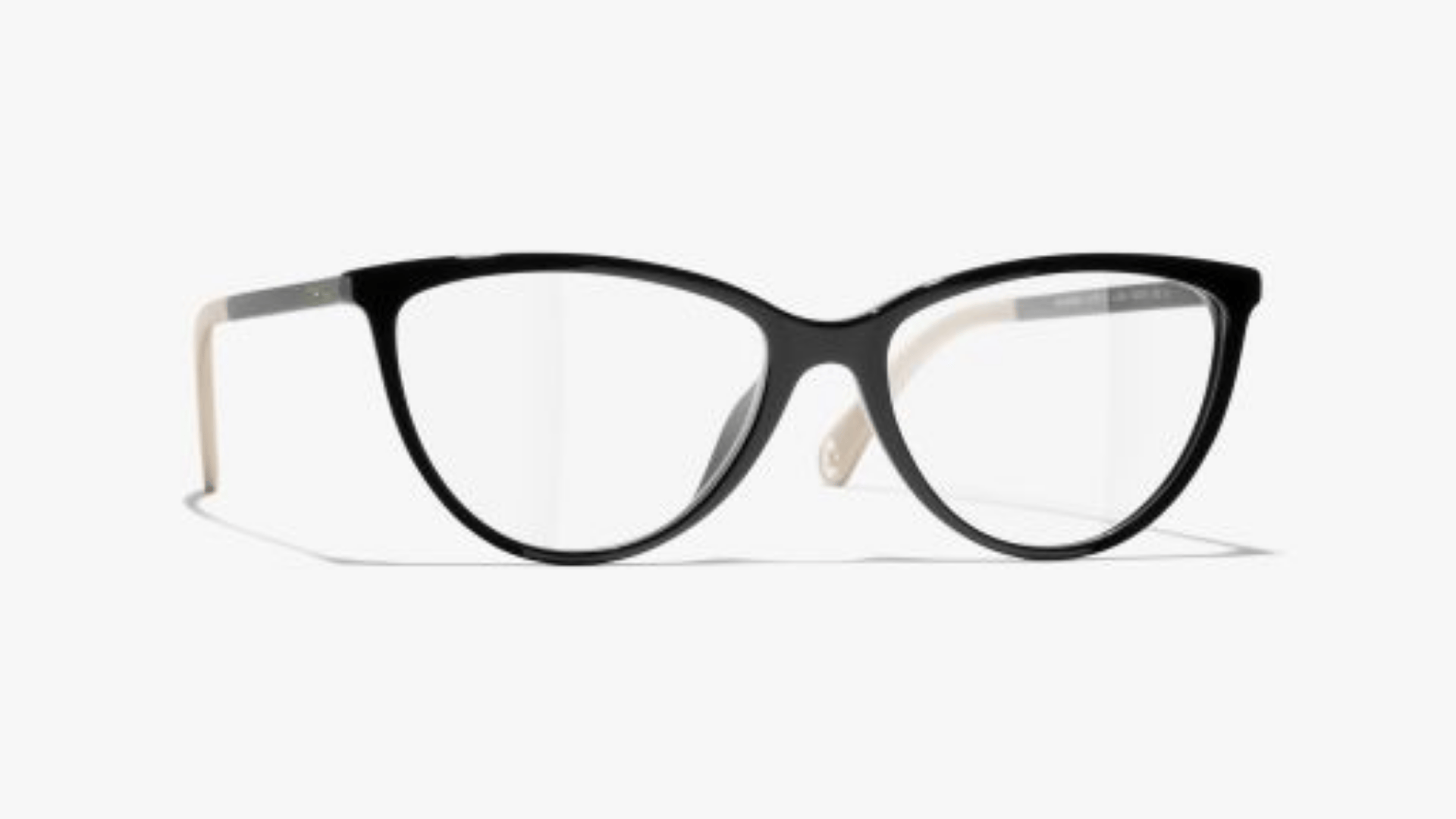
Cat-eye glasses lift at the outer corners. They bring personality and attitude without feeling costume-like. This style highlights cheekbones and adds shape to softer faces.
Cat eye frames are often chosen for fashion-forward looks and statement outfits.
6. Aviator Glasses
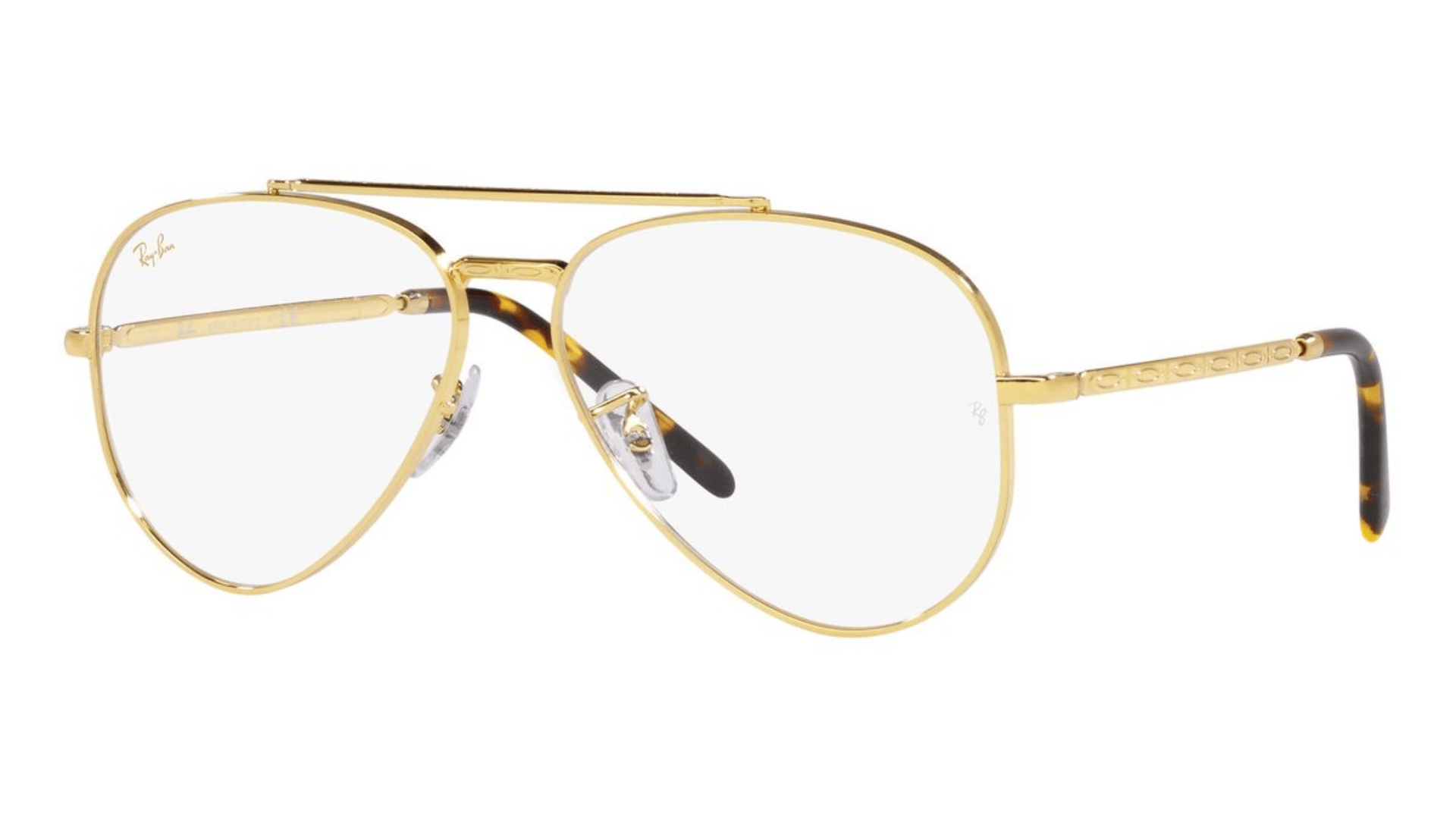
Aviator glasses started as pilot eyewear and later became everyday classics. They usually have thin metal frames and teardrop-shaped lenses.
Aviators suit many face shapes and make you feel relaxed but confident. They work well as prescription glasses or sunglasses.
|
Frame Shape |
Key Characteristics |
Overall Look |
|
Rectangle |
Wider than tall with straight lines |
Clean, structured, and practical |
|
Square |
Equal width and height with strong angles |
Bold, defined, and noticeable |
|
Round |
Circular shape with soft curves |
Relaxed, soft, and balanced |
|
Oval |
Slightly wider than tall with smooth edges |
Neutral, balanced, and versatile |
|
Cat-Eye |
Upswept outer edges |
Expressive and statement-focused |
|
Aviator |
Teardrop lenses with thin metal frames |
Relaxed, classic, and recognizable |
Types of Glasses Based on Lens Type
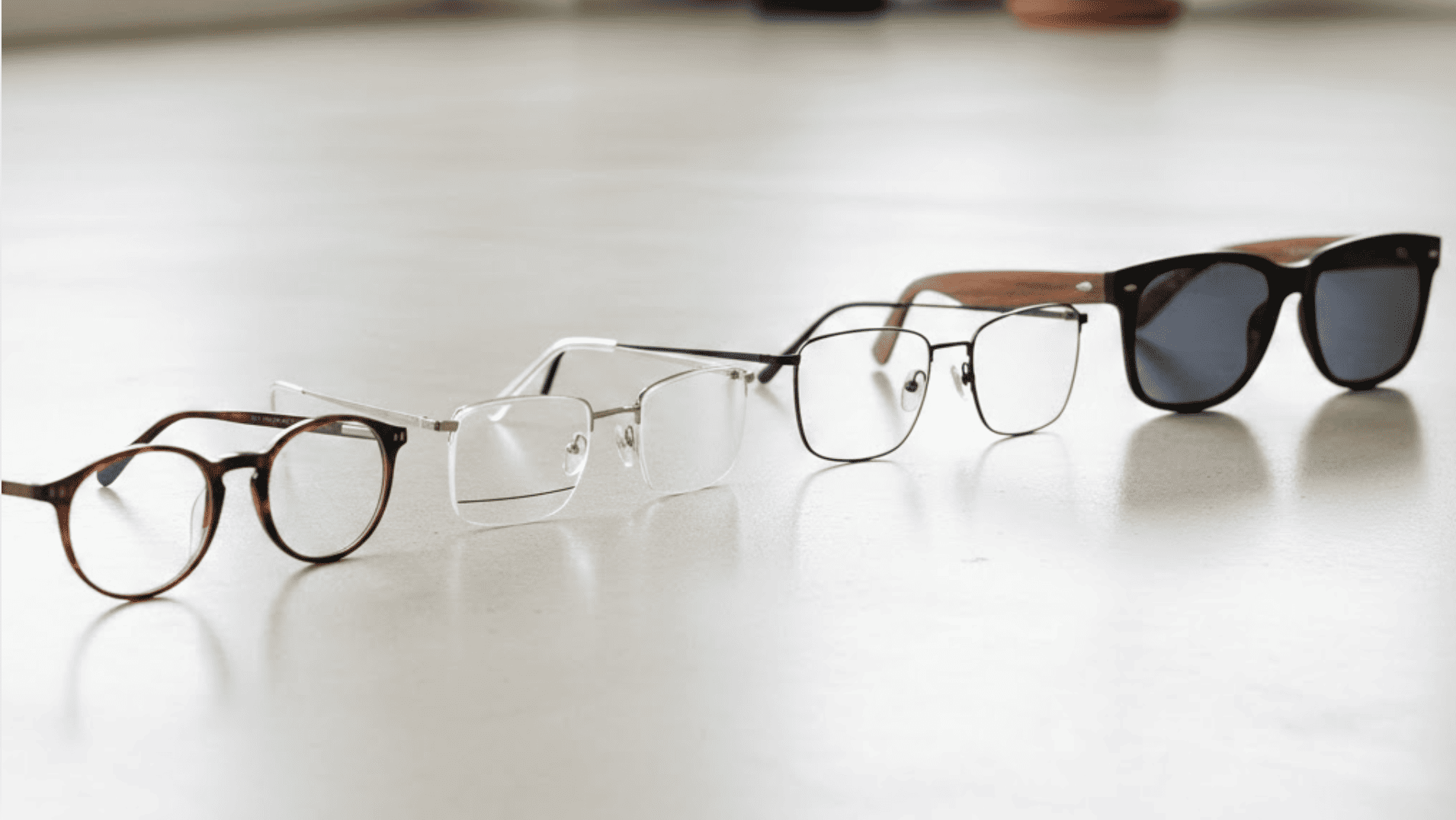
Frame shape affects how glasses sit on my face and completely changes my overall look. Here’s the frame shape breakdown I use when choosing:
1. Single Vision Lenses
Single vision lenses correct one type of vision issue at a time. They can be made for reading, distance viewing, or close-up tasks like computer work.
Many people start with this option because it is easy to adjust to and works well for everyday routines. These lenses feel straightforward and are often the most budget-friendly choice.
2. Bifocal Lenses
Bifocal lenses feature two clear viewing areas in a single lens. The upper part supports distance vision, while the lower part helps with close tasks like reading.
A visible line separates these sections, which some people like for its clarity. They work well for people who frequently shift between near and far focus during the day.
3. Progressive Lenses
Progressive lenses support near, middle, and distance vision without visible lines. Vision shifts smoothly as your eyes move downward, which feels more natural once you adjust.
These lenses can take a few days to get used to, especially while walking or using stairs. Once adjusted, they reduce the need for carrying more than one pair.
4. Blue Light Blocking Glasses
Blue light-blocking lenses reduce exposure to blue light from phones, laptops, and other digital screens. They help ease eye strain during long screen hours and can support better sleep patterns at night.
These lenses are popular for workdays spent indoors or at a computer. They can be added to prescription or non-prescription glasses.
5. Anti-Glare Glasses
Anti-glare coatings help cut down reflections from lights and screens. This makes vision clearer, especially while driving at night or working under bright indoor lighting.
Many people notice less eye fatigue by the end of the day. An added benefit is that lenses stay cleaner, with fewer visible smudges and fingerprints.
6. Photochromic Glasses
Photochromic lenses automatically adjust to light conditions. They remain clear indoors and darken when exposed to sunlight.
This removes the need to switch between regular glasses and sunglasses. They are a good fit for people who move in and out of buildings often during the day.
7. Polarized Glasses
Polarized lenses reduce glare from reflective surfaces such as water, roads, or snow. They improve visual clarity during driving and outdoor activities.
These lenses are most commonly used in sunglasses rather than daily indoor glasses. By cutting glare, they also help reduce eye fatigue in bright environments.
How to Choose the Right Glasses for You
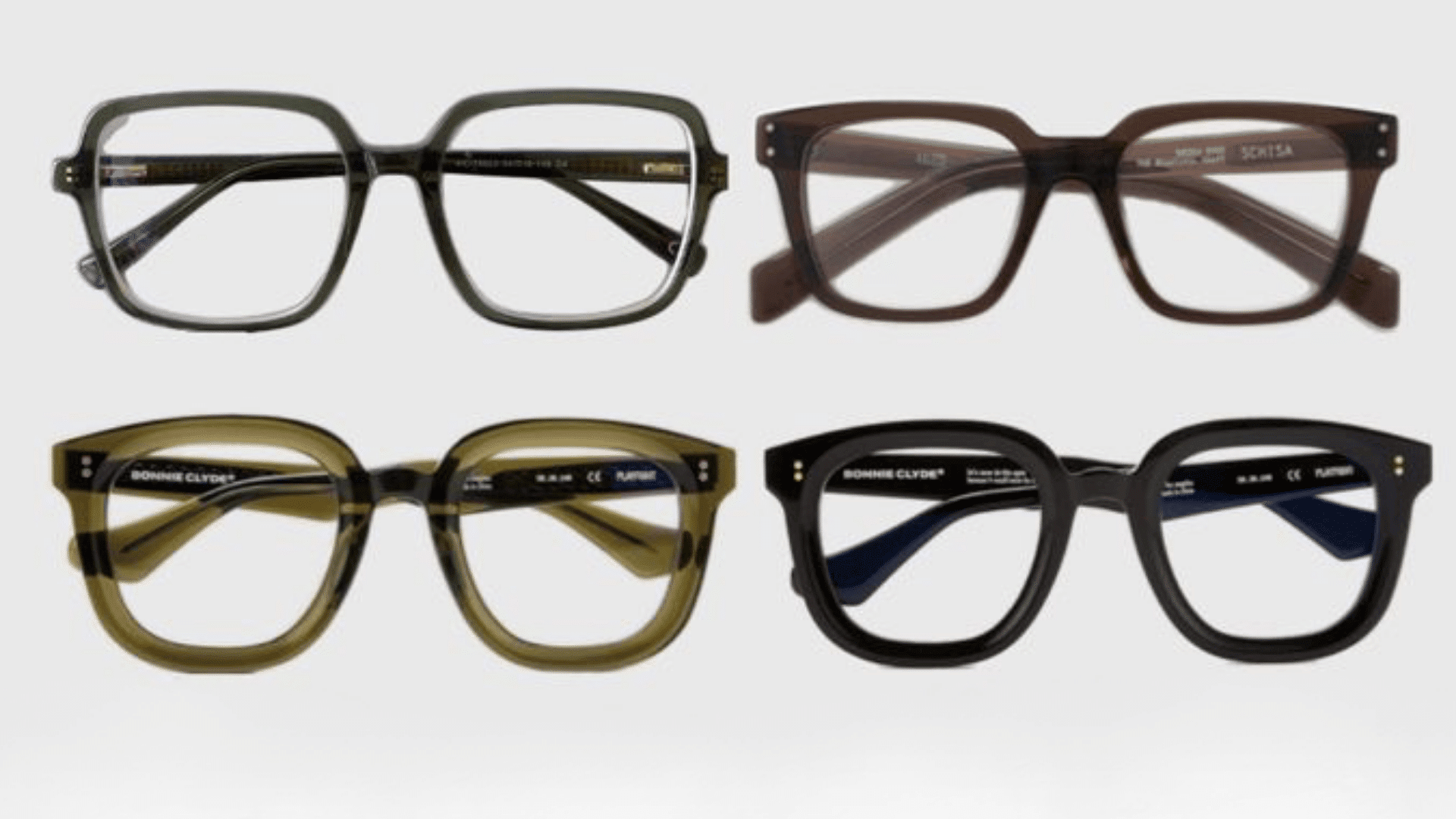
Choosing the right glasses gets easier when you focus on comfort and how you use them each day. Fit, vision needs, and daily habits matter more than trends.
- Face shape: Look at your forehead, cheekbones, and jawline. Face shape helps guide frame balance, not strict rules.
- Frame size: Check bridge width, lens width, and temple length to avoid slipping or pressure.
- Daily use: Screen time, driving, and outdoor habits help determine the best lens features.
- Frame material: Plastic feels sturdy, metal feels lighter, and mixed materials offer balance.
When glasses fit well and support how your days actually look, they feel comfortable and easy to wear.
Common Glasses Materials Explained
The material of your glasses affects how they feel on your face and how long they last. Weight, flexibility, and durability vary depending on the frame material. Here is a simple breakdown:
| Frame Material | How It Feels | Best For |
| Plastic Frames | Bold, lightweight, and solid | Thicker lenses and everyday wear |
| Metal Frames | Thin, light, and flexible | Minimal styles and adjustable fit |
| Titanium Frames | Strong yet flexible | Long wear and durability needs |
| Acetate Frames | Smooth with rich color depth | Comfort and varied frame colors |
Each material offers something different, so there is no single best option for everyone. Choosing the right one depends on how long you wear your glasses and how you want them to feel throughout the day.
Tips for Maintaining Your Glasses
Taking care of your glasses helps them stay comfortable and clear over time. Small daily habits can prevent damage, reduce discomfort, and keep your glasses feeling good during long wear.
Here’s how you can take care of your glasses:
- Clean lenses using a microfiber cloth instead of shirts or towels
- Use lens cleaner or water rather than dry wiping
- Store glasses in a hard case when not in use, especially while traveling
- Check screws and alignment often to prevent slipping or pressure
- Avoid placing glasses down on hard surfaces
Simple care routines help your glasses last longer and feel better each day. When glasses stay clean, aligned, and protected, they continue to support your vision without becoming a daily hassle.
Closing Thoughts
Choosing glasses doesn’t have to be a rushed errand for me anymore. When I focus on how frames fit, how lenses support my vision, and how materials feel after hours of wear, the right choice becomes so much clearer.
I’ve learned that glasses should work with my routine, not against it. A good pair of glasses makes me comfortable, helps me see clearly, and feels natural from morning to night, whether I’m wearing sunglasses, polarized ones, or bifocals.
As a glasses wearer myself, I can enjoy life as it is without feeling singled out or self-conscious. If you liked this guide or want to suggest something, drop a comment in the comment section below!