Standing in a store aisle, staring at rows of fabric, can feel confusing fast. So many options look similar, but they don’t all work the same way.
Some block light well. Some let sunlight in. Some are just there to look nice. Picking the wrong one can leave a room too bright, too dark, or lacking privacy.
That’s why knowing the different types of curtains matters before you buy anything. Each style affects light, privacy, and even how big or cozy a room feels.
Here, curtains are grouped by heading style, length, and light control. Plus, curtains differ from drapes, and there are tips to pick the right fit for every room.
What Are Some Popular Curtain Styles?
Curtains come in many types, and the easiest way to tell them apart is by how they are made, hung, and used. Most fall into five main groups that make choosing simpler.
These groups include heading style, number of panels, light control, curtain length, and fabric or decorative design. Each one changes how a curtain looks and performs on a window.
A single curtain is not limited to just one group. It can match several types of curtains at once based on its style, material, size, and role in the room.
For example, one curtain can be floor-length, blackout, pinch-pleat, and double-panel all at the same time. Looking at these groups together makes picking the right style much easier.
Different Types of Curtains Based on Heading and Panel Style
Curtains come in many styles, and each one serves a different purpose. Some improve privacy, some control light, while others mainly change the overall look of a room.
The most common curtain types can be grouped by heading style, panel design, light control, length, and decorative features. A single curtain can fit into more than one category at the same time.
1. Rod Pocket Curtains
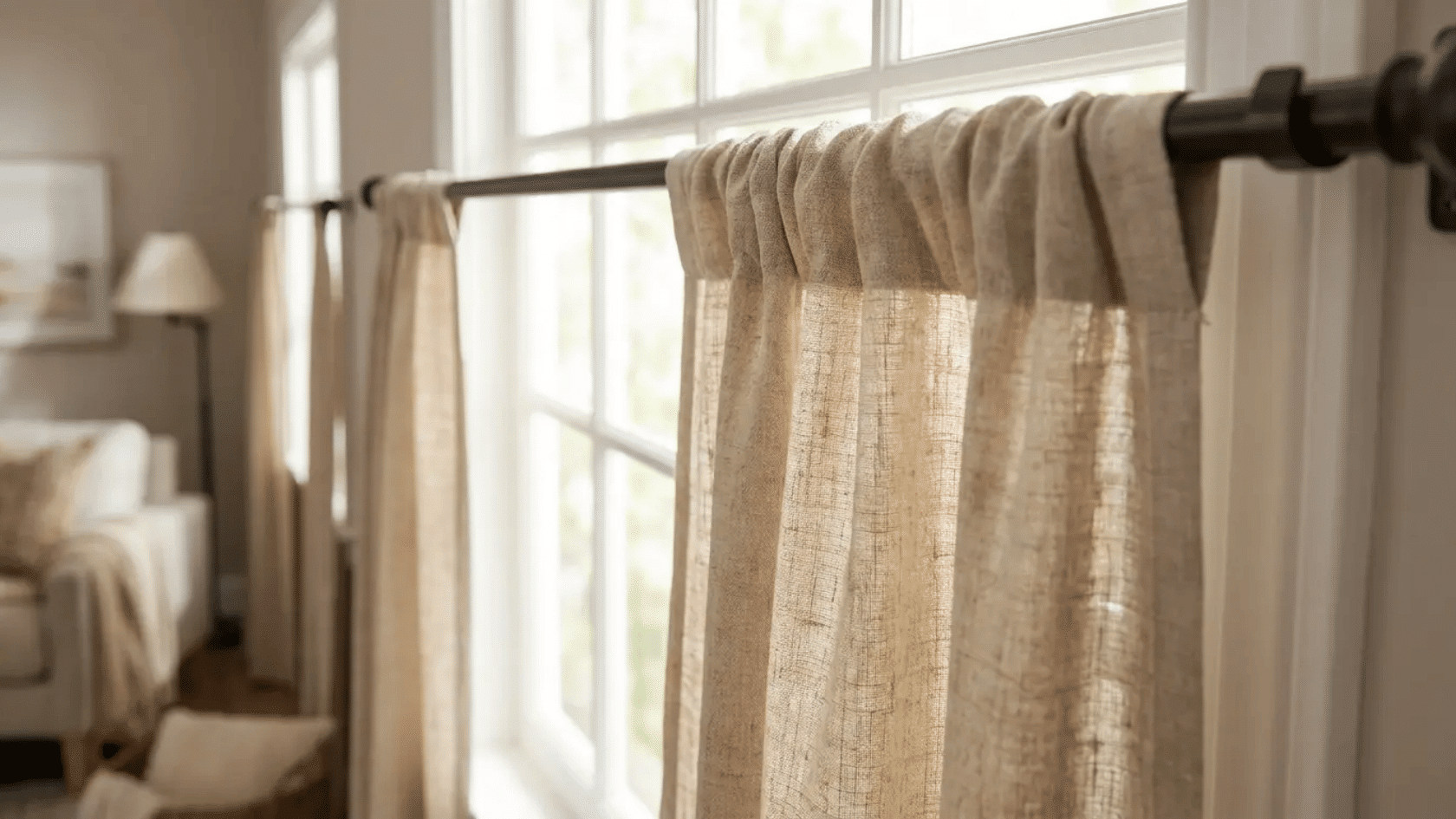
Rod pocket curtains have a stitched pocket at the top where the curtain rod slides through. This creates soft gathers across the fabric for a classic appearance.
They work best on decorative windows that stay closed most of the time. While budget friendly, they can be harder to slide open and closed.
2. Grommet or Eyelet Curtains
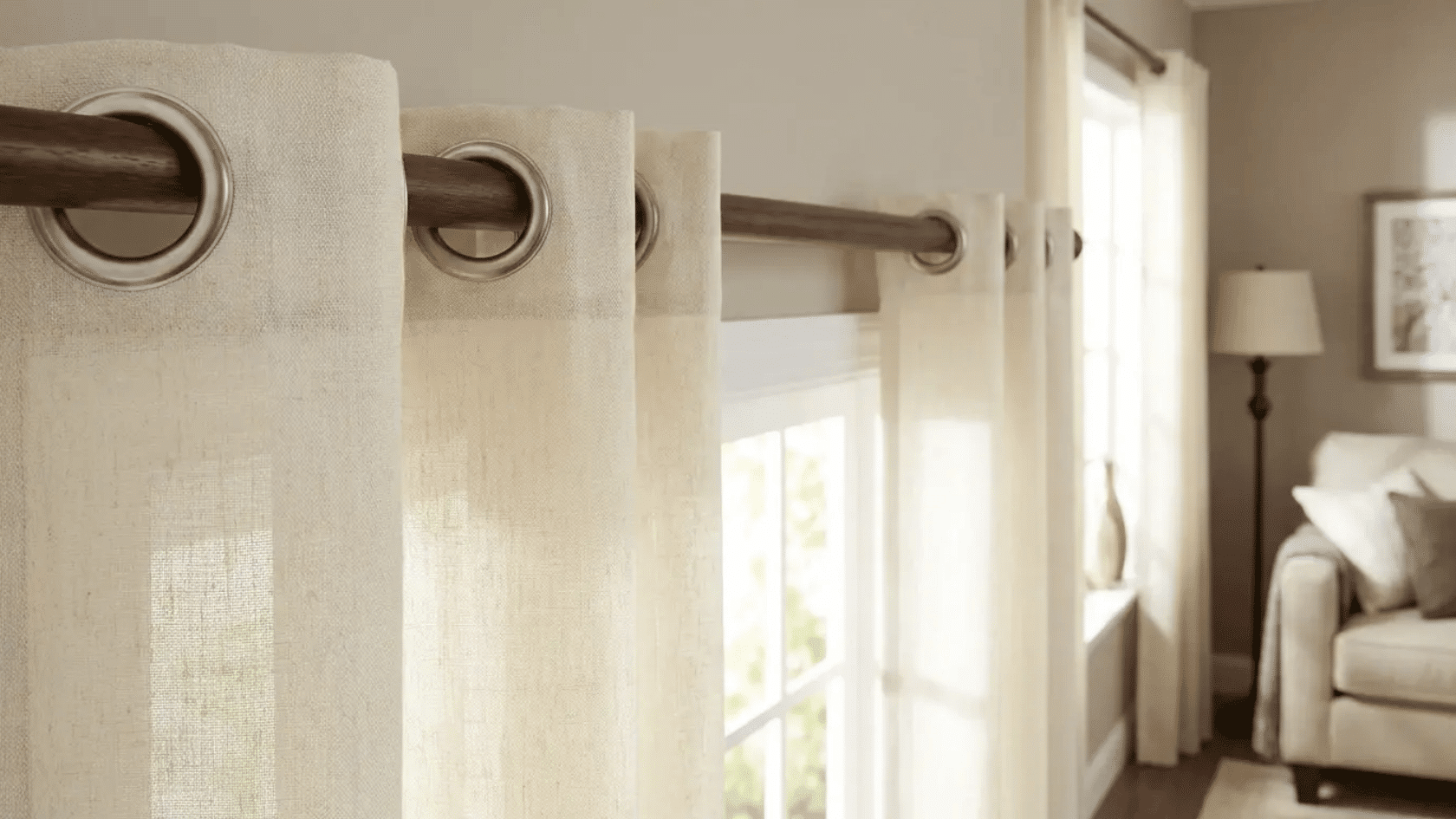
Grommet curtains have metal rings fitted into the top edge of the fabric. The rings slide directly along a standard curtain rod.
They open and close smoothly, making them suitable for everyday use. Their clean folds pair well with modern and casual interiors.
3. Tab Top Curtains
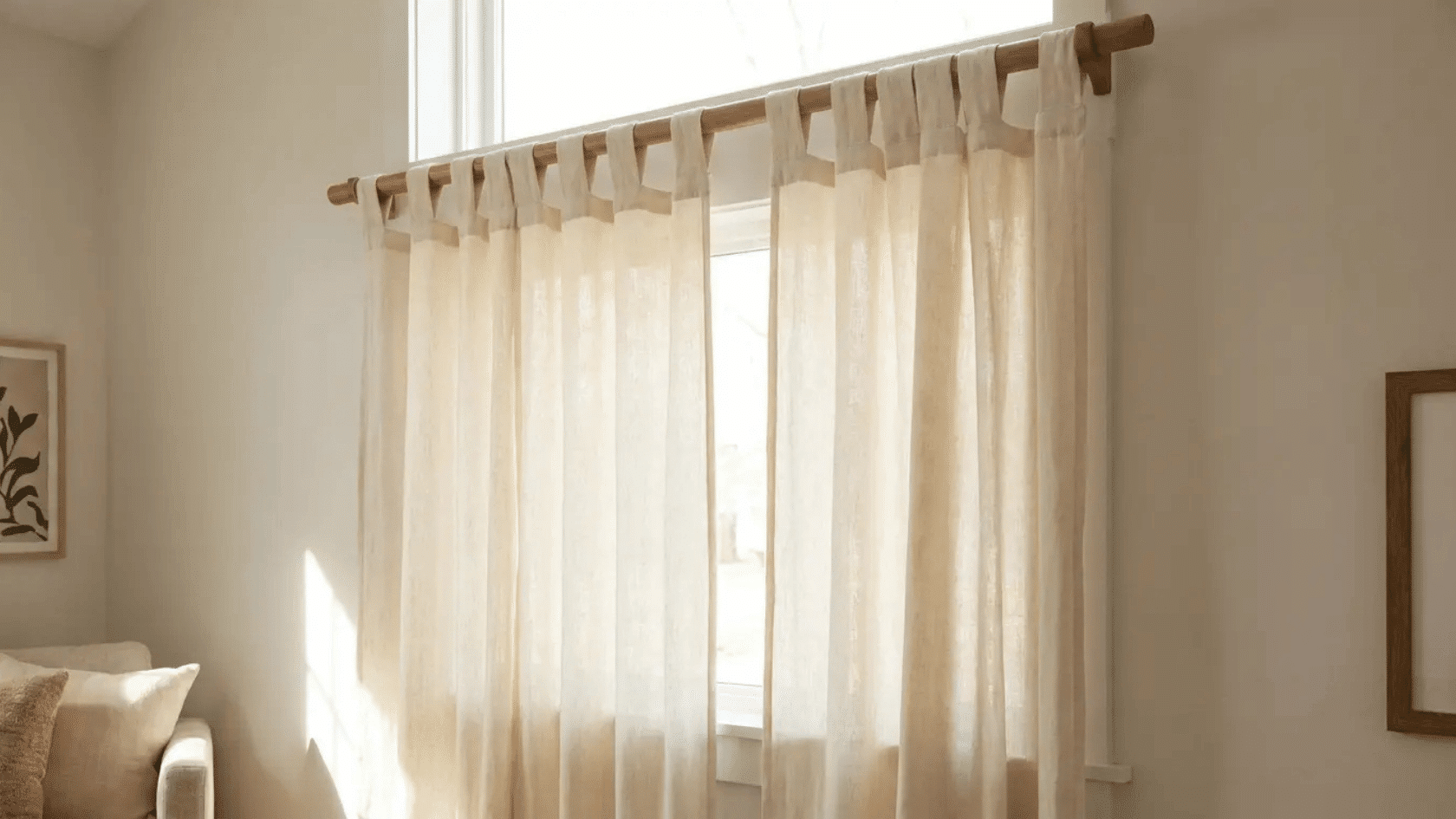
Tab top curtains hang from fabric loops stitched along the upper edge. The rod remains visible, giving the window a relaxed appearance.
They suit farmhouse, coastal, and casual rooms. Small gaps between the tabs may allow extra light to enter.
4. Pencil Pleat Curtains
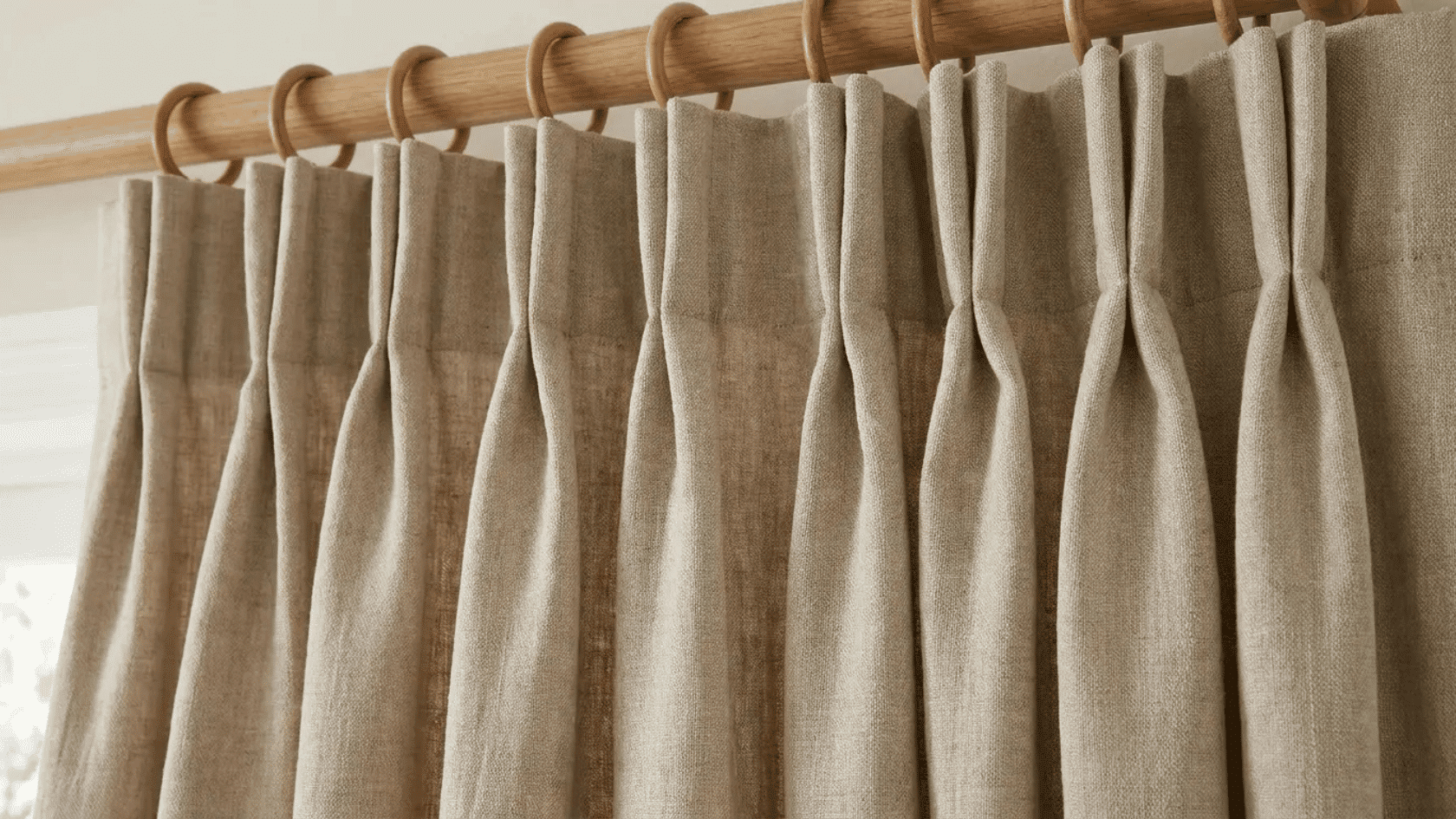
Pencil pleat curtains use tightly gathered folds that create a neat, traditional look. Their heading can attach to curtain tracks or poles.
The gathering tape allows fullness to be adjusted. They suit bedrooms, living rooms, and many classic home styles.
5. Pinch Pleat Curtains
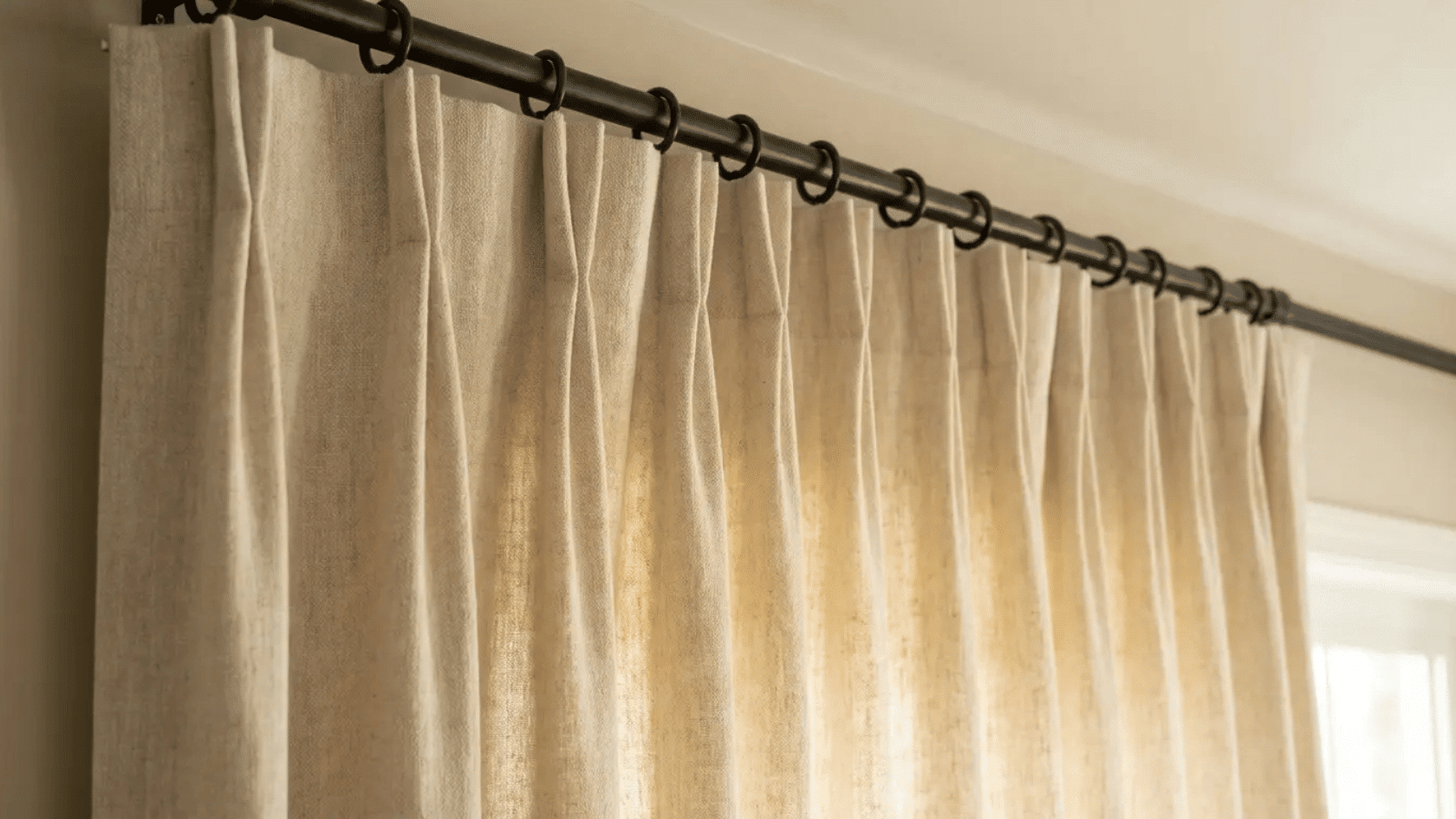
Pinch pleat curtains have stitched pleats grouped evenly across the top. The folds stay in place and create a tidy finish.
They are often chosen for formal spaces and bedrooms. Extra fabric and detailed stitching usually increase the overall cost.
6. Goblet Pleat Curtains
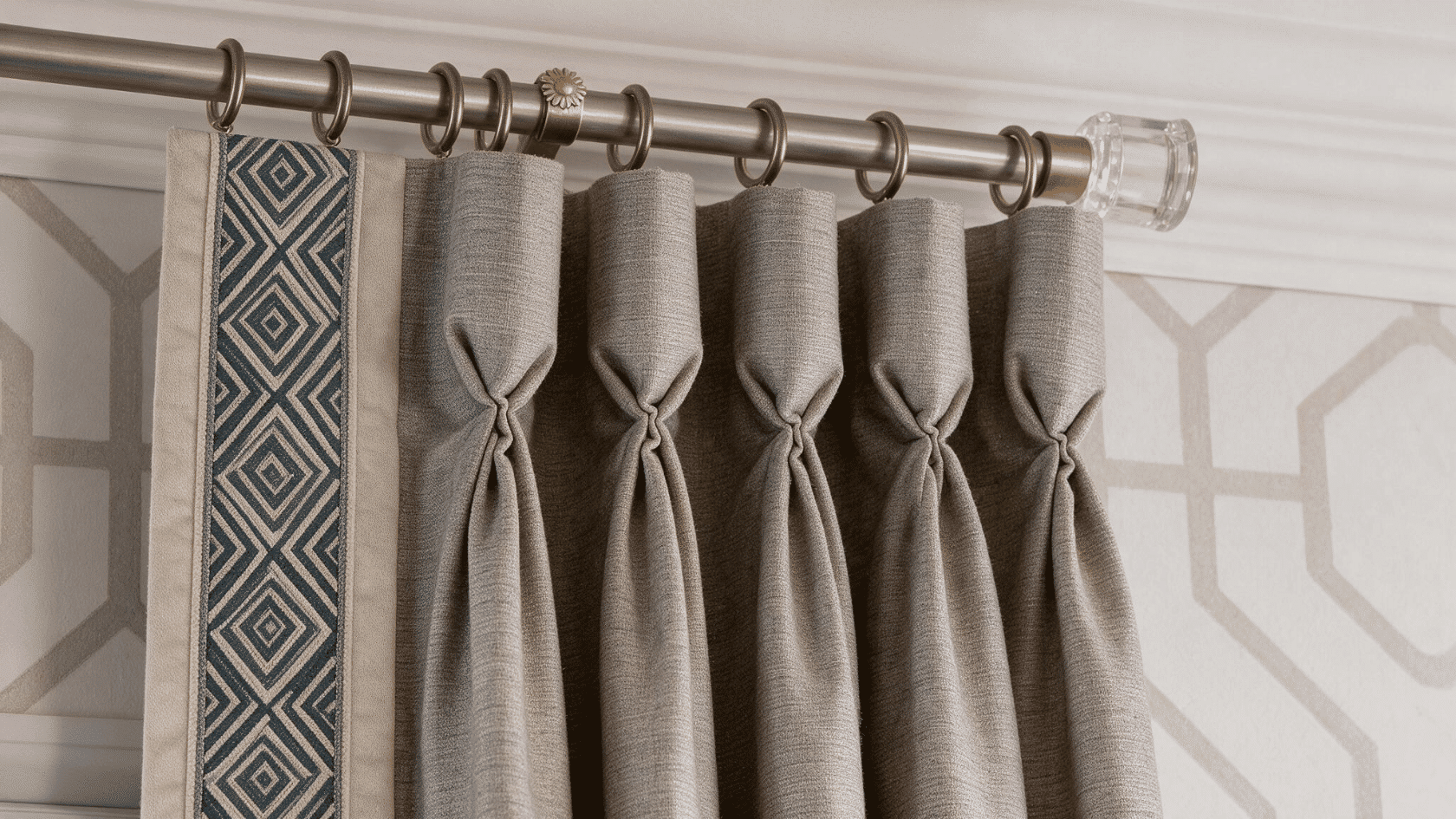
Goblet pleat curtains feature rounded pleats shaped like small goblets. This creates a decorative and formal appearance.
They are commonly used on tall windows in dining rooms and similar spaces. Their design is more decorative than practical for daily use.
7. Wave or Ripple Fold Curtains
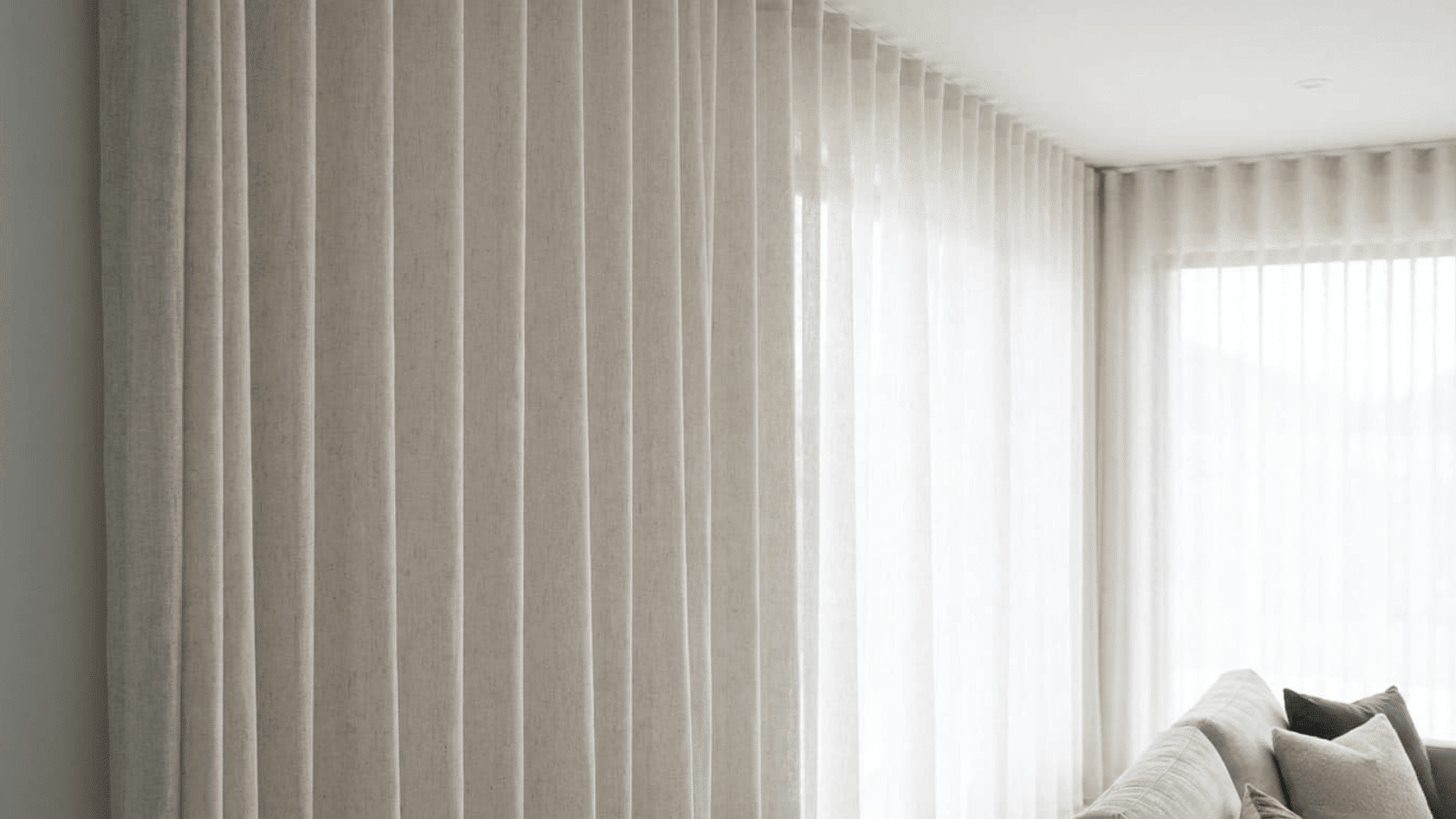
Wave curtains hang in smooth, continuous folds that remain evenly spaced. They require a compatible curtain track system.
These curtains suit large windows, sliding doors, and modern homes. The fabric stacks neatly when opened without creating bulky folds.
8. Single-Panel Curtains
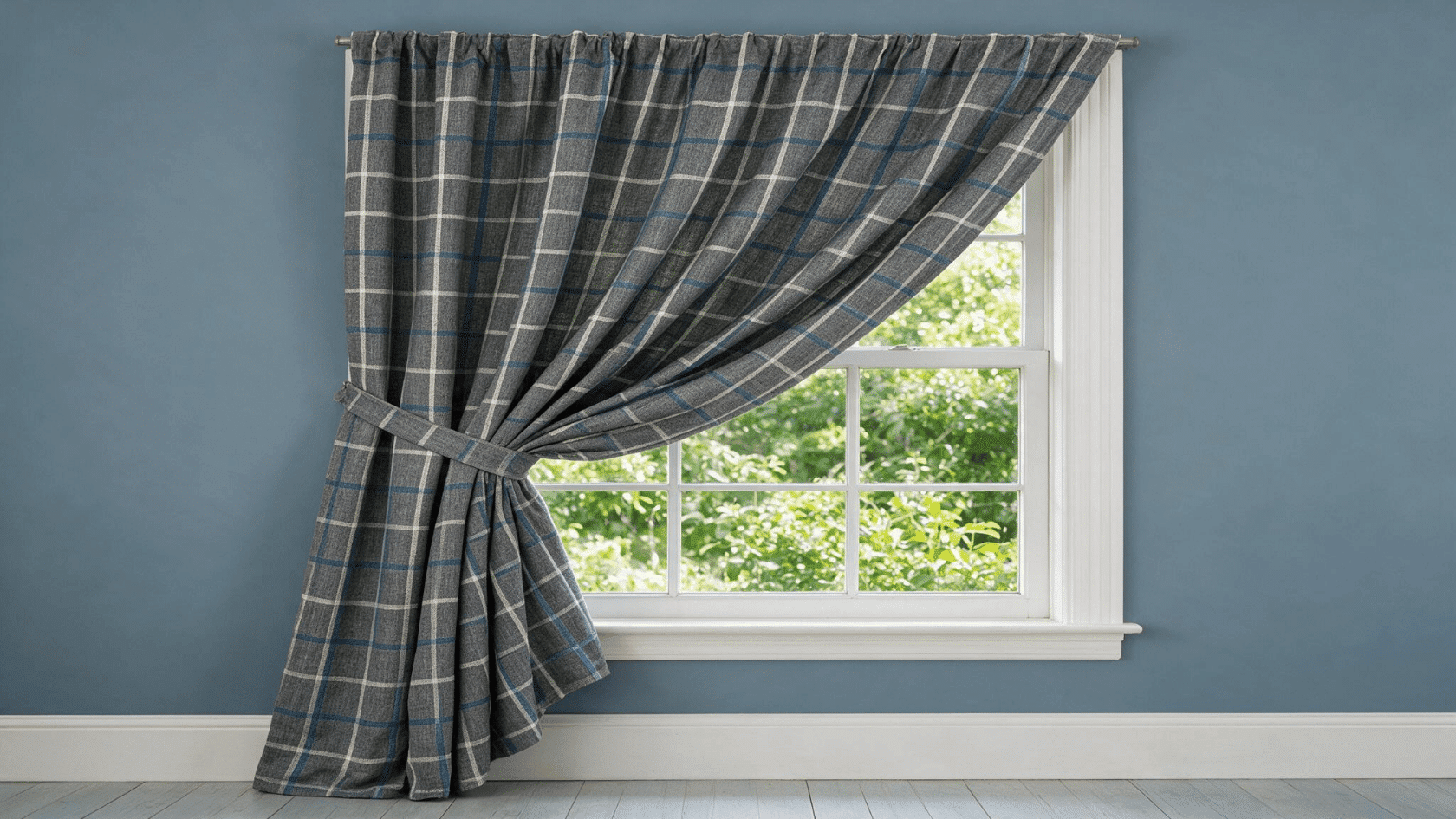
Single-panel curtains use one wide piece of fabric to cover the entire window. The panel pulls toward one side when opened.
They suit narrow windows, patio doors, and smaller rooms. This style is economical but may provide less balanced light control.
9. Double-Panel Curtains
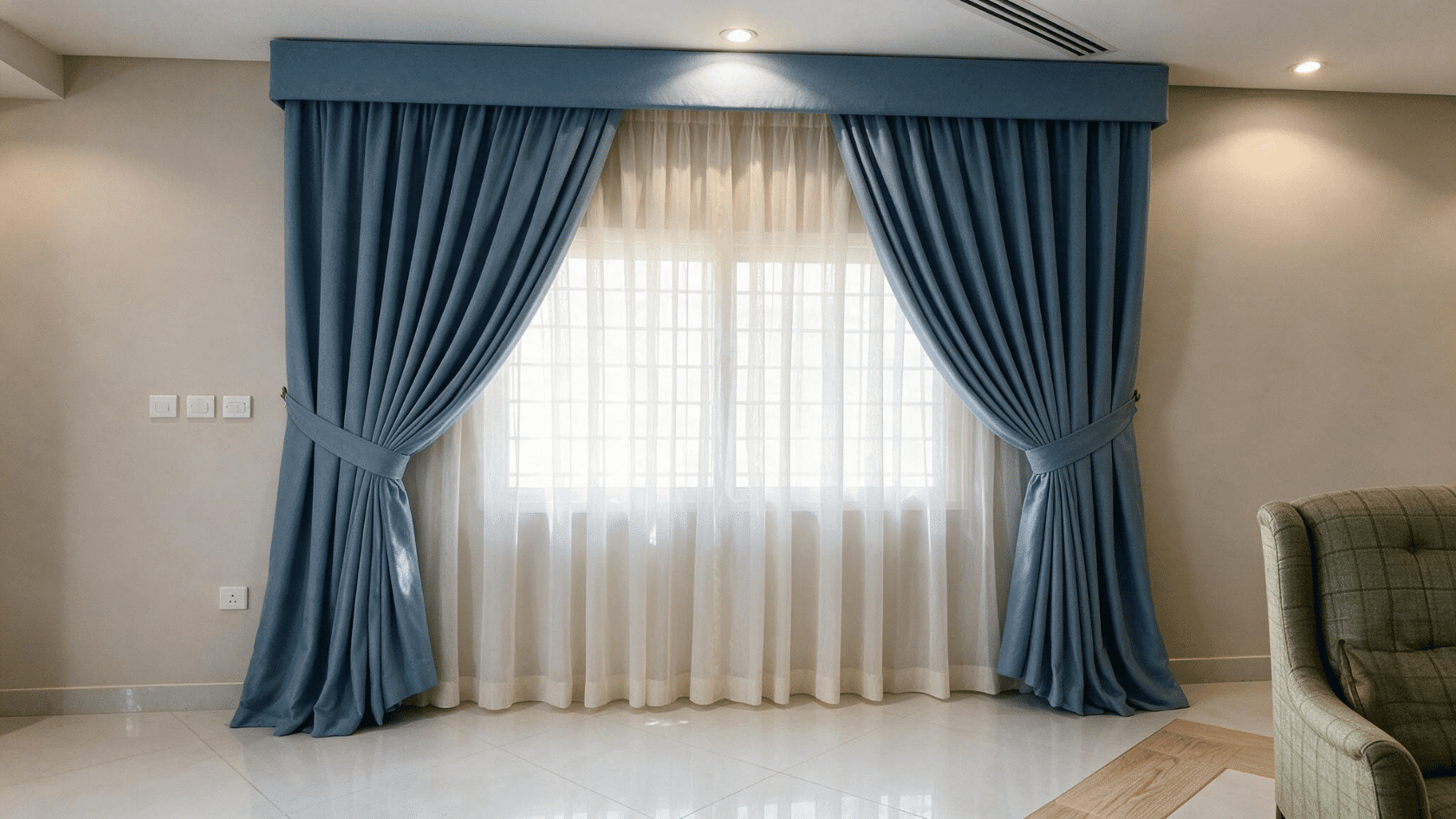
Double-panel curtains use two matching panels that meet in the middle. Each panel opens toward its own side.
This style creates a balanced appearance and works well on larger windows. It also offers flexible privacy and daylight control.
Different Types of Curtains Based on Light Control
Not every curtain handles sunlight the same way. Some let it flood in, others block it completely. Here are the main types sorted by light control and privacy:
10. Sheer Curtains

Sheer curtains are made from lightweight fabrics that allow sunlight to pass through. They brighten a room while reducing harsh glare.
They work well in living rooms and dining spaces, especially when layered. Privacy is limited after dark when indoor lights are on.
11. Light-Filtering Curtains
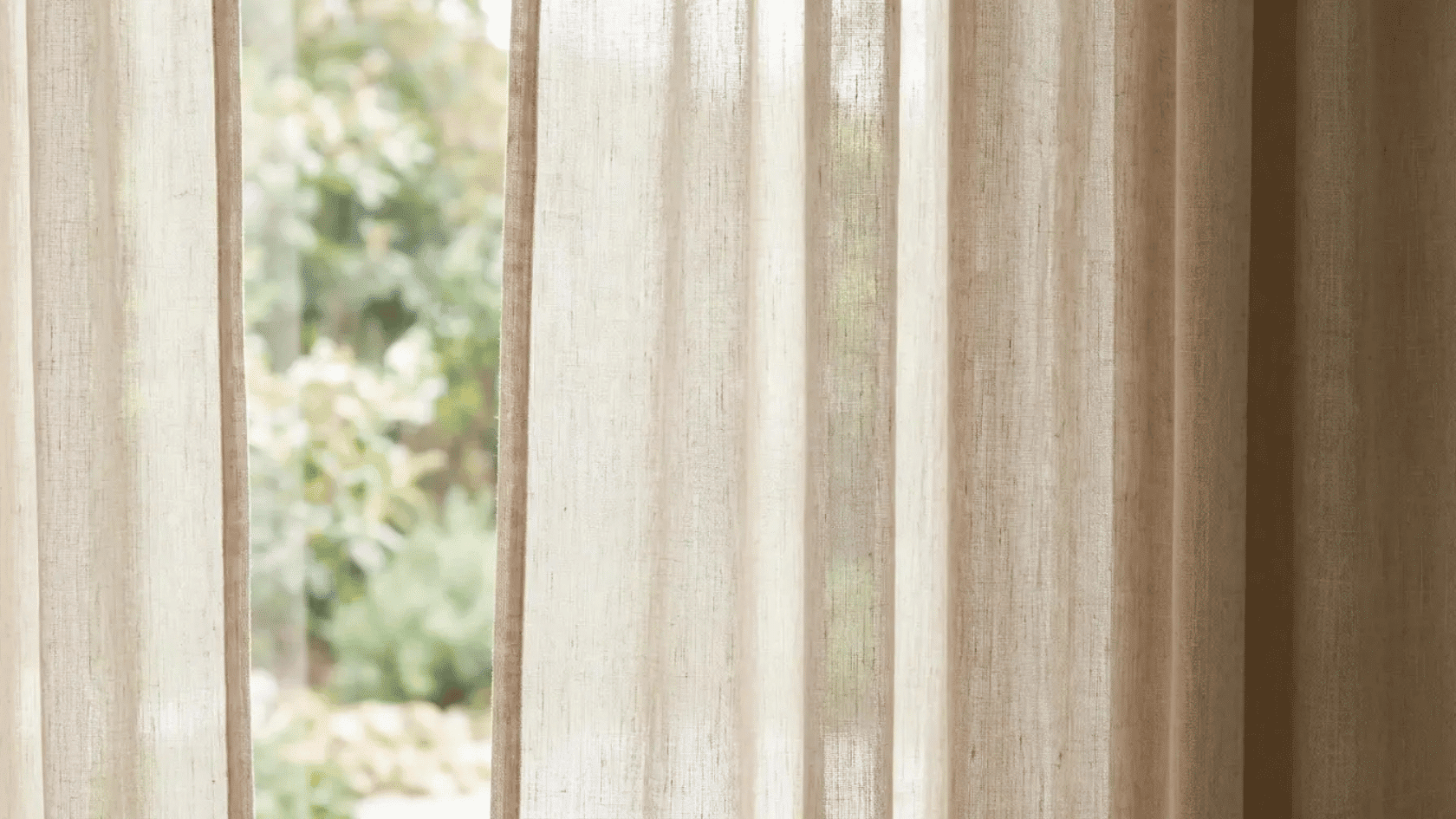
Light-filtering curtains soften daylight without making the room feel dark. They reduce glare while still allowing natural light inside.
These curtains provide more privacy than sheer fabrics. They suit kitchens, home offices, and everyday living areas.
12. Room-Darkening Curtains
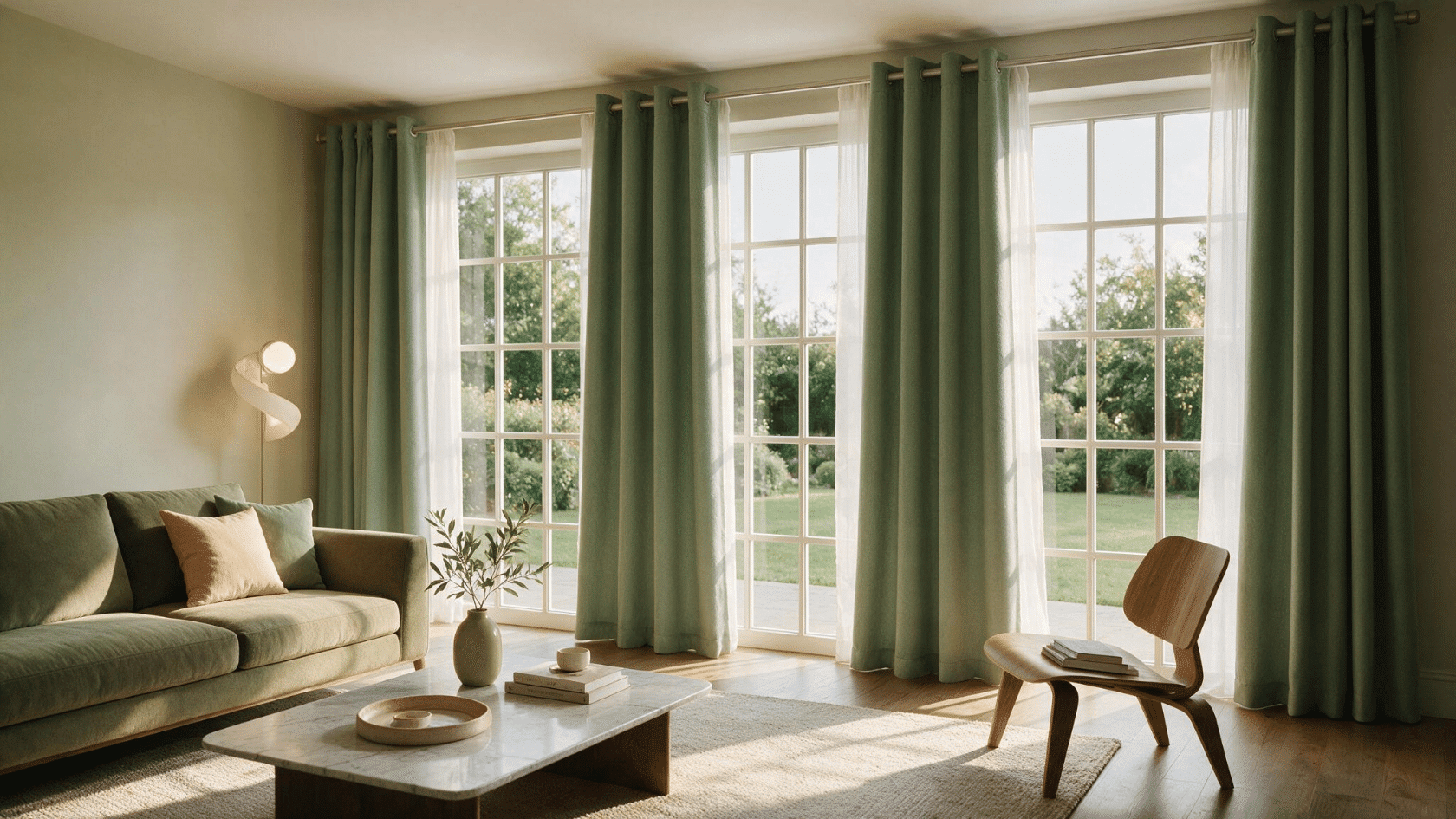
Room-darkening curtains block more sunlight than regular curtains. They create a dimmer room without making it completely dark.
They are suitable for family rooms, guest bedrooms, and nurseries. This option offers a balance between brightness and privacy.
13. Blackout Curtains
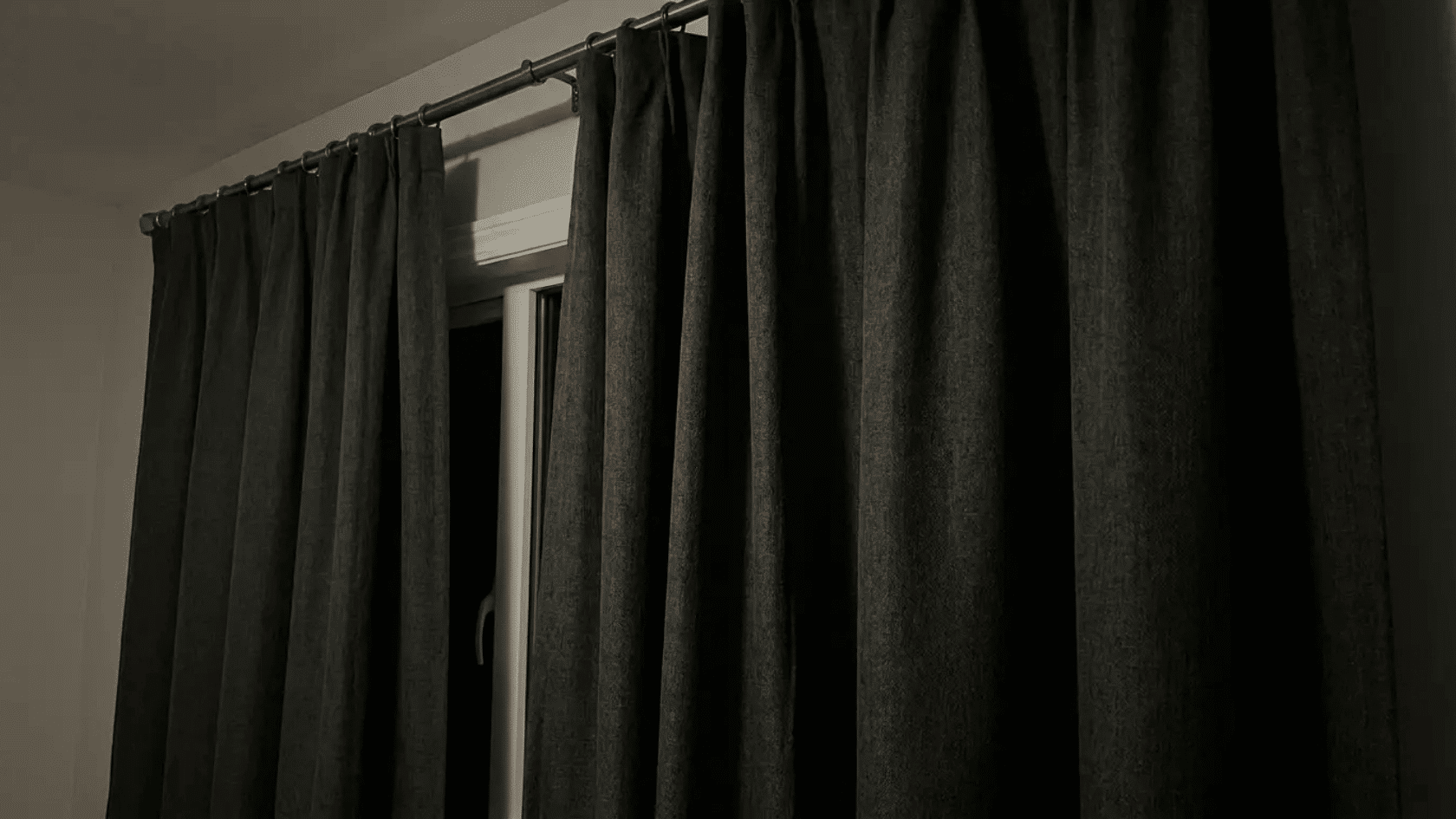
Blackout curtains use thick fabric or special linings to block most outside light. They also improve privacy during the day and night.
These curtains work well in bedrooms, media rooms, and nurseries. They may also help reduce outside noise and temperature changes.
Different Types of Curtains Based on Length
Curtain length changes how a room looks and feels, from short and practical to long and dramatic. Here are the main styles sorted by length and decorative appeal:
14. Café Curtains
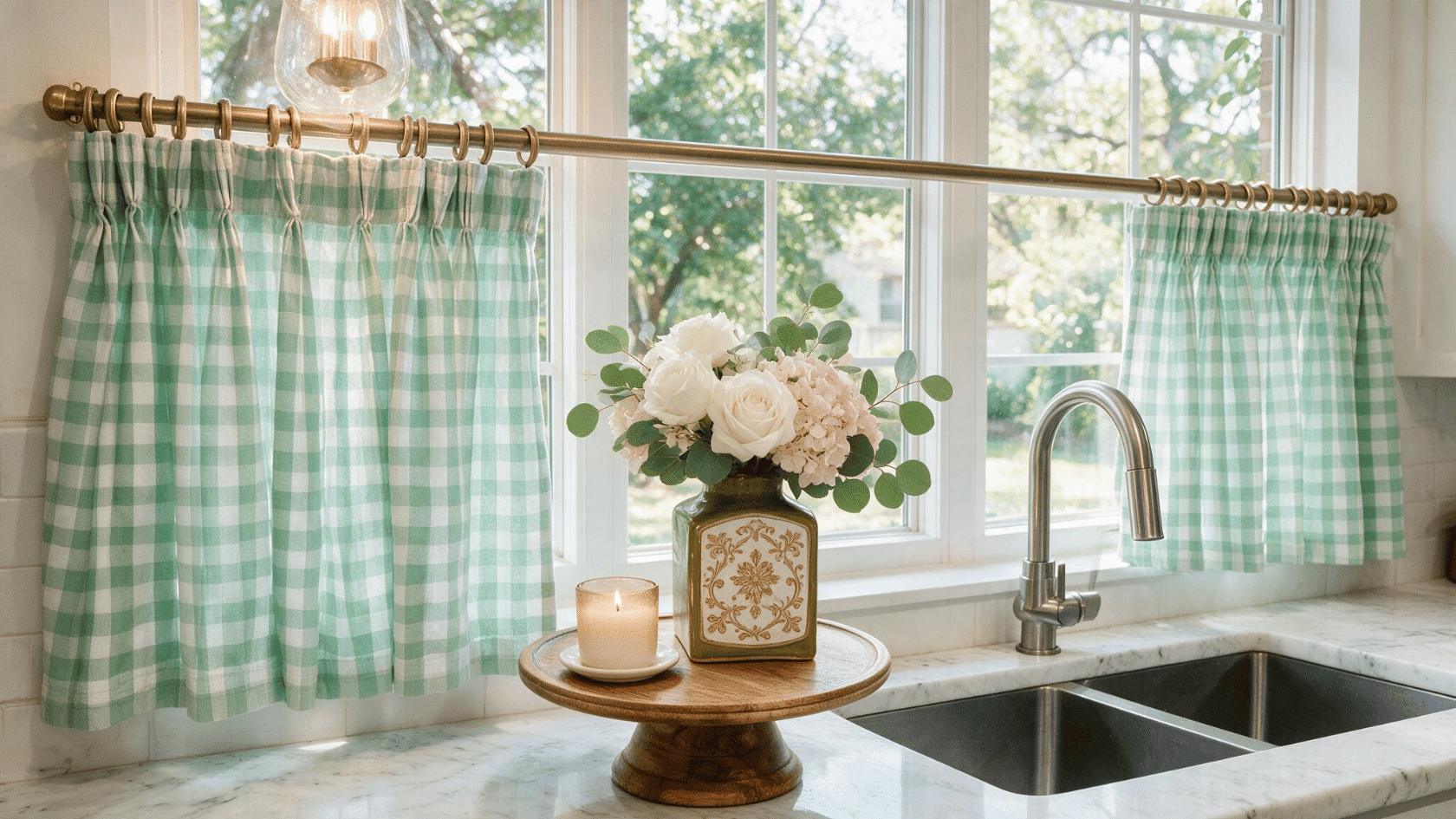
Café curtains cover only the lower half of a window. The upper section stays open to allow natural light inside.
They are common in kitchens, breakfast areas, and bathrooms. This style offers privacy without blocking the entire window.
15. Sill-Length Curtains
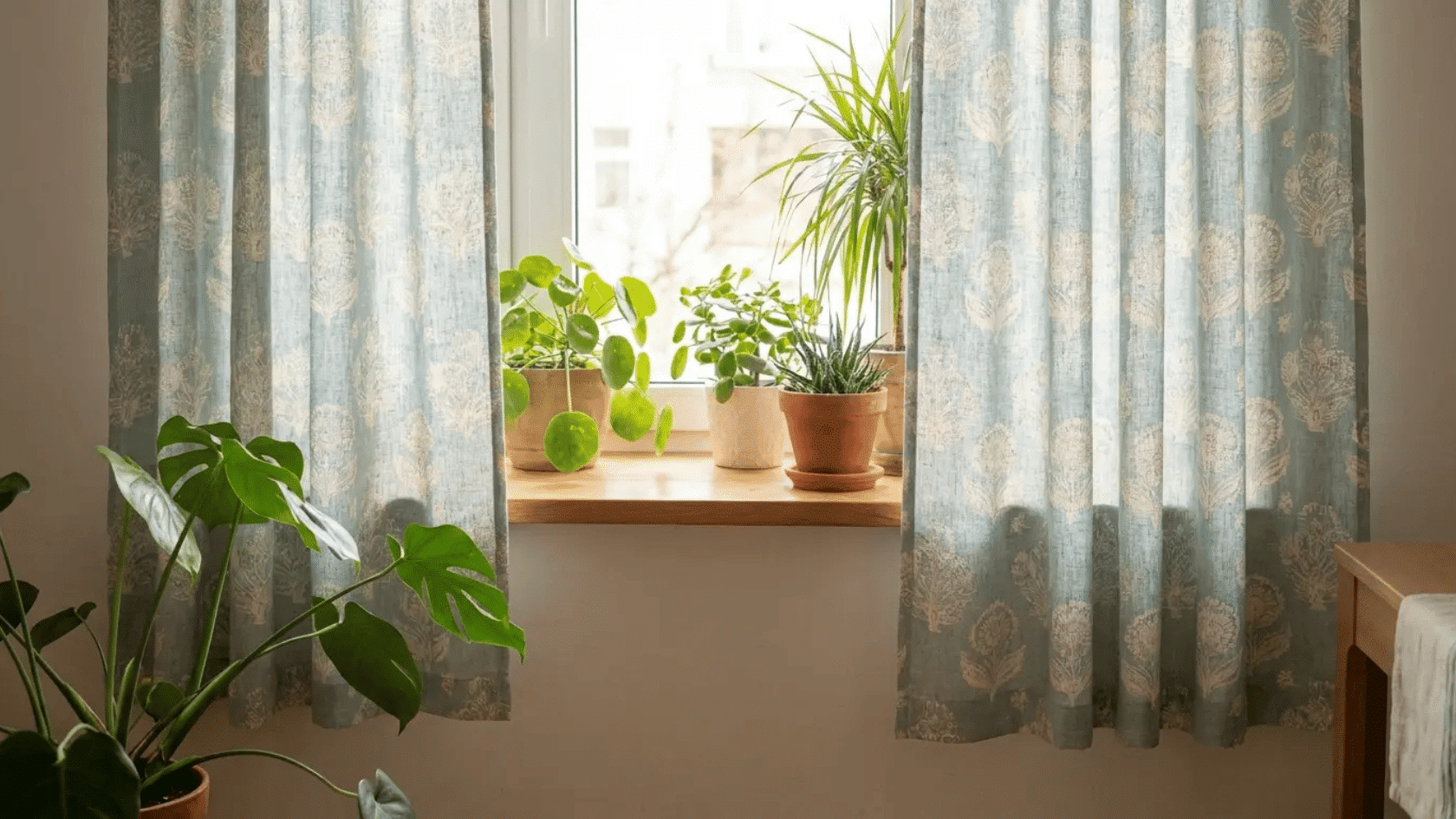
Sill-length curtains stop at or just above the window sill. Their shorter size keeps fabric away from counters and furniture.
They are practical for kitchens and bathrooms. They also suit windows that are opened frequently throughout the day.
16. Apron-Length Curtains
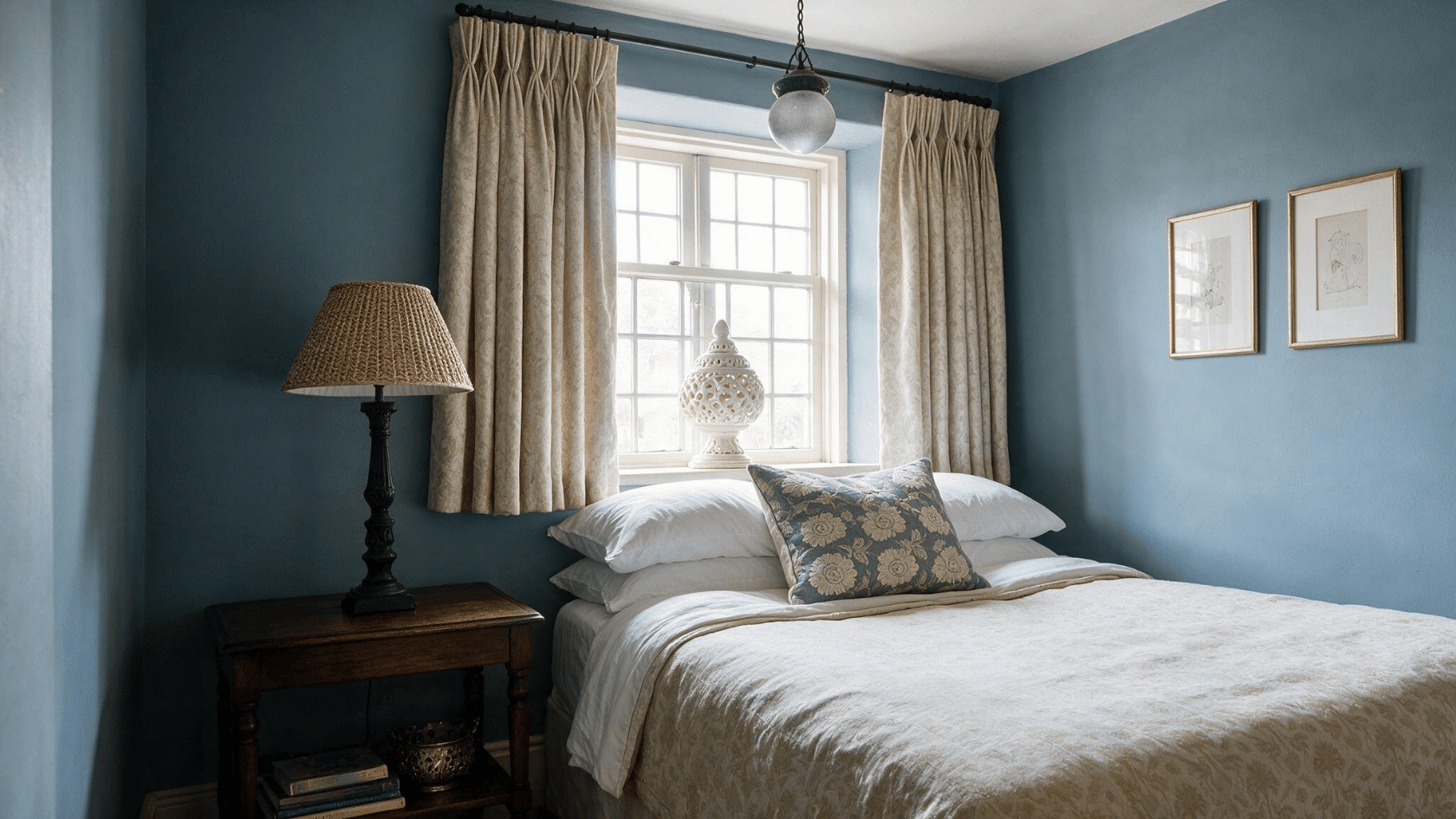
Apron-length curtains extend several inches below the window sill. They provide a slightly longer appearance without reaching the floor.
They work well when radiators, furniture, or counters sit beneath windows. This style gives rooms a clean, traditional finish.
17. Floor-Length Curtains
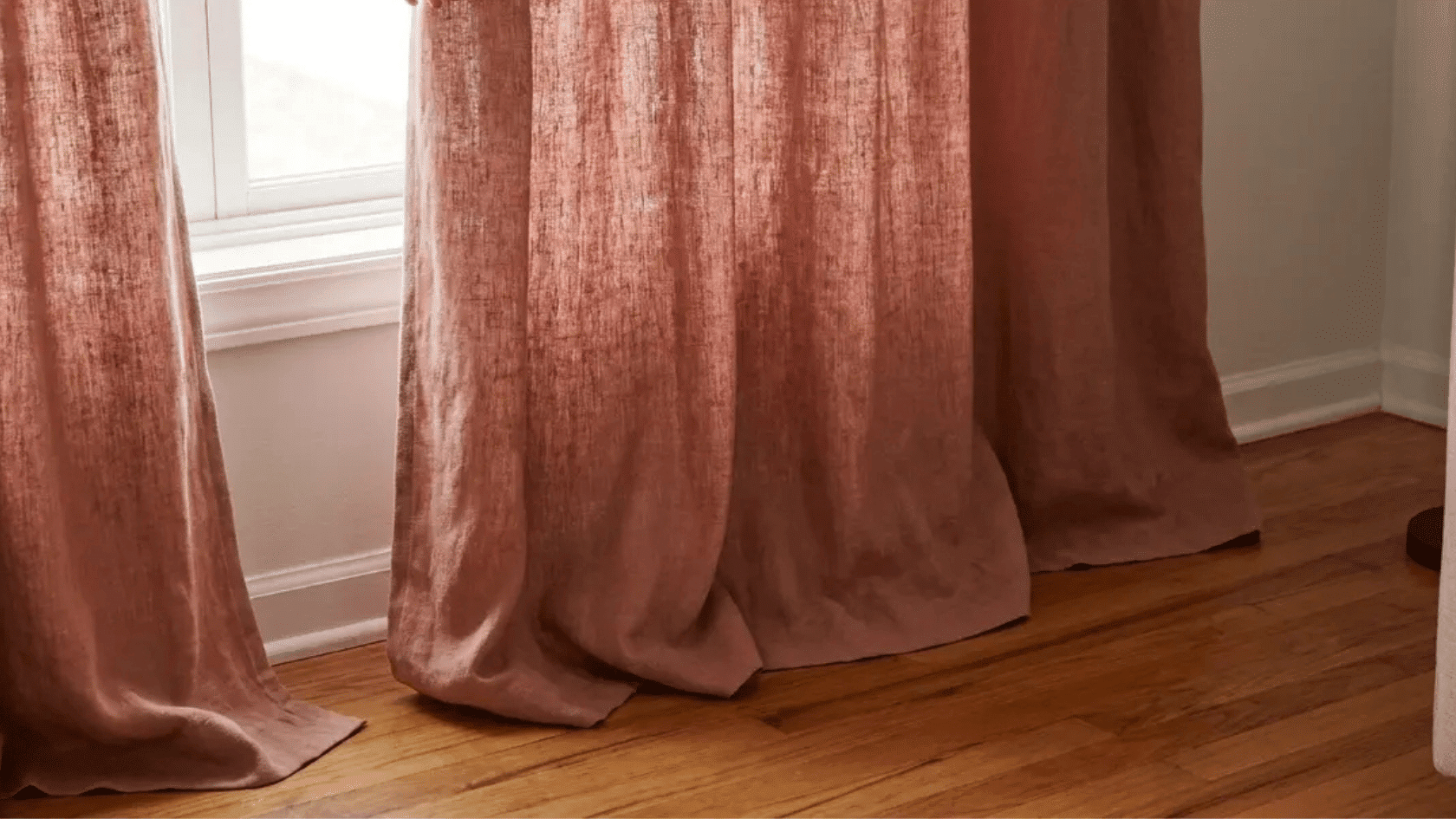
Floor-length curtains reach the floor or stop just above it. They are one of the most common choices for homes.
This length suits bedrooms, dining rooms, and living rooms. It also helps make ceilings appear taller and rooms feel larger.
18. Puddle-Length Curtains
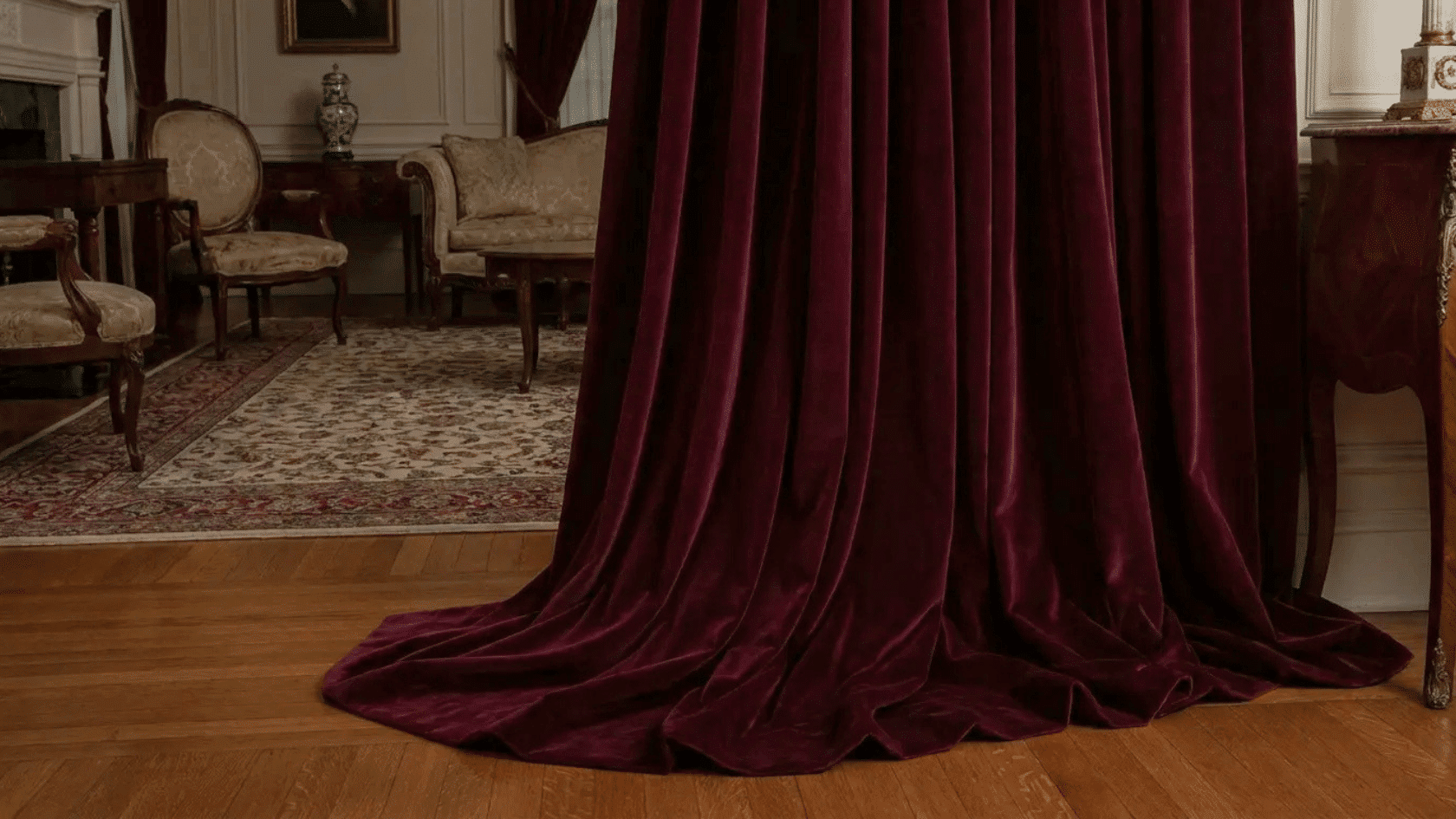
Puddle-length curtains extend beyond the floor so the fabric gathers in soft folds. They create a formal and decorative appearance.
They are best for rooms with little foot traffic. Regular cleaning is needed because the extra fabric collects dust more easily.
19. Decorative Curtain Styles
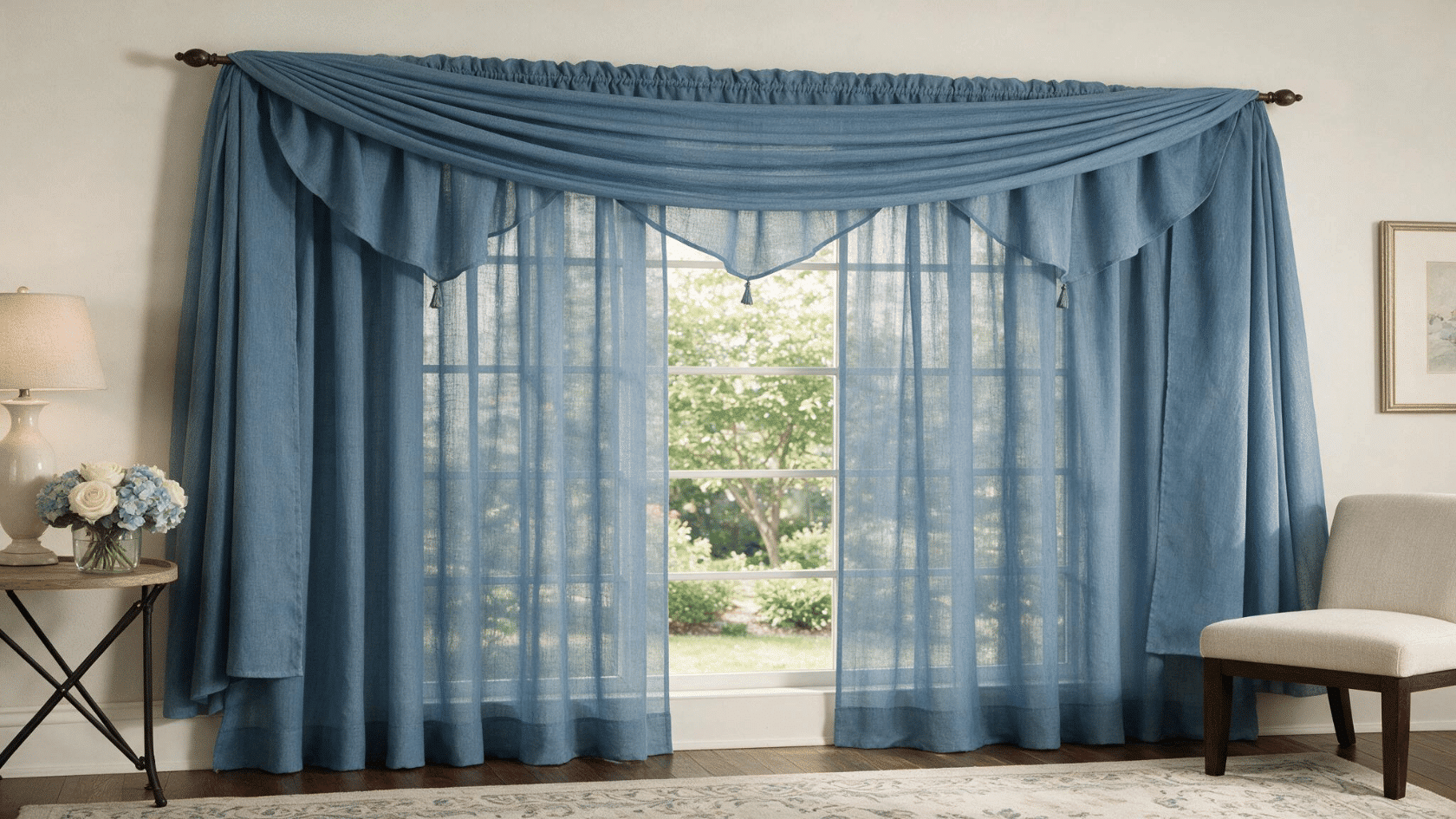
Decorative curtain styles include window scarves, swags, valances, tiebacks, layered curtains, asymmetrical designs, and patterned panels. These styles focus mainly on appearance.
Many are paired with functional curtains for privacy and light control. They work well as finishing details rather than standalone window coverings.
Curtains vs Drapes: What Is the Difference?
Curtains and drapes are often treated as the same product, but there are a few practical differences worth knowing before you shop for different types of curtains.
The biggest differences come down to fabric weight, lining, length, and overall look. Many stores still use both names for similar products, so checking details helps.
| Feature | Curtains | Drapes |
|---|---|---|
| Fabric weight | Lighter | Heavier |
| Lining | Often unlined | Usually lined |
| Light blocking | Limited | Better |
| Best for | Casual, everyday spaces | Formal rooms |
| Retail naming | Often used interchangeably | Often used interchangeably |
Comparing material and features before buying helps avoid confusion. Looking past the product name makes it easier to pick the right window covering for each room.
Choosing the Right Type of Curtain
Start by deciding how much light the room needs. Blackout curtains suit dark rooms, light-filtering fabrics soften daylight, and sheer curtains let in the most natural light while offering limited privacy.
Privacy needs also matter, especially after sunset. Sheer curtains provide daytime privacy, while thicker fabrics offer better coverage when indoor lights are turned on.
Choose curtains based on the room and window size. Bedrooms often suit blackout or thermal curtains, while kitchens, bathrooms, and living rooms benefit from styles designed for their daily use and layout.
Fabric and maintenance are just as important as style. Cotton, linen, velvet, polyester, silk, and sheer fabrics each have different qualities, and curtains used every day should slide smoothly and be easy to clean.
Final Thoughts
Choosing between so many types of curtains gets easier once you know what each style offers. Heading, length, and fabric all shape how a room feels.
The right pick depends on your space and how much light or privacy each room needs. Small details can make a bigger difference than expected.
Match each room’s curtains to its purpose, not just its look. It can improve comfort and style without any renovation.
Ready to find the perfect curtains for your home? Start with one room today.
Got a favorite curtain style or tip? Share it in the comments below.
Frequently Asked Questions
How Often Should Curtains Be Washed or Cleaned?
Most curtains need washing every 3 to 6 months, depending on dust and sunlight exposure. Heavier fabrics like velvet often need dry cleaning instead of a machine wash.
What Curtain Length Works Best for Short Windows?
Short windows usually look better with sill length or apron length curtains. Floor length can overwhelm a small window and make the wall look crowded.
Do Curtain Colors Affect Room Temperature?
Darker colors absorb more heat and can make a room feel warmer in sunlight. Lighter shades reflect heat and help keep rooms cooler during summer months.