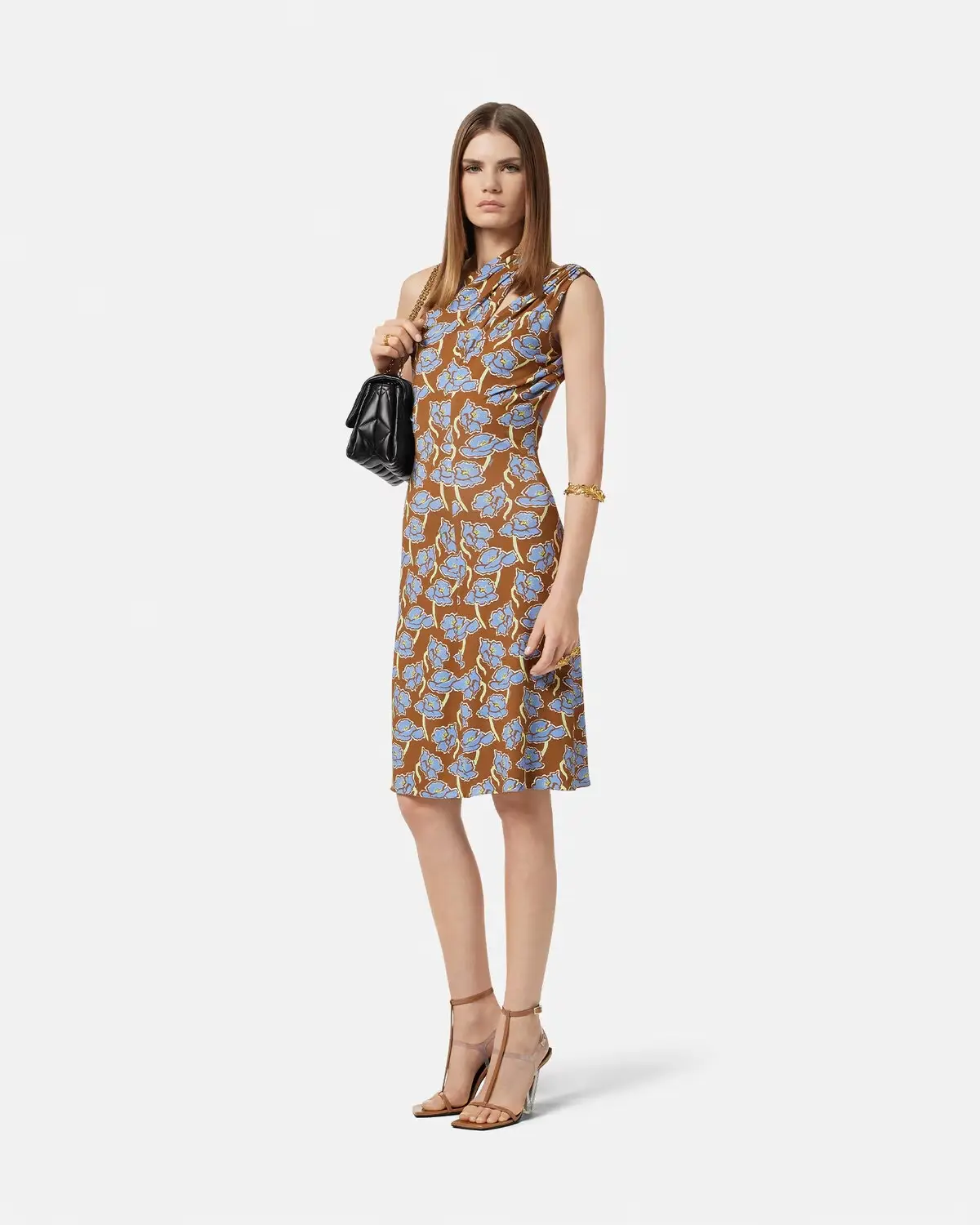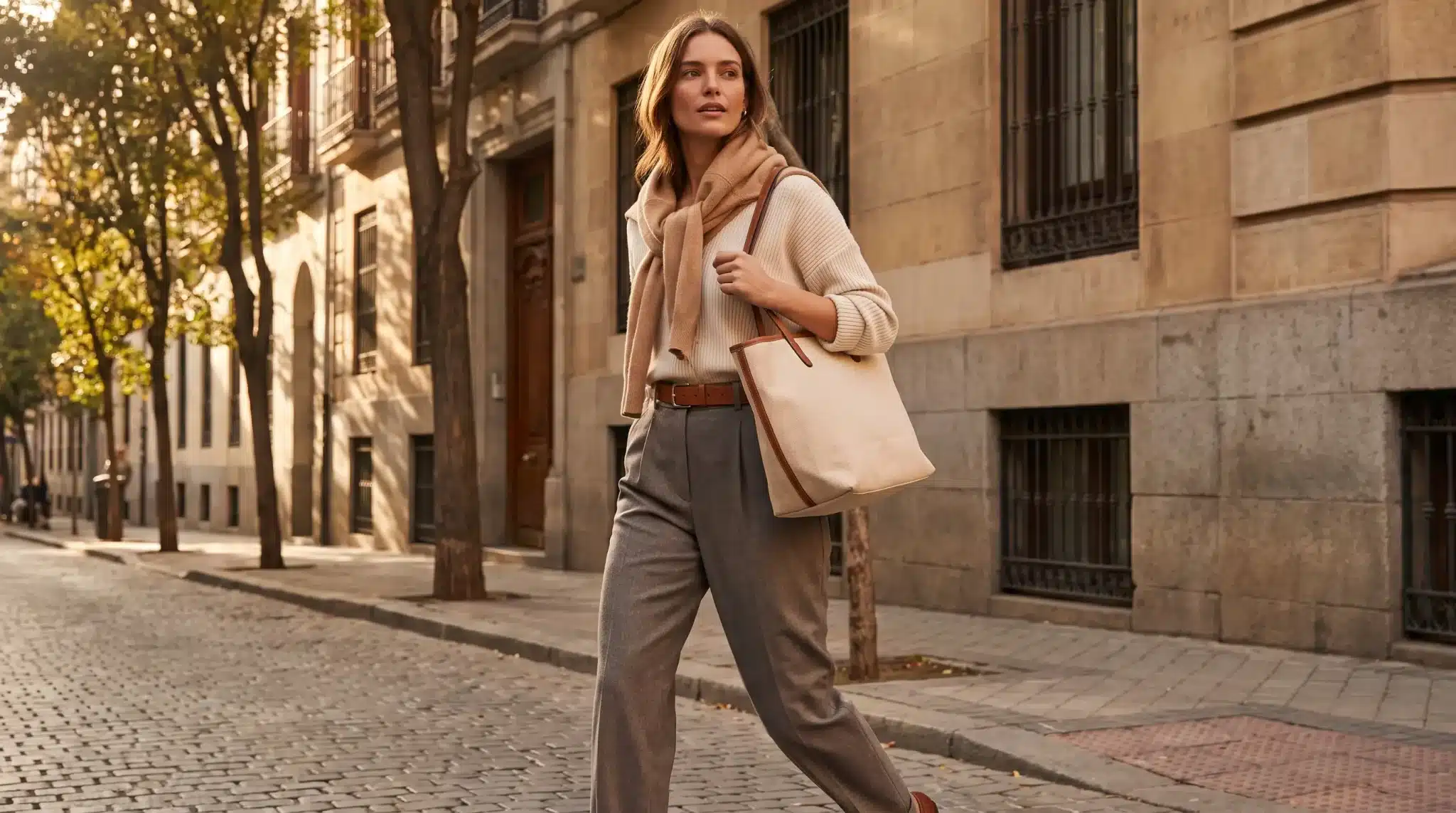
The style value of choosing accessories that do more is found in pieces that combine practical use, visual appeal, versatility, and personal preference. Choosing accessories that carry daily essentials, complement different outfits, and remain comfortable adds useful style value without requiring a large collection.
The best everyday accessory supports real routines yet contributes color, texture, proportion, or structure to an outfit. Useful accessories help create an intentional wardrobe because each piece has a clear purpose. Tote bags, scarves, belts, and practical pieces support commuting, errands, casual dressing, and travel routines while maintaining a consistent personal style.
Accessory choices gain greater value when usability works alongside thoughtful details. Capacity affects carrying needs, material influences durability, weight, maintenance, and visual character, while color and silhouette affect outfit compatibility. Personal preference guides choices toward pieces that feel comfortable and visually appropriate.
A smaller collection of useful accessories supports repeated outfit combinations without making dressing feel repetitive. The approach focuses on selecting pieces that perform well, suit daily routines, and contribute to an adaptable wardrobe. Practical choices support everyday dressing without sacrificing a clear visual identity. Each piece earns space through useful performance, comfort, and repeat styling value.
Why Are Versatile Accessories Becoming Everyday Wardrobe Essentials?
Versatile accessories are becoming everyday wardrobe essentials because they offer convenience, adaptability, wardrobe flexibility, and personal style across daily routines. A versatile accessory works across casual outfits, commuting clothes, travel combinations, and polished looks without requiring a separate item per setting.
Versatility reduces the need for a large accessory collection and gives useful pieces a clearer role. Adaptability helps an accessory respond to changing schedules, clothing silhouettes, and carrying needs. A tote bag carries work supplies during a commute and provides extra space for errands after work. Neutral colors and simple silhouettes increase outfit compatibility, while distinctive textures or prints add personal character.
Intentional wardrobe choices focus on pieces that meet practical needs while fitting established style preferences. Versatile accessories support a practical approach through repeated use, reliable function, and varied styling potential. A smaller accessory collection provides practical value across different outfits without creating unnecessary duplication.
What Makes an Accessory Useful Beyond Its Appearance?
The combination of capacity, comfort, durability, accessibility, and adaptability makes an accessory useful beyond its appearance. Capacity determines how well an accessory handles daily carrying needs, while comfort affects whether the piece remains pleasant during extended use.
Durable materials support repeated wear and reduce frequent replacement. Accessibility matters when important items need quick access while commuting, running errands, or traveling. An accessible pocket, a wide opening, a secure closure, or a practical strap placement improves daily handling without adding visual complexity. Adaptability gives an accessory value across different outfits, routines, and settings. Useful features do not remove fashion appeal.
Material texture, color, silhouette, proportion, and finishing details shape an accessory’s contribution to an outfit. A practical bag featuring clean lines and a suitable color supports casual clothing while maintaining a polished appearance. Functionality gains long-term value when practical features support comfortable use and remain compatible with personal style.
Can Functional Accessories Still Feel Fashionable?
Yes, functional accessories can still feel fashionable. Functional accessories gain visual appeal through thoughtful details, suitable materials, proportions, colors, and refined finishing touches. A practical bag looks polished when its shape complements clothing and suits the intended setting. Color influences how easily a functional piece joins an outfit.
Neutral shades support understated wardrobes, while controlled patterns or richer tones introduce visual interest without overwhelming clothing. Material choice adds another layer because canvas, leather, nylon, and suede create different textures and levels of structure. Proportion matters when an accessory interacts with clothing silhouettes.
A compact bag complements tailored clothing, while a larger tote suits relaxed layers. Practical features support carrying needs without overwhelming the outfit. Thoughtful styling keeps usefulness alongside fashion without creating a barrier to attractive dressing.
How Do Tote Bags Serve as Versatile Wardrobe Essentials?
Tote bags serve as versatile wardrobe essentials by combining generous carrying capacity with adaptable styling for daily use. A spacious interior accommodates work supplies, personal essentials, groceries, books, and light clothing layers. Practical capacity supports commuting, errands, casual outings, and travel without requiring a separate bag for each activity.
Silhouette influences how a tote bag fits different clothing styles. Structured shapes complement trousers, knitwear, button-down shirts, and polished casual outfits, while relaxed shapes suit denim, T-shirts, sneakers, and lightweight layers. Size further affects visual proportion and carrying comfort, giving smaller and larger silhouettes distinct wardrobe roles.
Material adds another styling dimension. Canvas creates a relaxed appearance, leather offers a polished surface, nylon provides lightweight practicality, and suede introduces soft texture. Color, handle length, and shape further influence outfit compatibility. Capacity, material, silhouette, and styling flexibility give tote bags lasting practical value across varied wardrobes and daily activities.
Which Everyday Outfits Pair Naturally With Tote Bags?
The everyday outfits that pair naturally with tote bags are casual, smart casual, weekend, and travel looks. Outfit structure influences tote selection, including material, size, color, and shape. Tote styling changes according to clothing, footwear, and daily carrying needs, allowing each outfit to create a distinct look.
The everyday outfits that pair naturally with tote bags are listed below.
- Casual Dressing: Denim, T-shirts, sneakers, and relaxed layers pair well with simple tote bags. Canvas styles complement casual clothing through relaxed texture, practical carrying space, and an easy visual character that suits everyday errands, coffee runs, and informal outings.
- Smart Casual Dressing: Trousers, knitwear, button-down shirts, and understated totes create a polished combination. Structured tote bags in neutral shades complement cleaner clothing proportions while adding practical space for work essentials without disrupting a refined appearance.
- Weekend Dressing: Comfortable tops, relaxed pants, sneakers, and practical layers create an easy weekend combination. Roomy tote bags accommodate personal essentials, shopping items, or light layers while maintaining a comfortable appearance suited to flexible weekend activities.
- Travel Dressing: Lightweight clothing, comfortable footwear, and functional tote bags support travel routines. Spacious interiors accommodate daily essentials, while lightweight materials reduce carrying weight and provide practical space for items needed during transit, sightseeing, and longer outings.
Why Does Material Matter When Choosing an Everyday Bag?
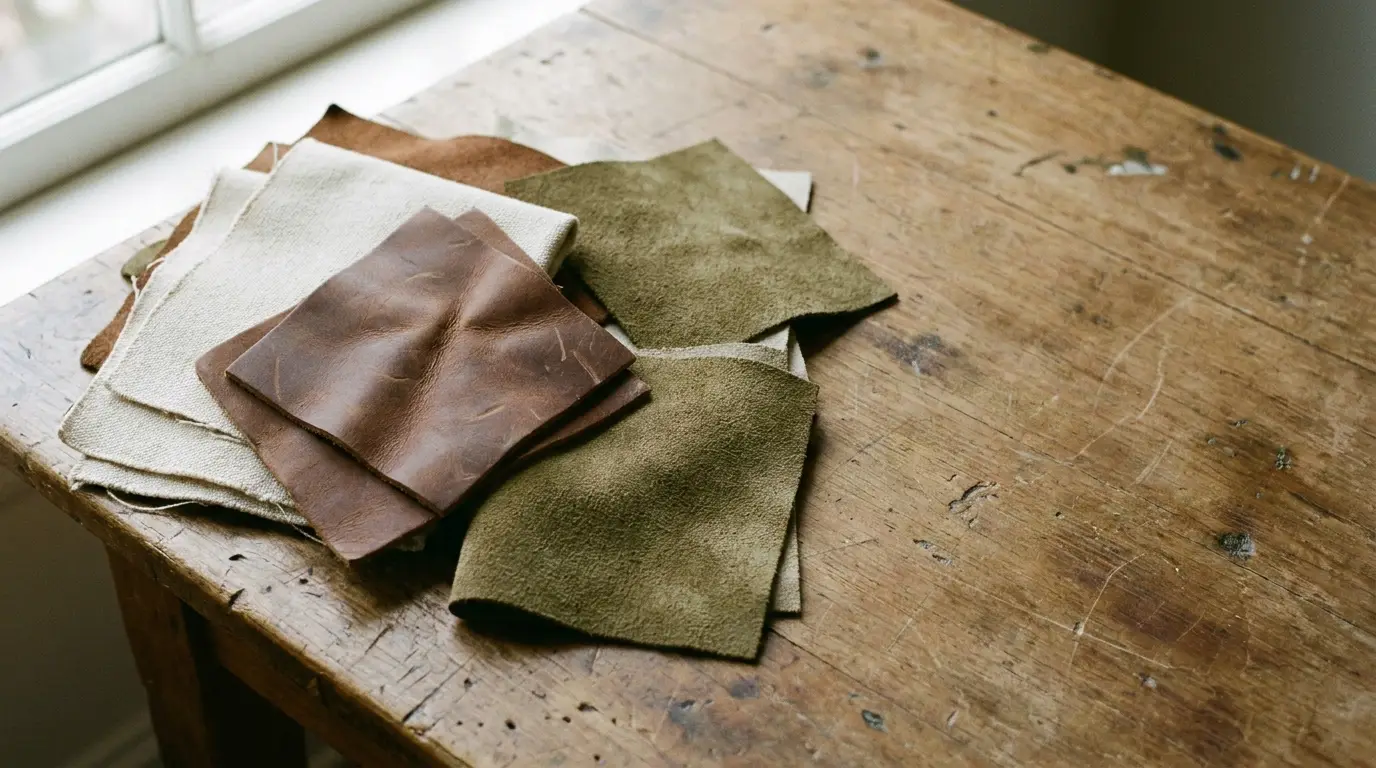
Material matters when choosing an everyday bag because structure, weight, durability, maintenance, and visual character vary across fabric and leather options. Canvas provides a casual appearance and a firm fabric feel, while leather offers greater structure and a polished surface. Nylon provides low weight and practical handling, while suede adds soft texture and refined visual character. Material choice affects maintenance requirements.
Canvas suits relaxed routines, leather requires surface care, nylon handles active use through simple cleaning, and suede needs protection from moisture and stains. Material performance matters when a bag carries items during commuting, errands, travel, or work. Lifestyle and wardrobe requirements guide the strongest material choice. A relaxed wardrobe suits canvas, while structured clothing pairs well with leather.
Nylon suits routines that value low weight and ease of handling. Suede suits settings where texture matters alongside practical carrying. Material selection works best when daily function and wardrobe character receive equal consideration.
Canvas Tote Bags for Relaxed and Practical Wardrobes
Canvas tote bags for relaxed and practical wardrobes are useful pieces that combine roomy carrying space, approachable texture, and easy styling. Canvas suits denim, casual separates, sneakers, lightweight layers, and simple clothing because of its relaxed visual character. The fabric supports repeated use across errands, commuting, and casual routines. Plain canvas designs create a clean appearance that fits understated outfits.
Printed designs introduce pattern without requiring changes to the rest of an outfit. Graphic designs add a stronger visual statement and give simple clothing a distinct focal point. Canvas tote bags gain styling flexibility through color, handle length, shape, and print treatment.
Neutral canvas supports quiet combinations, while brighter shades or graphics add personality. A roomy silhouette supports practical carrying, while a smaller shape creates a lighter proportion. The material retains a casual character, while thoughtful styling gives canvas tote bags a place within a broad everyday wardrobe.
Can Canvas Tote Bags Complement a More Refined Wardrobe?
Yes, canvas tote bags can complement a more refined wardrobe. Canvas tote bags gain compatibility with polished clothing through understated colors, clean shapes, minimal graphics, and controlled proportions. Neutral canvas pairs well with trousers, knitwear, button-down shirts, loafers, and other polished casual pieces. A structured canvas tote creates a neater appearance than a loose printed version.
Black, navy, cream, gray, and muted earth tones support refined color palettes without competing against tailored clothing. Simple handles and restrained details keep the bag visually composed. Refined styling does not require changing the nature of the canvas. The material retains its casual character while fitting clothing that has cleaner lines and coordinated proportions.
A carefully selected canvas tote bag adds useful carrying capacity without making a polished outfit appear overly formal or visually disconnected.
How Does Bag Size Affect Everyday Convenience and Style?
Bag size affects everyday convenience and style by determining carrying capacity, handling comfort, visual proportion, and compatibility with clothing silhouettes. Compact bags suit light routines that require a phone, wallet, keys, and a few small items. Medium bags provide a balanced option for daily essentials and work or personal items.
Oversized bags accommodate heavier loads, including laptops, clothing layers, notebooks, and shopping items. Larger dimensions increase carrying capacity while creating a stronger visual presence. Compact shapes create a lighter appearance, while roomy silhouettes suit relaxed clothing and layered outfits. Carrying requirements provide the practical basis for size selection.
A commuter carrying work supplies needs a different capacity from a person carrying a few personal essentials. Clothing proportions matter as well. A large tote bag complements loose layers, while a compact bag suits fitted or tailored clothing. The best size combines realistic carrying needs, comfortable handling, and suitable outfit proportions.
What Makes an Accessory Worth Reaching for Every Day?
The combination of comfort, accessibility, versatility, durability, and visual compatibility makes an accessory worth reaching for every day. Comfort encourages frequent wear, as straps, handles, weight, and dimensions affect physical ease in daily routines. Accessibility keeps essential items easy to reach, while durability ensures dependable use on repeated outings.
Versatility increases value when a single accessory works with casual clothing, work outfits, travel combinations, and weekend routines. Visual compatibility matters because an accessory needs to fit the colors, proportions, textures, and silhouettes already present in a wardrobe. A useful item gains stronger wardrobe status when it solves a practical need without requiring complicated styling.
Regular practical use separates a true wardrobe essential from an accessory that receives occasional attention. A dependable tote, belt, scarf, or bag earns space through reliable function and easy coordination. Practical accessories support consistent dressing habits while reducing unnecessary duplication and preserving personal style.
How Can You Get More Out of a Smaller Wardrobe?
You can get more out of a smaller wardrobe by choosing accessories with clear functions, repeating reliable outfit formulas, refreshing familiar clothing, prioritizing quality, and avoiding unnecessary duplication. A focused accessory collection gives existing clothing a greater styling range without adding excessive pieces.
You can get more out of a smaller wardrobe by following the five steps listed below.
- Choose Versatile Accessories. Select pieces that suit casual outfits, work clothing, travel combinations, and weekend routines. Neutral colors and adaptable silhouettes increase styling options.
- Repeat Successful Combinations. Build reliable outfit formulas around proven clothing and accessory pairings. Repetition creates consistency and reduces daily decision-making.
- Use Accessories to Refresh Familiar Clothing. Change color, texture, proportion, or carrying style to give familiar garments a different visual character.
- Prioritize Quality and Practicality. Prioritize comfortable materials, durable details, suitable capacity, and useful features that support regular use.
- Avoid Unnecessary Duplication. Select pieces that perform distinct functions or provide distinct styling roles rather than adding items that perform the same task.
Why Does Everyday Function Matter in Personal Style?
Everyday function matters in personal style because clothing and accessories need to support real routines, movement, comfort, carrying needs, and regular use. A visually appealing accessory loses practical value when its size, weight, materials, or access points conflict with daily activities. Functional choices help clothing work during commuting, errands, work schedules, travel, and leisure.
Comfort strengthens personal style because comfortable pieces receive repeated use and support natural movement. Practicality adds value when an accessory carries necessary items, protects belongings, or adapts to changing routines. Function does not remove visual identity because color, material, silhouette, texture, and proportion shape an outfit. A functional wardrobe supports a more intentional approach to dressing.
Useful pieces receive regular wear, while unnecessary additions receive less attention. Personal style becomes easier to maintain when accessory choices reflect actual habits, comfort preferences, and practical needs. Everyday function connects appearance to lived routines and gives style a clear purpose.
Why Do Versatile Accessories Have Lasting Wardrobe Value?
Versatile accessories have lasting wardrobe value because their versatility, practicality, durability, and adaptable styling support regular use through changing routines. A useful accessory delivers long-term value by meeting practical needs while fitting casual outfits, work clothing, travel combinations, and weekend dressing.
Durability supports continued use through reliable construction and suitable materials. Practicality keeps an accessory relevant when carrying needs, comfort requirements, or daily activities change. Adaptable styling extends wardrobe compatibility because color, silhouette, texture, and proportion affect how easily a piece works alongside existing clothing. Long-term wardrobe value comes from repeated usefulness rather than novelty alone.
A tote bag, scarf, belt, or other practical accessory remains valuable when it continues to meet a real need while contributing to personal style. A smaller collection of adaptable pieces supports consistent outfit choices without unnecessary duplication. Strong wardrobe accessories unite function and appearance, giving each piece a clear purpose within everyday dressing.