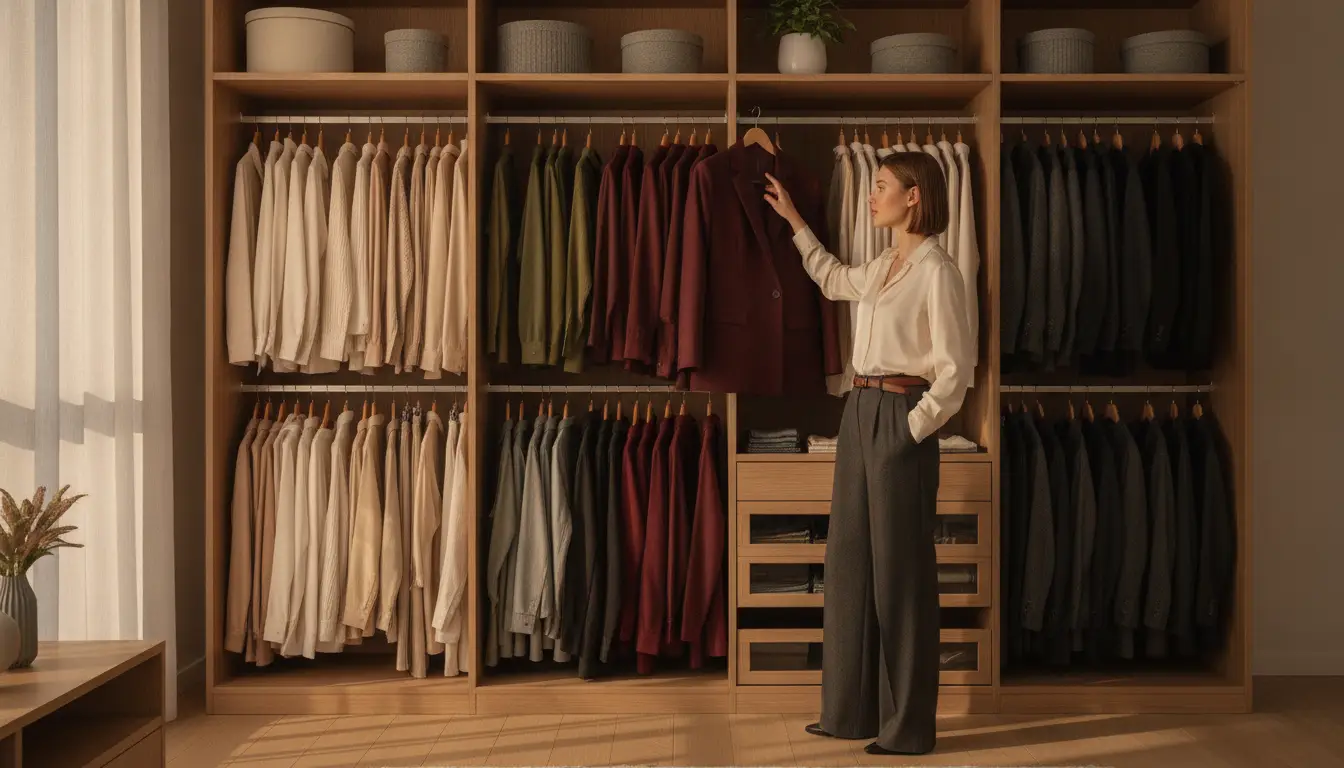
A beautiful home and a family-friendly home don’t have to be two different things. While children naturally bring more movement, toys, and everyday mess into a space, thoughtful design choices can help you create a home that feels polished without becoming impractical.
Instead of treating style and functionality as competing priorities, focus on creating spaces that support family life while reflecting your personal taste. With a few smart decisions, you can design a home that looks sophisticated, feels welcoming, and stands up to the demands of everyday living.
Choose Furniture That Works Harder
The best family homes rely on furniture that serves multiple purposes. Storage benches, nesting tables, and ottomans with hidden compartments reduce clutter without adding bulky storage units throughout the house.
When choosing seating, durability matters just as much as appearance. Materials that resist everyday wear are easier to maintain, especially in busy living rooms where children play, read, or enjoy family movie nights.
Modular seating can also make life much easier. As your family’s needs change, you can rearrange sections to create more open play space or extra seating for visitors. If you’re considering this type of flexible layout, browse options from Soulfa to provide inspiration for creating a living room that adapts over time without compromising on style.
Select Materials That Can Handle Everyday Life
It’s tempting to choose delicate fabrics or high-maintenance finishes when decorating, but practical materials often provide better long-term value.
Performance fabrics, washable slipcovers, and durable upholstery make cleaning much less stressful after inevitable spills. Similarly, wood finishes with natural grain or matte surfaces tend to hide minor scratches better than glossy alternatives.
For flooring, hard-wearing options such as luxury vinyl, engineered wood, or tile often handle heavy family use better than soft materials that stain easily. Area rugs can then add warmth and comfort while remaining easier to replace if necessary.
Rather than filling your home with items that require constant attention, choose finishes that allow you to relax and enjoy the space.
Create Storage That Blends Into the Design
Children rarely stop playing simply because guests arrive. That’s why accessible storage can make a significant difference to the overall appearance of your home.
Built-in shelving, attractive baskets, sideboards, and storage cabinets allow toys, books, and craft supplies to disappear quickly when needed. Open shelves can display decorative objects on higher levels while lower shelves hold children’s belongings within easy reach.
In living rooms, coffee tables with drawers or lift-top storage provide convenient storage without adding extra furniture. Bedrooms benefit from under-bed storage, while entryways become more organised with benches that include hidden compartments for shoes and outdoor gear.
When storage becomes part of the design rather than an afterthought, your home feels calmer and more organised every day.
Design With Safe, Flexible Spaces in Mind
A kid-friendly home doesn’t require every room to become a playroom. Instead, create flexible zones that support different activities throughout the day.
A corner of the living room can become a reading nook with comfortable cushions and a small bookshelf. A dining table can double as a homework station after meals. Even unused hallway space can accommodate a slim craft cabinet or activity table.
Safety should also influence design choices without dominating the aesthetic. Rounded furniture corners, securely anchored shelving, cordless window coverings, and non-slip rugs all contribute to a safer environment while maintaining a polished look.
The goal isn’t to remove every possible risk but to create a home where children can move comfortably without constant worry.
Stick to a Timeless Colour Palette
Bright plastic toys naturally introduce plenty of colour into a home, so your decorating scheme doesn’t need to compete with them. Neutral walls, warm earth tones, soft greens, muted blues, and natural textures create a calm backdrop that allows decorative accessories to stand out without making the room feel busy.
You can then introduce personality through artwork, cushions, throws, ceramics, or seasonal decorations, all of which are easy to update as trends change. This approach also prevents expensive redesigns every few years.
Layering different textures, such as linen, wool, timber, woven baskets, and soft cotton, adds warmth and character while keeping the overall design balanced and inviting.
Accept That Family Homes Should Feel Lived In
Many homeowners chase magazine-perfect interiors that simply don’t reflect everyday family life. In reality, the most welcoming homes are comfortable, functional, and full of personality.
Display children’s artwork in stylish frames. Include books within easy reach instead of hiding them away. Mix treasured family keepsakes with carefully chosen décor to create spaces that feel authentic rather than staged.
Good design supports how people actually live. It allows children to play, parents to relax, and guests to feel comfortable without creating unnecessary stress over every fingerprint or misplaced toy.
Final Thoughts
Designing a stylish home with children doesn’t mean lowering your standards or giving up the look you love. It means making thoughtful choices that balance beauty with practicality. Durable furniture, smart storage, flexible layouts, and timeless finishes all contribute to a home that grows alongside your family.
The most successful family homes are adaptable, comfortable, and designed to support everyday life. When every room works for both adults and children, your home becomes a place that’s not only attractive but genuinely enjoyable to live in.