Walk through almost any neighborhood in Los Angeles and you’ll notice something interesting. The homes that feel the most inviting are not always the largest or the most expensive. They simply use furniture well. Many homeowners focus heavily on paint colors, decorative accessories, and trending design ideas, only to realize later that their spaces still feel uncomfortable or unfinished. In most cases, the issue comes down to furniture choices.
The right furniture shapes how a home functions every day. It affects comfort, organization, movement, and even how people interact with one another. Well-designed homes prioritize pieces that serve a clear purpose and improve daily living. Before investing in decorative details, it makes sense to understand which furniture pieces deserve the most attention. These are the items that create a strong foundation for every room and continue to add value long after design trends change.
A Bed Frame That Shapes the Bedroom
Many people focus entirely on the mattress and treat the bed frame as an afterthought. In reality, the bed frame has a major influence on both function and appearance. Because the bed is usually the largest item in the room, it immediately affects how the entire space feels. A well-proportioned bed frame creates structure and helps establish a clear focal point. Storage beds can provide valuable extra space in homes where closet capacity is limited. Upholstered headboards add comfort for people who enjoy reading or watching television in bed. The right frame should fit the room comfortably without overwhelming it. Taking accurate measurements before shopping prevents many of the sizing mistakes that homeowners later regret. It also helps to evaluate the mattress before making a final decision. You can test mattresses in LA and see how different models work with your chosen bed frame and overall bedroom setup.
Nightstands That Improve Bedside Comfort
Nightstands may seem minor, but they affect how comfortable a bedroom feels every night. A useful nightstand gives people a place for lighting, water, books, glasses, chargers, and small personal items. The height should line up closely with the top of the mattress, so reaching for things feels natural. Drawers help hide clutter, while open shelves work well for people who keep only a few items nearby. In small bedrooms, wall-mounted nightstands can free up floor space and make cleaning easier. Matching nightstands can create a tidy look, but they do not need to be identical. The main goal is balance, proper scale, and enough storage for real bedtime habits.
The Sofa That Sets the Tone
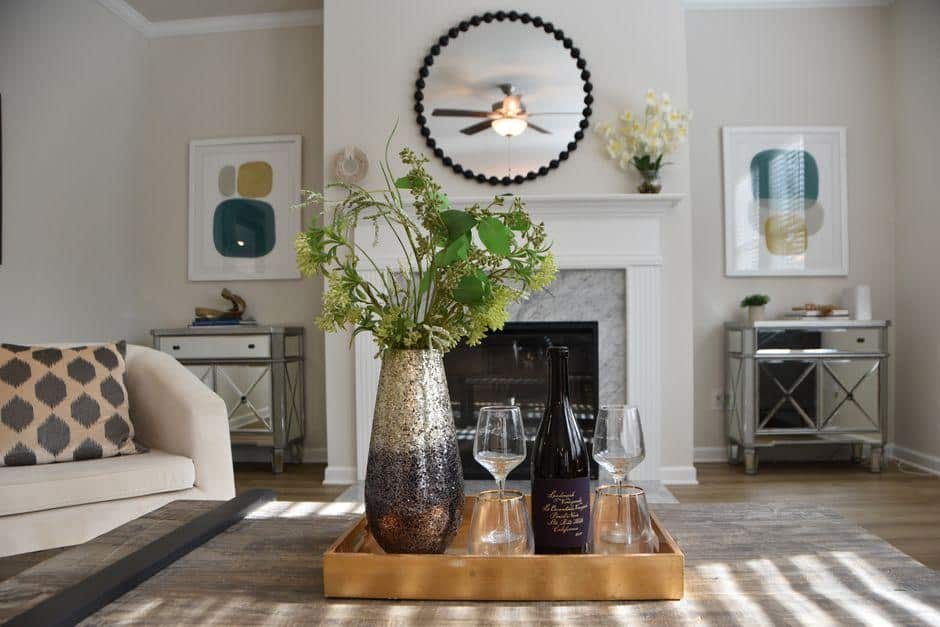
A sofa does far more than provide a place to sit. It often becomes the visual and functional center of the living room. People gather around it for conversations, movie nights, reading sessions, and everyday relaxation. Choosing the right sofa starts with understanding how the room will be used. A large sectional may work well for a family that entertains often, while a smaller apartment may benefit from a streamlined three-seat design. Comfort should always come before appearance. Deep seats, supportive cushions, and durable upholstery usually have a bigger impact on long-term satisfaction than trendy shapes. Homeowners should also pay attention to scale. A sofa that fits the room properly helps create balance and allows other furniture pieces to work together naturally.
A Dining Table Worth Gathering Around

The dining table remains one of the most important furniture investments in a home because it supports many activities beyond meals. Families often use it for homework, remote work, game nights, and casual conversations. The best dining tables match the way people actually live rather than how they imagine they will use the space. Round tables encourage conversation and fit well in smaller rooms. Rectangular tables often provide more seating and work better in larger dining areas. Material selection matters as well. Solid wood surfaces tend to age gracefully and can handle daily use. Before buying, homeowners should measure clearance space around the table to ensure chairs can move comfortably without making the room feel crowded.
Accent Chairs That Make Rooms More Useful
Accent chairs work best when they solve a real seating problem. A good chair can turn an empty corner into a reading spot, give guests another place to sit, or balance a room that feels too sofa-heavy. The key is choosing a chair with purpose. A sculptural chair may look great, but it still needs to feel comfortable enough for regular use. Swivel chairs work well in open-plan homes because people can turn toward different conversation areas. Armchairs create a calmer, more settled feel in bedrooms and living rooms. Instead of matching the sofa exactly, choose a chair that shares one design element, such as wood tone, fabric texture, or shape. That keeps the room connected without looking forced.
Coffee Tables That Support Daily Living
A coffee table should match the way people use the living room. In a family room, rounded edges can make the space safer and easier to move through. In a smaller apartment, a lift-top table or a design with drawers can add useful storage without taking up extra floor space. Size matters more than many shoppers realize. A table that sits too far from the sofa becomes inconvenient, while one that is too large can block movement. The height should usually sit close to the sofa seat height, so drinks, books, and remotes stay easy to reach. Materials also deserve attention. Glass can make a room feel lighter, while wood tends to handle daily wear with more forgiveness.
Entryway Pieces That Keep Mornings Smoother
The entryway handles bags, shoes, keys, jackets, mail, and quick exits, so it needs furniture that supports daily routines. A narrow console works well for keys and small items, while a bench makes it easier to put on shoes. Closed storage helps busy households keep clutter out of sight. Wall hooks or a coat rack can help if closet space is limited. The best entryway furniture fits the size of the space without blocking the door swing or walking path. Even a small entry can feel more organized with one well-chosen piece. Focus on what usually piles up near the door, then choose furniture that gives those items a clear place to go.
The most important furniture pieces in a well-designed home are the ones that improve daily life. A strong sofa, useful dining table, comfortable bed setup, smart storage, flexible seating, and practical entryway pieces all help a home work better. Good design becomes easier when homeowners stop buying random pieces and start thinking about function first. Every room should answer simple questions: Where will people sit? Where will they store things? How will they move through the space? What needs to feel comfortable every day? When furniture choices support those answers, the home feels more organized, more personal, and easier to live in. Style still matters, but the best rooms begin with pieces that serve a clear purpose.