A memorable restaurant experience appears effortless. Guests notice lighting, tableware, music and the first glimpse of a carefully arranged plate, yet the atmosphere also depends on infrastructure they will never see. Behind the polished dining room, a commercial kitchen produces heat, vapour, smoke, odours and grease-laden air throughout service.
Managing those by-products is fundamental to comfort, safety and operational continuity. This is why tr19 duct cleaning belongs within the wider conversation about restaurant quality. It protects the hidden extraction route supporting chefs, front-of-house teams, neighbouring premises and guests.
Why the Guest Experience Begins Behind the Scenes
Hospitality design often concentrates on visible details because they create immediate emotional impact. Upholstery, stone surfaces, open kitchens and decorative lighting can communicate refinement before a menu is opened. Yet an attractive interior cannot compensate for persistent cooking odors, uncomfortable heat or mechanical systems struggling to move air.
The strongest venues align aesthetic ambition with disciplined maintenance, ensuring the environment remains composed through lunch, dinner service and the demanding clean-down that follows.
This relationship is especially important in compact urban restaurants, where kitchens, dining areas, corridors and neighboring properties share a constrained footprint. Extraction systems carry cooking by-products from the canopy through ductwork towards discharge. When grease accumulates internally, the problem extends beyond a visible filter. Deposits can spread through inaccessible sections, around bends, near fans and across surfaces that routine kitchen cleaning cannot reach. Hidden hygiene therefore becomes part of hospitality performance.
What Happens Inside a Commercial Extract System
Cooking releases airborne particles, vapours and moisture. The extract canopy captures much of this plume, while filters intercept some grease before air continues into the ductwork. No filtration arrangement removes everything. Fine grease particles can travel through the system, cool against internal surfaces and form adhesive deposits. Over time, those deposits may trap additional contamination, restrict accessible components and create a more demanding industrial cleaning task.
The rate of accumulation varies because every kitchen operates differently. A venue using chargrills, fryers or high-temperature wok cooking will generate a different loading from a bakery, café or lightly used preparation kitchen. Trading hours, menu changes, equipment position, filter maintenance and duct geometry also influence the condition of the system.
A generic annual diary entry is therefore less informative than a risk-based program informed by usage, inspection findings and measurable evidence from representative areas of the extraction route.
Why Specialist Duct Cleaning Requires Technical Control
TR19 Grease is a recognized industry specification focused on managing fire risk associated with grease accumulation in commercial kitchen extraction systems. A competent clean involves more than washing the canopy or polishing the visible face of an extractor.
Technicians need suitable access to the internal duct surfaces, appropriate cleaning methods for the contamination encountered, and a systematic approach that covers relevant components rather than only the easiest sections. Access panels may be necessary where the original installation does not permit adequate inspection and cleaning.
Documentation also matters because a completed task should be verifiable. Before-and-after photographs, observations, deposit measurements where appropriate, component records and a clear account of inaccessible areas create an audit trail for facilities teams, landlords, insurers and other stakeholders.
This evidence helps operators demonstrate that maintenance has been planned rather than improvised. It also identifies defects or access limitations that require separate remedial work, preventing a cleaning certificate from becoming a substitute for understanding the actual condition of the system.
How Ventilation Influences Comfort and Atmosphere
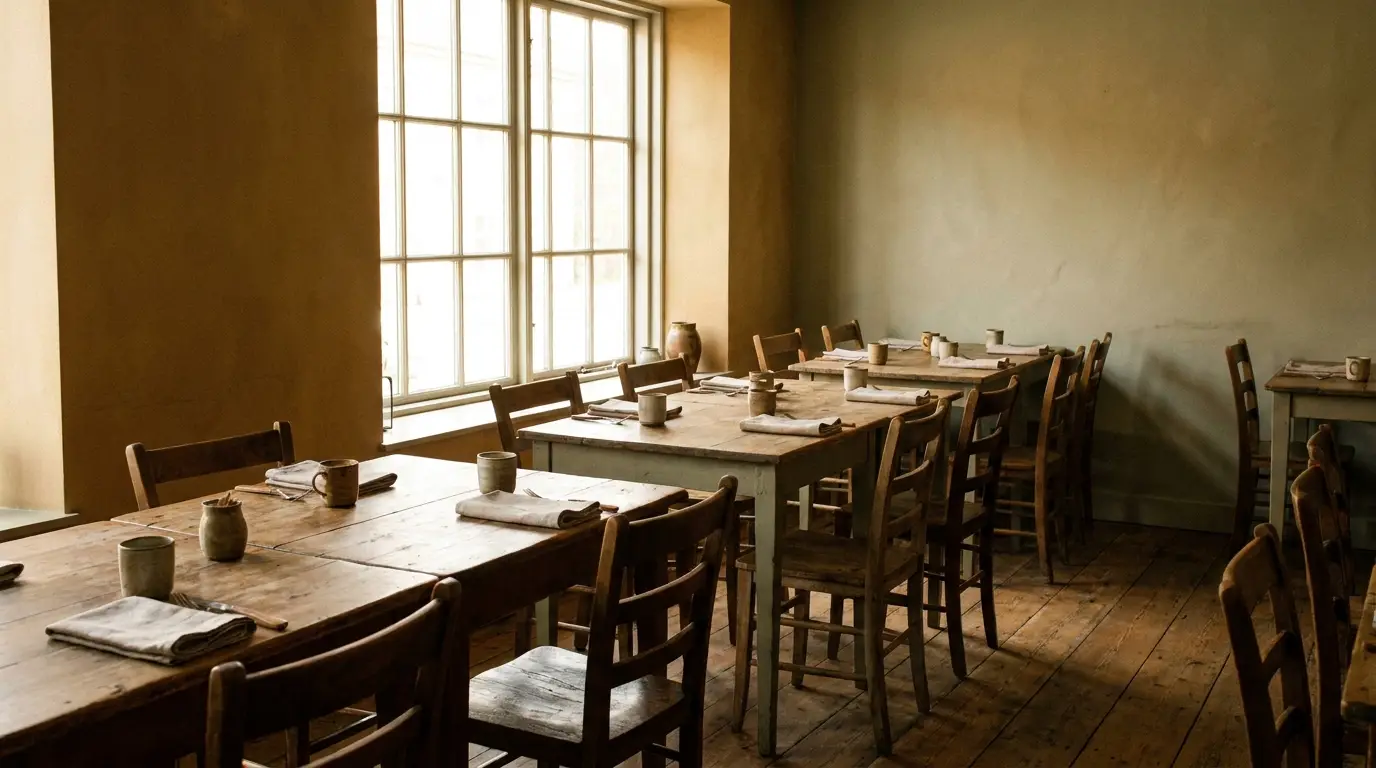
Guests may never inspect a duct, but they can experience the consequences of poorly managed extraction. Excess heat can make a dining room feel oppressive, cooking smells may linger on clothing and abrupt noise from overworked equipment can undermine an otherwise considered interior.
Front-of-house staff also move repeatedly between kitchen and dining spaces, so environmental conditions affect their comfort and ability to deliver attentive service. Ventilation maintenance is therefore connected to hospitality quality in practical, sensory ways.
The kitchen team experiences the relationship even more directly. Effective capture and extraction help remove heat, vapour and cooking emissions from the working zone, supporting a more manageable environment during sustained production. Cleaning cannot correct an incorrectly designed or damaged system, but it can prevent avoidable contamination from compounding existing performance issues. Where airflow, noise or odour changes are noticed, they should prompt investigation rather than being accepted as an inevitable consequence of a busy kitchen.
Turning Maintenance Into a Planned Routine
A resilient maintenance programme begins with accurate information. Operators should understand the extraction route, the location of access panels, the cooking processes served and the previous cleaning history. Responsibilities must also be clear where a restaurant occupies leased premises or shares risers and service areas with other businesses.
Without defined ownership, essential work can be delayed while each party assumes another is arranging it. Planned scheduling reduces this ambiguity and allows cleaning to take place around trading requirements.
Good planning also connects daily housekeeping with specialist intervention. Staff can clean accessible filters, canopy surfaces and surrounding areas at the frequency required by the operation, while trained technicians address internal ductwork and components beyond routine reach.
Records should be retained, reviewed and used to inform the next inspection or clean. This creates continuity when managers change, menus evolve or opening hours increase. The result is not simply a cleaner system, but a more intelligible and defensible maintenance process.
The Best Hospitality Feels Effortless
The most accomplished restaurants make complexity disappear. Guests see a beautiful room and receive confident service, while disciplined systems manage heat, grease, airflow and risk behind the scenes. Extraction hygiene is one of those invisible disciplines. It cannot create an exceptional menu or replace thoughtful interior design, but it helps protect the conditions in which both succeed.
Combining routine housekeeping, specialist duct cleaning, appropriate documentation and responsive maintenance supports a comfortable atmosphere, a safer workplace and the effortless professionalism that turns a meal into a memorable experience.