The online casino industry has undergone a remarkable transformation over the past two decades. What began as a niche form of digital entertainment accessible primarily through desktop computers has evolved into a sophisticated mobile experience that allows players to enjoy their favorite games virtually anywhere. Among all casino products, slot games have been at the center of this evolution, continuously adapting to changing technologies, player expectations, and digital lifestyles.
As internet connectivity improved and smartphones became increasingly powerful, the way people engaged with online entertainment changed dramatically. Casino operators responded by rethinking not only how games were delivered but also how players interacted with them. Today’s online slot experience bears little resemblance to the early versions that first appeared on computer screens in the late 1990s.
The Early Days of Online Slot Gaming
When online casinos first emerged, slot games were relatively simple. Graphics were basic, internet speeds were limited, and players typically accessed games through desktop computers connected via home internet connections. Despite these technological limitations, digital slots quickly gained popularity because they offered convenience that traditional land-based casinos could not match.
Developers focused primarily on recreating the mechanics of physical slot machines. Classic fruit symbols, simple paylines, and straightforward gameplay dominated the market. For many players, the ability to access casino entertainment without traveling to a physical venue represented a significant innovation.
As technology improved, developers began introducing more advanced features, including bonus rounds, animated graphics, themed games, and larger jackpots. These enhancements helped transform online slots from simple digital replicas into unique entertainment experiences.
Mobile Technology Changed Player Expectations
The introduction of smartphones fundamentally altered consumer behavior across virtually every digital industry, including online gaming. People increasingly expected entertainment services to be available whenever and wherever they wanted them.
Casino operators recognized this shift and invested heavily in mobile optimization. Modern platforms now provide seamless experiences across smartphones, tablets, laptops, and desktop computers. Players can often switch between devices without interrupting gameplay, creating a level of flexibility that was unimaginable during the early years of online casinos.
This transition also encouraged developers to rethink game design. Interfaces became more intuitive, controls were simplified for touchscreen navigation, and games were optimized to load quickly even on smaller screens.
Convenience Has Become a Major Competitive Factor
As the online casino market expanded, operators began competing not only through game selection but also through user experience. Players increasingly valued accessibility, ease of navigation, and smooth performance alongside traditional considerations such as bonuses and jackpots.
Many modern casino platforms now prioritize mobile-first design strategies. Features such as streamlined account management, responsive interfaces, and extensive game libraries have become essential components of the player experience.
For example, players who want to enjoy online slots often look for platforms that offer a wide range of games while maintaining a smooth experience across devices. Services such as MrQ have responded to these expectations by providing access to a large collection of slot titles that can be played directly through mobile and desktop environments without requiring complex software installations.
Slot Design Has Become More Sophisticated
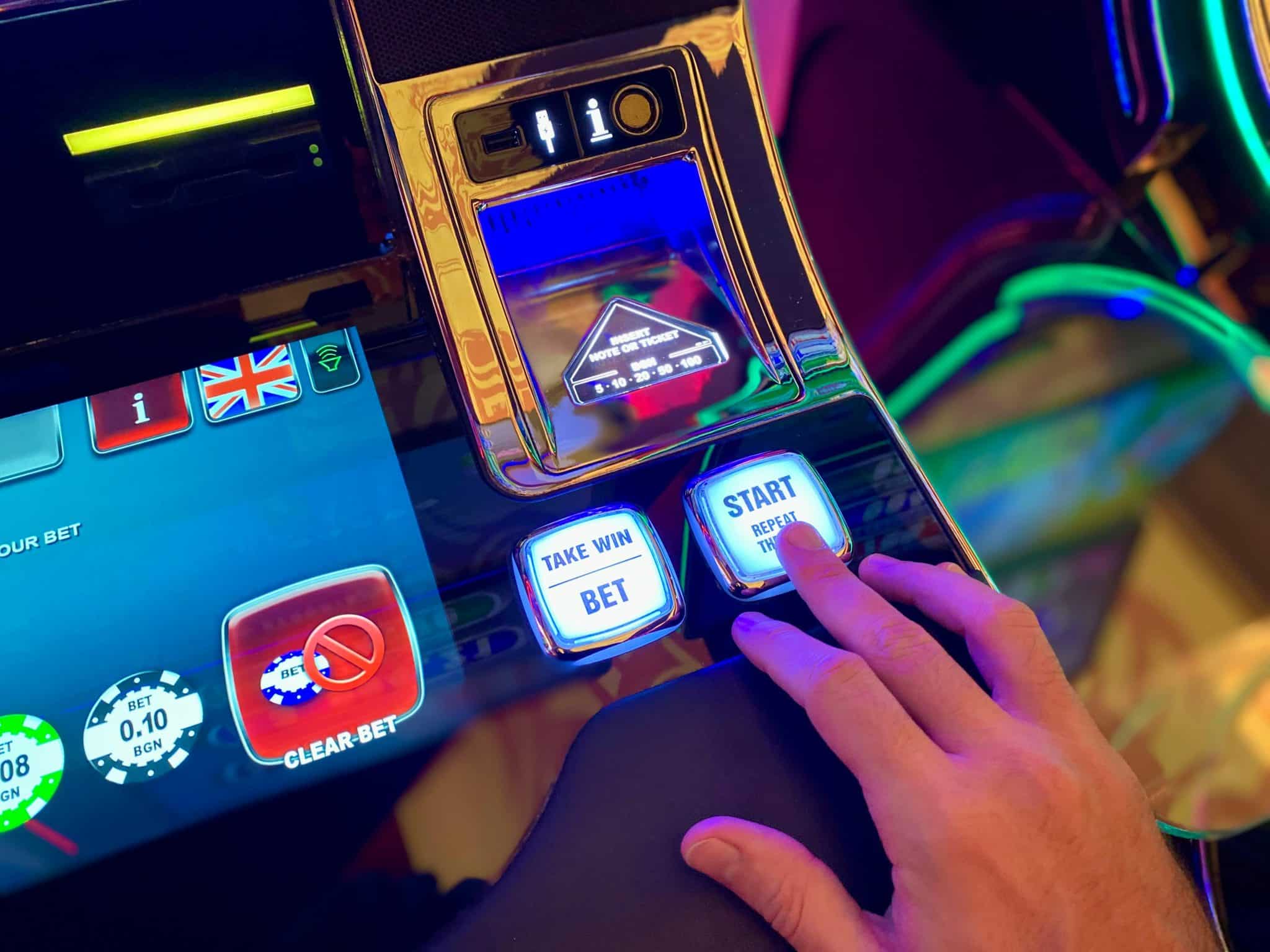
The evolution of mobile technology has also influenced the creative direction of slot development. Modern slot games feature cinematic visuals, immersive sound design, interactive bonus features, and story-driven themes that appeal to a broad audience.
Many contemporary slots draw inspiration from popular culture, mythology, adventure narratives, and fantasy worlds. Developers have effectively blended elements of video games with traditional slot mechanics, creating experiences that feel more dynamic and engaging.
Advancements in mobile hardware have enabled developers to incorporate increasingly sophisticated graphics without sacrificing performance. As a result, players can enjoy visually rich experiences from devices that fit comfortably in a pocket.
Regulation Continues to Shape Industry Standards
The growth of online slots has not occurred in isolation. Broader trends within the gaming industry have influenced how casino platforms approach design, accessibility, and user engagement. Features that players now consider standard, including seamless mobile functionality, personalized experiences, and intuitive interfaces, have become common across many forms of digital entertainment.
According to Forbes, mobile gaming has become one of the dominant segments of the global gaming market, reflecting consumers’ growing preference for entertainment that can be accessed instantly from virtually any location. This shift has encouraged developers across numerous sectors to prioritize convenience, performance, and user experience.
For online casino operators, adapting to these expectations has become essential. Players increasingly expect the same level of responsiveness and accessibility they encounter in other digital entertainment products, making mobile optimization a key factor in long-term success.
The Social Side of Modern Online Casinos
Another notable development has been the integration of social and community-oriented features. While slot games were once primarily solitary experiences, many modern platforms now incorporate tournaments, leaderboards, promotional events, and interactive elements that encourage greater engagement.
Social features help create a sense of participation that extends beyond individual gameplay sessions. Players can follow competitions, compare achievements, and engage with broader gaming communities while still enjoying the convenience of digital access.
The combination of entertainment, competition, and community has contributed to the enduring popularity of online slots across different age groups and player preferences.
What’s Next?
The future of online slots will likely be shaped by continued advances in mobile technology, artificial intelligence, and interactive gaming experiences. Faster networks, enhanced graphics capabilities, and increasingly personalized user experiences are expected to further transform how players engage with casino content.
What remains consistent, however, is the industry’s ability to adapt. From the earliest desktop-based slot games to today’s highly polished mobile experiences, online slots have continuously evolved alongside broader technological trends.
As digital entertainment continues to expand, online slots are likely to remain one of the most recognizable and widely enjoyed forms of casino gaming. Their journey from simple desktop applications to sophisticated mobile experiences reflects not only advances in technology but also changing consumer expectations in an increasingly connected world.