A roof is more than a barrier against weather; it affects energy use, maintenance needs, and the resources required over its lifetime.
Sustainable roofing options focus on reducing environmental impact through durable materials, better efficiency, and responsible resource use.
However, the most sustainable choice depends on factors like climate, budget, roof design, and building requirements.
This article compares the main roofing types and explains what to consider when selecting a sustainable roofing system.
What Is Sustainable Roofing?
Sustainable roofing uses durable, energy-efficient systems that reduce environmental impact. It focuses on responsible materials, long-term protection, and lower resource use.
Sustainable roofs reduce waste through longer lifespans and fewer replacements. Durable materials help conserve resources and lower the overall environmental impact.
Sustainable roofs often use recycled or renewable materials while improving energy performance.
Reflective surfaces, insulation, and energy systems help reduce heating and cooling demands.
Unlike traditional roofing, sustainable options consider material sourcing, energy use, and disposal.
They also support better stormwater management through features like green roof systems.
Major Sustainable Roofing Options
Choosing the right sustainable roofing system often comes down to balancing durability, cost, climate suitability, and environmental impact.
Different materials offer different strengths, and no single option works best for every situation.
1. Metal Roofing Systems
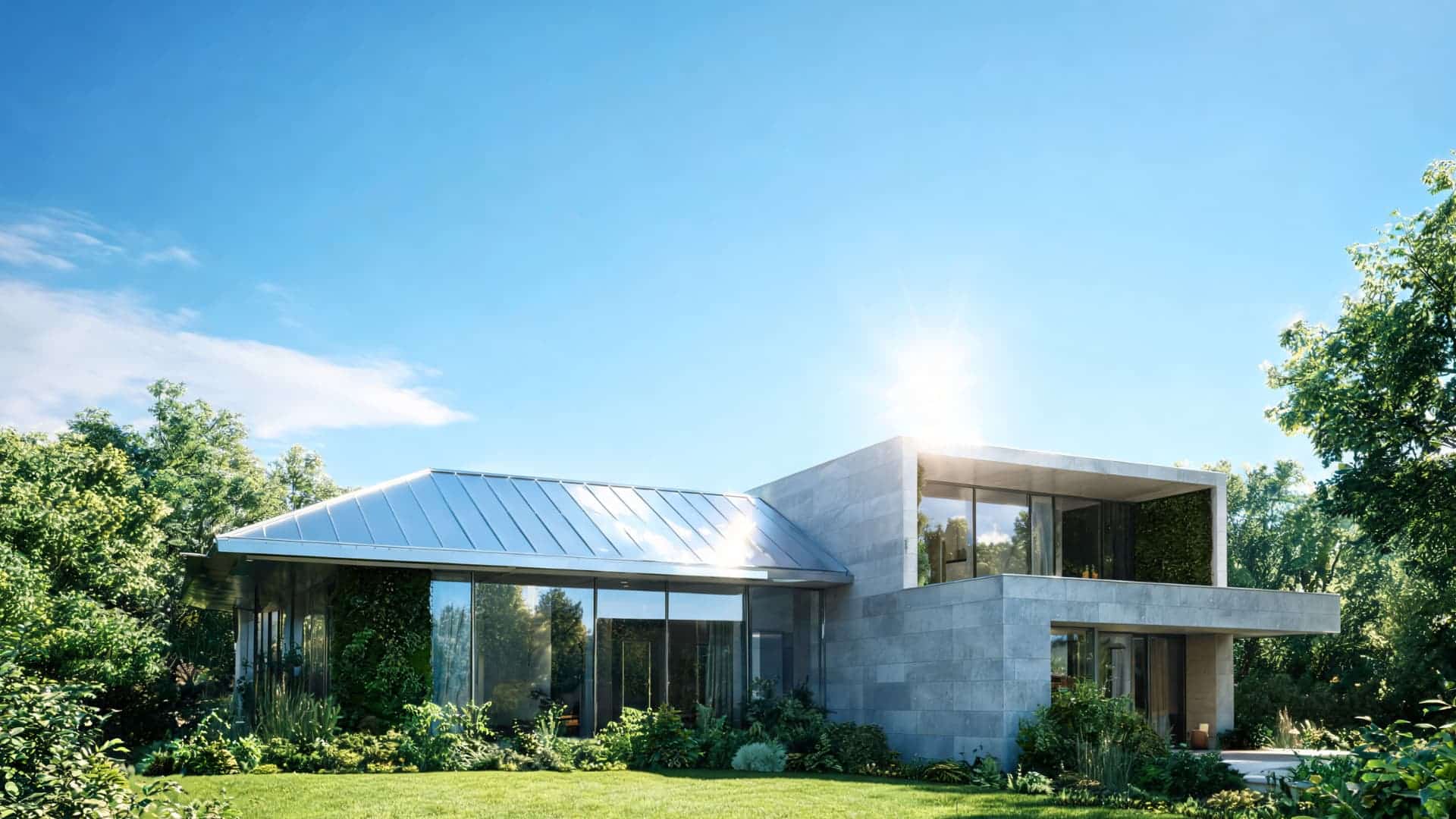
Metal roofing is a popular sustainable roofing option because it combines long-term durability, recyclability, and energy-saving performance.
- Materials: Steel, aluminum, and zinc with recycled content and protective coatings
- Lifespan: 40–70 years depending on material, coating, and climate
- Cost: Medium–high ($8–$16/sq. ft. installed)
- Sustainability: Recyclable, reduces replacement waste, and supports energy efficiency through reflective surfaces
Metal roofing offers a practical balance of long service life, low maintenance needs, and environmental benefits, making it suitable for many sustainable building projects.
2. Solar Roofing Solutions
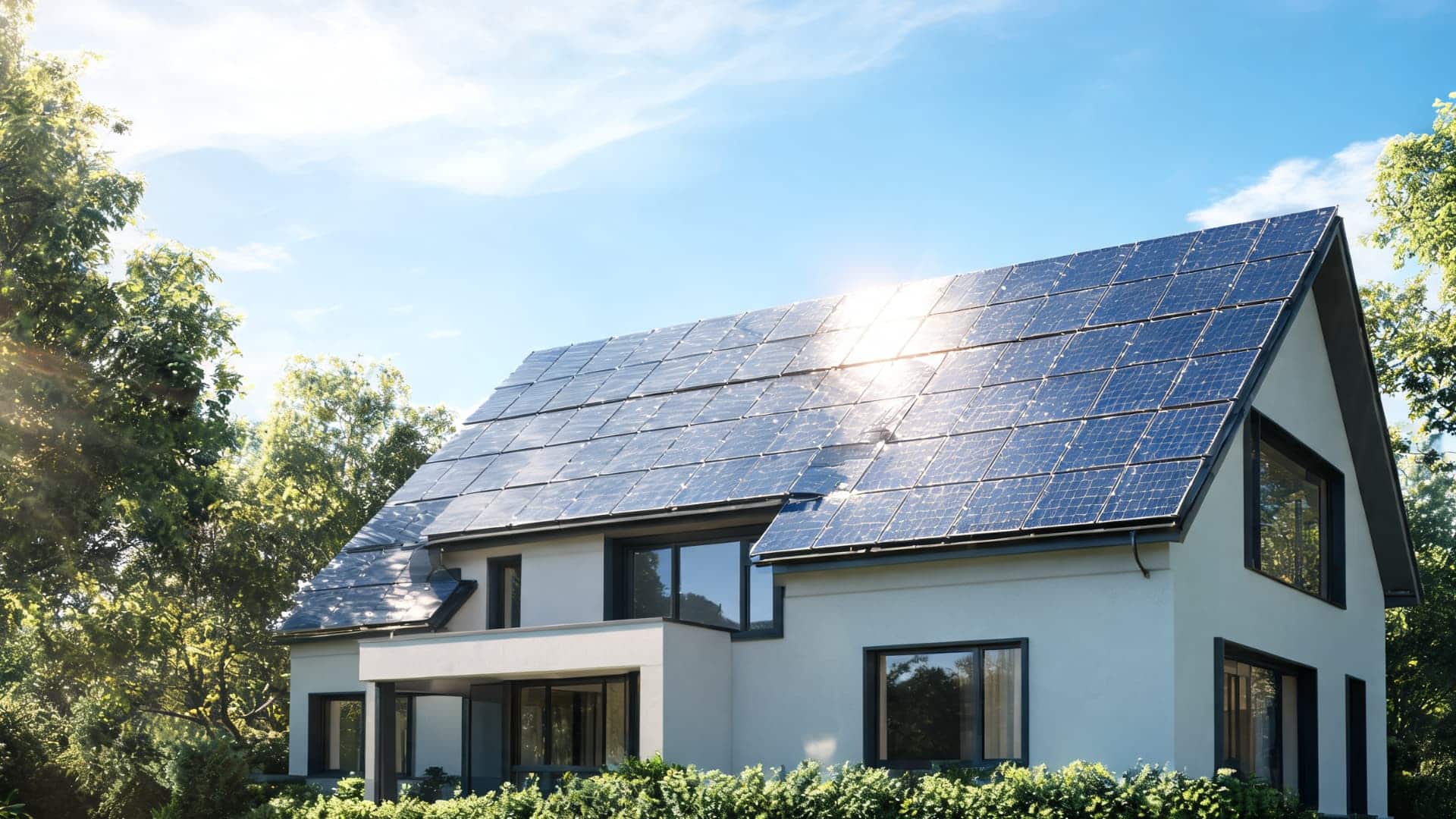
Solar roofing combines traditional roof protection with photovoltaic technology to generate renewable energy while improving long-term building efficiency.
- Materials: Silicon PV cells, tempered glass, metal frames, and polymer layers
- Lifespan: 25–40 years depending on quality and efficiency
- Cost: High ($18–$35/sq. ft. installed)
- Sustainability: Generates clean energy, reduces grid dependence, and lowers operating emissions
Solar roofing provides sustainable energy generation with lower emissions, reduced grid dependence, and long-term value when paired with durable roofs.
3. Cool Roof Technology
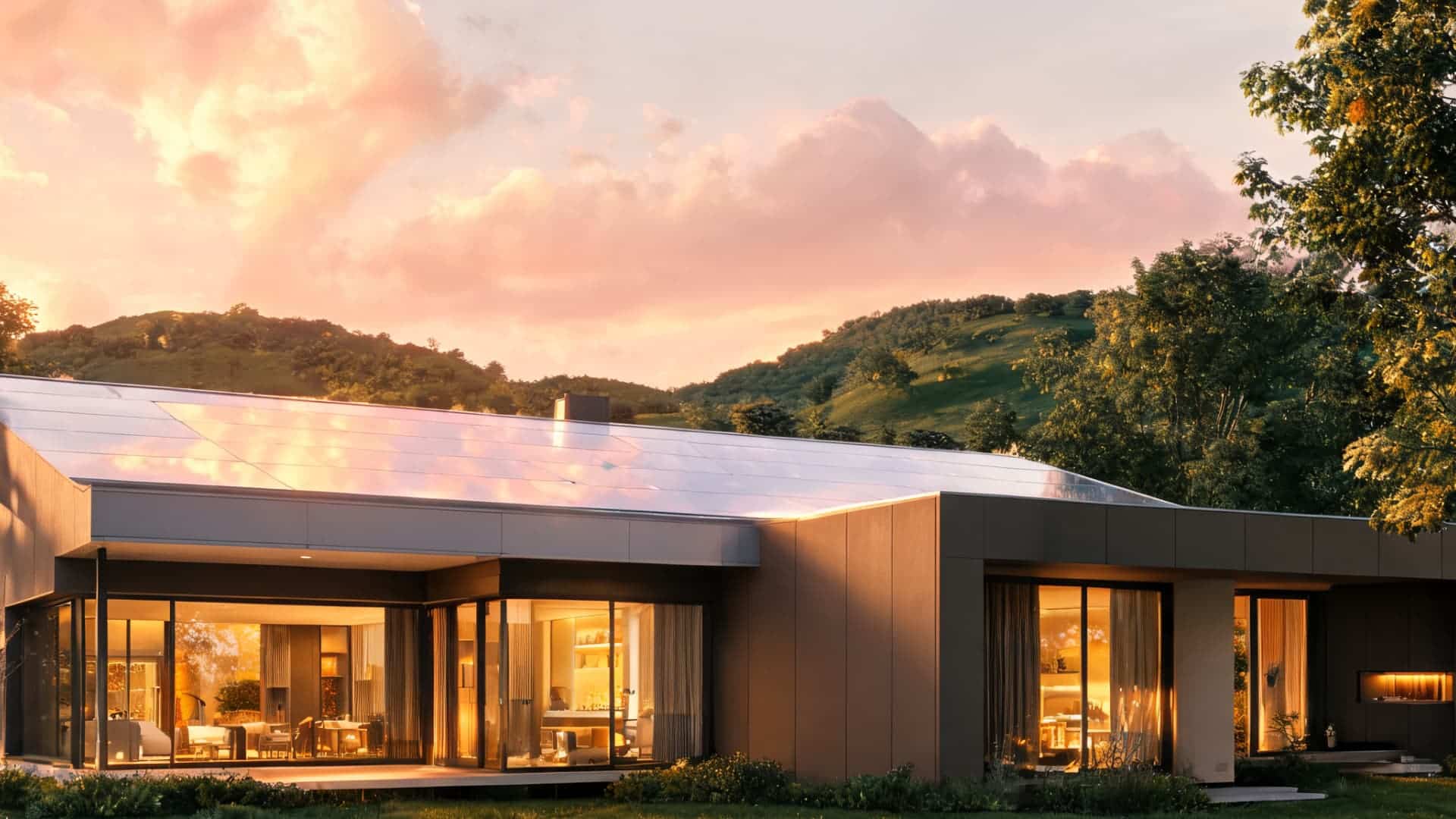
Cool roof technology reduces heat absorption through reflective materials, helping improve energy efficiency, lower cooling needs, and maintain indoor comfort.
- Materials: Reflective coatings, light membranes, coated metal, and modified bitumen
- Lifespan: 20–40 years depending on the roofing system
- Cost: Low–medium ($5–$15/sq. ft.)
- Sustainability: Reduces cooling demand, lowers energy use, and helps limit urban heat buildup
Cool roofs offer a sustainable solution by reducing heat transfer, lowering energy use, and improving building comfort in warmer climates.
4. Living / Green Roofs
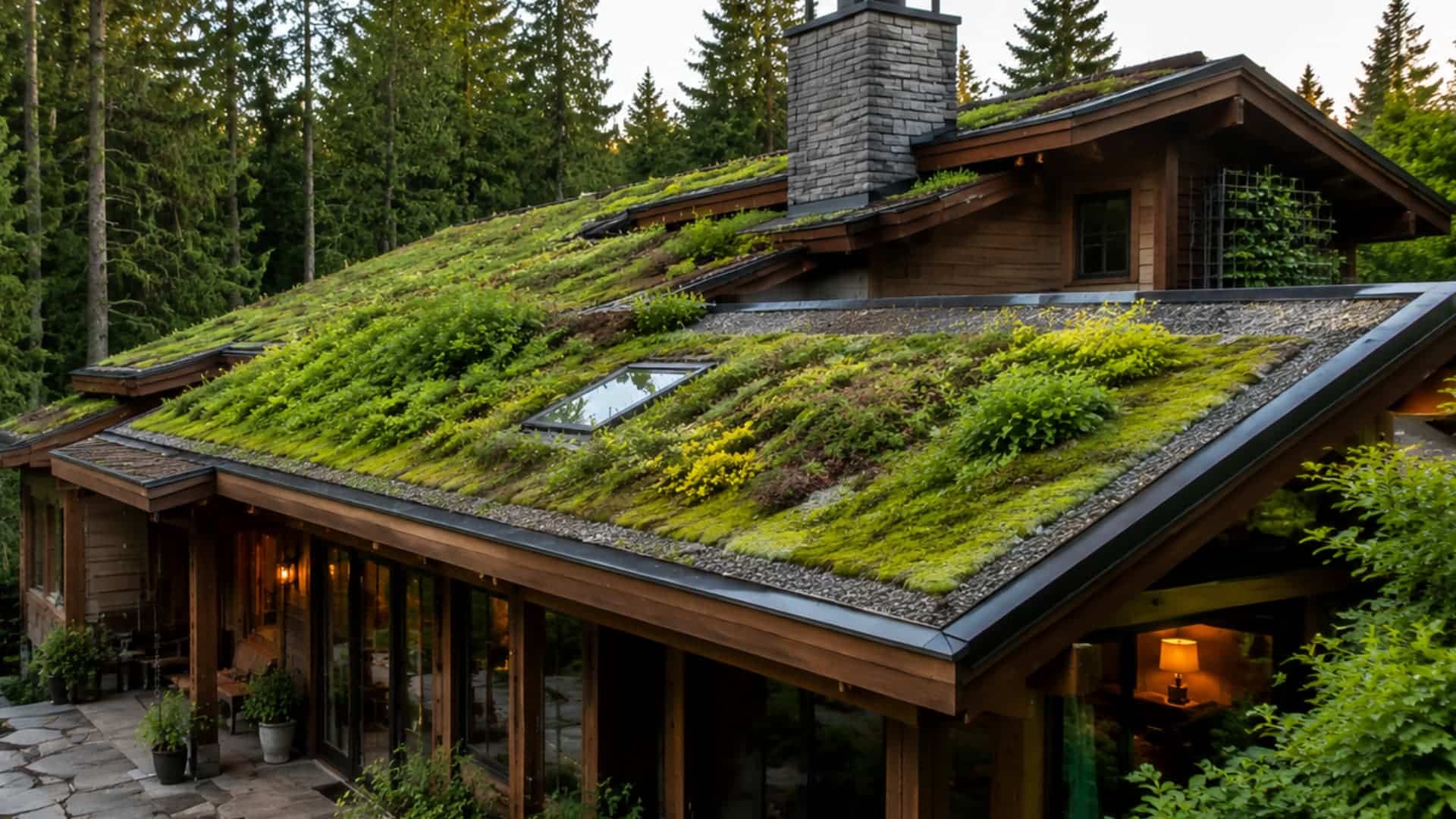
Living or green roofs use vegetation layers to improve insulation, reduce heat buildup, support biodiversity, and provide sustainable building benefits.
- Materials: Plants, growing medium, drainage layers, and waterproof membranes
- Lifespan: 30–50 years depending on membrane quality
- Cost: High ($20–$40/sq. ft. installed)
- Sustainability: Supports biodiversity, reduces heat buildup, improves insulation, and extends membrane life
Green roofs offer environmental and building benefits in urban areas through natural insulation, heat reduction, and improved roof performance.
5. Slate Roofing
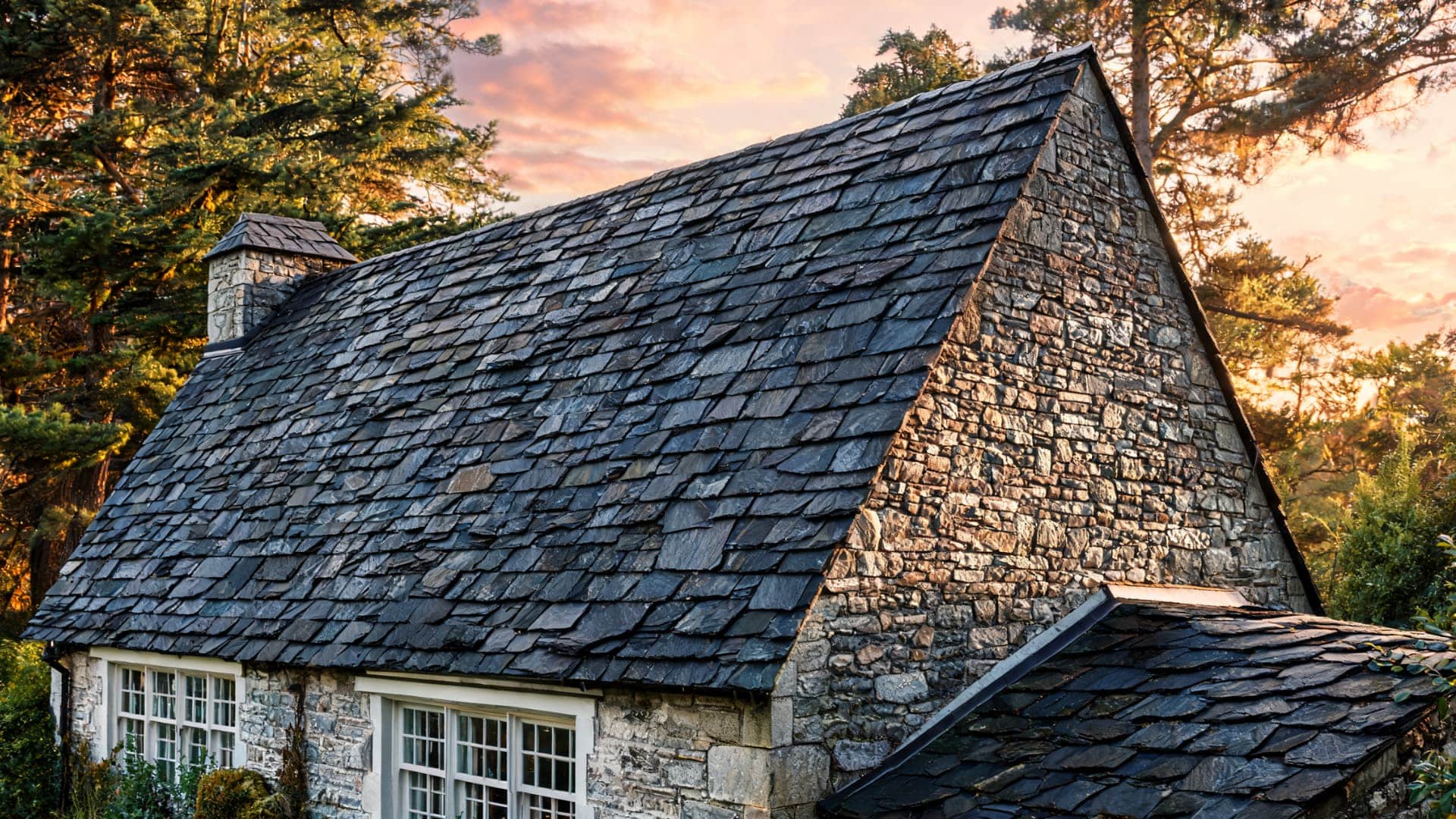
Slate roofing is a natural stone roofing option known for exceptional durability, long lifespan, recyclability, and strong resistance to weather conditions.
- Materials: Natural slate stone slabs
- Lifespan: 75–100+ years
- Cost: High ($15–$30/sq. ft. installed)
- Sustainability: Long lifespan, low lifecycle impact, and recyclable natural material
Slate roofing offers long-term sustainability through its durability, natural composition, and low lifecycle impact for suitable building structures.
6. Clay and Concrete Tiles
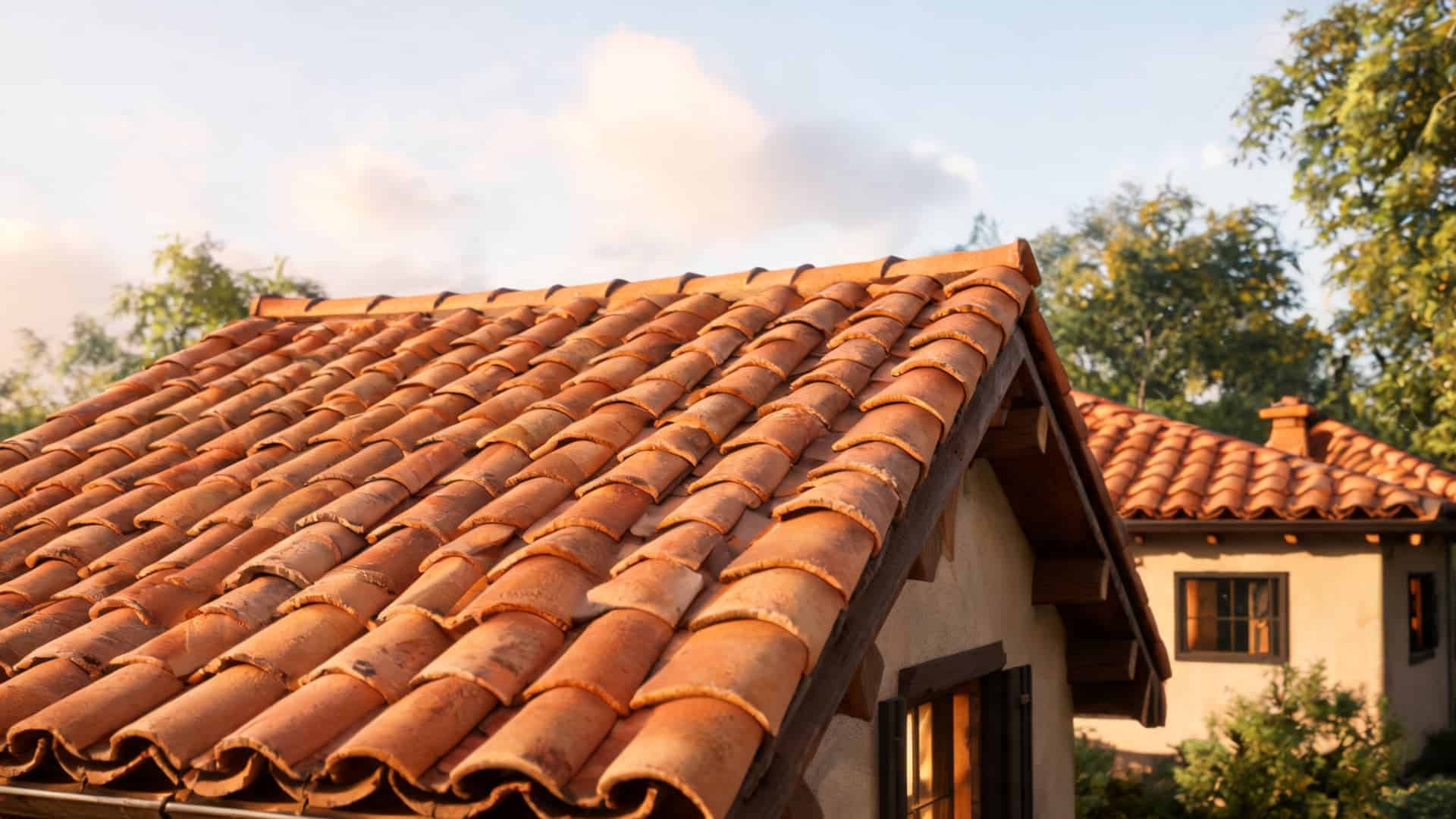
Clay and concrete tiles are durable, sustainable roofing options that provide thermal efficiency, long service life, and strong resistance to weather damage.
- Materials: Fired clay or molded concrete with mineral additives
- Lifespan: 50–100 years
- Cost: Medium–high ($10–$20/sq. ft. installed)
- Sustainability: Improves thermal efficiency, resists damage, and offers recyclability at the end of use
Clay and concrete tiles offer lasting roofing performance with thermal benefits, durability, and recyclability for sustainable building projects.
7. Wood Shakes
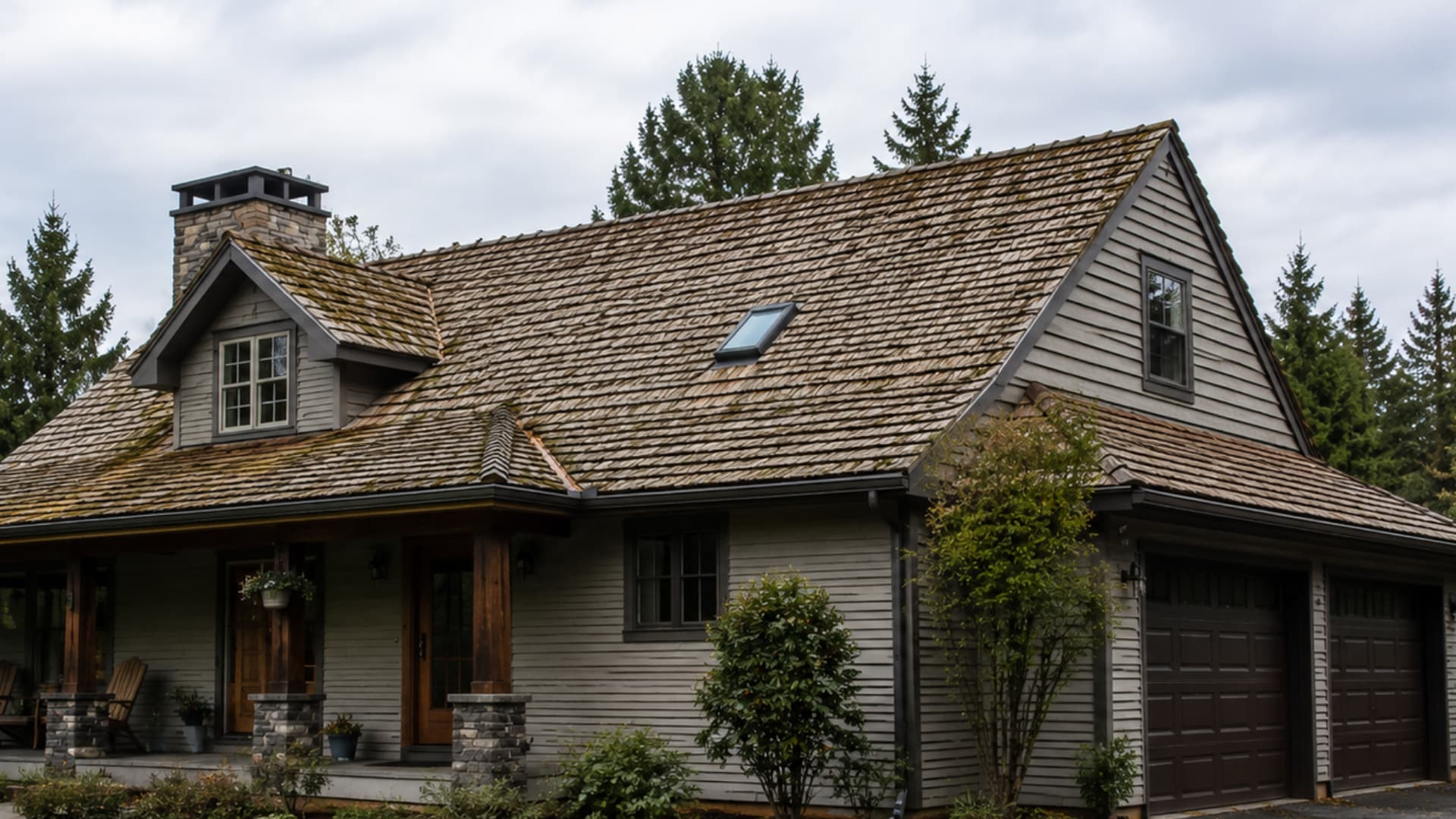
Wood shakes are a natural roofing option made from renewable materials, offering low embodied carbon, insulation benefits, and a traditional appearance.
- Materials: Cedar, pine, and treated hardwood shakes
- Lifespan: 20–40 years
- Cost: Medium ($6–$12/sq. ft. installed)
- Sustainability: Renewable material, provides natural insulation, and is biodegradable
Wood shakes provide a sustainable roofing choice when responsibly sourced and maintained, combining renewable materials with natural insulation benefits.
8. Recycled Asphalt Shingles
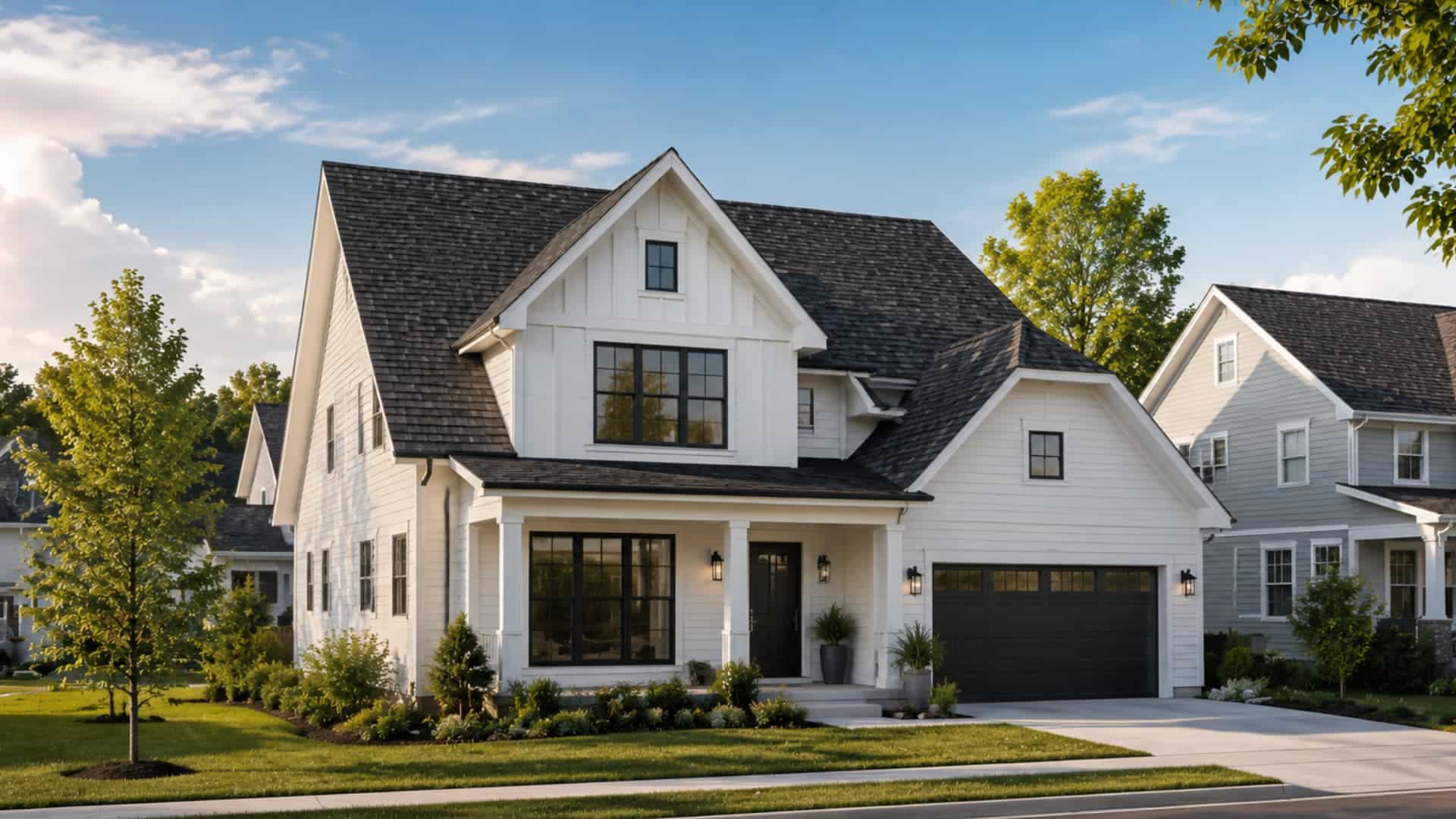
Recycled asphalt shingles offer an affordable, sustainable roofing option by reusing materials, reducing waste, and providing reliable performance for homes.
- Materials: Recycled asphalt, rubber, and plastic composites
- Lifespan: 15–30 years
- Cost: Low ($3–$7/sq. ft. installed)
- Sustainability: Reduces landfill waste, lowers material demand, and supports reuse
Recycled asphalt shingles balance affordability and sustainability by reducing landfill waste while offering a practical roofing choice for budget-conscious projects.
9. Thatched Roofing
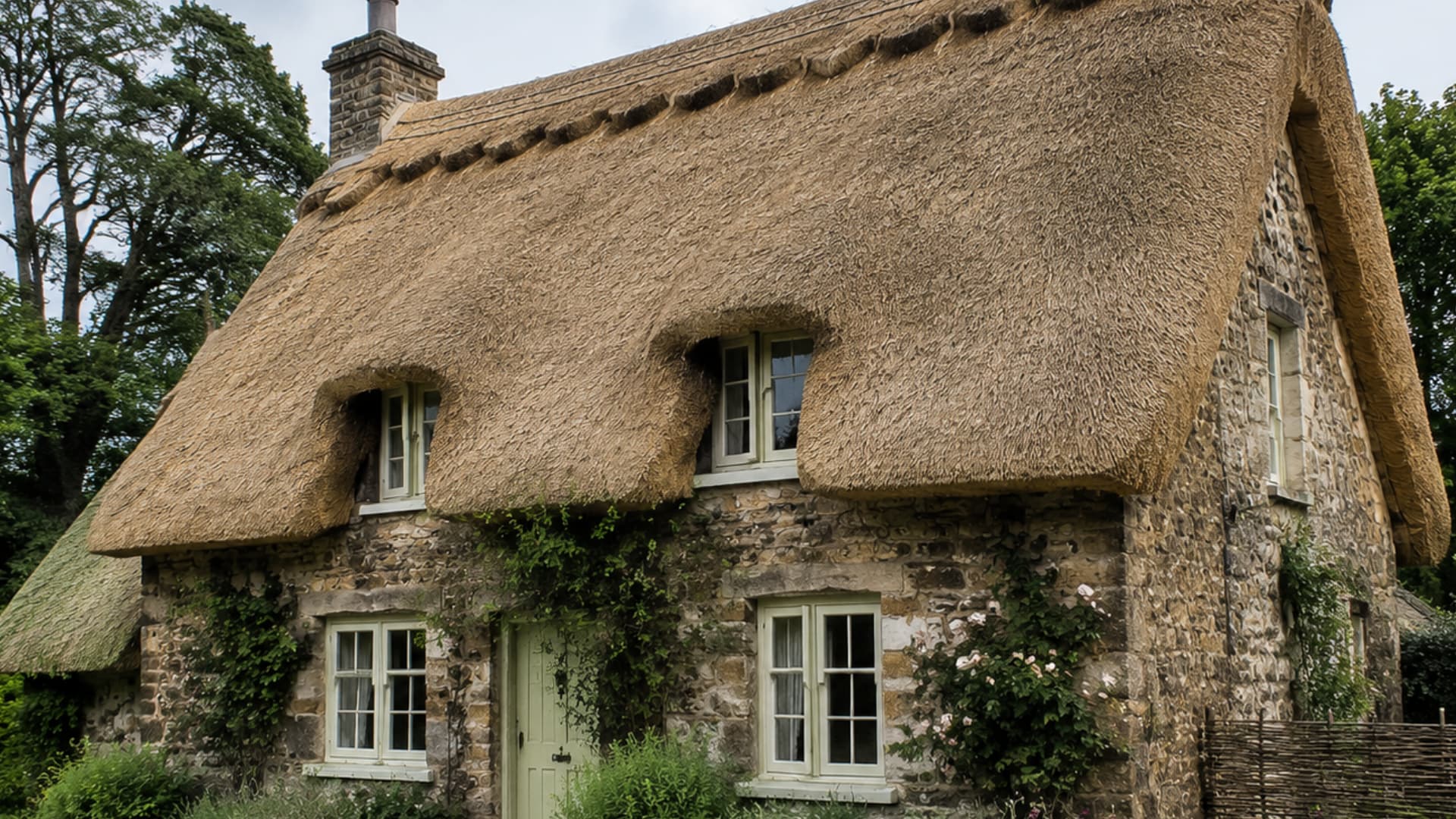
Thatched roofing is a natural, sustainable option made from plant materials, offering low environmental impact, insulation benefits, and traditional appeal.
- Materials: Straw, reeds, palm leaves, and dried vegetation
- Lifespan: 20–40 years depending on climate and maintenance
- Cost: Low–medium depending on materials and labor
- Sustainability: Low embodied carbon, biodegradable, and naturally insulating
Thatched roofing provides a low-impact roofing solution with natural insulation and biodegradable materials, best suited for suitable climates and designs.
10. Rubber Roofing (EPDM)
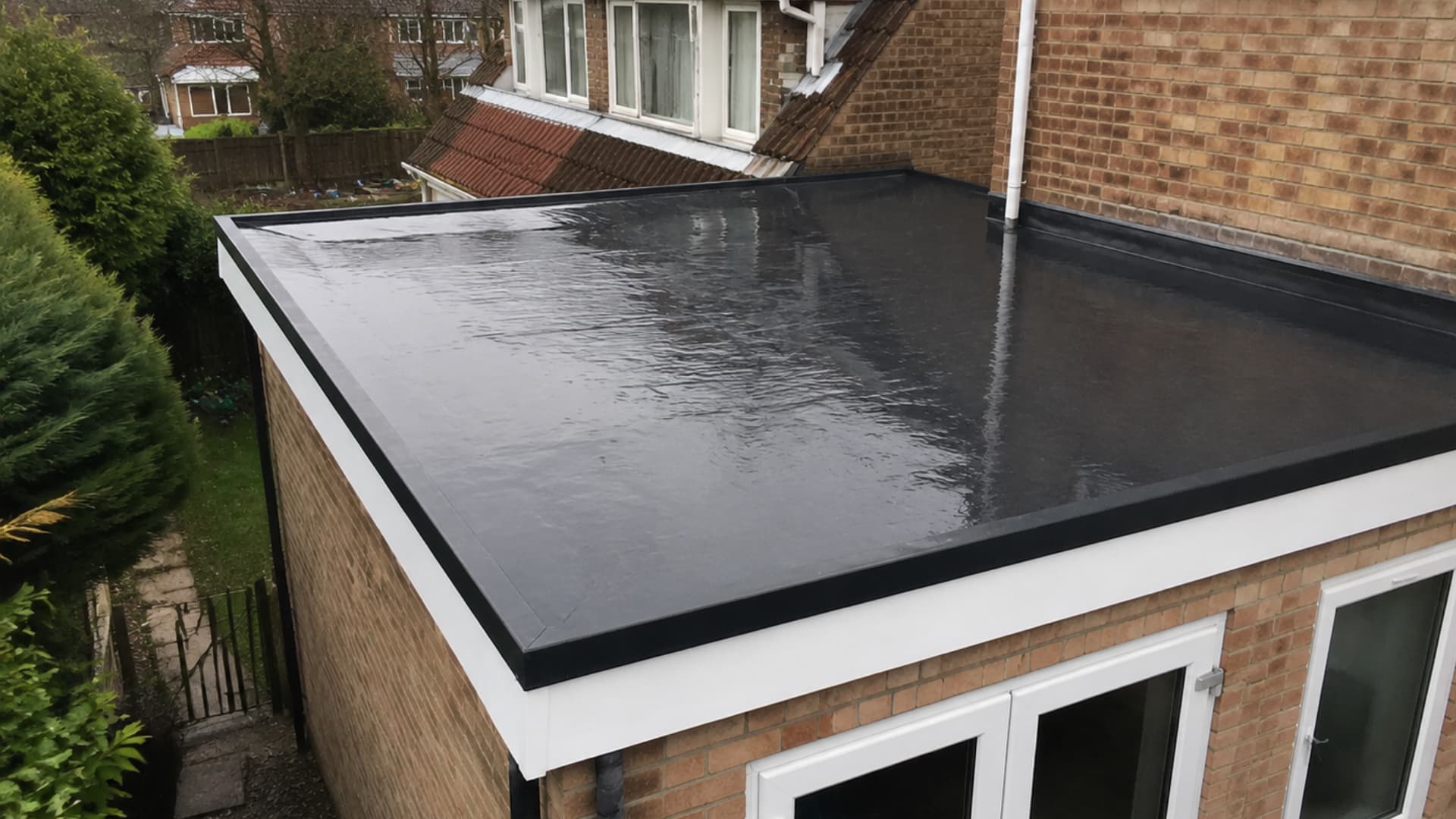
Rubber roofing, also known as EPDM, is a durable, sustainable roofing option offering long-lasting protection, recyclability, and strong weather resistance.
- Materials: EPDM synthetic rubber, reinforcing fabrics, and recycled rubber blends
- Lifespan: 30–50 years
- Cost: Medium ($5–$12/sq. ft. installed)
- Sustainability: Recyclable, durable, reduces replacement waste, and offers long-term waterproofing
EPDM rubber roofing provides a practical choice for flat roofs with durability, low maintenance, recyclability, and reliable waterproofing performance.
Comparing Sustainable Roofing Options
This table gives a quick side-by-side view of major sustainable roofing materials based on lifespan, cost, eco impact, and maintenance needs.
| Material | Lifespan | Eco Rating | Maintenance |
|---|---|---|---|
| Metal Roofing | 40–70 years | High | Low |
| Solar Roofing | 25–40 years | Very High | Low–Medium |
| Green Roofs | 30–50 years | Very High | High |
| Slate | 75–100+ years | High | Low |
| Clay Tiles | 50–100 years | High | Medium |
At a glance, longer-lifespan materials like slate and clay reduce replacement cycles, while options like metal and solar roofing balance durability with energy performance.
How to Choose the Right Sustainable Roofing Option?
The right sustainable roofing choice depends on durability, energy performance, cost, and environmental impact throughout the roof’s lifecycle.
- Budget: Balance upfront cost with long-term savings from efficiency and durability.
- Climate: Choose materials suited for heat, snow, wind, or moisture conditions.
- Structure: Check whether the building can support heavier options, such as slate or green roofs.
- Maintenance: Consider repair needs and ongoing upkeep.
- Energy: Look for systems that reduce heat gain and improve insulation.
- Environment: Compare recyclability, carbon impact, and waste reduction.
Choosing sustainable roofing requires balancing performance, cost, and environmental benefits. A suitable option can provide long-term efficiency, reduced waste, and reliable protection for the building.
Conclusion
Choosing the right sustainable roofing options is about finding a balance between environmental responsibility, long-term value, and practical needs.
The best choice depends on factors like building design, local conditions, budget, and future maintenance expectations.
A roof that performs well over time can reduce unnecessary replacements, improve resource use, and support more efficient buildings.
Review your options carefully, compare their benefits, and choose a solution that fits your property’s needs for lasting performance and sustainability.
Share your roofing choice or experience in the comments below.
Frequently Asked Questions
Do Sustainable Roofing Materials Increase Property Value?
Yes, sustainable roofing can increase property value by offering durability, lower energy costs, and reduced maintenance needs. Materials like metal and solar roofing often attract buyers.
Can Sustainable Roofing Help Reduce Insurance Costs?
Yes, sustainable roofing may reduce insurance costs by lowering the risk of storms or fire. However, savings depend on location, insurer policies, and coverage terms.
How Does Ventilation Affect the Performance of Sustainable Roofing?
Proper roof ventilation helps regulate temperature, reduce moisture buildup, and extend material lifespan. Poor ventilation can lead to heat retention, mold growth, and structural damage.