Most homeowners find their door doesn’t fit only after it arrives at their doorstep, creating instant panic and regret. I’ve seen this happen countless times when people skip learning about standard door width measurements before placing orders.
Getting your standard door width right the first time saves you money, prevents installation headaches, and ensures smooth movement throughout your home.
Standard sizes in the USA follow specific measurements that differ from those in many other places around the world.
Picking the right width becomes straightforward once you understand the basic measurements used for internal and external doors. I’m breaking down everything you need in simple language.
Let’s get your doors fitting perfectly!
Understanding Standard Door Sizes in the USA
Getting door sizes right is more important than most people realize when you’re building or renovating your home. I’ve seen too many homeowners order the wrong size and end up with costly mistakes they could have avoided.
The right door size affects everything from how easily you move around your space to your home’s overall style. USA door sizes are different from those in other countries, so it’s crucial to know the specific measurements used here.
Standard sizes exist for good reasons, making installation smoother and often saving you money on custom work.
Different rooms need different door types, like internal doors for bedrooms or external doors for your entrance. Knowing these standards before you shop will make your entire project run much more smoothly.
Essential Considerations for Home Building and Renovation
Understanding building regulations from the start saves you from expensive corrections and ensures your home meets legal standards. Here are the key considerations when planning your door installation project:
- Building Regulation Compliance: USA building regulations set minimum door width standards that you must follow legally to ensure safety and accessibility.
- Accessibility Requirements: Proper door widths ensure wheelchair users and people with mobility aids can move through your home without any barriers.
- Fire Safety Standards: Fire doors require specific dimensions and materials to prevent the spread of flames and smoke during emergencies.
- Energy Efficiency Standards: External doors must meet thermal performance requirements with specific U-values to reduce heat loss and energy costs.
The USA Government publishes Approved Document M, which provides detailed guidance on door width measurements and accessibility standards. Consulting with building control ensures your doors meet all necessary legal requirements from the start.
Common Standard Door Sizes in the USA
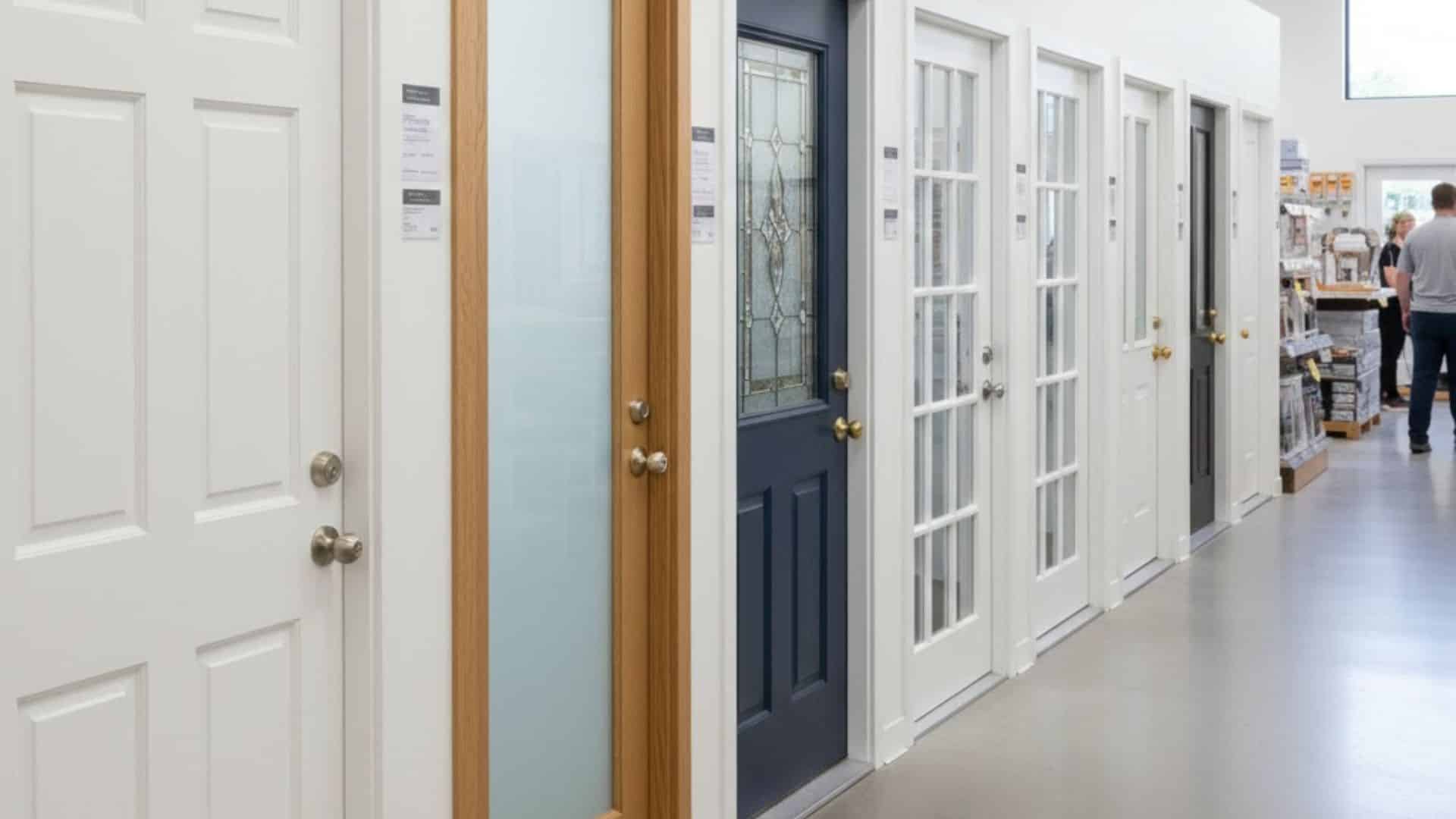
Standard door sizes in the USA cover both internal and external doors, each designed for specific purposes throughout your home. Here’s a breakdown of the most common measurements you’ll encounter:
Internal Door Widths
Internal doors come in several standard widths that work for most rooms in your home. Understanding these measurements helps you choose the right fit for each space:
| Width (mm) | Width (inches) | Common Uses | Best For |
|---|---|---|---|
| 762mm | 30 inches | Small bathrooms, cupboards, utility rooms | Tight spaces where the width is limited |
| 838mm | 33 inches | Bedrooms, living rooms, standard bathrooms | Most popular size for general use |
| 926mm | 36 inches | Main bedrooms, home offices | Rooms needing easier access |
| 1524mm | 60 inches | Large living areas, dining rooms | Double doors for impressive openings |
I’ve found that sticking to these standard sizes makes shopping for doors so much easier and more affordable. You’ll have way more options for styles, colors, and materials when you don’t need custom sizing.
External Door Widths
External doors need to be sturdy and secure while still looking welcoming from the outside. Here are the standard sizes you’ll find for different types of external doors:
| Width (mm) | Width (inches) | Door Type | Best For |
|---|---|---|---|
| 838mm | 33 inches | Front doors, back doors | Most common for security and access |
| 926mm | 36 inches | Front doors, back doors | Better accessibility, grand entrance |
| 1200mm-1800mm | 47-71 inches | French doors | Opening the home to a garden or patio |
| 2100mm-3000mm | 83-118 inches | Bi-fold, sliding patio doors | Maximizing light and outdoor access |
I always recommend going with standard external door sizes because they’re designed to fit typical USA door frames perfectly. This saves you money on installation costs and means you won’t have to wait weeks for custom-made doors to arrive.
Measuring Door Width: How to Get It Right
I can’t stress enough how important accurate measurements are when ordering or replacing doors in your home. Getting this wrong means wasted money and delays, so let me show you exactly how to measure properly:
- Step 1: Grab a metal tape measure and a level, as these tools give you the most accurate measurements for your door opening.
- Step 2: Measure the width of the door opening at three points: top, middle, and bottom to check for any variations.
- Step 3: Use the smallest measurement you recorded as your door width to ensure the new door fits without forcing or trimming being needed.
- Step 4: Measure the actual door thickness and height as well, since standard widths won’t help if other dimensions are off.
- Step 5: Write down all your measurements immediately and double-check them before ordering to avoid expensive mistakes that delay your project.
Taking accurate measurements might seem tedious, but it’s the foundation of a successful door installation project. These simple steps ensure your new door fits the first time perfectly without any unwanted surprises or extra costs.
When to Choose Non-Standard Door Widths?
Sometimes standard door sizes just won’t work for your specific situation, and that’s perfectly okay to admit. I’ve worked on plenty of projects where custom widths were the only practical solution.
You might need non-standard sizes if you have unusually large or small openings in older properties with unique dimensions.
Accessibility is another huge reason, especially if someone in your home uses a wheelchair or mobility scooter regularly.
Bi-fold and sliding doors often require custom measurements to fit your exact space and desired opening width perfectly.
Keep in mind that custom doors cost more and take longer to arrive than standard sizes do. However, the extra investment is worth it when standard options simply won’t meet your needs or work properly.
How to Choose the Right Door Width for Your Space
I always tell people that picking the right door width is about finding the sweet spot between what you need and what looks good. Let me break down the key factors I consider every time I’m choosing door widths for different rooms:
| Factor | What to Consider | Recommendations |
|---|---|---|
| Room Functionality | How the room is used daily | Bedrooms: 838mm, Living rooms: 926mm |
| Furniture Access | Largest furniture pieces | Measure furniture first, add extra clearance |
| Traffic Flow | Number of people passing through | High-traffic areas need 926mm minimum |
| Space Constraints | Available wall space for the door swing | Ensure full opening without obstructions |
| Accessibility Needs | Wheelchair or mobility aid requirements | 926mm minimum, wider for scooters |
| Design Harmony | Room size and architectural style | Match door proportions to room size |
| Budget | Cost differences between sizes | Standard sizes cheaper than custom widths |
Using this table as your guide makes the decision process much simpler and more straightforward.
Tips for Installing or Replacing Doors with Standard Widths
Installing or replacing doors requires careful planning; either you tackle it yourself or hire a professional. Here’s what you need to know before starting your door installation project:
- Know Your Skill Level: DIY installation works fine for simple replacements if you’re handy, but hire a professional for complex jobs or structural changes.
- Check Frame Condition First: Inspect your existing door frame for rot, damage, or misalignment before buying a new door to avoid costly surprises.
- Adjust Frames Carefully: You can trim or shim frames slightly to fit standard doors, but major adjustments usually require professional carpentry skills.
- Use Proper Tools and Hardware: Invest in a good level, quality hinges, and the right screws to ensure your door hangs straight and operates smoothly.
Following these tips saves you time, money, and frustration during your door installation. Proper preparation and the right approach make all the difference in achieving professional-looking results.
Final Thoughts
You’ve just gained the power to walk into any door shop with confidence and know exactly what you need.
Understanding standard door width options puts you in complete control of your home improvement project, without any guesswork.
You now have the knowledge to measure accurately, make informed choices, and avoid costly errors that plague many homeowners.
If replacing old doors or planning new installations, these measurements guide every decision you make.
Remember that standard door width choices affect both functionality and style, so take your time getting it right. I’d love to hear about your door installation experience. Share your story in the comments below!