It is easy to fill a wardrobe with things that look lovely on the hanger and fall apart after a few washes. A jumper that pills within a month. A blouse that fades after one gentle cycle. The problem is rarely bad luck. More often, it comes down to the way the shopping was done in the first place.
Building a wardrobe that actually lasts is not about spending more money. It is about spending with a little more thought. Once a few better questions are asked before buying anything, a wardrobe can quickly become calmer, tidier and far more useful.
Start With a Plan, Not a Basket
The easiest way to end up with a wardrobe full of clutter is to shop without a plan. It helps to think about what gets worn on a normal week before even opening a shop, online or in person.
Three simple questions are worth asking before adding anything to a basket.
- Is there already something similar at home that still works well?
- Will this piece go with at least three things already owned?
- Is it being bought out of genuine love for it, or simply because it is on sale?
If an item does not answer at least two of those questions kindly, it is probably not an essential. It is an impulse, and impulses rarely stay in rotation for long.
Learn to Read a Label Properly
Fabric composition tells almost everything about how long a piece will hold up, so it is worth checking the label before checking the price.
Natural fibres such as cotton, wool, linen and silk tend to age gracefully and often soften with wear rather than falling apart. Blends with a small amount of stretch material can be excellent for fit, but very high synthetic content in knitwear or trousers is often a sign the piece will bobble, sag or lose its shape quickly.
Stitching matters just as much as fabric. Turning a garment inside out to look at the seams is a useful habit. Even, tight stitching with no loose threads is a good sign. Wonky seams or thin thread that pulls easily usually mean the piece was made quickly and cheaply, whatever the price tag says.
Buy Fewer Things That Do More
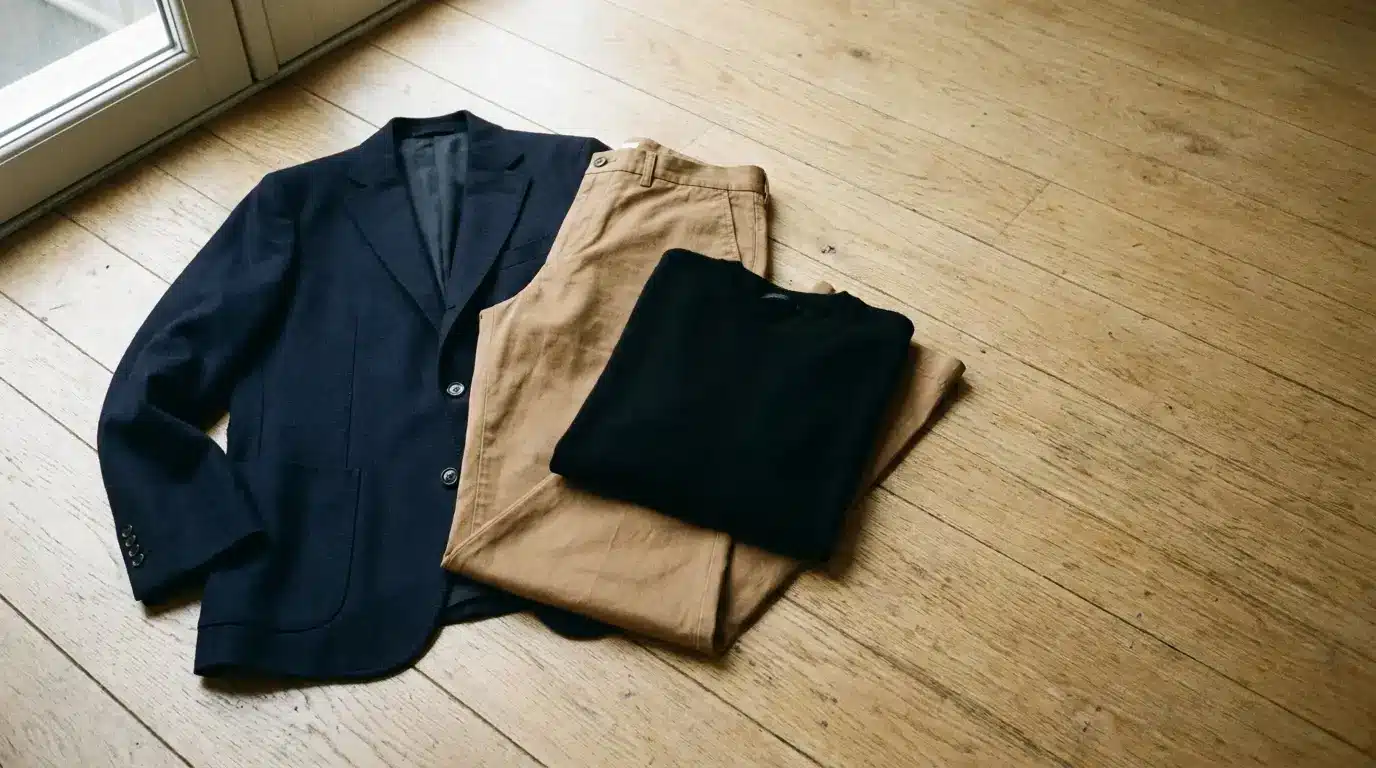
A long-lasting wardrobe is usually a smaller one. Owning five tops that get reached for constantly is far more useful than owning fifteen that sit untouched.
Before buying, it helps to picture the piece in at least three different outfits. A neutral blazer that works with jeans, trousers and a dress earns its place far quicker than a bold statement piece that only suits one occasion. Versatile colours such as navy, camel, black and soft neutrals tend to pair with almost everything already in a wardrobe, which makes them far better value over time.
Do Not Skip Footwear
Shoes take more daily wear than almost anything else in a wardrobe, so they deserve real care rather than being picked because they look nice in a photo. A well made pair that fits properly will support the feet through long days, hold its shape for years and genuinely feel better with every wear.
It is worth looking for supportive soles, breathable materials and a fit that does not need breaking in through pain. Anyone shopping around for a new pair might find it helpful to browse a proper range of comfortable shoes for women rather than settling for the first style seen, since fit and support vary far more between brands and styles than most people expect.
Rotating between two or three pairs also helps each one last longer, since the materials get time to air out and recover their shape between wears.
Care for What Is Already Owned
Even the best made clothes will not last if they are cared for badly. A few small habits go a long way here.
Washing on cooler settings where the label allows it, air drying delicate items rather than tumble drying them, and storing knitwear folded instead of hung all help, since hanging can stretch the shoulders out of shape over time. Gently removing bobbles with a fabric comb can also add real life back into a jumper that might otherwise be thrown away.
It is also worth thinking beyond clothing and shoes when it comes to caring for the pieces that matter most. Jewellery and keepsakes often carry sentimental value alongside everyday wear, and knowing how to look after timeless jewellery pieces properly can keep them looking their best for many years, not just a season.
Common Mistakes That Shorten a Wardrobe’s Life
A few habits quietly work against a long-lasting wardrobe, even with the best intentions.
Chasing every trend: Trend pieces date quickly and rarely earn enough wears to justify the cost.
Ignoring fit: A garment that does not fit well gets worn less and stretches or strains in the wrong places.
Overwashing: Washing clothes after every single wear speeds up fading and wear far more than most people realise.
Buying for a future version of yourself: Clothes bought for a size or a lifestyle not currently lived in often sit unworn.
Ignoring return policies: A flexible return policy makes it easier to be honest about whether something truly works.
A long-lasting wardrobe is not built overnight, and it is not built by spending more money either. It comes from paying attention to fabric, fit, versatility and care, and from choosing pieces because they earn their place rather than because they were simply available.
Slowing down the next time a shopping trip happens, asking a few honest questions, and choosing fewer things that will actually get reached for again and again all pay off in the long run. A wardrobe built this way tends to feel better every single day.