There is a difference between getting dressed and putting together an outfit. The first is functional. The second involves a little more thought — not a lot, but enough to make the result look intentional rather than assembled in a hurry. Most people can tell the difference at a glance, even if they cannot always explain what creates it.
The good news is that looking polished rarely requires more clothing. It usually requires better decisions with what already exists in a wardrobe.
Start With Fit
Nothing undermines a polished look faster than poor fit. A well-made piece in the wrong size reads as careless regardless of its quality or price point. Sleeves that are too long, trousers that bunch at the ankle, a blazer with shoulders that do not sit correctly — these details pull attention in the wrong direction.
Fit does not mean tight. It means proportional. Clothing that follows the body without restricting it tends to look more considered than anything cut too loose or too close. A simple white shirt in the right size will always outperform an expensive one that does not fit. That principle applies across every category of clothing.
The investment in tailoring is worth mentioning here. Even inexpensive pieces can look significantly better after minor alterations. Hemming trousers, taking in a waist, adjusting a sleeve length — these are small changes that make a visible difference. Most people underestimate how accessible and affordable basic tailoring actually is.
Use Accessories to Finish, Not Decorate
Accessories have a tendency to become an afterthought. Something grabbed on the way out the door, or piled on in the hope that more will add something. Neither approach tends to work particularly well.
The more useful framing is to think of accessories as finishing touches rather than additions. The outfit is already there. The accessory completes it. That distinction changes how pieces get chosen and how many get worn at once.
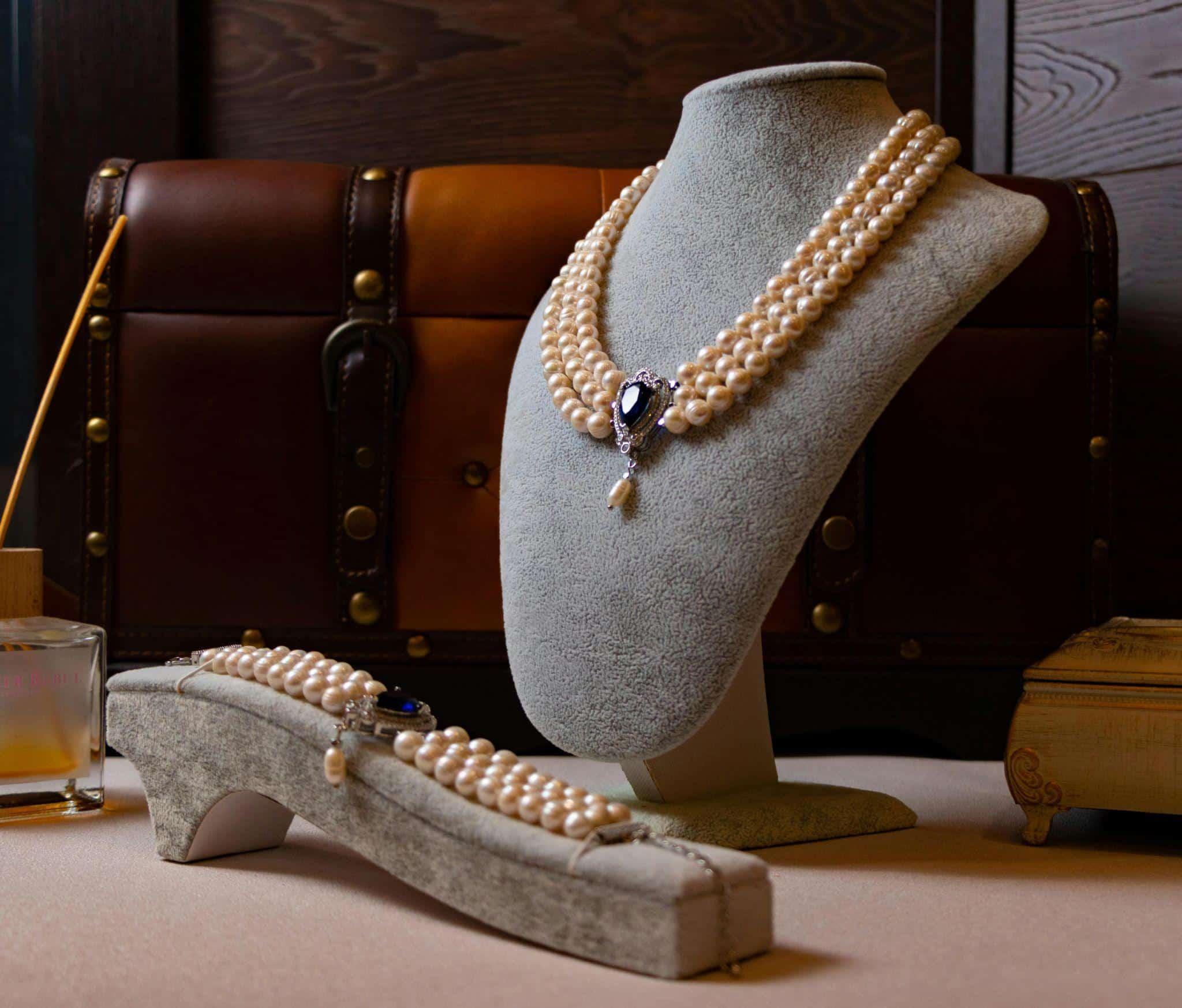
A real pearl necklace is a good example of this principle in practice. It does not need to compete with the outfit underneath it. Worn over something simple — a fitted top, a classic shirt dress, even a well-cut sweater — it signals that the look was put together with intention. It adds without overwhelming. That quality is harder to find than it sounds, and it is worth knowing when an accessory has it.
The same logic extends to other pieces. One considered accessory tends to read as more polished than three competing ones. Choosing the finishing touch first, then leaving everything else alone, is a discipline that pays off consistently.
Color Does More Work Than Most People Realize
A polished outfit does not have to be a neutral one. But color needs to be handled with some awareness. The question is not whether to use it — it is whether the colors in a given outfit are working together or against each other.
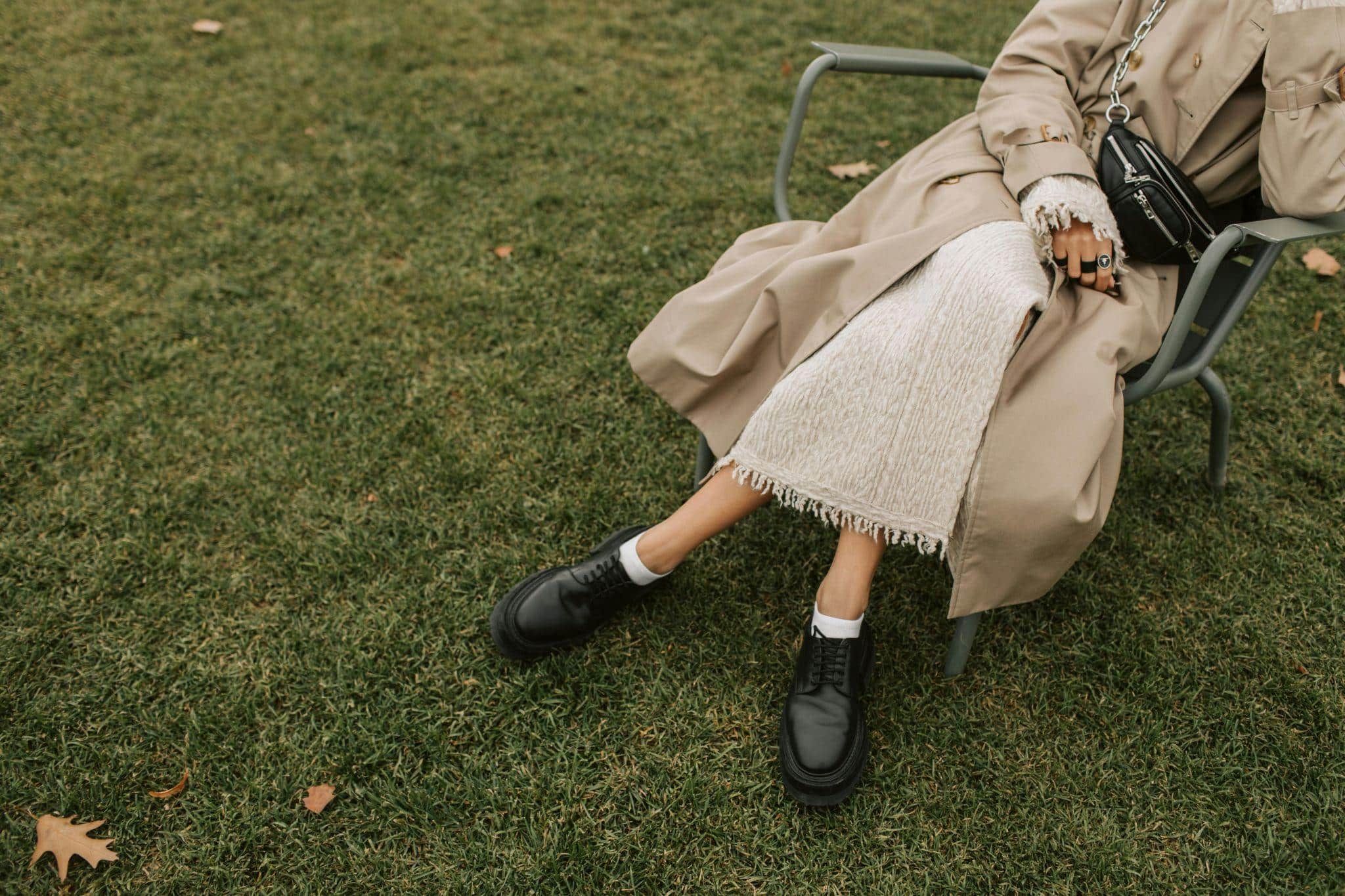
A simple starting point is limiting the palette. Two or three colors that complement each other tend to look more put-together than five that have no clear relationship. Tonal dressing — wearing different shades of the same color — is a reliable approach that requires almost no effort and consistently reads as intentional.
Neutrals earn their reputation for a reason. Ivory, camel, grey, navy — these form the kind of base that almost anything can be built around. They also tend to photograph well and translate across seasons, which extends their usefulness considerably.
Grooming and the Details People Notice
Polished dressing extends past the clothing itself. Clean shoes make a disproportionate impression. Wrinkled fabric undercuts even a well-chosen outfit. Hair and skin that look cared for carry a look further than any accessory can.
None of this requires significant effort or expense. It requires consistency. Wiping down shoes before wearing them. Hanging clothing properly so it does not crease. Keeping up with small grooming habits that prevent larger problems. These are not glamorous disciplines, but they are the ones that separate outfits that look finished from ones that almost do.
The details people notice are rarely the expensive ones. They are the ones that signal care. A pressed collar. A clean hem. An accessory that looks chosen rather than grabbed. Small things, collectively, account for most of what reads as polished.
Simplicity Is the Destination
Most of the best-dressed people share one habit — they have stopped trying to do too much. The outfits that read as most polished are rarely the most complicated ones. They are the ones where every piece belongs and nothing is competing for attention.
That kind of simplicity is not effortless in the beginning. It takes some editing, some trial, and some honesty about what actually works. But once the habit develops it becomes almost automatic. The reach for the right piece, the instinct to leave something off, the confidence to let a single good accessory do its job — these things add up to a look that appears easy precisely because the work happened before getting dressed.
That is the version of polished worth chasing. Not perfect, not expensive. Just considered.