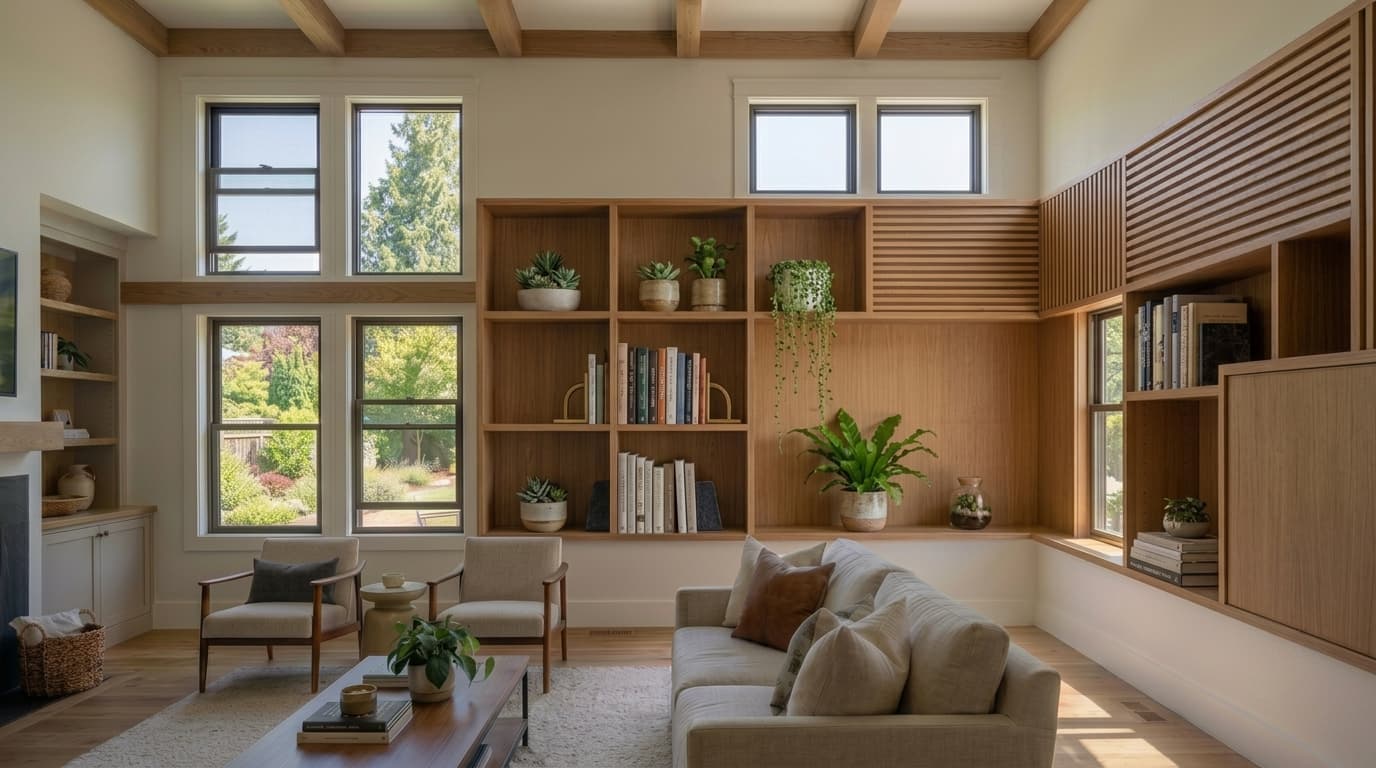
A window does more work than most people give it credit for. It controls light, airflow, energy efficiency, and quietly shapes how a room actually feels to live in, yet the decision gets less thought than most furniture choices.
I’ve seen homeowners spend weeks on paint colors and minutes on windows, then spend years dealing with drafts, high energy bills, and rooms that never feel quite right.
The window style you choose matters more than the view it frames. Understanding the options available is what turns a guesswork decision into a confident one, and that’s exactly what this covers.
The Impact of Window Styles on Light and Living Space
Windows are more than just openings in a wall; they define your home’s character and comfort. The right window style can completely change your space.
A large picture window floods a room with light and openness, while smaller windows create a cozy, private feel. I’ve seen how even a small change in window style can shift the mood of a space.
Windows control how light flows through your home. More light makes rooms feel open and inviting, while softer light sets a calm mood.
They influence airflow, layout, and the connection to the outdoors. For those who prefer a modern or classic design, choosing the right windows is one of the most impactful decisions one can make for a home.
A Closer Look at Every Window Style
Not every window is built the same, and the differences go far beyond looks. Here is a detailed breakdown of every style worth knowing before making a decision.
1. Single Hung Windows
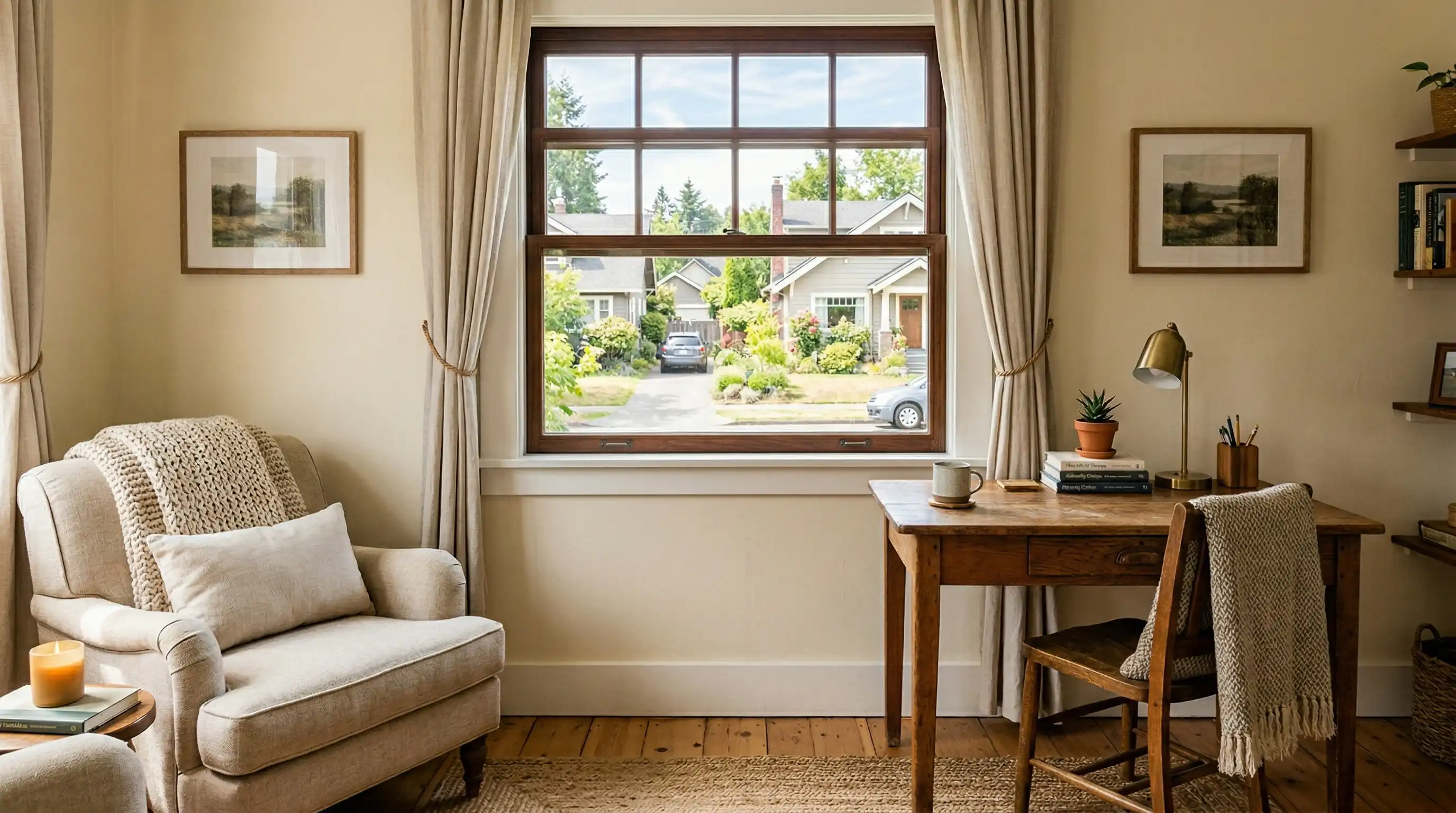
Single hung windows are the quiet workhorses of home design: simple, reliable, and easy on the budget. Only the bottom sash moves, which keeps the mechanism straightforward and maintenance minimal. They seal tightly, making them a solid choice for energy efficiency without overcomplicating things.
Best suited for traditional homes, living rooms, and bedrooms, if you want performance without unnecessary complexity, this is where I would start.
Best For: Standard residential installations where cost-efficiency and low upkeep are the priority.
2. Double Hung Windows
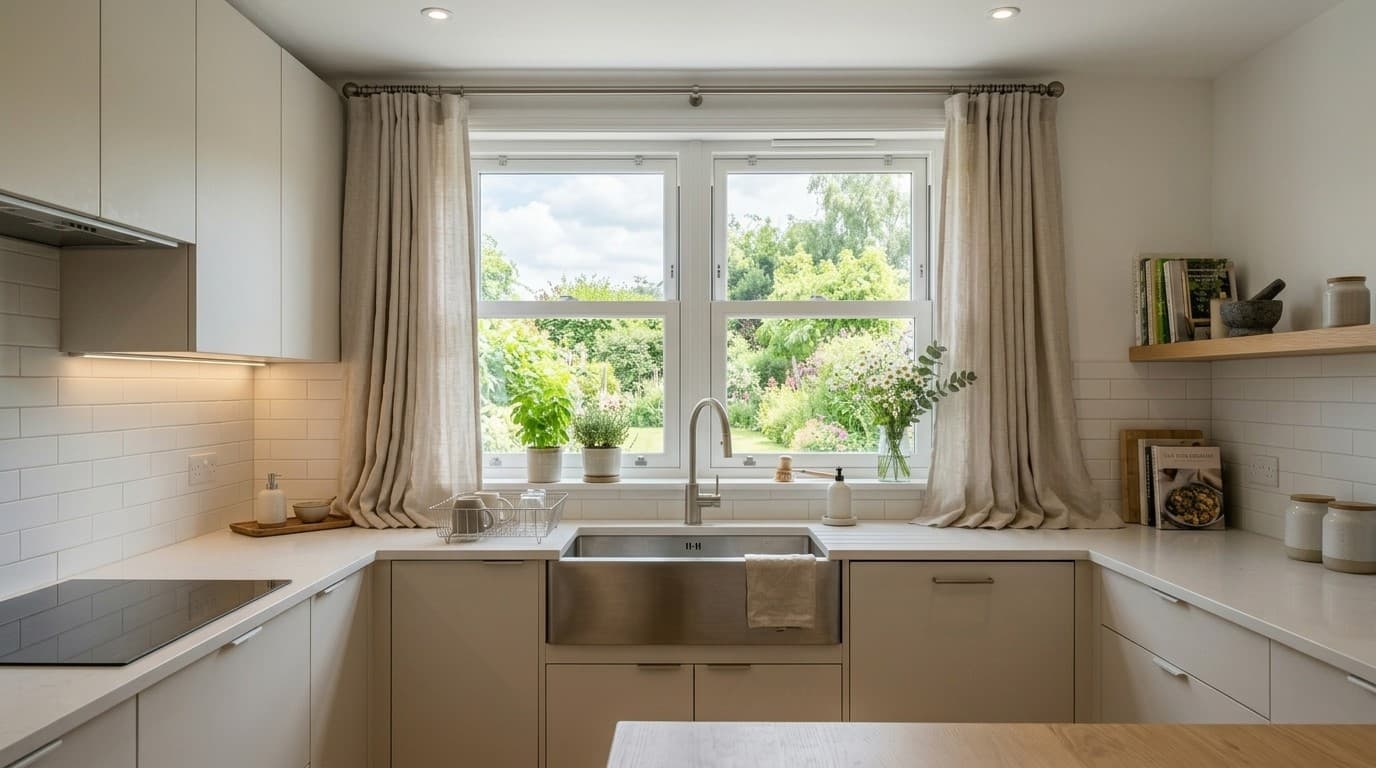
Double-hung windows offer something single-hung windows cannot: flexibility. Both sashes open independently, making ventilation more controllable and cleaning significantly easier. I appreciate how easy cleaning becomes: tilt both sashes inward, wipe them down, and you are done, without leaning out of the window.
They work exceptionally well in kitchens, living rooms, and bedrooms, making them a dependable all-rounder that performs across almost every room without demanding much in return.
Best For: Multi-story homes where safe, easy cleaning from inside the house is a practical necessity.
3. Casement Windows
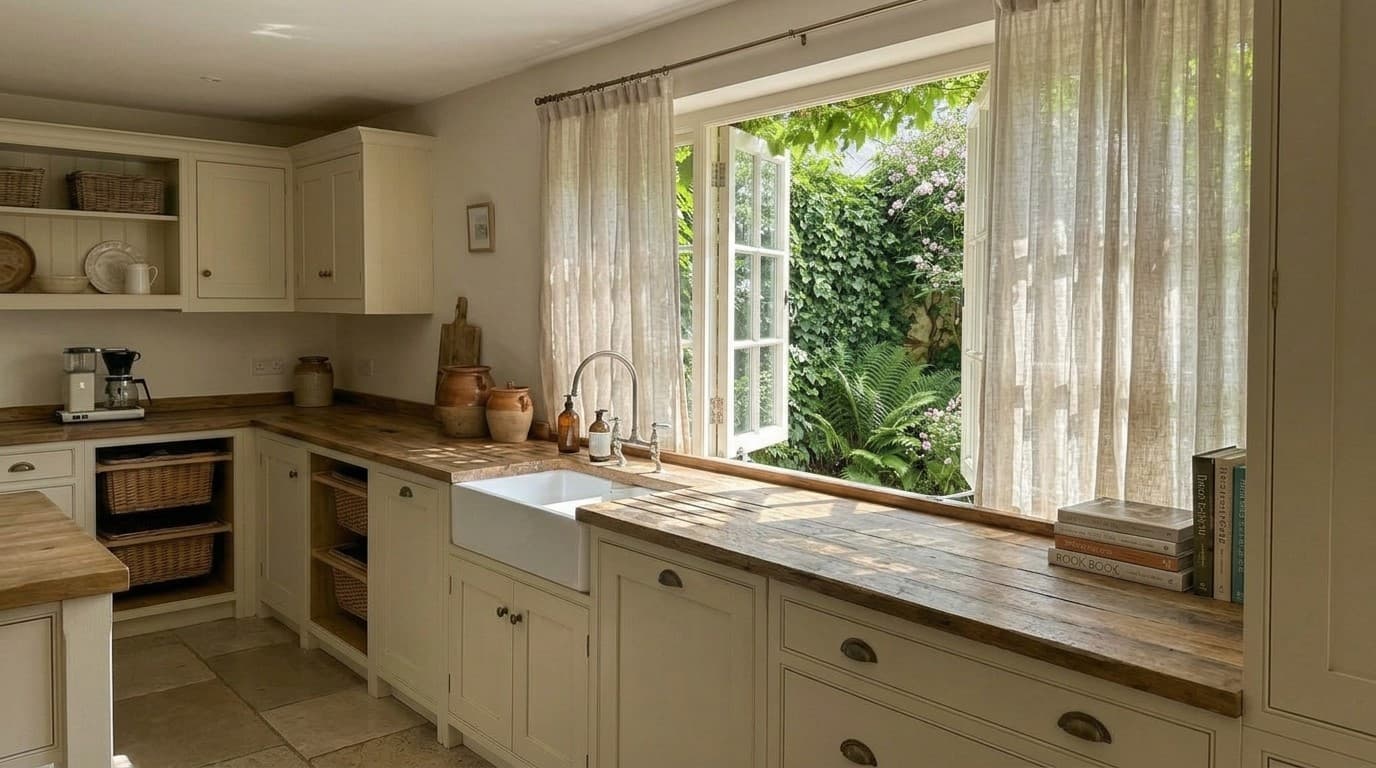
Casement windows open outward on a hinge, catching side breezes and channeling them directly into a room. That design makes them remarkably effective at ventilation, far more so than windows that only partially open.
They also seal tightly when closed, helping maintain year-round energy efficiency. Ideal for kitchens, bathrooms, and rooms with scenic views, casement windows consistently deliver where others fall short.
Best For: Side walls and corner placements where maximizing airflow and capturing outdoor views matter most.
4. Awning Windows
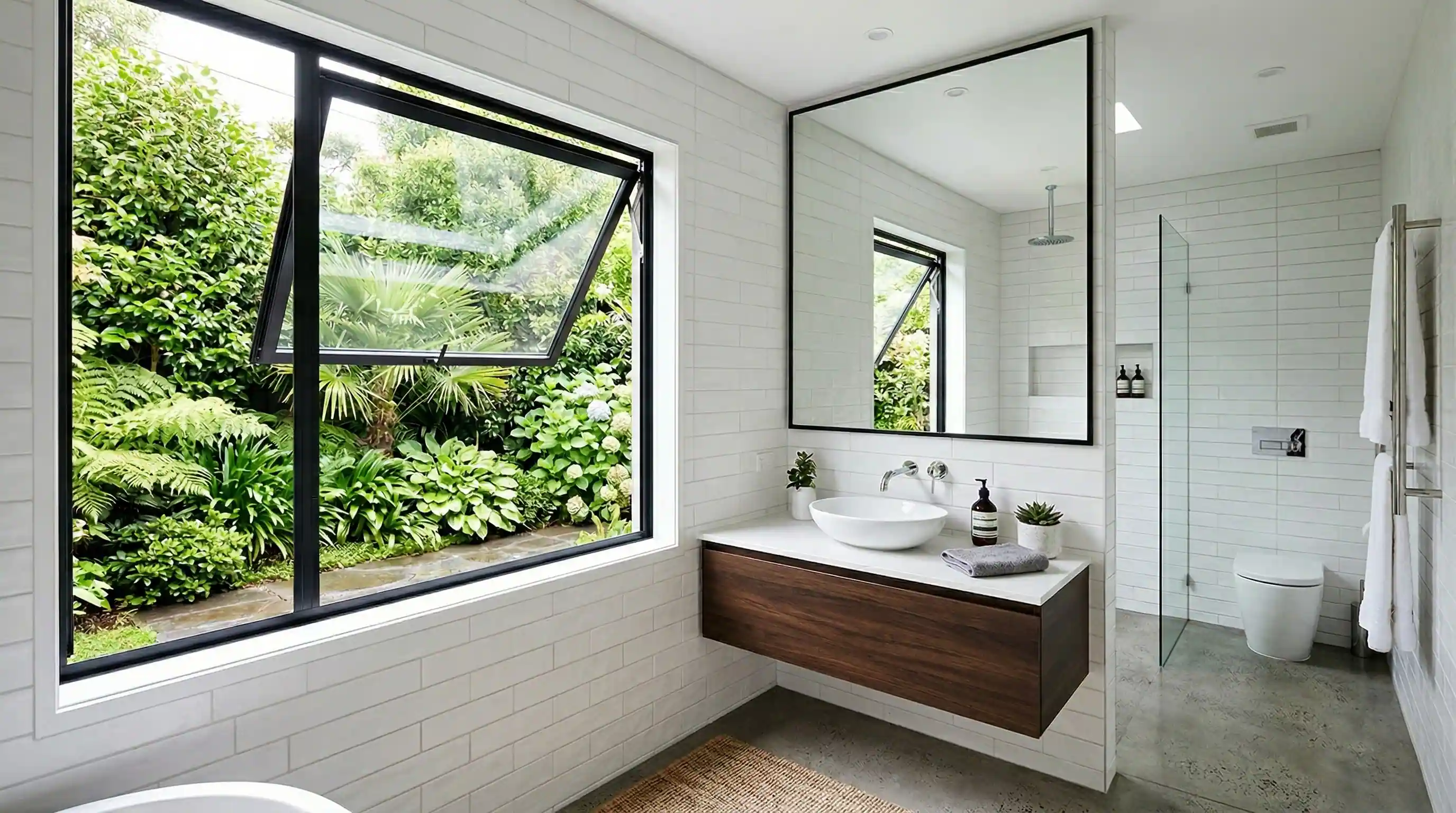
Awning windows are hinged at the top and open outward, forming a natural canopy. That angle means rain stays out even when the window is open, a detail that makes a genuine difference in unpredictable weather.
They also sit higher on walls, offering ventilation without sacrificing privacy. For bathrooms, kitchens, and basements, they are a smart solution for spaces that need fresh air and privacy without compromise.
Best For: Wet climates and high-humidity rooms that require continuous ventilation regardless of weather conditions.
5. Sliding Windows
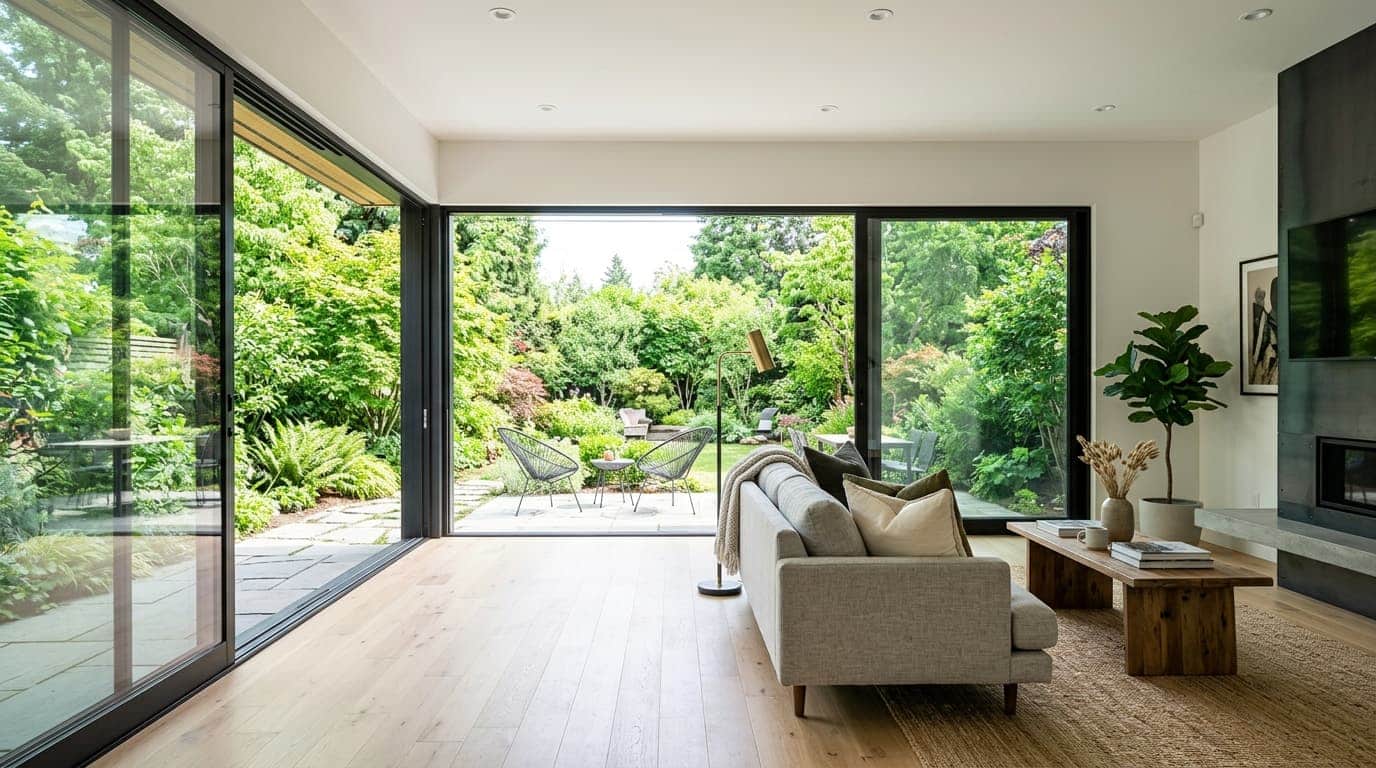
Sliding windows move horizontally along a track, no cranks, no hinges, no fuss. That simplicity makes them easy to operate and almost effortless to maintain. In rooms where wall space is tight or ceiling height is limited, the horizontal orientation fits naturally without feeling forced.
Best suited for hallways, tight spaces, and areas with limited vertical space. If your space feels tight, you will appreciate how quietly and efficiently sliding windows handle the job
Best For: Contemporary homes, garages, and utility spaces where a clean, minimal look is preferred.
6. Picture Windows
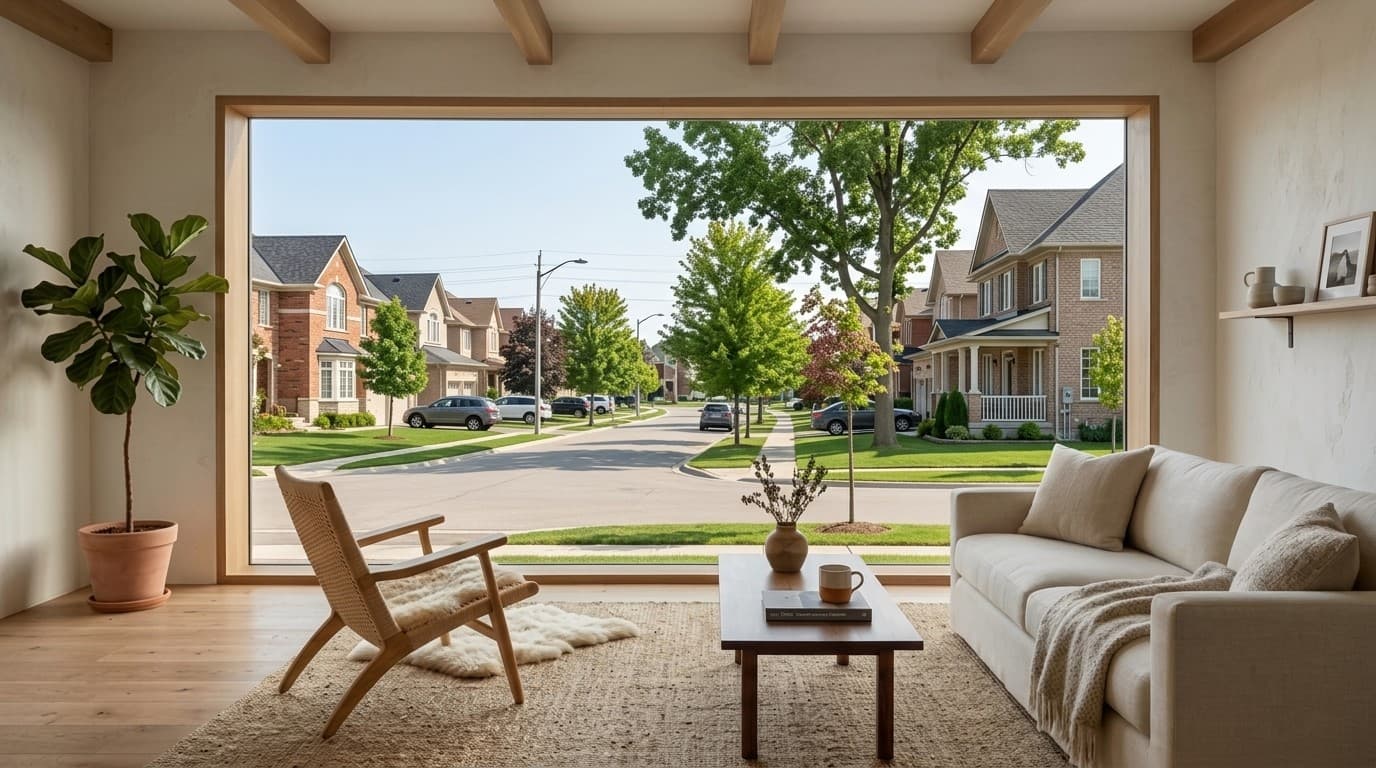
Picture windows do one thing exceptionally well: they frame the outside world like a painting. Fixed and unobstructed, they pull in maximum natural light and put the view front and center.
There are no sashes, no hardware, and nothing to interrupt the sightline. For living rooms, dining rooms, and spaces built around a scenic view, if you have a view worth preserving, I genuinely believe no other option makes a stronger visual statement.
Best For: Homes with outstanding outdoor scenery where the view itself becomes the focal point of the room.
7. Bay and Bow Windows
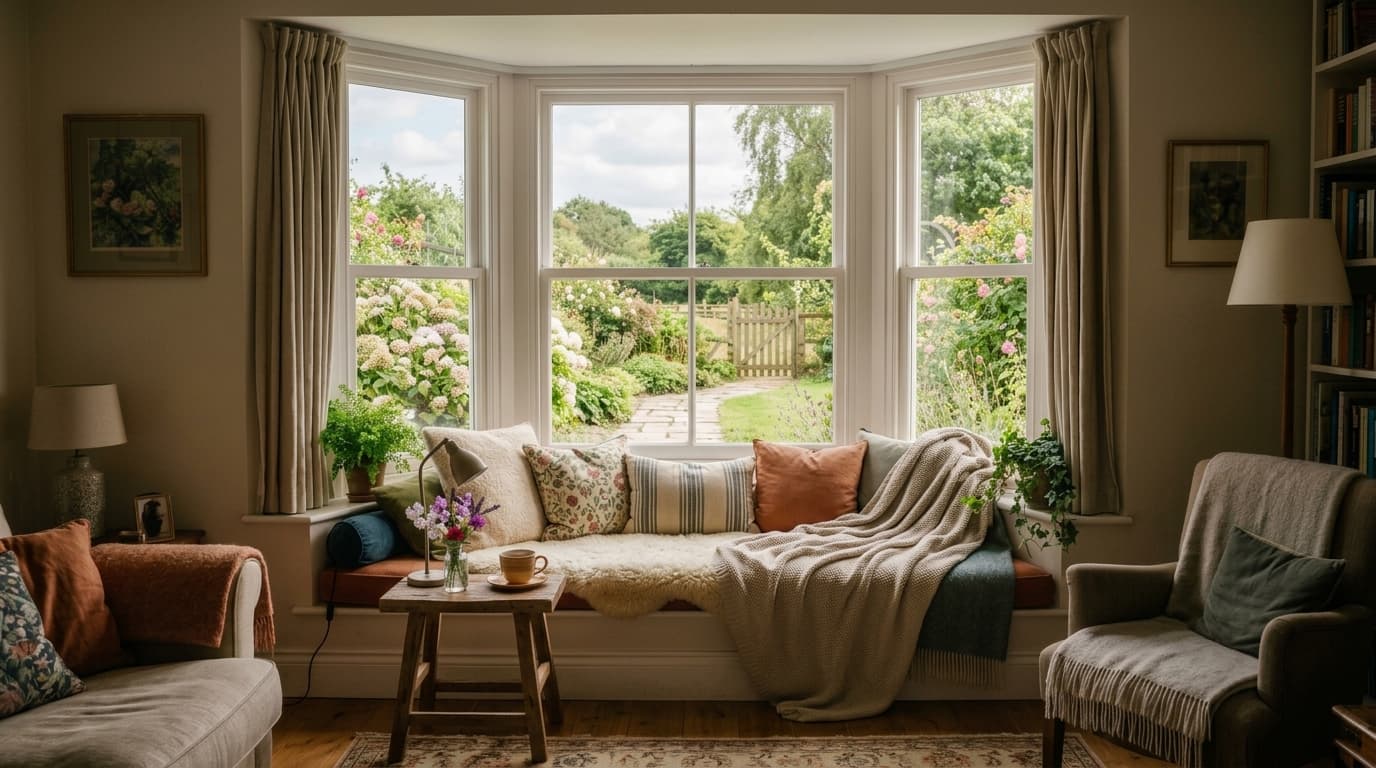
Bay and bow windows push beyond the wall plane, creating a pocket of space that feels both larger and more intimate. Bay windows use three panels at distinct angles, while bow windows curve outward with four or more panels.
Both add architectural character that is immediately noticeable from the street. Best suited for living rooms, dining rooms, and areas with few windows that need extra space. Changes a room and a façade as dramatically.
Best For: Traditional and Victorian-style homes where architectural depth and curb appeal are equally important.
8. Specialty Windows
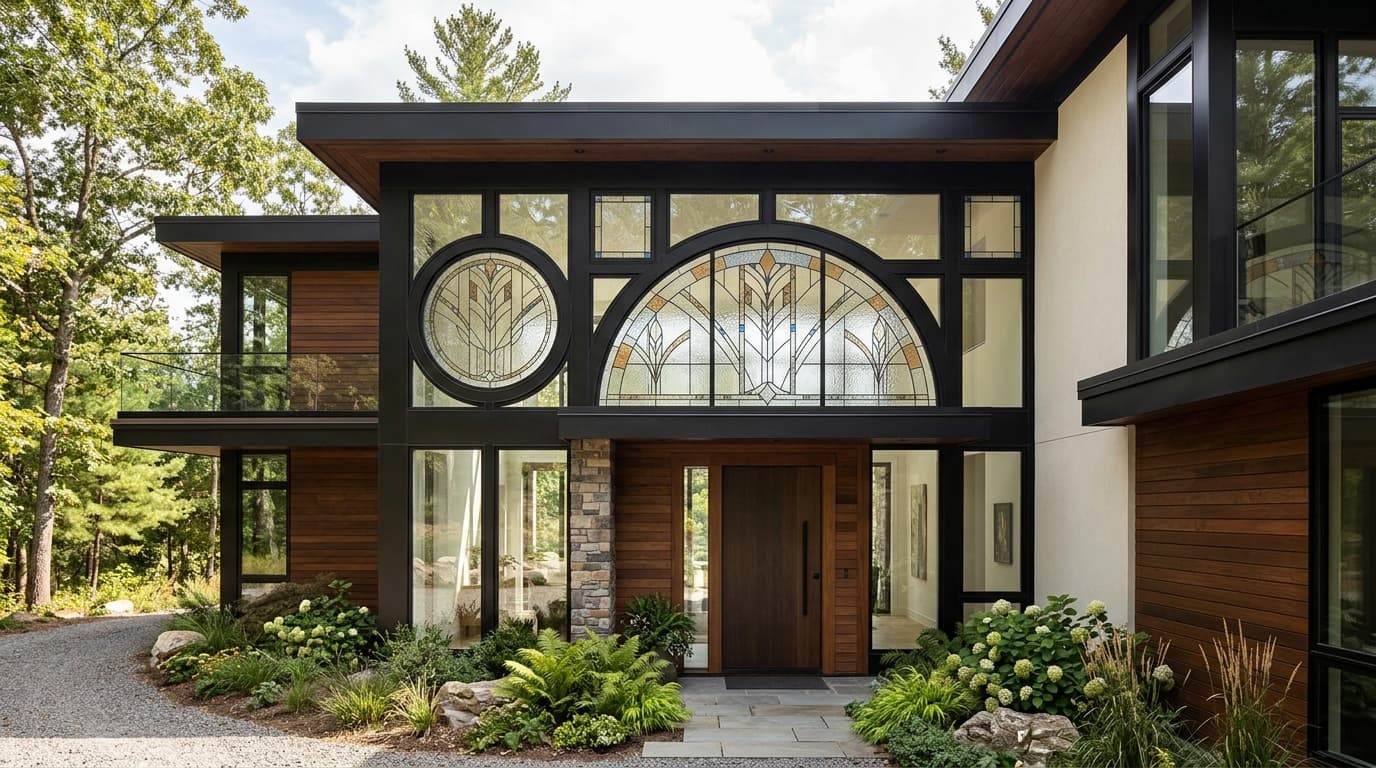
Specialty windows break away from standard shapes entirely. Circles, arches, hexagons, and custom geometric forms turn a window into a design feature rather than a functional afterthought.
They work best when paired with standard windows, adding visual punctuation without overwhelming the overall composition. When a space calls for something that stands apart, specialty windows deliver a detail that anchors the architectural story of a home.
Best For: Accent placements above entryways, stairwells, and alongside larger windows to add character and visual contrast.
9. Bi-Fold & Multi-Slide Windows
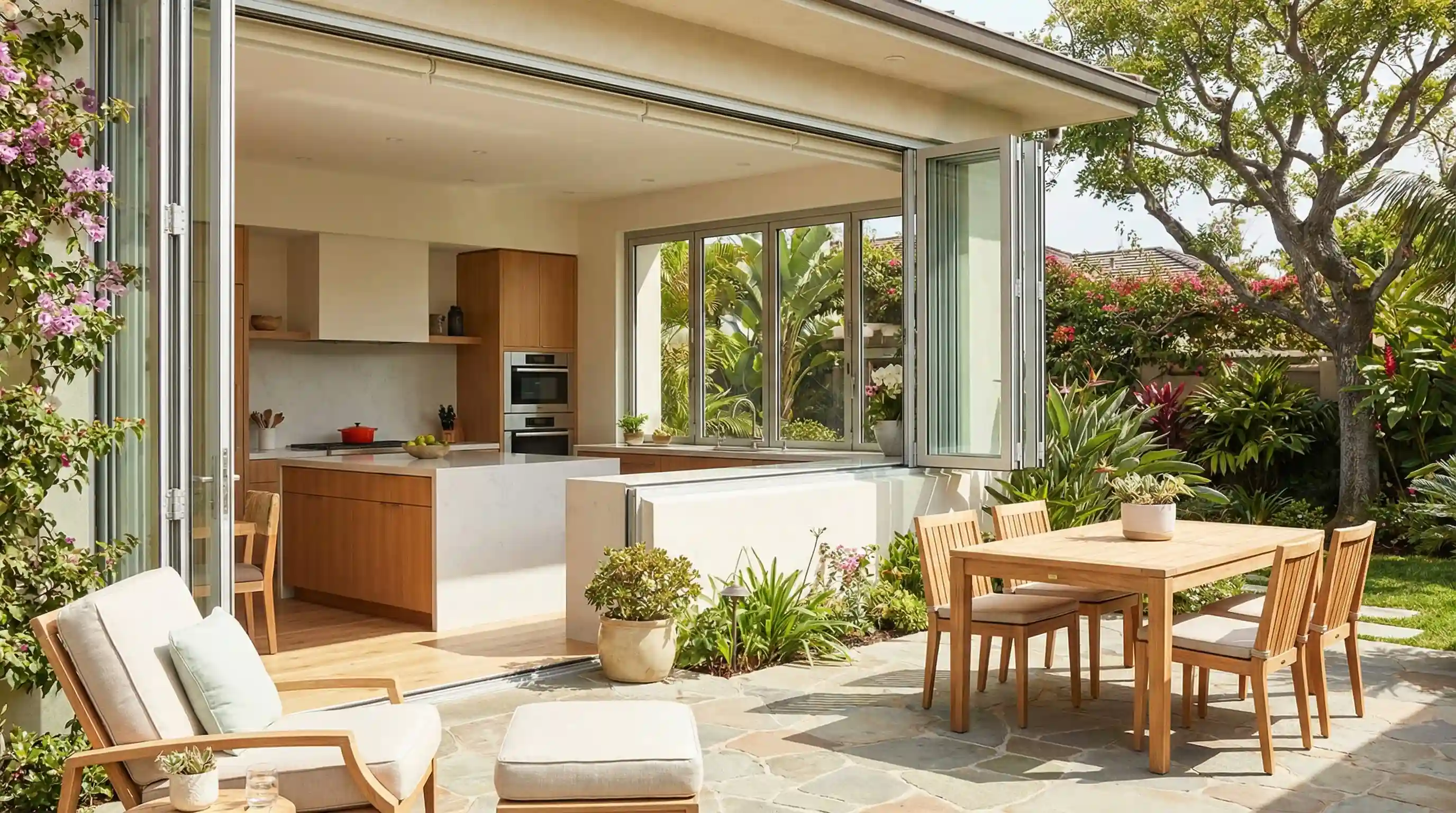
Bi-fold and multi-slide windows redefine what a window can do. Panels fold or slide away entirely, dissolving the boundary between inside and outside. The result is an opening that feels more like a continuation of the space than a window in the traditional sense.
For kitchens, patios, and entertainment spaces designed around open living, if you love open living, I think you will find bi-fold and multi-slide windows completely change how you experience your space
Best For: Modern homes and hospitality spaces where indoor-outdoor entertaining is central to how the space is lived in.
10. Hopper Windows
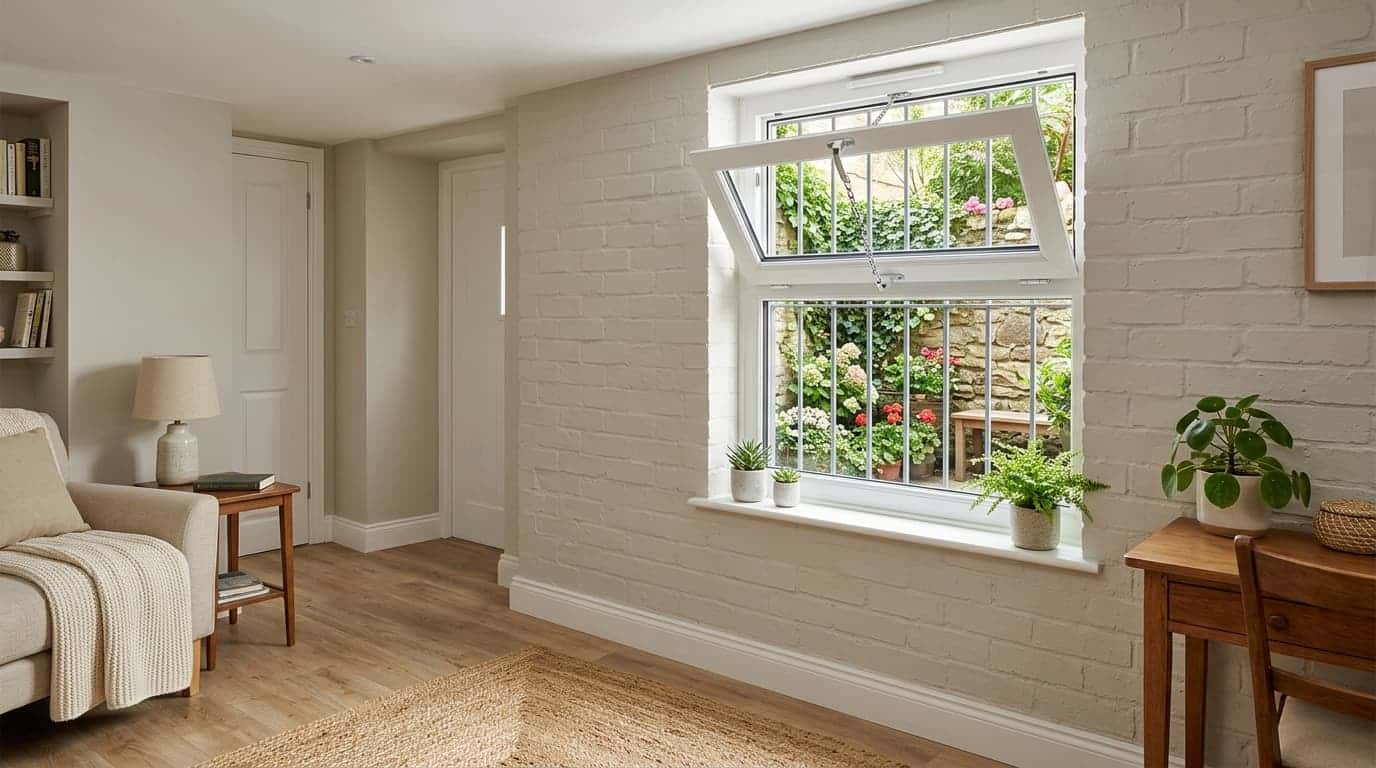
Hopper windows are hinged at the bottom and open inward from the top, the reverse of an awning window. That inward tilt creates a natural draft that pulls fresh air into a room efficiently.
They are compact by design, which makes them a natural fit for basements, utility rooms, and bathrooms where wall space is limited but ventilation still matters. Simple to operate and easy to seal.
Best For: Below-grade installations where small wall openings need to deliver reliable airflow without compromising security.
11. Transom Windows
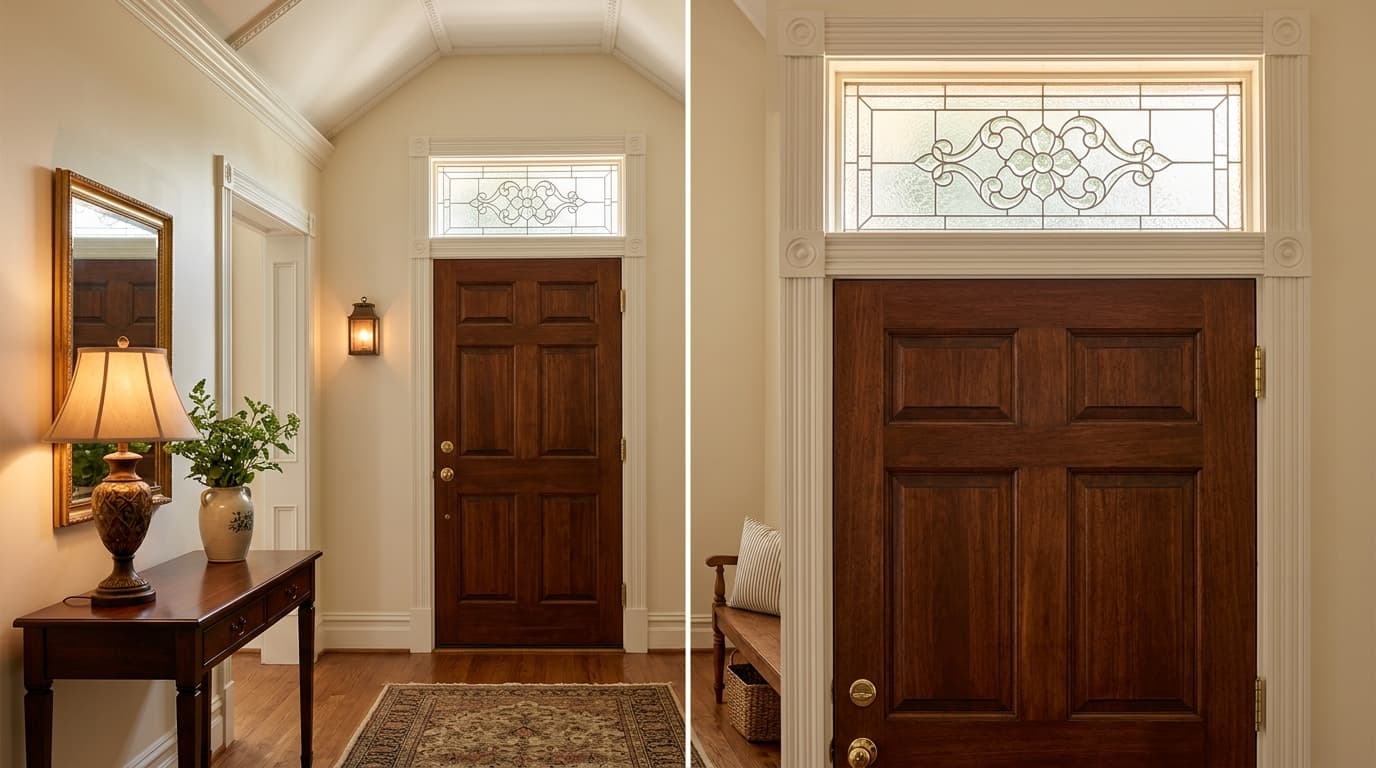
Transom windows sit above doors or larger windows, functioning more as architectural accents than primary light sources. That strategic positioning allows natural light to travel deeper into a room without compromising wall space or privacy below.
They are particularly effective in entryways, hallways, and rooms where additional daylight is needed without altering the existing window layout. I always recommend transom windows to anyone looking to brighten a space without touching the existing layout, without changing its structure.
Best For: Above front doors and interior doorways to add a refined look and borrowed light to transitional spaces.
12. Jalousie Windows
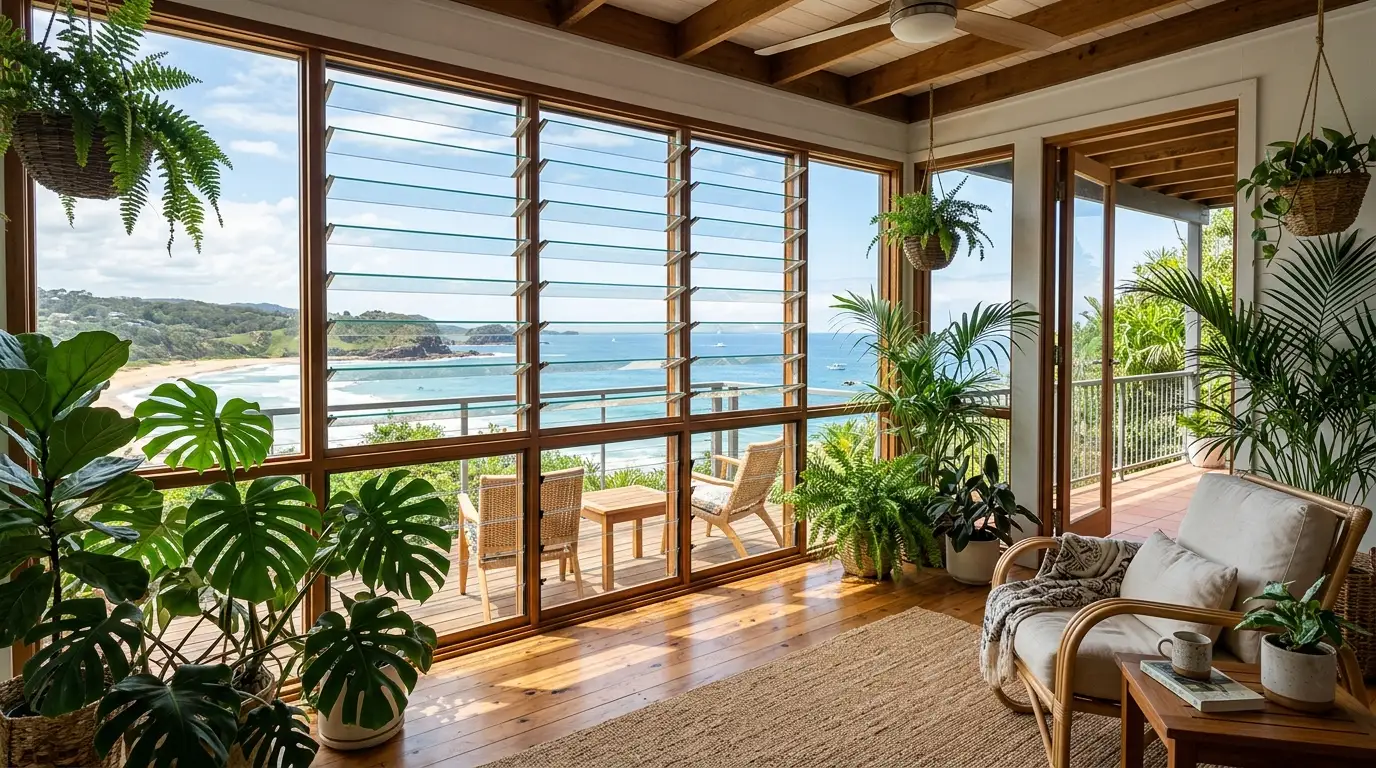
Jalousie windows are made of horizontal glass slats that tilt open simultaneously, like the blades of a blind. That construction allows precise airflow control, open slightly for a breeze or fully for maximum ventilation.
They are most at home in warm, humid climates where continuous airflow is a priority. While not the strongest option for cold-weather insulation, jalousie windows bring a relaxed, open character to sunrooms, porches, and tropical-style homes.
Best For: Coastal and warm-climate regions where ventilation takes priority over insulation.
13. Garden Windows
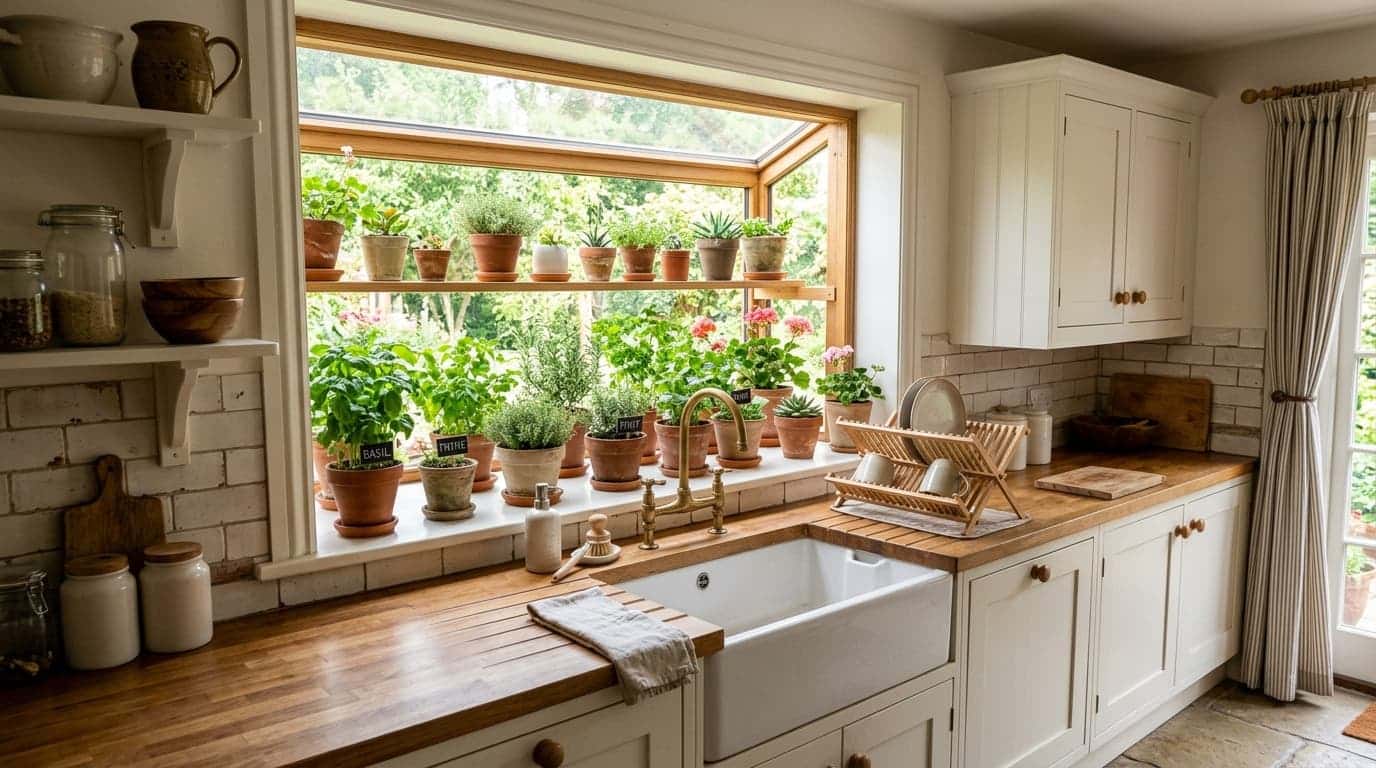
Garden windows extend outward from the wall like a small greenhouse box, typically with glass on three sides and a solid base. That structure creates a warm, sun-filled shelf, ideal for growing herbs or simply letting light pour in from multiple angles.
They are most at home in kitchens, where the combination of natural light and a functional ledge adds both practicality and personality. A garden window turns an ordinary wall into a living detail.
Best For: Above kitchen sinks where natural light, greenery, and everyday charm come together effortlessly.
14. Clerestory Windows
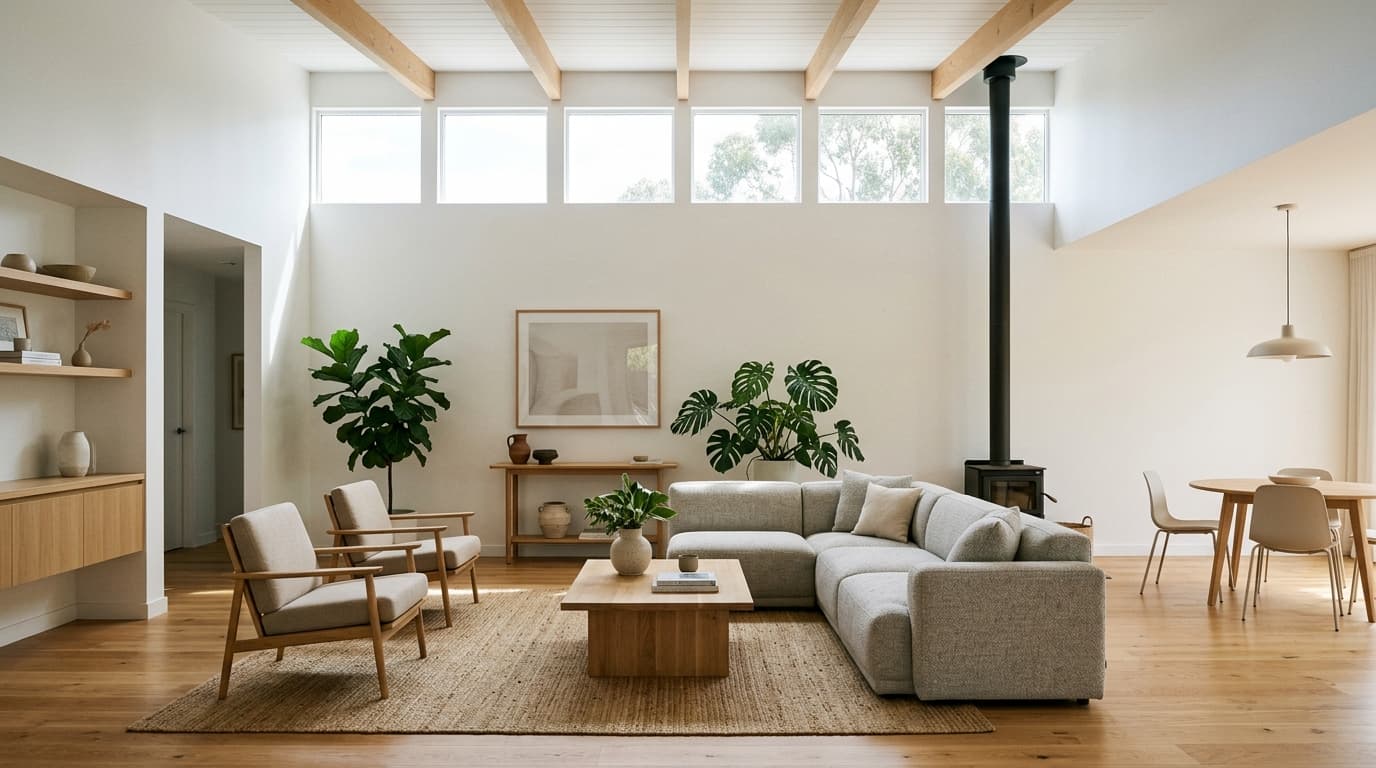
Clerestory windows are positioned high on a wall, close to the roofline, well above eye level. Their high placement serves a specific purpose, drawing in daylight and allowing warm air to escape without affecting privacy or usable wall space below.
Architects favor them in open-plan homes, studios, and spaces with high ceilings where light needs to travel deep into the interior.
Best For: Passive solar home designs and open-plan living areas where balanced, diffused light throughout the day is a core design goal.
15. Skylight Windows
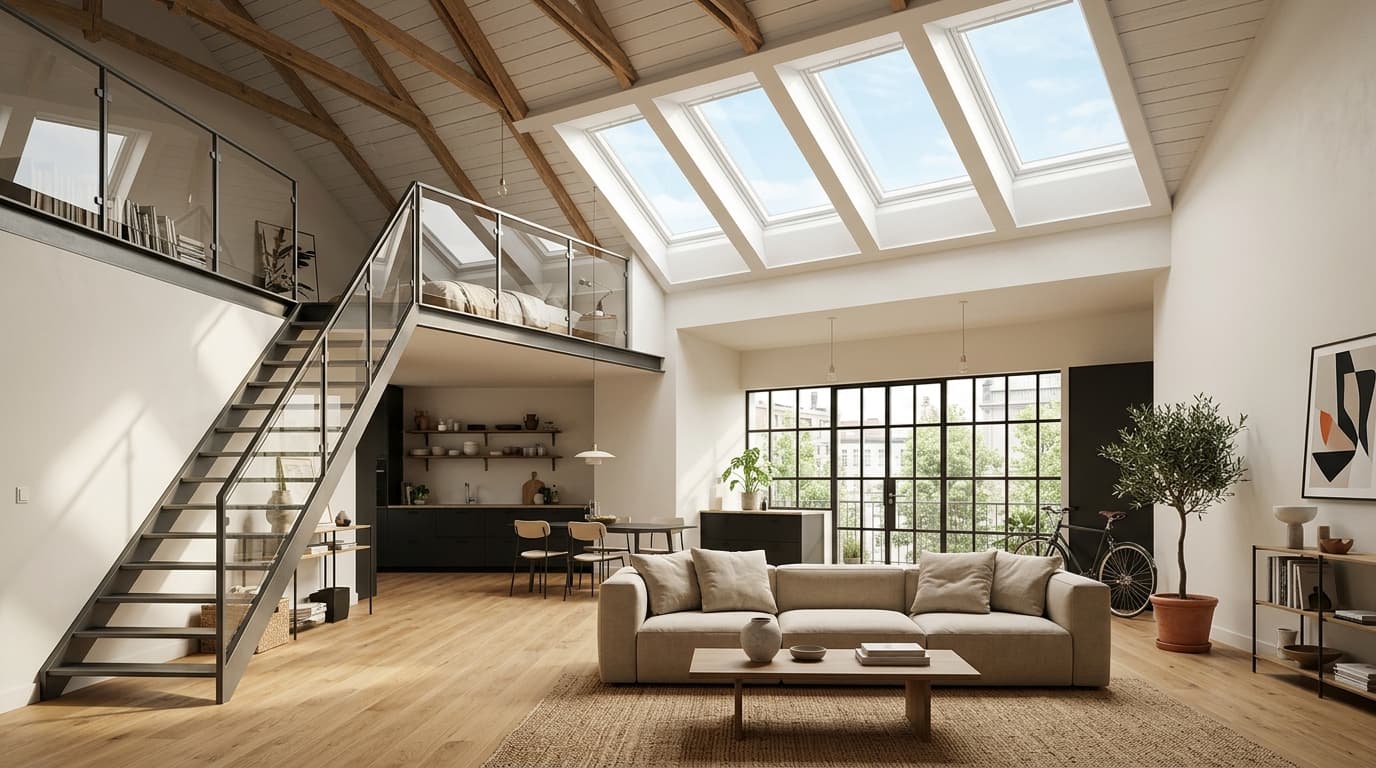
Skylight windows are installed directly into the roofline, introducing overhead natural light that no wall-mounted window can replicate. That downward light fills a room evenly, reducing shadows and making even smaller spaces feel open and airy.
Vented skylights also double as passive ventilation tools, releasing built-up heat from upper living areas. If your bedroom or hallway never gets enough sunlight, I think a skylight will change how you feel about that space entirely, spaces that traditionally miss out on direct sunlight, regardless of how many side windows are added.
Best For: Loft conversions, and interior spaces where wall windows are either impractical or architecturally impossible
How to Choose the Right Window Style for Your Home
Choosing the right window is a considered decision, not an impulse one. Getting it right comes down to a few fundamentals that most buyers only think about after installation.
- Measure Accurately: incorrect measurements lead to installation gaps and costly adjustments.
- Match Style to Architecture: double-hung for traditional homes, casement for modern spaces.
- Check Energy Ratings: prioritize Energy Star certification, Low-E glass, and triple glazing in cold climates.
- Consider Climate and Storm Resistance: humid regions need moisture-resistant frames, storm-prone zones need impact-resistant glass.
- Prioritize Easy Maintenance: tilt-in sashes make cleaning considerably easier than fixed windows.
- Verify Warranties: A solid product and installation warranty protects the investment long term.
The right choice transforms a home into a more comfortable, energy-efficient, and valuable space.
Mistakes to Avoid When Choosing Window Styles
I have seen how easy it is to get this wrong, and the mistakes almost always show up after installation. Here are the ones worth catching early.
| Mistake | Why It Happens | How to Avoid It |
|---|---|---|
| Focusing Solely on Aesthetics | Visual appeal overshadows performance | Check energy ratings and seal quality alongside style |
| Ignoring Maintenance Requirements | Upkeep demands are underestimated at purchase | Match window style to a realistic lifestyle and schedule |
| Overlooking Energy Efficiency | Energy costs feel abstract until the monthly bill arrives | Verify glazing options, energy ratings, and frame material |
| Ignoring Room Functionality | Style chosen for looks over actual room usage | Match window type to ventilation needs and usage patterns |
| Mismatching Style to Architecture | The window chosen in isolation from the home’s exterior | Use the architecture match guide above before finalizing any order |
You do not need expert knowledge to avoid these mistakes; it only requires asking the right questions before the decision is made.
Maintenance and Cleaning Tips
Windows last longer and perform better with consistent upkeep. Here is everything needed to keep them in good condition year-round.
Cleaning Frequency by Window Style
| Window Style | Recommended Cleaning Frequency |
|---|---|
| Double-Hung | Every 3 months, tilt-in sashes allow easy interior cleaning |
| Casement | Every 3 months, wipe tracks and hinges each time |
| Fixed Windows | Every 6 months, the exterior requires a ladder or professional access |
| Bay and Bow | Every 3 months, multiple panes need individual attention |
| Skylight | Every 6 months, seasonal cleaning prevents debris buildup |
Tips for Hard-to-Reach Windows
- Telescopic cleaning poles with microfiber heads handle upper-floor exteriors safely
- Magnetic window cleaners work on fixed double-pane windows from the inside
- Professional cleaning is worth scheduling annually for skylights and fixed windows above the second floor
- Never lean out of a window to clean: always work from a stable ladder positioned safely against the exterior wall
Hardware and Frame Maintenance
- Vinyl Frames: wipe with mild soap and water every 3 months. Avoid abrasive cleaners.
- Wood Frames: inspect for moisture damage every 6 months. Repaint or reseal every 2 to 3 years.
- Aluminum Frames: Clean with a non-abrasive cleaner and apply car wax annually to prevent oxidation.
- Hardware: lubricate hinges and locks with silicone spray every 6 months and check for corrosion early.
Seasonal Inspection Checklist
- Spring: replace compressed weatherstripping, clean tracks, test all locks, and inspect exterior caulking.
- Summer: check screens for tears, inspect for condensation between panes, and lubricate sliding mechanisms.
- Autumn: inspect weatherstripping, check frames for moisture damage, and reapply caulk where gaps appear.
- Winter: seal drafts immediately, wipe interior condensation regularly, and avoid forcing frozen mechanisms.
Consistent seasonal maintenance extends window lifespan significantly and prevents minor issues from turning into costly repairs.
The details behind every good window decision are simple. Trust me, the ones who skip these steps always find out the hard way.
Frequently Asked Questions
Are window styles better suited for noise reduction?
Casement and fixed picture windows with double or triple glazing offer the strongest noise reduction due to tight seals and thicker glass.
What impact does window style have on home resale value?
Energy-efficient windows with modern glazing and strong seals add measurable value, while outdated windows often affect sale negotiations during home inspections.
How long do windows typically last before needing replacement?
Most quality windows last 20 to 25 years, depending on material, climate, and maintenance, with vinyl frames generally outlasting aluminum in harsh weather.
Can window efficiency be upgraded without full replacement?
Yes. Storm windows and Low-E films can significantly improve thermal performance without full replacement, making them a practical and cost-effective solution.
Summing Up
Picking the right window Styles is one of those decisions that feels simple until you are actually standing in a room that does not breathe right or watching energy bills climb every season.
I have seen how much difference the right choice makes, and how quietly the wrong one costs. Every option I have covered in this guide exists for a reason, and matching that reason to a specific space is what makes a home feel genuinely comfortable.
Ventilation, energy efficiency, and room function are not just specs; they are daily lived experiences. If this helped narrow things down, share it with someone who needs it. Questions? Drop them below.