





I used to think highlights were simple until I sat in a salon chair trying to choose between two options that sounded almost the same. You have probably been there too, scrolling, comparing, and still feeling unsure.
Partial highlights vs. full highlights can feel confusing because both promise lighter hair, yet the results and upkeep can look very different in real life.
This choice matters because it affects how your hair grows out, how often you book appointments, and how your hair feels over time. I want to break this down in a clear, practical way so you can match the option to your routine and expectations.
By the end, partial highlight vs full highlight should feel much easier to decide.
What are Partial Highlights?

Partial highlights lighten selected sections of hair rather than the entire head. Color is placed only where it adds the most impact, leaving the rest untouched.
If you want lighter hair without changing everything, partial highlights focus only on the most visible areas. This approach brightens your look while keeping most of your natural color in place.
Common Placement Areas:
- Face-framing sections to brighten the front
- Top layer or crown for light contrast
- Mohawk section in some styles for balanced lift
Because only part of the hair is lightened, your base color stays mostly intact. This helps the color grow out more smoothly and keeps the overall look softer and easier to manage.
What are Full Highlights?

Full highlights lighten hair across all sections of the head. Color is applied from front to back and top to bottom so no area is left dark.
If you want lighter hair that shows from every angle, full highlights cover the entire head. This option creates a more noticeable color change and works well when even brightness matters.
Common Placement Areas:
- Front sections and hairline for overall brightness
- Top and sides for balanced coverage
- Back and underneath layers, so color shows in all styles
Because most of the hair is lightened, the base color is less visible. This creates a consistent look that shows clearly in ponytails, buns, and braids, but it also requires more upkeep over time.
Partial Highlights vs. Full Highlights: Side-by-Side Comparison
Looking at partial highlights vs full side-by-side makes it easier to spot how coverage and upkeep differ over time.
I have seen people choose both options for very different reasons. Some want a small refresh, while others want a clear color shift. Here is how partial and full highlights compare when placed side by side.
| Factor | Partial Highlights | Full Highlights |
|---|---|---|
| Coverage Area | Lightens selected sections, mainly near the face or top | Lightens hair across the entire head |
| Overall Result | Soft change that blends with natural color | a greater change that shows everywhere |
| Visibility in Styles | Less visible in ponytails or buns | Visible in all hairstyles |
| Root Regrowth | Grows out more smoothly | Roots show faster |
| Maintenance Timing | Touch-ups every 8–12 weeks | Touch-ups every 6–8 weeks |
| Salon Time | Shorter appointments | Longer appointments |
| Hair Stress | Less hair is processed each visit | More hair is processed on each visit |
| Cost Over Time | Lower due to fewer visits | Higher due to frequent upkeep |
In short, partial highlights work well for subtle updates with less upkeep, while full highlights suit those who want even color and do not mind regular maintenance.
Maintenance Differences (What Life Looks Like After the Salon)
This section explains how often touch-ups are needed, how roots appear over time, and how maintenance fits into everyday routines.
Partial Highlights Maintenance
Partial highlights usually need less ongoing care because fewer sections are lightened, allowing regrowth to blend more smoothly over time.
- Touch-ups are usually needed every 8–12 weeks
- Roots blend more naturally as hair grows
- Salon visits happen less often
Full Highlights Maintenance
Full highlights require more attention since lightened hair appears throughout the head, making regrowth more noticeable as hair grows.
- Touch-ups are usually needed every 6–8 weeks
- Roots become visible faster
- Regular upkeep is needed to maintain the look
Impact on Hair Health Explained Simply
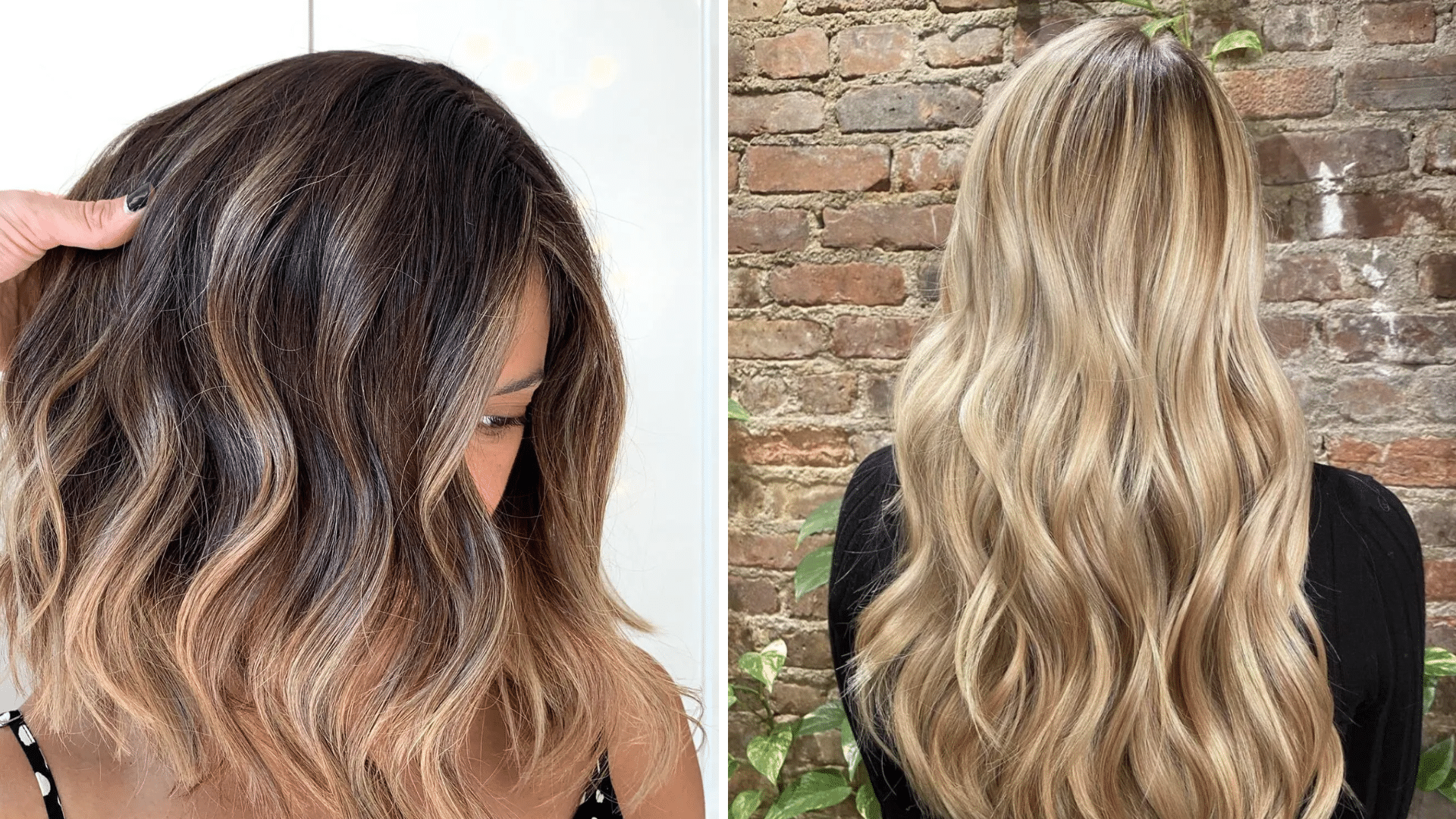
Hair health changes based on how much hair is lightened and how often it happens. When more hair is processed, the risk of dryness and breakage increases because lightening removes natural moisture and strength.
Bleach saturation matters because fully soaked strands lose elasticity faster, making hair stretch, snap, or feel rough over time.
Partial highlights reduce this risk by limiting lightening to smaller sections, leaving the rest of the hair untouched and able to recover between visits. This recovery time helps hair hold moisture and stay stronger longer.
Alternating between partial and full highlight services can also reduce repeated stress on the same strands. Giving sections of hair a break between heavier services helps maintain overall strength and reduces long-term damage.
Appearance Differences in Real-Life Hairstyles
How highlights show depends on hairstyle choice, hair movement, and texture, not just color placement during the salon service.
| Hairstyle Type | Partial Highlights | Full Highlights |
|---|---|---|
| Ponytails and buns | Color may stay hidden underneath darker layers | Color remains visible throughout the style |
| Braids and half-up styles | Color can appear heavier on the top sections | Color appears even from root to end |
| Curly hair | Texture helps blend lighter and darker areas | Color looks balanced but less contrasted |
| Straight hair | Placement lines are easier to notice | Color looks consistent and uniform |
Daily styling habits play a major role in how noticeable highlights look, making hairstyle choice just as important as color coverage.
Cost Breakdown (Realistic, Not Vague)
This section explains how highlight costs differ at the salon and over time, helping you plan for visits, upkeep, and ongoing hair care needs.
Upfront Cost Comparison
Partial highlights usually cost less per visit because fewer sections are lightened and appointments take less time. Less product is used, and the application moves faster, which keeps pricing lower in most salons.
Full highlights cost more because the service covers the entire head. This requires more product, more detailed sectioning, and longer processing time.
The added time and materials raise the overall price. While pricing varies by location and hair length, full highlight services almost always sit at a higher starting cost than partial ones.
Long-Term Cost Over a Year
Over a full year, partial highlights often cost less because appointments are spaced farther apart. Fewer visits mean lower total spending, even when regular trims are included.
Full highlights usually require more frequent touch-ups, which increases yearly salon costs.
In addition, lightened hair often needs extra care products to manage dryness and maintain color tone. These added products can raise overall expenses.
Looking at yearly maintenance rather than one visit helps show the true cost difference between the two options.
A Smarter Long-Term Highlight Strategy
Many people switch between partial and full highlights instead of sticking to one option year-round. This approach reduces repeated stress on the same sections of hair while still keeping color balanced.
Partial highlights handle most routine visits by refreshing visible areas without lighting everything again.
A full highlight once or twice a year helps reset color across the entire head, preventing dark areas underneath from building up over time. This spacing gives hair longer breaks between heavier services, which helps maintain strength and moisture.
Fewer full sessions also lower yearly salon costs since partial visits take less time and product. Planning highlights this way supports healthier hair while keeping color looking even, fresh, and easier to maintain over the long term.
How to Avoid Common Highlight Regrets
Choosing highlights works best when expectations match daily habits, maintenance limits, and realistic results rather than quick decisions or short-term savings.
- Expecting very light results from partial highlights
- Ignoring how often hair is worn up or styled
- Choosing a service based on price alone
- Skipping long-term upkeep planning
How to Choose Based on Your Lifestyle and Daily Routine
Daily habits, styling choices, and maintenance limits matter just as much as hair color goals when deciding between partial or full highlights.
Choose Partial Highlights If

Partial highlights suit people who want a lighter update without frequent salon visits. This option works well if maintenance needs to stay low and visible regrowth should blend naturally.
It fits routines where hair is worn down most days, since lighter pieces stay near the top and front.
Partial highlights also limit how much hair is lightened during each visit, which helps reduce ongoing stress on strands. This choice often feels easier to manage when schedules are busy or long appointments feel difficult to plan around.
Choose Full Highlights If
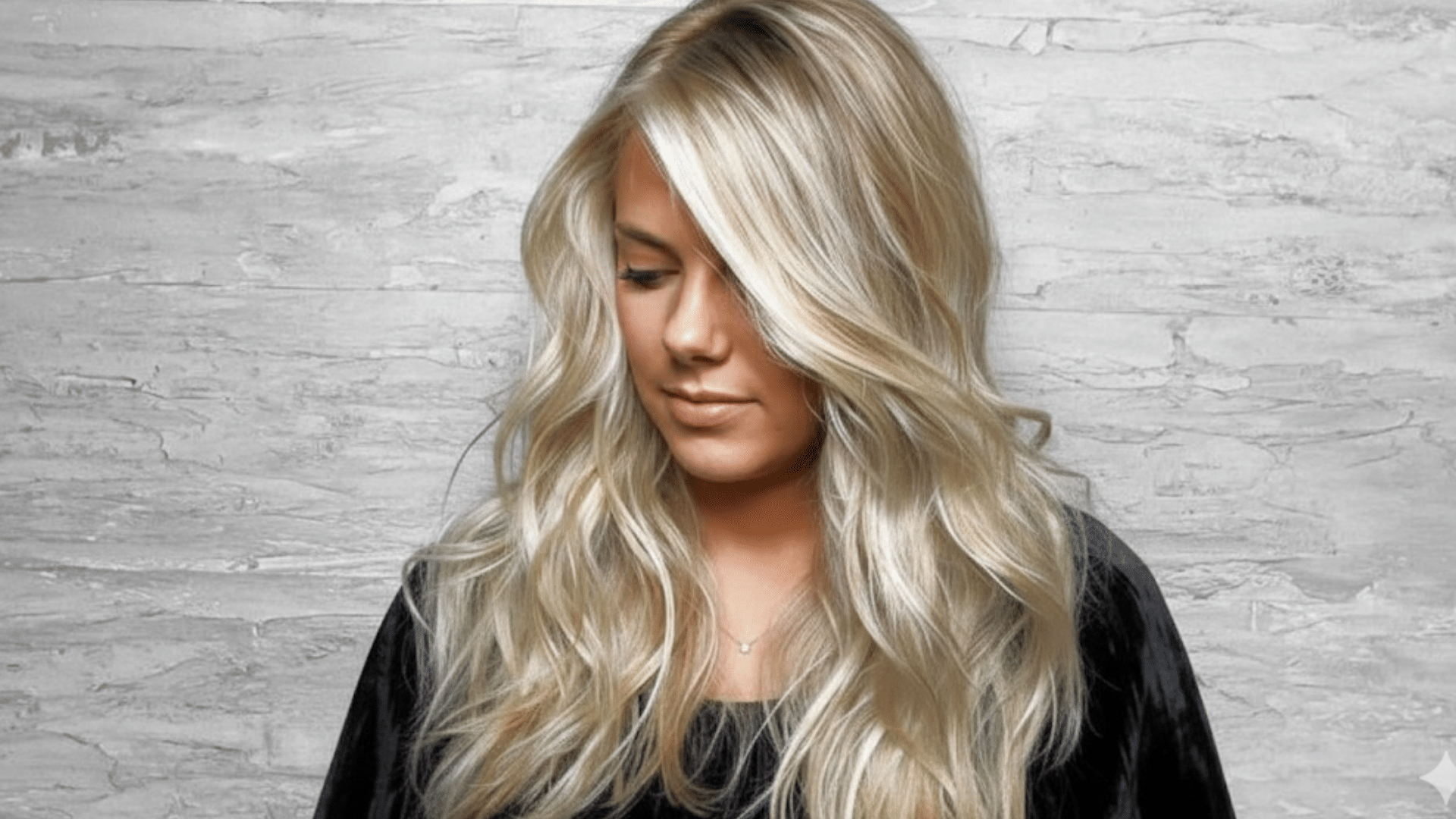
Full highlights fit people who want a stronger color change that shows in all hairstyles. This option works best when hair is styled in ponytails, buns, braids, or different parts often.
Full highlights create consistent brightness across the head, so no dark areas stand out.
Regular appointments are required to manage regrowth and keep color even. This choice works well when time, budget, and upkeep are planned in advance, and regular maintenance feels realistic.
Where Balayage and Babylights Fit In

Balayage and babylights describe how color is applied, not how much hair is lightened. Coverage still falls into either partial or full highlights.
Balayage places lighter color by hand on selected sections, often focusing on the top and front.
Babylights use very fine sections placed close together to create a soft, gradual lighting effect. Both methods can be used as part of partial highlights or full highlights, depending on how much of the head is covered.
A partial balayage still leaves large sections untouched, while a full balayage covers the entire head. The method does not change maintenance needs on its own.
Coverage level, regrowth visibility, and how often roots need attention still depend on whether the service is partial or full, not the technique used.
Conclusion
By now, you have seen how partial and full highlights differ in coverage, upkeep, cost, and impact on hair condition.
The main takeaway is simple: the right choice depends on how you style your hair, how often you want salon visits, and how much change feels comfortable.
I always find it helps to think about daily habits first, then match color plans to that routine. When you understand these basics, partial highlight vs full highlight becomes less about trends and more about fit.
If you are planning your next appointment, which option feels closer to your lifestyle right now? Take a moment to check out other blogs on hair care and color planning to keep building confidence before your next visit.















One Response
I have had highlights out in my hair using foils, it has changed the whole look. I thought it would be streaks of colour, I am confused.