I used to think furniture was only about comfort, soft cushions, the right shade of wood, and the perfect fit for a corner. But over time, I started noticing something else.
Some pieces changed more than the way a room looked; they changed how it felt to breathe there.
The difference was subtle, like air that felt heavier or fresher depending on what surrounded it. That small realization shifted how I see interiors completely.
Now, choosing non-toxic furniture feels less like decorating and more like caring for the space that holds you. It’s about creating rooms that stay clear, balanced, and kind, places that feel good in ways you can sense, even when everything else is still.
What Makes Furniture Toxic?
After more than a decade of exploring interiors and the quiet ways they shape our lives, I’ve learned that comfort often hides in the details we overlook, like the air we breathe.
Most furniture, even the prettiest pieces, releases VOCs (volatile organic compounds) through paints, glues, and foams, subtly affecting our space long after that “new” smell fades.
The EPA reports that indoor air can hold several times more of these compounds than the outdoors, a thought that’s changed the way I decorate entirely.
Now, I lean toward real wood, plant-based finishes, and natural cushioning, pieces that settle into the space cleanly, without that lingering factory scent.” It’s not about chasing trends but about choosing longevity, health, and calm.
Eleven years in, my rule feels simpler than ever: a beautiful home should make you feel good: deeply, quietly, and cleanly.
How to Evaluate Furniture Before You Buy

Buying furniture used to be all about style for me, the right shape, tone, and fit. Now, I focus on what’s unseen: the materials and finishes that shape how a home truly feels.
It’s not about memorizing terms; it’s about knowing what to notice before bringing something new inside.
Here’s the simple guide I follow for pieces that last in both beauty and comfort.
The 6-Point Non-Toxic Furniture Checklist
Over the years, I’ve realized that choosing furniture isn’t just about style, it’s about what it quietly brings into your home through its materials and finishes.
I started keeping a simple list after noticing how much calmer my space felt when I paid attention to what each piece was made of. It’s not about replacing everything at once; it’s about choosing a little better when you can.
1. Solid wood or FSC-certified wood: Avoid particleboard or MDF, which often contain formaldehyde glues.
2. Water-based or zero-VOC finishes: These limit chemical emissions and reduce indoor air pollutants.
3. No flame retardants or PFAS: Ask brands to confirm this in writing if it’s unclear.
4. Natural latex or CertiPUR-US foam cushions: Both options are free of the most harmful flame retardants.
5. Certified textiles: Look for GOTS, GOLS, or OEKO-TEX certification for fabrics and fillings.
6. Transparent labeling: Brands that share full material and chemical details usually have safer practices overall.
Each of these small checks makes a quiet difference. Over time, they add up to rooms that smell fresher, feel lighter, and age beautifully, the kind of home that simply feels good to be in.
How to Read Furniture Specifications
Over time, I’ve learned that product descriptions often hide the most important details. Here’s what I look out for:
Step 1: Low-VOC doesn’t mean zero. It signals reduced chemical content, not complete absence. Check for verified low-emission or zero-VOC claims from testing bodies such as GREENGUARD Gold.
Step 2:Engineered wood needs a closer look. MDF or plywood often relies on glues that release formaldehyde, so solid or FSC-certified wood is the safer bet.
Step 3: Foam blends can be tricky; some mix polyurethane and latex, which makes it hard to gauge emissions. Always ask what the primary material is; natural latex usually lasts longer and stays cleaner.
Step 4: Eco or green isn’t always enough. These words sound reassuring but are vague. True chemical safety depends on transparency and third-party verification, not marketing.
Step 5: Certifications tell the real story. Look for clear proof, labels, testing data, or full material lists when a brand claims its furniture is non-toxic.
Certifications and What They Actually Mean
| Certification | Applies To | What It Ensures |
|---|---|---|
| GREENGUARD Gold | Furniture & finishes | Tested for low chemical emissions |
| OEKO-TEX | Fabrics | Free from over 100 harmful substances |
| GOTS | Organic textiles | Verified organic content and fair labor practices |
| GOLS | Latex | Natural latex with restricted additives |
| FSC | Wood | Responsible forestry and lower formaldehyde content |
| CertiPUR-US | Foam | No flame retardants or ozone-depleting agents |
Cert Myth Check: No certification means absolute purity, not even the best ones.
I’ve learned to always ask for the brand’s full materials disclosure before buying, especially when I want a piece that’s going to live close, like a bed, sofa, or nursery chair. The extra step is worth it for peace of mind and cleaner air at home.
Top Non-Toxic Furniture Brands to Consider
Lately, I’ve been drawn to furniture that feels good inside and out, pieces made with cleaner materials, softer finishes, and thoughtful craftsmanship that bring calm, lasting comfort home.
1. Medley
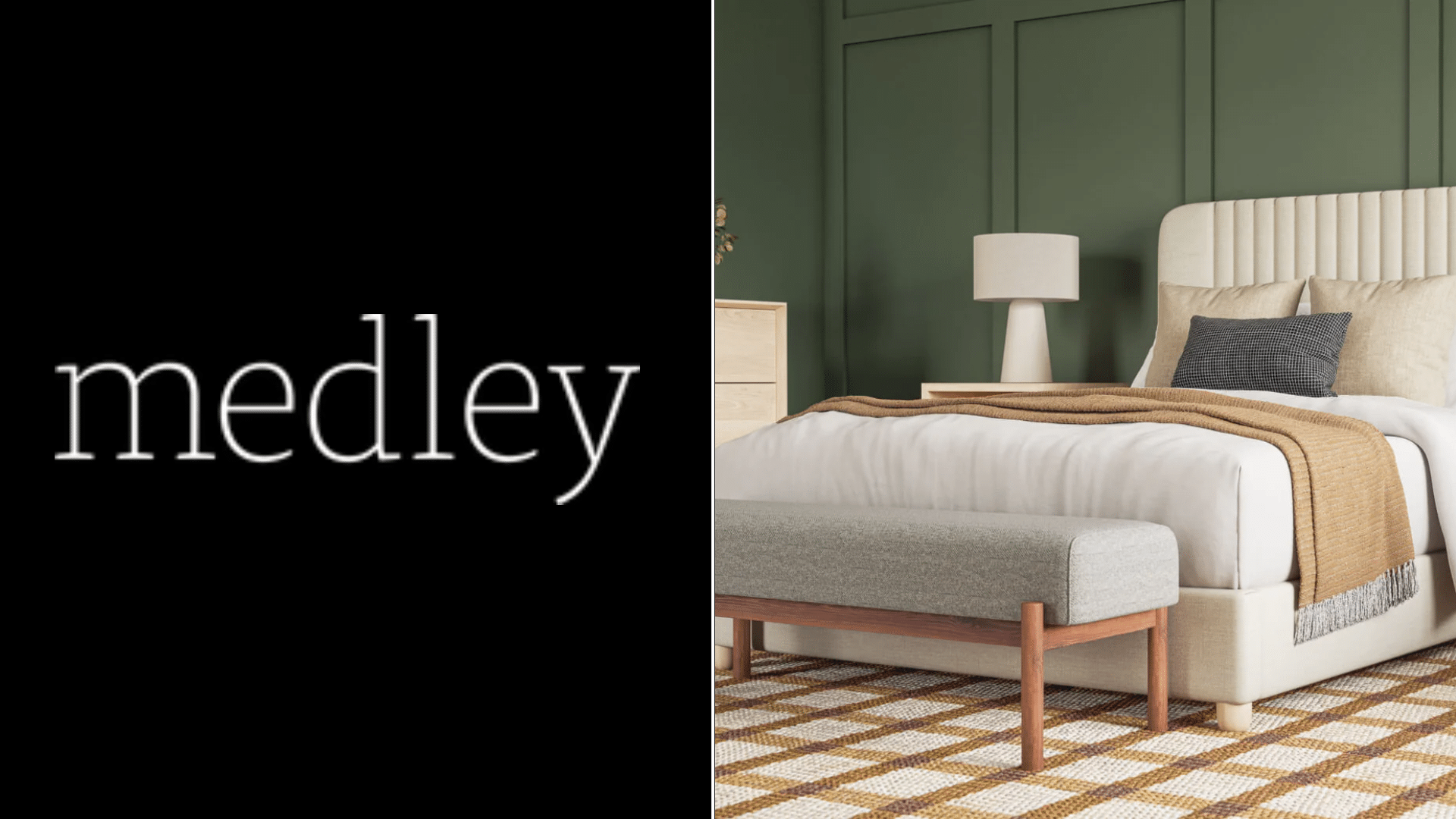
Materials: FSC-certified solid hardwood, organic cotton, wool, and natural latex cushions
Finishes: Water-based stains, zero-VOC adhesives, and formaldehyde-free glues
Certifications: GOTS, GOLS, and OEKO-TEX verified components
Focus: Sustainable production, long-term durability, and transparent sourcing
Medley produces made-to-order furniture built from non-toxic, renewable materials. Each sofa and chair is crafted with certified fabrics and solid wood to reduce off-gassing and chemical exposure.
Although pricing is premium, its reliability, comfort, and high transparency make Medley one of the strongest options for households aiming to improve indoor air quality without compromising craftsmanship.
2. Avocado

Materials: FSC-certified maple, walnut, and reclaimed woods paired with natural latex
Finishes: Zero-VOC water-based glues and plant-derived stains
Certifications: GREENGUARD Gold, FSC, GOTS, and GOLS
Focus: Ethical sourcing, transparency, and carbon-negative production
Avocado extends its clean manufacturing ethos from mattresses to furniture. Every product is handcrafted in the U.S. using solid wood and natural components verified for low emissions.
Its carbon-negative operations and GREENGUARD Gold certification confirm genuine chemical safety. The aesthetic leans toward simple, sturdy designs, and while prices are higher, the verified safety and sustainable craftsmanship justify the investment.
3. Sabai
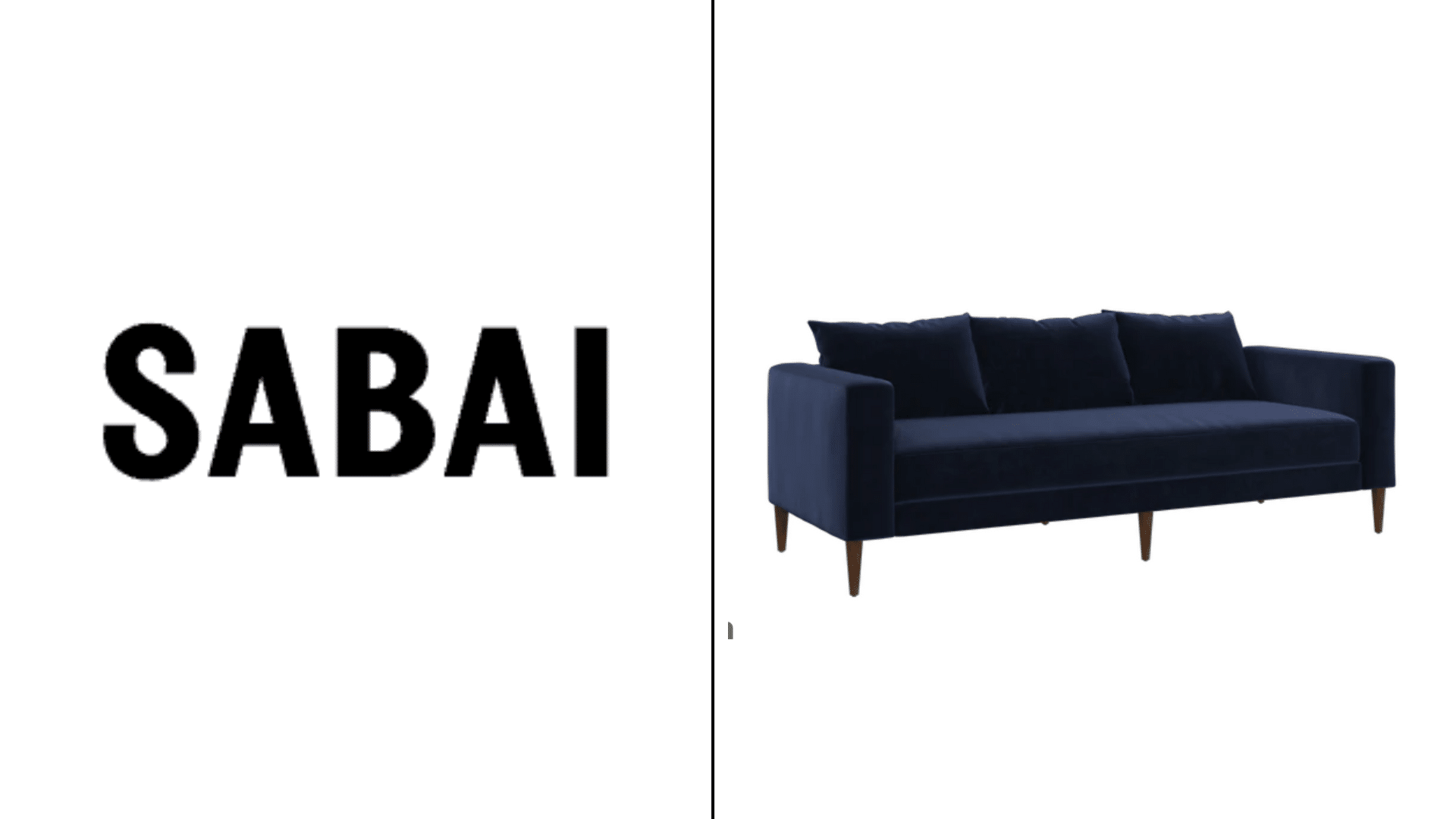
Materials: Recycled and renewable inputs, FSC wood framing, CertiPUR-US foam
Finishes: Water-based adhesives and PFAS-free fabrics
Certifications: OEKO-TEX, CertiPUR-US
Focus: Circular design through repair, resale, and modular builds
Sabai focuses on accessible, non-toxic furniture that balances affordability with environmental responsibility. Its sofas and sectionals are designed for easy disassembly and reupholstery, minimizing waste.
Fabrics are recycled yet verified for safety, while foams meet CertiPUR-US standards for low emissions. Sabai’s buyback and repair programs make it one of the few brands offering circular, toxin-conscious furniture at a midrange price.
4. Thuma
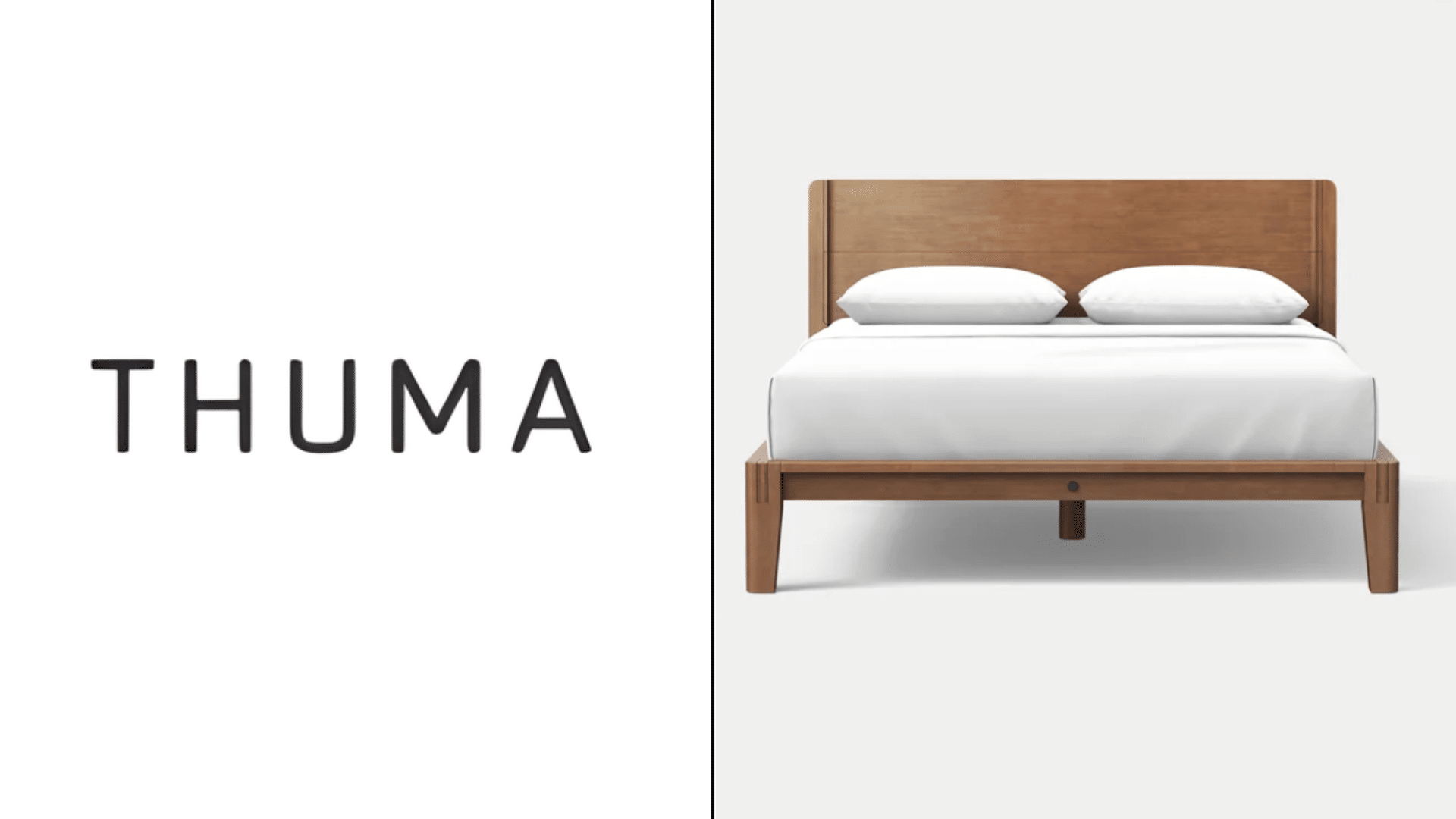
Materials: Solid upcycled rubberwood and steel hardware
Finishes: Low-VOC, water-based stains and wax sealants
Certifications: GREENGUARD Gold
Focus: Minimal design with safe, sturdy materials for bedroom spaces
Thuma specializes in bedroom furniture crafted from reclaimed and repurposed hardwood. Its signature bed frame and matching accessories are simple, strong, and free from toxic coatings.
All finishes meet GREENGUARD Gold standards for chemical safety. The brand’s minimal packaging and modular assembly support sustainability, making Thuma a solid choice for toxin-conscious buyers seeking functional bedroom pieces.
5. Vermont Woods Studios
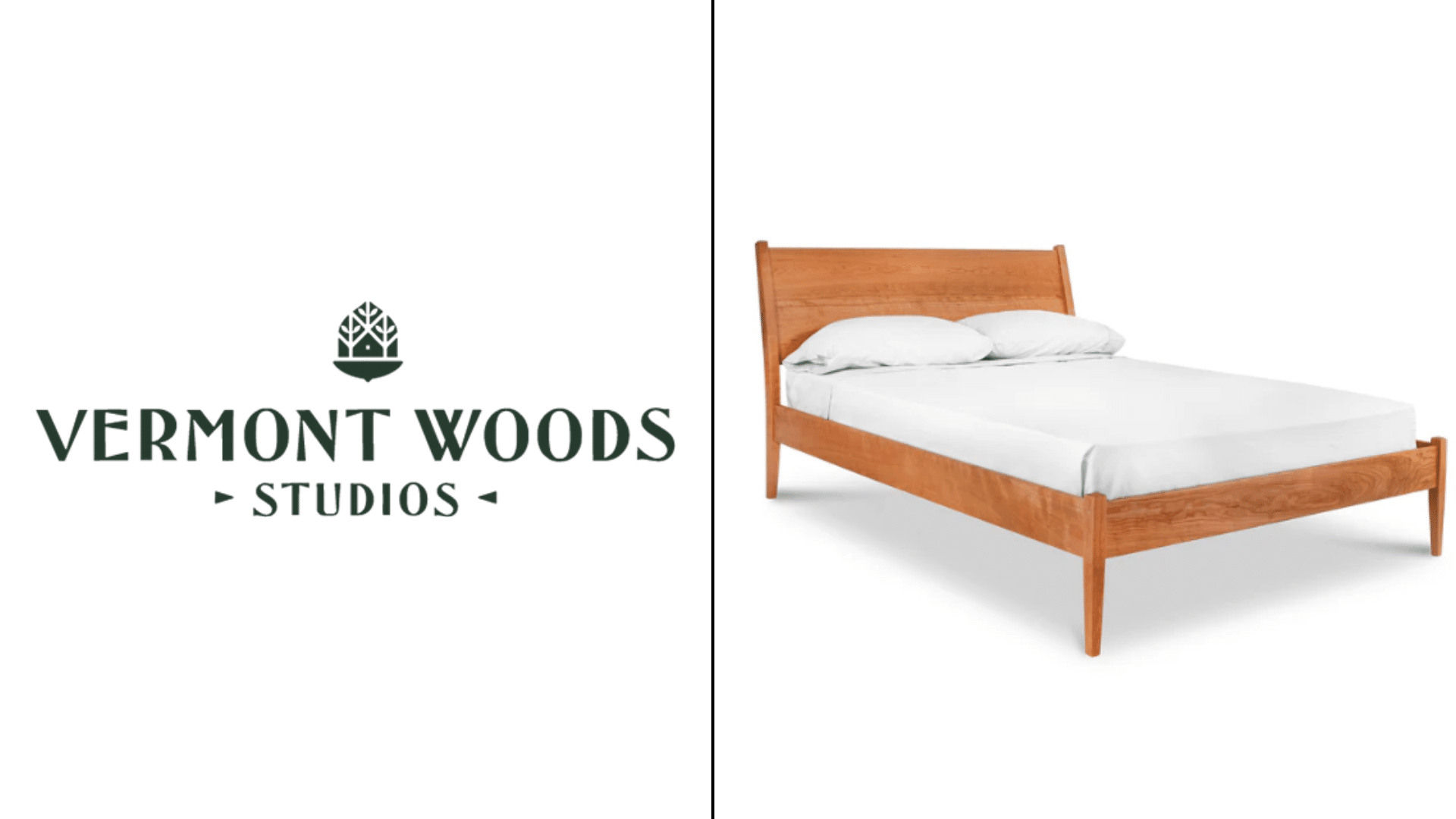
Materials: Locally sourced solid maple, cherry, and walnut
Finishes: Low-VOC, hand-applied stains and natural oils
Certifications: FSC-certified hardwood, domestic craftsmanship
Focus: Heritage woodworking and responsible forest management
Vermont Woods Studios partners with regional artisans to produce heirloom-quality, non-toxic furniture. Each piece uses locally harvested timber, finished with natural oils that emit minimal VOCs.
The brand’s strong environmental commitment and small-scale workshops ensure transparency and traceability. Though its prices are premium, the long lifespan and verified material safety make every purchase a lasting investment.
6. Inside Weather

Materials: FSC-certified plywood, solid wood accents, CertiPUR-US foam
Finishes: Water-based adhesives and sealants
Certifications: OEKO-TEX fabrics, CertiPUR-US foam
Focus: Made-to-order furniture designed for waste reduction and PFAS-free comfort
Inside Weather crafts customizable furniture built in California, reducing storage waste and unnecessary production. Its PFAS-free fabrics and low-emission foams help maintain safer indoor air quality.
While some models include engineered wood, the brand’s transparency about materials and certifications keeps it a responsible midrange choice for modern households.
7. Burrow
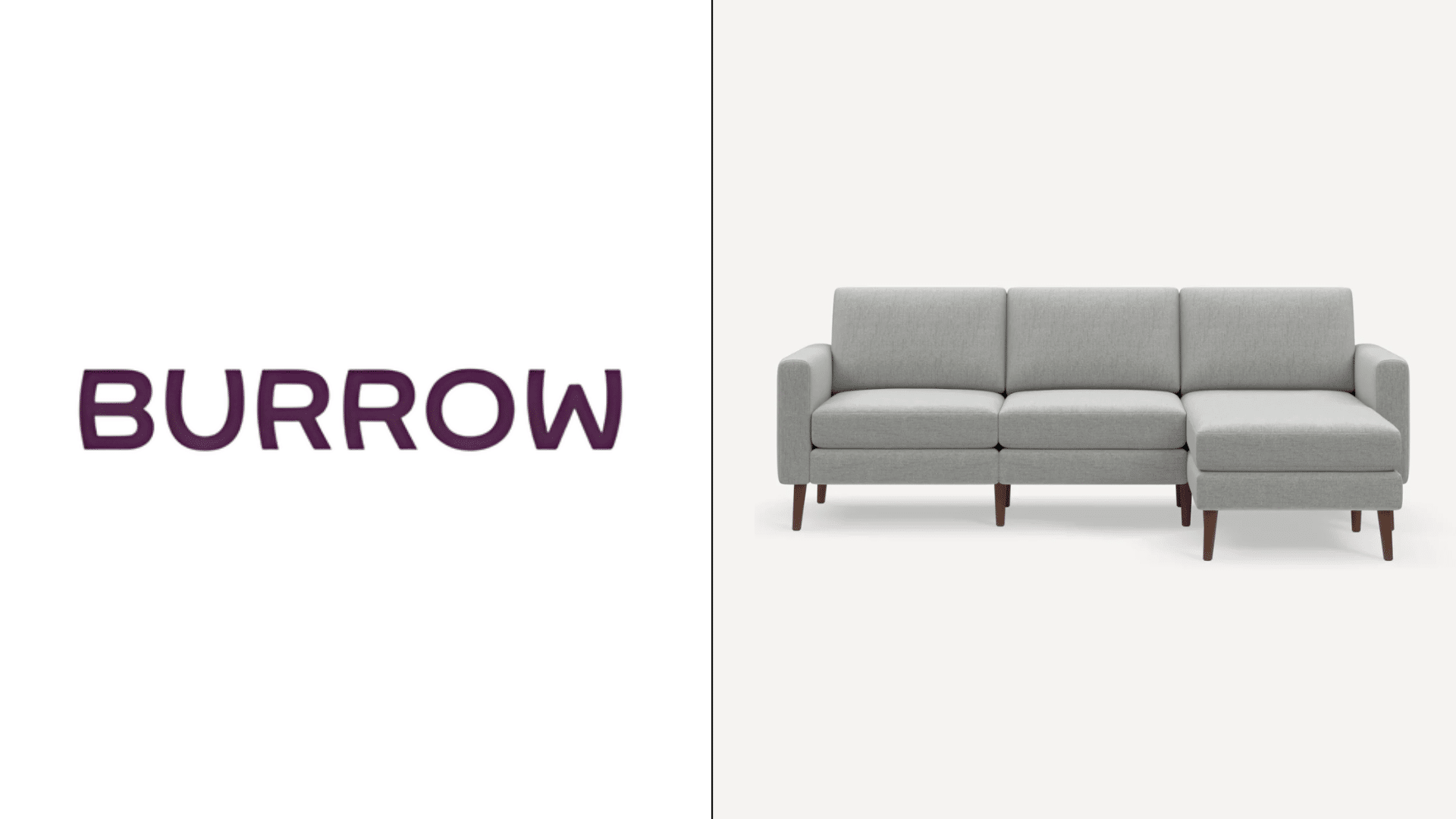
Materials: Engineered wood, solid hardwood legs, and CertiPUR-US foam
Finishes: Water-based adhesives and protective coatings
Certifications: CertiPUR-US foam, compliant with CARB II standards
Focus: Affordability and modular convenience with gradual material improvements
Burrow brings accessible, modular furniture to consumers who want safer materials without overspending. Its cushions meet CertiPUR-US standards, and newer fabric lines exclude PFAS.
Some engineered components remain, but Burrow’s public chemical disclosures show ongoing improvement. For those on a budget, it’s a reliable step toward lower-toxin living.
8. IKEA
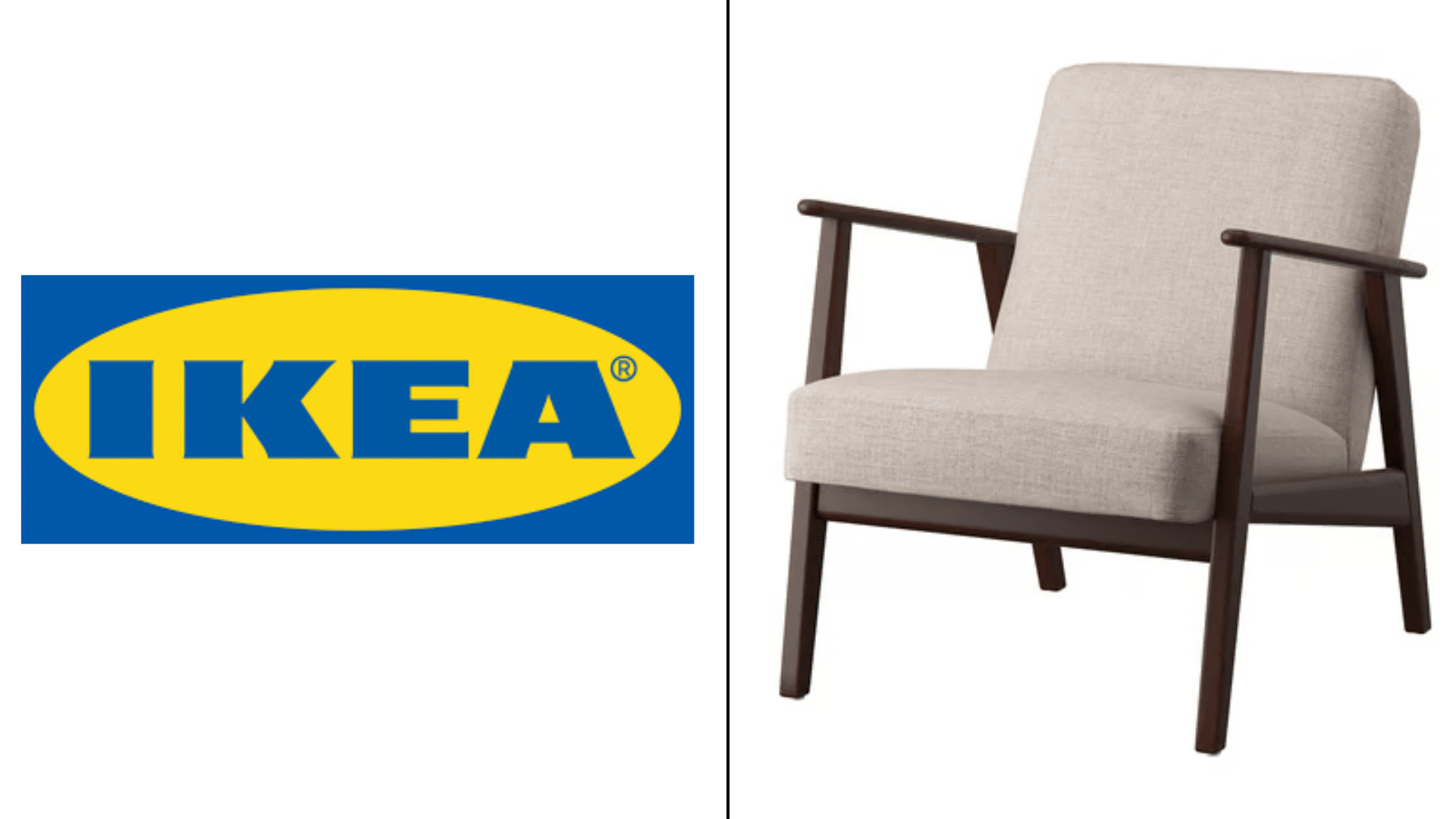
Materials: Particleboard, solid pine, and cotton or polyester blends
Finishes: Water-based lacquers and glues with limited VOCs
Certifications: GREENGUARD Gold on selected ranges
Focus: Large-scale accessibility with increasing chemical transparency
IKEA continues to phase out PFAS and reduce formaldehyde emissions in its manufacturing. Several recent lines use safer finishes and solid wood frames.
While many products still rely on engineered boards, careful selection, checking labels, and certifications can make IKEA a low-cost gateway into healthier furniture options.
9. Urban Natural
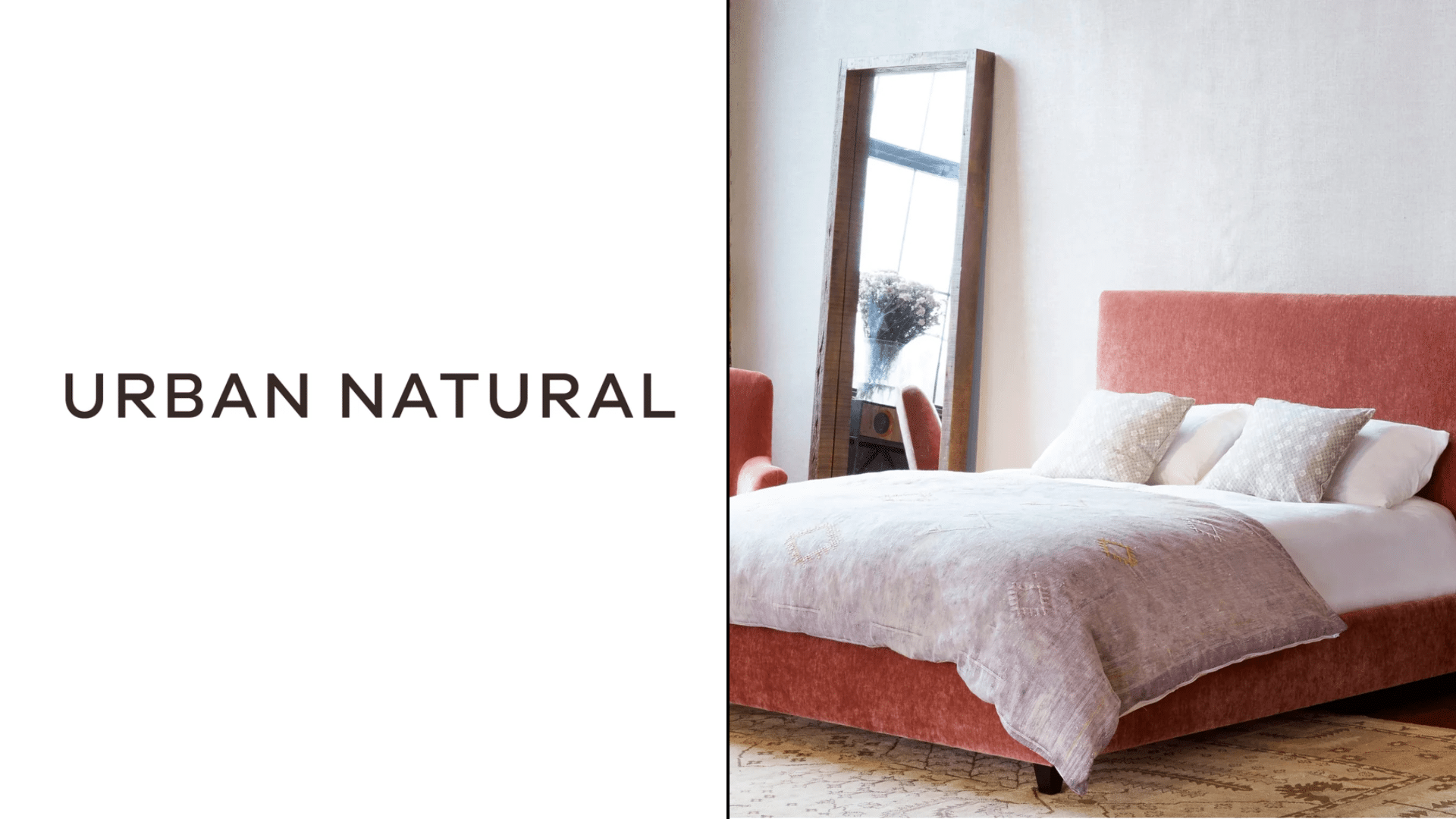
Materials: Range of FSC-certified woods, organic textiles, and latex
Finishes: Water-based or oil-based low-VOC coatings
Certifications: GREENGUARD, OEKO-TEX, GOTS, and FSC, depending on brand partner
Focus: Marketplace transparency through verified, chemical-safe listings
Urban Natural operates as a curated platform featuring vetted non-toxic furniture brands. Each product listing discloses materials, finishes, and relevant certifications, simplifying research for buyers.
Its inventory covers multiple styles and price points, providing an easy way to access safer, verified furniture collections in one place.
10. Koala (Australia)
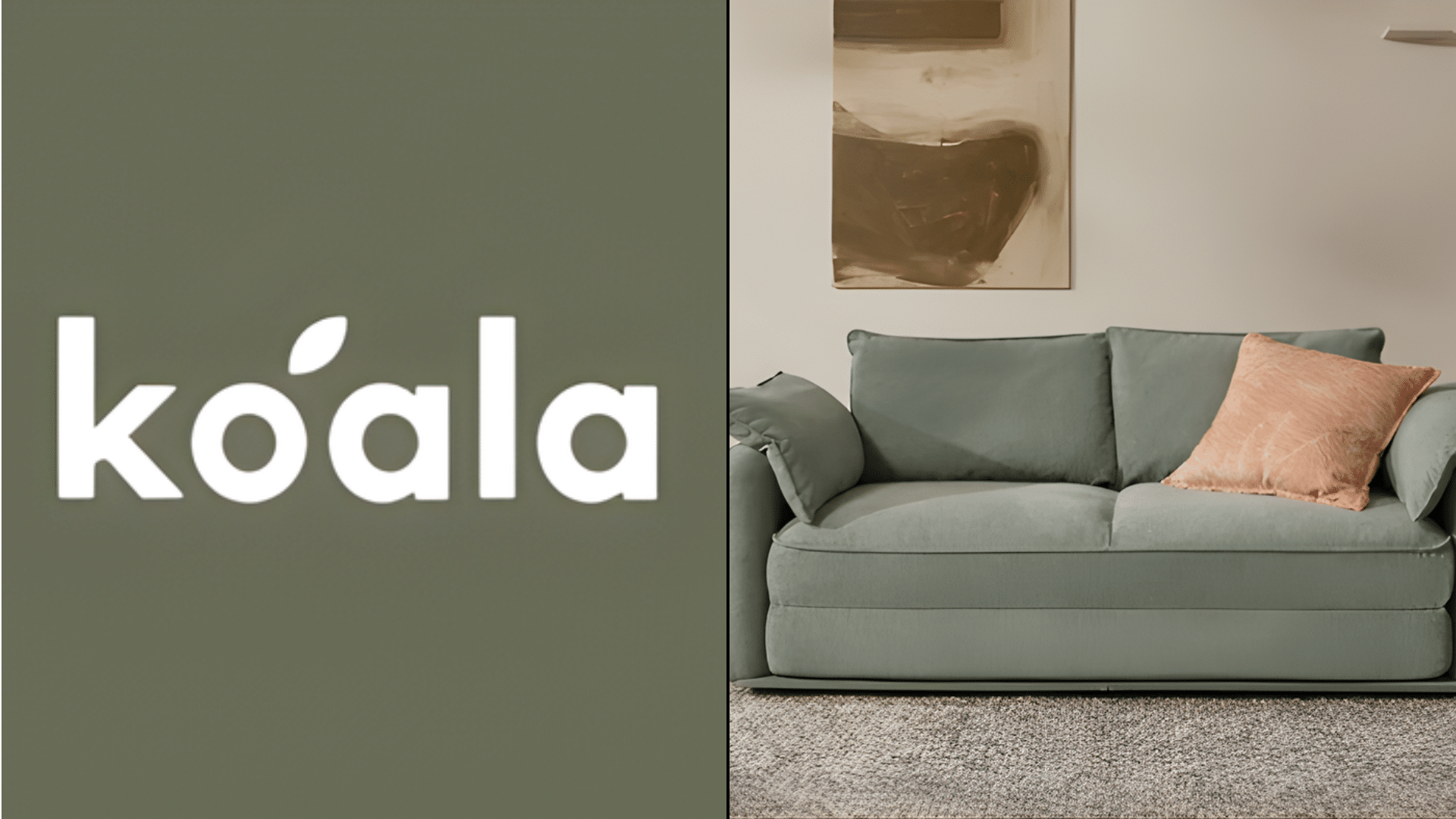
Materials: FSC-certified timber, recycled fabrics, and CertiPUR-US foam
Finishes: Water-based adhesives and sealants
Certifications: FSC, CertiPUR-US, GECA (Good Environmental Choice Australia)
Focus: Circular production with strong environmental commitments
Koala creates affordable, low-toxin furniture built from sustainable Australian wood and recycled textiles. Every piece follows strict indoor air quality standards and low-emission manufacturing.
The company offers repair and recycling programs, helping reduce waste. Koala’s combination of verified materials and circular design makes it a standout in the Asia-Pacific region.
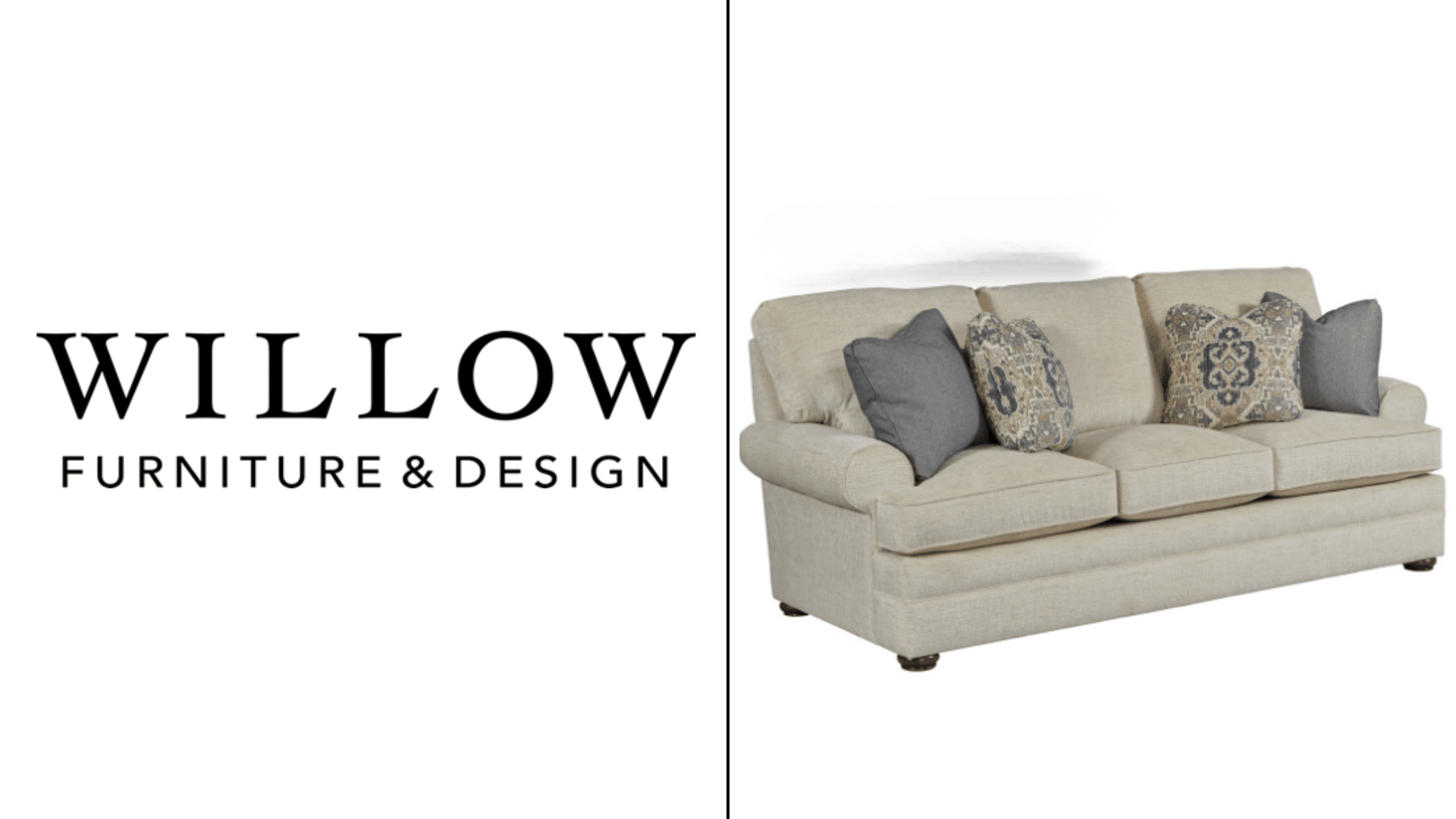
11. Willow and Grain (United States)
Materials: Sustainably harvested oak, ash, and linen blends
Finishes: Low-VOC oils, natural stains, and non-toxic adhesives
Certifications: FSC, OEKO-TEX, and GREENGUARD Gold
Focus: Slow craftsmanship and timeless functionality
Willow & Grain blends thoughtful design with honest materials to create furniture that feels grounded and enduring.
Each piece is crafted from solid wood and natural textiles, built to soften and strengthen with time. Their approach is simple: fewer finishes, better fibers, and a commitment to air-friendly materials that make homes feel open and comfortable. The result is furniture that looks beautiful, lasts decades, and quietly improves the rhythm of everyday living.
Non-Toxic Furniture by Budget & Lifestyle
A quick guide to finding safer furniture within your budget, showing which brands match different price levels, materials, and lifestyle priorities. Here’s how different budgets can still align with safer, cleaner furniture choices.
| Budget Range | Recommended Brands | Core Materials | Best For | Key Advice |
|---|---|---|---|---|
| Under $500 | IKEA (selected lines), second-hand solid wood, refinished pieces | Solid pine, cotton, recycled fabrics | Renters, students, small spaces | Choose pieces labeled low-VOC or refinish older wood furniture with water-based or plant-based oils. |
| $500–$1,000 | Sabai, Inside Weather, select Burrow models | FSC-certified plywood, CertiPUR-US foam, PFAS-free fabrics | First-time buyers, apartments | Prioritize PFAS-free fabrics and CertiPUR-US foam; modular furniture saves space and cost. |
| $1,000–$2,000+ | Medley, Avocado, Vermont Woods Studios, Thuma | FSC-certified hardwood, natural latex, organic textiles | Families, long-term investments | Look for full certifications (GOTS, GOLS, GREENGUARD) and ask for zero-VOC finishes. |
| Custom / Premium Tier | Urban Natural, Koala, Nodi Living | Solid hardwood, handwoven natural fibers, low-VOC finishes | Design-focused or toxin-sensitive homes | These brands offer heirloom quality with ethical sourcing and verified non-toxic standards. |
Room-by-Room Non-Toxic Guide
It started one afternoon when I opened the windows and noticed how fresh air changes everything, not just the mood, but the feeling of the home itself.
That moment made me more aware of what my furniture was made of and how those materials influence the air we live in.
Each room has its own rhythm, and choosing cleaner, lower-emission materials helps create a home that feels calm, healthy, and quietly cared for.
Living Room
This is where we spend the most time, reading, relaxing, and gathering. Sofas made with natural latex or CertiPUR-US foam hold their shape and limit chemical emissions.
Choose fabrics certified by OEKO-TEX or GOTS and avoid “performance” materials that rely on PFAS-based coatings. Solid wood or metal frames with water-based finishes are safer than MDF or particleboard.
Brands such as Medley and Sabai show how clean design and comfort can easily coexist.
Bedroom
Because it’s where we rest, the bedroom benefits most from cleaner materials and better air. A solid-wood bed frame with natural oil or water-based finishes helps reduce off-gassing.
Pair it with a GOTS or GOLS-certified mattress and organic bedding. If repainting, try limewash or mineral-based paints for a natural, breathable finish.
Companies like Thuma and Vermont Woods Studios focus on thoughtful craftsmanship that supports healthier sleep spaces.
Kids and Nursery
Children’s rooms should be simple and safe. Choose solid-wood cribs and dressers free from flame retardants or harsh glues. Look for zero-VOC finishes and organic fabrics like cotton, wool, or linen.
Avoid polyurethane foam and vinyl covers, which can emit harmful compounds. Avocado and some of IKEA’s eco lines provide cleaner, reliable options designed for durability and peace of mind.
Home Office
A clear workspace helps you think better and breathe better. Desks and shelves made from FSC-certified wood with low-VOC finishes are ideal. Steer away from PVC or heavy laminates.
Choose seating with PFAS-free upholstery or natural textiles such as cotton or wool. Keep the room ventilated and bring in plants to support cleaner air and a more balanced work environment.
Kitchen and Dining
These areas see constant use, so durability and material safety go hand in hand. Opt for sealed hardwood, bamboo, or stainless steel, avoiding vinyl or melamine-coated pieces.
Water-based sealants and plant-based oils protect surfaces without harsh chemicals. For tables and cabinets, FSC-certified wood ensures both responsible sourcing and lower emissions.
A well-built, solid-wood table will last for years while maintaining a naturally clean environment.
A home doesn’t need to be flawless, just healthy, balanced, and lived in. Even small steps, like choosing natural fabrics or safer finishes, create spaces that feel lighter, cleaner, and more comfortable over time.
Sustainability Meets Health: The Overlooked Link
Healthier furniture choices naturally align with sustainable design. Low-tox materials such as solid wood, natural latex, and organic fabrics minimize fossil fuel use and reduce chemical exposure for both consumers and factory workers.
Unlike MDF or particleboard, which often end up in landfills, solid-wood pieces can be refinished or repaired for decades. Brands like Sabai and Medley further extend product life through take-back and repair programs.
Choosing biodegradable or low-impact materials, such as natural latex over polyurethane foam, not only improves indoor air quality but also reduces a product’s carbon footprint throughout its lifecycle.
Greenwashing Traps and Red Flags to Avoid
Over the years, I’ve learned that not every “green” label tells the full story. Words like eco-friendly or vegan leather can sound convincing, but they often hide more than they reveal.
Some “eco” pieces still use MDF filled with formaldehyde glues, and “vegan leather” usually means PVC, a plastic that can release harsh chemicals into the air. Even furniture marked low-VOC isn’t entirely clean; it just means fewer emissions, not none.
I’ve started reading beyond the pretty product descriptions. Real trust comes from details, brands that share full material lists, testing results, and certifications for each piece, not just the collection.
When a company is transparent about what goes into their designs, it shows. True sustainability feels clear and accountable — it never hides behind clever marketing.
Caring for and Maintaining Non-Toxic Furniture
Keeping your furniture clean and well-preserved ensures it remains safe, durable, and free from chemical buildup. Below are simple ways to care for and maintain non-toxic pieces without undoing their benefits.
Caring for Non-Toxic Furniture
- Use gentle, plant-based cleaners such as diluted vinegar or castile soap to wipe down surfaces.
- Avoid synthetic or scented products that may release VOCs or harsh solvents.
- Dust regularly with a damp microfiber cloth to trap fine particles instead of spreading them.
- For fabrics, choose fragrance-free detergents and air-dry whenever possible.
- Keep furniture out of direct sunlight to prevent fading or surface wear.
Maintaining Non-Toxic Furniture
- Reapply natural oils or waxes to restore wooden finishes instead of using polyurethane or synthetic sealers.
- Maintain good airflow to control humidity and prevent mold or mildew.
- Check joints, cushions, and finishes periodically to catch early signs of wear.
- Skip chemical polishes or silicone coatings that can add unwanted residues.
- When refinishing, choose water-based stains and low-VOC adhesives to keep your furniture’s clean integrity intact.
Conclusion
We’ve reached the heart of it, the choices that make a home feel healthier and more grounded. Safer woods, cleaner fabrics, and honest materials don’t just change how a room looks; they change how it feels to live there.
Every small swap counts, whether it’s a water-based finish or a new solid-wood table. Start with one piece and let the rest follow naturally. I’d love to know which change you’re thinking about first.
If you’re ready for more ways to build a cleaner, more comfortable space, keep checking the other guides on non-toxic furniture; each one can help you take the next step toward a home that truly supports you.