Are you struggling to figure out monstera plant care and feeling lost about it? I felt the same way when I got my first one and had no clue what to do.
These plants look like they need expert knowledge, but honestly, they’re pretty chill once you understand them. You might be sitting there wondering if you’re watering too much or not giving it enough light.
I’ve learned that Monstera actually show you what they need through their leaves if you pay attention.
Once I figured out the basic stuff, I felt so much better about keeping mine happy. Your Monstera is tougher than you think, and you’re going to do great.
Getting to Know the Monstera Plant
Monstera deliciosa is the plant with the split leaves you’ve probably seen everywhere lately. I was obsessed when I first saw one because it looked so cool sitting in someone’s living room.
The holes and splits in the leaves are called fenestrations, which are just a natural thing they do. In the wild, these plants climb up trees in Central American rainforests, where it’s warm and humid.
I learned the splits actually help wind pass through the leaves without tearing them during storms. Monsteras also use those holes to let light reach the lower leaves on the plant.
When I give mine good care with light and water, it grows those split leaves. I’ve noticed that without enough light or nutrients, the new leaves come in small, without any holes.
The Right Way to Care for Monstera Plants
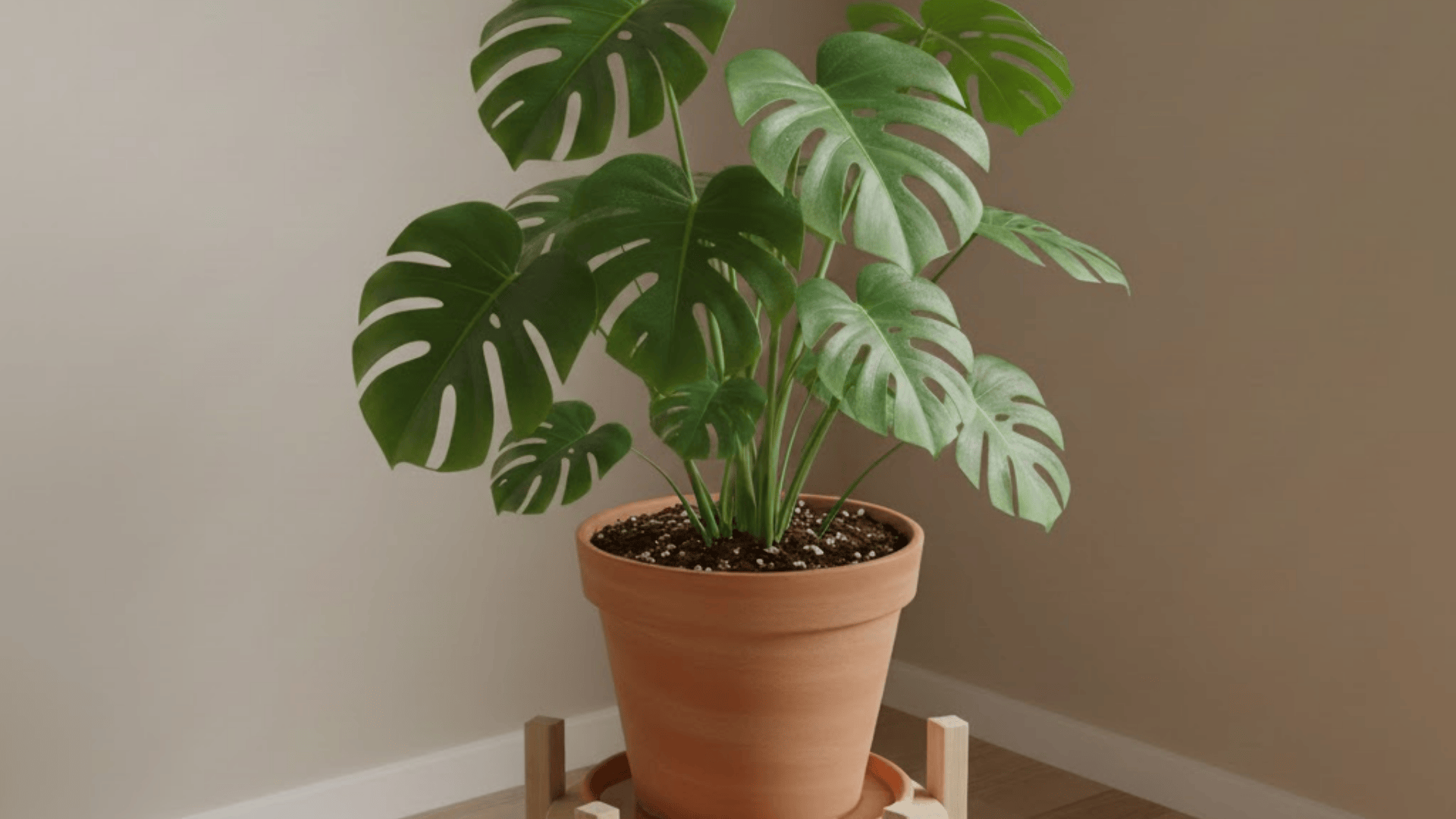
I’ve found that getting the basics right with light, water, soil, and humidity will keep your Monstera happy and healthy. These plants are pretty forgiving once you understand what they need. Here’s what I think you should focus on:
Light Requirements for Monstera Plants
Monstera plants need the right amount of light to grow those split leaves you want. Too much or too little light can cause problems that are easy to spot. Here’s what you need to know about lighting:
- Bright, indirect light works best: Place your Monstera near a window where it gets filtered sunlight for most of the day.
- Direct sun can scorch the leaves: If you see brown, crispy patches on the leaves, your plant is getting too much harsh light.
- Too little light stops leaf splitting: Monstera in dark corners will grow small, solid leaves without any holes or splits.
- East or west-facing windows are perfect: These spots give your plant enough light without the intense afternoon sun that can burn it.
I’ve noticed that getting the light right makes a huge difference in how my Monstera grows. I like to move my plants around until I find a spot where they’re putting out new leaves regularly.
How Often to Water a Monstera Plant?
I’ve learned that watering Monstera is all about checking the soil first instead of following a strict schedule. I stick my finger about two inches into the soil, and if it feels dry, then it’s time to water.
In spring and summer, when my Monstera grows like crazy, I end up watering it about once a week. During fall and winter, I cut back to every two weeks because the plant slows down.
Overwatered Monstera get yellow leaves and mushy stems, while underwatered ones have droopy, brown-edged leaves.
Best Soil for Monstera Plants
I’ve learned that the soil you use can make or break your Monstera’s health because these plants hate sitting in water. Good drainage is everything when it comes to preventing root rot and keeping roots healthy. Here’s what I use in my perfect soil mix:
| Soil Component | Amount | Why It Matters |
|---|---|---|
| Potting soil | 50% | Provides nutrients and base structure for the mix |
| Perlite | 25% | Creates air pockets so roots can breathe easily |
| Orchid bark | 25% | Adds drainage and mimics natural tree bark, they climb |
| Peat moss or coco coir | Optional | Helps retain some moisture without getting soggy |
You can buy a pre-made aroid mix or make your own at home. Either way works great as long as water drains through quickly when you water.
Humidity and Temperature Needs
I try to keep my Monstera in a spot where humidity stays around 60% because that’s when it looks happiest.
These plants can handle normal home humidity levels, but they really show off with higher moisture in the air. I run a humidifier near mine during winter when the heat dries everything out.
Monstera like temperatures between 65 and 85 degrees, which is pretty much normal room temperature. Keep them away from cold drafts, heating vents, and air conditioners that blast directly on the leaves.
Indoor Placement Ideas for Monstera
Monstera can flourish in different rooms as long as they get the right light and care. Here’s where these plants work best in your home:
| Room | Why It Works | Care Tips |
|---|---|---|
| Living Rooms | Plenty of natural light from windows and high ceilings gives Monstera’s room to grow tall. | Place near east or west windows and rotate weekly for even growth |
| Bedrooms | A calm space with consistent temperature and less traffic means fewer disturbances. | Keep away from heating vents and AC units that create temperature swings |
| Home Offices | Bright indirect light from desk windows and stable indoor conditions work perfectly. | Position behind your desk as a backdrop, and mist leaves during dry months |
| Spring/Summer Care | Plants grow fast and need more attention during warm months | Water weekly, fertilize monthly, and watch for new leaves every few weeks |
| Fall/Winter Care | Growth slows down when days get shorter and temperatures drop | Water every two weeks, skip fertilizer, and reduce misting frequency |
I’ve had Monstera in all these spots, and they do great when you match the room to their needs. My favorite is keeping one in my living room where it gets tons of light and becomes a real showpiece.
Maintenance Tips for Monstera Plant
I’ve found that keeping up with regular maintenance tasks helps my Monstera look its best and grow stronger. Here’s what you need to do to keep your plant in great shape:
- Prune damaged leaves: Cut them off at the base with clean scissors to keep your plant healthy and looking good.
- Clean leaves regularly: Dust blocks light from reaching the leaves, so use a damp cloth to keep them clean and shiny.
- Add support structures: Monstera naturally climb trees in the wild, so giving them a moss pole helps them grow bigger leaves with more splits.
- Repot when needed: Move your plant to a pot that’s about two inches bigger when it gets root-bound in spring.
These simple maintenance tasks only take a few minutes but make a huge difference. Your Monstera will reward you with faster growth and those split leaves everyone loves.
Common Monstera Problems and Solutions
I’ve dealt with most of these Monstera problems at some point while growing my plants. Here’s what usually goes wrong and how you can fix it:
| Problem | What’s Causing It | How to Fix It |
|---|---|---|
| Brown Tips or Edges | Low humidity, too much fertilizer, or chlorine in tap water | Increase humidity with a humidifier and use filtered water instead |
| Drooping Leaves | Not enough water or the roots are completely dried out | Give the plant a deep soak and check soil moisture more often |
| Curling Leaves | Too much direct sun or extremely low humidity | Move away from harsh light and mist leaves, or use a humidifier |
| Spider Mites | Tiny pests that leave webbing and cause yellow speckled leaves | Spray leaves with water and apply neem oil weekly until gone |
| Scale Insects | Brown bumps stuck to stems and leaves that suck plant juices | Scrape off with your fingernail and wipe down with rubbing alcohol |
| Mealybugs | White fuzzy bugs that cluster in leaf joints and new growth | Remove with cotton swabs dipped in rubbing alcohol and rinse the plant |
Catching problems early makes them much easier to fix. Check your Monstera regularly so you can spot issues before they get serious.
Care Tips From Plant Owners
Plant owners share their best easy tips for Monstera newbies. Here’s what works for people who’ve been growing these plants for years:
- Bottom water your Monstera to keep leaves dry and prevent root rot from overwatering issues.
- Check soil moisture with your finger first; water only when the top inch feels completely dry.
- Place near a window but not in direct sun to avoid ugly leaf burn spots.
- Rotate the plant weekly and use a moss pole for even light and bigger leaves.
These practical tricks come from real owner experiences that work great. Check the Reddit thread for even more advice.
Wrapping It Up
You’ve just learned everything about monstera plant care that actually makes a difference in keeping your plant healthy. I used to stress so much about mine until I realized how simple it really is.
Now my Monstera sits in my living room looking better than ever. You’re probably looking at your plant right now, thinking about which tip to start with first.
Maybe you’ll check the soil before watering next time or move it closer to that window. The best part is you don’t have to guess anymore because you know what works.
What’s your biggest monstera plant care challenge right now? Share it in the comments below!