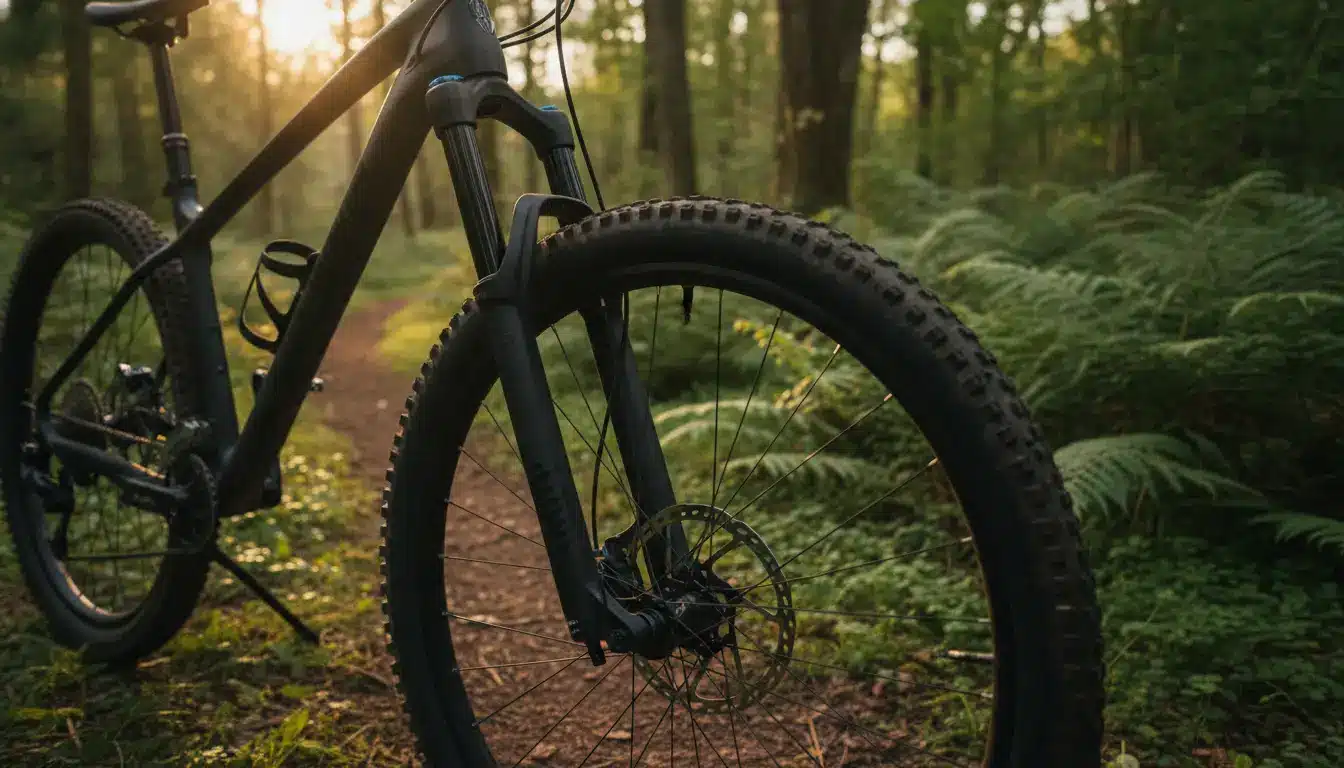
Upgrading your bike forks is one of the most effective ways to change how your bicycle handles on the road or trail. Many riders stick with the stock forks that came with their bike for years, not realising how much a modern, lighter, or more responsive set can improve their comfort. This article explores how a simple upgrade can transform your daily riding experience into something much more enjoyable.
Identifying Your Current Riding Style
Before looking for a new set of forks, you must consider the type of terrain you ride most often. A fork designed for heavy mountain trails is built differently from one meant for quick city commuting. Identifying your style ensures that you do not buy a part that is too heavy or lacks vital features. Think about what you dislike about your current ride, like excessive vibration or poor control in corners.
Understanding the Importance of Weight Reduction
Bike forks that are lighter make it easier to accelerate from a stop and require less effort when you are riding uphill. When you take weight off the front end of your bike, you will find that steering becomes more precise. This change helps you feel more connected to the bike and makes long rides feel less tiring on your arms. Additionally, saving even a small amount of weight often leads to a much more lively ride.
Exploring Different Suspension Technologies
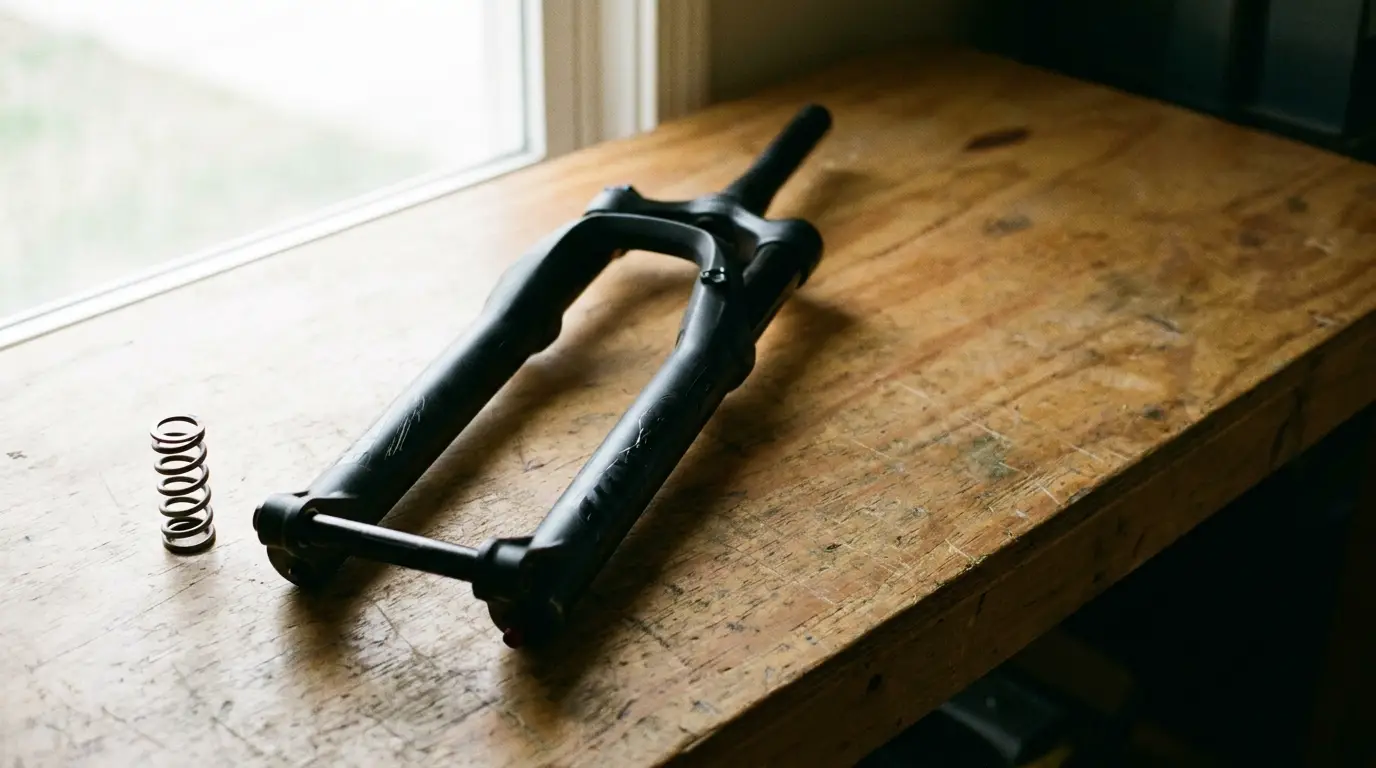
Modern bike forks offer various suspension technologies that can drastically change how your bike absorbs shocks from the road surface. Some forks use air springs, which are easily adjustable to your specific body weight, while others use coil springs for a different feel. You can also look for features like lockout levers, which allow you to stiffen the forks when you are riding on flat pavement.
Checking Compatibility With Your Current Frame
Before purchasing anything, you must be certain that the new forks will fit your existing bike frame. Forks come in different tube diameters, axle standards, and wheel sizes that are not interchangeable. Measure your setup or consult your bike’s manual to ensure you get the right match. Buying compatible parts prevents you from having to return items or needing expensive modifications to get them to fit.
Considering the Impact on Steering Geometry
Changing your bike forks can sometimes alter the geometry of your frame, which might affect how the bike steers or feels while riding. If the new forks are significantly longer or shorter than the originals, it could raise or lower the front end unexpectedly. Aim to find a set that closely matches the dimensions of your current equipment unless you are specifically looking to change the bike’s handling characteristics.
Evaluating Long-Term Durability and Maintenance
Some premium models need servicing to keep the seals working and the suspension feeling smooth. Look for options that have reliability and are easy to maintain with standard tools in your own garage. A fork that is easy to service will last longer and stay performance-ready throughout every season. Choose a product that balances performance with the level of maintenance you are willing to provide.
Improving Overall Comfort and Control
At the end of the day, the goal of any upgrade should be to make your time on the bike comfortable. Better forks do a job of soaking up vibrations that would travel through your hands and elbows. This means you can ride for longer distances without feeling the usual discomfort in your upper body. Improved control also means you can navigate obstacles or rough patches with much more confidence.
Elevate Your Cycling Experience Today
Upgrading your bike forks is a smart move that pays off with every pedal stroke you take. By focusing on weight, compatibility, and the right suspension technology, you can create a bike that feels new. Do not wait for your gear to break before considering an upgrade that could make your riding fun. Research the best options for your frame, speak with an expert if you are unsure, and enjoy your new ride.