I’ve watched more people kill aloe plants through “care” than neglect. The problem isn’t that aloe is difficult; it’s that most indoor advice treats it like a tropical houseplant when it’s actually a desert succulent that wants to be left alone.
This blog walks through how to take care of an aloe plant indoors by covering what actually matters: choosing the right light, timing your watering correctly, selecting proper soil and pots, repotting without shock, and fixing common problems before they kill your plant.
No complicated schedules. No special products. Just the specific conditions aloe needs to survive indoors instead of dying from well-meaning mistakes.
Why Aloe Plants are Easy to Grow but Easy to Mess Up?
Aloe gets marketed as the ultimate beginner plant, which is true outdoors and misleading indoors. The disconnect happens because “low maintenance” gets interpreted as “adaptable to any condition,” but aloe isn’t adaptable; it’s specific.
It needs infrequent water, bright light, and fast-draining soil. Indoors, people see a succulent and assume it can handle dim corners, weekly watering, or staying in the nursery pot indefinitely.
The plant declines slowly, so by the time leaves turn brown or mushy, the damage is weeks old. Overwatering kills more aloe plants than every other mistake combined, but it’s rarely recognized as overwatering because the schedule “feels” infrequent.
This section exists because everything else in this blog depends on understanding that aloe defaults to survival mode indoors, and your job is not to interfere with that.
How to Take Care of an Aloe Plant Indoors
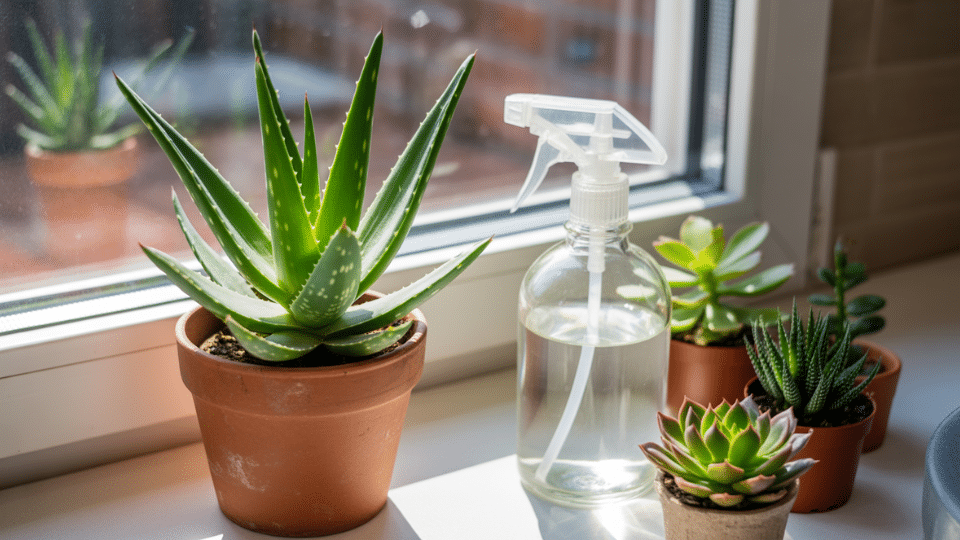
Here’s what matters if you want a healthy aloe plant indoors-
- Light: Aloe needs direct or bright indirect light for at least 5-6 hours daily. Place it within 2-3 feet of a south or west-facing window. If the leaves turn brown, it’s getting scorched. If they stretch or pale, they need more light.
- Water: Water only when the soil is arid, and the pot feels light. This usually means every 2-4 weeks, depending on your home’s humidity and temperature. Stick your finger 2 inches into the soil. If it’s damp, wait. Overwatering causes root rot, which kills the plant from the inside.
- Soil and pot: Use a cactus or succulent mix in a pot with drainage holes. Standard potting soil retains too much moisture. Terra cotta pots dry faster than plastic or ceramic, which helps prevent overwatering.
- Placement: Avoid cold drafts, heating vents, and spaces without natural light. Aloe tolerates normal indoor temperatures (65-80°F) but declines quickly in consistently cold or dark areas.
Light Requirements for a Healthy Aloe Plant
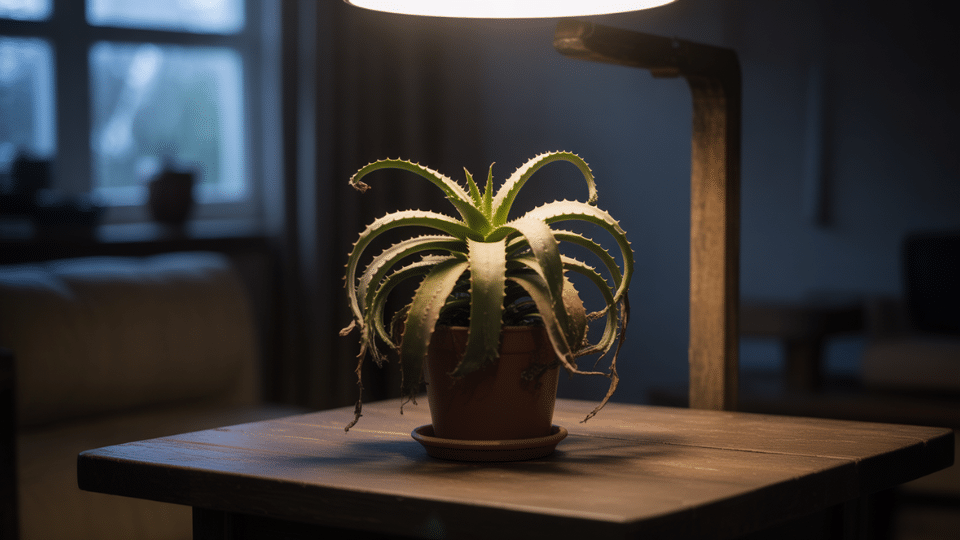
People assume “bright room” equals “bright light,” but aloe doesn’t care about ambient brightness; it cares about direct sun exposure hitting its leaves.
Best Window Placement
South-facing windows offer the most consistent light in the Northern Hemisphere, especially in winter with shorter daylight hours. West-facing windows can get hot in summer afternoons, risking leaf scorch.
East-facing windows provide gentle morning sun, which may be insufficient in winter. North-facing windows rarely provide enough light for healthy growth.
Signs of Too Little Light
Aloe reacts to low light by stretching toward the nearest source, resulting in elongated, pale, and floppy leaves, signaling weakness.
Leaves may turn grayish or yellowish. If your aloe’s appearance changes, check the light first. Many aloe owners find that “bright rooms” aren’t enough; plants near south or west-facing windows usually thrive more than those farther away.
How Often Should You Water an Aloe Plant
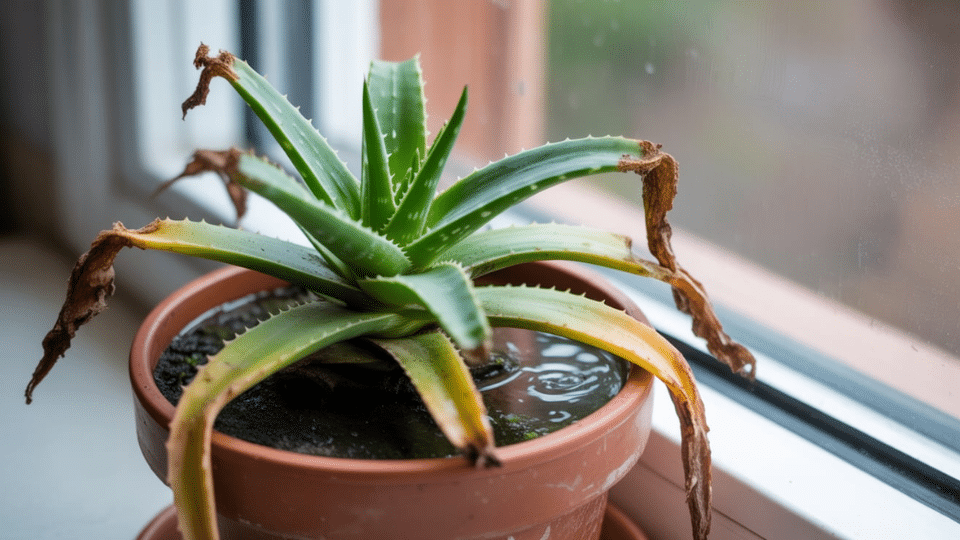
Most aloe plants die here, so focus on this section. Aloe stores water in leaves, allowing it to survive weeks without watering.
The “soak and dry” method works: water until it drains, then wait for the soil to dry completely before watering again.
Schedules often fail because they neglect factors like pot size, soil, humidity, and season. A plant that needs water every three weeks in winter might need it every ten days in summer.
Check soil and pot weight instead of the schedule. Dry soil pulls away from edges; a light pot means the soil has dried. Seasonal adjustments are more crucial than believed.
Aloe grows actively in spring and summer, using water faster. In fall and winter, growth slows or stops, and the plant needs significantly less water.
Many who stopped watering weekly and waited for the pot to fully dry saw firmer leaves and fewer rot issues within weeks. Aloe roots need oxygen, and waterlogged soil suffocates them.
Best Soil and Pot for Aloe Plants
Drainage isn’t optional; it’s the entire point. Aloe planted in regular potting soil sits in moisture too long, even if you water infrequently.
- Soil: Use cactus or succulent potting mix, which contains sand, perlite, or pumice to increase drainage. If you only have standard potting soil, mix in coarse sand or perlite at a 1:1 ratio.
- Pot material: Terra cotta is porous and pulls moisture out of soil faster than plastic or glazed ceramic. If you tend to overwater, terra cotta gives you more margin for error.
- Pot size: Oversized pots hold more soil, which has more water, which takes longer to dry. Choose a pot that’s 1-2 inches wider than the root ball. Drainage holes are non-negotiable.
The right combination of soil and pot prevents most watering mistakes before they happen. Fast-draining soil in a breathable pot means you can’t easily overwater.
Common Aloe Plant Problems and How to Fix Them
Most aloe problems trace back to light or water. Here are the three issues you’ll encounter most often:
| Problem | Cause | Fix |
|---|---|---|
| Soft, mushy leaves | Root rot from overwatering | Stop watering immediately. Remove plant from pot, cut away rotted roots, let dry 24 hours, and repot in fresh, dry soil. Don’t water for a week. |
| Pale or stretched leaves | Insufficient light | Move closer to a window with direct sun or use a grow light. New leaves will grow healthier, but stretched leaves won’t revert. |
| Aloe not growing | Winter dormancy, poor light, or a root-bound pot | If it’s winter, this is normal. In spring/summer, check light levels and consider repotting if roots are crowded. |
People who unpotted aloe immediately after noticing mushy leaves had better recovery rates than those who only reduced watering. Roots progress even in drier conditions if damaged roots remain.
Community Advice on How to Take Care of an Aloe Plant
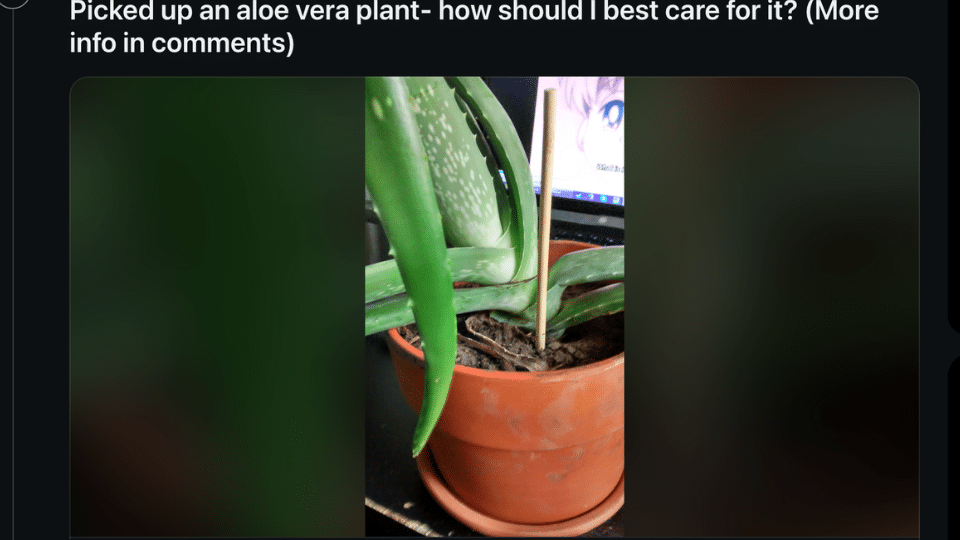
In a Reddit thread titled “tips on how to take care of an aloe plant,” a Georgia grower who’d lost an aloe to root rot asked about watering and repotting.
Experienced members recommended the “squeeze test”, gently pressing leaves to check firmness, only watering when leaves have a slight give.
One commenter plants aloes in pure gravel, waters twice yearly, and only when leaves look flat. Others emphasized well-draining soil with perlite to prevent root rot.
The squeeze test is genuinely useful because it removes schedule guesswork. What stands out is how successful growers described near-neglect as a strategy; twice-yearly watering sounds extreme, but it shows how little water aloe needs with proper drainage.
The Bottom Line
Learning how to take care of an aloe plant indoors comes down to understanding its desert origins and respecting minimal interference.
I’ve covered the key essentials: bright light near windows, watering based on soil dryness, fast-draining soil in properly sized pots, careful repotting techniques, and recognizing problems early.
Aloe thrives when you resist the urge to constantly fuss. Most failures trace back to overwatering or insufficient light, both easily prevented once you know what to watch for.
If your aloe struggles, revisit these basics before trying complicated solutions. What’s worked in your setup? Share your experience in the comments below.