Have you ever picked up a skincare product, turned it over, and then started feeling like your brain was short-circuiting? If so, you’re far from alone.
Ingredient lists can seem like a jumble of long chemical names, scientific terms, and unfamiliar words that make it difficult to know what you’re actually putting on yourself. Knowing how to read these doesn’t require you to have a chemistry degree, though. A few practical rules and a little context take the intimidation out of ingredient labels and actually make them quite useful. Dermatologists often recommend focusing on ingredient function rather than reacting to long chemical names.
Always remember that these ingredient lists aren’t random. They follow particular rules about how each product works and what the main benefits are. Once you understand the structure of these lists, it’s easier to find products supporting your goals whether you’re looking for gentle cleansers or skin moisturizers for dry skin. The key is learning what to focus on and what to safely ignore.
Why Ingredient Lists Look So Complicated
Skincare ingredient lists follow the International Nomenclature of Cosmetic Ingredients. The INCI is a set of international naming standards used by the industry to ensure products can be sold and regulated across countries. Safety and transparency are the two primary benefits of this consistency, but it can make labels feel inaccessible and overly technical.
Another reason these lists can look so complicated is that even a simple product might have dozens of components. In addition to ingredients, formulas might include texture enhancers, emulsifiers, preservatives, and stabilizers. These supporting ingredients keep products shelf-stable, effective, and pleasant to use, even if they’re not the primary reasons anyone buys a particular product.
You should understand that not every ingredient is meant to treat your skin directly. Knowing this can relieve some of your mental pressure to decode every single term on the label.
The Order of Ingredients Matters
One important rule to know is that ingredients are listed on labels in descending order of concentration; this rule holds until the list reaches ingredients used in trace amounts.
The first five to seven listed ingredients typically make up the bulk of their product. For sunscreens, cleansers, and moisturizers, the top ingredients will tell you more about a product than the remainder of the combined list.
Water’s often listed first, but that’s expected and normal. Following that, you might see emollients, humectants, or oils forming the base of a formula.
Ingredients listed toward the end are usually present in low concentrations. They can still have benefits, but their impact won’t be as dramatic if they’re listed after a dozen other components.
Recognizing Common Ingredient Categories
Try to recognize categories instead of hunting down every individual ingredient. Most skincare ingredients fall into a handful of broad groups; each has a unique purpose. Once you can spot these categories, labels are easier to read at a glance.
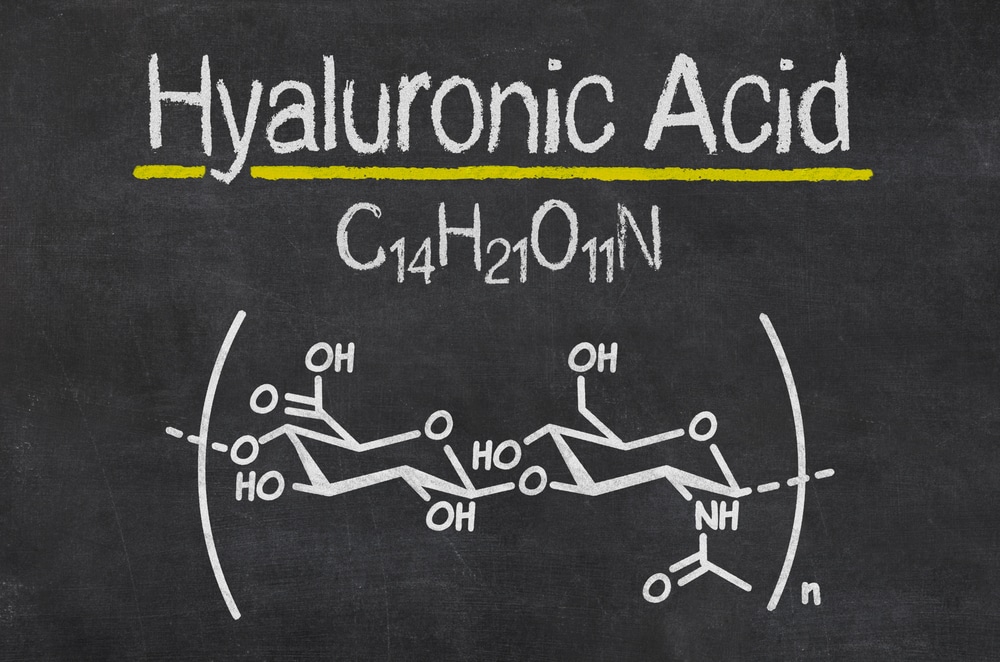
Humectants attract water and hold it in the skin. Hyaluronic acid is a common example of this, as are propanediol and glycerin. These ingredients help hydrate, which is why they’re common in products for dehydrated or dry skin.
Source: Zerbor/Shutterstock.com
Emollients soften and smooth skin by filling in any gaps between skin cells. Fatty alcohols, butters, and oils fall into this category because they can help reduce the feel of roughness and improve the appearance of skin texture.
Occlusives form a barrier to lock moisture in. Richer creams often contain ingredients such as petrolatum, beeswax, and various silicones.
Emollients soften and smooth the skin by filling in the gaps between skin cells. Oils, butters, and fatty alcohols fall into this category. They help reduce the feel of roughness and improve the look of skin texture.
Understanding Popular Highlighted Ingredients
Many products list one or two primary ingredients on the front of the packaging. They can be helpful, but where are they on the list? Hyaluronic acid is a great example. It’s powerful, but small concentrations are usually all that’s necessary, so it might be lower on the ingredient list despite its role. Vitamins, antioxidants, and botanical extracts are other ingredients that can pack a skin health punch in low volume.
Decoding Sunscreen Ingredient Lists
Sunscreen labels can get particularly confusing, but they still follow the same fundamental rules as other skincare products. The primary difference is that sunscreen ingredients might be listed separately in many regions.
For instance, mineral sunscreen products depend on titanium dioxide, zinc oxide, and similar ingredients to reflect UV rays. These ingredients will likely appear near the top of the ingredient section, along with their percentages.
Sunscreens can be mineral or chemical. Generally, mineral filters sit on the skin’s surface to reflect, while chemical filters absorb UV radiation. Understanding the difference helps you set the right expectations for appearance, skin sensitivity, and texture.
Preservatives Are Not the Enemy
Preservatives don’t have the best reputation, but they do play a crucial role in skincare safety. Without them, water-containing products would quickly grow mold, yeast, or bacteria. Potassium sorbate, sodium benzoate, and phenoxyethanol are common preservatives used in small amounts under careful regulation. Their presence on a label doesn’t make them unsafe or harsh.
Test these on your skin to see how you react. Over time, you’ll find the ones that work for you.

Source: PeopleImages/Shutterstock.com
Knowing When to Stop Overanalyzing
Ingredient literacy can be empowering, but it also holds the danger of overanalyzing every label. Not every unfamiliar ingredient is a red flag, and no product needs to be perfect to help you. Real-world experience matters just as much as anything printed on the label; pay attention to how your skin feels with each product you use. Patterns emerge over time, and you’ll start recognizing the ingredients your skin loves and the ones it wants you to avoid.
Turning Confusion Into Confidence
Reading skincare ingredient lists is a unique skill, but it’s one you can improve with practice. The more labels you look over, the more familiar the terminology becomes; what was once overwhelming will start feeling quite manageable. It will even become intuitive to you with time.
By keeping your skin’s needs in mind, recognizing common categories, and understanding ingredient order, you can make informed decisions without stress. Skincare labels might start as a source of anxiety, but they can be a powerful tool that supports healthier, more confident choices for your skin.