Most winter boots fail for one boring reason: water gets in through a seam nobody looked at. You can spend a fortune on a beautiful pair, wear them through one snowy commute, and squish home with wet socks. I learned this the hard way with a glossy black pair that lasted exactly two blocks.
The fix isn’t spending more. It’s checking four things before you buy: how the boot is constructed, what the sole is made of, how much shaft you actually need, and whether the fit leaves room for a real winter sock. Get those right and a mid-priced pair will outlast a fancy one.
This guide walks you through what to look for at the shelf, how to test a boot in the store without looking strange, and how to keep whatever you buy from falling apart by February. If you want a shortcut to styles that already pass the test, start with these women’s winter boots for snow and then read the checklist below so you know exactly what you’re looking at.
What Actually Keeps Snow out of a Boot?
Construction, mostly. Snow itself isn’t the enemy. Melted snow is. A boot can be labeled waterproof and still soak your socks if the tongue is loose or the seams are stitched without a seal.
Look for one of two builds. Either the waterproof layer sits inside as a bootie sewn into the upper, or the whole upper is a single molded piece. Both work. What rarely works is a fashion boot with a waterproof spray added at the factory and nothing else. Spray wears off. Seams don’t change.
Here’s the test I do in the aisle: pinch the tongue against the upper and see if you can see daylight through the gap. If you can, snow will find that gap on a windy day. Also press a thumb along the seam where the upper meets the sole. If it flexes open, water pools there.
Insulation matters too, but less than people think. Your socks do a lot of the work. A boot with modest insulation and room for a wool sock beats a heavily insulated boot that squeezes your toes. Cold feet are often a circulation problem, not a padding problem.
The Sole Check Nobody Does

Flip the boot over. That’s the whole tip, but the details matter.
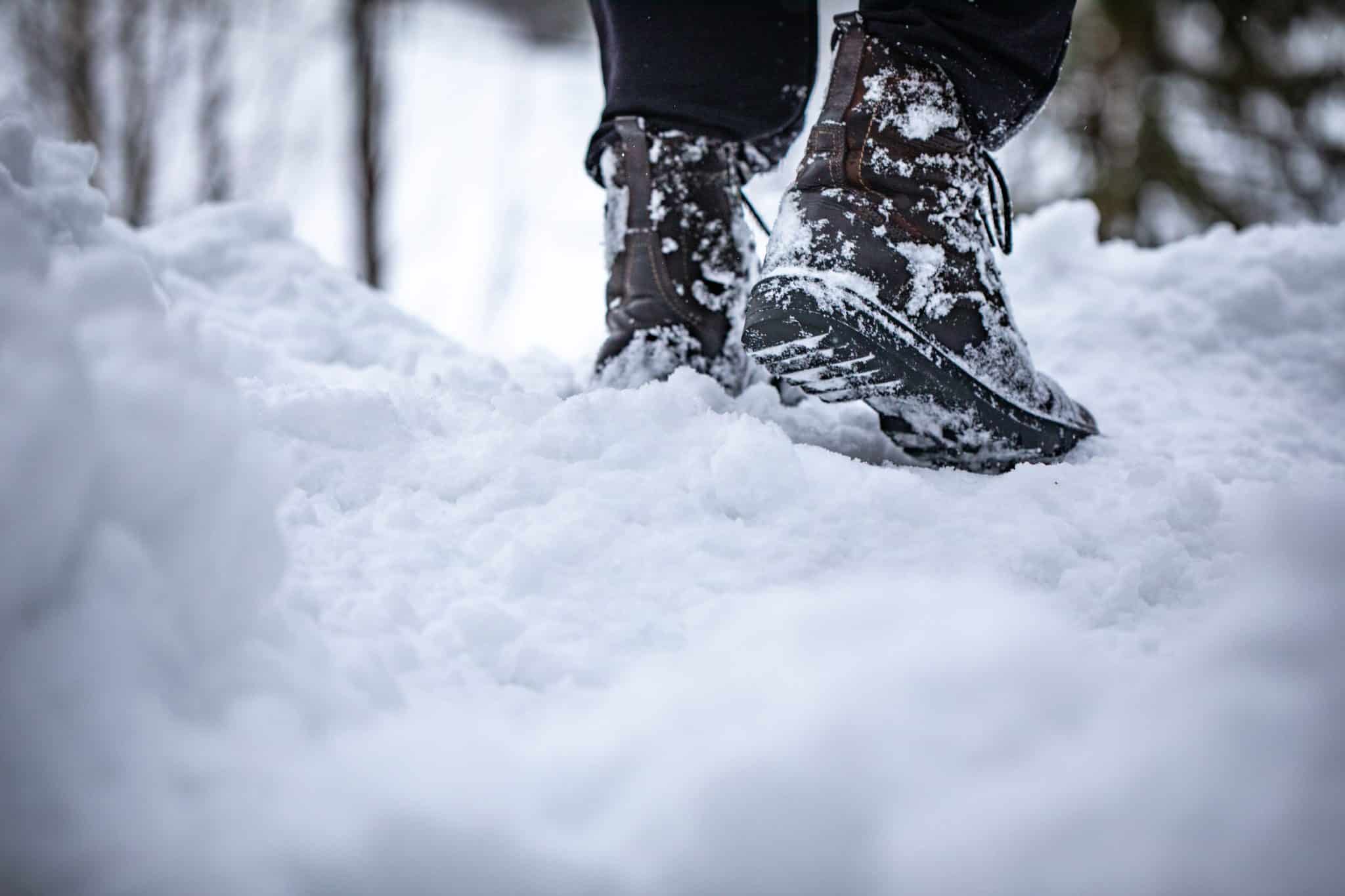
A lug pattern with depth and direction handles packed snow and slush. A smooth or shallow tread slides on wet ice, and no amount of ankle support saves you. Rubber compounds vary too. Softer rubber grips cold pavement better than hard plastic-looking soles that go stiff in the cold.
I’d take a plain-looking boot with an aggressive tread over a stylish one with a flat sole every single time. You wear boots in conditions that don’t care how they look.
While you’re down there, check the heel. A defined heel gives you a landing point on icy steps.
A fully flat sole feels stable in the store and vague on a slope. And if you walk to work on salted sidewalks, know that road salt is a genuine wear issue: the U.S. General Services Administration notes that deicing salts can be corrosive to materials over time, which is one reason a rinse and a wipe down at the end of a slushy week is worth the two minutes.
How Tall Should the Shaft Be?
Match the shaft to your walk, not to the outfit you saw online.
- Ankle height: fine for cleared driveways, quick errands, and city blocks that get plowed.
- Mid calf: the sweet spot for most commuters. Deep enough for a drift, short enough to walk in comfortably.
- Tall or knee height: worth it if you shovel, walk through unplowed parks, or deal with deep snow regularly.
Taller isn’t automatically better. A tall boot that rubs your calf will sit in the closet by January, and you’ll be back to sneakers in the slush. I’d pick mid calf for a daily city commute and save the tall pair for actual snow days.
One more thing: check the top opening. A wide, unpadded cuff lets snow drop straight in when you step through a drift. A slightly snugger cuff with a drawcord or elastic edge seals it.
Getting the Fit Right the First Time
Buy winter boots in the afternoon, and bring the socks you’ll actually wear. This is the single most useful thing you can do, and almost nobody does it.
Your feet spread slightly through the day, and a thick wool sock adds real volume. Try the boot on with that sock, then press your thumb on the top of the toe box. You want a finger’s width of space at the front and no pressure on the widest part of your foot.
Walk a lap. Watch for heel slip, which tells you the boot is too long or the lacing can’t snug it. Then stand still and feel for pressure points along the arch and the outer edge of your foot.
If you have wider feet or a high instep, be honest about it. Some brands run narrow, and sizing up only creates heel slip. Look for styles that offer a wide option or a roomier toe box. The National Institutes of Health has documented how poorly fitted footwear contributes to foot discomfort, and cold weather makes a bad fit feel worse because your feet swell and shift as you move between warm rooms and freezing streets.
A Simple Pre-Purchase Checklist
Run this list in the store. It takes about four minutes per pair.
- Pinch the tongue gap. Any daylight means snow gets in.
- Press every seam near the sole. Flexing seams leak.
- Flip the boot and trace the lug depth with a fingernail. Shallow means slick.
- Bend the boot at the ball of the foot. It should flex without collapsing.
- Try it on with your thick socks, in the afternoon.
- Walk ten steps and check for heel slip and toe pressure.
- Confirm the cuff closes around your calf.
If the pair passes all seven, buy it. If it fails two or more, put it back and don’t talk yourself into it because it’s on sale. A discounted boot that leaks is still a boot that leaks.
Keeping Them Alive Through the Season
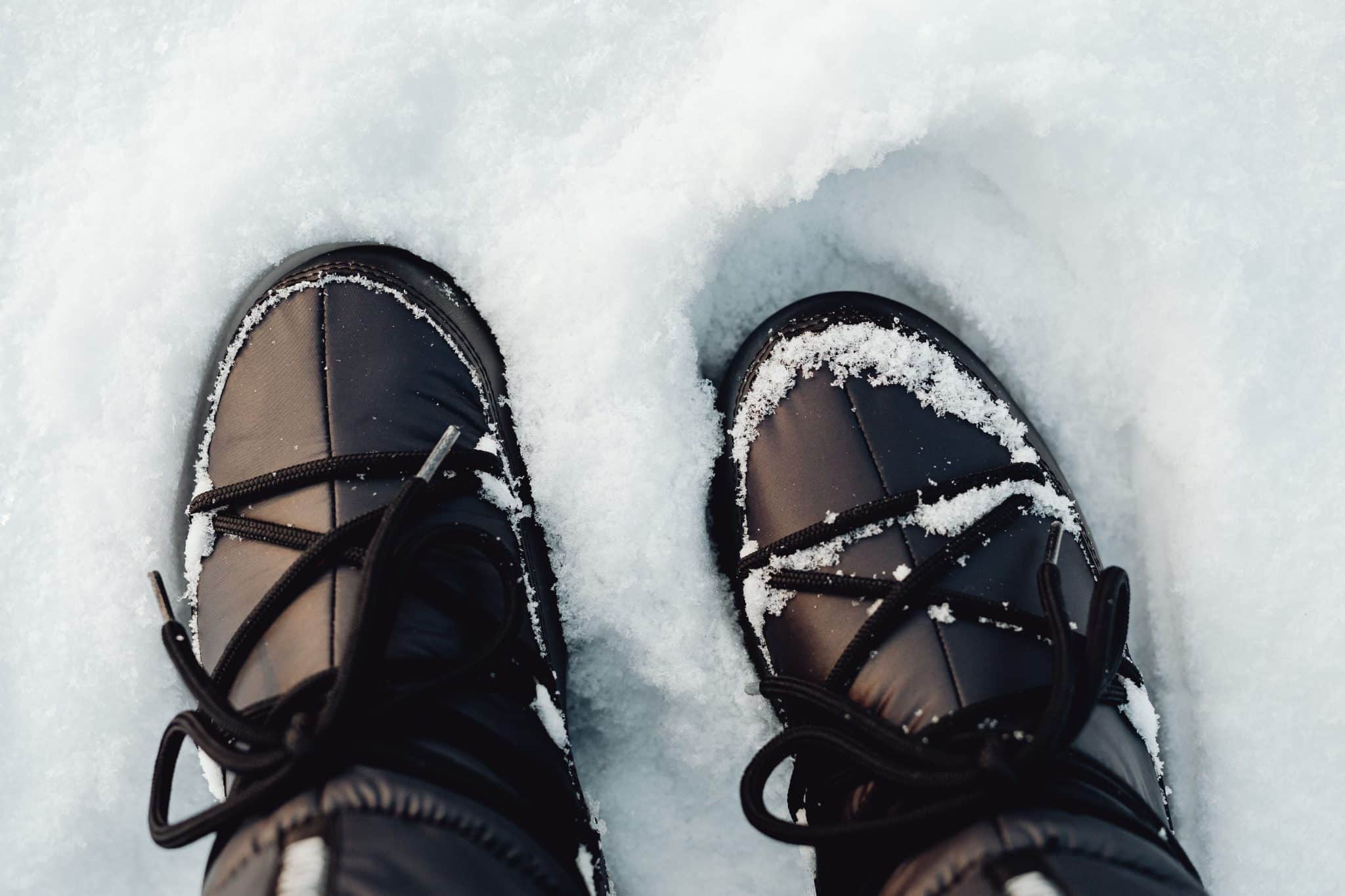
Snow boots don’t die from snow. They die from salt, stored wetness, and being dried next to a radiator.
Rinse the salt off the uppers and soles weekly during slushy spells, then wipe them dry with a cloth. Never park them on a heater or over a vent, because heat cracks the rubber and stiffens the leather. Stuff them with newspaper and let them dry at room temperature overnight.
Check the forecast before long walks. The National Weather Service issues winter weather advisories that tell you whether you’re dealing with a dusting or a real storm, and that changes which pair you grab in the morning. Save your taller, grippier pair for advisory days and let the ankle boots handle the snow-melting-afternoon slop.
The Rule to Remember
You don’t need the most expensive boot in the store. You need one with a sealed build, a deep tread, the right shaft height for your actual routine, and enough room for the socks you’ll wear. Everything else is preference.
My own pick for a daily winter commute is a mid-calf waterproof boot with a lugged rubber sole and a slightly snug cuff. It handles the walk to the train, the pile at the corner, and the puddle that pretends to be shallow. Try a pair on this weekend with your thickest socks and see which one you don’t want to take off. That’s your answer.