Ever ordered a shirt online only to realize the sleeves were completely off? Finding the right sleeve fit can be tricky if you don’t know your measurements.
Learning how to measure sleeve length takes just a few minutes and saves you constant frustration later.
I used to guess my size and constantly end up with shirts that didn’t fit right. Now I take proper measurements before purchasing and rarely need to return anything.
Shopping feels so much easier and more confident when you know your exact numbers. Accurate sleeve measurements prevent awkward fits and wasted money on clothes that don’t work.
Let me show you how to get precise measurements every single time.
Understanding Sleeve Length and Arm Length
Sleeve length refers to how far a sleeve extends from your shoulder down to its endpoint. I like to think of it as including part of your shoulder, whereas arm length only measures your arm.
Getting sleeve length right completely changes how your clothes fit and move with you. I’ve noticed that sleeves that are too short tend to ride up and look awkward throughout the day.
On the other hand, sleeves that are too long bunch up and get in the way whenever I move. The perfect sleeve length lets me move freely while still looking polished.
I’ve realized it makes a real difference in both comfort and appearance across everything I wear.
Tools You’ll Need to Measure Sleeve Length
Measuring sleeve length accurately requires just a few simple tools you probably already have at home. I always make sure to gather everything before I start so the process goes smoothly.
| Tool | Purpose | Alternative |
|---|---|---|
| Soft measuring tape | Take accurate sleeve measurements | String and a ruler |
| Mirror (optional) | See what you’re doing while measuring alone | Ask someone to help or take a selfie video |
| Friend or tailor’s help | Get the most accurate measurements possible | Use a mirror instead |
| Notebook or phone | Record your measurements for future reference | Take a photo of the tape |
Having these tools ready makes the measuring process quick and easy. You’ll get better results when everything is organized and within reach.
How to Measure Sleeve Length: Step-by-Step Guide
I’m going to walk you through measuring sleeve length from start to finish in just four easy steps. This process takes only a few minutes and ensures you get the perfect fit every time you shop.
Step 1: Find the Starting Point

I started from the center of my friend’s back, just below the base of the neck, for the most accurate measurement. You can also begin at the top of the shoulder seam, where it meets the sleeve.
I made sure he stood straight with his shoulders relaxed to get an accurate baseline measurement. I’ve learned that good posture makes a real difference in getting the right fit numbers.
I asked him to keep their arms hanging naturally at the sides without tensing up at all during this step.
Step 2: Measure Down the Arm

Now I ran the measuring tape over my friend’s shoulder and down along the outside of the arm. The tape should follow the natural curve of the arm all the way to the wrist bone.
I had him slightly bend the arm at a natural angle, about 15 degrees, to allow for movement.
This bent position ensures the finished sleeve won’t feel tight when moving around normally throughout the day. I kept the tape snug but not pulled tight against the skin for the most accurate result.
Having a friend to help makes this process much easier and more precise.
Step 3: Note the Measurement
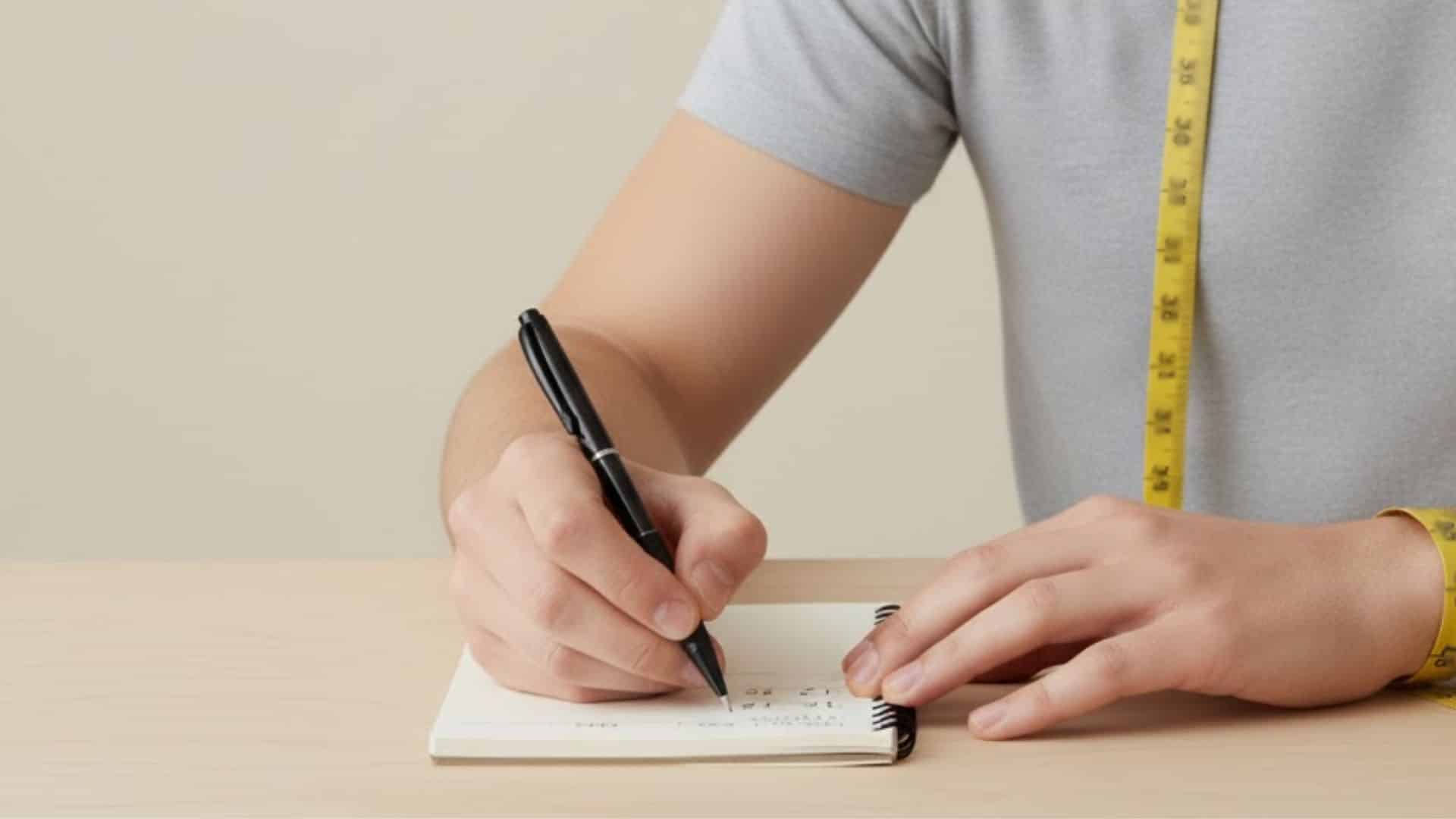
He recorded the total measurement in inches right away so he wouldn’t forget it. Typical sleeve lengths for men’s clothing styles usually range from 31 to 39 inches.
For women’s clothing, sleeve lengths usually fall between 28 and 35 inches rather than longer. If you’re between sizes, I recommend rounding up slightly to ensure comfort and easy movement always.
He wrote down the measurement in a notebook for future reference when shopping.
Step 4: Double-Check Both Arms

I measured both of my friends’ arms because their lengths can naturally differ slightly over time. Most people have one arm that’s a tiny bit longer than the other arm without realizing it.
I used the longer measurement when ordering online to get the best results. I’ve found that using the longer measurement prevents sleeves from feeling too short on either arm.
This extra step only took a minute, but it saves you from ill-fitting sleeves later on.
How to Measure Arm Length?
Arm length is a different measurement from sleeve length and serves specific purposes for fitting. Understanding this measurement helps you get better results when tailoring clothes or tracking fitness progress.
- Locate Your Starting Point: Find the bony point on top of your shoulder called the acromion and mark it as your starting position.
- Measure to Your Wrist Bone: Run the measuring tape straight down from your shoulder bone to your wrist bone in a direct line.
- Record the Measurement: Write down the number in inches or centimeters and compare it to standard sizing charts for reference.
- Use it for Tailoring Adjustments: Apply this measurement to adjust overall shirt proportions and ensure sleeves fit your frame correctly.
I find that knowing both sleeve length and arm length gives you complete control over fit. This combined knowledge helps you communicate exactly what you need to tailor or when shopping online.
Common Mistakes to Avoid When Measuring Sleeve Length
Even small measurement errors can lead to sleeves that fit poorly and feel uncomfortable or look wrong. Knowing what mistakes to avoid saves you time and helps you get accurate measurements every time.
- Always bend your arm slightly at a natural angle instead of keeping it completely straight and stiff during measurement.
- Make sure you begin at the correct spot, either the center back or the shoulder seam, not the neck area.
- Keep the tape snug but not tight, and avoid letting it hang too loosely while taking measurements.
- Stand naturally and remember that dress shirts, casual shirts, and jackets all require different measuring approaches for accuracy.
Avoiding these common mistakes ensures your measurements are accurate and reliable for any garment. Taking a few extra seconds to double-check your technique makes all the difference in achieving the perfect fit.
Measuring Sleeve Length for Different Clothing Types
I’ve learned that different types of clothing require slightly different approaches when measuring sleeve length for the best fit. Here’s how to measure sleeve length for each type of garment:
| Clothing Type | Measurement Method | Key Considerations | Starting Point | Ideal Fit |
|---|---|---|---|---|
| Dress Shirts | Measured from mid-back to wrist | Formal styles may require slightly longer sleeves for cuff visibility | Center back below neck | Sleeve ends at wrist with cuff showing |
| T-Shirts | Measured from the shoulder seam to the sleeve edge | Simpler measurement for casual, everyday wear | Top of shoulder seam | Sleeve ends mid-bicep or elbow |
| Jackets & Blazers | Measured with allowance for underlayers | Sleeves should end at the wrist bone with ½ inch of shirt cuff visible | Shoulder seam | Shows shirt cuff underneath |
| Sweaters & Hoodies | Measured along the raglan seam or outer sleeve | Focus on casual comfort and relaxed fit | Raglan seam or shoulder | Relaxed fit at wrist or slightly past |
Using the right method for each clothing type ensures your measurements translate into perfectly fitting garments. Keep this guide handy whenever you’re measuring sleeves for different clothing styles.
How to Match Sleeve Length with Shirt Size Charts
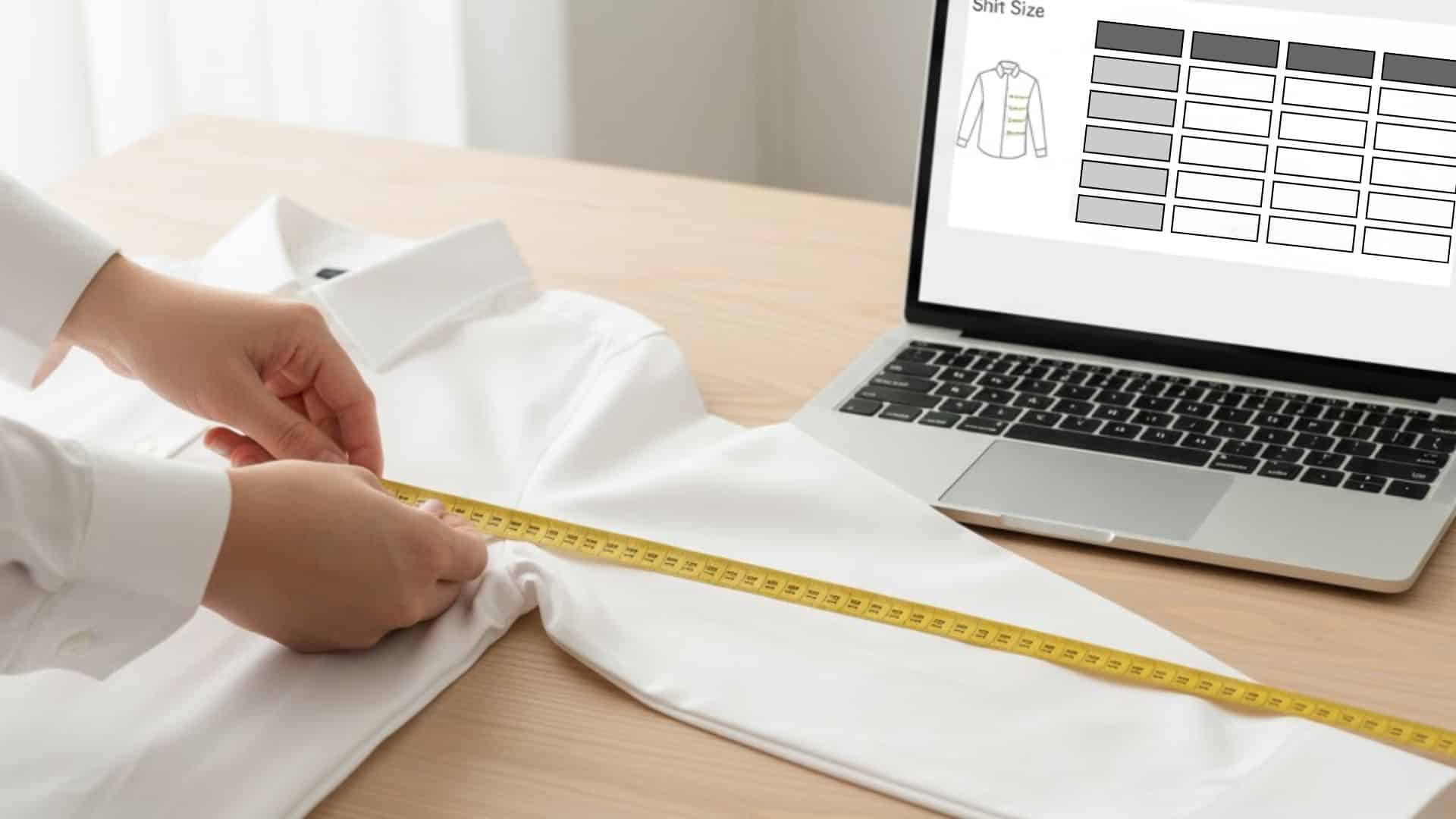
Once you know your sleeve measurement, matching it with standard shirt sizes becomes much simpler. I always compare my own measurements to the brand’s size chart rather than relying solely on the label.
Most charts convert your sleeve length into sizes like Small, Medium, Large, or Extra Large, making shopping easier.
However, sizing differs between brands and even across countries, so it’s important to double-check before buying. I’ve learned that a Medium in one brand can fit more like a Large in another.
I always refer to each brand’s specific size guide before purchasing, especially online. European sizing also tends to run differently from American sizing, so I make sure to verify conversions when shopping internationally.
Expert Tips for a Perfect Fit Every Time
I’ve picked up several helpful tricks over the years that make measuring sleeve length easier and more accurate.
These expert tips ensure you get the perfect fit every single time you measure or shop. Here are my top recommendations for flawless sleeve measurements:
- Measure twice and ask someone to help you when in doubt to catch any errors or inconsistencies.
- Always use a soft, flexible measuring tape instead of a stiff ruler for accurate body measurements.
- Check manufacturer sizing guides before ordering anything online to understand their specific fit standards.
- Consider professional tailoring if you have broader shoulders or longer arms than average sizing accommodates.
Following these expert tips takes the guesswork out of finding clothes that fit you perfectly. I’ve saved so much time and money by applying these simple techniques to every shopping experience.
That’s a Wrap
Now you know exactly how to measure sleeve length like a pro without any confusion. I hope these easy steps help you find shirts that fit perfectly and feel comfortable all day.
Remember to measure both arms, since natural differences in length are common. Keep your measurements saved on your phone so they’re ready whenever you shop.
Checking sizing charts before buying saves time, money, and the frustration of constant returns. Start measuring your sleeves today and see how much simpler clothes shopping becomes.
You’ll never have to guess your size or deal with awkward sleeve fits again. What’s been your biggest challenge when measuring sleeves? Share your experience below!