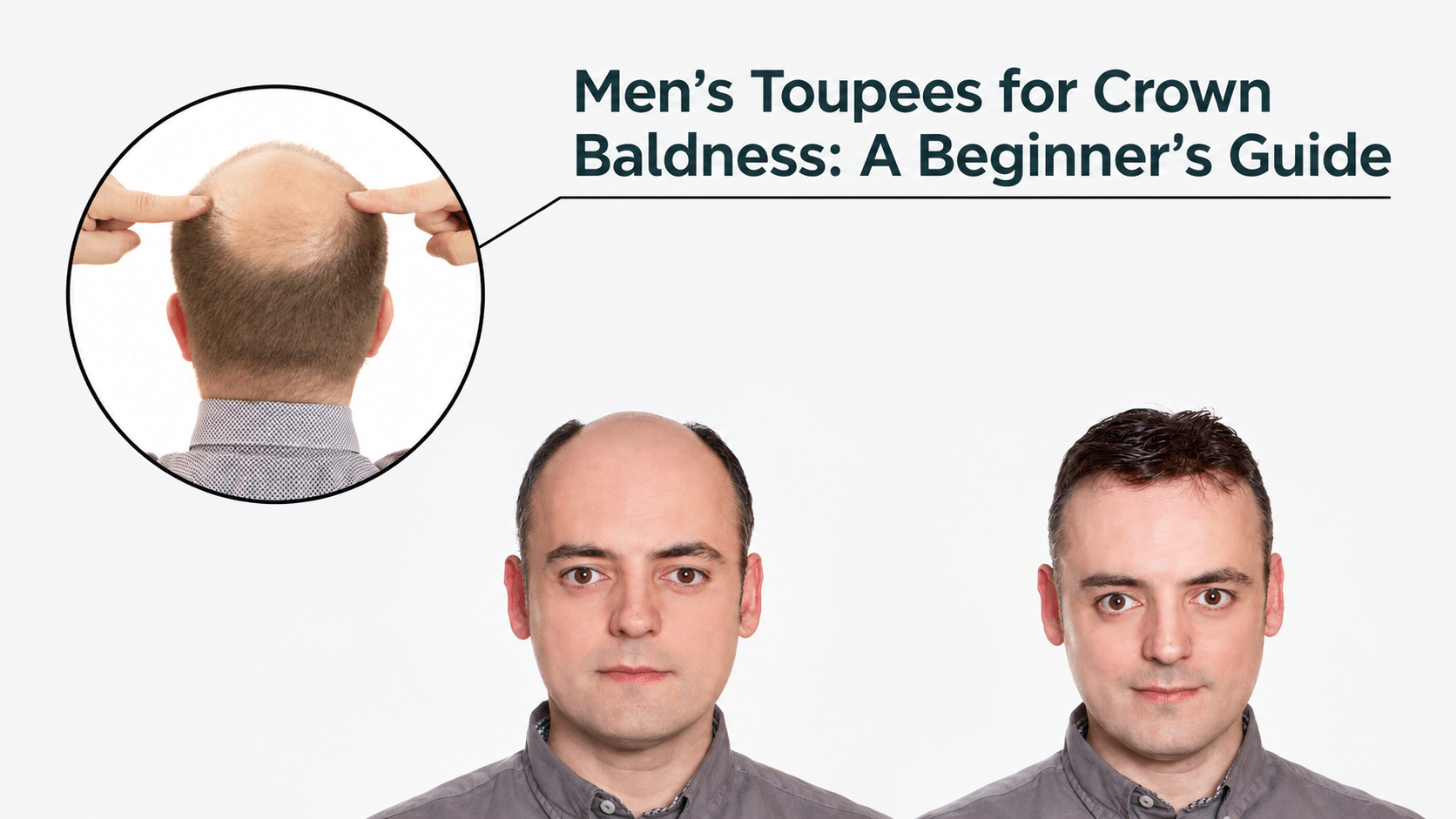
A wig can completely transform your look, but for beginners, the biggest concern is usually the same: how do you make it look natural? The good news is that a natural-looking wig is not only about buying the most expensive one. In many cases, it comes down to the right fit, proper placement, light customization, and simple styling techniques.
If you are new to wigs, this guide will walk you through the basics in a beginner-friendly way. From choosing the right wig to blending the hairline and adjusting the density, these tips can help you create a look that feels realistic, comfortable, and confidence-boosting.
Why do some wigs look natural while others do not?
A wig looks natural when it suits your face, sits correctly on your head, and has a believable hairline, texture, and shape. On the other hand, a wig may look unnatural if it is too shiny, too dense, poorly placed, or not styled in a flattering way.
For beginners, the goal is not to achieve salon-level perfection. It is to avoid the common details that make a wig look obvious and instead focus on small improvements that make a big difference.
What kind of wig looks most natural for beginners?
Not all wigs are equally easy to make look natural. Some styles and constructions are much more beginner-friendly than others.
Beginner-friendly wig features
- Natural-looking color
- Light to medium density
- Comfortable cap that fits well
- Lace front or realistic hairline
- Manageable length
- Soft, wearable texture
If realism is your top priority, following a Human hair wig guide can be very helpful. Human hair wigs often offer more natural movement, a softer finish, and better styling flexibility than many synthetic options.
Quick comparison table
|
Wig Feature |
More Natural Choice for Beginners |
|---|---|
|
Hair type |
Human hair |
|
Density |
Light to medium |
|
Length |
Short to medium |
|
Color |
Natural black, brown, soft highlights |
|
Cap type |
Lace front or glueless lace wig |
|
Texture |
Soft straight, body wave, loose curl |
How important is the right wig fit?
Fit is one of the most overlooked parts of making a wig look natural. Even a beautiful wig can look off if it is too loose, too tight, or positioned incorrectly.
Why fit matters
- A loose wig may shift and expose the wig cap
- A tight wig may sit unnaturally on the hairline
- A proper fit helps the wig lie flatter and feel more secure
What beginners should do
- Measure your head before buying
- Use adjustable straps inside the wig
- Add a wig grip if needed
- Check that the ear tabs are even on both sides
A secure and balanced fit is one of the fastest ways to improve the overall look.
How should beginners prepare their natural hair?
Your natural hair creates the foundation under the wig. If the base is bulky or uneven, the wig may not sit properly.
Simple hair prep tips
- Braid, wrap, or pin your natural hair as flat as possible
- Use a wig cap to smooth everything down
- Choose a wig cap close to your skin tone if the part may show
- Make sure the cap is neat and comfortable
This step is important for all wig types, including styles like a boho braided wig, where the final silhouette can still be affected by bulky natural hair underneath.
Where should the wig sit on your hairline?
Hairline placement is one of the biggest details that affects whether a wig looks natural. A wig placed too low can make your forehead look too small, while one placed too high may look disconnected from your face.
Easy positioning tips
- Place the wig starting at the front and pull it back
- Align it near your natural hairline area
- Check both sides in the mirror
- Make small adjustments until it looks balanced
Do not rush this step. A few seconds of careful adjustment can change the whole result.
How can beginners make the wig hairline look more realistic?
The hairline is often the first thing people notice. A soft and natural hairline makes the wig much less detectable.
Ways to improve the hairline
- Trim lace carefully if needed
- Use a little powder on the lace or part
- Tweeze only if you know what you are doing
- Style some hair away from the face
- Avoid overly straight, stiff front sections
Beginners do not need to over-customize. In fact, simple changes often work better than aggressive alterations.
Does wig density affect how natural it looks?
Yes, absolutely. Density refers to how thick or full the wig is, and it has a major effect on realism.
|
Density Level |
Look |
Best for Beginners |
|---|---|---|
|
Light |
Soft and realistic |
Yes |
|
Medium |
Natural with volume |
Yes |
|
Heavy |
Dramatic and very full |
Not always |
Many beginners choose wigs that are too dense because they think more hair will look better. In reality, a lighter or medium-density wig often looks much more believable.
How can styling help a wig look more natural?
The way you style a wig matters just as much as the wig itself. Even a good wig can look artificial if it is too stiff, too flat, or not shaped to suit your face.
Beginner-friendly styling tips
- Shake the wig out before wearing it
- Use your fingers to soften the shape
- Trim the front slightly if needed
- Add gentle layers around the face
- Keep the finish soft rather than overly polished
Protective and textured styles can also look very natural when chosen carefully. For example, a boho braided wig can offer a relaxed and stylish appearance that feels realistic and modern, especially for beginners who want an easy statement look.
What common mistakes make a wig look fake?
Many unnatural-looking wigs are the result of a few simple beginner mistakes.
Mistakes to avoid
- Choosing a wig that is too shiny
- Wearing the wig too low
- Picking a color that does not suit your skin tone
- Ignoring bulk under the wig
- Choosing extra-high density
- Skipping hairline adjustments
- Overusing styling products
If you are not sure where to begin, reading a Human hair wig guide can give you a clearer understanding of what details matter most for a realistic finish.
What is a simple checklist for a natural-looking wig?
Here is a quick checklist beginners can follow:
|
Step |
What to Check |
|---|---|
|
Fit |
Is the wig secure and comfortable? |
|
Hair prep |
Is your natural hair flat underneath? |
|
Hairline |
Is the wig placed correctly? |
|
Density |
Does the wig look too full? |
|
Color |
Does it suit your skin tone? |
|
Styling |
Does the shape look soft and natural? |
This checklist can help you quickly spot what needs adjustment before you leave the house.
Final Thoughts
Learning how to make a wig look natural for beginners is really about mastering a few small but important details. The right fit, proper hair prep, balanced density, natural hairline, and soft styling all work together to create a realistic result. You do not need advanced skills to make a wig look good. You just need patience, practice, and the right starting point.
If your goal is a more realistic appearance, following a practical Human hair wig guide can help you understand which features to look for and how to style them effectively. And if you want a textured, trendy option with a relaxed finish, a boho braided wig can be a beautiful beginner-friendly choice. Start simple, make small adjustments, and your wig will look more natural each time you wear it.