Are slugs destroying garden plants faster than they can be kept up with? Learning how to get rid of them can save vegetables and flowers.
I know how frustrating it is to watch these pests ruin plants that have taken time and effort to grow. Practical, budget-friendly solutions are key here.
Slugs can cause serious damage if left unchecked, but there are natural ways to stop them. I’m sharing methods that protect the garden while keeping it safe for pets and kids.
You’ll learn how to trap slugs, block their paths, and make the space less inviting to them. Most of these tricks use things already at home. Let’s take back control today.
Getting Real About Your Slug Issue
Slugs are one of the most frustrating pests you’ll deal with in any garden space. I’ve watched these slimy creatures munch through my seedlings and leaves overnight, leaving destruction behind.
Slugs love damp shady spots and come out at night when everything gets wet. They eat tender plant parts like young leaves, stems, and even ripening fruits you’ve worked for.
I always know slugs have visited when I see irregular holes in leaves and shiny slime trails. These pests move slowly but can quickly cause serious damage to vegetables, flowers, and herbs.
Seedlings are especially vulnerable because slugs can destroy them in one feeding session. The damage adds up fast if you don’t control slug populations early on.
How to Get Rid of Slugs in the Garden: Effective Methods
I’ve put together effective ways that actually work to get rid of slugs in your garden. These methods range from simple traps to natural barriers that stop slugs without using harsh chemicals.
Here are the techniques you can start using today:
1. Handpicking Slugs at Night
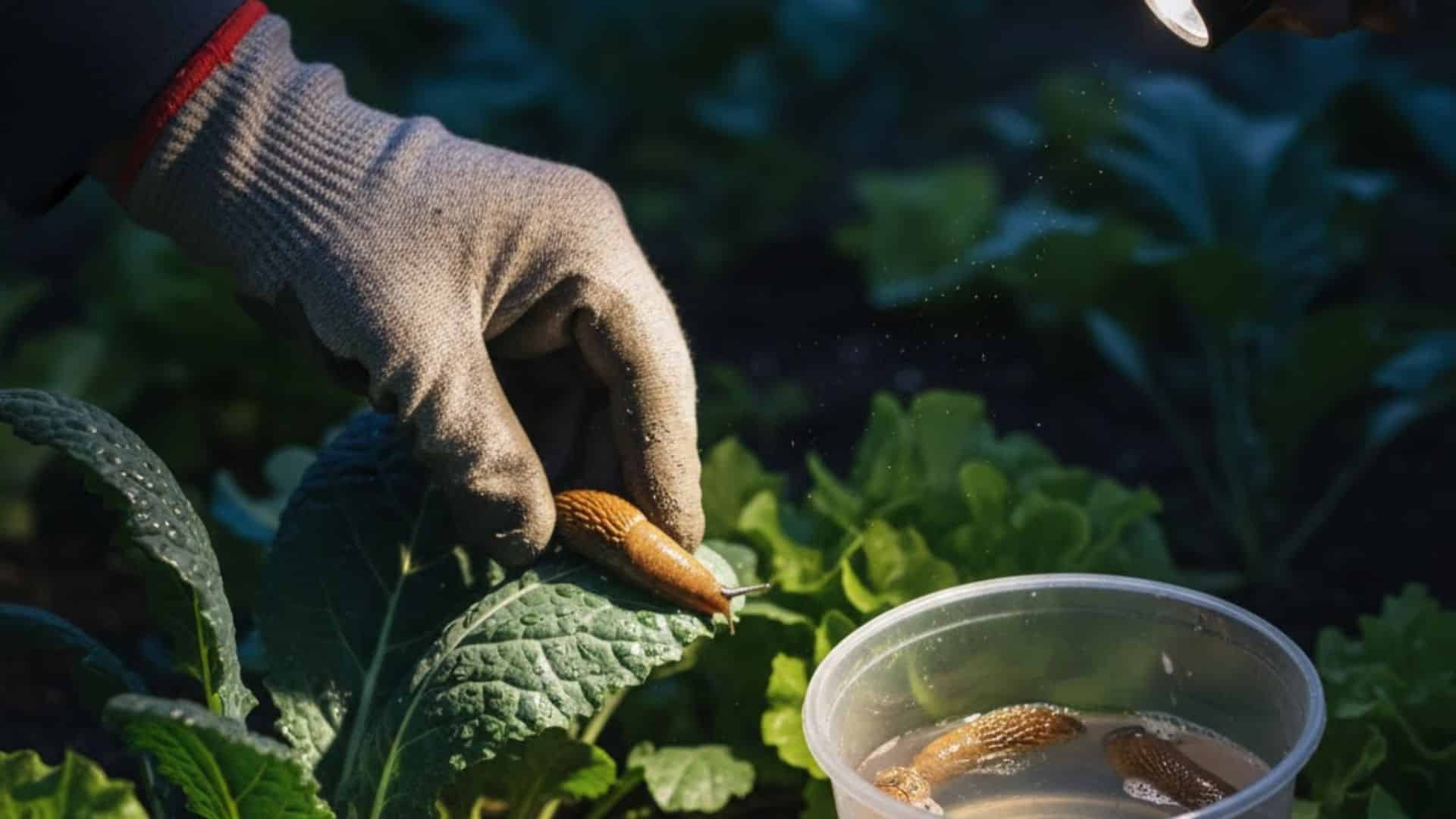
Slugs come out after dark to feed, making nighttime the best time to catch them. Removing slugs by hand prevents them from eating your plants before they cause damage.
This method costs nothing and works instantly for small garden areas. You can reduce slug numbers quickly by checking your garden every few nights. Here’s how to do it:
- Step 1: Wait until after sundown, when darkness falls, and slugs become most active.
- Step 2: Use a flashlight to search under leaves, around stems, and in damp areas.
- Step 3: Pick up each slug and drop it into a container of soapy water.
- Step 4: Dispose of the dead slugs and repeat this every few nights.
2. Beer Trap Setup
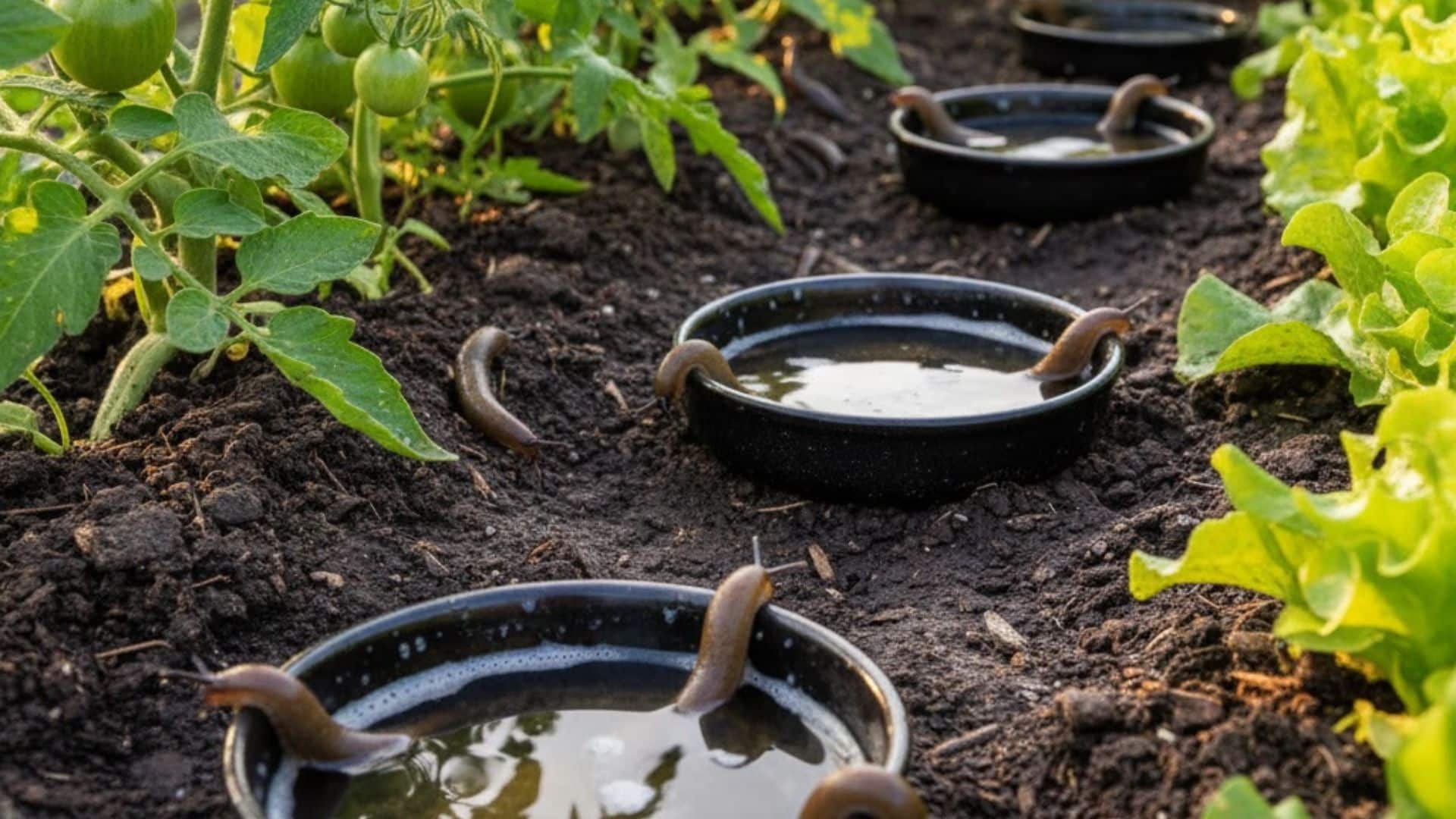
Beer attracts slugs with its yeasty smell, drawing them away from your precious plants. The slugs crawl into the beer and drown, making this a simple trap.
This cheap method works well in small gardens or problem spots you’ve identified. I think you’ll notice fewer slugs munching on your vegetables within just a few days. Follow these steps:
- Step 1: Find shallow containers like yogurt cups or small plastic dishes for traps.
- Step 2: Dig small holes and bury containers so rims sit level with the ground.
- Step 3: Pour cheap beer into each container, filling them about halfway up only.
- Step 4: Check traps daily and refill with fresh beer as needed for effectiveness.
3. Copper Barriers for Pots and Beds
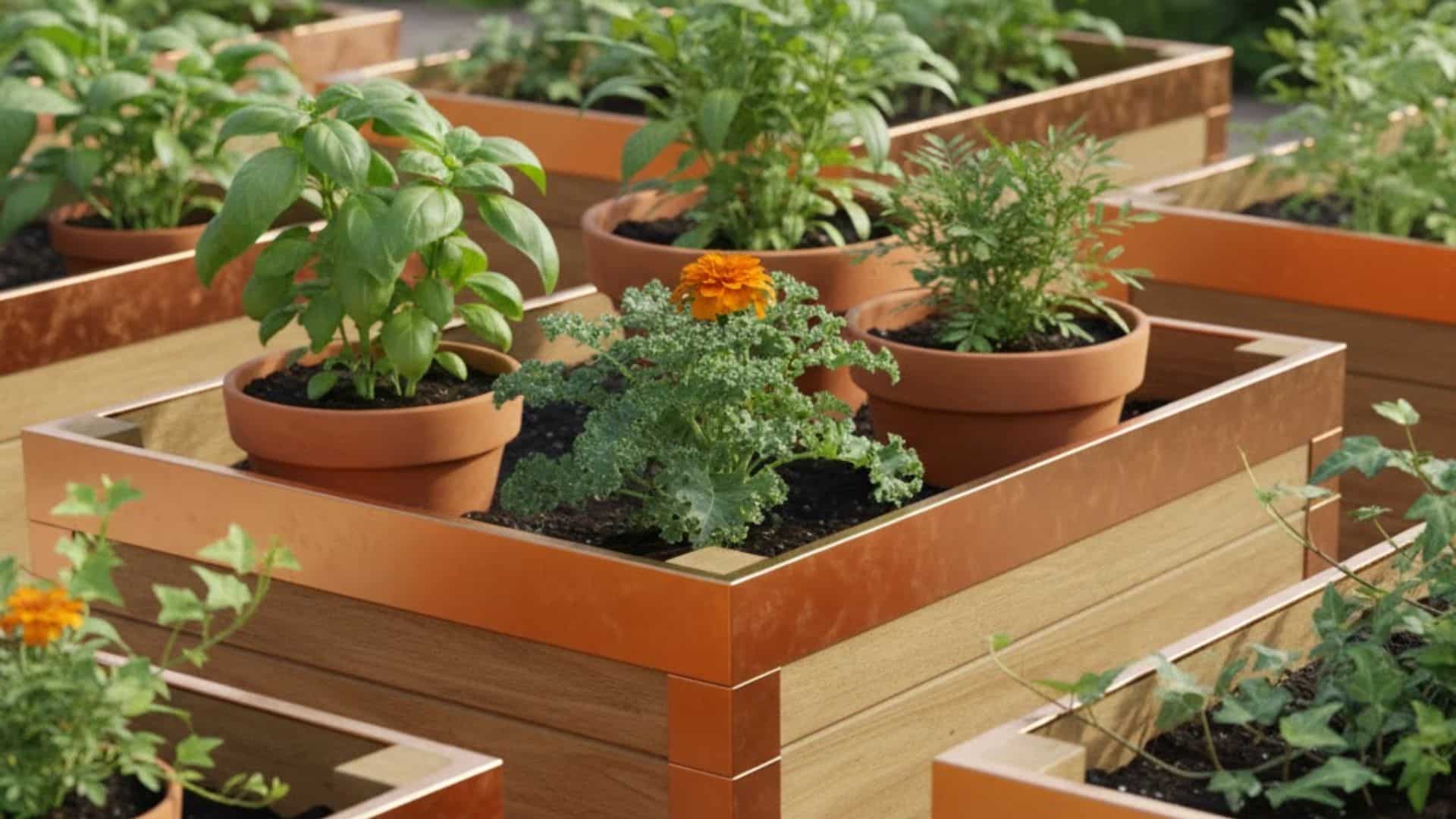
Copper creates a reaction with slug slime that they absolutely hate touching at all. This metal barrier stops slugs from reaching your plants without using any chemicals.
Copper tape or mesh lasts for years, making it a smart long-term investment. Your container plants and raised beds stay protected as long as copper stays in place. Here’s what to do:
- Step 1: Buy copper tape or mesh from a garden center or hardware store.
- Step 2: Measure and cut pieces to fit completely around pot rims or bed edges.
- Step 3: Attach the copper securely, making sure there are no gaps in coverage.
- Step 4: Wipe the copper clean occasionally to remove dirt that reduces its effectiveness.
4. Sprinkling Diatomaceous Earth
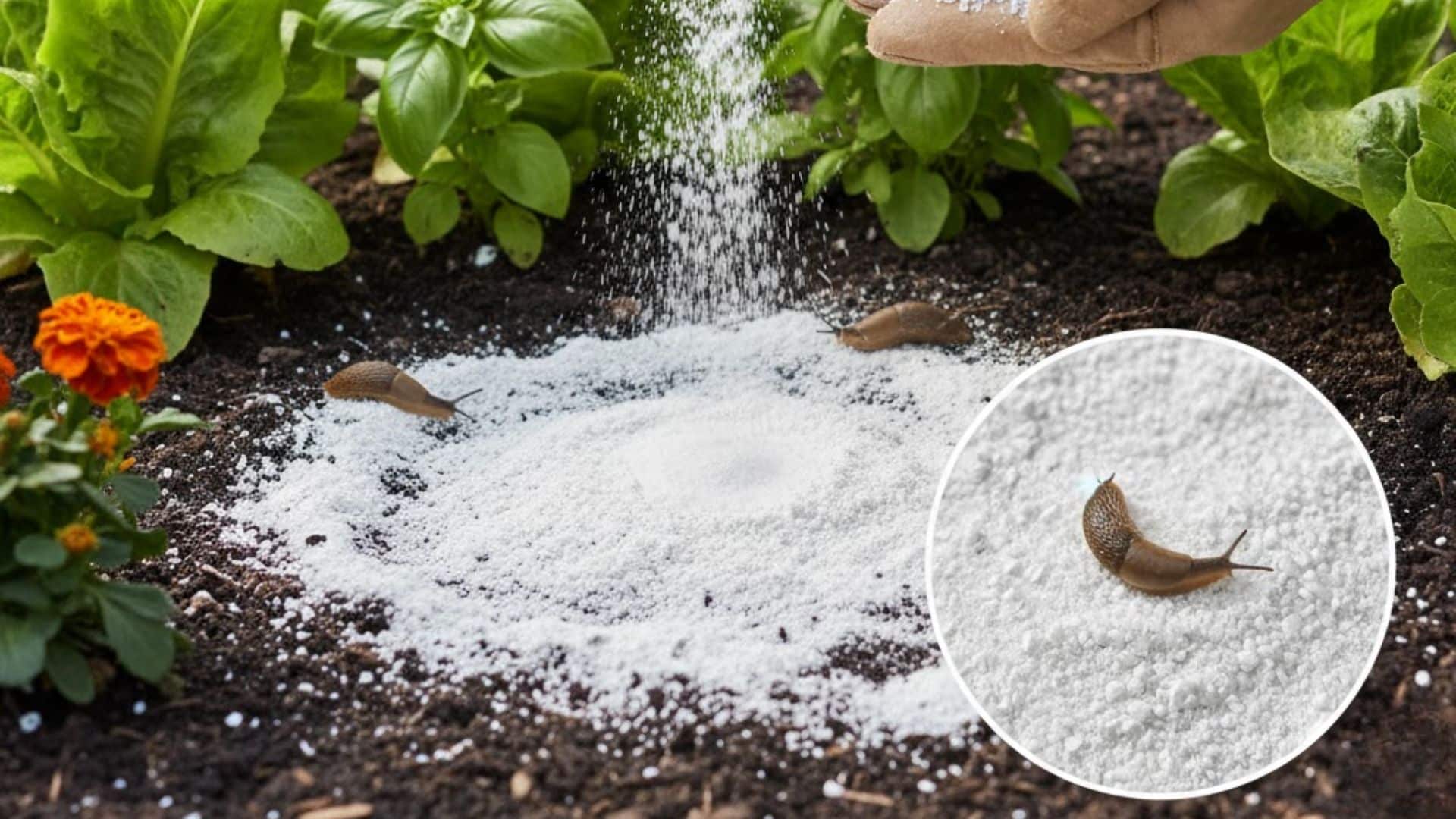
Diatomaceous earth is made from tiny fossilized algae that cut through slug bodies painfully. The sharp particles damage their soft skin, causing them to dry out and die.
This natural powder works best in dry weather when rain won’t wash it away. You’ll create a protective barrier that slugs won’t cross to reach your plants. Try this method:
- Step 1: Purchase food-grade diatomaceous earth from garden centers or buy it online safely.
- Step 2: Sprinkle the powder in a circle around plants, creating a continuous barrier line.
- Step 3: Wear gloves and a mask to protect yourself from the fine dust.
- Step 4: Reapply the powder after rain or watering washes it away from areas.
5. Using Coarse Sand or Crushed Eggshells
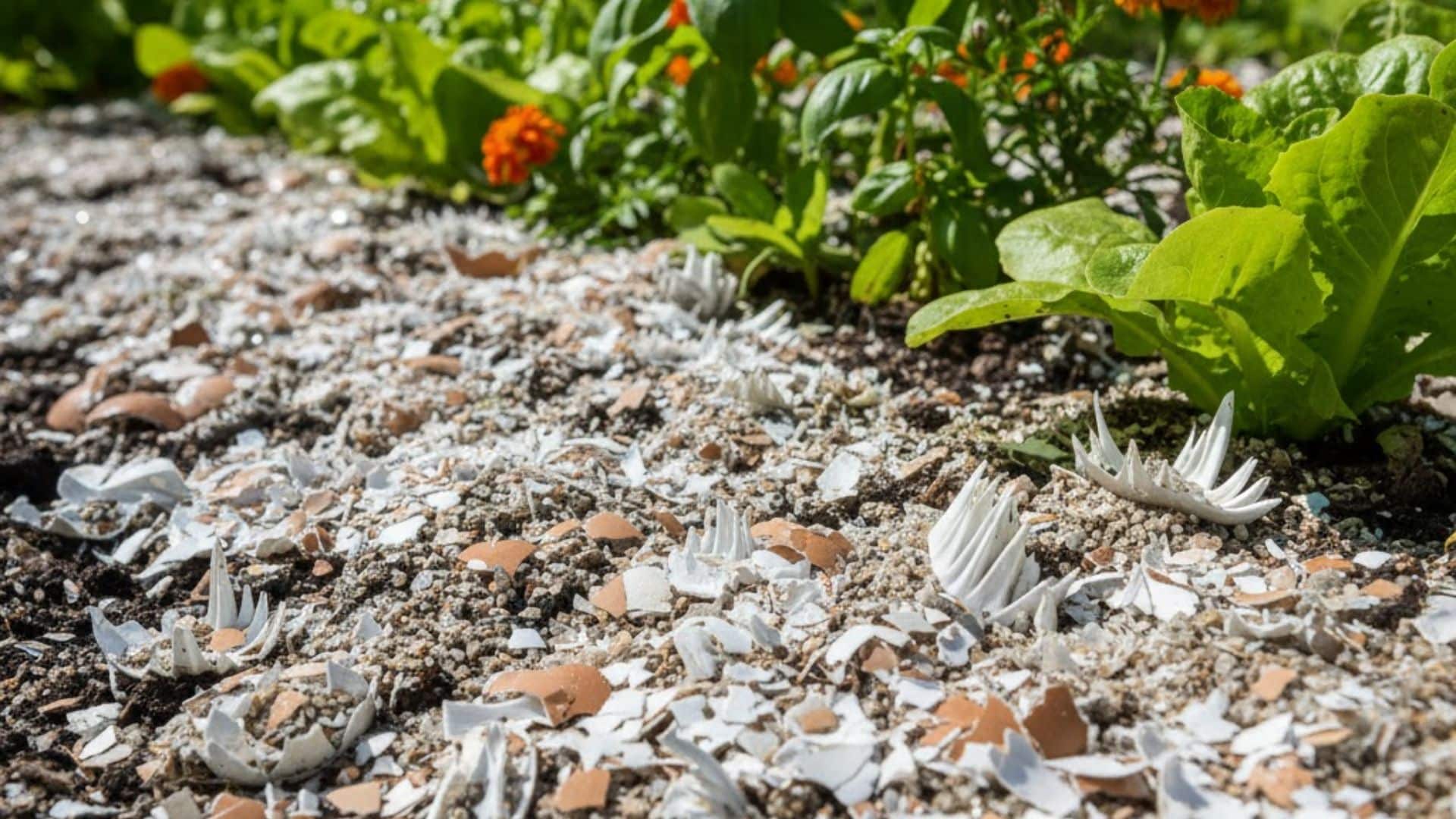
Rough textures irritate slug bellies, making them turn around before reaching your plants. Sand and eggshells create an uncomfortable surface that slugs prefer to avoid crossing over.
This free method uses materials you likely already have sitting around your home. My aunt swears by this technique and says the barrier stays effective even after light rain. Set it up this way:
- Step 1: Save and wash eggshells, then crush them into small, sharp pieces thoroughly.
- Step 2: Spread crushed shells or coarse sand around plant bases in thick layers.
- Step 3: Make the barrier at least two inches wide so slugs can’t stretch over.
- Step 4: Add more material as wind and rain scatter the protective barrier away.
6. Morning Watering Technique
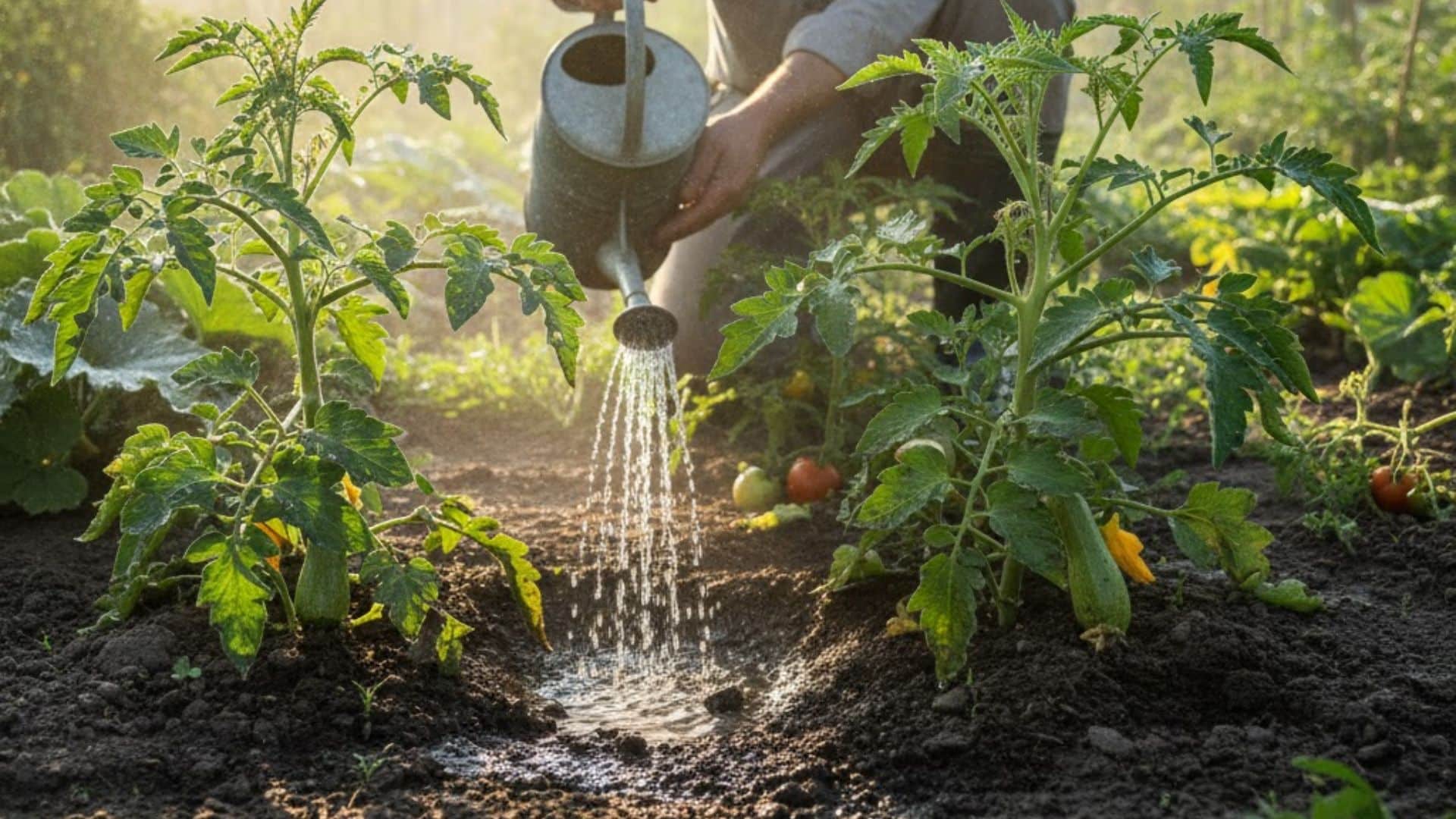
Watering in the morning lets the soil dry out by evening when slugs become active. Dry surfaces discourage slugs from moving around freely through your garden beds at night.
This simple timing change reduces slug activity without any extra work or products needed. Your plants still get enough water while making conditions less slug-friendly after dark. Change your routine like this:
- Step 1: Set your alarm or schedule to water plants early in the morning.
- Step 2: Water deeply at the base of plants rather than spraying leaves everywhere.
- Step 3: Stop watering in the evening so the soil surfaces dry before nightfall arrives.
- Step 4: Check that plants aren’t wilting and adjust watering amounts if they need more.
7. Melon or Citrus Rind Slug Trapping
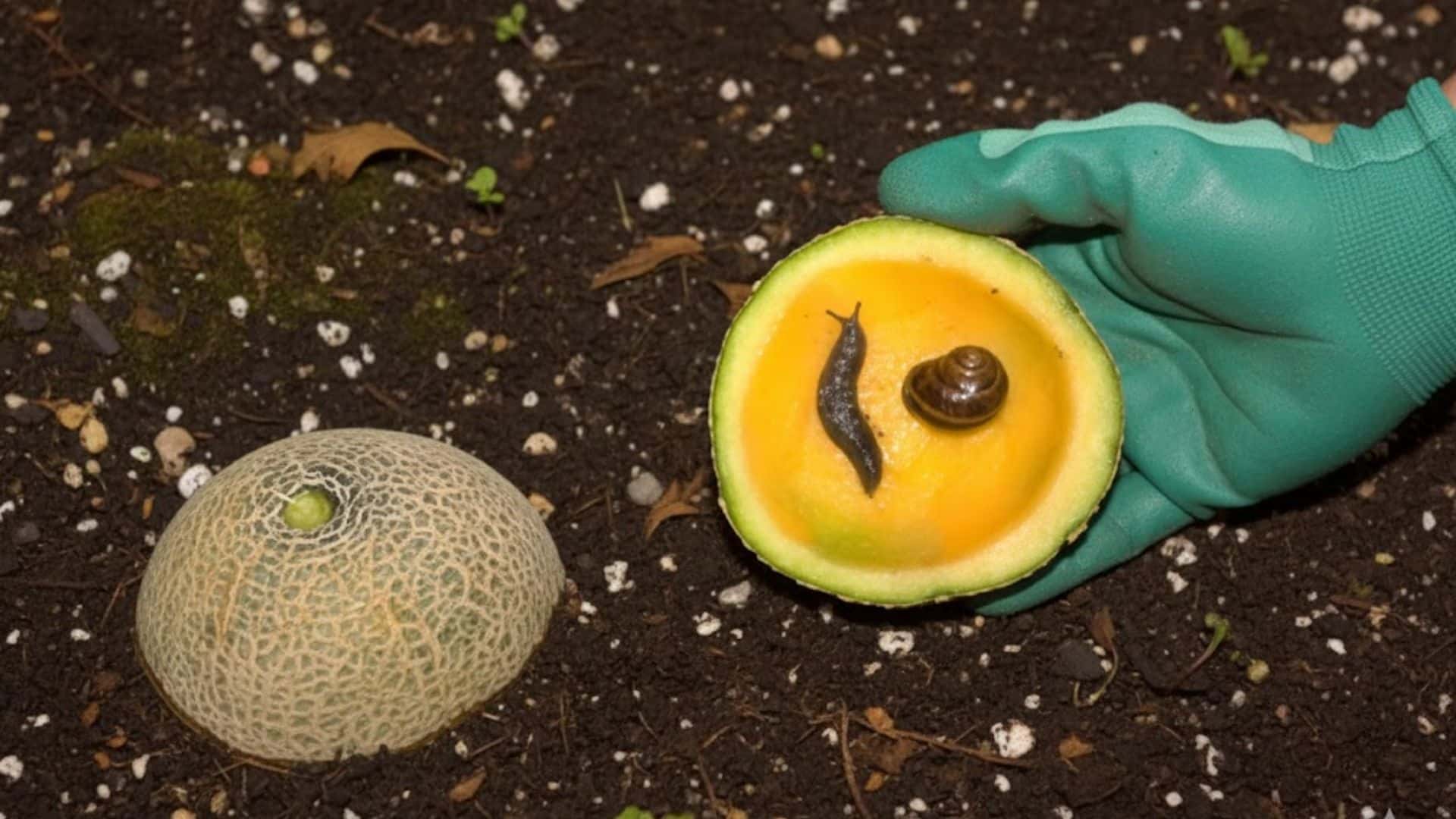
Hollow fruit rinds attract slugs with their sweet smell and moist interior spaces overnight. Slugs crawl inside to feed and hide, making them easy to collect quickly.
This free method uses kitchen scraps you’d normally throw away or compost anyway. You’ll trap multiple slugs at once without spending money on commercial products or traps. Set up fruit rind traps:
- Step 1: Eat melons, oranges, or grapefruits and save the hollow rind halves afterward.
- Step 2: Place rinds upside down in your garden near plants showing slug damage currently.
- Step 3: Leave traps out overnight so slugs can find and crawl inside them.
- Step 4: Check traps each morning and dispose of slugs collected inside the rinds.
8. Double-Sided Sticky Tape Barriers
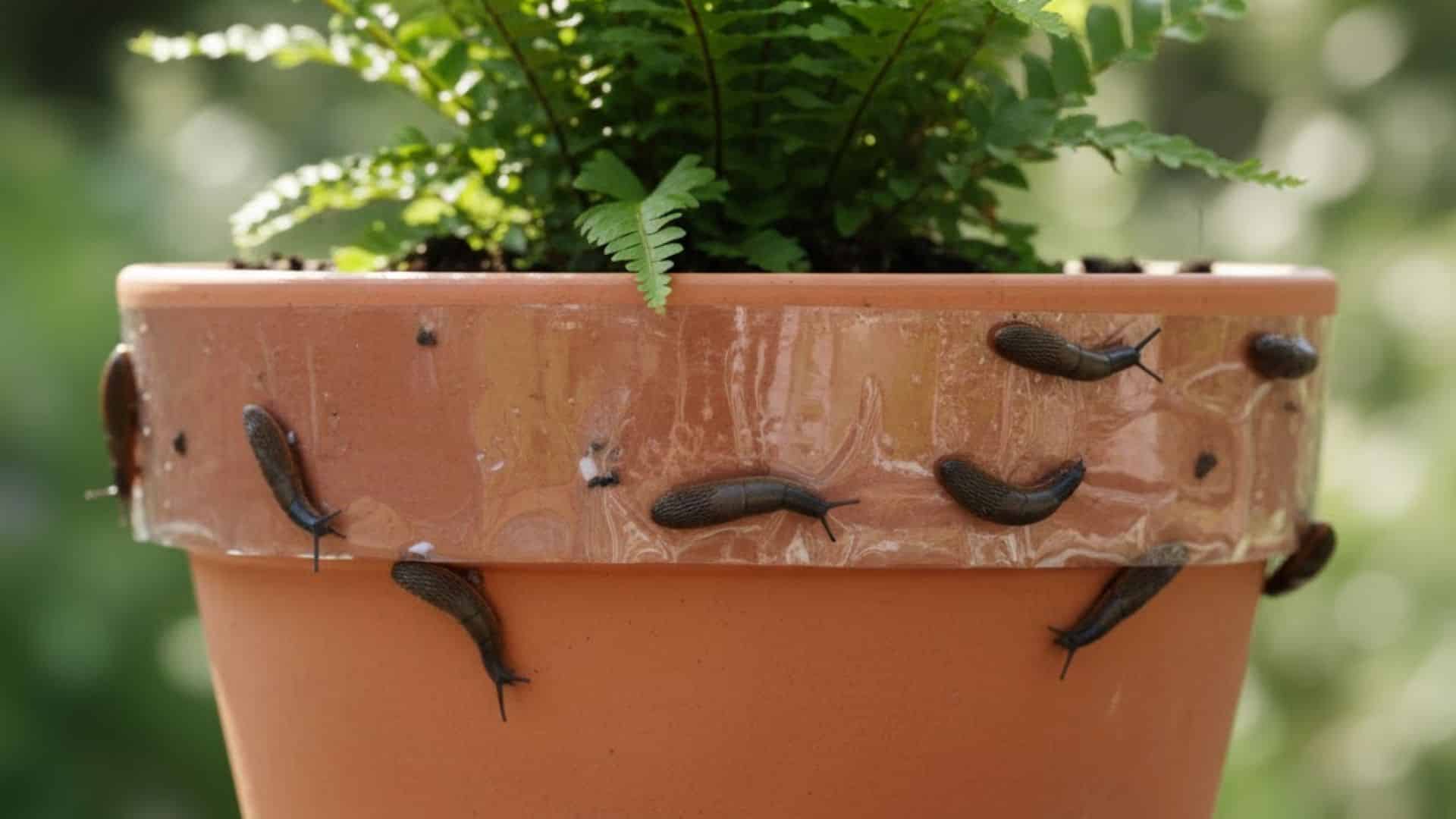
Sticky tape creates an adhesive barrier that traps slugs before they reach your plants. Slugs stick to the tape and can’t move forward or backward once caught.
This method works great for container plants or small garden areas that you need to protect. You’ll catch slugs red-handed and stop them from causing any damage at all. Apply tape barriers:
- Step 1: Buy double-sided carpet tape or garden barrier tape from hardware stores today.
- Step 2: Cut tape lengths to fit around pot rims or small bed perimeters completely.
- Step 3: Press tape firmly onto clean, dry surfaces, removing any backing paper first.
- Step 4: Check the tape weekly and replace it when it is completely covered with trapped slugs.
9. Planting Slug-Repellent Herbs
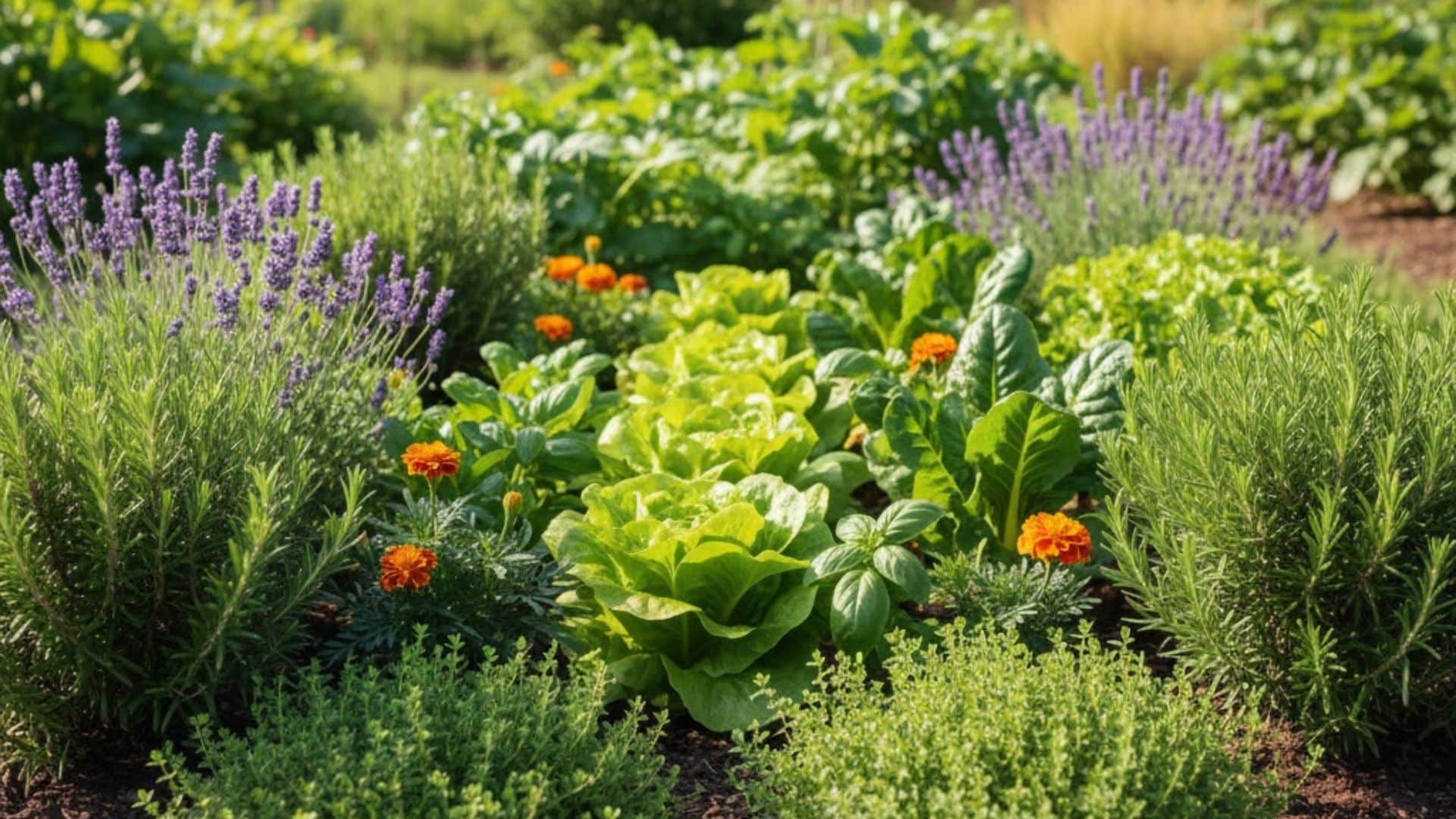
Strong-smelling herbs like rosemary, thyme, and sage naturally repel slugs from garden areas. The intense aromas confuse or disgust slugs, keeping them away from nearby plants.
Planting these herbs creates a living barrier that also gives you fresh seasonings. Your garden smells wonderful while staying protected from slug damage all season long. Plant these herbs strategically:
- Step 1: Choose slug-repelling herbs like rosemary, thyme, sage, or lavender from nurseries.
- Step 2: Plant herbs around the edges of beds or between vulnerable plants you want.
- Step 3: Space herbs close enough that their scents overlap and create a strong barrier.
- Step 4: Allow herbs to grow bushy and prune them regularly to release more oils.
10. Garlic Water Spray Application
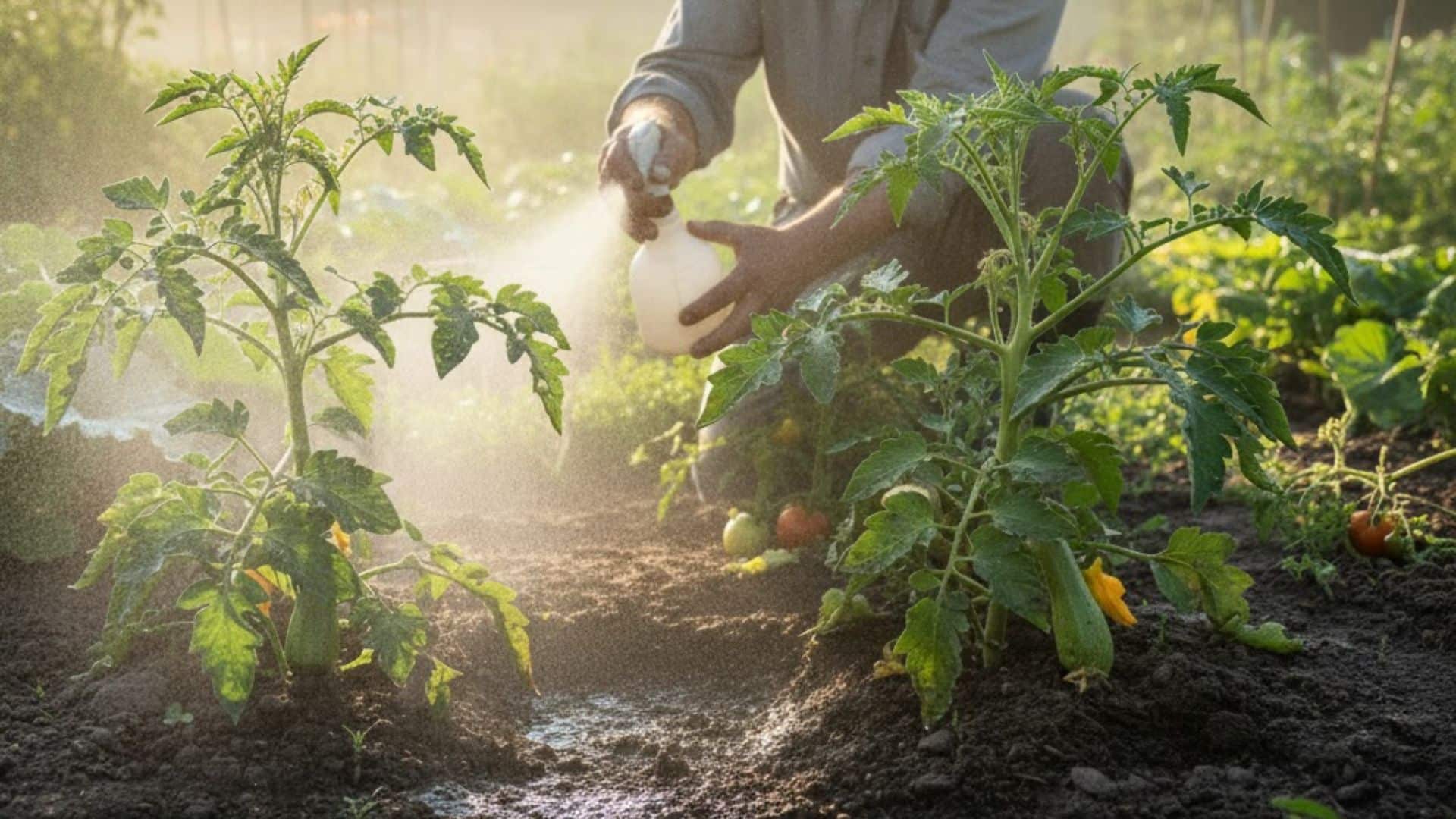
Garlic creates a strong smell and taste that slugs find absolutely disgusting and repulsive. Spraying garlic water on plants makes them less appealing without harming the plants.
This homemade spray costs almost nothing and uses ingredients from your kitchen right now. The scent fades quickly for humans but lingers longer for sensitive slug noses nearby. Make and use this spray:
- Step 1: Blend four or five garlic cloves with two cups of water thoroughly.
- Step 2: Strain the mixture through cheesecloth to remove all solid garlic pieces completely.
- Step 3: Pour the liquid into a clean spray bottle for easy garden application.
- Step 4: Spray plant leaves and soil every week or after rain washes it away.
11. Petroleum Jelly on Pot Rims
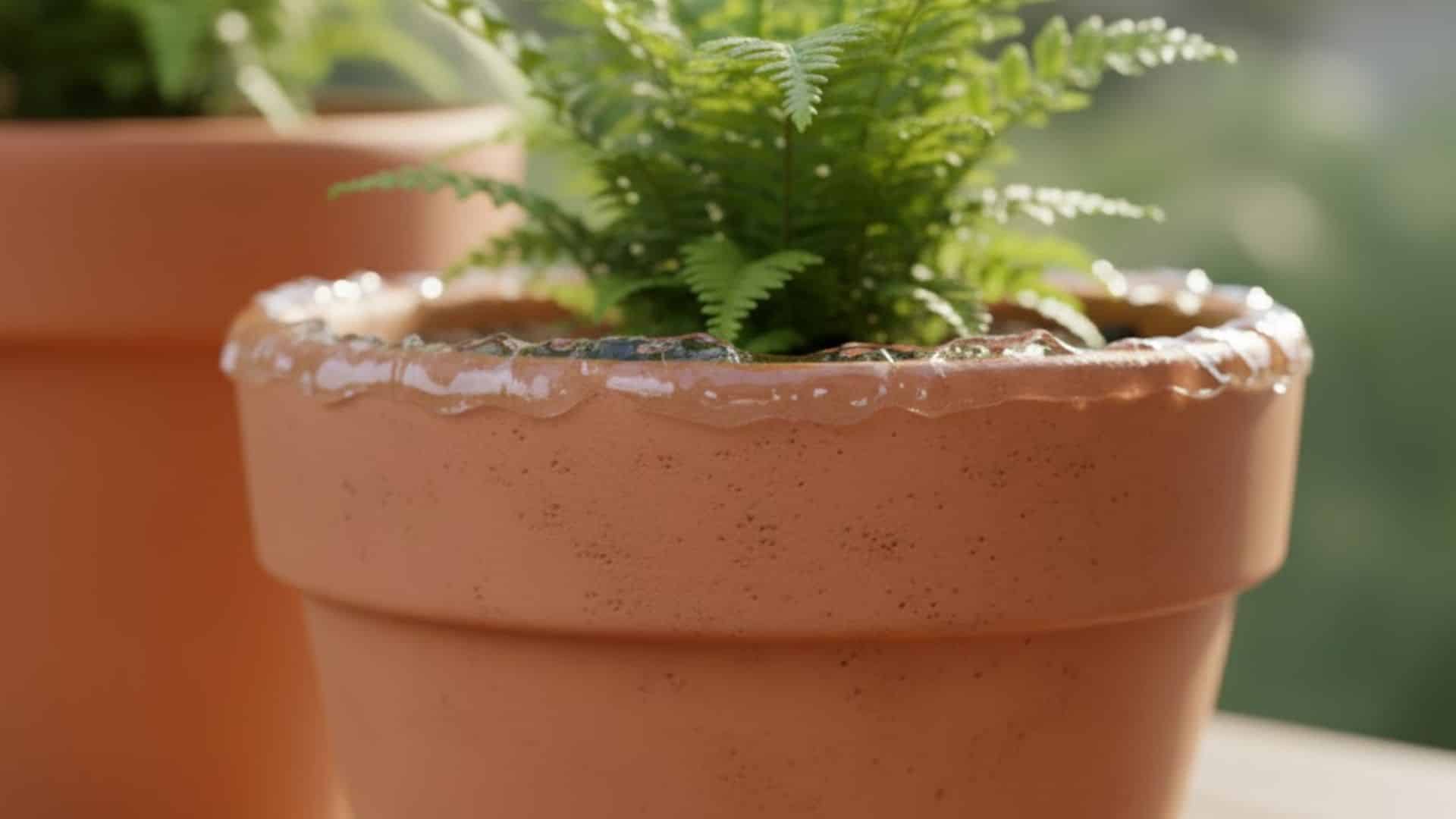
A slippery coating of petroleum jelly stops slugs from climbing into container plants easily. Slugs can’t grip the greasy surface and slide back down before reaching plants.
I use this method for my potted plants on patios or balconies and it works perfectly. The jelly lasts through several waterings before you need to reapply it again. Protect your pots this way:
- Step 1: Clean and dry the outside rim of each pot you want to protect.
- Step 2: Scoop petroleum jelly onto your fingers or use a small brush instead.
- Step 3: Spread a thick continuous layer around the entire pot rim without gaps.
- Step 4: Check pots weekly and reapply jelly if it wears off or gets dirty.
12. Growing Drought-Tolerant Plants
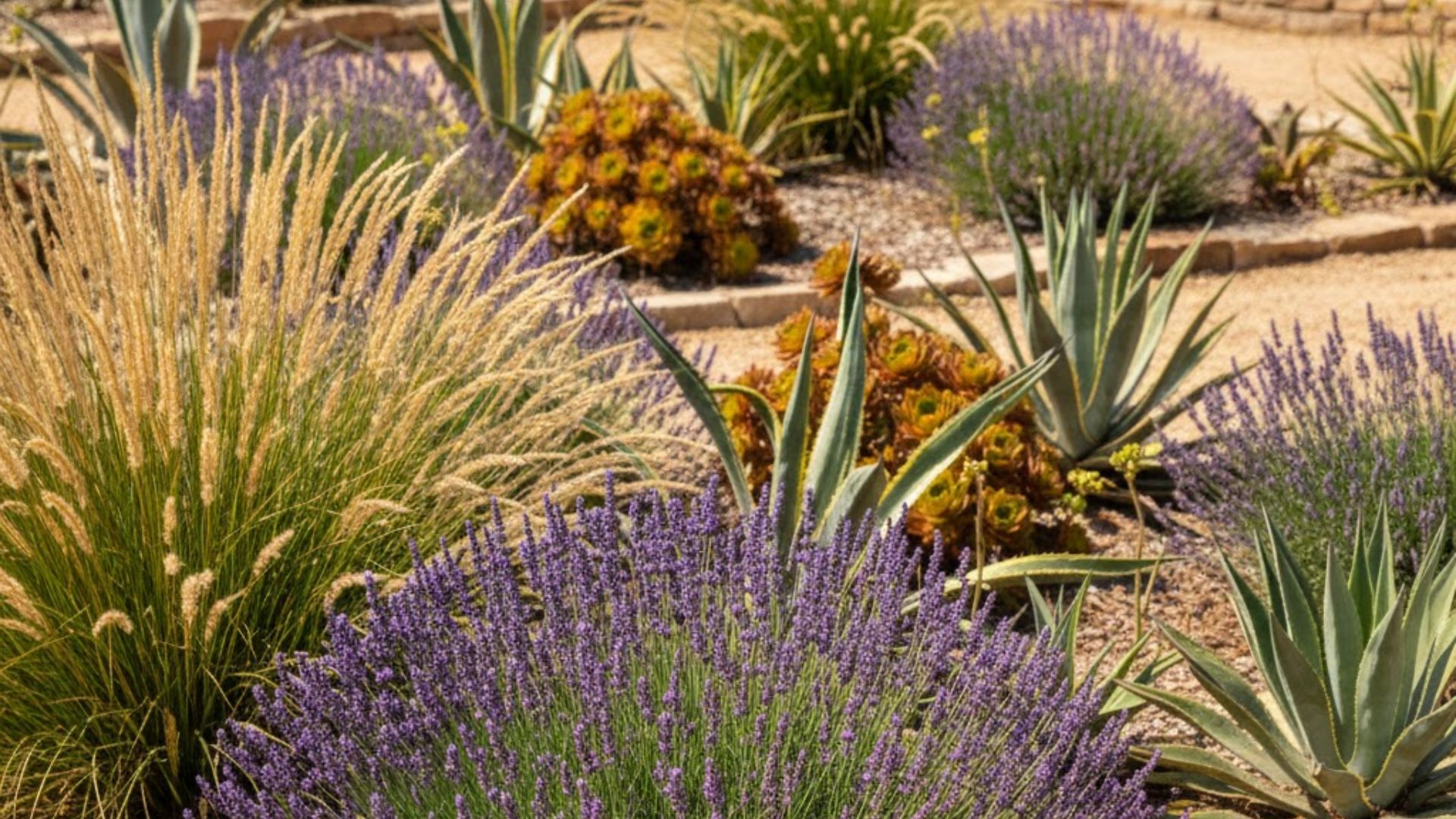
Plants that grow in dry conditions need less water, reducing the moisture that attracts slugs. Drought-tolerant species naturally resist slug damage better than tender moisture-loving plants do.
This approach changes your garden design to work with nature rather than fight it. My brother switched to drought-tolerant plants last year and now saves water while enjoying a naturally slug-resistant landscape. Choose plants wisely:
- Step 1: Research which drought-tolerant plants grow well in your specific climate zone and conditions.
- Step 2: Select varieties like lavender, sedum, yarrow, or ornamental grasses for your beds.
- Step 3: Remove slug-favorite plants gradually and replace them with tougher, drought-resistant varieties.
- Step 4: Water new plants deeply but infrequently to encourage strong, deep root systems.
13. Board and Grapefruit Trap Collection
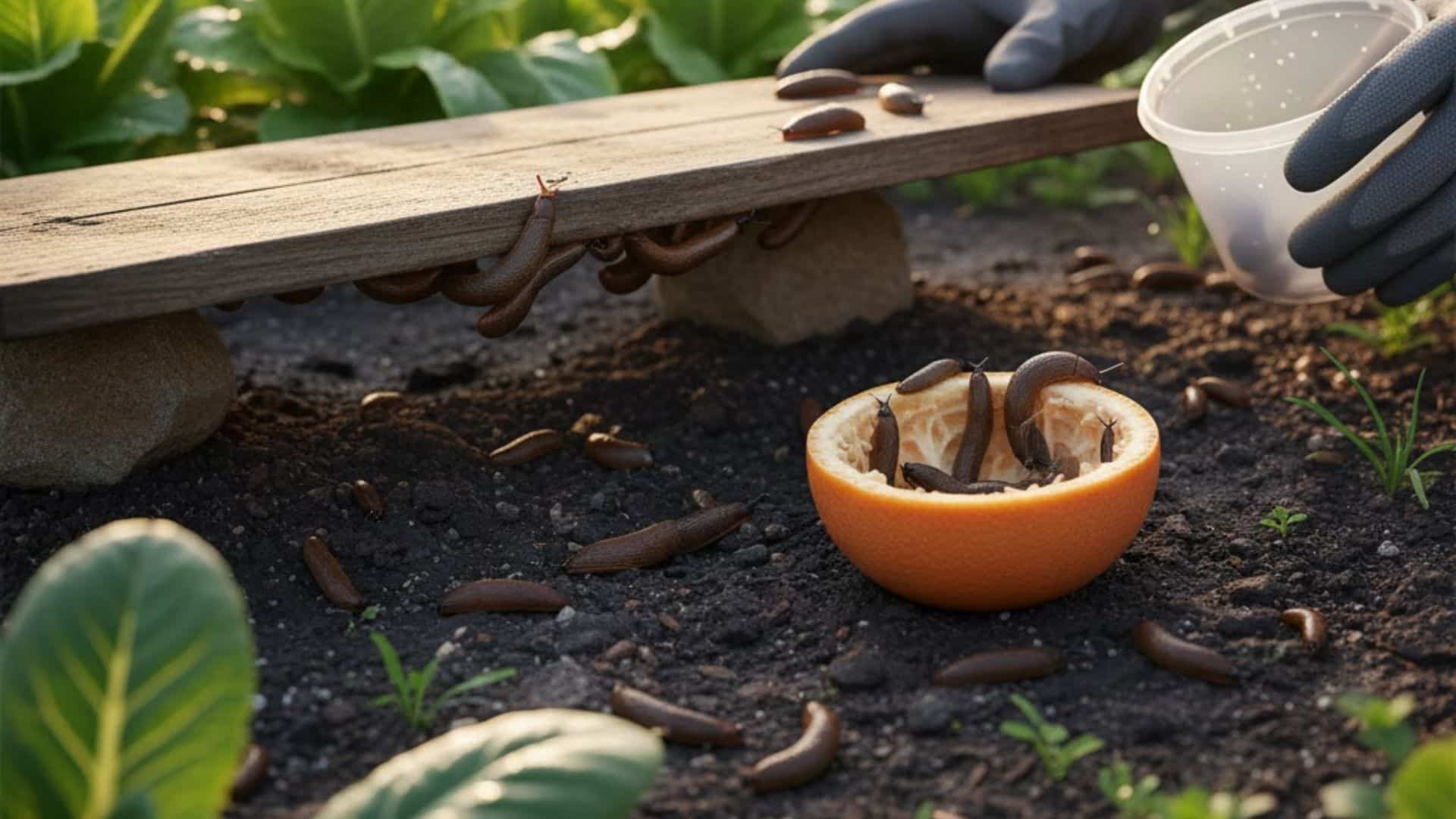
Wooden boards and citrus rinds create attractive daytime hiding spots you can check easily. Slugs gather underneath these traps during the day, making collection simple and fast.
This method lets you remove dozens of slugs at once from concentrated locations. You’ll know exactly where to look instead of searching your entire garden area. Set up collection traps:
- Step 1: Place flat wooden boards or cut grapefruit halves upside down in your garden.
- Step 2: Position traps near plants that show slug damage or in damp shady spots.
- Step 3: Wait overnight for slugs to gather underneath seeking shelter from morning sun.
- Step 4: Lift traps carefully and collect slugs into soapy water each morning regularly.
14. Sharp Mulch Barriers
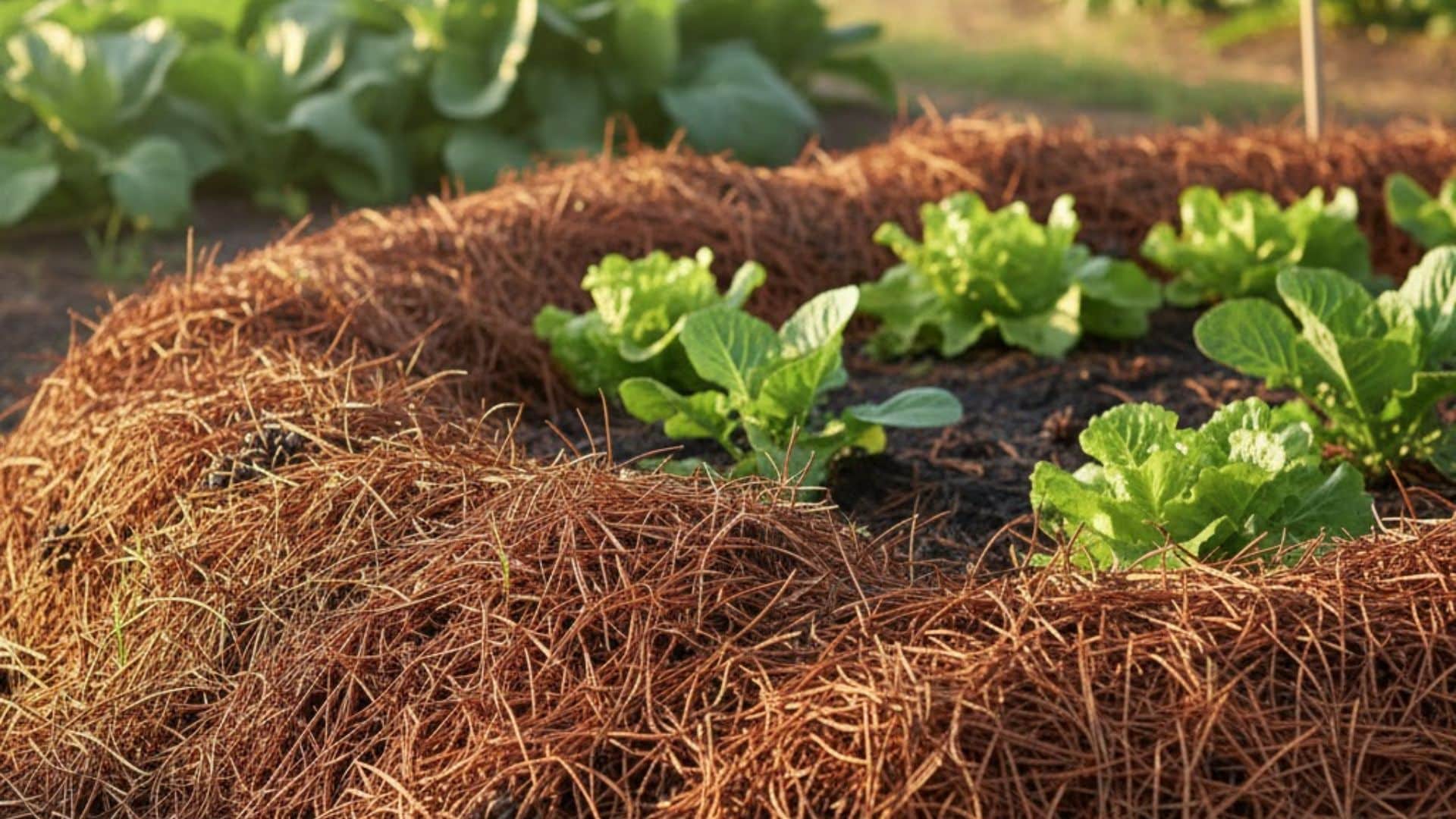
Mulches like pine needles, bark chips, and wood shavings have rough edges that slugs dislike. The sharp texture irritates their soft bodies, making them turn away from protected plants.
This barrier method also improves soil and looks neat around your garden beds. You’ll control slugs while making your garden healthier and more attractive at once. Create protective mulch rings:
- Step 1: Gather sharp materials like pine needles, wood chips, or shredded bark mulch.
- Step 2: Clear existing soft mulch or leaves from around the plants you want protected.
- Step 3: Spread the sharp mulch in a thick layer around plant bases completely.
- Step 4: Top up the mulch layer annually as materials break down and soften.
15. Iron Phosphate Slug Bait Application
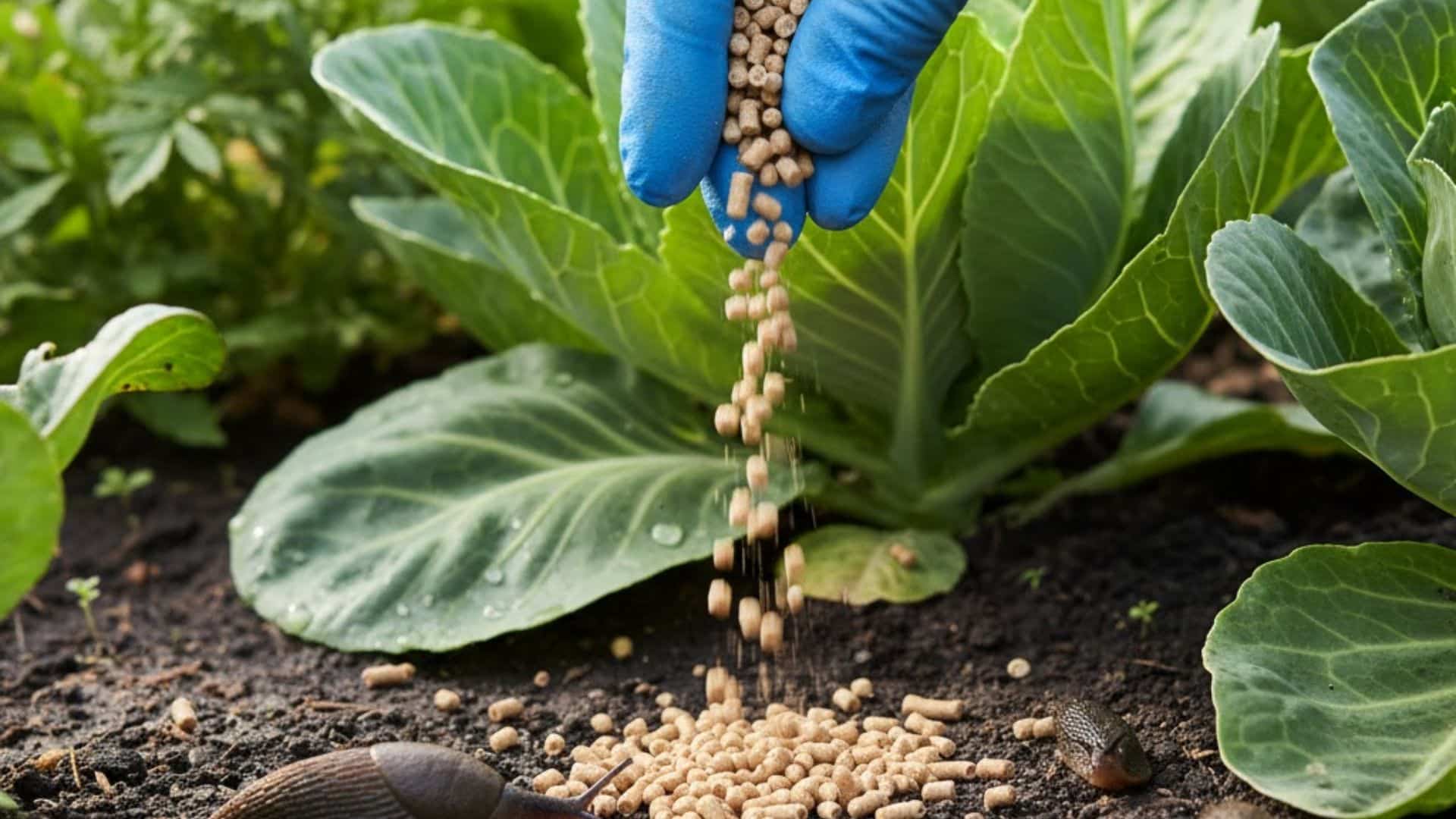
Iron phosphate baits are organic products that kill slugs without harming pets or wildlife. Slugs eat the bait, stop feeding immediately, and die within days from exposure. This product breaks down naturally into soil nutrients after it does its job.
You get effective slug control that’s safe around children, pets, and beneficial garden creatures. Use this bait safely:
- Step 1: Buy iron phosphate slug bait labeled safe for organic use from garden centers.
- Step 2: Read the package instructions carefully to understand proper application rates and timing.
- Step 3: Sprinkle bait pellets around affected plants, avoiding piles and spreading evenly instead.
- Step 4: Reapply every two weeks or after heavy rain washes pellets into the soil.
16. Raised Bed Installation
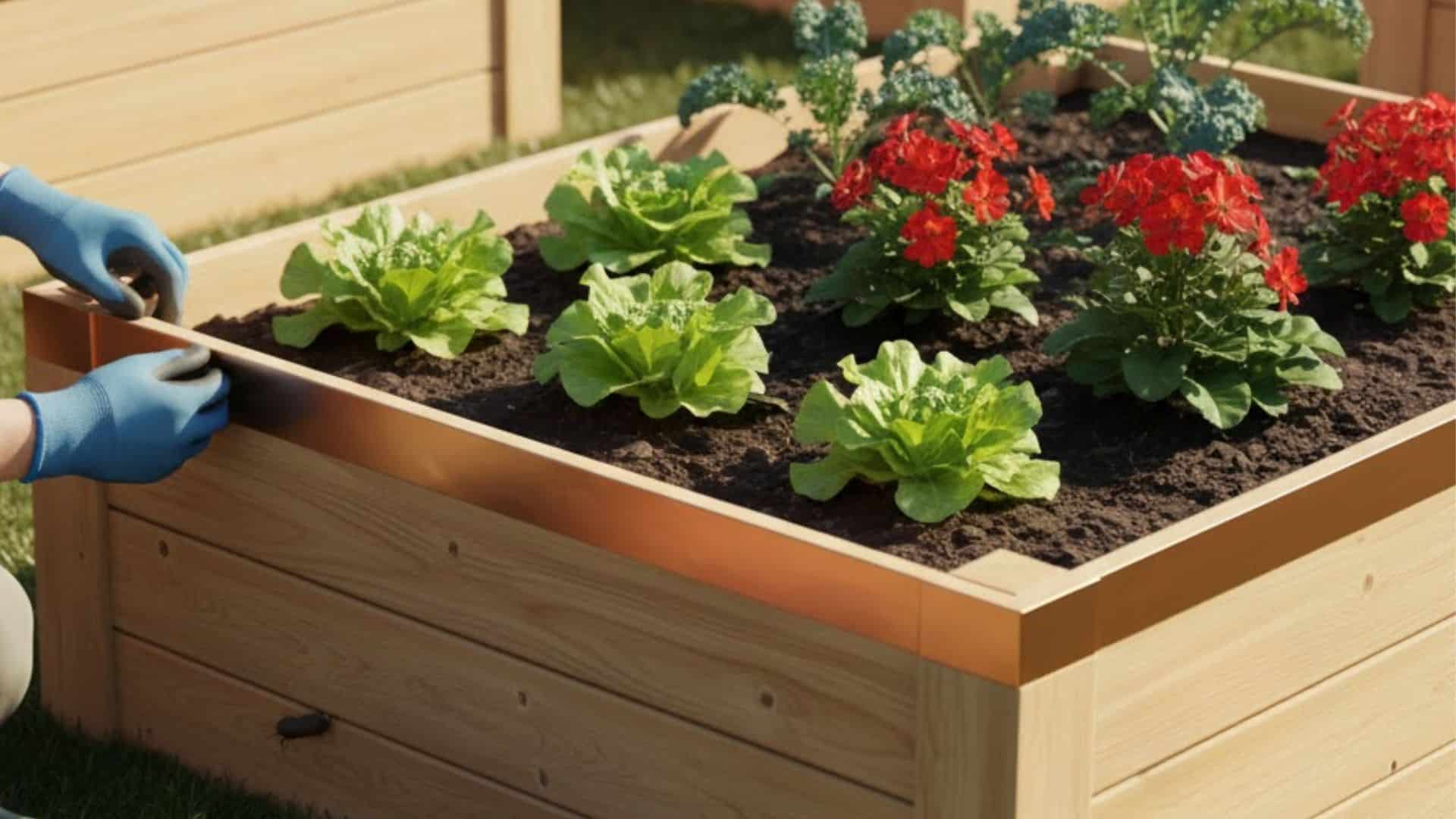
Raised beds lift plants above ground level, making it harder for slugs to reach. The height creates a physical barrier that slugs must climb to access your precious plants.
Beds also drain better, keeping soil less soggy and appealing to moisture-loving slugs overnight. You’ll find raised beds easier to protect with barriers like copper tape, too. Build raised beds properly:
- Step 1: Choose lumber, stone, or metal materials and decide on bed dimensions first.
- Step 2: Build frames at least twelve inches tall to create a significant barrier.
- Step 3: Fill beds with quality potting soil mixed with compost for good drainage.
- Step 4: Add copper tape or barriers around the top edges for extra protection.
17. Adding Natural Predators
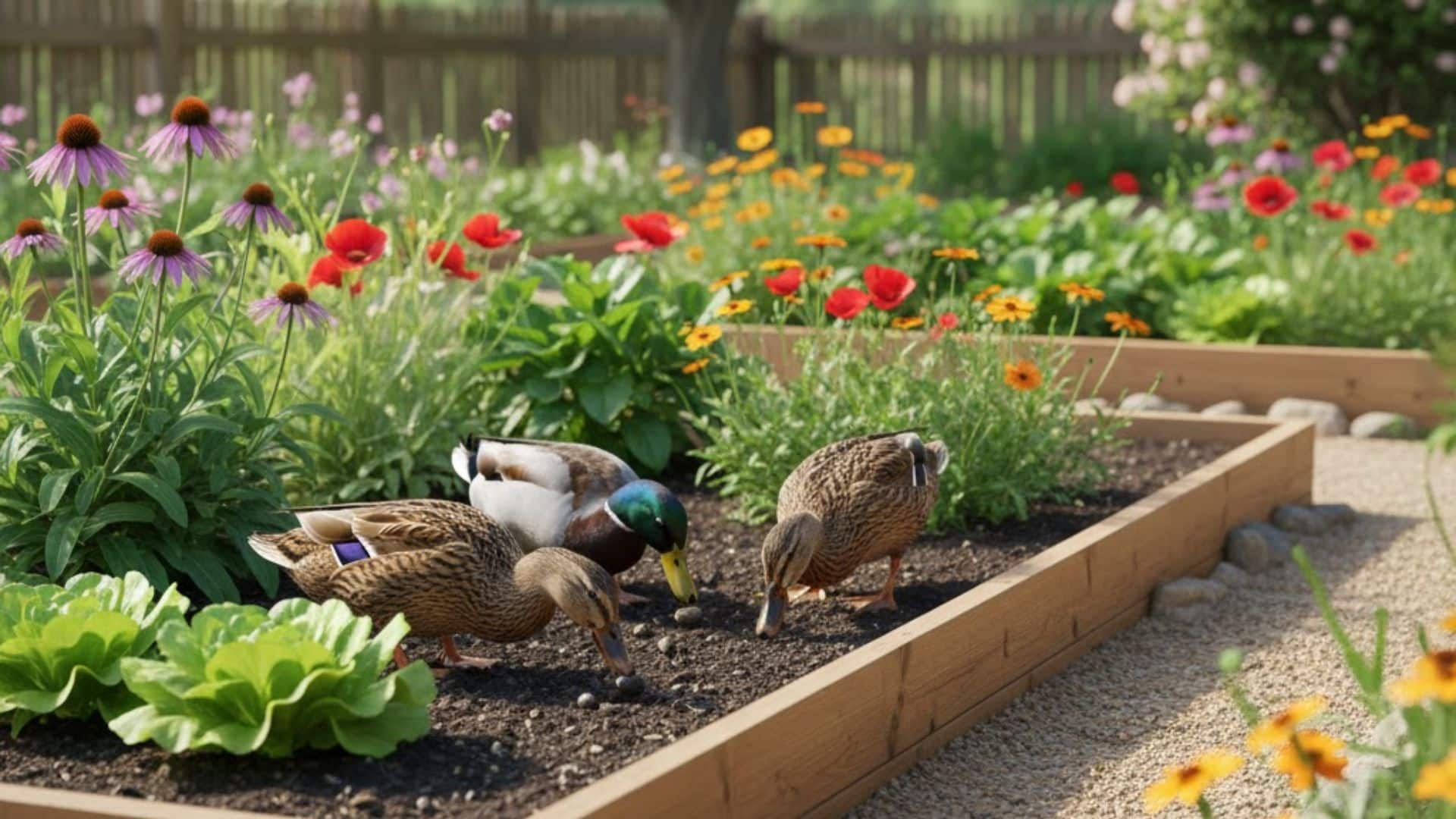
Ducks and chickens love eating slugs and will actively hunt them throughout your garden. These birds provide natural pest control while also giving you fresh eggs regularly.
A few ducks or chickens can clear a slug problem in weeks without chemicals. Your garden gets safer while you enjoy the benefits of keeping backyard poultry. Introduce helpful birds:
- Step 1: Check local ordinances to confirm you can legally keep poultry in your area.
- Step 2: Purchase a few ducks or chickens from local breeders or farm supply stores.
- Step 3: Build or buy a secure coop to house birds safely at night.
- Step 4: Let birds forage in garden areas during morning hours when slugs are active.
Slug Control Mistakes You Need to Avoid
Many gardeners make the same slug-control mistakes that actually make problems worse, not better. Knowing how to kill slugs properly matters just as much as knowing what not to do.
Here are the biggest mistakes you need to avoid when dealing with slugs:
| Mistake | Why This Hurts Your Garden | Better Approach |
|---|---|---|
| Using ineffective or harmful chemical products | Strong chemicals kill beneficial insects and can poison pets, birds, and other wildlife nearby. | Stick with safe organic methods, like iron phosphate, or use natural barriers instead. |
| Neglecting to regularly check for slugs | Slug numbers explode fast when you ignore them for even a few weeks. | Inspect your garden every few nights and remove any slugs you find immediately. |
| Not taking preventative steps in the right season | Starting too late means slugs have already laid eggs and established large populations everywhere. | Begin prevention in early spring before warm, wet weather brings slug activity peaks. |
| Relying on just one control method | Using only one technique gives slugs a chance to adapt and continue damaging plants. | Combine multiple methods like barriers, traps, and habitat changes for better control results. |
I learned these lessons through trial and error in my own garden space. Avoiding these mistakes will help you control slugs more effectively and better protect your plants.
Final Thoughts
Now that you know how to get rid of slugs in the garden with safe methods, it’s time to put them to use.
I’ve shown you traps, barriers, and habitat tweaks that tackle slug problems without relying on harsh chemicals.
You’ve also learned which mistakes could hurt your control efforts and how to avoid them. The key is combining different methods; don’t rely on just one.
Start with simple techniques like handpicking or beer traps, then move on to more advanced ones. Keep checking your garden regularly and remove slugs before they multiply.
Your plants will flourish, free from slug damage. Which method are you trying first? Drop your thoughts in the comments below.