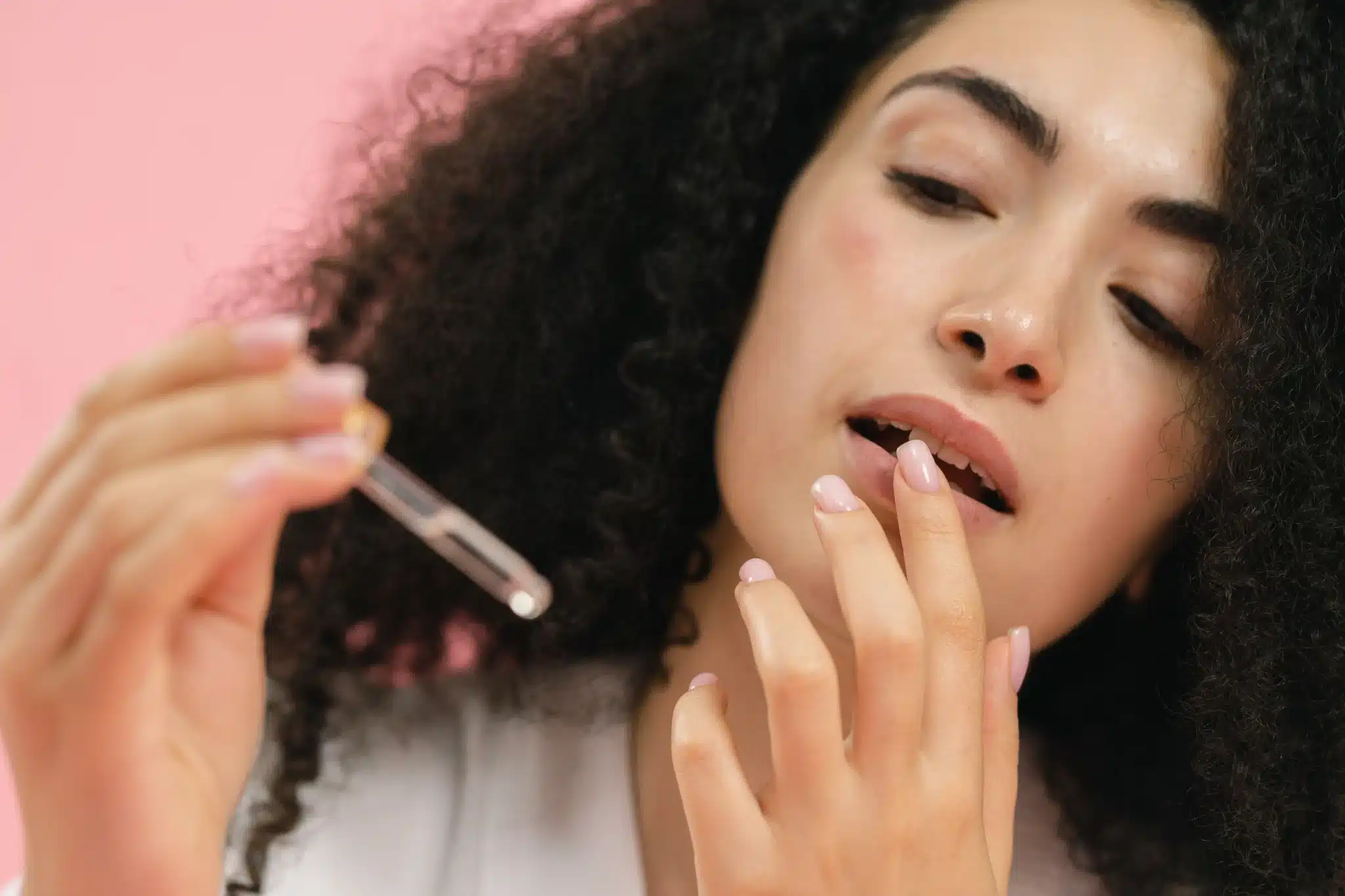
Cold weather is hard on lips. One week they feel fine, and the next they’re tight, flaky, and stinging every time you smile. The good news is that chapped lips are easy to fix once you understand what’s going on and give them the right care in the right order.
Why Lips Get Dry and Chapped in Cold Weather
Your lips are more fragile than the rest of your skin. They have no oil glands, and their protective outer layer is much thinner. So they lose moisture fast and can’t replace it on their own.
Winter makes this worse in three ways:
- Cold, dry air pulls water from the skin.
- Wind strips away what little protection your lips have.
- Indoor heating lowers humidity even further, so there’s no break from the dryness.
The result is a cycle. Lips dry out, then crack, and the cracks let even more moisture escape. That’s why the usual quick fix often falls short.
Why Lip Balm Alone Isn’t Always Enough
Most people reach for balm and reapply it all day. It helps, but often not enough. When dead, flaky skin builds up on your lips, balm sits on top of it instead of reaching the skin underneath. You get a few minutes of relief, and then the tightness comes back.
Balm still has its place, but it works best as the final step, not the only one. A simple routine is far more effective: gently remove the flakes, hydrate deeply overnight, and protect during the day. If you want an easy place to start, choose the best lip scrub and mask set for your routine – two products designed to work together, so you’re not guessing which formulas pair well.
Here’s how to put that routine into practice.

Step 1: Exfoliate Gently
Exfoliating clears away dry patches so moisture can actually absorb. The key word is gently.
Use a lip scrub one to three times a week, depending on how dry your lips feel. Massage a small amount in soft circles for 20–30 seconds, then wipe it off with a damp cloth. Sugar-based scrubs are a good choice because they buff away flakes without scratching, and many dissolve as you work them in.
There’s one important exception. If your lips are cracked or bleeding, skip exfoliation completely. Scrubbing open skin causes stinging and slows healing. Focus on the mask and protection steps first, and go back to the scrub once the cracks have closed.
Once the flakes are gone, your lips are ready to absorb what comes next.
Step 2: Hydrate With an Overnight Lip Mask
Night is when your lips have the best chance to recover. You’re not talking, eating, or licking them, so a rich formula can stay in place for hours.
After exfoliating (or on its own, if your lips are too cracked to scrub), apply a generous layer of lip mask before bed. Look for nourishing ingredients like these:
- Shea butter or cocoa butter to soften and cushion
- Plant oils like coconut, sunflower, or jojoba to replenish lost moisture
- Beeswax to seal everything in
By morning, your lips should feel noticeably smoother and more comfortable. Use the mask every night during a cold snap. Once things improve, a few nights a week is usually enough.
A mask and a balm aren’t interchangeable, though. The mask does the deep repair while you sleep. The balm’s job is to protect that progress once you head out the door.
Step 3: Protect During the Day
Daytime care is about keeping in the moisture you built up overnight and shielding your lips from the elements.
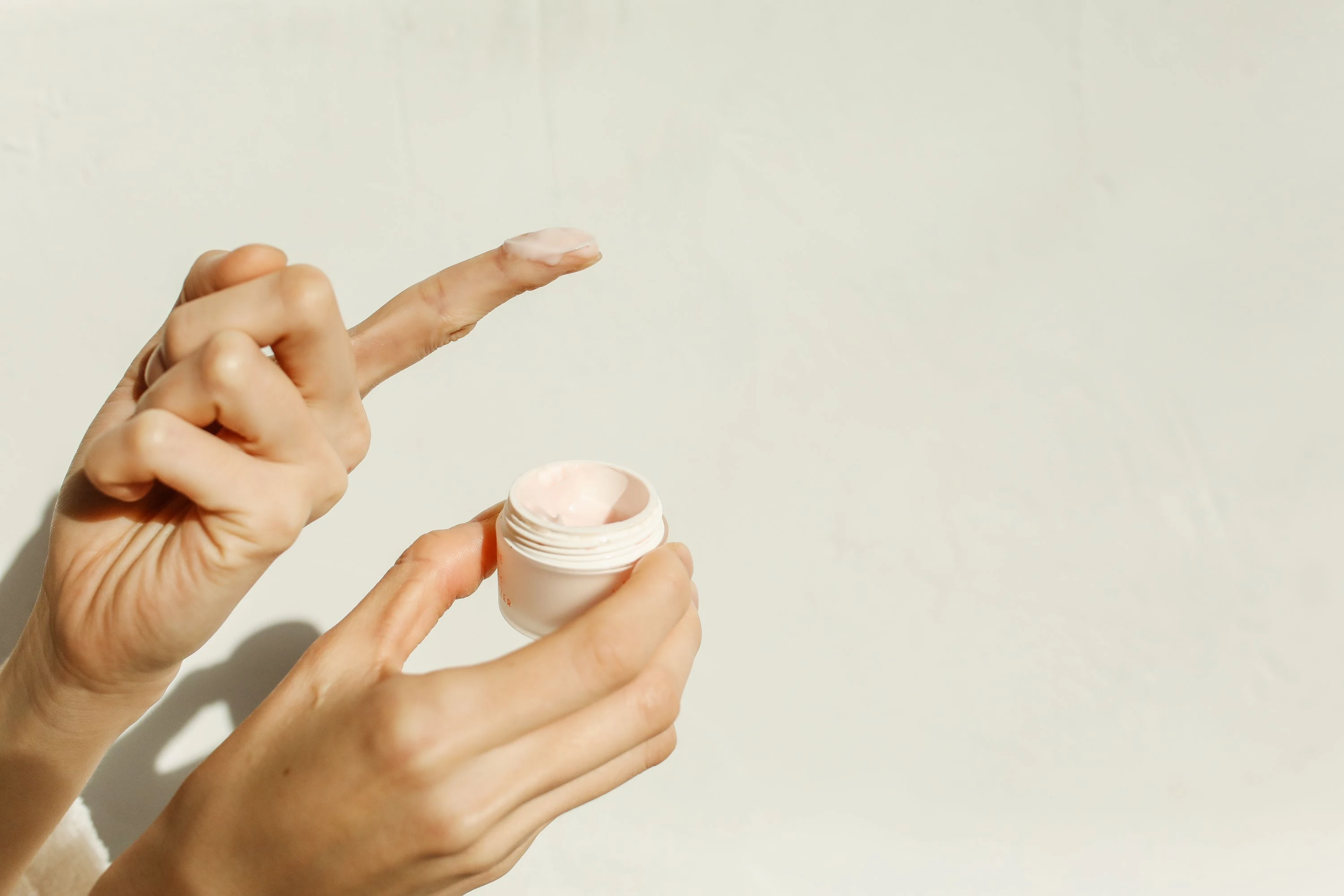
- Wear a balm with a protective base, and reapply after eating or drinking.
- Use SPF. UV rays don’t take winter off, and snow reflects sunlight back onto your face. An SPF 30 lip balm is a smart pick for walks, commutes, and ski days.
- Cover up. A scarf over your mouth in wind and freezing temperatures makes a real difference.
- Add moisture to the air. A humidifier in your bedroom helps counter dry indoor heat.
- Drink water. It won’t fix chapped lips by itself, but dehydration makes everything worse.
These three steps cover what your lips need. But even a good routine can be undone by a few everyday habits.
Common Mistakes That Keep Lips Chapped
- Licking your lips. It feels soothing for a second, but saliva evaporates quickly and leaves lips drier than before.
- Peeling or biting flakes. This tears healthy skin, slows healing, and can cause bleeding.
- Over-scrubbing. Daily exfoliation irritates fragile skin. More isn’t better here.
- Using tingling formulas on cracked lips. Menthol, camphor, and similar cooling ingredients can sting and irritate lips that are already damaged.
- Skipping nighttime care. Daytime balm protects, but overnight care is where most of the repair happens.
How Long Healing Takes and When to See a Doctor
Avoid these mistakes and stay consistent, and you should see results quickly. Mildly chapped lips usually improve within a few days. Deeper cracks can take a week or two to heal completely.
If your lips are still painful, swollen, or cracked after two to three weeks of steady care, or if the corners of your mouth keep splitting, it’s time to see a dermatologist. Persistent symptoms can point to an allergy, an infection, or another issue that dry weather alone doesn’t explain.
Winter doesn’t have to mean sore, flaky lips. Scrub gently a few times a week, mask overnight, protect with SPF during the day, and stop licking and peeling. Stick with it through the cold months, and your lips will stay soft until spring.