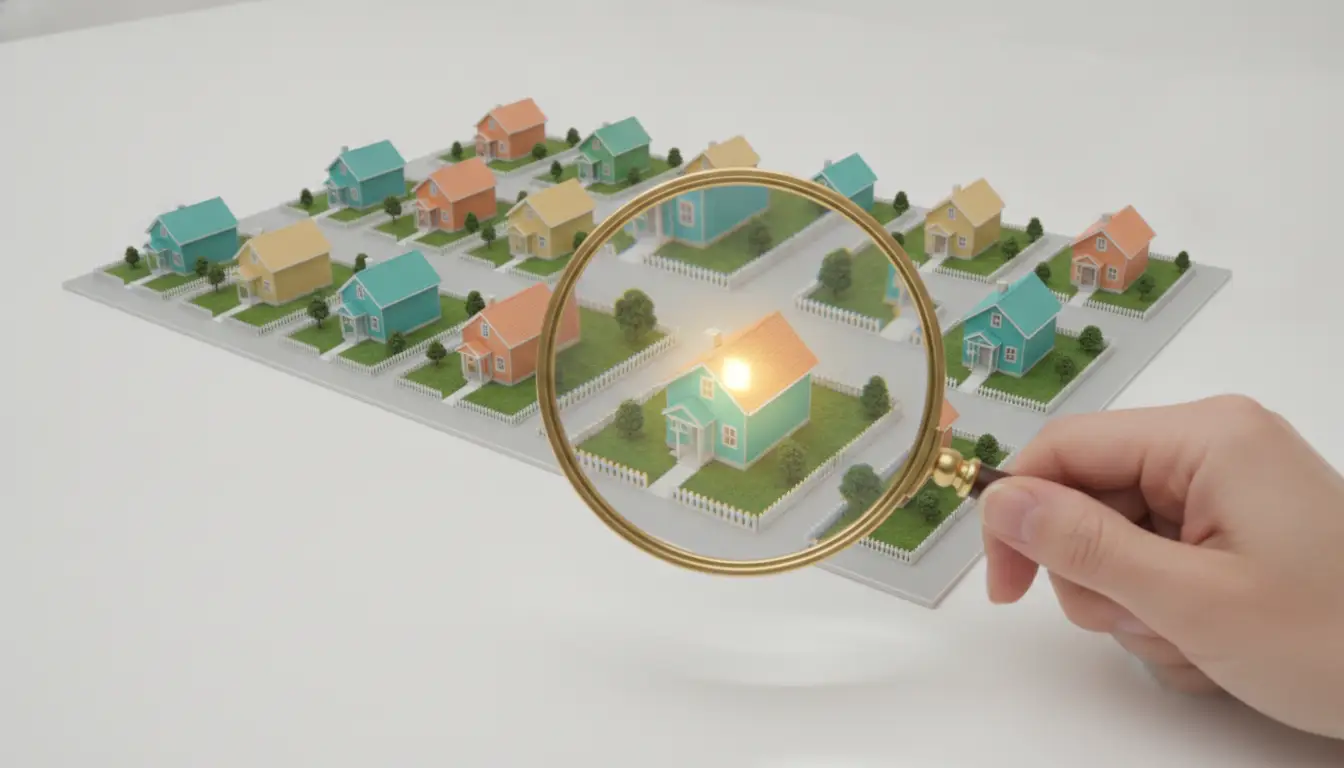
Curiosity about a property or the people connected to it is pretty normal, whether you’re moving into a new place or double-checking something that feels off. That’s exactly why so many people go looking for the best reverse address lookup sites.
All you have to do is plug in an address to get useful details about the people or property associated with it. What used to require a lot of digging can now be done in just a few minutes.
In this guide, we’ll go over how reverse address searches work, what kind of results you can expect, and a few tips to help you get the most accurate information possible.
The Best Reverse Address Lookup Sites Give You More Than Just a Name
A basic address search usually returns the name of one person. It could be the legal owner, a former resident, a tenant, or someone who once used the address for mail. This information may be helpful, but it can be misleading without other supporting details.
When possible, choose a reverse address search tool that shows current and previous owners as well as possible residents. You may also be able to see property history to understand how the address has changed over time. This can include past sale dates, recorded sale prices, tax values, mortgage information, and changes to the property description.
These details make it easy to confirm whether you’ve found the correct house.
For example, you may already know that a person lived at the address around ten years ago. The ownership timeline can show whether the dates match. If the property was sold before that person supposedly lived there, you may need to search more carefully.
Accurate Results Start With Accurate Details
Even a small mistake can lead to records for a completely different location.
To avoid this, make sure you enter the full house number, street name, city, state, and ZIP code. Include the apartment, suite, or unit number if available. Directional details such as East, West, North, or South can also help.
A good search system may recognize common address formats and correct simple issues. For example, it may understand that “Street” and “St.” refer to the same thing.
Nevertheless, you should double-check the address before searching. If the starting information is wrong, even the most reliable lookup tool may return the wrong people or property details.
Reliable Results Come From Multiple Records
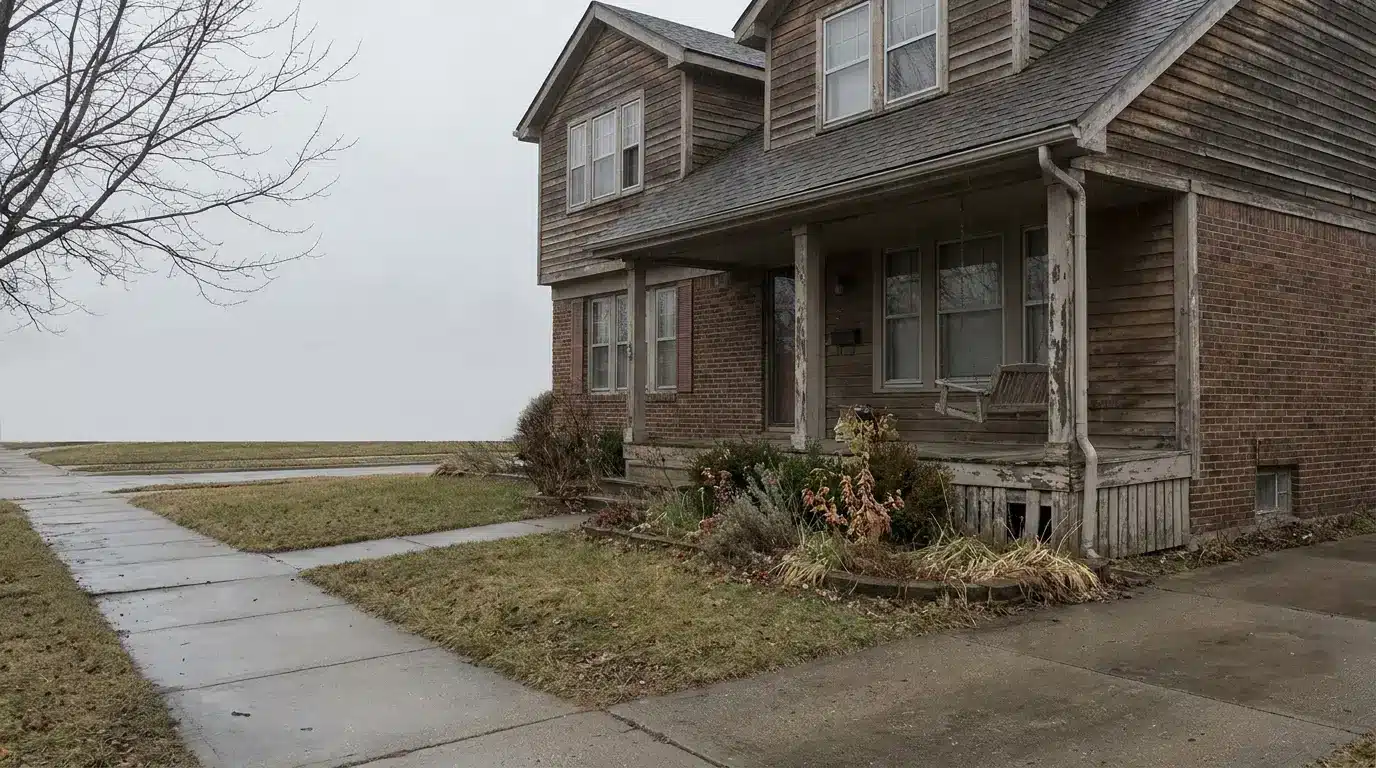
No single public record contains every detail about an address. The most useful searches gather information from several types of sources.
Property deeds can help identify the legal owner. Tax records may show ownership and assessed value. Address histories may connect people to the location. Other public databases can provide possible relatives or past contact details.
When several sources point to the same person, the match becomes more convincing. If the information conflicts, that’s a sign that further checking is needed.
Pay Attention to How Recently the Records Were Updated
Reverse address records are not always updated in real time. One source may show a recent owner, while another may still list someone who moved away years ago. This happens because different public records and databases follow different update schedules.
Look for dates whenever they are available. A recent date usually makes the information more useful, but it still doesn’t guarantee that the person currently lives there. Someone may own the property but rent it out, or a former resident may still appear because older records haven’t been removed.
Compare the update date with other details, such as sale history, tax records, previous addresses, and the names of possible residents. If several recent details match, the result is more likely to be accurate.
When a Reverse Address Search May Not Be Enough
If you need to confirm the legal owner of a property, the official county assessor or land records may be more reliable. These records show the name connected to the deed and may include tax or sale information.
For rental properties, a property manager or landlord may have more current information about who occupies the unit. Postal records may also help in some situations, although access to them is often restricted for privacy reasons.
Sometimes, the simplest option is direct contact. You may be able to send a letter, call a listed number, or visit the address when it’s safe and appropriate. A reverse lookup is best used as a starting point.
Keep These in Mind When Finding the Best Reverse Address Lookup Sites
Reverse address searches are great for verifying information, staying safe, and doing your due diligence, but they’re not meant for stalking, harassment, or anything that crosses the line into invading someone’s privacy.
Most services expect users to follow basic guidelines around fair use, and you should keep that at the back of your mind every time you run a search. Also, some addresses, especially newer builds or private residences, might come back with limited information because the records may not have caught up yet.