There’s a big difference between an outdoor space that looks good in photos and one that genuinely draws you outside. The first is designed for appearances. The second is designed for living. If your patio, backyard, or rooftop feels more like an afterthought than an extension of your home, you’re not alone, but the good news is that creating an outdoor space worth spending time in doesn’t require a complete overhaul. It requires intention.
If you’re starting from scratch or refreshing what you already have, these principles will help you build something that feels as comfortable and considered as any room indoors.
Start with How You Actually Want to Use the Space
Before you buy a single piece of furniture or plant a single shrub, spend a few minutes thinking honestly about how you want to use your outdoor space. Do you want a quiet place to have morning coffee? A spot for weekend dinners with friends? A place where kids or pets can roam freely?
The answers shape everything from layout to furniture scale to lighting. A space designed for quiet solitude looks very different from one built for entertaining. Skipping this step is why so many outdoor areas end up feeling generic: they’re designed for everyone and no one at the same time.
Once you’ve identified your primary use case, design around it. Everything else is secondary.
Define Zones to Create a Sense of Structure
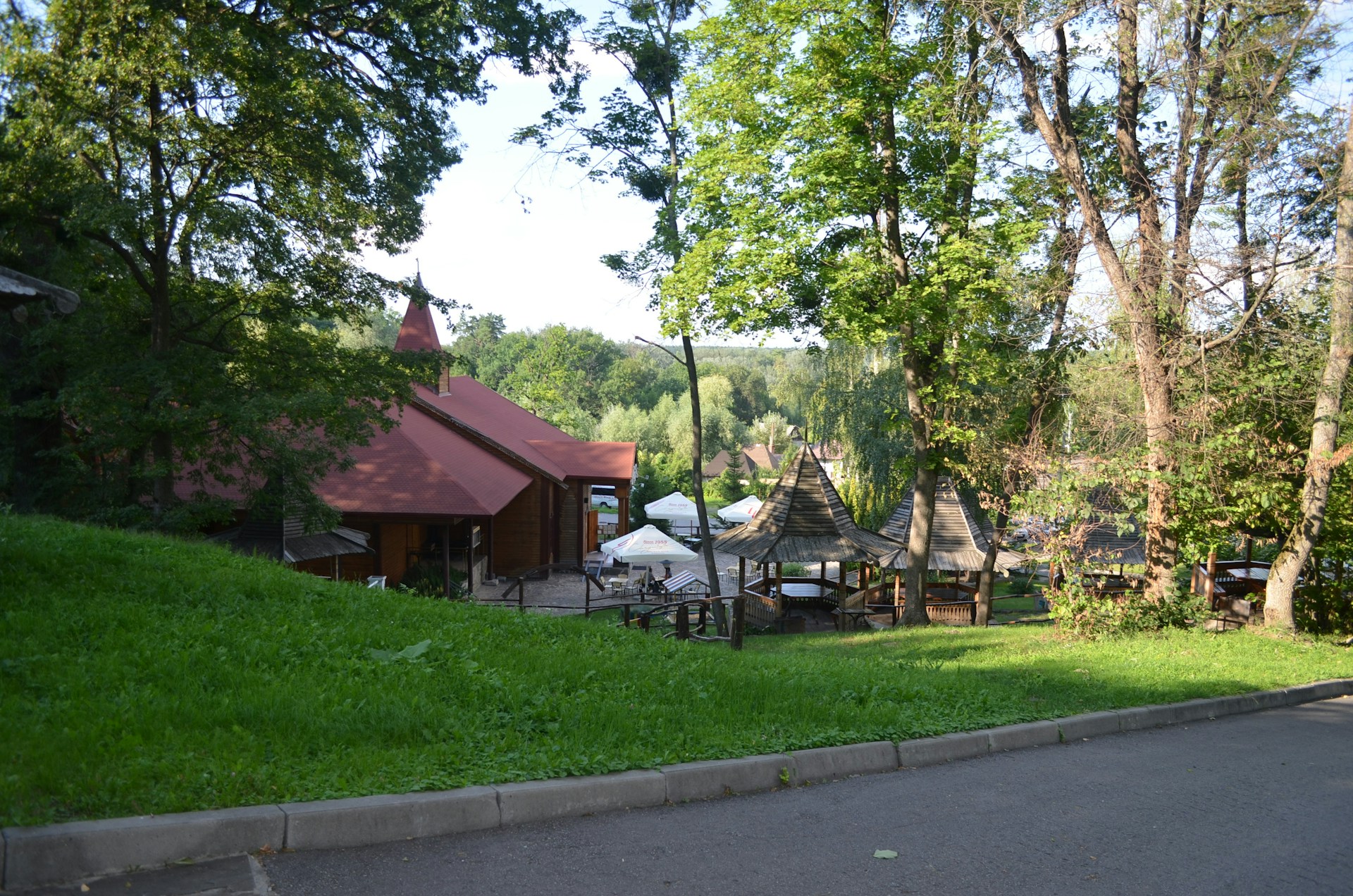
One of the most common mistakes in outdoor design is treating the space as one undivided area. Even a modest patio benefits from some sense of zoning, such as a seating area, a dining spot, maybe a small reading nook tucked near a garden bed.
Zoning creates a feeling of intentionality. It signals that the space has been thought about, not just furnished. You don’t need physical walls to do this. Outdoor rugs, planters, pergolas, and changes in ground material all work as soft boundaries that define areas without closing them off.
Think of it the way you’d think about an open-plan interior: you’d use furniture arrangement and lighting to distinguish the living area from the dining area. The same logic applies outside.
Invest in Materials That Hold Up and Look Better Over Time
Outdoor furniture and fixtures take a beating; sun, rain, temperature changes, and general wear all add up. This is one area where it genuinely pays to prioritize quality over price. Cheap materials fade, warp, and rust. Quality materials such as natural teak, powder-coated steel, stone, and copper often improve with age.
This is especially true for statement fixtures like range hoods, outdoor kitchen elements, and decorative metalwork. Brands like worldcoppersmith.com specialize in handcrafted copper pieces that develop a natural patina over time, meaning the piece you install today will have more character five years from now. CopperSmith’s work is a good example of how the right material choice can make a fixture feel like a design feature. When evaluating materials, ask yourself: Will this look better or worse in three years? The answer tells you a lot.
Lighting Changes Everything
Outdoor lighting is one of the most underestimated design tools available. Done well, it extends the usable hours of your space and completely transforms the atmosphere after dark. When done poorly or not done at all, it leaves you with a space that’s essentially unusable once the sun goes down.
A layered approach works best. String lights or overhead lighting provide an ambient glow. Path lights and step lighting handle safety and structure. Accent lighting directed at plants, architectural features, or statement pieces adds depth and drama.
Solar options have improved significantly and are worth considering for low-maintenance areas, but hard-wired fixtures tend to offer more consistent output and a cleaner look for primary seating and dining zones.
Bring in Living Elements
Plants do more for an outdoor space than almost anything else. They add color, texture, scale, and life. They soften the hard edges that furniture and paving tend to create. Even a few well-placed pots can shift a space from sterile to welcoming.
If you’re not confident with plants, start with hardy, low-maintenance options suited to your climate. Large-leafed tropicals work well in warm, humid regions. Ornamental grasses, lavender, and boxwood hold up well in drier or more variable climates. Raised garden beds add both greenery and purpose if you’re interested in growing herbs or vegetables.
Even a single large planter with a statement tree or shrub can anchor a seating area and make it feel considered.
Don’t Forget Comfort Details
The difference between a space you visit occasionally and one you return to daily often comes down to the small comfort details: cushions that are actually comfortable, shade when you need it, somewhere to set a drink within arm’s reach.
A quality outdoor sofa or sectional with thick, weather-resistant cushions invites you to sit down and stay. A market umbrella or shade sail makes the space usable in warmer months. A side table at the right height keeps things practical. These are the details that determine whether you actually use the space you’ve invested in.
Creating an outdoor area worth spending time in is ultimately about treating it with the same care and consideration you’d give any room inside your home. Think about how you’ll use it, design for that use, choose materials that last, and layer in the details that make it genuinely comfortable. A well-designed outdoor space adds to your home’s value and your quality of life, one morning coffee or evening dinner at a time.