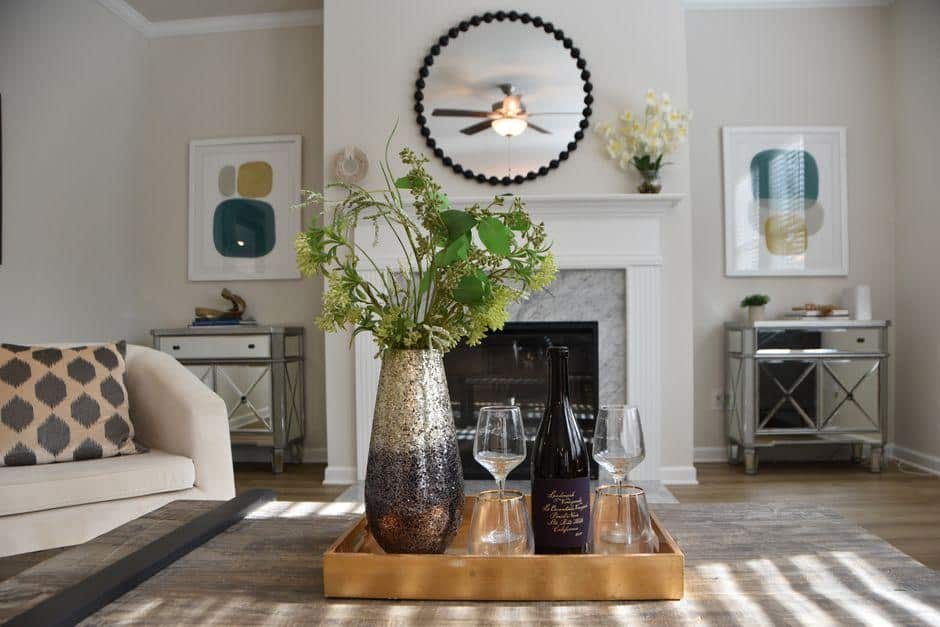
Creating a living room that feels warm, inviting, and stylish at the same time can seem like a balancing act. Many homeowners lean too far in one direction, either prioritising comfort and ending up with a cluttered, outdated look, or focusing purely on aesthetics and losing that sense of coziness that makes a house feel like home.
The good news is that you don’t have to choose between the two. With thoughtful design choices, you can create a space that looks polished while still being a place where you genuinely want to relax. From layering textures to rethinking how you approach heating and lighting, a few smart adjustments can completely transform your living room.
Start With a Warm Foundation of Colour and Texture
The foundation of any inviting living room begins with colour and texture. Neutral tones such as warm whites, soft beiges, and muted greys create a calm backdrop that feels easy to live with. However, warmth comes from layering, not just the colour palette, but the materials you choose.
Think about mixing textures throughout the room. A soft wool throw draped over a sofa, a chunky knit cushion, or a textured rug underfoot can instantly make the space feel more comfortable. Natural materials such as wood, linen, and cotton also help soften the look of a room and bring in a sense of warmth that glossy finishes often lack.
Avoid relying on a single material or colour. Instead, build depth gradually. Even small details, like woven baskets or fabric lampshades, contribute to a more relaxed and welcoming environment.
Make Heating Part of the Design, Not an Afterthought
Heating plays a bigger role in your living room than many people realise. It doesn’t just affect temperature; it influences how the space feels and functions. Traditional radiators often get overlooked or hidden, but modern interiors are shifting towards treating heating as part of the design itself.
Homeowners are increasingly choosing options that blend practicality with visual appeal. This is where brands like UK Radiators come into the conversation, offering solutions that balance comfort and style.
Instead of bulky, outdated units, many people are turning to sleek alternatives that complement their décor. Choosing pieces from a curated Designer Radiator Collection lets you seamlessly integrate heating into your living room’s overall look. These designs can act as subtle statement features, adding character without overwhelming the space.
When heating feels intentional rather than hidden, it contributes to the room’s overall harmony. It also frees up layout options, giving you more flexibility when arranging furniture.
Layer Your Lighting for a Cozy Atmosphere
Lighting has a powerful effect on how a living room feels. A single overhead light rarely creates the warmth people are looking for. Instead, layering different types of lighting allows you to adjust the mood throughout the day.
Start with ambient lighting, such as ceiling fixtures, to provide general illumination. Then add task lighting, like a floor lamp next to a reading chair or a table lamp on a sideboard. Finally, incorporate accent lighting to highlight specific features, such as artwork or shelving.
Warm-toned bulbs make a noticeable difference. They create a softer, more relaxed glow compared to cooler lighting, which can feel harsh and clinical. Dimmers are also worth considering, as they give you control over the intensity of light depending on the time of day or occasion.
By combining these elements, you can create a space that feels bright when needed but still maintains a cozy atmosphere in the evenings.
Choose Furniture That Balances Comfort and Style
Furniture selection is where many living rooms either succeed or fall short. It’s easy to prioritise appearance and end up with pieces that look good but aren’t comfortable, or to focus solely on comfort and sacrifice visual appeal.
The key is to find a balance. Look for sofas and chairs that offer proper support while still fitting your overall design. Clean lines and tailored shapes can still feel inviting when paired with soft furnishings like cushions and throws.
Scale also matters. Oversized furniture can make a room feel cramped, while pieces that are too small can leave the space feeling empty. Take the time to measure your room and plan your layout carefully.
Multi-functional furniture can also help maintain a clean, stylish look. Storage ottomans, for example, provide a place to keep blankets or magazines out of sight while still contributing to the room’s design.
Add Personal Touches Without Creating Clutter
A warm living room should reflect your personality, but too many decorative items can quickly overwhelm the space. The goal is to curate rather than fill.
Start by choosing a few meaningful pieces, such as artwork, photographs, or travel souvenirs. Display them in a way that feels intentional, whether that’s a gallery wall or a carefully styled shelf.
Plants are another effective way to bring life into a room. They add colour, improve the atmosphere, and soften the overall look of the space. Even a single well-placed plant can make a noticeable difference.
Keep surfaces relatively clear and avoid overcrowding. Leaving some negative space allows each item to stand out and helps the room feel more relaxed.
Create Zones for Relaxation and Connection
A well-designed living room supports both relaxation and social interaction. Creating subtle zones within the space can help achieve this without the need for walls or partitions.
For example, you might position a sofa and coffee table to form a central seating area, while a nearby armchair and floor lamp create a separate reading corner. Rugs can also help define these zones visually, adding structure without disrupting the flow of the room.
Think about how you use the space on a daily basis. If you enjoy hosting guests, ensure there’s enough seating arranged to encourage conversation. If you prefer quiet evenings, focus on creating a comfortable setup that supports that lifestyle. Designing with purpose ensures that your living room looks good and works for your needs.
Conclusion
A warm and inviting living room doesn’t require sacrificing style. By layering textures, choosing thoughtful lighting, and treating elements like heating as part of your design, you can create a space that feels both comfortable and refined.
The key lies in balance. Every choice, from furniture to finishing touches, should contribute to both the look and feel of the room. When you approach your living space with this mindset, you’ll end up with a room that looks beautiful and supports the way you live every day.