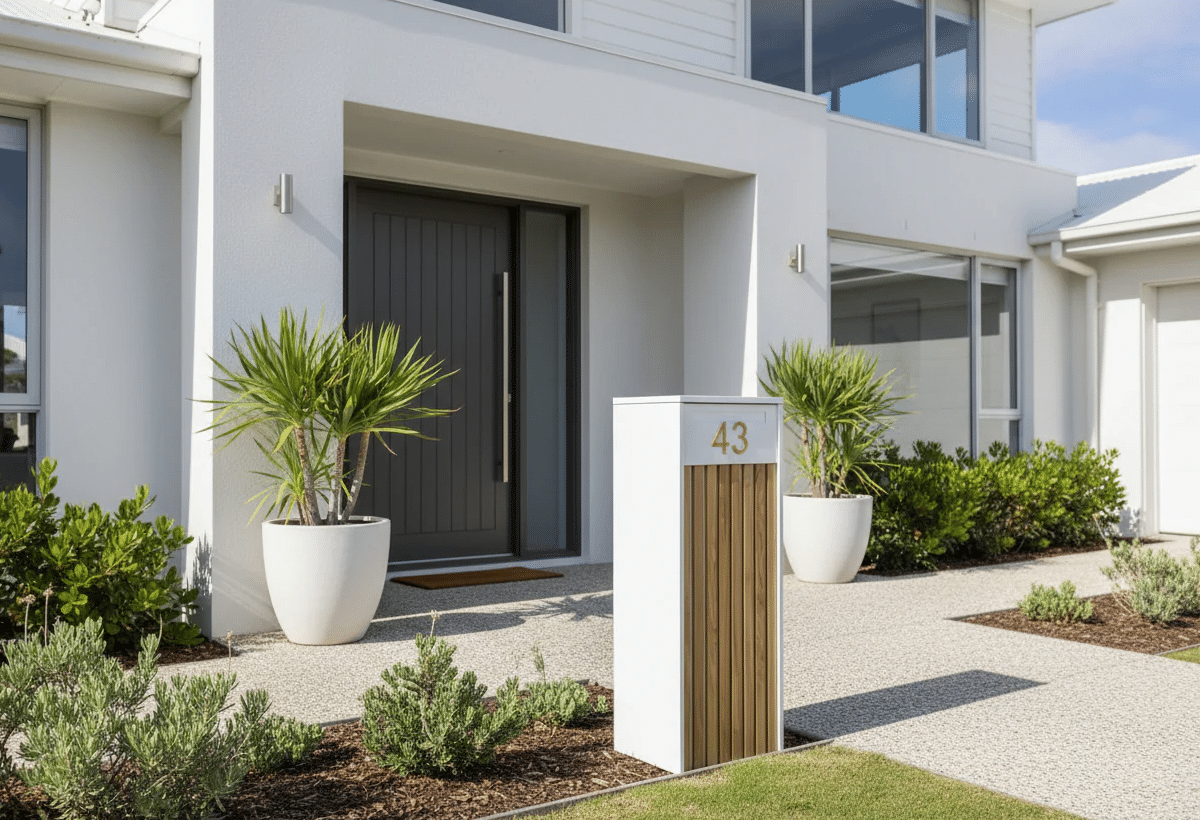
At first glance, picking out a new letterbox might seem like a small task, but once you start factoring in postal guidelines and installation rules, it can get surprisingly complicated. This fixture is often the first thing visitors see, setting the tone for your property’s style, all while working hard to keep your mail and packages safe from the weather.
However, just because a design catches your eye doesn’t mean it’s the right fit for your daily life. You need to weigh the aesthetics against practicality to avoid any headaches later. Discover the essentials so you can find a letterbox that checks every box, both in function and style.
Design Style
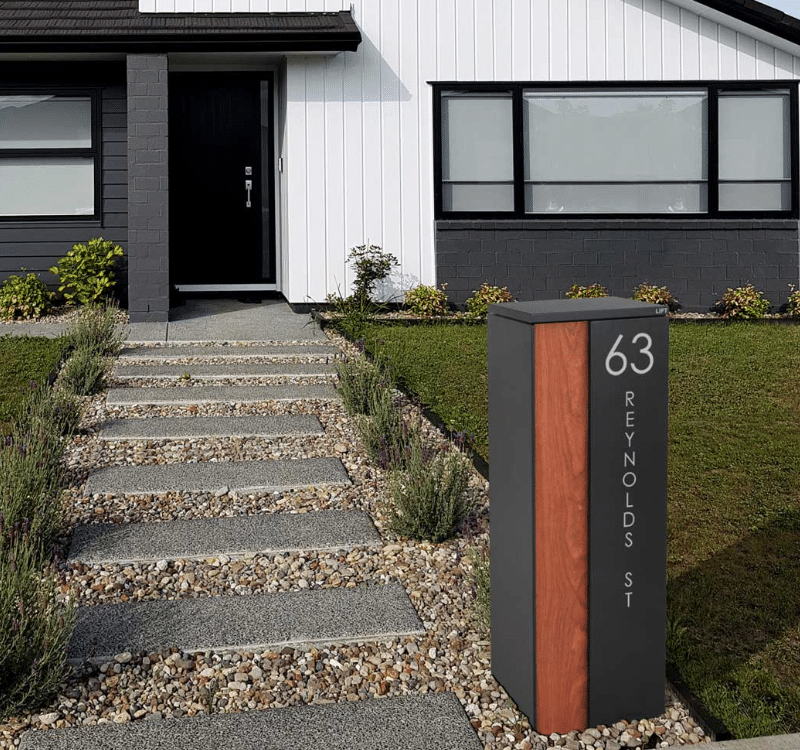
One of the first things to consider when choosing a new mail receptacle is the overall style and how it will sit with the rest of your home. The right design can enhance your property’s curb appeal, while the wrong one can feel out of place.
If your house has a contemporary feel, minimalist coastal letterboxes often work beautifully. These designs tend to have clean, simple lines and a restrained colour palette that adds a fresh, understated touch without trying too hard. They blend effortlessly into contemporary architecture or beachside homes, offering quiet sophistication rather than loud statements.
On the flip side, if your home leans more traditional or heritage-inspired, you might prefer something with classic detailing and a timeless presence. The most important thing is choosing a style that feels authentic to your property and personal taste. When the design complements your exterior, the fixture doesn’t just serve its practical purpose, but it becomes a natural, pleasing part of your home’s overall look.
Standards and Regulations
Before you get too excited about styles and finishes of coastal mailboxes, it’s smart to first check the local rules and regulations. Councils and postal services often have specific guidelines in place to ensure mail can be delivered smoothly and without issues. Skipping this step can lead to unnecessary headaches down the line.
Simple but important factors like clear visibility from the road, easy access for the delivery person, and correct positioning can make a big difference. If the fixture is tucked away or awkward to reach, it can slow down deliveries or even result in missed mail. It’s also worth thinking about how durable the design will be against the elements and regular use. By considering these practical requirements early on, you’ll save yourself time and frustration while making things easier for the people who deliver your mail every day.
Mounting Type
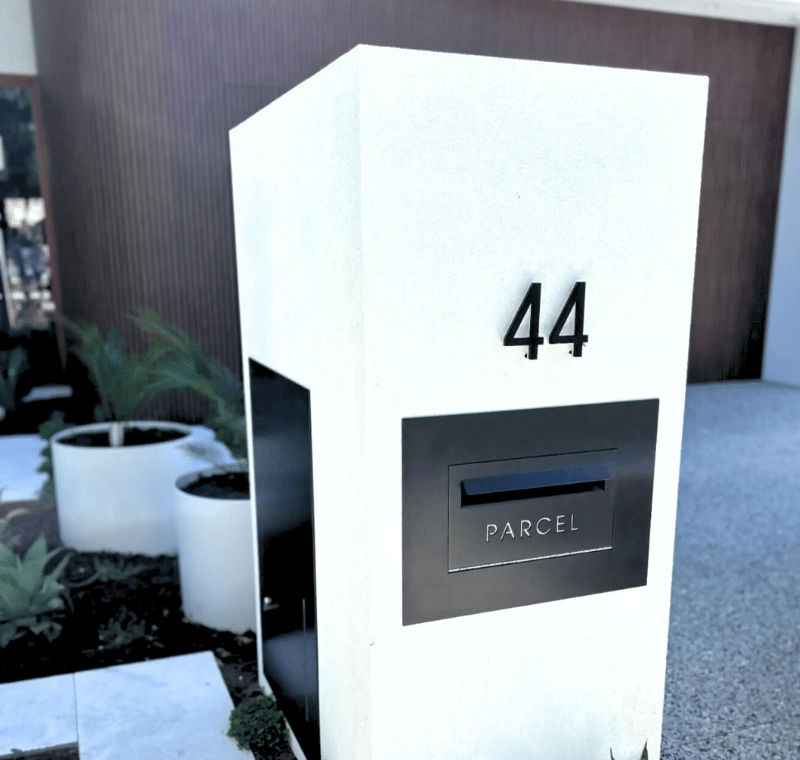
How you decide to install your new fixture often comes down to the layout of your front space and how much room you have available. Getting the mounting right can make a surprising difference to both the look and practicality of your entrance. So, what’s the best way to mount a mailbox?
-Freestanding coastal letterboxes work beautifully in open areas with good street access. They’re relatively easy to set up on a post or concrete base and give you the flexibility to move them later if needed.
-Built-in designs create a seamless, integrated look by fitting neatly into a wall, fence, or pillar. This option is ideal if you want something that feels like part of the original structure rather than an add-on.
-Multibank units are perfect for shared properties like duplexes or small apartment complexes. They keep things neat and organised while making delivery straightforward for everyone.
Construction
The material you choose plays a huge role in how well your new coastal letterbox will hold up over the years. It’s one thing to look great when first installed, but quite another to keep performing after facing rain, sun, salt air, and constant use. High-quality metals like aluminium or mild steel are popular for good reason.
They offer solid strength without feeling overly heavy, and when finished with a proper protective coating, they resist rust and fading much better than cheaper alternatives. This durability becomes especially important if your home is exposed to harsh weather or coastal conditions. If you live near the sea, aluminium or stainless steel tends to be the smarter choice. These materials handle salty air more gracefully and maintain their clean appearance for much longer.
That said, metal isn’t the only option. Wood can bring a beautiful warmth and natural character to your entrance, particularly if your outdoor space already features timber elements. With the right treatment and care, wooden designs can age gracefully and add a relaxed, organic charm that many people love.
Sizing
Getting the size right is more important than many people realise. Even small differences can affect how practical it is and how well it looks in your space. Think about the kind of mail you typically receive. If you often get larger envelopes, magazines, or bulkier packages, it’s worth choosing something with a bit more room inside.
Most modern coastal mailbox styles are already built to handle standard mail sizes, so you usually won’t have issues with things fitting. Still, selecting the right dimensions helps ensure your deliveries arrive safely and your entrance looks neat and well-balanced overall.
Numbering
Some people prefer the numbers to be neatly integrated directly onto the surface for a clean, minimalist finish. Others opt for a separate plaque or plate, which creates more contrast and makes the details stand out. You’ll find plenty of finish options to match your home’s style, whether that’s warm gold, cool silver, matte black, or brushed stainless steel. These small decisions help the whole setup feel cohesive and well-thought-out. If you want to add even more personality, you can include your street name or even your family surname.
Colour Scheme
When thinking about colour, it helps to start by looking at your existing outdoor elements like planters, window frames, gutters, or garage doors. This creates a cohesive, intentional feel rather than something that stands out awkwardly. It’s usually smarter to avoid matching the colour too closely with brick or render, as that can sometimes make the whole area feel flat. Instead, pick up on subtle accent colours to achieve a more balanced and appealing result.
Additional Features
The little extra features turn a good fixture into a practical one. Small additions like a separate slot for newspapers and magazines or a discreet “no junk mail” sign can make handling deliveries noticeably smoother and less annoying daily. When picked carefully, these thoughtful details add functionality without overpowering the overall design. This helps the whole area feel more organised and convenient for everyday life.