The best indoor camera for your home depends on what you need to watch. A small apartment may need another camera type than a nursery or large room. The right choice should match your room plan, daily life, and main safety needs.
Check room size, camera spot, Wi-Fi strength, power outlets, storage, and privacy first. These checks can stop you from paying for tools your home will not use.
Why Need an Indoor Security Camera for Home?
Home cameras can add safety and help with many common tasks each day. Their value is clear when you think about the real needs in your home.
- Baby monitoring: Parents can watch a crib or nursery without going into the room as often. Night vision and clear sound can make late checks much easier for parents.
- Elderly care: People can watch an older adult in shared rooms and spot odd movement. This view may help them spot a fall or one more event that seems wrong. Still, each person at home should know where these cameras are being used.
- Pet care: Pet owners can watch their pets while at work or away for a short time, while two-way audio lets them talk to them remotely. A dog age calculator can also help owners understand their dog’s life stage and adjust care, activity, and monitoring needs accordingly.
- Entry monitoring: A camera by an indoor door can record what happens after someone comes inside.
- Travel checks: Remote viewing lets you check rooms, pets, or planned service visits while you travel.
What Are Common Types of Indoor Cameras?
Home cameras use different power sources, links, and ways to cover a room. Learning each main type can make your search clearer and easier.
Plug-In (AC-Powered) Indoor Cameras
Plug-in cameras use wall power, so you do not need to charge batteries. They suit rooms that need frequent recording or live views through the day. Yet their spot depends on nearby outlets and how far the power cord reaches.
Battery-Powered Indoor Cameras
Battery cameras can go in more spots because they do not need outlets. They suit rental homes and places where power cords may cause a problem. Frequent alerts and live views can drain batteries faster in rooms with traffic.
PoE (Power over Ethernet) Indoor Cameras
PoE cameras get power and data through one Ethernet cable in your home. This wired link can help when indoor Wi-Fi is weak or drops often. They suit fixed systems but need Ethernet cable runs and the right PoE equipment.
PTZ Indoor Cameras
PTZ cameras can pan and tilt, and some models can also zoom in. They cover more of a room than fixed cameras and may follow movement. This type suits larger rooms where some blind spots could still stay out of view.
How to Choose the Best Indoor Security Camera? 5 Key Features
After you pick a type, compare the features that shape daily use at home. Video matters, but privacy, alerts, storage, and smart home support are also important for indoor cameras.
1. Video Resolution & Field of View (1080p vs. 2K vs. 4K)
A 1080p camera may show enough detail for simple checks inside your home. A 2K camera can show faces, objects, and key room details more clearly. A 4K camera gives sharper video but also uses more storage and bandwidth.
Field of view sets how much of the room fits inside each frame. A wider view can cut blind spots, so compare both view and resolution.
2. Privacy Controls & Physical Shutter Features
Indoor cameras may record private home life, so good privacy controls matter greatly. Look for controls that stop recording, shut cameras off, or cover the lens. A physical shutter shows at once that the lens cannot see the room.
Use strong passwords, limit account access, and install new camera software updates too.
3. Smart AI Detection & Two-Way Audio
Basic motion alerts may go off too often in a busy family home. Smart detection can spot people, pets, or movement and cut extra alerts at home. Two-way audio lets you hear the room and speak through the camera clearly.
It can help with children, pets, older adults, and guests in your home. Check how clear the sound is before you choose a model for home talks.
4. Local Storage vs. Cloud Storage
Local storage saves video on an SD card, recorder, or one more home device. It can cut monthly costs and give you more control over saved clips.
Yet clips kept only on the camera may be lost if it gets damaged. They may also be lost if someone takes the camera out of your home.
Cloud storage keeps clips away from the camera and makes remote access easier. Many cloud plans charge fees, so check storage limits and plan terms before buying.
5. Smart Home Integration
If you use smart home gear, check whether the camera works with it. A link may show video on screens, allow voice control, or run routines.
Choose the camera for its main safety features before adding smart home links.
Best Indoor Cameras for Different Setups
Each home has different needs, so the setup should guide your camera choice. These cases match common home needs with useful camera types and key features.
Scenario 1: Apartment Renters Seeking Drill-Free, Portable Setups
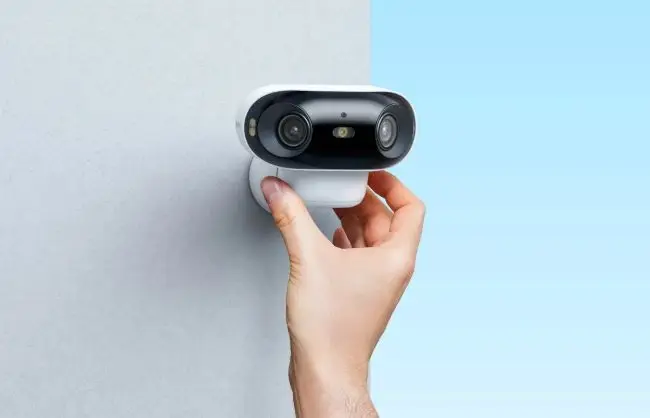
Renters can choose plug-in desk cameras or battery models with simple magnetic mounts. These options are easy to move and may avoid fixed holes in rental walls.
The Reolink Argus 4 Pro is one option with a broad view and easy placement. Check its current mount choices before you buy it for an apartment setup.
Scenario 2: Parents Monitoring a Nursery or Small Children
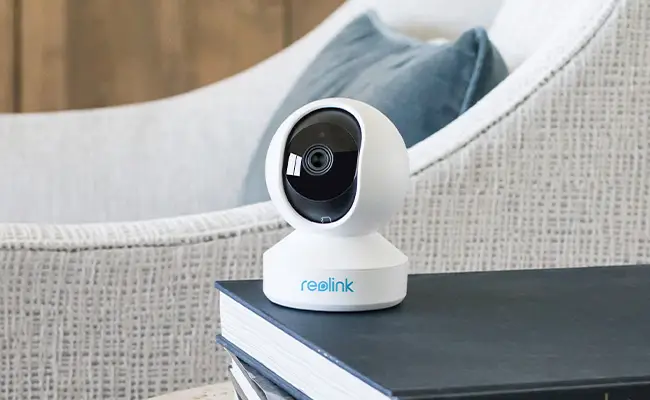
Parents should seek night vision, clear two-way audio, motion alerts, and pan-tilt controls. Cry detection can help when the camera model you choose supports that feature.
The Reolink E1 is one compact choice for indoor pan-and-tilt viewing at home. Check cry detection support first when that feature matters most in your nursery.
Scenario 3: Pet Owners Watching Active Animals Across Large Living Areas
Pet owners may prefer 360-degree pan-and-tilt cameras for large living rooms at home. They can cover more room space than many fixed camera models can show.
Pet detection and auto-tracking can help track pets as they move across rooms. The Reolink E1 Zoom gives pan, tilt, and zoom controls for indoor viewing. Check pet detection and tracking support before buying this model for pet care.

Common Mistakes Buyers Make When Choosing Indoor Camera System
Even a good camera may fail when its setup does not match the room. Checking common mistakes before setup can prevent weak results and extra costs later.
- Placing cameras toward windows with infrared night vision turned on: Do not point cameras at windows while infrared night vision stays turned on. Infrared light can bounce off glass and cause strong glare in night video.
- Using battery cameras in busy living rooms: Avoid battery cameras in busy living rooms with much movement and many alerts.
- Ignoring indoor Wi-Fi problems: Do not ignore weak Wi-Fi caused by walls, floors, big appliances, or long distance. Test Wi-Fi near the planned camera spot before you finish the home setup.
- Depending only on paid cloud storage: Do not skip local storage and depend only on paid cloud storage plans. A low camera price may cost more later when key features need paid plans.
Conclusion
The best indoor camera should fit your room and the main reason for use. Before buying, check power, Wi-Fi, view, resolution, privacy, storage, sound, and smart support.
Renters may want easy-to-move units, while nurseries often need good sound and night views. Large living rooms may gain more from pan, tilt, and subject tracking features. Base your choice on real needs, and the camera should stay useful daily.
Frequently Asked Questions
Can I Use an Indoor Security Camera Outdoors?
Most indoor cameras should stay inside because they lack a strong shield from weather. They may not handle rain, damp air, dust, or big outdoor heat changes. Choose a model with an outdoor weather rating when you need outside use.
Do Indoor Security Cameras Record All the Time?
Some indoor cameras record all day, while others start only after they sense motion. All-day recording often needs steady power and enough storage for more saved video. Check the recording modes before you buy any indoor camera for your home.
Do Indoor Cameras Work Without a Monthly Subscription?
Many indoor cameras work with no monthly fee when they support local storage. You may save clips on microSD cards, recorders, or other local devices instead.