A dining room has a special place in the home. It may host slow weekend meals, quick weekday breakfasts, family talks, or evenings with friends. The chairs around the table shape all of those moments. They affect comfort, style, and the way the whole room feels. When choosing pieces with lasting appeal, many homeowners look to design-led options such as luxury dining room chairs to bring comfort, texture, and a polished look into the dining space.
Start With the Feeling You Want
Before choosing dining chairs, think about the mood of the room. Some dining rooms feel formal and refined. Others feel relaxed, warm, and easy to use every day. The right chairs should support that feeling.
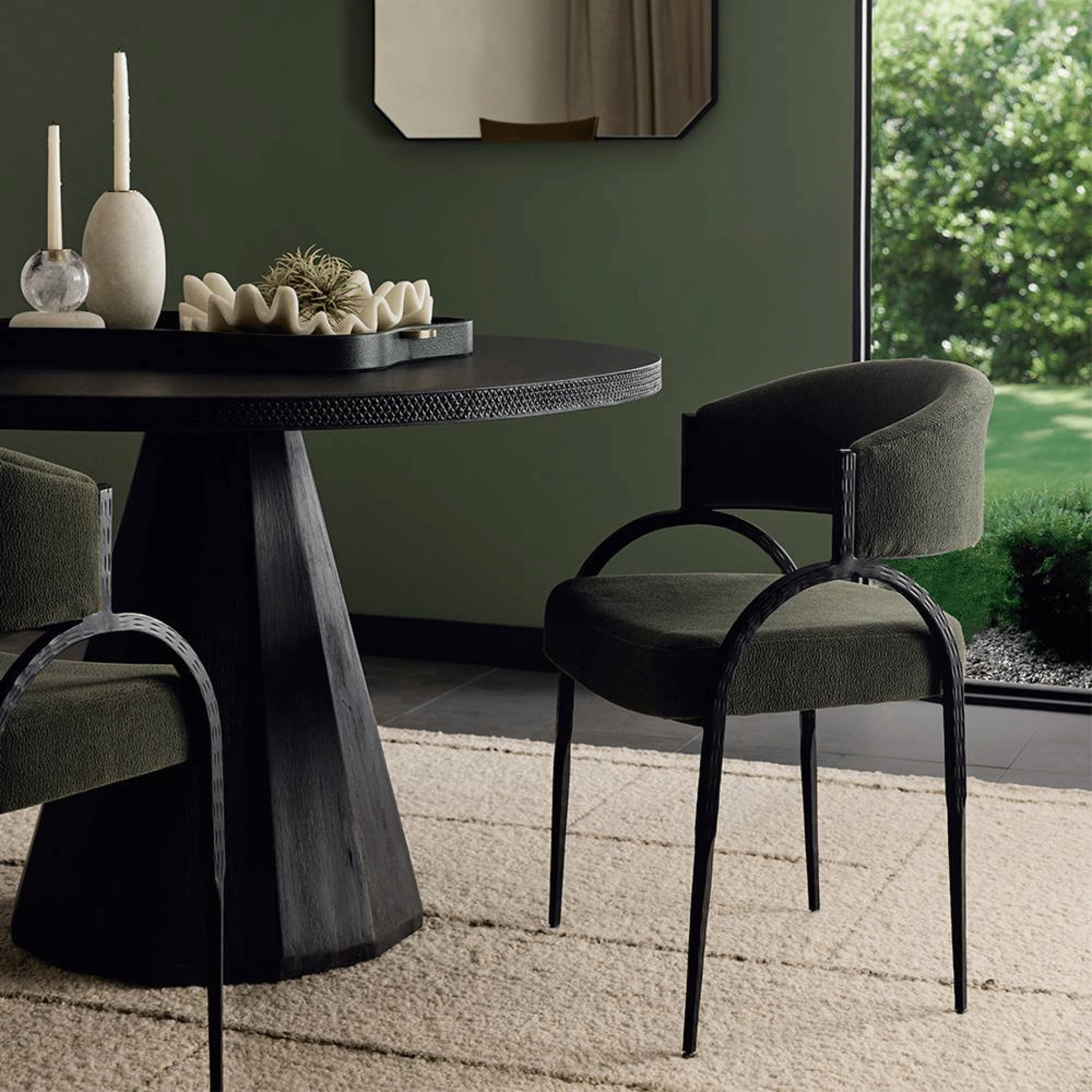
A soft upholstered chair can make the room feel calm and inviting. A sculptural chair can add drama and interest. A chair with wood, cane, or woven texture can bring warmth and a natural touch.
Style matters, but the feeling matters more. A dining room should welcome people in and make them want to stay.
Think About Comfort First
Dining chairs need to look good, but they also need to feel good. People may sit at the table for a long meal, a holiday dinner, or a quiet cup of coffee. Comfort should guide the choice.
Look at the seat depth, back support, and height. A chair that feels too stiff may look elegant but feel hard to enjoy. A chair that feels too low or too high can make the table awkward to use.
Upholstery can add softness, while a curved back can help the chair feel more supportive. The best dining chairs balance beauty with ease.
Match Scale to the Table
Scale helps the whole room feel balanced. Chairs that are too large can crowd the table. Chairs that are too small can make the room feel unfinished.
Leave enough space between each chair so guests can sit and move with ease. Also check the distance between the seat and the tabletop. People should have room to sit comfortably without feeling cramped.
The shape of the table matters too. Round tables often pair well with chairs that have softer lines. Long rectangular tables can handle a more structured chair or a mix of armchairs and side chairs.
Let Materials Add Character
Materials can change the mood of a dining room. Wood feels warm and classic. Metal can feel sleek and modern. Leather brings richness. Fabric adds softness and color. Woven details create texture and a relaxed feel.
A thoughtful mix of materials can make the room feel layered. For example, a wood table with upholstered chairs can feel both grounded and soft. A stone or glass table may pair well with chairs that bring warmth through texture.
The goal is not to match every piece. The goal is to create a clear connection between the table, chairs, lighting, and décor.
Use Color With Care
Dining chairs can blend into the room or become a feature. Neutral chairs often feel timeless and easy to style. They work well with bold art, patterned rugs, or statement lighting.
Colored chairs can add charm and personality. Soft green, warm brown, deep blue, or rich cream can make the room feel more personal without overwhelming it.
Pattern can also work well, especially in a room with simple walls and a calm table design. Keep the rest of the space in mind so the room feels balanced.
Consider Daily Life
A dining room should fit the way people live. A home with children, pets, or frequent guests may need durable fabrics and easy-care finishes. A more formal room may allow for finer materials and lighter colors.
Think about how often the room gets used. If the dining area doubles as a workspace or homework spot, comfort and strength matter even more. If it serves mainly for hosting, style and atmosphere may take a larger role.
Good design supports real life. A chair should work for both everyday meals and special moments.
Create Flow Around the Room
Dining chairs affect how people move through the space. A room may look beautiful, but it should also feel easy to use.
Make sure guests can pull chairs out without hitting walls, cabinets, or nearby furniture. In open-plan spaces, chairs should not block natural paths between rooms.
Visual flow matters as well. Chairs with open backs or slim frames can make a smaller room feel lighter. Larger upholstered chairs can make a spacious room feel more grounded.
Add Personality Through Details
Small details make dining chairs feel special. A curved back, tapered leg, stitched seam, brass accent, or textured fabric can bring quiet interest to the room.
These details help the dining area feel styled rather than plain. They can also connect with other parts of the space. A chair leg may echo a cabinet finish. A fabric tone may pick up a color from artwork. A curved chair may soften a room with many straight lines.
When details work together, the room feels more personal and complete.
Balance Beauty and Longevity
Trends can be fun, but dining chairs often stay in the home for years. Choose pieces that feel fresh now and still feel right later.
Simple lines, quality materials, and comfortable shapes tend to age well. A dining chair does not need to shout for attention. It can feel polished through proportion, texture, and craftsmanship.
A lasting choice should suit the table, the room, and the people who use it. That mix creates a dining space that feels both stylish and livable.
Final Thoughts
Dining chairs do more than fill the space around a table. They shape how the room looks, how guests feel, and how daily life unfolds. By thinking about comfort, scale, material, color, and personal style, homeowners can choose chairs that make the dining room feel warm, polished, and true to their taste.