That dark spot on your cheek? It didn’t show up overnight. Neither did the fine lines around your eyes, nor the dullness that no serum seems to fix anymore. The truth is, skin holds on to more than we think. Years of tanning without sunscreen, falling asleep in makeup, smoking, forgetting water but never coffee – it all adds up.
And while you may not have noticed it at the time, your skin was keeping score. We tend to think of skincare as something we do now to fix what’s already wrong. But the roots often go much deeper. Past habits have a way of surfacing years later – just when you thought you were doing everything right.
In this article, we’ll look at how past habits show up on your skin, why it often feels like the damage comes out of nowhere, and, more importantly, what you can do today tosupport your skin going forward.
How Past Habits Show Up on Your Skin Years Later

Skin doesn’t always react in real-time. What you see in the mirror today is often your skin catching up with decisions you made five, ten, even twenty years ago. The occasional sunburn, skipping moisturizer, stress that stretched on for months – none of it went unnoticed. Your skin was just slow to respond.
Here are some of the most common habits that come back to the surface later on:
- Sun exposure without protection – You might’ve thought you were fine because you never burned. But UVA damage runs deep and breaks down collagen over time. Years later, skin starts to sag, dark spots pop up, and the glow you used to have turned patchy and uneven. In fact, long-term UV exposure doesn’t just impact the outside of the skin – a study found that in chronically sun‑exposed skin, damaged collagen accumulates mutations and degrades faster than new collagen can be made. This supports the claim that sun damage is slow, cumulative, and not fully reversible through synthesis alone.
- Not cleansing properly – It’s not just about falling asleep in makeup. It’s the rinse-and-run routine after a long day. It’s harsh scrubs that felt satisfying but left your barrier stripped. Over time, skin becomes touchier, more reactive. Like it’s always recovering from something – even though you have agreat skincare routine now.
- Smoking and poor air quality – If you smoked, your skin remembers. If you didn’t, but lived in a city or hung around smokers, that counts too. Pollution hangs around. So does stale indoor air. The oxygen just… doesn’t get there. What you see years later is skin that looks a little dimmer. Slower to heal. Kind of like it’s permanently jet-lagged.
- Low hydration – When hydration is low, skin doesn’t bounce. It creases instead. And over the years, that shows up as a crepey texture, especially around thinner areas like your neck or under the eyes. No moisturizer fixes it in a day, because the damage didn’t happen in a day.
- Chronic stress and sleep deprivation – When your cortisol levels are constantly on the high end and you aren’t getting your beauty sleep, your skin loses its opportunity to recover. This, in turn, disrupts collagen production (and healing, as well), inevitably leading to sagging, puffiness, even adult acne.
Can You Undo the Damage?
Not all of it. And that’s not a bad thing. Some signs of aging are just life-earned. But the damage that came from neglect? That can be undone. Skin has memory, yes, but it also has resilience.
Your skin renews itself constantly. Cells turn over. Collagen rebuilds (albeit more slowly). What matters now is the environment you give it. That means tuning in to what it needs today – not what worked for you in your twenties.
It’s never too late to start. More so, even if you think otherwise, no change is too small. In fact, as long as you are consistent, you can bring back that lost vitality. Think of it less like erasing damage and more like laying down better patterns. There are many ways to transform your skin – from rebuilding your barrier to targeting fine lines and wrinkles with science-backed treatments that work with your skin, not against it.
How to Support Damaged Skin Going Forward
And that brings us to the practical side of this article. How can you erase the damage already done – or, at the very least, diminish it?
First, let go of the idea that your skin needs a full reset. It doesn’t. What it needs is repair. Quiet, steady, consistent repair. And that starts with building a routine that does less harm and more good.
Here’s what actually helps:
Rebuild Your Barrier First
If your skin often feels tight, reactive, or red, sorry to break it to you, but you aren’t dealing with dryness. What you are dealing with has a different name: barrier damage. The top layer of your skin (your stratum corneum) acts like a protective wall. When it’s compromised, everything else becomes harder: hydration doesn’t stay in, and irritants get through. To rebuild it, strip back. Use fewer activities. Bring in ceramides, fatty acids, and simple moisturizers that cushion and calm.
Go Slow With Exfoliation
That grainy scrub you used to love? It might’ve felt satisfying, but it likely did more harm than good. Chemical exfoliants like lactic or mandelic acid are far gentler and more precise – and you don’t need to use them daily. Once or twice a week is often enough, especially if your skin’s been through a lot.
Feed Your Skin, Don’t Just Treat It
Chasing glow with harsh activities and high-strength formulas is tempting, but rebuilding takes nourishment. Look for ingredients like squalane, panthenol, peptides – things your skin recognizes. Your goal isn’t to force change, but to restore function. That’s when improvement starts to stick.
Work With, Not Against, Your Skin’s Rhythm
Skin regenerates while you sleep. So your nighttime routine? It matters. Not just the products, but the fact that it exists. A gentle cleanse, ahydrating moisturizer, and something to support renewal, that’s your base. Bonus if it helps you wind down, too. Stress doesn’t help healing.
Get Serious About SPF
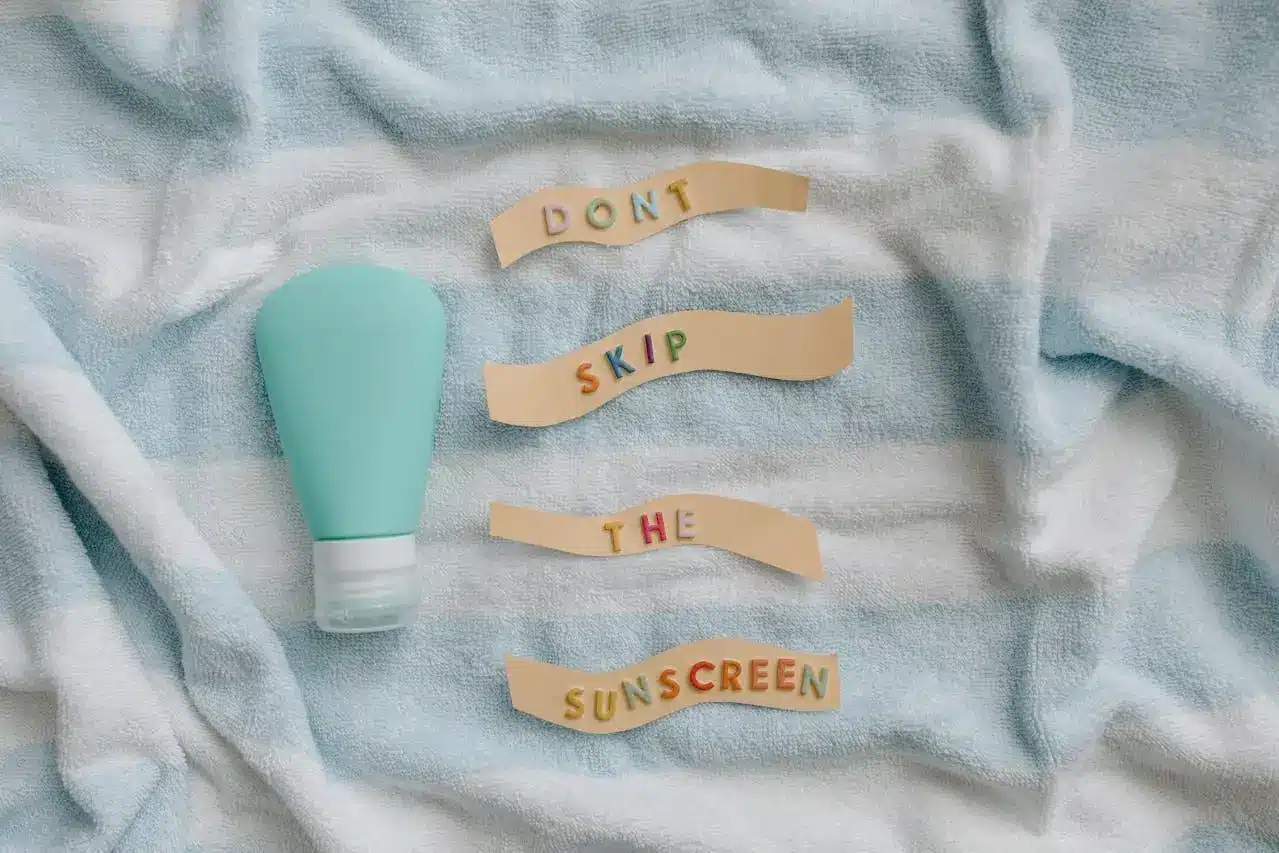
The simplest way to protect any repair work you’re doing is with sunscreen. Every single day. Yes, even if it’s cloudy. Even if you’re mostly indoors.
Your Skin’s Story Isn’t Set in Stone
The thing about skin is, it keeps the receipts. The glow, the dullness, the fine lines that seemed to show up out of nowhere…they’re often just the visible result of what’s been happening under the surface for years.
That’s how past habits show up on your skin: gradually, then all at once. But just as damage builds over time, so does repair. The skin you have today isn’t stuck. It’s adapting – to your choices, your environment, your care. And that means every small change you make now can still influence the long-term story your skin tells.