When I first planted grass seed, I had no idea how tricky watering could be. I thought I just needed to sprinkle water now and then, but the results were patchy and slow.
I learned that how often to water grass seed is one of the biggest factors in if lawns grow thick or fail completely. Timing and consistency matter more than I ever guessed.
Now it’s your turn to get it right. How much water is too much? How do you keep the soil damp without it being soaked? What happens if you skip a day?
In this blog, you’ll get clear, simple answers to all of that. By the end, you’ll know exactly what to do and why it works. Let’s get into it.
Understanding the Seed-to-Sprout Stage
Germination is when a seed starts to grow into a sprout. For that to happen, the seed needs steady moisture; not too much, not too little. If the soil dries out, the seed can stop growing or even die.
That’s why keeping the soil damp all the time is more important than how much water you use each time. It’s all about being consistent.
Different grass seeds sprout at different times:
- Ryegrass: 5–10 days
- Fescue: 7–14 days
- Kentucky Bluegrass: 14–30 days (it’s slow but strong)
During the early stage, moisture should reach about 1–2 inches deep, which is where most seeds sit. Once the grass starts sprouting, water should still soak that deep so roots keep growing strong.
Dry soil, even for a day, can stop young roots from growing and delay your whole lawn. So keep the surface moist: never soggy, never dry.
How Often to Water Grass Seeds
How often to water grass seed depends on which stage it’s in. Right after planting, you’ll need to water 2–4 times a day in short, light sessions.
The goal is to keep the top layer of soil moist so the seeds don’t dry out. This is the most sensitive stage, and even a short dry spell can slow or stop germination.
Once you see tiny sprouts, you can shift to watering 1–2 times a day, still keeping the top 1–2 inches damp. After the first mow, switch to 2–3 deep waterings per week to help roots grow deeper.
Always check the soil with your finger; it should feel damp, not soggy.
How to Water Grass Seed Through Each Stage
Knowing when and how much to water at each stage makes the difference between patchy grass and a full, green lawn. Below, I’ve broken down each phase with clear steps and timing to help you stay on track.
Before Seeding

Before you even spread the seed, the soil needs to be moist—but not muddy. I always give the top 2 inches a deep soak a day before planting.
This helps the seed settle in more easily and keeps the surface from drying out too fast once the seed hits the ground. If the soil is dry, water it slowly and evenly until it’s evenly damp.
A soft, damp base helps the seed stick and get off to a strong start. You don’t want pools of water; you want soft, crumbly, moist soil that holds water well without getting soggy.
After Seeding (Week 1–2)
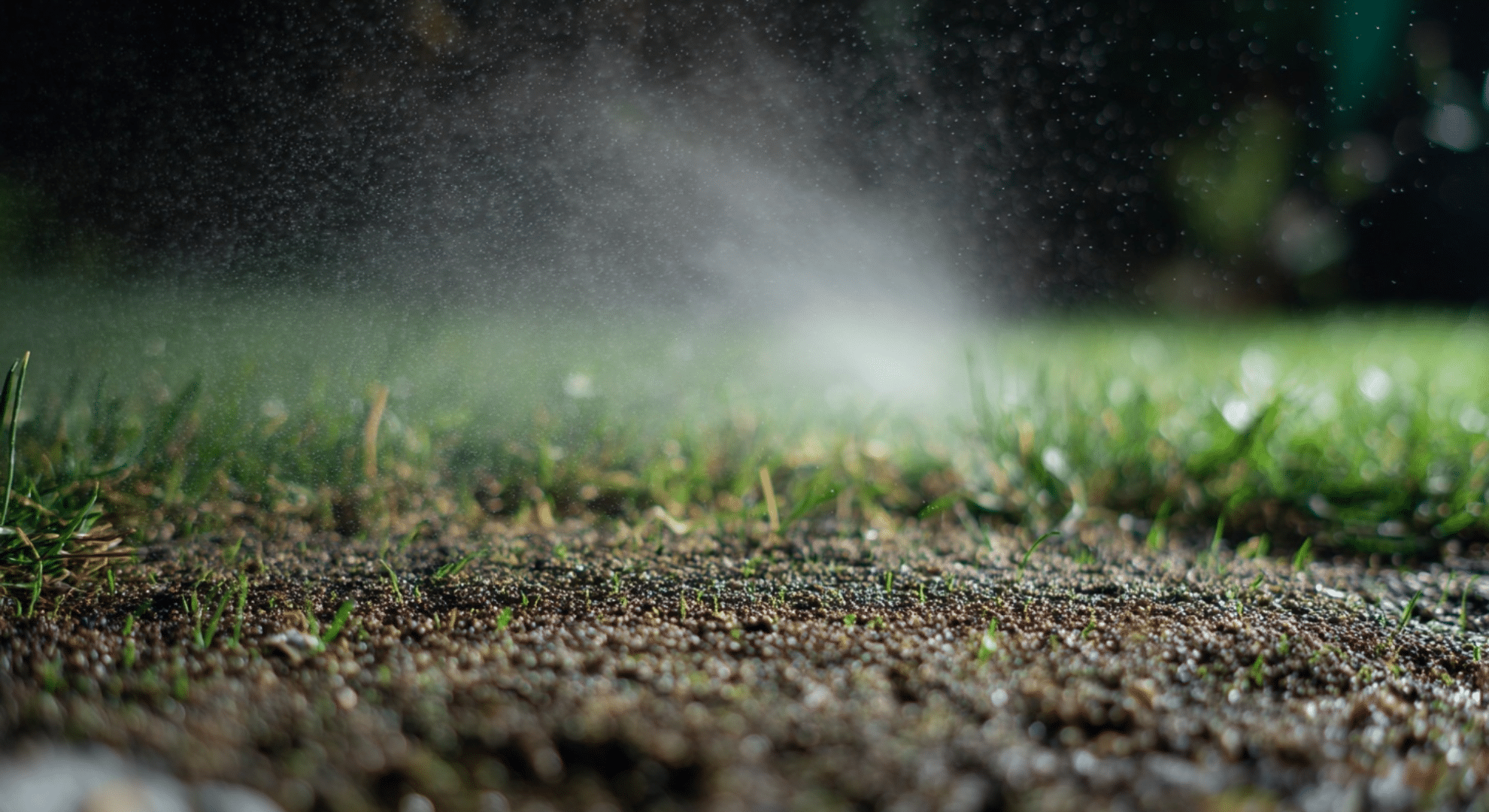
Once the seeds are down, this is the most important phase. You’ll need to water 2–4 times a day in short bursts. The goal is to keep the top layer (about 1 inch) constantly moist so the seed doesn’t dry out.
Each watering session can be around 5–10 minutes, depending on your soil and sprinkler type. If the top dries out, it can prevent the seed from sprouting.
You’re not trying to soak it deeply yet, just enough to keep it damp all the time without puddles.
Germination Phase (Week 2–3)
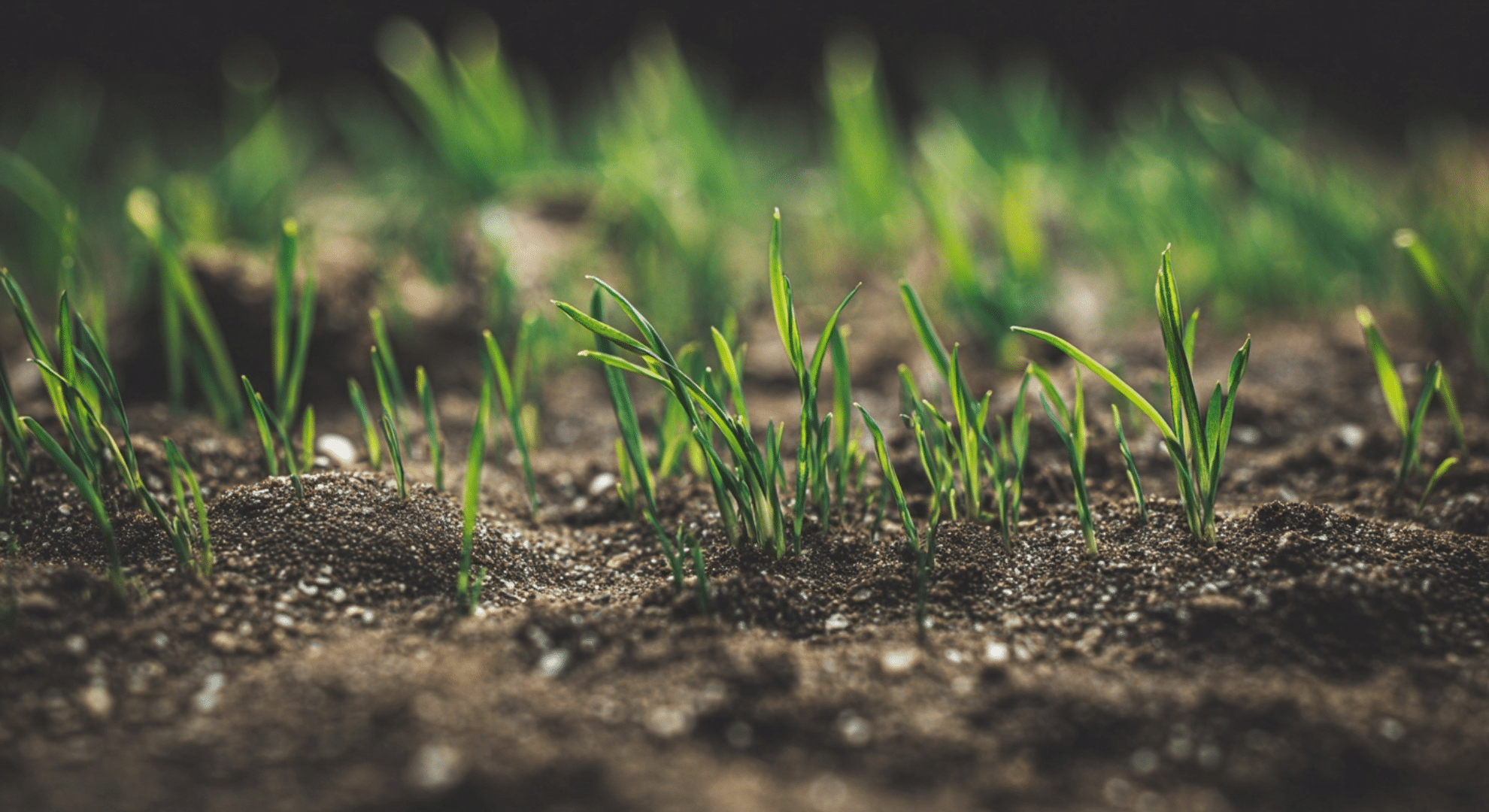
As seeds begin to sprout, your job is to keep the moisture steady. You might be able to water less often, maybe 1–3 times per day, but the soil still needs to stay moist. You don’t want it to dry out or become soggy.
Watch for signs of puddling, which means you’re overwatering. At this stage, baby roots are growing, and they’re fragile.
Letting the soil dry out even once could damage them. A light hand and a good routine are your best tools during this phase.
After First Mow
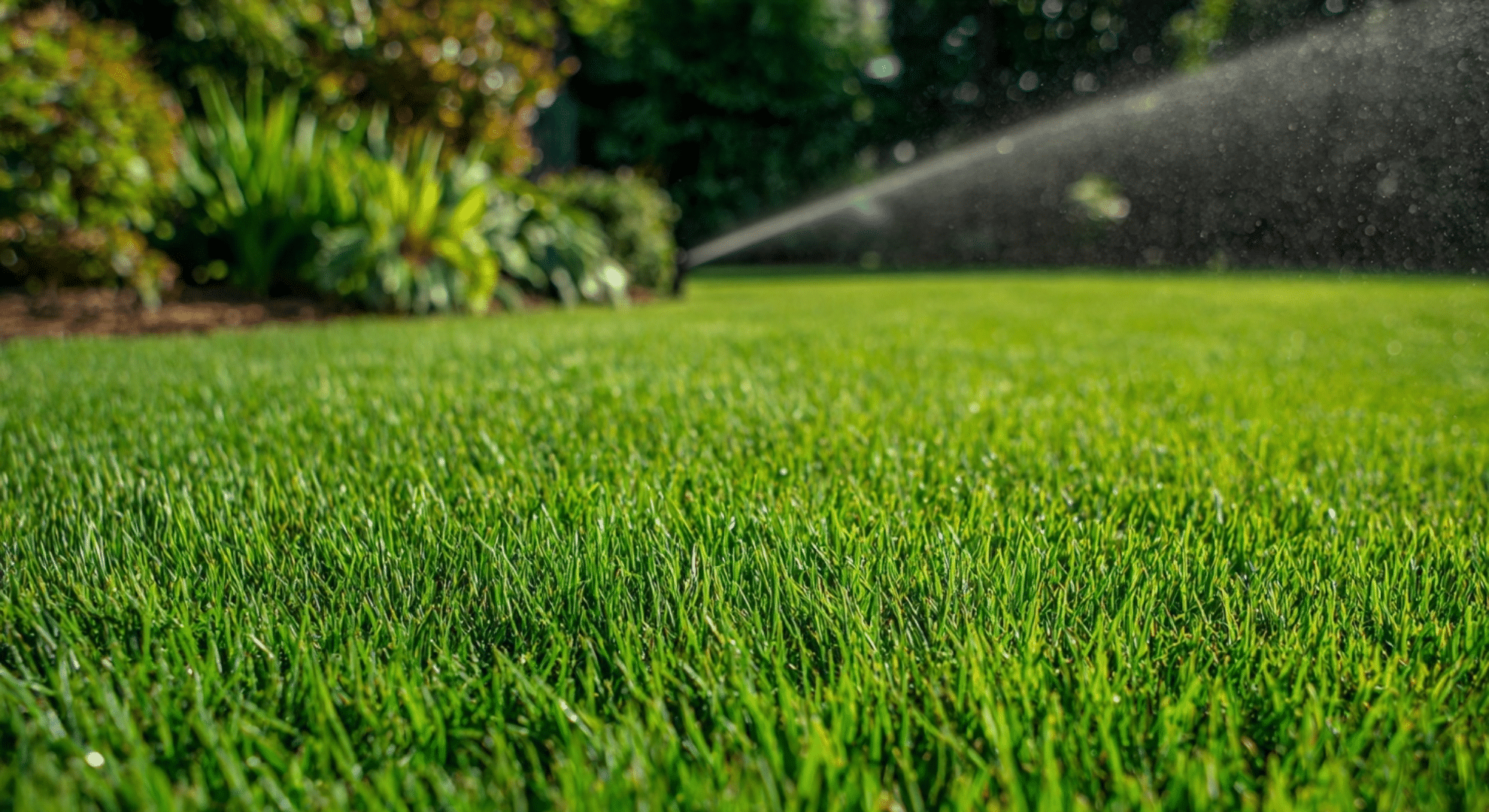
Once your grass is tall enough for the first mow (usually about 3 inches), you can begin changing your watering habits. Watering less often but deeper helps roots grow downward.
Start with watering every other day, then slowly move to twice a week. Each session should be longer, 20–30 minutes, to reach 4–6 inches deep.
Deep roots help your grass handle heat and dry spells. This change teaches your grass to depend on deeper soil moisture rather than just the surface.
Grass Watering Timeline
Here’s a quick table to help you remember the watering schedule for each stage. You can use this as a simple guide and adjust based on your weather, soil type, and how quickly your lawn dries out:
| Growth Phase | Frequency | Duration | Moisture Depth |
|---|---|---|---|
| Before Seeding | Once (1 day before) | 15–20 minutes | 2 inches |
| Week 1–2 (After Seed) | 2–4 times per day | 5–10 minutes | 1 inch |
| Week 2–3 (Germination) | 1–3 times per day | 10–15 minutes | 1–2 inches |
| After First Mow | 2–3 times per week | 20–30 minutes | 4–6 inches |
As your lawn grows, stick with the routine, and watch how your grass responds. If it’s growing slow or looks dry, adjust the timing slightly. The goal is steady progress, not perfection.
Watering Time Based on the Type of System Being Used
A big question people often miss is how long to actually run the water. The answer depends on the method you use.
If you’re using a rotor sprinkler, it usually needs about 30–40 minutes to reach 1 inch deep. Oscillating sprinklers take less time: around 20–30 minutes, but may need to be moved for full coverage.
A manual hose nozzle gives you more control but needs careful timing: 5–10 minutes per spot, checking moisture depth as you go.
Soaker hoses and drip systems work more slowly, so you’ll want to run them for about 45–60 minutes to reach deep enough.
Aim to moisten the soil 1–2 inches during early growth. Always check with a finger or small trowel to avoid under- or overwatering.
Adjusting Your Watering for Weather, Soil, and Season
Your watering plan isn’t one-size-fits-all. It needs to shift with the weather, soil, and time of year. In hot or dry weather, water more often but for shorter times to keep the surface moist.
Seeds dry out faster in the heat, so check often. In cool or humid weather, you can cut back. Too much water can lead to fungus, especially if the air stays damp.
Sandy soil drains fast, so you’ll need to water more often in light amounts. Clay soil holds water longer, so space your sessions out and water more deeply.
As for seasons, spring needs balanced watering as temps rise, summer may need extra care due to heat, and fall is great for seed growth with cooler temps and steady moisture.
Always adjust your routine by checking soil moisture with your hand; it should feel damp, not soaked.
Signs You’re Watering Too Much or Too Little
Getting the balance right is key. Too much or too little water can both cause problems, especially in the early stages. Here are some indications you are watering too much or not enough:
Too Much Water: If your soil feels mushy, has puddles, or if seeds look like they’re floating, you’re overwatering. Fungus can also show up in soggy spots. This slows growth and can wash seeds away before they sprout.
Too Little Water: Dry, cracked soil or patchy sprouting means you’re not watering enough. The seeds need steady moisture, or they’ll stop growing before they even start.
The Perfect Zone: The soil should look dark and feel damp about 1 inch deep: no puddles, no dry spots.
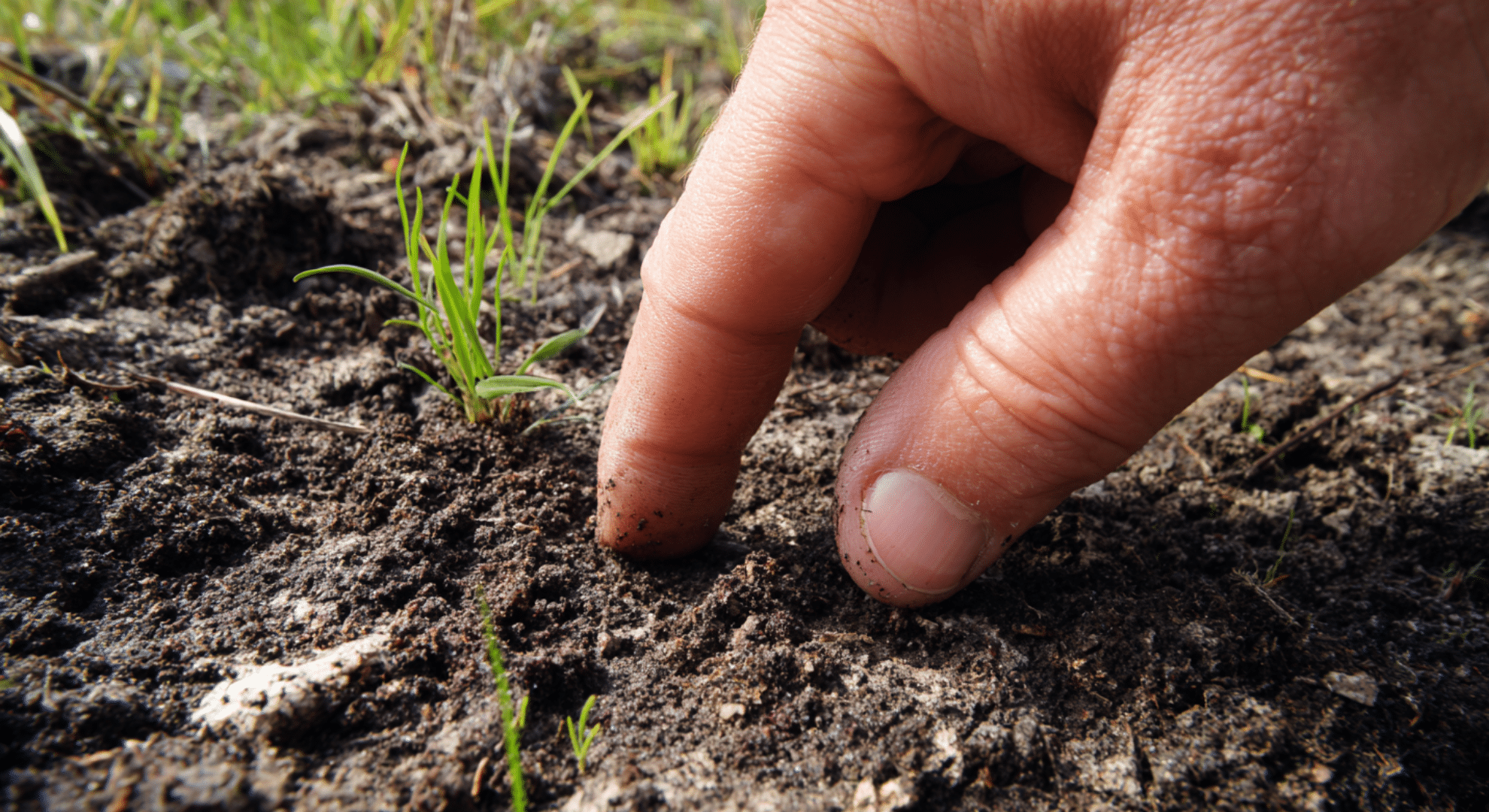
Quick Fingertip Test: Press your finger into the soil up to your first knuckle. If it feels damp and cool, you’re good. If it’s dry or crumbles, it’s time to water. If it’s sticky and soggy, ease up.
Sticking to this simple check saves you from guessing and helps avoid common watering mistakes. It keeps your grass seed in the safe zone: moist enough to grow, but never soaked or dried out.
Common Mistakes That Ruin Germination
Even with the right seed and timing, small watering mistakes can stop your grass from growing. Here are some of the most common issues and how to fix them fast:
- Overwatering and soil compaction: Too much water drowns the seed and packs the soil tight. Water lightly and check that the topsoil stays loose and crumbly.
- Watering during the heat of the day: Midday sun can evaporate water before it sinks in. Water early morning or early evening for best results.
- Uneven sprinkler coverage: Some spots get soaked, others stay dry. Place a few empty cups around the lawn to test how evenly your system sprays.
- Ignoring rainfall or slope drainage: Extra rain or poor runoff can create puddles or wash seeds away. Adjust your schedule and check for water pooling after storms.
Catching these early keeps your grass seed safe and growing strong.
Conclusion
I’ve learned that watering grass seed the right way makes all the difference in how it grows. Keeping the soil moist but not soaked helped me see stronger, faster sprouts and fewer bare spots over time.
Once I switched from frequent misting to deeper watering, the roots grew healthier.
You know how often to water grass seed, so use that knowledge to build a simple routine that fits your yard. Check the soil often, adjust for weather changes, and stay consistent.
Your patience will pay off when you see that full, green lawn. Want more easy yard care tips? Visit my other blogs on the website for simple, step-by-step guides you can follow today!