Have you ever looked at a bed full of sweet potato vines and asked yourself, “Am I close to harvest or way too early?” I’ve been there, and I know how confusing it can feel.
You read one source that says one thing, another that says something else, and suddenly you’re unsure what applies to your garden.
How long do sweet potatoes take to grow if the weather shifts, or if you planted a little late? Should you wait longer, or dig now? In this guide, I help you sort through those questions without overthinking them.
You’ll learn what affects growing time, what matters most as harvest gets closer, and how you can make the right call for your plants instead of guessing.
Understanding Sweet Potato Growth and Timing
Sweet potato growth depends more on plant behavior and growing conditions than on a fixed day count. Timelines offer a general reference, but actual maturity is shaped by soil temperature, variety selection, planting timing, and seasonal stress.
Cool soil, uneven moisture, or nutrient issues can slow early root development or delay tuber bulking later in the season. Growth may appear steady above ground while underground development pauses or shifts.
Vine color, growth rate, tuber size, and skin firmness provide more reliable maturity signals than calendar dates alone. Skin development, in particular, plays a key role in storage quality and handling resistance.
Paying attention to physical plant cues helps align harvest timing with true plant readiness, reducing the risk of harvesting too early or too late.
How Long Do Sweet Potatoes Take to Grow?
Sweet potatoes take 85 to 120 days to reach harvest from the time you plant slips. The exact timeline depends on your variety, climate, and growing conditions. Most gardeners can expect to pull mature tubers somewhere between 90 and 110 days after planting.
Here’s what you need to know about timing your sweet potato harvest from the moment you put slips in the ground:
| Aspect | Details |
|---|---|
| Standard Timeline | 90 to 110 days from slip planting to harvest |
| Why Slips | Rooted cuttings save weeks vs. seed; sweet potatoes don’t grow reliably from true seed |
| Packet Assumptions | Counts assume warm soil and ideal conditions; add 6–8 weeks if growing your own slips |
| Real-World Variation | Actual results vary by 1–2 weeks depending on conditions |
While these numbers give you a solid baseline, several factors can extend your timeline beyond the expected range.
Why Sweet Potatoes Sometimes Take Longer Than Expected
Even with perfect planning, several common factors can extend your growing timeline beyond the expected 90 to 110 days.
- Cool soil below 60°F delays early growth significantly; planting too early or facing unseasonably cool spring weather causes slips to sit dormant or grow slowly, adding 10 to 20 days to harvest
- Stress from drought, nutrient deficiencies, or pest damage pauses tuber development as plants focus on survival; a mid-season dry spell can push harvest back by a week or more
- Late planting in northern climates (late May or early June) cuts into the available growing season, leaving you racing against October frost since plants still need their full 90 to 110 days
- Always count backward from your expected first frost date to determine your planting deadline and ensure adequate growing time
Knowing these delay triggers helps you adjust your planting schedule and avoid disappointment when fall frost arrives before your tubers mature.
Sweet Potato Growth Timeline: Each Stage Guide
Understanding what happens during each phase helps you water, feed, and leave plants alone at the right time. Sweet potatoes move through predictable stages, from early root establishment to mature tubers ready for harvest.
1. Root Establishment: Slips Settle In
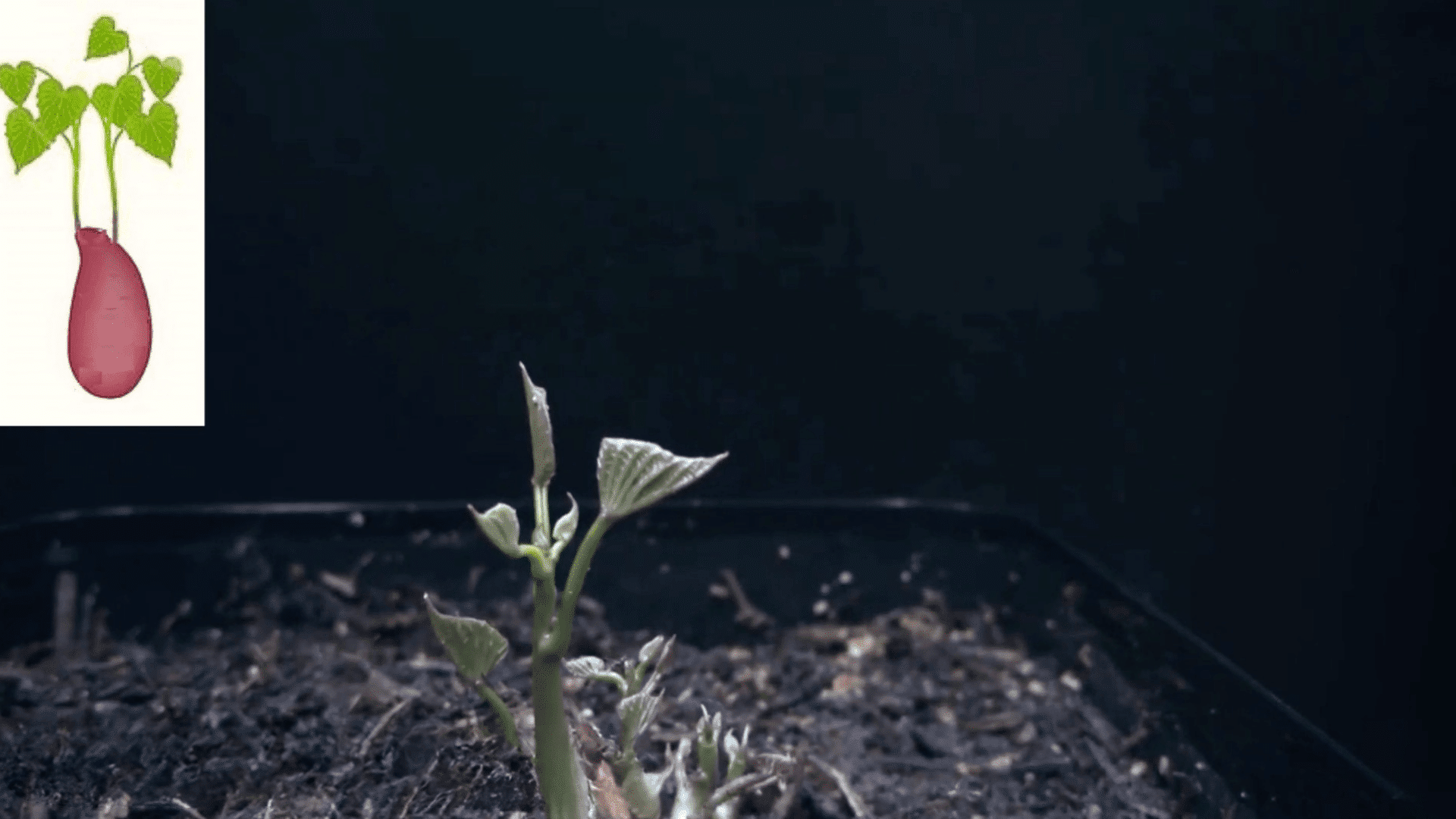
The first three weeks focus on underground root development, with minimal visible growth above ground as plants adjust to their new environment.
- Slips send out fine feeder roots that anchor the plant and absorb water and nutrients from the surrounding soil.
- Leaves may wilt initially but perk up once roots take hold; new leaves begin forming by week three.
- Cool weather or wet soil can stretch this settling period to four weeks instead of the typical three.
- Consistent moisture during this phase helps roots establish faster and prepares plants for rapid growth ahead.
2. Vegetative Growth: Vines Take Over
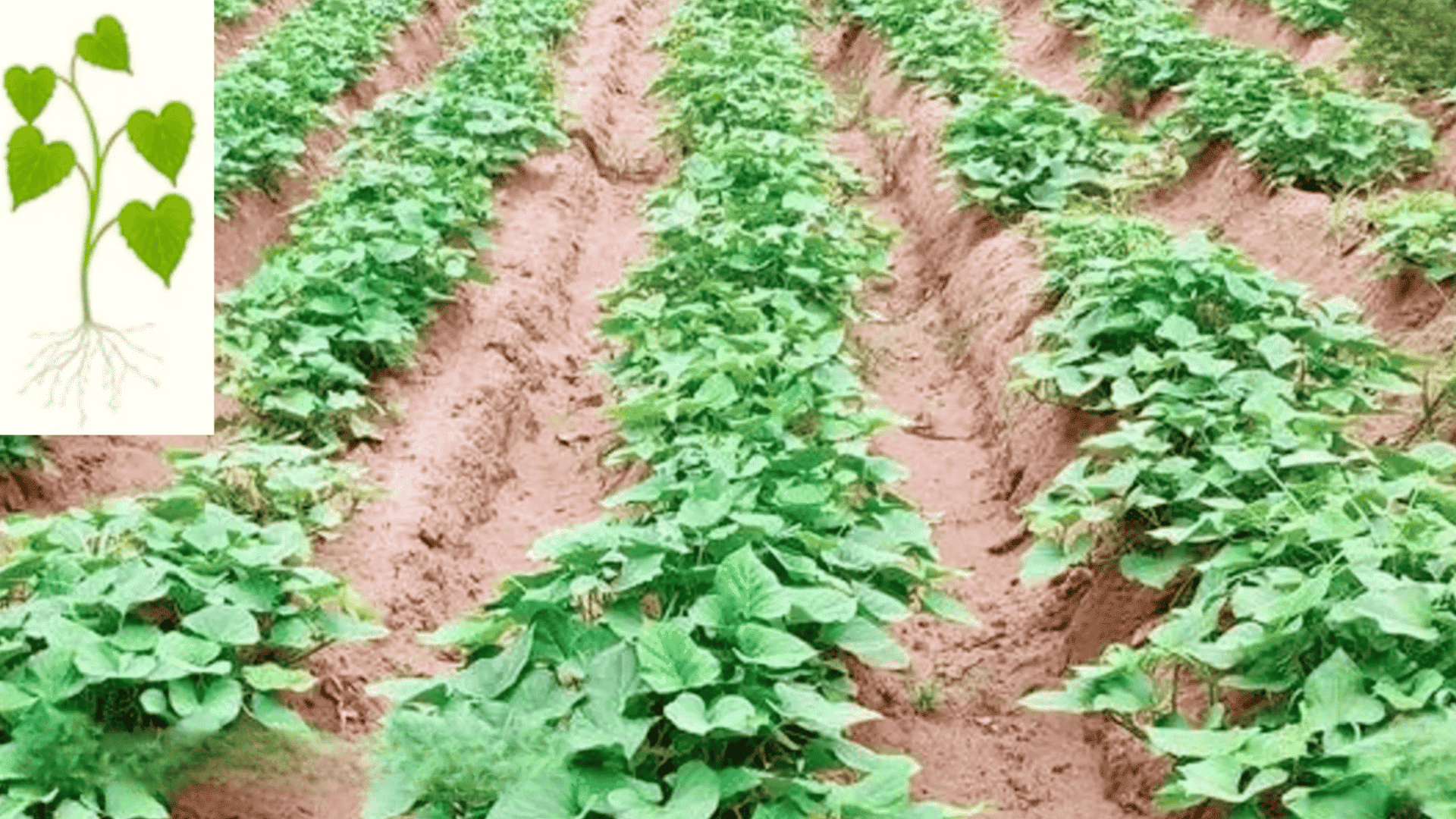
Established roots allow the plant to produce dramatic vine and foliage growth, building the energy system needed for future tuber development.
- Healthy vines are bright green with evenly spaced leaves, spreading several feet by week eight to capture maximum sunlight.
- Tubers remain small during this phase as the plant prioritizes foliage; leaves convert sunlight to carbohydrates for later underground storage.
- Vines grow rapidly, sometimes several inches per week, covering a significant area.
- Avoid digging to check for tubers during this stage; you’ll only damage the developing root system, preparing for the next phase.
3. Tuber Formation and Swelling
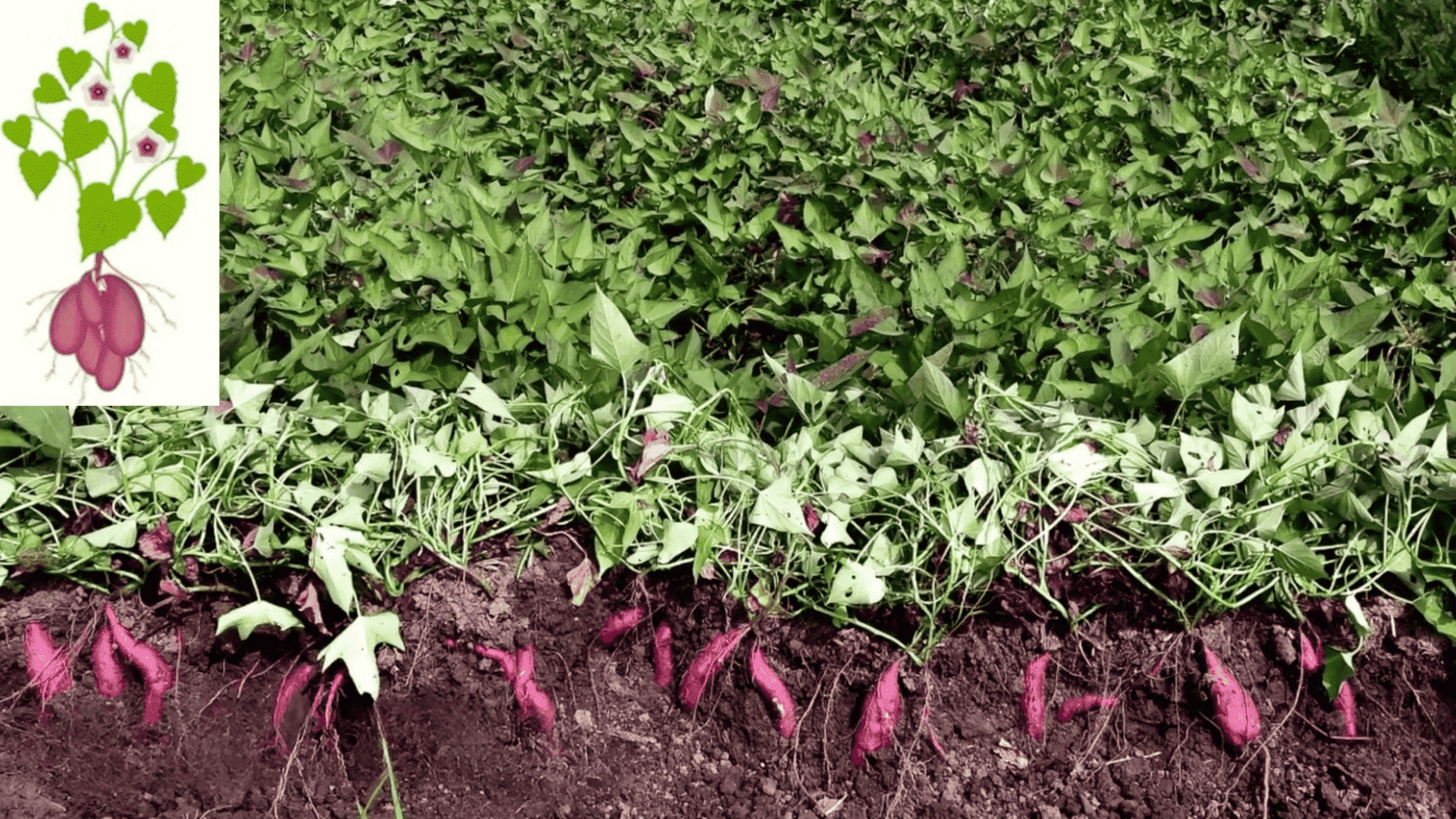
Underground roots begin swelling at specific points as the plant finally redirects stored energy into tuber development and significant size gain.
- Roots swell into recognizable sweet potatoes as the plant sends carbohydrates to specific growth points beneath the soil surface.
- Tubers gain significant size during this period; a three-inch tuber at week ten can reach six or seven inches by week fourteen.
- Consistent watering is critical now; irregular moisture causes tubers to crack or develop odd shapes, so keep the soil evenly moist.
- The plant balances vine maintenance with underground storage, putting maximum effort into bulking up the harvest.
4. Maturation and Skin Development
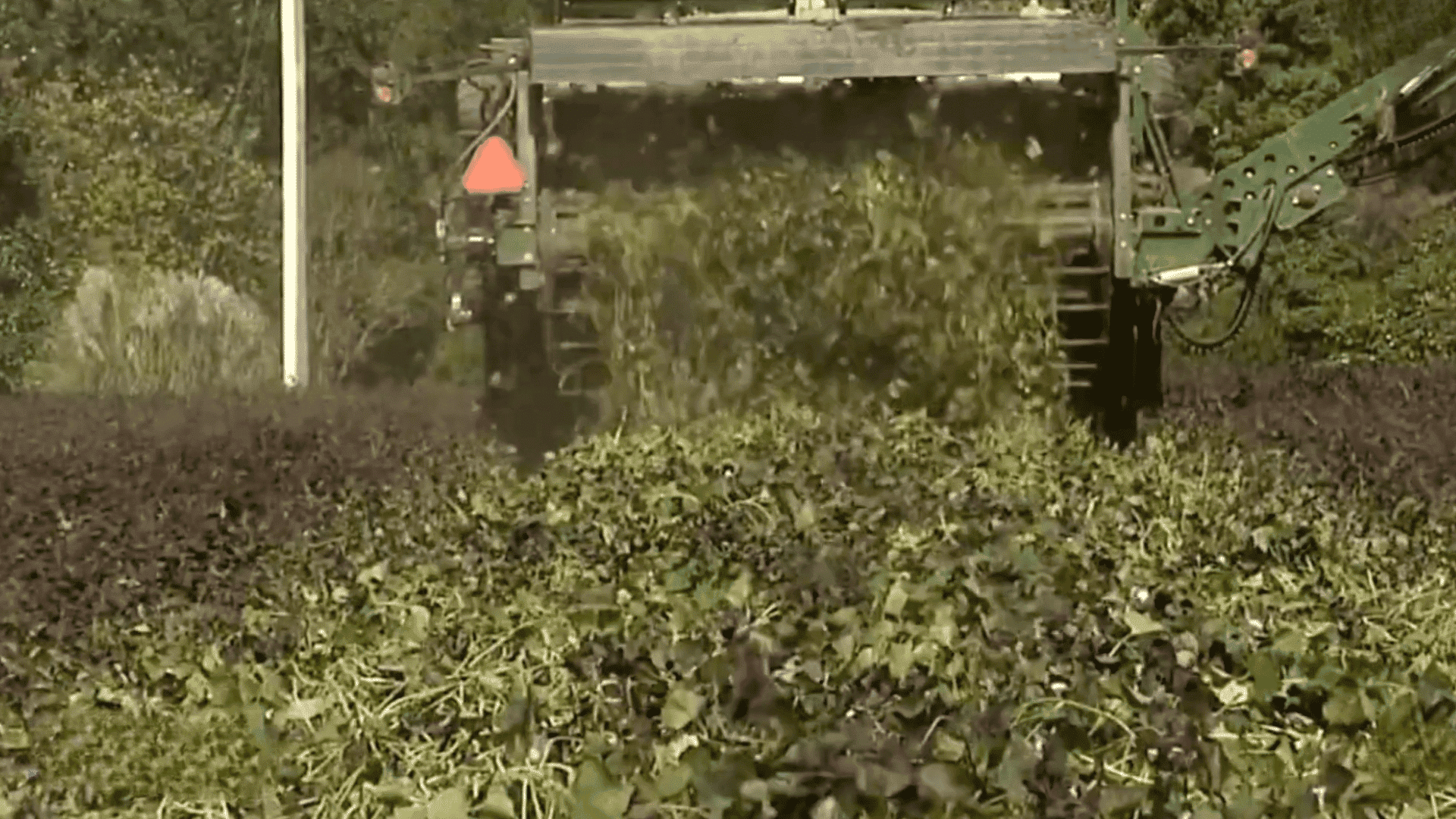
Growth slows as tubers reach final size and plants focus on skin toughening, which directly determines how well your harvest stores.
- Vines may yellow slightly or show reduced growth rates; some gardeners notice vines beginning to die back during this phase
- Skins thicken and sugars concentrate while tubers gain minimal additional size; thin immature skins bruise easily and won’t protect stored tubers
- Wait at least 90 days, ideally 100–110 days, before harvesting to ensure proper skin development and maximum storage life
- After harvest, cure tubers in warm, humid conditions for 7–10 days to further toughen skins and improve sweetness
Here’s a detailed overview from YouTube by: EMHC Academy
Key Factors in Sweet Potato Growth Speed
Several factors determine whether your sweet potatoes will be ready in 90 days or closer to 120. Understanding these variables helps you choose the right variety, prepare your soil properly, and create conditions that encourage faster growth.
| Factor | Impact on Growth Speed |
|---|---|
| Early Season Varieties | Ready in 90–100 days (‘Georgia Jet’, ‘Vardaman’); ideal for shorter seasons |
| Late Season Varieties | Need 110–120 days (‘Beauregard’, ‘Jewel’); larger tubers, better storage |
| Bush vs Vining Types | Bush = faster tuber production, compact; Vining = extra 2 weeks, needs more space |
| Soil Temperature | Optimal 70°F–85°F; below 60°F adds 10–20 days to timeline |
| Cold Nights | Below 55°F pauses tuber development; use black plastic mulch to offset |
| Drainage | Good drainage speeds growth; pooling water causes stunted tubers; use raised beds |
| Watering | Water deeply once weekly; overwatering causes rot and excessive vines, not tubers |
| Sunlight | Needs 6–8 hours of direct sun daily; shade delays harvest by 1–2 weeks |
Choosing the right variety for your climate and providing optimal conditions can shave weeks off your total growing time.
When Are Sweet Potatoes Ready to Harvest?
Knowing when to pull your sweet potatoes from the ground can mean the difference between tubers that store for months and ones that spoil within weeks. Most gardeners rely on calendar dates, but the plant itself provides more reliable signals about harvest timing.
Calendar Signs vs Plant Signs
Both methods have their place, but understanding the difference helps you make better decisions about when to actually pull your crop.
| Calendar-Based Approach | Plant-Based Approach |
|---|---|
| Follow seed packet days (90–120 days) | Watch for visual cues from the plant |
| Only a guideline; assumes ideal conditions | More accurate; reflects actual growing conditions |
| Doesn’t account for weather or soil issues | Adapts to real-world variables |
| Use as a starting point to begin monitoring | Use as the final decision maker |
| Risk: Harvesting with immature skins | Requires observation and plant knowledge |
The most successful gardeners use calendar dates as their alarm clock, then let the plant’s condition make the final call.
Visual Signs: Sweet Potatoes Are Ready
Vine color changes signal maturity first. Healthy vines stay bright green during active growth, but as harvest nears, leaves begin yellowing from the base outward toward vine tips. When 30 to 50 percent of foliage turns yellow or light green, your sweet potatoes are likely ready.
Growth slowdown is another clear indicator. Vines that once grew several inches weekly slow dramatically or stop entirely. New leaf production drops off as the plant redirects energy from foliage to final tuber development underground.
Soil surface clues provide additional confirmation. Swelling tubers sometimes push up slightly, creating small cracks or raised areas. You might spot sweet potato tops peeking through near the plant base, especially when combined with yellowing vines.
How to Test Harvest Readiness Without Ruining the Crop
- Choose an edge plant and dig 8 to 10 inches away from the base using a garden fork, working slowly to avoid damage
- Brush away soil to check tuber size: 3 to 4 inchesin diameter and 5 to 7 inches long, which means they’re ready
- Tubers around 2 inches wide need another week or two to reach full size
- Firm tubers with thick skin that separate easily from feeder roots signal maturity
- Thin, papery skin that rubs off with light pressure means they need more time to develop a protective outer layer
This single test dig gives you the information you need without sacrificing your entire crop to curiosity.
Final Thoughts
Knowing how long sweet potatoes take to grow gets easier once you stop relying only on dates and start watching the plant.
I’ve found that paying attention to vine changes, tuber size, and skin firmness leads to better harvest results every time. When you match timing to real plant signals, you avoid small tubers, poor storage, and wasted effort.
If you want to keep learning, I’ve shared more practical guides on planting timing, harvest tips, and storage basics across my other gardening blogs.
Take a look next so you can grow with more confidence and get the most from every season.