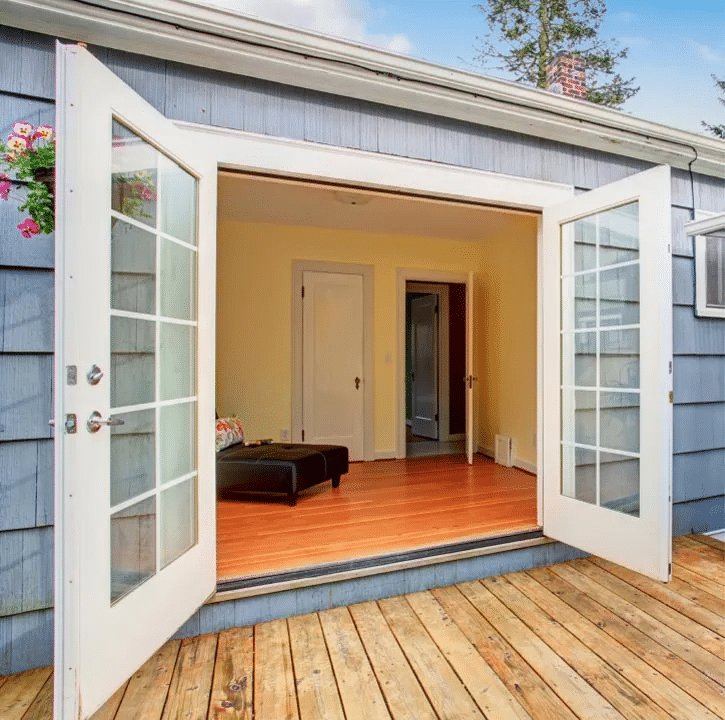
In Canadian homes, doors are no longer viewed as purely functional elements. They influence how spaces feel, how light moves through a room, and how effectively the home performs across changing seasons. Nowhere is this more noticeable than in rooms that connect interior living areas with gardens, patios, or decks.
This is why French doors continue to attract homeowners who want to open up interior spaces without sacrificing comfort. Their wide glass panels and symmetrical design can dramatically change how a room looks and behaves. At the same time, they raise practical questions about insulation, heat loss, and long-term performance — especially in colder climates.
Light, Visual Space, and How the Room Feels
One of the most immediate effects of installing French doors is the way they transform natural light. Unlike solid exterior doors, they allow daylight to penetrate deep into the interior, often reaching areas that previously relied on artificial lighting.
Because of their full-height glass panels,French doors tend to blur the visual boundary between indoors and outdoors. This makes rooms feel larger and more open, even when the actual square footage remains unchanged. In smaller homes or townhouses, that visual expansion can significantly improve how a space is perceived and used.
French doors also create stronger visual connections between adjacent rooms. When used between interior and exterior spaces — or even between two interior areas — they encourage sightlines that make layouts feel less compartmentalized.
Why Glass Changes Spatial Perception
Light affects more than brightness. It influences how we judge scale, depth, and openness. Rooms with access to daylight tend to feel calmer and more balanced, while darker spaces can feel compressed or closed off.
French doors amplify this effect by introducing vertical expanses of glass rather than narrow openings. The symmetry of paired panels also contributes to a sense of order, making a room feel more intentional and architecturally cohesive.
As explained by This Old House, exterior French doors are designed to visually open up a room by combining wide glass areas with modern performance features such as improved seals and insulated glass options. This balance between aesthetics and performance allows them to function effectively in modern homes, rather than behaving like outdated, glass-heavy designs of the past.
Insulation: The Common Concern
Despite their visual advantages, insulation is often the first concern homeowners raise when considering French doors. More glass naturally raises questions about heat loss, drafts, and energy efficiency.
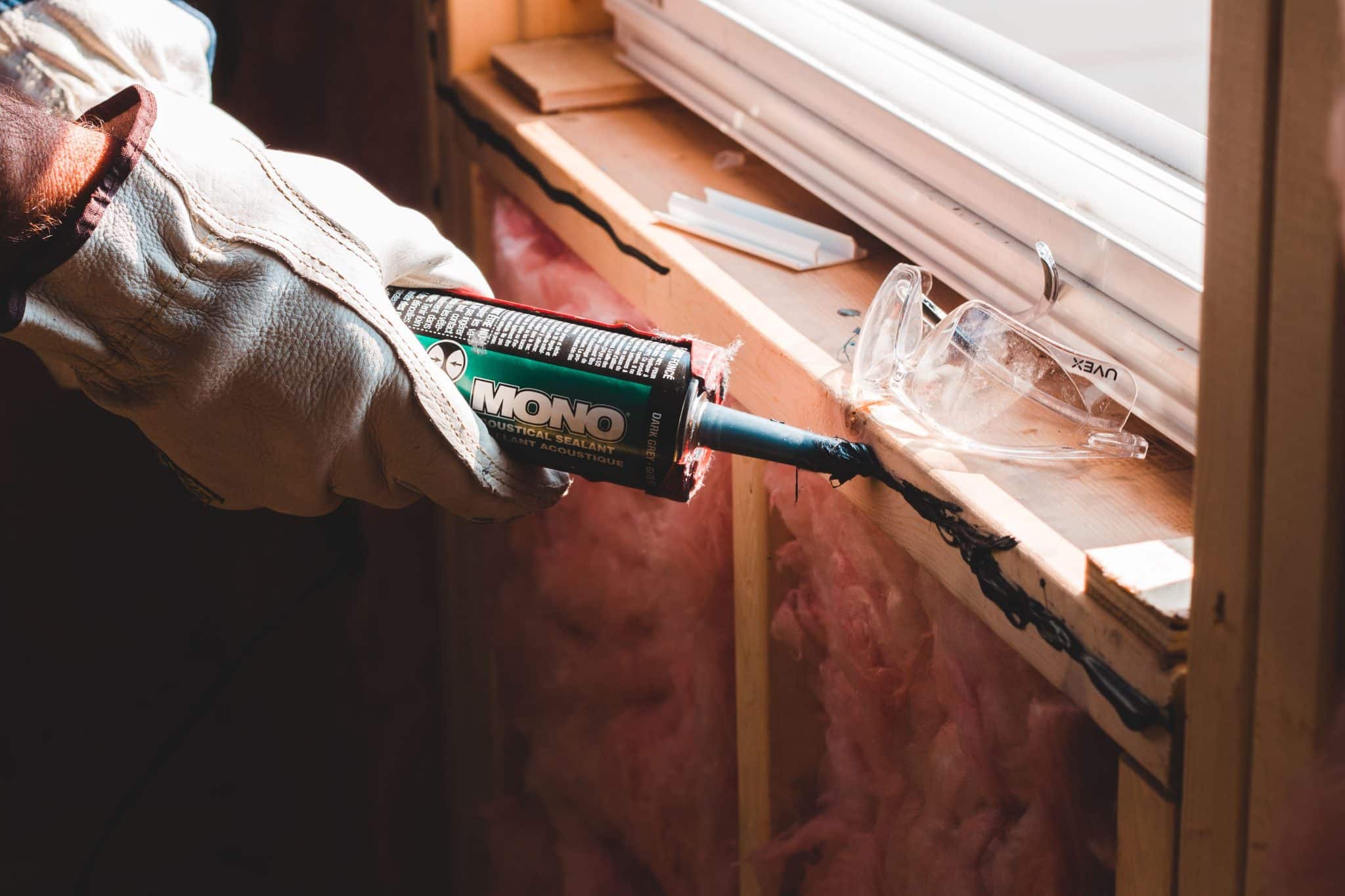
Modern French doors, however, are built very differently from older models. Multi-pane insulated glass units, low-emissivity coatings, and improved spacer systems significantly reduce heat transfer. When combined with properly sealed frames, they can perform comparably to many standard exterior doors.
That said, insulation performance depends heavily on design choices. Glass quality, frame material, and sealing systems all influence how well French doors handle Canadian winters.
Frame Materials and Thermal Behavior
The frame plays a critical role in insulation. Wood, vinyl, fiberglass, and composite frames each behave differently under temperature changes.
Wood offers natural insulating properties but requires careful sealing and maintenance. Vinyl and fiberglass frames tend to be more dimensionally stable, which helps maintain tight seals over time. Composite frames aim to balance structural strength with thermal efficiency.
Poorly chosen or poorly installed frames can undermine even high-quality glass, allowing cold air infiltration around the edges rather than through the glass itself.
Air Sealing and Door Alignment
French doors rely on precise alignment to maintain insulation performance. Because they operate as paired panels, any misalignment can compromise the seal where the doors meet.
Weatherstripping quality and compression are especially important. Modern systems use multi-point locking and continuous seals to maintain consistent pressure along the entire edge of the door. When properly installed, these systems significantly reduce drafts and air leakage.
This is also where door replacement decisions matter. Swapping an older solid door for French doors without addressing framing or sealing details can create problems that are mistakenly blamed on the door design rather than installation quality.
Light Versus Heat Loss: A Practical Balance
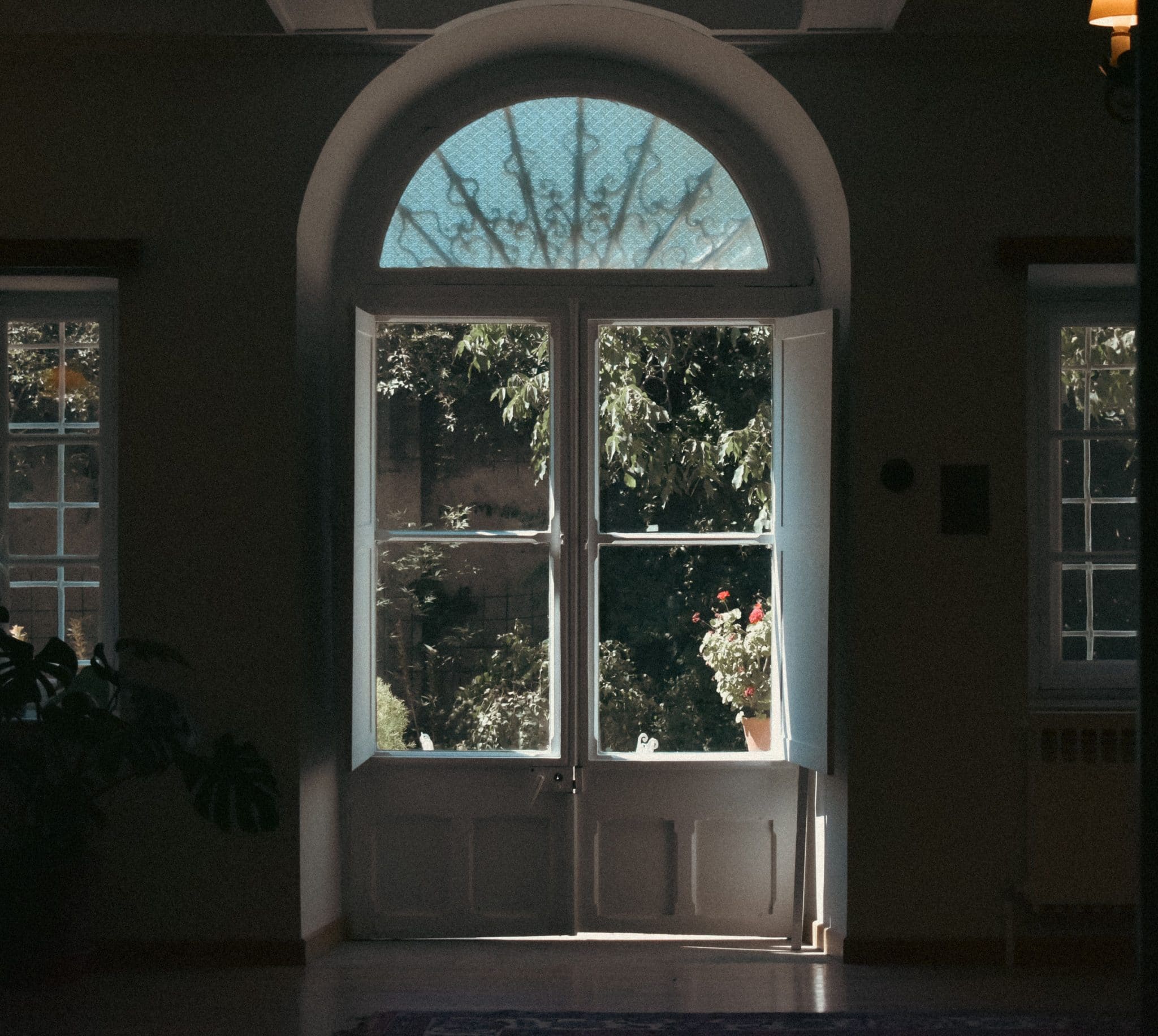
Natural light often reduces reliance on artificial lighting during daytime hours, which can offset energy use. More importantly, sunlight can contribute passive heat gain during colder months, particularly in south-facing installations.
The balance between light gain and heat loss depends on orientation, glazing specifications, and local climate conditions. Well-designed French doors aim to maximize daylight while limiting unwanted heat transfer, rather than prioritizing one at the expense of the other.
How French Doors Compare to Other Exterior Doors
Compared to traditional solid exterior doors, French doors offer greater visual openness but require greater attention to design and installation details. Compared to sliding doors, they provide wider openings and stronger visual symmetry but occupy more interior or exterior swing space.
Understanding these trade-offs helps homeowners decide whether French doors are the right choice for a particular location. In many homes, they work best where light and visual connection are priorities, rather than in high-traffic utility areas.
Integration With Windows and the Wider Envelope
French doors rarely exist in isolation. Their performance is closely tied to nearby windows and surrounding wall construction. When integrated thoughtfully with other windows and doors, they can enhance overall comfort rather than compromise it.
Inconsistent upgrades — where doors are replaced without addressing adjacent windows or insulation — can make performance issues more noticeable. A holistic approach helps ensure that gains in light and space do not come at the expense of energy efficiency.
Long-Term Comfort and Use
Beyond energy performance, French doors influence how spaces are used day to day. Increased daylight can change furniture placement, reduce glare issues, and improve the usability of adjacent rooms.
Over time, these subtle changes often matter more than initial visual impact. Homes feel brighter, more connected, and more adaptable as needs evolve.
A Measured Perspective
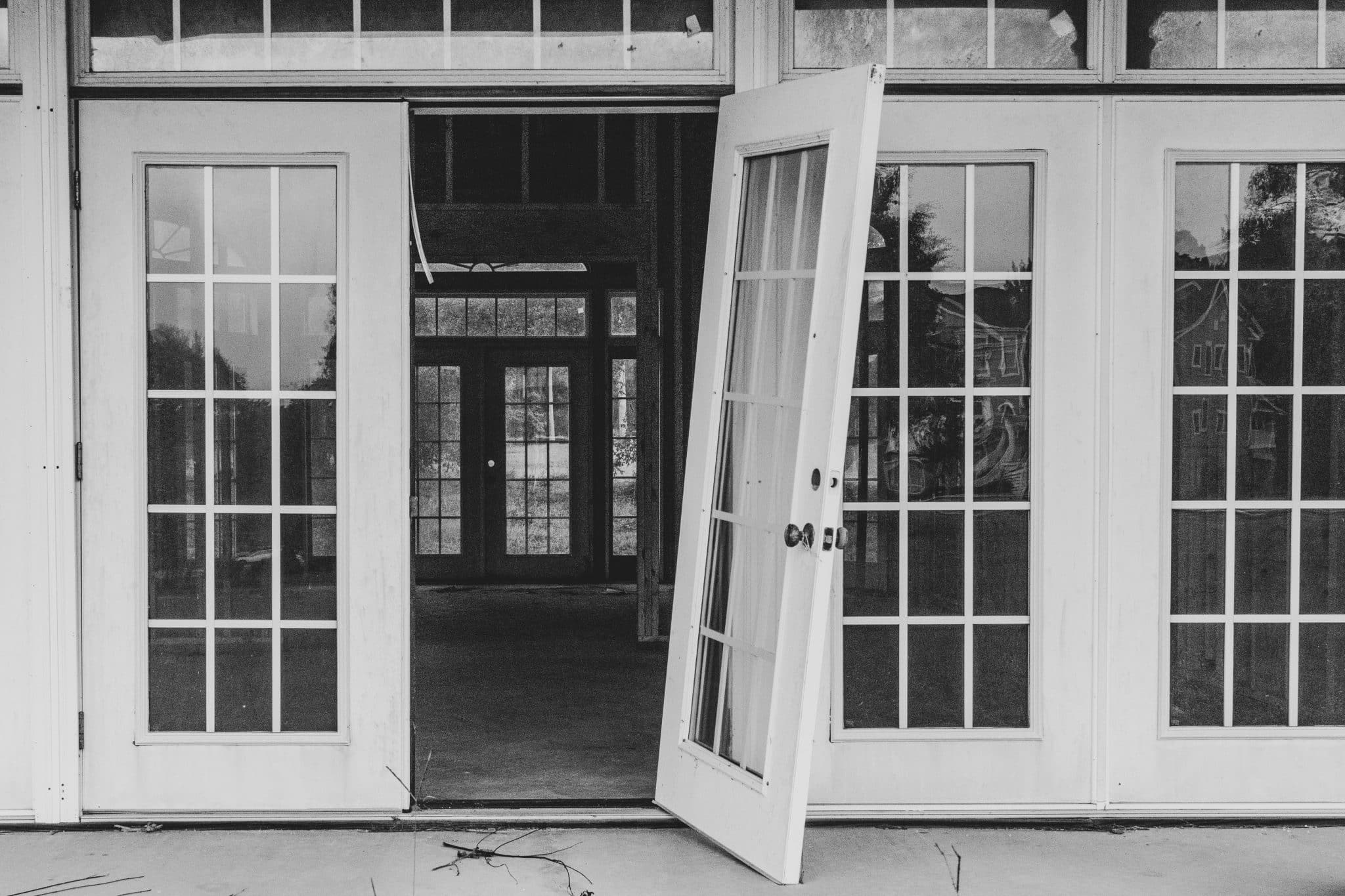
French doors reshape interiors by altering how light, space, and boundaries are experienced. When designed and installed with insulation and sealing in mind, they can deliver these benefits without sacrificing comfort — even in Canada’s demanding climate.
For homeowners weighing door replacement options, the key is understanding that French doors are neither purely aesthetic nor inherently inefficient. Their performance depends on thoughtful design choices and proper integration into the broader windows and doors system, allowing light and openness to coexist with long-term comfort.